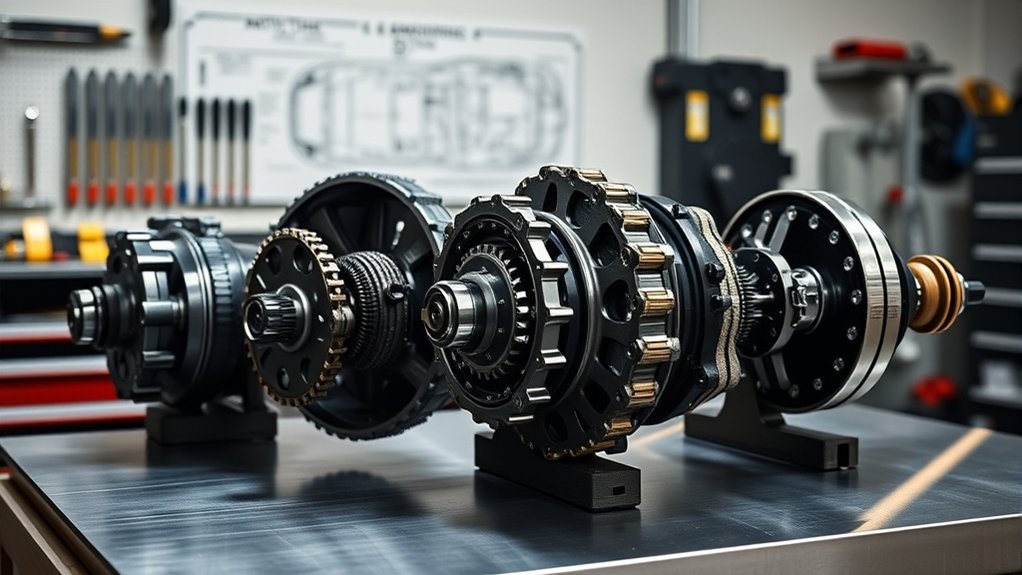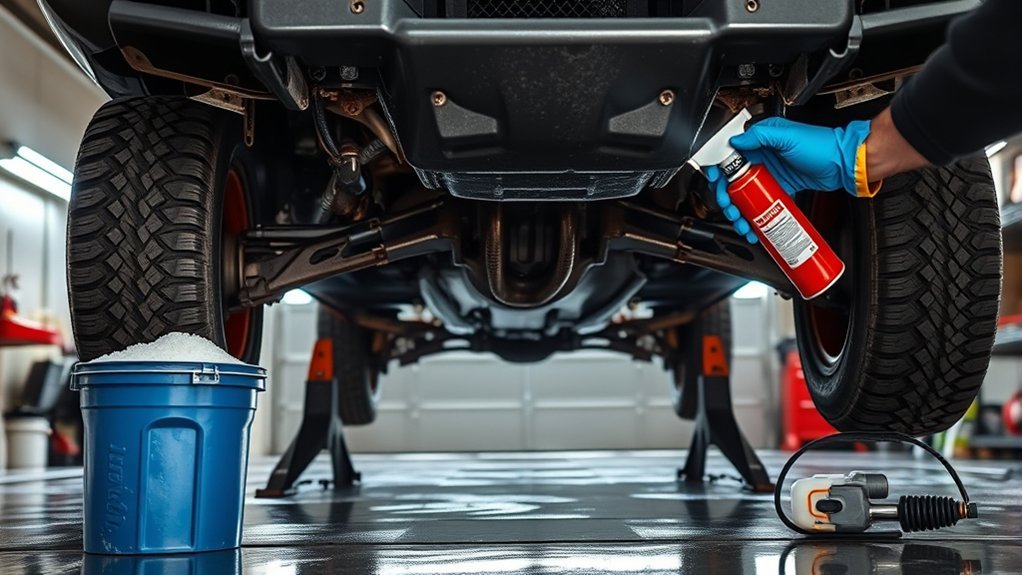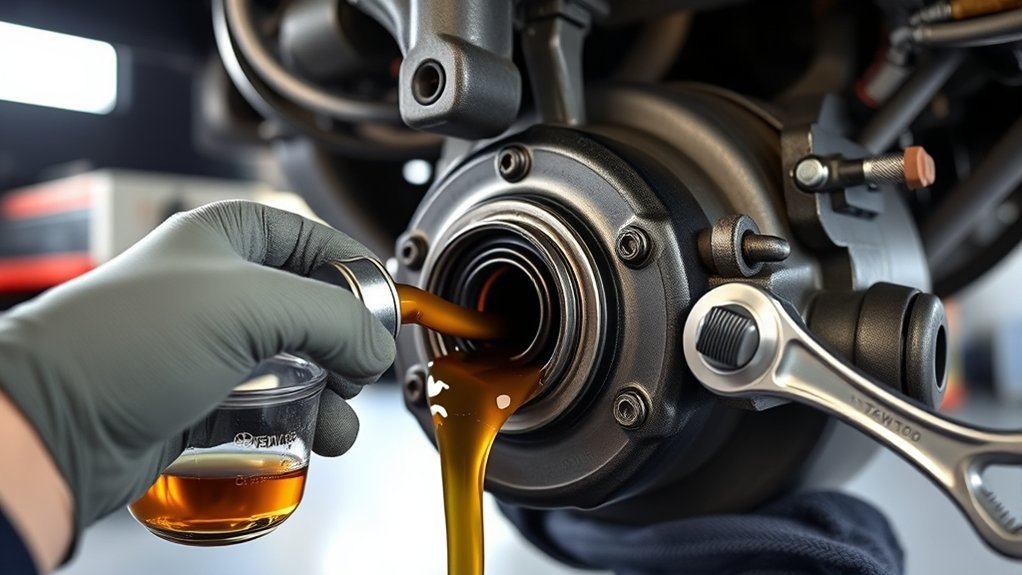
You can use 75W-90 in a Toyota Tacoma transfer case only when it matches the fluid specification for your exact model year. Older Tacoma 4WD models commonly called for 75W-90 gear oil, while many 2016 and newer Tacoma 4WD models specify Toyota Genuine Transfer Gear Oil LF or equivalent SAE 75W. The safest move is simple: check the owner’s manual or service data for your VIN before choosing fluid.
Quick Answer
Use 75W-90 in your Tacoma transfer case only if your owner’s manual lists 75W-90 gear oil for the transfer case. For many 2016 and newer Tacoma 4WD models, Toyota specifies LF SAE 75W instead, so 75W-90 should not be treated as a normal substitute.
Key Takeaways
- Model year matters: many older Tacomas used 75W-90, while newer models often specify Toyota LF SAE 75W.
- 75W and 75W-90 are not identical: both include a cold-temperature “75W” rating, but 75W-90 is thicker at operating temperature.
- Do not choose by viscosity alone: the fluid must also match Toyota’s required gear-oil type, additive chemistry, and service specification.
- If you tow, off-road, or drive through water: inspect the transfer-case fluid sooner and replace contaminated fluid quickly.
Which Transfer Case Fluid Does Your Tacoma Need?

The correct Tacoma transfer case fluid depends on the generation, market, drivetrain, and sometimes production details. Toyota’s official 2024 Tacoma maintenance data lists Toyota Genuine Transfer Gear Oil LF or equivalent with SAE 75W viscosity for 4WD models. Older Toyota owner’s manual data, such as the 2005 Tacoma manual, lists Gear Oil API GL-4 or GL-5 with SAE 75W-90 viscosity for the transfer case.
| Tacoma range | Common transfer-case spec | Can you use 75W-90? |
|---|---|---|
| Many 2005-2015 4WD models | SAE 75W-90 gear oil meeting the manual’s API GL requirement | Yes, when it matches the owner’s manual. |
| Many 2016-2023 4WD models | Toyota Genuine Transfer Gear Oil LF or equivalent SAE 75W | Usually no, unless Toyota or a trusted service source confirms compatibility. |
| 2024 and newer gas 4WD models | Toyota Genuine Transfer Gear Oil LF or equivalent SAE 75W | No as a routine choice; use SAE 75W LF-equivalent fluid. |
| Tacoma Hybrid 4WD models | Toyota’s hybrid maintenance data also points to Toyota LF SAE 75W-type transfer oil | Use the hybrid manual’s exact fluid and capacity. |
Warning: Do not assume a fluid is safe because it says “gear oil” or “GL-5” on the bottle. Transfer cases, manual transmissions, and differentials can need different additive chemistry even when the viscosity number looks similar.
[Products Worth Considering]

This soft silicone key case provides 360-degree protection for compatible Toyota key fobs, helping guard against scratches, dust, drops, and everyday wear. The slim, lightweight design preserves button access and signal performance while adding a premium look and comfortable feel. A matching keychain helps keep your keys secure and easy to carry.

These genuine Toyota oil drain plug gaskets are designed to help maintain a reliable seal during oil changes, reducing the chance of leaks and supporting proper engine maintenance. With an OEM fit and trusted Toyota quality, they are a practical choice for routine service on compatible vehicles. The convenient quantity pack is ideal for keeping multiple maintenance intervals covered.

This replacement filter set is designed for a range of Toyota hybrid vehicles, including popular models like RAV4 Hybrid, Camry Hybrid, Highlander Hybrid, Sienna, Venza, and more. It combines cabin and engine filtration to help support cleaner airflow, reduce dust and odors, and protect your HVAC and engine systems. Built for easy installation and extended service life, it offers a convenient maintenance upgrade for compatible hybrid and gas-only Corolla models.
What 75W-90 Means for Transfer-Case Performance
The numbers in 75W-90 come from the SAE J306 gear-lubricant viscosity system. The “75W” part describes low-temperature flow behavior, while the “90” part describes a higher operating-temperature viscosity range. That makes 75W-90 useful in many gearboxes and transfer cases designed for it, but it does not automatically make it correct for every Tacoma.
Cold-Start Flow
The “75W” rating means the oil meets a low-temperature viscosity requirement for gear lubricants. That helps the fluid move through bearings, gears, and contact points during startup. However, a Toyota LF SAE 75W transfer oil and a 75W-90 gear oil are not the same just because both contain “75W” in the name. A 75W-90 fluid is built to remain thicker when hot, and that extra thickness can change drag, shift feel, and pump load in a transfer case designed for thinner LF 75W fluid.
Hot Film Strength
Once the drivetrain warms up, 75W-90 creates a thicker lubricating film than a straight SAE 75W transfer oil. That can be helpful in older transfer cases designed around 75W-90, especially under towing, off-road use, or sustained load. In a newer Tacoma transfer case designed for low-friction SAE 75W, the same thickness may increase churning loss and make the system work harder than intended.
Additive Chemistry
Viscosity is only one part of the choice. Gear oils also use anti-wear and extreme-pressure additives. The American Petroleum Institute’s gear lubricant service designations explain that GL categories are meant for different operating conditions and component designs. If Toyota specifies LF 75W, the replacement fluid should match that Toyota requirement, not just the closest-looking viscosity on the shelf.
Why Toyota Specified a Thin SAE 75W for Many Newer Tacomas
Toyota’s LF SAE 75W transfer oil is thinner at operating temperature than 75W-90. That lower viscosity can reduce internal drag, support faster circulation, and match the clearances and shift system Toyota designed into newer Tacoma transfer cases.
Cold-Weather Pumpability
In cold weather, a thinner fluid can reach contact points faster during the first moments after startup. That matters because the transfer case has gears, bearings, and sometimes shift components that need oil movement before everything is fully warmed up. If your Tacoma lives where winter mornings are harsh, the factory-specified SAE 75W fluid is usually the better choice for newer models.
Shift Quality and Actuator Load
Many modern Tacoma 4WD systems rely on smooth movement inside the transfer case when changing modes. A fluid that is too thick for the design can make engagement feel slower or less consistent, especially when cold. If the truck calls for LF 75W, using 75W-90 as a “stronger upgrade” may create the opposite result.
Warranty and Service Records
If your Tacoma is still under warranty, stay with the owner’s manual specification or a documented equivalent. Toyota’s maintenance pages also note that using proper repair information and confirming warranty coverage matters when non-Toyota parts or services are used. Keep receipts that show the brand, viscosity, specification, mileage, and date of service.
When to Choose Toyota 75W, 75W-90, or an Aftermarket Fluid
Choose the fluid by the manual first, then by climate and use. The table below is a practical guide, not a replacement for your exact owner’s manual.
| Situation | Best choice | Why |
|---|---|---|
| Your manual specifies Toyota LF SAE 75W | Toyota Genuine Transfer Gear Oil LF or a proven equivalent | Matches the transfer case design, flow needs, and Toyota specification. |
| Your manual specifies SAE 75W-90 GL-4 or GL-5 | High-quality synthetic or conventional 75W-90 meeting that API requirement | This is the intended viscosity and service category for those older transfer cases. |
| You tow, off-road, or drive through mud and water | Still use the correct spec, but inspect and replace sooner | Hard use and water crossings can contaminate or overheat small-capacity drivetrain fluids. |
| The correct Toyota fluid is temporarily unavailable | Wait for the right fluid when possible; if emergency-filled, replace with the correct spec soon | A short-term emergency fill is different from a recommended service fluid. |
Note: A thicker oil is not automatically better. The transfer case needs the right balance of flow, film strength, friction behavior, and additive compatibility.
[Products Worth Considering]

The Funnel King 32950 Oil Drain Pan is a compact fluid catch basin designed for clean, easy draining during routine maintenance. Its open shape and pour edge help transfer used oil, coolant, and other shop fluids with less mess, while the lightweight polypropylene construction stands up to common automotive chemicals. Sized to fit under many cars and small engines, it is a practical choice for garages, workshops, and DIY oil changes.

This 12-pack oil filter and drain plug washer set is designed for a wide range of Toyota and Scion vehicles, helping support clean oil flow and dependable engine performance. It replaces several common OE part numbers and offers an easy-fit solution for routine maintenance. Built with corrosion-resistant materials and efficient filtration, it helps keep engine contaminants out and supports longer service life.

The Scepter AM07029 Oil Drain Pan makes oil changes cleaner and easier by helping contain spills and reducing mess in the garage or driveway. Its lidded opening, removable drain screen, and gasketed pour spout support convenient collection, transport, and disposal of fluids. Built from durable high-density polyethylene, it resists rust, dents, and corrosion for reliable use with engine oil, transmission fluid, hydraulic fluid, and antifreeze.
How Viscosity, Pour Point, and Additives Affect Cold Starts and Loads

Three things matter most when comparing Tacoma transfer case fluids: viscosity, low-temperature behavior, and additive chemistry. Viscosity affects how easily the oil moves and how thick its film remains under load. Pour point and cold-flow performance affect whether the oil can move quickly in low temperatures. Additives help protect gears, control wear, and manage friction.
The best transfer-case oil is not the thickest oil. It is the oil that matches the transfer case’s design, temperature range, load, and Toyota specification.
Cold Starts
Cold starts are where thinner transfer oil can shine. If the oil is slow to move, gears and bearings spend more time waiting for full lubrication. In a newer Tacoma that calls for LF SAE 75W, staying with that type of fluid helps preserve the cold-flow behavior Toyota intended.
Heavy Loads
75W-90 can be excellent under load when the transfer case is designed for it. The thicker operating-temperature viscosity can maintain a strong film during towing, crawling, or repeated high-load use. But in a Tacoma that specifies LF 75W, Toyota already balanced the fluid choice for the hardware. Do not “upgrade” to 75W-90 unless you have reliable compatibility data for your exact model.
Aftermarket Fluids
An aftermarket fluid can be a good choice when it clearly states compatibility with the Toyota transfer-case specification your truck requires. Look for product data sheets, not just marketing language. For newer trucks, the bottle should specifically support Toyota LF SAE 75W-type transfer-case use. For older trucks, it should meet the manual’s 75W-90 and API GL requirement.
Transfer-Case Maintenance: Change Intervals and What to Inspect
Toyota maintenance schedules often focus on inspection, but real-world use matters. If your Tacoma tows, sees steep trails, runs in deep snow, crosses water, or spends long periods in 4WD, the transfer-case fluid works harder. In those conditions, many owners choose a shorter replacement interval instead of waiting for symptoms.
At a Glance
| Time Required | 30-60 minutes for a basic drain and refill |
| Difficulty | Easy to moderate, depending on access and plug condition |
| Tools Needed | Fluid pump, drain pan, correct socket or hex bit, torque wrench, new plug gaskets |
| Cost | Usually the cost of 1-2 liters of correct fluid plus gaskets |
Inspect the Fluid
Healthy transfer-case fluid should not look milky, foamy, glittery, or burnt. A small amount of fine paste on a magnetic drain plug can be normal, but chunks, flakes, or a strong burnt smell deserve closer inspection. If the fluid looks milky after water crossings, replace it as soon as possible because water reduces the oil’s lubricating quality.
Inspect the Plugs and Seals
Look for seepage around the fill plug, drain plug, case halves, and output seals. Replace crush washers or gaskets when the service information calls for it. Over-tightening can damage threads, while under-tightening can lead to leaks, so use the torque value for your exact year.
Do Not Overfill or Underfill
Too much or too little transfer-case oil can cause problems. Many Tacoma service procedures use the fill-hole level method, but the acceptable level and capacity can vary by generation. Park the truck level, follow the service procedure, and stop at the correct level for your transfer case.
Buying and Service Tips: Pouring, Plugs, and Common Mistakes
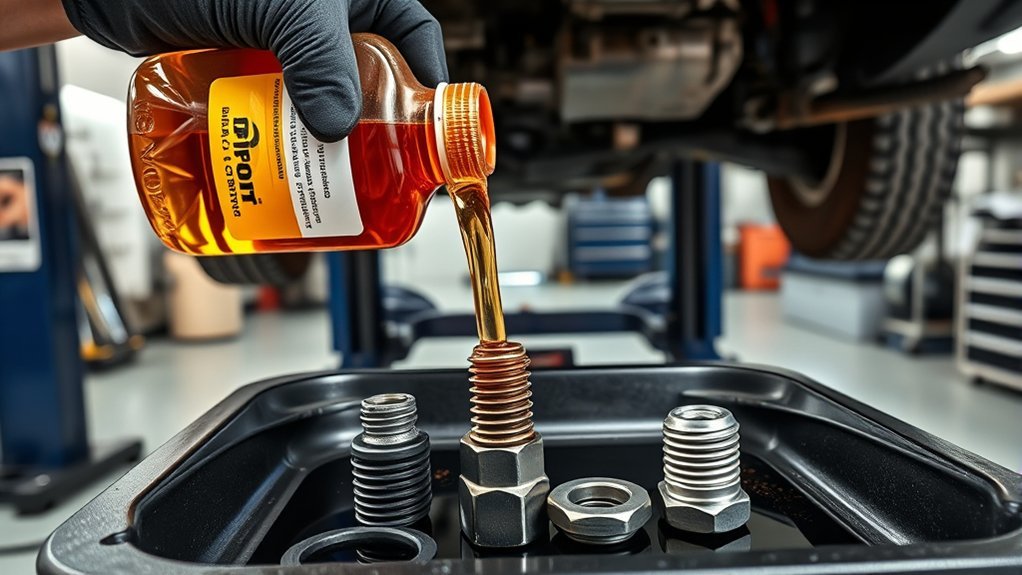
Plan the service before you open the case. The correct fluid can be expensive, access can be tight, and damaged plugs can turn a simple fluid change into a frustrating repair.
[Products Worth Considering]

CHAPIN’s low-profile oil drain pan is designed to slide under low-clearance vehicles and equipment, making fluid changes easier in tight spaces. The large splash-free target area helps reduce mess while the molded carry handles support easier lifting, pouring, and storage. Built for draining oil, coolant, and other automotive fluids, it offers a practical high-capacity solution for routine maintenance.

This ALLWELL engine air filter is designed to help maintain clean airflow for compatible Toyota, Lexus, and Subaru vehicles, supporting engine performance and efficient operation. It serves as a direct replacement for multiple OE part numbers and fits a wide range of hybrid and standard models across several years. Built for broad compatibility, it is a practical maintenance part for keeping your vehicle’s intake system protected.

This upgraded engine oil funnel kit makes oil changes cleaner and easier with a spill-proof design, flow control valve, and transparent body for precise filling. Built from durable polycarbonate and equipped with 12 adapters, two 45-degree elbows, and a debris filter, it fits a wide range of vehicles and works well in tight engine spaces. The secure, hands-free setup helps reduce mess while improving control during oil filling and fluid transfers.
Buy the Correct Fluid Before You Drain
Confirm the fluid type, capacity, and gasket part numbers first. If your Tacoma calls for Toyota LF SAE 75W, do not drain the case assuming any 75W-90 from the parts store will work. If your older Tacoma calls for 75W-90, make sure the gear oil meets the API category listed in the manual.
Remove the Fill Plug First
Always loosen the fill plug before removing the drain plug. If the drain plug comes out first and the fill plug is seized, the truck can be stuck empty. This one habit prevents a very common DIY mistake.
Use a Pump and Keep Everything Clean
A hand pump makes it easier to fill the transfer case without spilling oil over the skid plate, crossmember, or exhaust. Keep dirt away from the fill opening, wipe around the plugs before removal, and use clean containers and tools.
Pro Tip: Write the fluid brand, viscosity, specification, mileage, and date in your maintenance log. That record helps with future troubleshooting and warranty discussions.
Dispose of Used Gear Oil Properly
Used gear oil should be collected in a sealed container and taken to a recycling or approved used-oil collection site. The U.S. EPA advises managing and recycling used oil properly because used oil can contain metal particles, dirt, water, and chemicals after service. Never pour it into drains, soil, stormwater systems, or trash.
Frequently Asked Questions
Is synthetic 75W-90 better than conventional for Tacoma transfer cases?
Synthetic 75W-90 can offer better cold-flow stability, oxidation resistance, and shear stability than conventional 75W-90, but it is only the better choice if your Tacoma transfer case actually specifies 75W-90. For newer Tacoma models that call for Toyota LF SAE 75W, use a compatible SAE 75W LF-type fluid instead.
Can 75W-90 cause leaks with older seals or gaskets?
A viscosity change alone does not automatically cause leaks, but old seals can begin seeping after any fluid service because fresh oil can clean deposits or expose existing wear. If a transfer case starts leaking after a change, inspect the plug gaskets, output seals, breather, and case seams before blaming the oil.
Does 75W-90 affect differential gear wear or only the transfer case?
75W-90 can affect any component it is used in, but the transfer case and differentials are separate units with separate specifications. Some Tacoma differentials use different gear oil than the transfer case. Do not use the transfer-case spec to choose differential oil, and do not use the differential spec to choose transfer-case oil.
Are there environmental disposal rules for used 75W-90 gear oil?
Yes. Used gear oil should be stored in a sealed container and recycled through an approved used-oil collection point, repair shop, parts store, or local waste program. Do not dump it on the ground, into a drain, or into household trash.
Will 75W-90 interfere with limited-slip clutch performance?
Limited-slip clutch behavior is mainly a differential issue, not a transfer-case issue. If your rear differential has a limited-slip unit, use the differential oil and friction modifier specified for that axle. Do not add limited-slip friction modifier to the transfer case unless Toyota or the fluid manufacturer specifically requires it.
What should I do if I already put 75W-90 in a Tacoma that calls for LF SAE 75W?
If the truck has been driven normally and there are no noises, leaks, or 4WD engagement problems, do not panic. Drain and refill with the correct Toyota LF SAE 75W or documented equivalent as soon as practical. If shifting into 4WD feels slow, noisy, or inconsistent, stop using 4WD and inspect the fluid level and condition.
How much transfer-case fluid does a Tacoma need?
Capacity varies by model year and drivetrain, so check the owner’s manual or service data for your exact Tacoma. Many Tacoma transfer cases take around 1 liter to a little more than 1 liter, but hybrid and newer models may differ. Fill by the correct service procedure, not by guesswork.
Conclusion
Think of your Tacoma’s transfer case like a small gearbox with a very specific appetite. If your owner’s manual calls for 75W-90, use a quality 75W-90 that meets the listed API gear-oil requirement. If your Tacoma calls for Toyota Genuine Transfer Gear Oil LF or equivalent SAE 75W, do not treat 75W-90 as an upgrade. Use the correct spec, service it cleanly, inspect for leaks or contamination, and your 4WD system has a much better chance of staying smooth and reliable.
Sources
- Toyota 2024 Tacoma Owner’s Manual: Maintenance Data — backs up Toyota LF SAE 75W transfer oil for 2024 4WD models.
- Toyota 2025 Tacoma Hybrid Owner’s Manual: Maintenance Data — backs up LF SAE 75W-type transfer oil for Tacoma Hybrid models.
- Toyota 2005 Tacoma Owner’s Manual — backs up SAE 75W-90 GL-4 or GL-5 transfer oil for older Tacoma examples.
- SAE J306 Gear Lubricant Viscosity Classification — explains the gear-oil viscosity system used for 75W and 75W-90 grades.
- API Publication 1560: Gear Lubricant Service Designations — supports GL-category discussion and gear lubricant selection.
- U.S. EPA: Managing, Reusing, and Recycling Used Oil — backs up used-oil handling and recycling guidance.