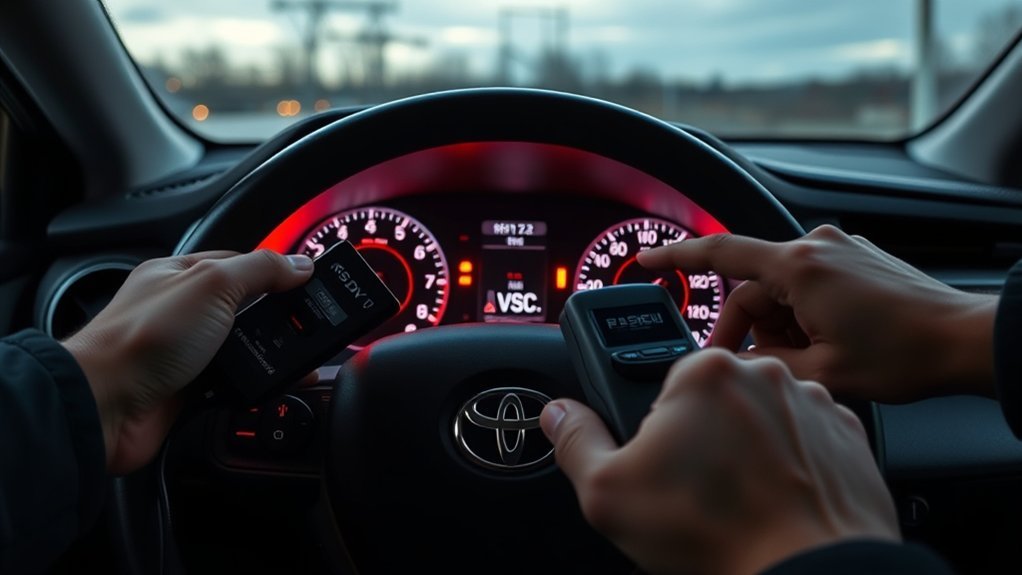
If your Toyota RAV4’s VSC light, VSC OFF light, or slip indicator stays on, treat it as a stability-control warning, not just a dashboard annoyance. The fix starts with safety: slow down, watch for brake, steering, engine, or power-loss symptoms, then scan for diagnostic trouble codes before replacing parts. On many RAV4s, VSC warnings are linked to ABS, traction control, engine-management, battery-voltage, or sensor faults.
Quick Answer
To fix a RAV4 VSC light, first stop driving if braking, steering, or engine power feels unsafe. Check the gas cap, battery terminals, fuses, and VSC/TRAC switch, then scan the OBD-II port for codes. Repair the fault, clear the codes, and road-test. If the light returns, get professional diagnostics.
Key Takeaways
- The VSC system works with traction control, ABS, engine control, and steering systems, so one warning light can have several causes.
- A steady VSC light may still allow cautious driving, but a flashing check-engine light, power loss, brake warning, or steering problem means you should stop safely.
- Start with simple checks: gas cap, battery voltage, fuses, connectors, and whether the VSC/TRAC system was accidentally switched off.
- Do not guess at parts. Scan for codes first, write them down, repair the root cause, then clear the codes and road-test.
At a Glance
| Time Required | 10–30 minutes for basic checks; 1–2 hours for sensor and wiring inspection |
| Difficulty | Beginner for scanning and visual checks; intermediate for electrical testing |
| Tools Needed | OBD-II scanner, flashlight, gloves, basic hand tools, multimeter, tire-pressure gauge |
| Cost | Often $0–$50 for basic checks; more if a sensor, battery, wiring repair, or professional diagnosis is needed |
Confirm the Problem: Symptoms, Immediate Actions, and When to Stop

The VSC light means the RAV4’s Vehicle Stability Control system is disabled, operating, or has detected a fault depending on the exact light and message shown. Toyota describes VSC as a system that helps control skidding during sudden steering or slippery-road driving, and it works with related systems such as TRAC, ABS, and engine control. You can review Toyota’s official explanation of these systems in its RAV4 driving assist systems manual.
Before touching anything, check how the vehicle feels. Note whether the check engine light, ABS light, brake warning light, traction light, or steering warning is also on. Also write down any symptoms such as shuddering, rough idle, hard shifts, reduced power, poor acceleration, pulling, grinding, or unusual braking feel.
Warning: Stop in a safe place and do not continue driving if the RAV4 has severe power loss, a flashing check-engine light, brake warning light, hard steering, engine stalling, smoke, burning smells, or unstable handling. Those symptoms can point to faults that affect control or engine safety.
If the RAV4 drives normally and the warning is steady, you can usually move the vehicle carefully to a safe location or repair shop. Avoid aggressive acceleration, high speeds, towing, icy roads, or long trips until you know why the warning is on.
Understand What the VSC Light Means on a RAV4
On a Toyota RAV4, VSC is not a single stand-alone part. It is a stability-control function that uses information from wheel-speed sensors, steering angle, yaw/acceleration sensors, brake-system data, throttle control, and engine-control data. That is why a VSC warning can appear with an engine code, ABS code, battery-voltage issue, or traction-control issue.
Some RAV4 model years show a dedicated VSC light, while newer models may show a VSC OFF indicator, slip indicator, traction-control message, or multi-information display warning. Toyota’s official RAV4 warning lights and indicators guide explains that warning and indicator lights should turn on briefly during the startup system check and then turn off; if they do not turn off, Toyota recommends inspection.
Note: If the light says “VSC OFF” after you pressed the traction-control button, the system may simply be switched off. If it comes back on after you restart the vehicle or press the switch again, scan for codes instead of assuming the button is the problem.
Read OBD-II Codes: Where to Scan and What the Printout Means
After you have taken safety steps, scan the vehicle. The OBD-II port is usually under the driver-side dashboard near the hood release. Plug in a compatible OBD-II scanner, turn the ignition to the correct position for your scanner, and read stored, pending, and permanent codes. The U.S. Environmental Protection Agency explains that onboard diagnostic systems detect emission-system malfunctions, store trouble codes, and alert drivers through dashboard warnings; see the EPA’s onboard diagnostics regulation for the formal OBD requirement.
Record every code exactly before clearing anything. Codes that begin with P usually point to powertrain or engine-related systems, while C codes often point to chassis systems such as ABS, traction control, or stability control. SAE International’s J2012 diagnostic trouble code standard defines the standardized DTC format used by OBD systems.
Do not rely only on the short scanner description. A code such as P0301, P0171, C1201, C1234, or a wheel-speed sensor code is a starting point, not a final diagnosis. Use freeze-frame data, live data, repeat codes, and visual inspection to confirm the cause before replacing parts.
Pro Tip: Take a photo of the scanner screen before clearing codes. Mechanics can diagnose faster when they see the original codes, freeze-frame data, mileage, and whether the code was stored, pending, or permanent.
[Products Worth Considering]

This fuel tank filler cap is designed as a direct replacement for a wide range of Toyota and Lexus vehicles, helping restore a secure seal for the fuel system. It is tested before shipping and built from durable materials for dependable fit and long-lasting use. Installation is simple, making it a practical solution for replacing a lost, worn, or damaged gas cap.

This replacement fuel gas cap is designed to fit a wide range of Toyota and Lexus vehicles, making it a practical solution for a lost, worn, or damaged original cap. It helps restore a secure fuel tank seal and supports proper vehicle operation while offering broad compatibility across many popular model years. The package includes one gas cap, and buyers should confirm fitment before ordering.
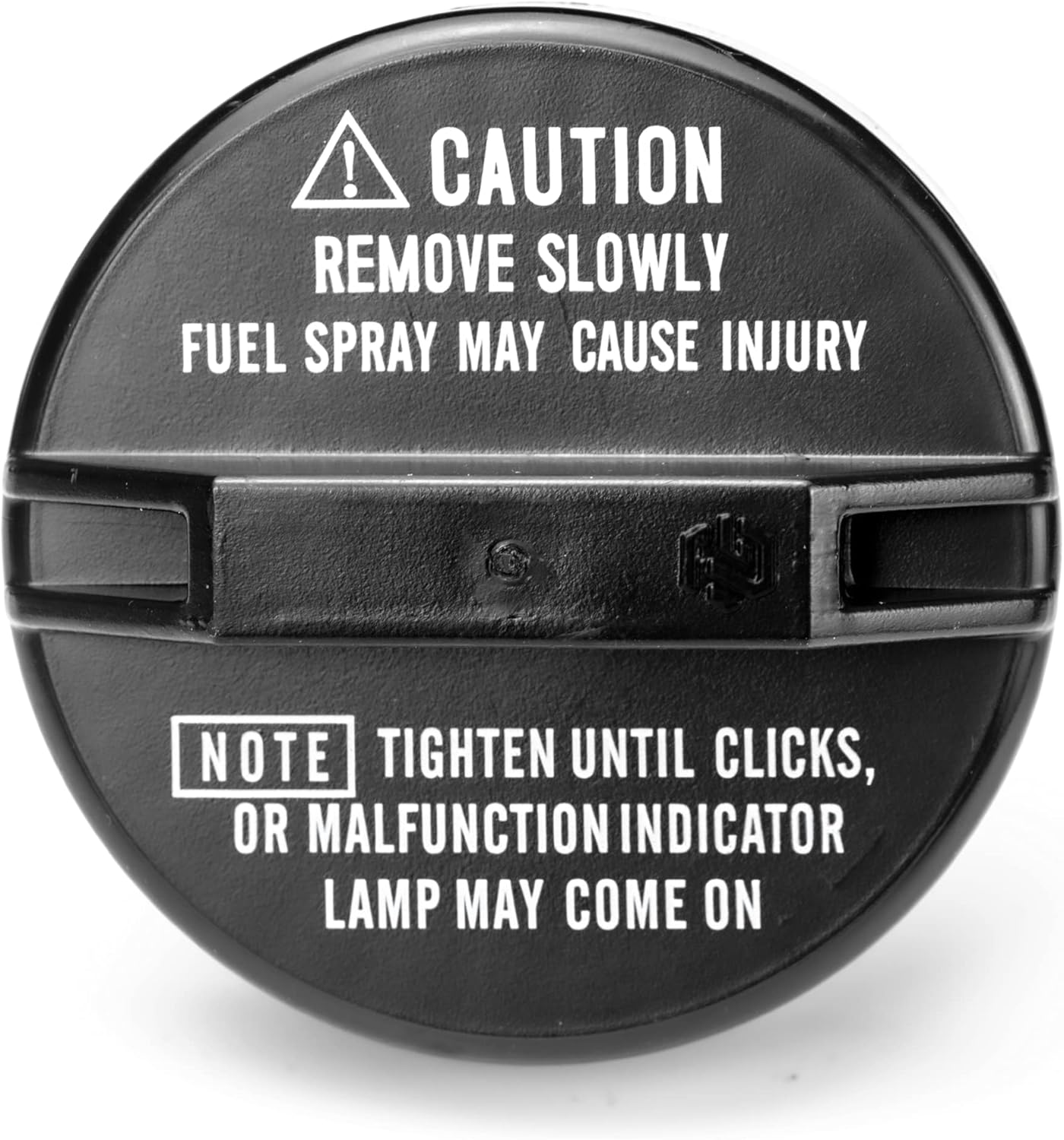
This replacement fuel cap is designed to restore a secure seal for a wide range of Toyota and Lexus vehicles. Built for direct fit compatibility, it helps maintain proper fuel system function while offering easy installation and dependable everyday performance. It is a practical solution for replacing a worn or missing gas cap with confidence.
Quick DIY Fixes to Try First: Gas Cap, VSC Button, Fuses, and Battery
Many RAV4 VSC warnings are triggered by related systems, so start with simple checks that do not require replacing parts.
- Check the gas cap. Make sure it is tight, the seal is not cracked, and the cap threads are not damaged. A loose or failed cap can trigger evaporative-emissions codes that may appear with VSC or traction-control warnings.
- Check the VSC/TRAC switch. With the vehicle stopped, press the traction-control or VSC button according to your owner’s manual. If the light turns off and stays off, the system may have been manually disabled.
- Inspect fuses. Check engine-bay and interior fuse boxes for ABS, ECU, brake, traction-control, and related circuits. Replace blown fuses only with the same amperage rating.
- Inspect the 12-volt battery. Low voltage can confuse control modules. Clean corrosion from terminals, tighten loose clamps, and test the battery if starting feels weak or the vehicle recently sat unused.
- Check tire pressure and tire size. Uneven tire pressure, mismatched tire sizes, or a temporary spare can confuse wheel-speed readings and stability-control logic.
After any simple fix, use the scanner to clear the codes only after recording them. Then take a careful road test. If the same code or warning returns, move to deeper diagnosis.
[Products Worth Considering]

This A-Premium windshield washer pump is designed to restore reliable windshield cleaning performance across a wide range of compatible vehicles. It supports numerous Toyota, Honda, Lexus, Mazda, Ford, Lincoln, and other models, making it a versatile replacement choice for maintaining clear visibility in all driving conditions. Built for straightforward fitment, it helps ensure consistent washer fluid delivery when you need it most.

This Bosch Workshop Engine Air Filter is designed to help protect compatible Toyota RAV4 engines from harmful airborne particles while supporting strong performance and efficiency. It uses high-pleat construction, 98% filtration efficiency, and high-velocity cellulose media to reduce air resistance and help maintain clean airflow. The polyurethane foam seal adds reliable sealing against water and heat intrusion for dependable engine protection.

【COMPATIBLE WITH】Gas Cap, Fuel Cap Replaces 77300-06040, 7730006040, Gas Cap Is 100% Rigorously Tested Before Shipping. Check The Part Number To Confirm The Compatibility Before Purchase.
Check Sensors and Wiring: ABS Wheel Speed, Throttle, and Vacuum Leaks
If the VSC light stays on after basic checks, inspect the sensors and wiring that feed traction and stability-control decisions. Start with the codes you found. A wheel-speed sensor code should lead you to that wheel first; a lean-code or misfire should lead you toward the engine, intake, ignition, or fuel system.
| Area to Check | What to Look For | Best Next Step |
|---|---|---|
| ABS wheel-speed sensors | Damaged sensor, metal debris, corrosion, loose connector, broken harness | Compare live wheel-speed data while rolling slowly |
| Wiring and connectors | Cuts, rubbed insulation, water intrusion, green corrosion, loose pins | Repair wiring before replacing modules or sensors |
| Throttle body and accelerator data | Throttle codes, dirty throttle body, erratic throttle-position data | Clean or test only as your service information allows |
| Vacuum and intake hoses | Cracked hoses, loose clamps, hissing, lean codes such as P0171 | Repair leaks and recheck fuel-trim data |
| Brake switch and brake system | Brake lights not working, ABS light, brake warning, low brake fluid | Do not drive if braking feels abnormal |
Be systematic. Do not replace an ABS sensor just because the VSC light is on. Confirm the code, inspect the harness, check the connector, and compare live data if your scanner supports it. A wiring fault can mimic a failed sensor.
A VSC warning is often a symptom of another system’s fault. The fastest repair path is to diagnose the first stored code, not the dashboard light itself.
[Products Worth Considering]

[Vehicle Fitment]: Compatible with Infiniti Q50 2014-2020, Q60 2017-2019
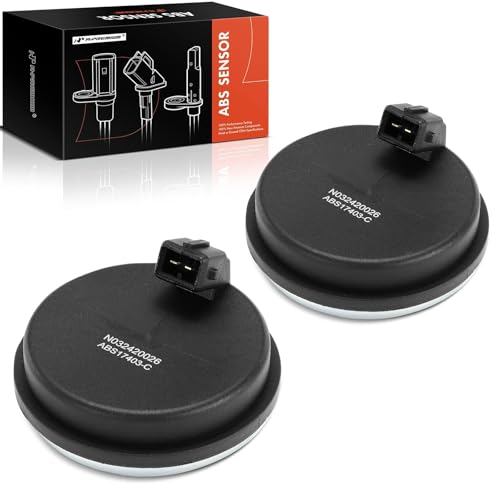
[Vehicle Fitment]: Compatible with Hyundai Sonata 2014-2019, Tucson 2016-2021, fit for Veloster N 2019-2022; Compatible with Kia Cadenza 2016-2020, Optima 2015-2020, fit for Sportage 2016-2022 --- It Only fits for FWD, not fit for AWD
Clear Codes, Road-Test, and Confirm the Fix
Once you have repaired the suspected cause, clear the codes with your scanner and restart the RAV4. Some lights may turn off immediately, while others need a short drive cycle before the system confirms normal operation. Drive gently in a safe area and watch for warning lights, braking feel, steering feel, acceleration, and any return of rough running.
If the same code returns, the original fault is still present or the repair did not address the root cause. If a different code appears, diagnose it separately instead of assuming the first repair failed.
Note: Clearing codes can also reset readiness monitors used for emissions inspection. If your area requires an emissions test soon, drive the vehicle normally until monitors reset, or ask a technician before clearing codes.
When to Call a Mechanic: What Codes, Recent Services, and Notes to Bring
Call a qualified mechanic if the VSC light stays on after basic checks, if the ABS or brake warning light is also on, if the scanner shows chassis codes you cannot test, or if the RAV4 has power loss, stalling, misfires, abnormal braking, or steering issues. Stability-control and brake-system faults are not worth guessing on.
Bring a concise note with these details:
- All stored, pending, and permanent DTCs exactly as shown by the scanner
- Freeze-frame data if available
- When the VSC light appeared and whether it is steady or flashing
- Any recent work on the battery, brakes, tires, suspension, engine, alignment, or sensors
- Symptoms such as shuddering, rough idle, pulling, hard starting, power loss, or unusual brake feel
Also check for open recalls or service campaigns using your VIN. The NHTSA recall lookup and Toyota’s official Toyota recall lookup can show whether a safety recall is open for your vehicle.
Frequently Asked Questions
Why is the VSC light on in my RAV4?
The VSC light can come on because the stability-control system is switched off, actively limited, or receiving fault data from related systems. Common areas include ABS wheel-speed sensors, traction control, brake-system inputs, engine misfires, throttle faults, low battery voltage, tire-size differences, or wiring problems. Scan for codes before replacing parts.
How do you fix the VSC light on a Toyota?
Fix it by identifying the root cause. Start with the gas cap, battery, fuses, tire pressure, and VSC/TRAC switch. Then scan for OBD-II codes, inspect the system named by the code, repair the fault, clear the codes, and road-test. If the warning returns, use professional diagnostics.
Can I drive my RAV4 with the VSC light on?
You may be able to drive slowly to a safe place or repair shop if the vehicle feels normal and only the VSC warning is steady. Do not keep driving if the check-engine light is flashing, braking feels abnormal, steering is hard, the engine stalls, or the vehicle loses power.
Will a loose gas cap cause the VSC light?
Yes, it can. A loose, cracked, or poorly sealing gas cap can trigger evaporative-emissions codes. On some Toyota models, engine-related codes may also disable or illuminate traction and stability-control warnings. Tighten or replace the cap, then scan and clear codes only after recording them.
Why are the check-engine and VSC lights on together?
The engine computer and stability-control system share data. If the engine has a misfire, throttle problem, emissions fault, or sensor issue, the vehicle may limit traction or stability-control functions and turn on both lights. Scan the engine codes first because the VSC warning may be secondary.
Conclusion
A RAV4 VSC light is best handled in a calm, step-by-step order: confirm the warning, stop if safety is affected, scan the OBD-II port, record every code, and check simple causes before replacing parts. Start with the gas cap, VSC/TRAC switch, fuses, battery, tire pressure, and visible wiring. Then use the codes to inspect ABS wheel-speed sensors, throttle data, vacuum leaks, brake inputs, and related harnesses. If the warning persists or the vehicle shows brake, steering, engine, or ABS symptoms, have a qualified technician diagnose it before driving far.
Sources
- Toyota RAV4 Owner’s Manual: Driving Assist Systems — VSC, TRAC, and related stability-control functions
- Toyota RAV4 Owner’s Manual: Warning Lights and Indicators — dashboard warning-light behavior and inspection guidance
- Electronic Code of Federal Regulations: Onboard Diagnostics — OBD systems, stored trouble codes, and driver alerts
- SAE International J2012 Diagnostic Trouble Code Definitions — standardized DTC format and definitions
- NHTSA Recall Lookup — checking open safety recalls by VIN
- Toyota Recall Lookup — Toyota safety recalls and service campaigns