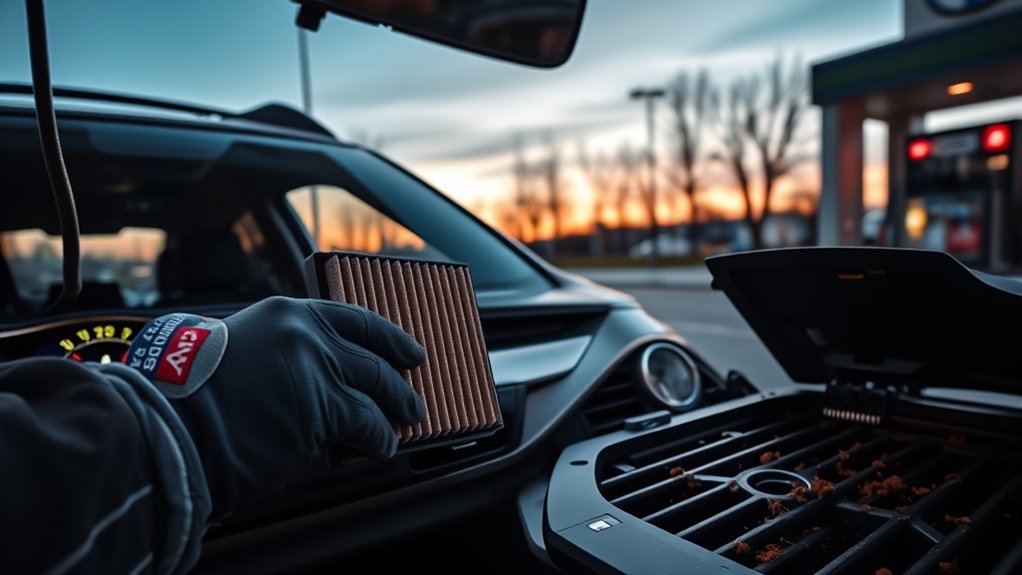
Your RAV4 Hybrid’s winter MPG collapse (often 30–40% down) is usually from cold engines and batteries, richer cold‑start fueling, underinflated tires, and reduced regen assist. Check tire pressure, alignment, air filter, oil, spark plugs, and fuel quality; scan for O2 sensor or fuel‑pump faults and confirm dashboard MPG vs. manual calc. Use block/pan heaters, consolidate short trips, and smooth driving to regain efficiency. Continue for prioritized diagnostics, expected gains, and cost‑effective fixes.
RAV4 Hybrid: Top Causes of Sudden or Seasonal MPG Drops
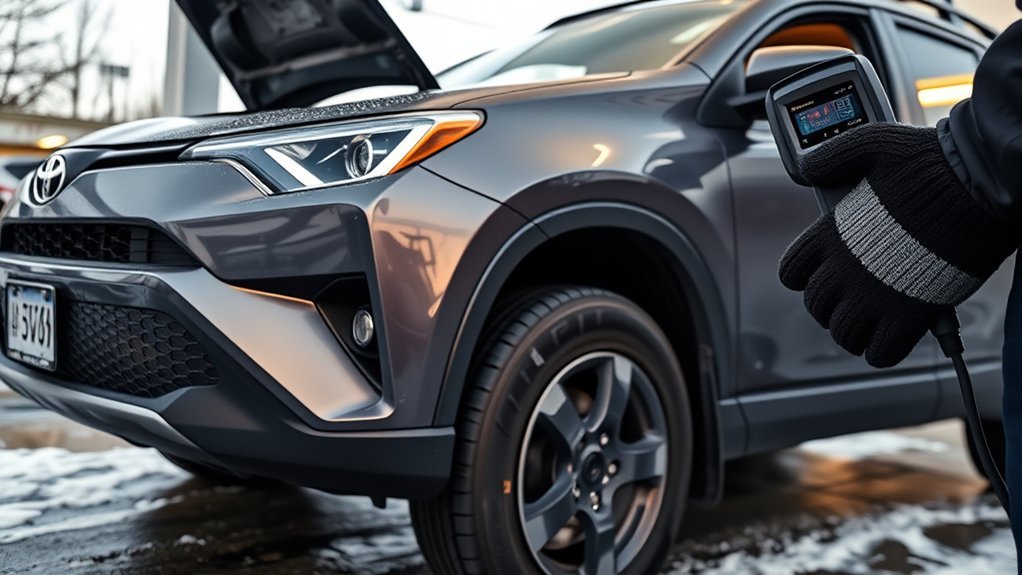
When cold weather hits, your RAV4 Hybrid’s MPG can drop sharply—owners report winter averages near 30 MPG versus long-term ~40.5 MPG—because the engine and battery take longer to reach ideal temperatures, short trips prevent warm-up, and newer hybrids’ lack of heat-recovery systems worsens engine inefficiency. You’ll see fuel efficiency decline in cold ambient conditions as the internal combustion engine runs richer and the battery delivers less assist until warmed. Short, repeated trips compound the effect by never allowing thermal equilibrium, so the combustion engine stays on more and consumes extra fuel. Newer hybrid designs without heat-recovery plumbing can’t use waste heat to accelerate warm-up, worsening seasonal losses. Also note behavioral and mechanical contributors: underinflated tires raise rolling resistance and cut mileage, while aggressive driving—rapid acceleration and sustained speeds above ~75–80 mph—drives MPG lower. Triage should focus on understanding these root causes so you can reclaim control of consumption and mobility.
Quick Checks to Raise MPG Today: Tires, Fuel Math, Dashboard Accuracy
Because small adjustments give immediate returns, start with three quick checks you can do today: verify tire pressures to the placard PSI (underinflation raises rolling resistance and can cut MPG noticeably)… You’ll liberate fuel budget and reduce range anxiety by focusing on measurable items.
- Check tire pressure: use a calibrated gauge cold; correct to placard PSI. Underinflation increases rolling resistance and lowers efficiency.
- Inspect alignment and wear: uneven wear signals alignment drag; correct alignment reduces parasitic losses.
- Track fuel quality: buy recommended octane and avoid contaminated or low-grade fuel that degrades combustion efficiency.
- Verify dashboard MPG vs manual math: reset the trip, then calculate MPG = miles driven ÷ gallons used over at least one tank to spot display bias.
Execute these checks weekly or after long fills. They’re low-cost, high-impact steps that restore honest MPG numbers and give you actionable control over consumption without waiting for shop diagnostics.
Diagnose RAV4 Hybrid Mechanical & Electrical Causes (Prioritize What to Fix)
After you’ve handled the quick checks (tires, fuel math, dashboard accuracy), move to mechanical and electrical diagnostics that commonly cut RAV4 Hybrid MPG. Start by prioritizing failures that directly alter combustion or fuel delivery: test the fuel pump for pressure and flow—low readings correlate with marked mpg drops. Inspect spark plugs for corrosion and gap wear; replace if resistance or deposits exceed spec. Scan the hybrid system for oxygen sensors faults; oxygen sensor errors skew air-fuel trim and raise consumption. Measure intake restriction: a clogged air filter increases engine load and fuel use, so swap when differential pressure exceeds OEM limits. Check engine oil condition and level; degraded oil raises friction and reduces efficiency. Reconfirm tire pressure after repairs—underinflation masks gains. Use targeted diagnostics: live data logging, pressure gauges, resistance checks, and visual inspections. Prioritize fixes by measured impact on fuel trim and drivability, then repair or replace components that yield the highest mpg improvement per dollar.
Cold‑Weather & Hybrid Techniques That Improve Winter MPG

Cold temperatures can cut your RAV4 Hybrid’s fuel economy sharply—owners report averages falling from about 40.5 mpg to near 30 mpg in winter—so prioritize techniques that reduce warm‑up time and maximize electric assist. You’ll regain control by focusing on cold weather prep and disciplined driving techniques that free you from wasted fuel.
- Use block and pan heaters to preserve engine warmth before startup; a warmer engine shortens rich‑fuel warm‑up and improves fuel efficiency immediately.
- Favor one‑pedal driving and extended coasting to stops to maximize regenerative braking and hybrid performance; smooth inputs raise electric assist contribution.
- Avoid repeated short trips in extreme cold (≈10°F) when possible; consolidated trips keep the engine in efficient temperature bands and improve mpg optimization.
- Maintain tire pressure and clean air filters; small maintenance items directly affect rolling resistance and airflow, preserving fuel efficiency.
These steps are technical, measurable, and empower you to reclaim winter mpg without unnecessary cost.
Cost‑Effective Fixes and Maintenance Plan: DIY vs. Shop and Expected MPG Gains
Having addressed cold‑weather techniques that preserve warm‑up time and maximize electric assist, you should now prioritize a cost‑effective maintenance plan that balances DIY items with professional inspections to regain MPG. Do DIY Maintenance for routine tasks: check tire pressure weekly, replace air filters, and change oil on schedule. Expect MPG Improvement of about 1–2 mpg from filters/oil and larger seasonal gains (5–10%) when using block/pan heaters. Use Shop Inspections quarterly to detect worn spark plugs, faulty oxygen sensors, and alignment issues that erode efficiency.
| Task | Expected MPG Improvement |
|---|---|
| Tire pressure check (DIY) | 0.5–1.0 mpg |
| Air filter & oil (DIY) | 1–2 mpg |
| Block/pan heaters (seasonal) | 5–10% |
| Technician inspection (shop) | 1–3 mpg |
Run a simple Cost Comparison: DIY costs low, labor minimal; Shop Inspections cost more but prevent large losses. Pair both for liberation: control basics yourself, outsource diagnostics.
Frequently Asked Questions
Why Is My Toyota RAV4 Hybrid Getting Bad Gas Mileage?
Cold temperatures, short trips and aggressive driving cut efficiency; check engine performance, tire pressure, alignment, dirty air/MAP sensors, and your speed. You’ll reclaim control by measuring real mpg, correcting faults, and adjusting habits.
How to Improve MPG on RAV4 Hybrid?
Contrasting patience with urgency, you’ll improve MPG by applying fuel efficiency tips: keep tires properly inflated, maintain oil/air filters, warm the engine in cold weather, refine driving habits for smooth acceleration/coasting, and track fuel economy manually.
Conclusion
You’ve now got a focused path to find and fix the RAV4 Hybrid’s low MPG: start with quick checks (tire pressure, correct fuel, simple math), prioritize diagnostics (battery/HEV system, sensors, brakes), and apply winter driving and hybrid techniques. Small, data‑backed fixes often return 1–4 MPG; major repairs yield more. Treat symptoms like a pocket watch—precise, mechanical—and follow a cost‑effective maintenance plan to restore efficiency and quantify gains.