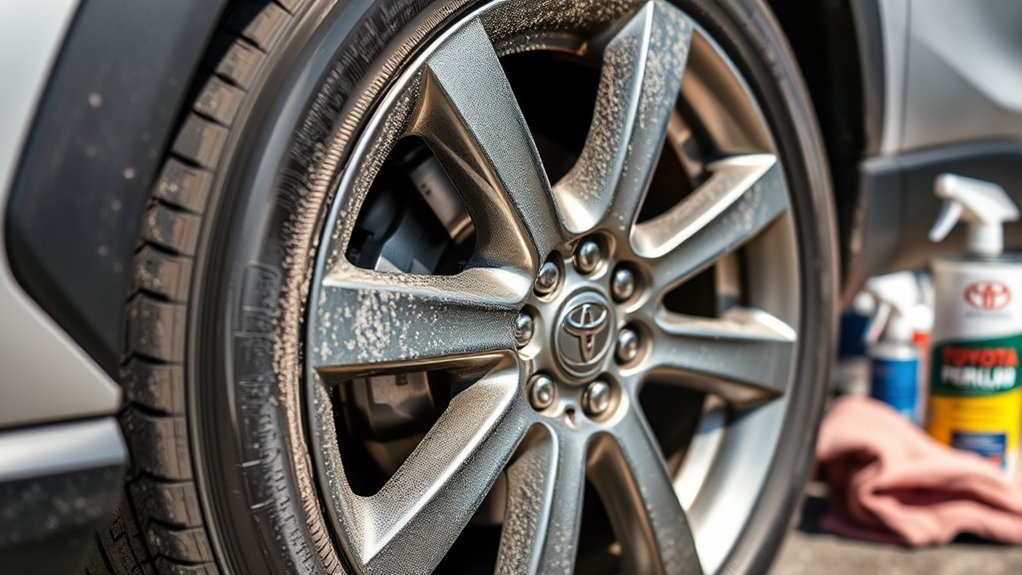
Brake dust can make Toyota RAV4 wheels look dull fast, but appearance is only part of the problem. The fine gray-black residue can cling to the clear coat, mix with road grime and moisture, and become harder to remove if it sits too long. The safest way to clean RAV4 wheels is to rinse first, use a wheel cleaner that matches the wheel finish, scrub gently with soft tools, rinse fully, and dry with microfiber towels.
Quick Answer
To clean brake dust off Toyota RAV4 wheels, rinse the wheels while they are cool, spray a clear-coat-safe wheel cleaner, let it dwell only as directed, agitate with a soft wheel brush, rinse thoroughly, and dry with a microfiber towel. For longer protection, apply a wheel sealant or wax after the wheels are clean.
Key Takeaways
- Clean RAV4 wheels only when they are cool so cleaner does not dry too quickly or stain the finish.
- Use a cleaner that is safe for your wheel type, especially if you have factory painted or clear-coated alloy wheels.
- Avoid harsh abrasives, steel wool, acidic cleaners not approved for your finish, and oily products such as WD-40.
- Rinse road salt and winter grime from the wheels, wheel wells, and underside regularly to reduce corrosion risk.
- A wheel sealant or wax can make future brake dust easier to wash away.
At a Glance
| Time Required | 15–30 minutes for all four wheels |
| Difficulty | Easy |
| Tools Needed | Wheel cleaner, hose, bucket, soft wheel brush, lug nut brush, microfiber towels, optional wheel sealant |
| Cost | About $20–$60 if buying basic supplies |
Why Cleaning Brake Dust Is Important for Your Toyota RAV4
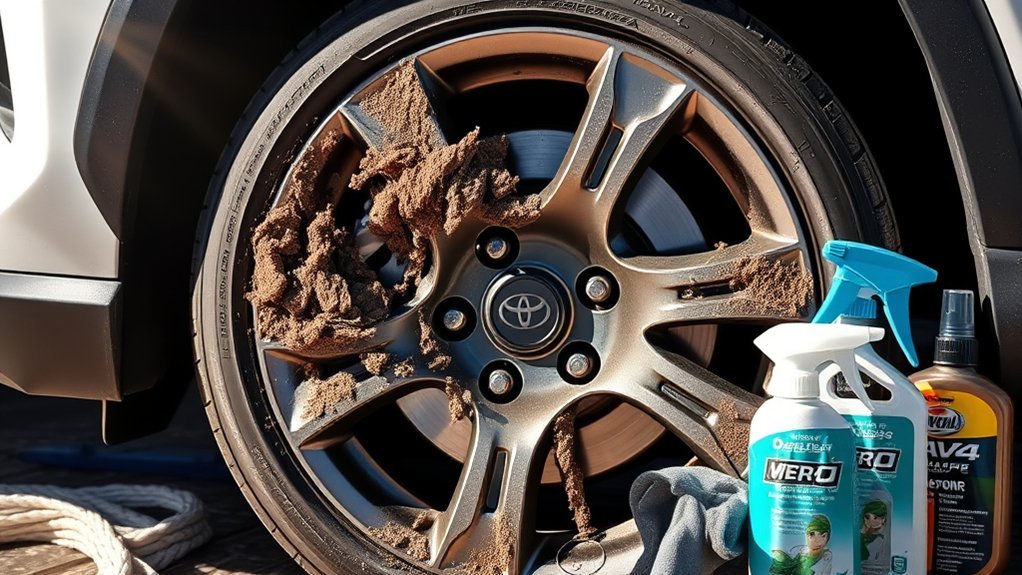
Brake dust is a mix of fine particles created during normal braking, along with road grime, moisture, and metal residue from the road. If it stays on the wheel surface for too long, it can bond to the finish and become much harder to remove. On neglected wheels, the buildup may contribute to dullness, staining, and pitting, especially when mixed with winter salt or harsh road debris.
Regular cleaning also makes inspections easier. When the wheel face, spokes, lug nut pockets, and valve stem area are clean, you are more likely to spot curb rash, cracks, missing lug nut covers, low tire pressure signs, or corrosion early. Toyota’s own exterior-care guidance recommends rinsing dirt and dust from the body, wheel wells, and underside, then rinsing thoroughly and wiping away water after washing.
Road salt is useful for winter safety, but the U.S. EPA notes that rock salt can have corrosive effects on cars, trucks, bridges, and roads. Rinsing wheels and wheel wells after winter driving is a simple habit that helps reduce buildup.
Must-Have Supplies for Cleaning Your Wheels
Good wheel cleaning depends more on safe tools than on aggressive scrubbing. The goal is to loosen brake dust without scratching the finish or leaving cleaner residue behind.
[Products Worth Considering]

This wheel lock lug nut set adds an extra layer of theft protection for compatible Toyota and Lexus vehicles by securing wheels with a unique key pattern that resists common removal tools. Built to OEM-standard fitment with corrosion-resistant, triple-chrome finished construction, it is designed for direct replacement and long-lasting performance. The set includes locking nuts and a matching key for easy installation on compatible vehicles with the correct thread and cone seat specifications.

This all-in-one car detailing kit brings together a wide range of cleaning tools for interior, exterior, wheel, and glass care. It includes brushes, polishing pads, a vacuum, a foam gun, a collapsible bucket, and other useful accessories to help tackle dust, dirt, stains, and hard-to-reach areas with ease. Designed for versatile vehicle cleaning, it also comes with a storage bag for convenient organization at home or on the go.

This complete car detailing kit provides a versatile solution for cleaning both interior and exterior surfaces, including vents, wheels, tires, dashboards, and tight crevices. With multiple brush types, drill attachments, a wheel brush, cleaning cloths, a spray bottle, and storage bag, it helps tackle everyday dust, grime, and hard-to-reach areas with ease. It is designed for car enthusiasts, daily drivers, and anyone looking for a more thorough auto cleaning routine.
Essential Cleaning Products
- Wheel cleaner: Choose a product labeled safe for your wheel finish. Many factory RAV4 alloy wheels are painted or clear-coated, so a cleaner made for clear-coated OEM wheels is usually the safest choice.
- Car wash soap: Use this for light maintenance washes or as a follow-up after the wheel cleaner.
- Bucket of clean water: Rinse brushes often so you are not rubbing grit back into the wheel.
- Microfiber towels: Use separate towels for wheels only. Brake dust can contaminate towels and scratch paint if reused on body panels.
- Optional wheel sealant or wax: A protective layer helps brake dust release more easily during the next wash.
Recommended Tools And Brushes
- Soft-bristled wheel brush: Use this for the wheel face and larger spokes.
- Barrel brush: Helpful for reaching the inner wheel barrel, where brake dust often hides.
- Lug nut brush or detailing brush: Useful around lug nuts, valve stems, and tight corners.
- Hose or pressure washer: A steady stream of water removes loose grit before contact washing.
- Nitrile gloves: Brake dust and cleaners can be messy, and gloves keep residue off your skin.
Warning: Do not clean wheels immediately after driving. Hot wheels can make cleaners dry too quickly, increasing the chance of streaking, staining, or spotting. Let the wheels cool first and always follow the cleaner label.
Know Your RAV4 Wheel Finish Before You Clean
Before using any chemical cleaner, confirm what kind of wheels are on your RAV4. Factory Toyota wheels are commonly painted, machined, or clear-coated alloy wheels, but trims and model years vary. Aftermarket wheels may be bare polished aluminum, matte painted, chrome-plated, powder-coated, or ceramic-coated. Each finish reacts differently to chemicals.
| Wheel Type | Safest Cleaning Approach | Avoid |
|---|---|---|
| Factory painted or clear-coated alloy | Clear-coat-safe wheel cleaner, soft brush, microfiber drying | Acidic cleaners unless the label clearly says safe for the finish |
| Matte or satin wheels | pH-balanced cleaner approved for matte finishes | Glossy waxes or dressings that change the finish |
| Chrome-plated wheels | Chrome-safe cleaner and gentle agitation | Abrasive pads that can scratch or haze chrome |
| Uncoated polished aluminum | Cleaner specifically labeled safe for uncoated aluminum | Most strong wheel acids and harsh alkaline degreasers |
Note: If you are unsure whether your RAV4 wheels are factory or aftermarket, test the cleaner on a small hidden area first, or use a mild car wash soap until you can confirm the finish.
[Products Worth Considering]

This all-in-one car detailing kit provides a complete set of cleaning tools for interior and exterior vehicle care, including brushes for dashboards, vents, wheels, tires, glass, and tight spaces. Designed for cars, trucks, SUVs, motorcycles, RVs, and more, it helps remove dust, grime, brake dust, and stubborn dirt while protecting delicate surfaces from scratches. The included storage box keeps everything organized for easy use at home or on the go.

This door handle cover protector is designed to fit select Toyota models, helping guard exterior handles against scratches, dings, and daily wear. Made from durable ABS material, it offers a sleek glossy black look that blends with the vehicle’s original styling while maintaining smart key functionality. Installation is quick and simple, making it an easy upgrade for added protection and a cleaner appearance.

This wheel lock key set is designed to help remove and replace compatible Toyota and Lexus wheel locks with confidence. It includes four wheel lock nuts and one key, offering a practical replacement solution for many popular models while supporting secure wheel protection and reliable fitment. Built for durability and corrosion resistance, it is a useful choice when matching OE reference numbers and vehicle compatibility is important.
Step-By-Step Guide for Cleaning Your RAV4 Wheels
Clean one wheel at a time so the cleaner does not dry on the surface. Work in shade whenever possible.
Step 1: Rinse Loose Dirt First
Use a hose or pressure washer to rinse the wheel face, spokes, lug nut pockets, tire sidewall, and wheel well. This first rinse removes loose grit that could scratch the finish during brushing.
Step 2: Apply Wheel Cleaner
Spray the cleaner evenly over the wheel surface. Let it dwell for the time listed on the product label. Many cleaners work in under a few minutes, but dwell time varies by formula. Do not let the cleaner dry.
Step 3: Agitate With Soft Brushes
Use a soft wheel brush on the face and spokes. Use a smaller detailing brush around lug nuts and tight edges. If you are cleaning the inner barrel, use a barrel brush and rinse it often in your bucket.
Step 4: Rinse Thoroughly
Rinse until the water runs clear and there is no cleaner left in seams, lug nut pockets, or behind spokes. Leftover cleaner can attract grime or leave streaks.
Step 5: Wash the Tire Sidewall
If your cleaner is safe for tires, scrub the tire sidewall with a dedicated tire brush. If not, use car wash soap or a tire cleaner. Rinse well before moving on.
Step 6: Dry With Microfiber
Dry the wheel with a clean microfiber towel to prevent water spots. Use a separate towel for each very dirty wheel, or fold the towel often to avoid dragging brake dust across the finish.
Step 7: Add Protection
Once the wheels are fully clean and dry, apply a wheel sealant, spray wax, or ceramic-style wheel protectant if the product is safe for your wheel finish. This step is optional, but it can make the next brake dust cleanup easier.
Pro Tip: Clean wheels before washing the rest of the RAV4. That way, brake dust and cleaner overspray can be rinsed away before you wash and dry the paint.
Causes of Wheel Damage and How to Prevent It
Wheel damage is often caused by a mix of contamination, harsh cleaning, and road conditions. Brake dust alone can be stubborn, but it becomes more damaging when combined with moisture, salt, heat, and abrasive scrubbing.
Common Sources of Damage
- Brake dust buildup: The longer it sits, the more it can cling to the finish.
- Road salt and deicers: Salt can accelerate corrosion on vehicles and infrastructure, so winter rinsing matters.
- Curb rash: Scraped clear coat or exposed metal gives grime and corrosion a place to start.
- Improper cleaners: Products not approved for your wheel finish can stain, haze, or strip protection.
- Abrasive tools: Steel wool, scouring pads, and stiff brushes can scratch clear coat and chrome.
Preventative Maintenance Tips
- Wash wheels every 1–2 weeks if you commute daily, drive in rain, or notice heavy brake dust.
- Rinse after winter storms to remove salt from the wheel face, wheel wells, and underside.
- Repair curb rash early if the damage exposes bare metal or causes peeling finish.
- Use a wheel-safe sealant every few months, depending on the product instructions.
- Choose low-dust brake pads carefully if replacing pads, but always prioritize braking performance and Toyota-compatible parts over appearance alone.
Recommended Cleaning Techniques
- Start with water, not a brush. Rinsing first lowers the chance of scratches.
- Use the least aggressive cleaner that works. Mild, pH-balanced, or clear-coat-safe formulas are best for routine cleaning.
- Let chemistry do the work. Give the cleaner time to loosen grime, but never let it dry.
- Rinse tools often. A dirty brush can act like sandpaper.
- Dry completely. Drying prevents mineral spots and lets you inspect the finish.
How to Keep Your Wheels Clean Longer
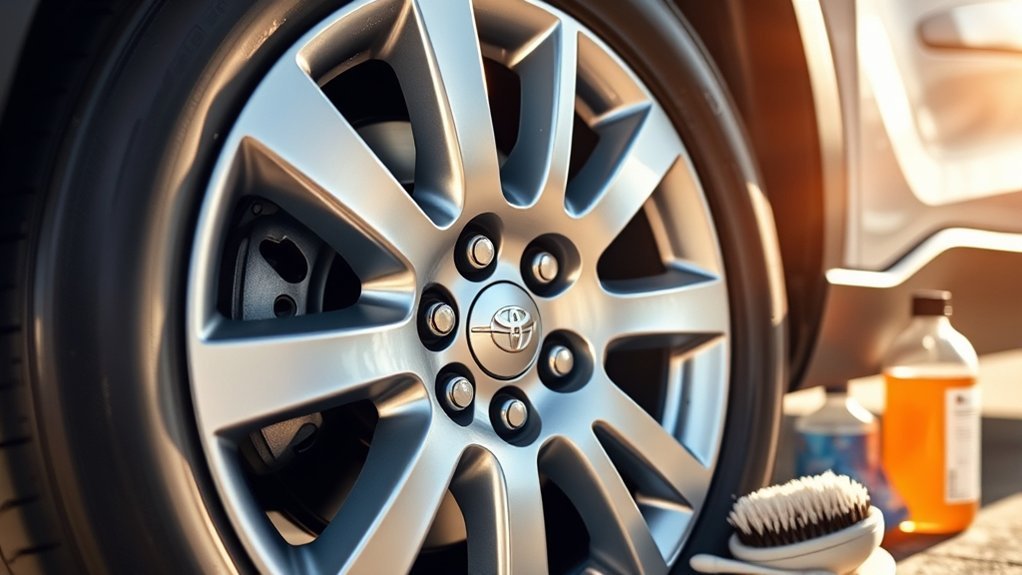
Keeping RAV4 wheels clean longer comes down to reducing how strongly brake dust sticks. A wheel sealant, spray wax, or ceramic-style wheel coating creates a slicker surface that helps grime release during the next wash. Apply protection only after the wheel is fully clean and dry.
Your driving conditions also matter. City driving, stop-and-go traffic, mountain roads, towing, and frequent braking can all create more visible brake dust. In those conditions, a weekly rinse or quick soap wash can prevent the heavy buildup that requires stronger cleaners later.
Winter driving needs extra attention. Rinse the wheel wells and inner wheel barrels when temperatures allow, especially after roads have been treated with salt or brine. If washing at home is not practical, a touchless car wash with an underbody rinse can help remove salt from areas you cannot easily reach.
Note: Avoid washing chemical residue directly into storm drains whenever possible. A commercial car wash is often a better option because wastewater is typically collected and treated rather than flowing straight into local waterways.
What Not to Use on RAV4 Wheels
Some common household products can make wheel cleaning harder or risk damaging the finish. Use these with caution or avoid them entirely.
- WD-40: It can leave an oily film that attracts more dust and may interfere with tire dressings or protectants.
- Steel wool or scouring pads: These can scratch clear-coated, painted, chrome, or polished surfaces.
- Undiluted household degreasers: Strong degreasers may stain or dull sensitive finishes.
- Acidic wheel cleaners on unknown wheels: Some professional acid cleaners work quickly, but they can damage certain finishes if misused.
- Dish soap as your main cleaner: Dish soap can remove light grime, but it is not ideal for heavy brake dust and may strip protective waxes or sealants.
Troubleshooting Stubborn Brake Dust
If brake dust remains after a normal wash, do not immediately switch to harsh scrubbing. Try a safer process first.
If Brake Dust Still Looks Gray
Apply a wheel-safe cleaner again and let it dwell for the label-approved time. Agitate with a soft brush, then rinse thoroughly. Heavy buildup may need two gentle rounds instead of one aggressive round.
If There Are Orange-Brown Specks
Those specks may be iron contamination from brake dust or road fallout. A dedicated iron remover labeled safe for your wheel finish can help. Always test first and rinse very thoroughly.
If the Wheel Feels Rough After Cleaning
Use a wheel-safe detailing clay or synthetic clay mitt only if the wheel finish allows it. Keep the surface well lubricated and avoid heavy pressure.
If the Finish Is Pitted or Peeling
Cleaning will remove dirt, but it will not repair damaged clear coat, corrosion, or peeling paint. In that case, the wheel may need refinishing or replacement, especially if corrosion is spreading.
Recommended Products for RAV4 Wheel Care and Maintenance
The best product depends on your wheel finish and how dirty the wheels are. For routine RAV4 wheel care, start with cleaner formulas that are safe for painted or clear-coated wheels, then use gentle brushes and microfiber towels.
- Meguiar’s Hot Rims Wheel & Tire Cleaner: A useful choice for many factory painted or clear-coated wheels. Meguiar’s describes it as safe and effective on factory painted and clear-coated rims and tires.
- Chemical Guys Diablo Wheel Cleaner: A pH-balanced, non-caustic cleaner that the manufacturer lists as safe for multiple wheel finishes, including aluminum and matte wheels.
- Mothers Wheel Brush: A soft-bristled brush designed for gently cleaning road grime and brake dust while protecting delicate wheel finishes.
- Microfiber towels: Keep several wheel-only towels on hand for drying and buffing. Do not reuse heavily contaminated wheel towels on painted body panels.
- Wheel sealant or spray wax: Choose one labeled safe for your wheel finish and reapply according to the product directions.
Warning: Product labels matter more than brand reputation. If a cleaner says not to use it on bare aluminum, matte finishes, damaged clear coat, anodized wheels, or hot surfaces, follow that warning.
[Products Worth Considering]

This car interior detailing brush is designed to gently remove dust from vents, dashboards, consoles, and other hard-to-reach areas without scratching surfaces. Its soft bristles and comfortable grip make routine interior cleaning easier, while the compact size allows convenient storage in your glove box. It also works well for household cleaning tasks like keyboards, fans, and window tracks.

This 6 pack wire brush set helps remove rust, corrosion, paint, spatter, and scale from metal surfaces with ease. It includes cup, wheel, and pen brushes with a quick-change hex shank for use on most drills and die grinders. Designed for smooth operation and hard-to-reach areas, it is a practical choice for garage, workshop, and restoration tasks.

These aluminum alloy tire valve stem caps provide durable, corrosion-resistant protection for your vehicle’s valve stems while helping maintain stable tire pressure. The rubber seal design helps block dust, moisture, and debris, reducing the risk of air leakage and valve damage. Easy to install and styled for a clean look, they fit a range of cars, SUVs, trucks, and motorcycles.
Frequently Asked Questions
What is the best way to clean brake dust off RAV4 rims?
The best method is to rinse the cool wheel first, apply a wheel-finish-safe cleaner, let it dwell as directed, scrub gently with soft brushes, rinse thoroughly, and dry with microfiber. Add a wheel sealant afterward if you want brake dust to release more easily during future washes.
Will Dawn dish soap clean brake dust?
Dawn or another dish soap may remove light dirt, but it is not the best choice for baked-on brake dust. It can also strip wax or sealant protection. Use a dedicated wheel cleaner for heavy brake dust, then wash with car soap for routine maintenance.
Will WD-40 remove brake dust from wheels?
WD-40 may loosen some grime, but it is not a proper wheel cleaner. It can leave an oily residue that attracts more dust and dirt. A wheel-safe cleaner is a better option because it is designed to rinse away brake dust without leaving a slick film.
How often should I clean Toyota RAV4 wheels?
For normal driving, clean the wheels every one to two weeks or whenever brake dust is visible. Clean more often if you drive in stop-and-go traffic, winter salt, rain, mud, or dusty conditions.
Can I use a pressure washer on RAV4 wheels?
Yes, but use reasonable distance and avoid blasting damaged clear coat, loose wheel weights, valve stems, or peeling finishes. A pressure washer is best for the initial rinse and final rinse, not as a replacement for gentle brushing.
Should I clean the tire and wheel with the same brush?
It is better to use separate brushes. Tire sidewalls can hold heavy grime and old dressing, while wheel faces need softer, cleaner tools. Keeping brushes separate lowers the chance of scratching the wheel finish.
Conclusion
Clean Toyota RAV4 wheels make the whole vehicle look better, but the real benefit is protection. Brake dust, road grime, and winter salt are easier to manage when you remove them before they bond to the finish. Rinse first, use a cleaner that matches your wheel type, scrub with soft tools, rinse thoroughly, and dry with microfiber. Add a wheel sealant when you want longer-lasting protection and easier future cleanups.
Sources
- Toyota Owners: 2024 RAV4 Cleaning and Protecting the Vehicle Exterior — Toyota exterior washing, rinsing, drying, and waxing guidance.
- U.S. EPA: Winter Is Coming! And With It, Tons of Salt on Our Roads — road salt corrosion and environmental impact background.
- U.S. EPA: Deicing Material Application and Storage — salt corrosion and washdown best-practice context.
- Meguiar’s Hot Rims Wheel & Tire Cleaner — manufacturer guidance for clear-coated and factory painted wheels.
- Chemical Guys Diablo Wheel Cleaner — manufacturer guidance for pH-balanced wheel cleaning.
- Mothers Wheel Brush — manufacturer details on soft wheel-brush use.