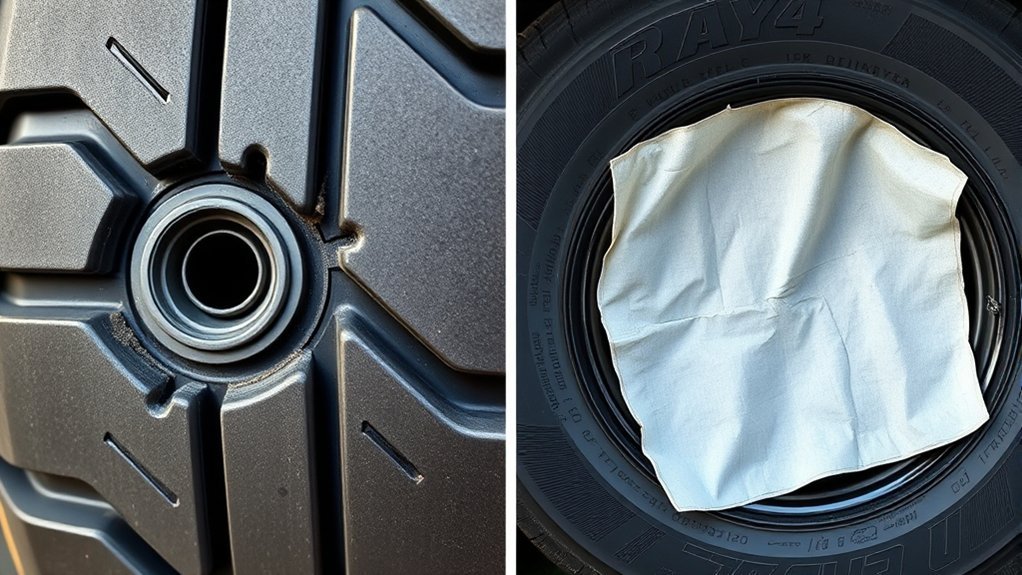
When it comes to RAV4 tire repairs, the safest choice is not usually a simple plug or a patch by itself. A tire plug can stop air loss quickly in an emergency, but professional passenger-vehicle tire repair standards call for the tire to be removed from the wheel, inspected from the inside, and repaired with a combination plug-patch when the puncture is in the repairable tread area.
Quick Answer
For a Toyota RAV4 tire, a plug alone is best treated as a temporary emergency fix. A professional plug-patch combination is the safer long-term repair because it fills the puncture channel and seals the inner liner after the tire is removed and inspected.
Key Takeaways
- A plug alone can get you moving, but it is not the preferred permanent repair for a RAV4 tire.
- A safe repair requires the tire to be removed from the wheel so the inside can be inspected.
- A puncture is usually repairable only when it is in the tread area, no larger than 1/4 inch, and away from the shoulder or sidewall.
- If the tire was driven flat, has sidewall damage, has overlapping repairs, or has exposed cords or belts, replacement is usually the safer choice.
At a Glance
| Best Permanent Repair | Professional plug-patch combination |
| Repairable Area | Tread area only, not shoulder or sidewall |
| Maximum Puncture Size | Typically 1/4 inch or 6 mm |
| DIY Plug Use | Temporary emergency use only |
| Professional Repair Time | Often 30–60 minutes, depending on shop workload |
What Is a Tire Plug and How Does It Work?
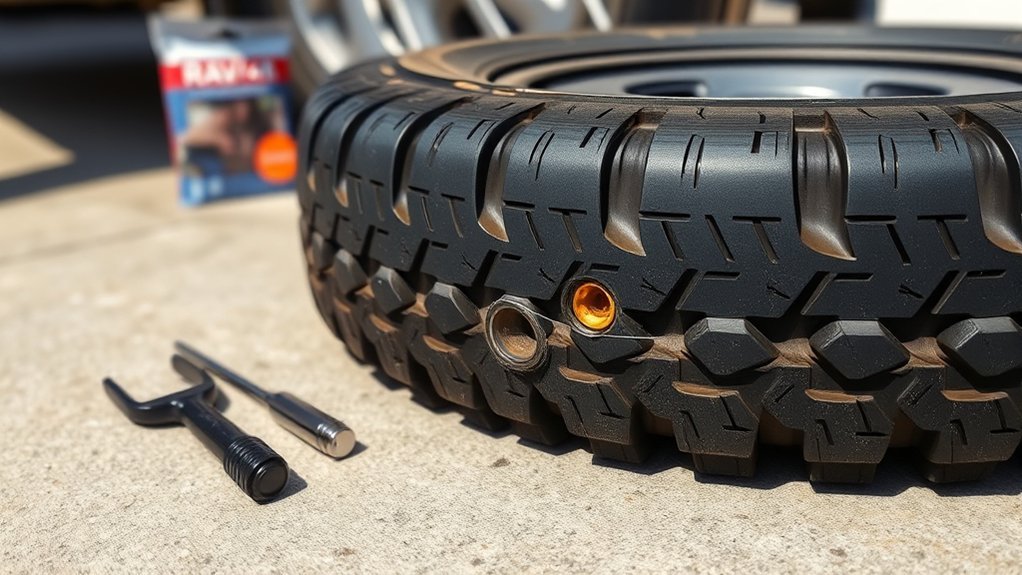
A tire plug is a sticky rubber repair strip pushed into a puncture from the outside of the tire. It is popular because the tire usually does not need to be removed from the wheel, so the repair can be done quickly with basic tools.
That convenience is also the main weakness. A plug may stop the leak at the tread surface, but it does not allow the technician to inspect the inside of the tire for hidden damage. It also does not properly seal the inner liner, which is the air-retaining layer inside the tire. The U.S. Tire Manufacturers Association says a proper passenger or light-truck tire repair requires both a rubber stem or plug to fill the injury and a patch to seal the inner liner.
Warning: Do not treat an outside-only plug as a permanent RAV4 tire repair. It can hide internal damage, leave the puncture channel exposed to moisture, and may fail later at highway speed.
What Is a Tire Patch?
A tire patch is applied from the inside of the tire after the tire is removed from the rim. The technician cleans and buffs the inner liner, applies repair cement, installs the patch, and checks that the repair seals properly.
A patch does a better job sealing the inside of the tire than an outside plug. However, a patch by itself may not fill the puncture channel left by the nail, screw, or other object. That open channel can allow water to reach the steel belts. This is why the Tire Industry Association explains that a plug alone or a patch alone is not the recommended complete repair.
The Advantages of a Tire Plug-Patch Combination
For most repairable RAV4 tread punctures, the best long-term repair is a one-piece or two-piece plug-patch combination. This repair seals the tire in two places: the stem fills the puncture channel, and the patch seals the inner liner.
Enhanced Durability
A plug-patch repair is more durable because it addresses the full path of the puncture. The plug portion fills the injury from the tread to the inside of the tire. The patch portion bonds to the inner liner and helps keep air from escaping.
This matters on a RAV4 because the tire has to support daily driving, highway speeds, braking, cornering, and sometimes extra cargo or all-wheel-drive use. A proper repair helps preserve the tire’s structure instead of just stopping the leak at the surface.
Comprehensive Seal Integrity
A complete seal reduces the chance of future air leaks. It also helps keep moisture out of the tire body, which can protect the steel belts from corrosion after a puncture.
The safest repair is not the fastest-looking one. A proper RAV4 tire repair starts with removing the tire, inspecting the inside, and sealing both the puncture channel and the inner liner.
Why Choose a Tire Patch Over a Plug?
If you are choosing between a patch and a plug, the patch is the better starting point because it requires the tire to be removed and inspected from the inside. That inspection can reveal damage you cannot see from the outside, including inner-liner damage, sidewall stress, belt separation, or damage caused by driving on low pressure.
Still, the best professional answer is usually not “patch only.” It is a plug-patch combination. A patch seals the inside, but the plug portion fills the puncture path. Together, they create a more complete repair than either method alone.
Pro Tip: Ask the tire shop whether the repair includes dismounting the tire and using a plug-patch or patch-plug repair. If they only plan to push in an outside plug, treat it as temporary.
How to Identify When Your Tire Can Be Repaired
Not every RAV4 tire puncture can be repaired safely. Before approving a repair, a trained technician should inspect the tire’s tread, sidewall, inner liner, puncture size, puncture angle, previous repairs, and overall tire condition.
In general, a tire may be repairable when the puncture meets these conditions:
- The puncture is in the tread area, not the sidewall or shoulder.
- The injury is no larger than 1/4 inch, or about 6 mm.
- The puncture does not overlap an old repair.
- The tire was not driven flat or severely underinflated.
- The tire has enough tread depth and no exposed cords, bulges, cracks, or belt damage.
- The tire is not marked by the manufacturer as non-repairable for that type of injury.
A sidewall puncture is typically not repairable because the sidewall flexes constantly and does not have the same repair structure as the tread. A shoulder puncture, near the edge of the tread, is also usually rejected because it sits too close to the high-flex area of the tire.
Note: If your RAV4 has Toyota’s emergency tire puncture repair kit instead of using the spare tire, Toyota describes that kit as a temporary repair. After using it, have the tire repaired or replaced by a Toyota dealer or qualified tire professional.
[Products Worth Considering]

These SYJIIP halogen headlight bulbs are designed for Toyota RAV4 models from 2013 to 2015, offering a plug-and-play replacement with stock-size fitment for easier installation. They deliver brighter warm white light for improved night visibility while maintaining a safe beam pattern with reduced flicker and fewer CANBUS issues. The four-pack makes it convenient to refresh multiple bulbs or keep spares on hand for reliable driving performance.

This DIY toe alignment tool kit helps home mechanics quickly check and adjust front-end toe after suspension, steering, or tire service. Stainless steel toe plates and dual tape measures provide a simple, reliable reference for reducing uneven tire wear and improving straight-line tracking without needing a full alignment machine.

The Milwaukee M18 FUEL 1/2" High Torque Impact Wrench delivers powerful fastening and breakaway performance in a compact, easy-to-handle design. Its brushless motor and REDLINK PLUS intelligence help maintain strong output while protecting against overload, overheating, and over-discharge. With multiple control modes, durable all-metal construction, and a friction ring anvil for fast socket changes, this tool is built for demanding automotive and jobsite applications.
When a RAV4 Tire Should Be Replaced Instead of Repaired
Replacement is the safer choice when the damage goes beyond a simple repairable tread puncture. Do not try to save a tire if the repair would compromise safety.
| Tire Condition | Repair or Replace? | Why It Matters |
|---|---|---|
| Small nail or screw in center tread | Often repairable | May qualify for a plug-patch repair after inspection |
| Sidewall puncture | Replace | Sidewalls flex too much for a safe patch |
| Shoulder or edge puncture | Usually replace | Too close to the sidewall flex zone |
| Puncture larger than 1/4 inch | Usually replace | Repair may not seal or support the injury properly |
| Tire driven flat | Often replace | Internal sidewall damage may be hidden |
| Bulge, exposed cords, or belt damage | Replace | The tire structure is already compromised |
What to Expect During Your Tire Repair
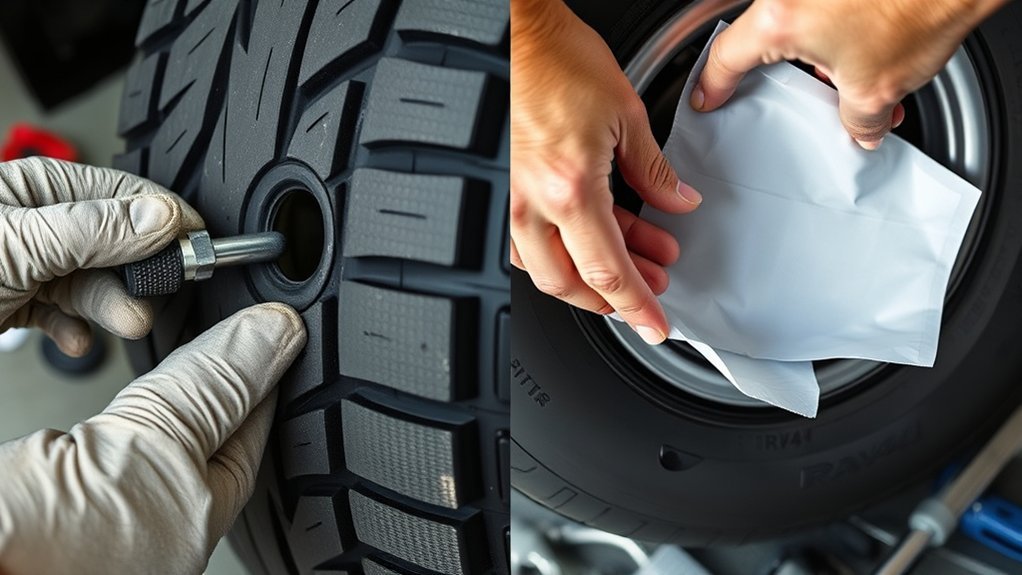
When you take your RAV4 in for tire repair, the shop should inspect the tire before promising that it can be fixed. A proper repair is more involved than simply finding the hole and plugging it from the outside.
| Step | Description | Purpose |
|---|---|---|
| Inspection | Check puncture location, size, tread depth, sidewall condition, and previous repairs | Confirm the tire is safe to repair |
| Tire Removal | Remove the tire from the wheel assembly | Inspect the inside and prepare the inner liner |
| Injury Preparation | Clean, ream, buff, and cement the repair area as required | Help the repair bond correctly |
| Plug-Patch Repair | Fill the puncture channel and seal the inner liner | Create a complete air seal |
| Reinstall and Check | Reinstall, inflate to the correct pressure, balance if needed, and leak-test | Return the tire to safe service |
After the repair, the tire should be inflated to the pressure listed on your RAV4’s driver-side door placard, not the maximum pressure printed on the tire sidewall.
[Products Worth Considering]

This wheel alignment tool makes it easy to check and adjust toe-in and toe-out at home for better handling, stability, and more even tire wear. Designed for one-person use, it includes tape-measure slots for simple setup and accurate measurements without extra help. Its stainless steel construction and broad vehicle compatibility make it a practical addition to any DIY garage.

This all-in-one car emergency kit helps drivers stay prepared for roadside breakdowns, flat tires, and dead batteries with essential tools in one compact package. It includes a portable air compressor, heavy-duty jumper cables, a first aid kit, and other safety items designed for year-round peace of mind. Compact enough for easy trunk storage, it makes a practical safety solution and thoughtful gift for drivers of all ages.

Upgrade your Toyota RAV4 with bright, road-clarifying LED lighting designed for 9012/HIR2 sockets and compatible with both high and low beam applications. These plug-and-play bulbs deliver cool white illumination, quick installation, and dependable performance in challenging weather, while the built-in cooling system helps support long service life.
Can You Drive on a Plugged or Patched RAV4 Tire?
You can usually drive normally on a professionally repaired plug-patch tire if the repair was done correctly and the tire was confirmed safe. Keep checking tire pressure for the first few days after the repair to make sure the tire is holding air.
A tire with an outside-only plug is different. Use it only as a short-term emergency measure to get to a tire shop. Avoid high speeds, heavy loads, long road trips, and towing until the tire has been inspected and properly repaired or replaced.
Debunking Common Misconceptions About Tire Repairs
Tire repair advice can be confusing because many people use the words “plug,” “patch,” and “repair” as if they mean the same thing. They do not.
Common Repair Myths
Myth: A plug is a permanent repair. A plug may stop a leak, but it does not inspect or seal the inside of the tire. For a long-term repair, the tire should be dismounted and repaired from the inside with a proper plug-patch.
Myth: Any nail hole can be repaired. Only certain tread punctures can be repaired. Sidewall damage, shoulder punctures, large injuries, overlapping repairs, and tires driven flat often require replacement.
Myth: A patch is always enough. A patch seals the inner liner, but the puncture channel should also be filled. That is why a combination repair is preferred.
Quick Fix Misconceptions
Quick fixes are useful only when you understand their limits. Emergency sealant, portable inflators, and DIY plugs can help you get off the road safely, but they are not a substitute for a professional inspection.
If your RAV4’s tire pressure warning light comes back on after a plug or sealant repair, do not keep driving and topping it off indefinitely. The tire may still have a leak, internal damage, or an unsafe repair.
Tips for Keeping Your Tires in Great Shape After a Repair
Once your RAV4 tire has been repaired, regular maintenance helps the tire last longer and makes future problems easier to catch. The National Highway Traffic Safety Administration recommends paying close attention to tire pressure, tread, rotation, and overall tire condition.
| Action | Frequency | Benefits |
|---|---|---|
| Check tire pressure | Monthly and before long trips | Helps prevent heat buildup, poor handling, and uneven wear |
| Rotate tires | Follow your owner’s manual or service reminder | Promotes even tread wear |
| Inspect for damage | Every few weeks | Catches nails, bulges, cracks, and leaks early |
| Check tread depth | Monthly | Helps maintain traction in rain and bad weather |
| Maintain alignment | As needed | Reduces pulling, vibration, and premature tire wear |
Where to Find Expert Tire Repair for Your RAV4
For expert tire repair, choose a tire shop, Toyota dealer, or certified service center that follows recognized passenger-tire repair procedures. The shop should be willing to remove the tire from the wheel, inspect the inside, and explain whether the puncture is inside the repairable tread area.
Local tire chains, independent tire shops, Toyota service departments, and some quick-service centers can all be good options if they use proper repair methods. Ask these questions before approving the work:
- Will you remove the tire from the wheel before repairing it?
- Will you inspect the inside for damage from low-pressure driving?
- Will the repair use a plug-patch or patch-plug combination?
- Is the puncture safely inside the repairable tread area?
- Will you leak-test and inflate the tire to the RAV4 door-placard pressure?
If the shop cannot answer those questions clearly, choose another repair location. Tire repair is a safety job, not just a leak-stopping job.
[Products Worth Considering]

This 27-piece automotive tool kit is designed to support a wide range of vehicle repair and maintenance tasks for both DIY users and professionals. It combines durable stainless steel construction with practical, easy-to-use tools that help with tire repairs, general upkeep, and hard-to-reach areas. The included carrying case keeps everything organized and portable for emergency repairs or routine maintenance.

Upgrade your Toyota RAV4 interior with this complete LED light replacement kit designed for multiple model years and all configurations. It delivers brighter, crisp white illumination for map, dome, vanity mirror, trunk, and license plate lighting while offering easy plug-and-play installation with the included tool. Built for long life and reliable performance, it helps improve visibility and refreshes the cabin with a modern look.

This ignition coil and iridium spark plug kit is designed to restore smooth engine performance, reliable starts, and efficient combustion for compatible Toyota models. Built for a precise fit across select Camry, RAV4, Sienna, Highlander, and Venza applications, it helps improve idle stability, fuel economy, and emissions. The kit includes durable replacement parts backed by a one-year unlimited-mileage guarantee for added confidence on the road.
Frequently Asked Questions
Is a tire plug the same as a patch?
No. A plug is inserted from the outside to fill the puncture channel, while a patch is applied inside the tire to seal the inner liner. For a proper long-term repair, many passenger tires need a combination plug-patch repair.
Does a tire plug or patch last longer?
A professional plug-patch repair should last longer than an outside-only plug because it seals the inner liner and fills the puncture path. A plug alone should be treated as temporary until the tire can be inspected and repaired correctly.
How long can you drive on a patched or plugged tire?
A correctly repaired plug-patch tire can often stay in service for the remaining safe life of the tire. A tire with a simple outside plug should only be driven long enough to reach a qualified tire repair shop.
Can a RAV4 sidewall puncture be patched?
Usually, no. Sidewall punctures are not considered safe repair candidates because the sidewall flexes heavily while driving. A RAV4 tire with sidewall damage should normally be replaced.
Can I use a DIY plug kit on my RAV4?
A DIY plug kit may help in an emergency, but it should not replace a professional inspection. After using a plug kit, have the tire checked by a qualified technician as soon as possible.
Conclusion
Choosing between a tire plug and a patch can affect your RAV4’s safety, ride quality, and tire life. A plug alone is quick, but it is best viewed as a temporary emergency repair. A patch is stronger because it seals the inside of the tire, but the most complete professional repair is usually a plug-patch combination that fills the puncture channel and seals the inner liner.
If the puncture is small, centered in the tread, and the tire has no internal damage, a proper plug-patch repair can be a safe and practical fix. If the damage is on the sidewall, near the shoulder, larger than 1/4 inch, or caused by driving flat, replacement is the smarter choice. When in doubt, have a trained tire technician inspect the tire before you keep driving.
Sources
- U.S. Tire Manufacturers Association — Tire Repair Basics — supports plug-patch repair requirements, tire removal, and inner-liner sealing guidance.
- Tire Industry Association — Tire Repair — supports why plug-only and patch-only repairs are not the preferred complete repair.
- Toyota Owners Manual — RAV4 Flat Tire and Emergency Puncture Repair Kit — supports RAV4-specific guidance that emergency puncture repair is temporary.
- Toyota Owners Manual — RAV4 Tires — supports RAV4 tire care cautions after emergency repair kit use.
- NHTSA TireWise — Tire Safety — supports routine tire pressure, tread, rotation, and tire safety checks.