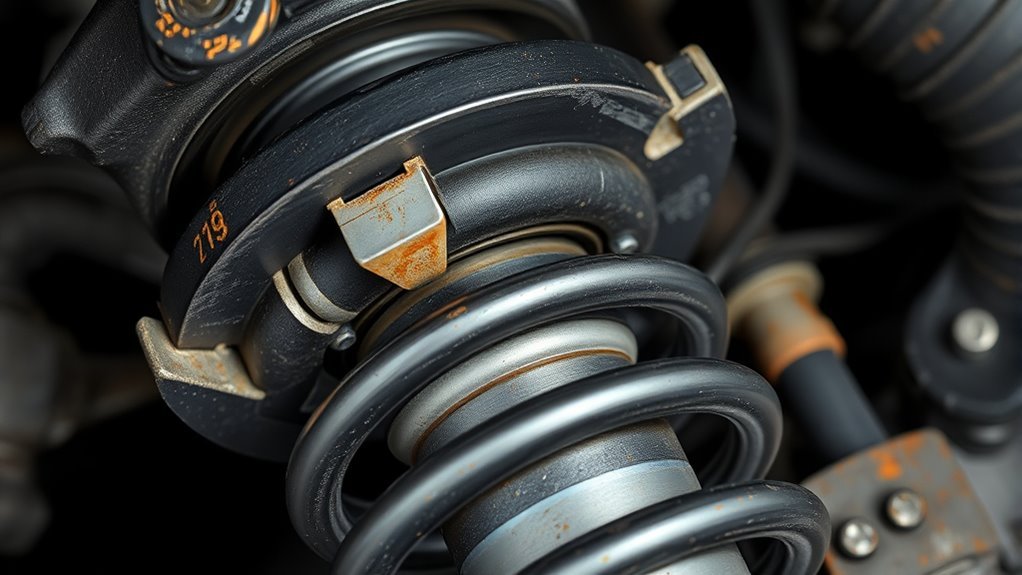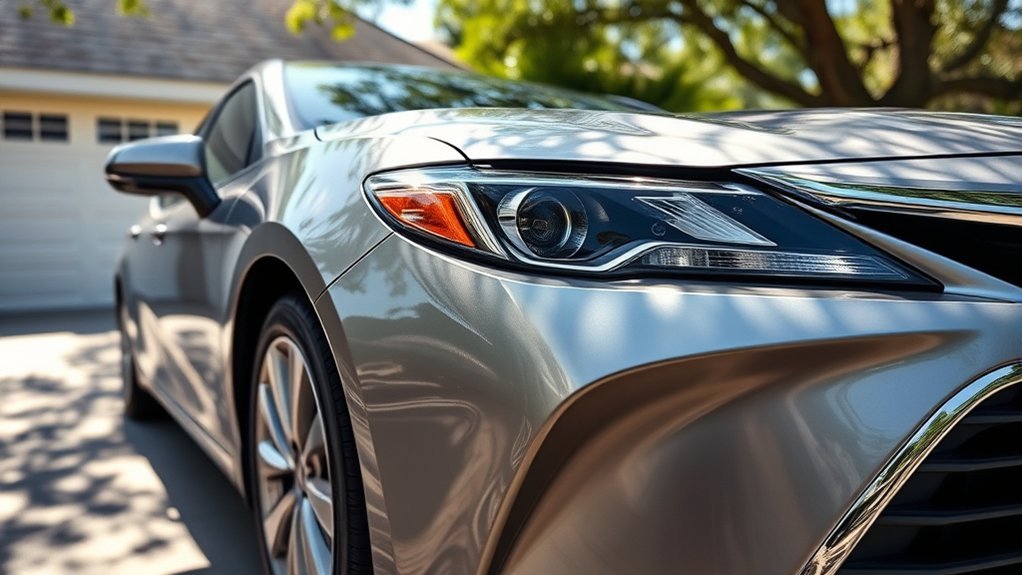
A Toyota Camry warranty is not one single blanket plan. It is a set of factory protections that start on the vehicle’s in-service date, which is usually the date the car is first delivered to the original buyer, leased, or put into service. The main coverages include basic, powertrain, rust-through, restraint system, emissions, hybrid component, hybrid battery, towing, and ToyotaCare roadside assistance benefits. Exact coverage can vary by model year, state emissions rules, and the terms in your Camry’s Warranty and Maintenance Guide.
Quick Answer
A new Toyota Camry typically includes 36 months/36,000 miles of basic warranty coverage, 60 months/60,000 miles of powertrain coverage, 60 months/unlimited miles of rust-through coverage, and hybrid battery coverage of 10 years/150,000 miles for 2020-and-newer Toyota hybrids. Emissions coverage depends on federal or California rules.
Key Takeaways
- Toyota’s basic warranty is 36 months or 36,000 miles, whichever comes first, and covers defects in Toyota-supplied parts except normal wear and maintenance items.
- Powertrain coverage runs 60 months or 60,000 miles and protects major systems such as the engine, transmission/transaxle, and drive system components listed for your model.
- Rust-through coverage lasts 60 months with no mileage limit, but it applies to corrosion perforation of original sheet-metal body panels, not ordinary surface rust.
- For 2020-and-newer Toyota hybrids, the high-voltage hybrid battery warranty is 10 years or 150,000 miles, whichever comes first.
- Keep maintenance records, use the correct service schedule, and report problems early so a small issue does not become an uncovered repair.
Toyota Camry Warranty Coverage at a Glance
Before getting into the details, here is the practical breakdown most Camry owners need. Always confirm your exact coverage in the Toyota Owners Warranty and Maintenance Guide for your model year because exclusions, emissions parts lists, and state-specific rules can differ.
| Coverage Type | Typical Term | What It Generally Covers |
|---|---|---|
| Basic Warranty | 36 months/36,000 miles | Defects in materials or workmanship for most Toyota-supplied components, excluding normal wear and maintenance items. |
| Powertrain Warranty | 60 months/60,000 miles | Engine, transmission/transaxle, and eligible drive system parts listed in your warranty guide. |
| Rust-Through Coverage | 60 months/unlimited miles | Corrosion perforation of original sheet-metal body panels. |
| Restraint Systems Warranty | 60 months/60,000 miles | Defects in Toyota-supplied seatbelt and airbag systems. |
| Hybrid-Related Component Coverage | 8 years/100,000 miles | Hybrid control module, battery control module, inverter with converter, and other listed hybrid components. |
| Hybrid Battery Warranty | 10 years/150,000 miles for 2020-and-newer Toyota hybrids | High-voltage hybrid battery coverage, subject to Toyota’s New Vehicle Limited Warranty terms. |
| Federal Emissions Coverage | Often 2 years/24,000 miles; specified major components up to 8 years/80,000 miles | Emission-control components required by federal law, with longer protection for specified major components. |
| ToyotaCare | 2 years/25,000 miles maintenance; 2 years/unlimited miles roadside assistance | No-cost scheduled maintenance and 24-hour roadside assistance, subject to exclusions and location limits. |
What Is the Basic Warranty for the Toyota Camry?

When you purchase a new Toyota Camry, the basic warranty generally lasts for 36 months or 36,000 miles, whichever comes first. According to Toyota, this coverage applies from the date of first use and covers repairs or adjustments needed to correct defects in materials or workmanship for Toyota-supplied parts, subject to the warranty guide’s exceptions.
This is the coverage many owners think of as the “bumper-to-bumper” warranty, but that phrase can be misleading. It does not mean every part is covered in every situation. Normal wear items and routine maintenance are not covered just because the car is still inside the 36-month/36,000-mile period.
Note: Warranty coverage starts from the vehicle’s in-service date, not necessarily the day you personally bought the car used. If you are buying a pre-owned Camry, ask a Toyota dealer to confirm the original in-service date and remaining warranty.
What the Basic Warranty Does Not Usually Cover
The basic warranty is designed for defects, not ordinary ownership costs. Common exclusions include routine maintenance, normal wear, accident damage, abuse, improper repairs, lack of required maintenance, environmental damage, and damage from non-Toyota modifications or accessories. Items such as brake pads, tires, wiper blades, filters, and fluids usually fall outside basic warranty coverage unless a covered defect caused the problem.
Understanding Powertrain Coverage for Your Toyota Camry
Powertrain coverage is important because it protects the major systems that make your Camry move. Toyota’s standard powertrain warranty generally lasts for 60 months or 60,000 miles, whichever comes first. It covers listed components in major systems such as the engine, transmission/transaxle, and drive systems, subject to the exact parts list and exclusions in your Warranty and Maintenance Guide.
For a covered defect, repairs are typically handled by an authorized Toyota dealership at no charge for covered parts and labor. This makes powertrain coverage one of the most valuable parts of the factory warranty because major mechanical repairs can be expensive once the warranty expires.
Powertrain coverage is still limited. It does not protect against failures caused by neglect, using the wrong fluids, continuing to drive after a warning light, racing, collision damage, flood damage, or unauthorized modifications. If your Camry shows unusual noises, warning lights, fluid leaks, or drivability problems, schedule service promptly and keep your records.
Importance of Rust-Through Coverage for Your Vehicle
Rust-through coverage protects against corrosion perforation of original sheet-metal body panels. Toyota’s standard rust-through coverage generally lasts for 60 months with unlimited mileage from the date of first use.
Long-Term Vehicle Integrity
Rust-through protection matters because corrosion perforation can affect the structure and value of a vehicle. This warranty is not the same as cosmetic paint protection. Surface rust, stone chips, scratches, dents, or corrosion caused by outside damage may not qualify. The key term is perforation, meaning rust has created a hole through a covered sheet-metal panel.
- Coverage applies to qualifying corrosion perforation of original body panels.
- There is no mileage cap during the 60-month rust-through period.
- Claims must meet the conditions and exclusions in the Toyota warranty guide.
Corrosion Prevention Benefits
You can help protect your Camry by washing road salt and grime from the underbody, repairing paint chips early, and inspecting drain areas around doors, trunk openings, and wheel wells. If you live near the coast or in a region that uses winter road salt, these habits can reduce corrosion risk and support long-term resale value.
Pro Tip: If you see bubbling paint or rust near panel seams, take dated photos and schedule a Toyota dealer inspection before the rust-through period ends.
Key Aspects of Toyota Camry Emissions Coverage
Emissions warranty coverage can be more complex than basic or powertrain coverage because it depends on federal rules, California rules, the state where the vehicle is registered, and the specific emissions parts listed for your model year.
Under federal emissions warranty rules, many emissions-related parts are covered for 2 years or 24,000 miles, while specified major emissions-control components can be covered for 8 years or 80,000 miles. The major federal components generally include the catalytic converter, electronic emissions control unit, and onboard diagnostic device or computer.
California emissions warranty rules can provide broader or longer coverage for eligible vehicles. Toyota states that in California and states that adopt California emissions warranty provisions, coverage can apply for 3 years or 50,000 miles, with specific control devices covered for 7 years or 70,000 miles from the date of first use. Your Camry’s warranty guide will list the parts that qualify.
Emissions coverage is not one-size-fits-all. The safest move is to match your Camry’s model year, certification, registration state, and emissions parts list to the official warranty guide before assuming a repair is covered.
- Federal coverage may apply even if your state does not follow California emissions warranty rules.
- California emissions coverage may apply in California and states that have adopted California provisions.
- Hybrid models may have additional emissions-related warranty considerations, especially for components listed in the model-specific warranty guide.
- Skipping required maintenance or using improper parts can complicate an emissions warranty claim.
Benefits of the Hybrid System Warranty for Owners

Many newer Camry models include Toyota hybrid technology, so understanding the hybrid warranty is essential. Toyota’s hybrid-related component coverage generally protects key components such as the hybrid control module, battery control module, and inverter with converter for 8 years or 100,000 miles, whichever comes first.
This coverage is valuable because hybrid systems use specialized electronics that are separate from traditional engine and transmission parts. If a listed hybrid component fails because of a covered defect during the warranty period, Toyota’s warranty process can help reduce the financial burden of repair.
Do not confuse hybrid-related component coverage with hybrid battery coverage. The hybrid battery has its own longer warranty on 2020-and-newer Toyota hybrids, which is explained below.
Features of the Hybrid Battery Warranty
For Toyota hybrid vehicles beginning with the 2020 model year, Toyota increased the hybrid battery warranty to 10 years from the original date of first use or 150,000 miles, whichever comes first. This is one of the most important protections for Camry Hybrid owners because the high-voltage battery is a major component of the vehicle’s hybrid system.
Coverage Duration Details
The hybrid battery warranty starts from the original date of first use. That matters if you buy a used Camry Hybrid because the remaining coverage is based on the vehicle’s original in-service date and mileage, not your purchase date.
- The warranty applies to 2020-and-newer Toyota hybrid vehicles.
- The term is 10 years or 150,000 miles, whichever occurs first.
- Coverage is subject to the terms and conditions of the New Vehicle Limited Warranty.
Battery Performance Assurance
A hybrid battery can gradually lose some capacity as it ages, just as many rechargeable batteries do. Warranty eligibility depends on Toyota’s coverage terms, diagnostic process, and whether the issue is a covered defect. If you notice warning lights, reduced hybrid performance, unusual fan noise, or a sudden fuel-economy drop, have the vehicle inspected by a Toyota dealer rather than guessing.
Warning: Do not try to inspect, open, or repair a high-voltage hybrid battery yourself. Hybrid battery systems can be dangerous and should be serviced by trained professionals with the proper equipment.
Components Covered Under the Toyota Camry Restraint System Warranty
The Toyota Camry restraint system warranty generally covers repairs needed to correct defects in materials or workmanship for Toyota-supplied seatbelt and airbag systems. Coverage is typically 60 months or 60,000 miles, whichever comes first.
Key components may include:
- Seatbelt systems: Designed to help restrain occupants during a crash.
- Airbag systems: Designed to deploy in certain collisions to help reduce injury risk.
- Related Toyota-supplied restraint components: Covered only when they meet the warranty guide’s terms and are not excluded by damage, misuse, or outside causes.
Because restraint systems are safety-critical, do not ignore warning lights or messages related to airbags or seatbelts. Schedule service quickly and avoid installing unauthorized electrical accessories that could interfere with safety systems.
How Towing and Roadside Assistance Work Together
Towing coverage and roadside assistance are related, but they are not exactly the same benefit. Toyota warranty towing may apply when your Camry becomes inoperable because of the failure of a warranted part. ToyotaCare roadside assistance is a separate ownership benefit that includes 24-hour roadside help for a limited time.
[Products Worth Considering]

If your car is parked at the scene of an accident waiting to be rescued, you may need this car emergency kit

Pink car emergency kit: This tool set comes with all the most useful and necessary roadside assistance tools. It includes a pink jumper cable, auto tool set, tow rope, safety hammer, reflective triangle and vest, deer whistles, snow shovel, tire pressure gauge, anti-skid gloves, 3 in 1 whistle, raincoat, fully equipped first aid kit, and portable pink storage bag
Towing Coverage Details
If a covered warranted part fails and your Camry cannot be safely driven, towing to the nearest authorized Toyota dealership may be covered under the terms in the warranty guide. This is intended to get the vehicle to a dealer that can diagnose and repair the covered issue.
Before arranging your own tow, call Toyota Roadside Assistance, your Toyota dealer, or the number listed in your owner materials. Paying for outside towing without authorization can make reimbursement harder.
Roadside Assistance Benefits
ToyotaCare includes no-cost normal factory scheduled maintenance for 2 years or 25,000 miles, whichever comes first, and roadside assistance for 2 years with unlimited mileage. Toyota notes that ToyotaCare roadside assistance is valid only in the continental U.S. and Alaska and is subject to exclusions.
Roadside assistance can help with common problems such as battery jump-starts, lockout assistance, tire service, emergency fuel delivery, towing, and winching where applicable. Parts and fluids are generally not included, except emergency fuel delivery under Toyota’s stated exclusions.
How to Start a Toyota Camry Warranty Claim
If you think your Camry has a warranty-covered problem, the best first step is to contact an authorized Toyota dealership. The dealer will inspect the vehicle, confirm whether the issue is caused by a covered defect, and process the claim according to Toyota’s warranty procedures.
- Gather your records. Bring your VIN, mileage, purchase paperwork if available, and maintenance receipts.
- Describe the issue clearly. Note warning lights, noises, leaks, smells, or when the problem happens.
- Ask for a written diagnosis. A clear repair order helps document whether the concern is covered.
- Do not authorize unrelated repairs blindly. Ask which repairs are warranty-covered and which, if any, are customer-pay.
- Escalate if needed. If you disagree with a decision, ask the dealer to explain the warranty exclusion and contact Toyota customer support if the issue remains unresolved.
Note: A warranty does not automatically cover every problem during the warranty period. The dealer still has to determine whether the failure was caused by a covered defect rather than wear, outside damage, lack of maintenance, or another excluded cause.
[Products Worth Considering]
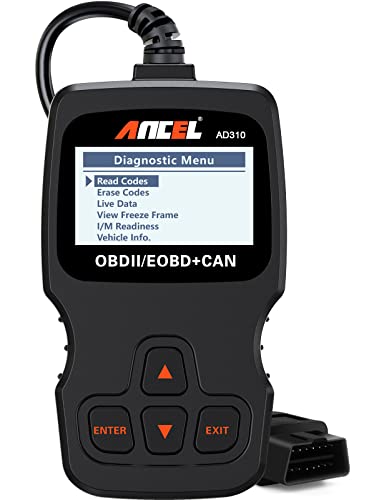
CEL Doctor: The ANCEL AD310 is one of the best-selling OBD II scanners on the market and is recommended by Scotty Kilmer, a YouTuber and auto mechanic. It can easily determine the cause of the check engine light coming on. After repairing the vehicle's problems, it can quickly read and clear diagnostic trouble codes of emission system, read live data & hard memory data, view freeze frame, I/M monitor readiness and collect vehicle information

Understand Your Check Engine Light – The ANCEL AD410 OBD2 scanner helps everyday drivers quickly read and clear engine-related fault codes, view code definitions, and understand why the check engine light is on before visiting a repair shop. With 42,000+ built-in DTC lookups, this car code reader helps reduce guesswork and makes basic vehicle diagnostics easier for beginners and DIY users
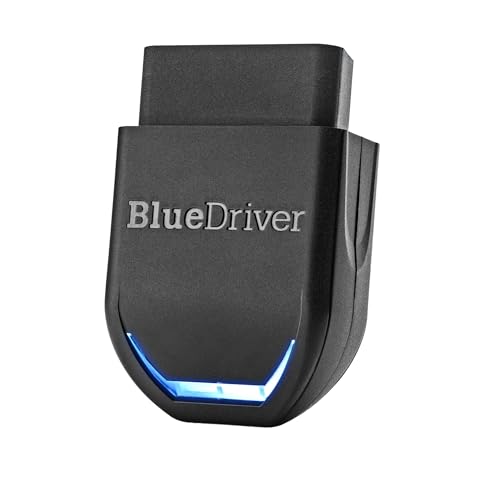
[Diagnose Like a Pro] BlueDriver Pro is a professional OBD2 scanner and diagnostic tool that helps you scan, understand, and clear vehicle trouble codes with confidence. Turn your phone into a powerful car diagnostic scanner—no guesswork, no unnecessary repairs.
Why Consider Extended Warranty Protection for Your Toyota Camry?
If you plan to keep your Camry beyond the basic or powertrain warranty period, an extended protection plan may be worth comparing. Toyota Financial Services offers Toyota Extra Care Vehicle Service Agreements with flexible terms that can range up to 10 years or 125,000 total vehicle miles, depending on plan eligibility, vehicle age, mileage, and the selected coverage level.
An extended service agreement is not the same as the factory warranty. It is a separate plan with its own contract, covered parts, exclusions, deductible rules, transfer rules, and cancellation terms. Read the agreement before buying and compare the cost against your expected ownership length, annual mileage, and comfort with repair risk.
- Consider it if: you plan to keep the Camry for many years, drive high mileage, want dealer-based repairs, or prefer predictable ownership costs.
- Think twice if: you sell cars quickly, drive very few miles, already have overlapping coverage, or the plan excludes the components you care about most.
- Ask before buying: what is covered, what is excluded, whether diagnostics are covered, whether there is a deductible, and whether the plan is transferable.
Tips for Maximizing Your Toyota Warranty Benefits

To get the most from your Toyota Camry warranty, treat documentation and maintenance as part of ownership. A clean service history can make warranty questions easier to resolve and can help protect resale value.
- Follow the maintenance schedule. Use the schedule in your model-year Warranty and Maintenance Guide.
- Keep receipts and repair orders. Save oil changes, inspections, tire rotations, and dealer service records.
- Act quickly on warning lights. Continuing to drive with an obvious problem can create additional damage that may not be covered.
- Use correct fluids and parts. Improper fluids, poor-quality repairs, or unapproved modifications can complicate claims.
- Check coverage before paying. If your Camry is still within time and mileage limits, ask whether the concern may be warranty-covered before approving customer-pay repairs.
- Confirm state emissions rules. Emissions warranty terms can change depending on where the vehicle is registered and whether it is California-certified.
Pro Tip: Create a digital folder for your Camry with the VIN, in-service date, warranty guide PDF, maintenance receipts, tire records, and repair orders. It can save time during a warranty claim or resale.
Frequently Asked Questions
What does the Toyota Camry warranty cover?
The Toyota Camry warranty generally covers defects in Toyota-supplied parts and workmanship. Basic coverage is usually 36 months/36,000 miles, powertrain coverage is 60 months/60,000 miles, rust-through coverage is 60 months with unlimited mileage, and hybrid battery coverage is 10 years/150,000 miles for 2020-and-newer Toyota hybrids.
Does the Toyota Camry warranty cover tires and brakes?
Normal tire wear, brake pad wear, and routine maintenance are usually not covered by the Toyota basic warranty. Tires may be covered separately by the tire manufacturer, and brake issues may be covered only if a Toyota dealer confirms a covered defect caused the problem.
How long is the Toyota Camry powertrain warranty?
Toyota’s standard powertrain warranty generally lasts 60 months or 60,000 miles, whichever comes first. It covers listed components in major systems such as the engine, transmission/transaxle, and drive system, subject to the exclusions in the Warranty and Maintenance Guide.
How long is the Toyota Camry Hybrid battery warranty?
For Toyota hybrid vehicles beginning with the 2020 model year, the hybrid battery warranty is 10 years from the original date of first use or 150,000 miles, whichever comes first. Coverage is subject to the terms and conditions of Toyota’s New Vehicle Limited Warranty.
Does ToyotaCare come with the Camry warranty?
ToyotaCare is included with new Toyota vehicles as a no-cost maintenance and roadside assistance plan. It covers normal factory scheduled maintenance for 2 years or 25,000 miles, whichever comes first, and roadside assistance for 2 years with unlimited mileage, subject to Toyota’s exclusions and location limits.
Does emissions warranty coverage vary by state?
Yes. Federal emissions warranty rules apply nationwide, but California and states that adopt California emissions provisions can have different coverage periods and parts lists. Always check your Camry’s Warranty and Maintenance Guide and registration state before assuming an emissions repair is covered.
Conclusion
The Toyota Camry warranty gives owners several layers of protection, but each layer has its own time limit, mileage limit, covered parts, and exclusions. The biggest numbers to remember are 36 months/36,000 miles for basic coverage, 60 months/60,000 miles for powertrain and restraint systems, 60 months/unlimited miles for rust-through, and 10 years/150,000 miles for the hybrid battery on 2020-and-newer Toyota hybrids. For the most accurate answer, match your Camry’s VIN, model year, in-service date, mileage, and state emissions rules to the official Toyota Warranty and Maintenance Guide.
Sources
- Toyota Support: What warranty coverage do I have on my Toyota vehicle? — basic, powertrain, rust-through, emissions overview, and in-service date guidance.
- Toyota Owners: Camry Warranty and Manuals — official model-specific warranty and maintenance guide access.
- Toyota Support: What hybrid warranty coverage do I have on my Toyota? — hybrid-related component coverage and 10-year/150,000-mile hybrid battery warranty.
- Toyota Support: What does ToyotaCare include? — ToyotaCare scheduled maintenance and roadside assistance terms.
- eCFR: 40 CFR § 85.2103 Emission Warranty — federal emissions warranty periods and major component coverage.
- California Air Resources Board: Vehicle and Emissions Warranty Periods — California and federal emissions warranty period reference.