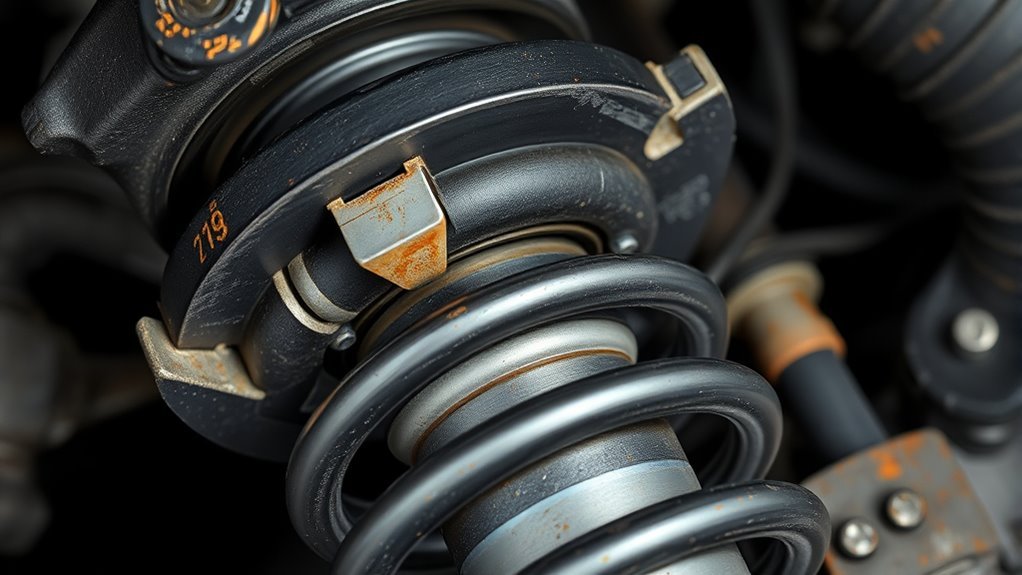
Camry strut mount failure usually shows up as front-end clunks, popping during turns, steering vibration, uneven front tire wear, or a ride that feels loose and unsettled. The mount sits at the top of the strut assembly, so when it wears out, it can affect noise control, steering feel, tire wear, and suspension stability. Use the checks below to narrow down the problem safely, then have a qualified technician confirm the diagnosis before replacing parts.
Quick Answer
The most common Camry strut mount failure signs are a clunk or pop over bumps, noise or binding while turning, uneven or cupped front tire wear, extra front-end bounce, and visible mount rubber damage. Oil on the strut body can also point to a leaking strut that should be inspected with the mount.
Key Takeaways
- A bad strut mount often causes clunks over bumps, pops while steering, vibration, or a loose front-end feel.
- Uneven tire wear can happen when worn suspension parts affect wheel control or alignment.
- Oil on the strut usually means the strut is leaking, not that the mount itself is leaking.
- Do not remove a strut spring without the correct spring compressor and repair procedure.
- After strut or mount replacement, a wheel alignment helps restore factory suspension geometry.
At a Glance
| Time Required | 10–30 minutes for a basic visual and noise check |
| Difficulty | Easy for inspection; advanced for replacement |
| Tools Needed | Flashlight, gloves, tire-pressure gauge, wheel chocks, and jack stands if lifting the car |
| Cost | DIY inspection is usually free; replacement cost varies by model year, parts choice, labor rate, and alignment needs |
Symptoms of a Bad Camry Strut Mount: Quick Checklist
Start with the symptoms you can hear, feel, and see. One sign alone does not prove the strut mount is bad, but several signs together make the mount, bearing, or complete strut assembly worth inspecting.
| Symptom | What It May Mean | What to Check Next |
|---|---|---|
| Clunk over bumps | Loose or worn upper mount, mounting hardware, or nearby suspension part | Mount rubber, upper nuts, sway bar links, ball joints, and control-arm bushings |
| Pop or creak while turning | Worn upper strut bearing or binding mount | Low-speed steering test and inspection of the upper bearing area |
| Uneven or cupped tire wear | Poor wheel control, worn suspension parts, or alignment issue | Tire tread, pressure, rotation history, and wheel alignment |
| Bouncy or floaty front end | Weak strut damping, worn mount, or both | Controlled road test and strut leak inspection |
| Steering vibration or wandering | Mount wear, alignment problem, tire issue, or loose suspension part | Tires, steering linkage, alignment, and front suspension play |
How Camry Strut Mounts Work and Why They Matter
A strut mount connects the top of the strut assembly to the vehicle body. Its rubber section helps isolate road noise and vibration, while many front strut mounts also include a bearing that lets the strut rotate smoothly as you steer. KYB notes that strut mounts help reduce suspension noise and vibration, and that strut mount bearings can help steering smoothness and front-end alignment when the mount is used as a steering pivot. KYB strut mount information
A healthy strut mount does three jobs at once: it secures the strut, cushions road noise, and helps the front suspension steer and track predictably.
When the mount rubber cracks, compresses, separates, or the bearing binds, the strut may move in ways it should not. That can create clunks, pops, steering roughness, tire wear, and a less stable ride.
Note: Camry suspension details vary by model year and trim. Always check the repair information for your exact year before replacing struts, mounts, or hardware.
Top Visual Signs of Camry Strut Mount Failure
Visual inspection is the safest first step. Park on level ground, set the parking brake, and use a flashlight to look at the top of each front strut tower and the visible strut body.
Cracked, Split, or Flattened Mount Rubber
Look for cracked rubber, torn isolators, separation between the rubber and metal, or a mount that appears collapsed compared with the opposite side. Worn rubber can allow extra movement, which leads to clunks and vibration through the body.
Oil on the Strut Body or Around the Upper Strut Area
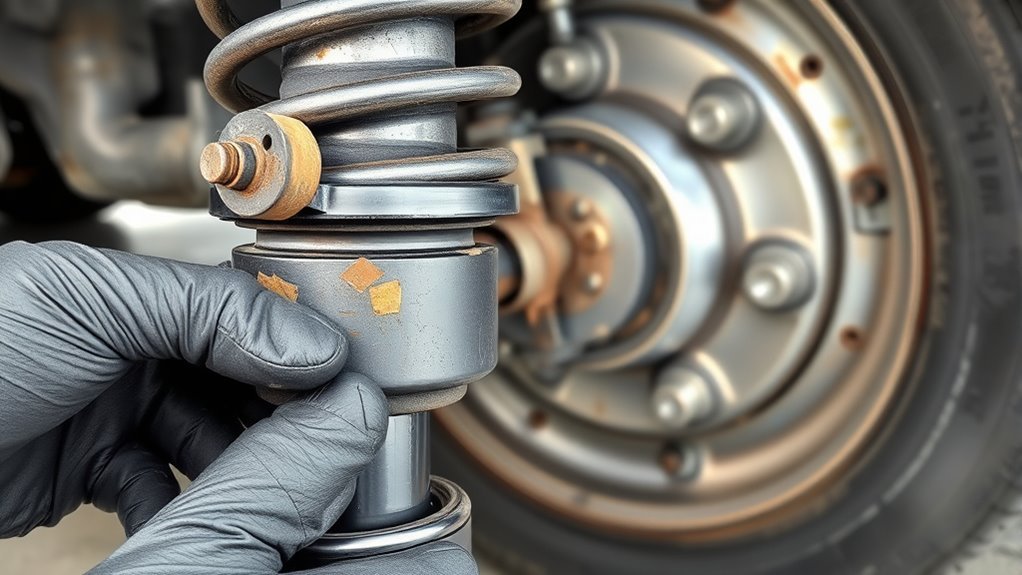
Wet, oily residue on the strut body usually points to a leaking strut. The mount itself is generally not the source of the fluid, but a leaking strut and worn mount are often inspected together because both parts work as one assembly.
Rust, Loose Hardware, or Uneven Mount Height
Surface rust alone does not prove failure, but heavy corrosion, missing hardware, stretched studs, or a mount that sits noticeably higher or lower than the other side needs attention. Do not simply tighten upper nuts at random; use the factory torque specification for your exact Camry.
Driving Symptoms That Point to a Bad Strut Mount
Driving symptoms are most useful when you reproduce them slowly and safely. Turn off loud music, choose a quiet parking lot or low-speed road, and note whether the noise comes from the left or right front corner.
Excessive Front Bouncing
If the front end keeps bouncing after bumps, dips, or potholes, the strut may be weak and the mount may no longer be controlling movement properly. A simple bounce test can be a useful screen, but it should not be treated as proof. A controlled road test and hands-on inspection are more reliable.
Clunking, Popping, or Binding During Turns
A pop or clunk while turning can mean the upper strut bearing is binding or the mount is allowing the strut to shift. You may also feel a notch, skip, or vibration through the steering wheel. Monroe’s technical guidance notes that noise over bumps can point to the upper mounting plate, while noise during turning can point to the upper bearing assembly. Monroe strut noise guidance
How to Diagnose Camry Strut Mount Problems at Home Safely
You can do a basic inspection at home, but replacement is a different job. Strut assemblies contain a compressed spring that can cause serious injury if handled incorrectly.
Warning: Never place any part of your body under a vehicle supported only by a jack. Use jack stands on approved lift points. Never disassemble a strut spring without the correct spring compressor, service procedure, and safety training.
- Listen at low speed. Drive slowly over a small bump or driveway entrance and listen for a dull clunk from one front corner.
- Turn the steering wheel slowly. In a parking lot, turn left and right. A pop, creak, or binding feel may point to the mount bearing.
- Inspect the top mount. Open the hood and compare both strut towers. Look for cracked rubber, uneven height, rust, or movement while a helper gently turns the steering wheel.
- Check the tires. Look for cupping, feathering, shoulder wear, or exposed cords. NHTSA recommends proper tire maintenance because tire condition affects safety. NHTSA TireWise
- Look for strut leaks. Oil running down the strut body suggests a leaking strut, which can cause bounce and poor wheel control.
- Compare both sides. A failed mount often looks or sounds different from the opposite side.
- Get a professional confirmation. Have a qualified technician check suspension play, torque, alignment angles, and related components before replacing parts.
Pro Tip: Record the noise on your phone during a low-speed test drive. A short clip can help a shop identify whether the sound happens over bumps, while turning, or under braking.
[Products Worth Considering]

Upgrade your vehicle interior with Skechers Work seat covers designed for comfort, protection, and a clean custom look. Reinforced webbing helps the covers maintain shape and durability, while the cushioned design adds comfort for daily drives and long trips. The form-fitting front seat design works with many cars, trucks, vans, and SUVs, and advanced stitching supports airbag compatibility for added peace of mind.

[Vehicle Fitment]: Compatible with Toyota Camry 2010-2017 L4 2.5L --- GAS Only

[Vehicle Fitment]: Compatible with Lexus ES350 2007-2012, RX350 2010-2012 (without Air Suspension, without Sport Suspension), RX350 2013-2015 Base Model (without Air Suspension), RX350 Sportdesign 2014-2015 (without Air Suspension), RX450h 2010-2012 (without Air Suspension, without Sport Suspension), RX450h 2013-2015 (without Air Suspension); Compatible with Toyota Avalon 2006-2012 (From 01/06), fit for Camry 2007-2017, Highlander 2008-2013, Solara 2006-2008 (From 07/06), fit for Venza 2009-2015
Suspension Noises That Confirm a Strut Mount Issue
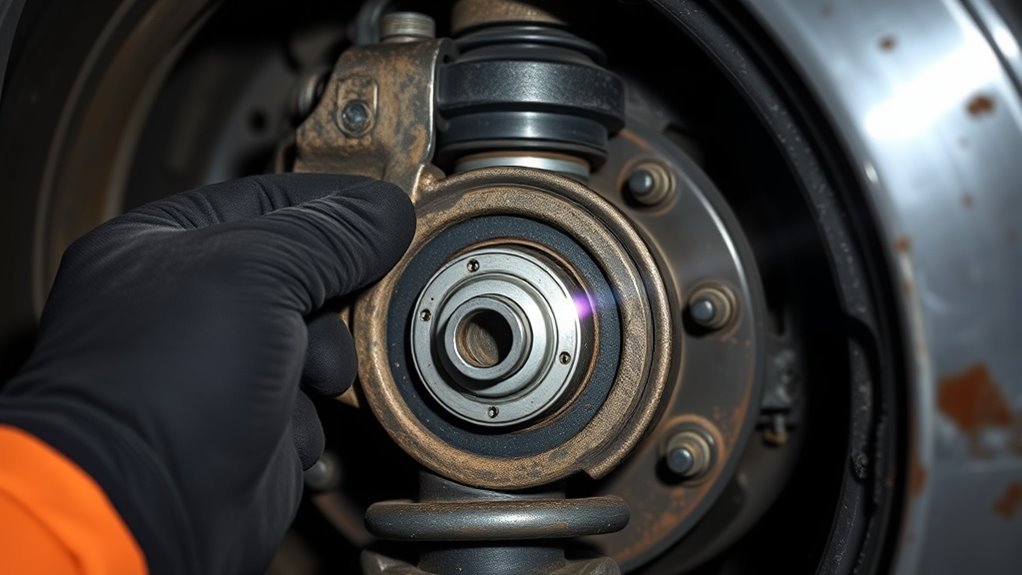
Strut mount noise is usually dull, heavy, and located high in the strut tower area. Still, several other parts can sound similar, so do not replace the mount based on sound alone.
| Noise or Feeling | Possible Strut Mount Cause | Other Parts to Rule Out |
|---|---|---|
| Single clunk over bumps | Worn mount or loose upper hardware | Sway bar links, control-arm bushings, ball joints, loose brake hardware |
| Pop while turning | Binding upper bearing | CV joint, tie rod end, steering rack issue |
| Rattle on rough pavement | Mount rubber separation or loose strut hardware | Sway bar bushings, underbody shields, loose exhaust hangers |
| Vibration through steering wheel | Mount no longer isolating vibration | Wheel balance, tire damage, bent wheel, alignment issue |
KYB recommends a consistent road test over varied road surfaces when diagnosing shock and strut performance, rather than relying on one quick check. KYB shock and strut diagnosis guide
Can You Drive With a Bad Camry Strut Mount?
You may be able to drive carefully to a repair shop if the noise is mild, the steering feels normal, the tires are in good condition, and the car is not pulling or bouncing badly. Avoid highway speeds, heavy braking, potholes, and sharp steering until it is inspected.
Stop driving and arrange a tow if you notice any of these signs:
- Severe clunking that gets worse quickly
- Loose, wandering, or unpredictable steering
- A tire with exposed cords, bulges, or rapid uneven wear
- A broken spring, collapsed corner, or visible strut separation
- Heavy fluid leakage from the strut body
- Any feeling that the car may not respond normally in an emergency maneuver
Risks of Ignoring Camry Strut Mount Failure
Ignoring a worn strut mount can make the front end noisier, rougher, and less predictable. Over time, extra movement can stress the strut, tire, steering linkage, and other suspension parts. Uneven tire wear is especially important because tire condition directly affects braking, steering, and wet-road grip.
Small symptoms can also hide larger problems. A clunk you think is a mount could be a loose ball joint, worn sway bar link, or steering component. That is why a complete suspension inspection is smarter than replacing one part based only on sound.
Maintenance, Repair, and Replacement Options for Camry Strut Mounts
Toyota’s Camry maintenance guide recommends regular maintenance and visual inspections, and it notes that maintenance and repair can be performed by qualified automotive providers. Toyota Camry Warranty & Maintenance Guide Check your exact model-year guide because service intervals and inspection items can vary.
[Products Worth Considering]

【High quality】 We have always been the most high -quality engine and transmission bracket manufacturer. All of our products use the highest quality raw materials. I have the most advanced laboratory equipment to test their products. The quality can completely replace OE brackets, or even surpass them

【High quality】 We have always been the most high -quality engine and transmission bracket manufacturer. All of our products use the highest quality raw materials. I have the most advanced laboratory equipment to test their products. The quality can completely replace OE brackets, or even surpass them
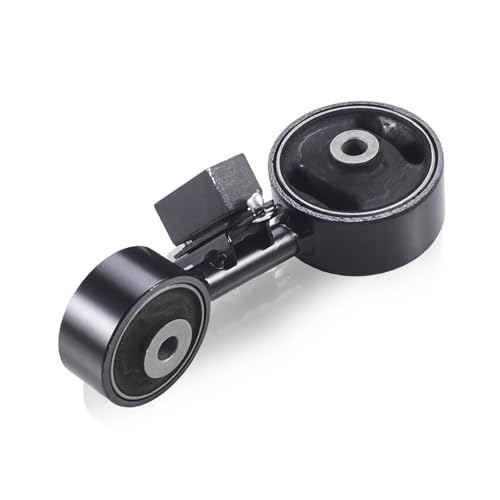
Vehicle Fitment-1: Mount Motor Compatible with Toyota Camry 2002 2003 2004 2005 2006 l4 2.4L(automatic transmission), Solara 2004 2005 2006 2007 2008 l4 2.4L(automatic transmission)
Replace the Mount Only
A mount-only replacement may make sense when the strut is still in good condition, there is no fluid leak, damping feels controlled, and the only confirmed fault is the upper mount or bearing. This still requires safe strut removal and spring handling.
Replace the Complete Strut Assembly
A complete or loaded strut assembly may be the better choice when the strut is leaking, the ride is bouncy, the spring seat or boot is worn, or the vehicle has high mileage. Complete assemblies can reduce labor complexity, but they still must be installed correctly and aligned afterward.
Replace in Pairs When Wear Is Age-Related
If one front strut or mount is worn from age and mileage, the opposite side may not be far behind. Replacing front mounts or strut assemblies in pairs helps keep ride height, damping, and steering response balanced.
Note: Use OEM or OE-quality parts, new required hardware, and factory torque specifications. Guessing on torque can cause noise, damaged bearings, stretched studs, or premature failure.
After Replacement: Alignment, Testing, and When to Call a Pro
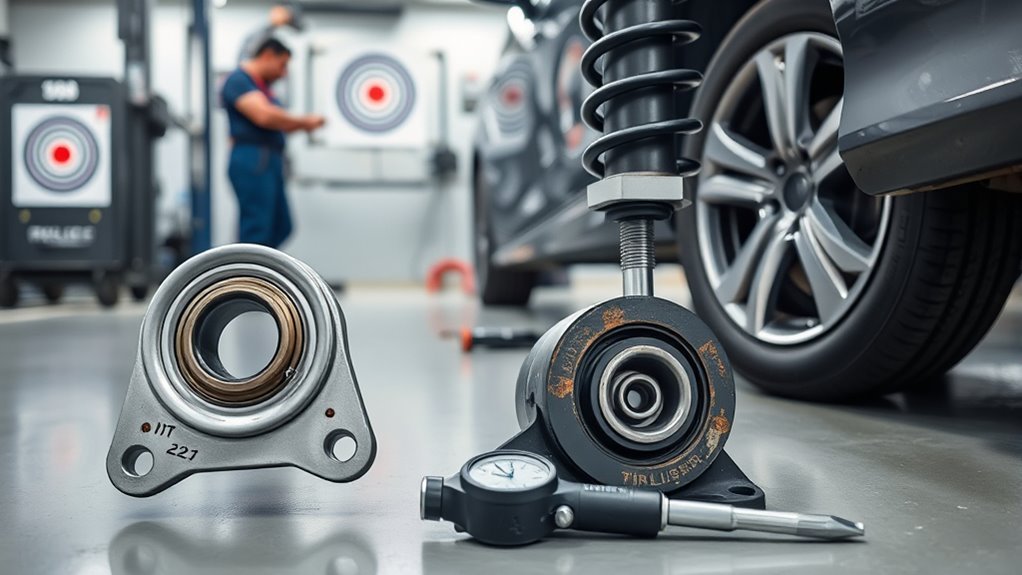
After replacing a Camry strut mount, strut, or steering/suspension component, schedule a wheel alignment. Monroe recommends alignment after struts or other steering and suspension components are replaced because camber and factory geometry can be affected, which may lead to uneven tire wear. Monroe alignment guidance
After alignment, test the car on a safe route with smooth pavement, small bumps, and low-speed turns. The steering wheel should return smoothly, the car should track straight, and the old clunk or pop should be gone. If the noise remains, ask the shop to recheck mount seating, spring orientation, torque, sway bar links, ball joints, control-arm bushings, and steering linkage.
[Products Worth Considering]

We have always been the highest quality manufacturer of engine and transmission mounts. All of our products use the highest quality raw materials. We have the most advanced laboratory equipment for testing, and the product quality can completely replace OE parts. This engine and transmission bracket is a direct replacement for the factory bracket on automatic transmissions, which will match, work, and look with the factory engine and transmission bracket.
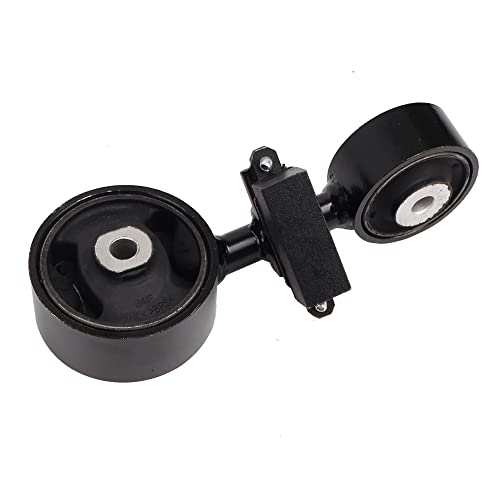
【High quality】 We have always been the most high -quality engine and transmission bracket manufacturer. All of our products use the highest quality raw materials. I have the most advanced laboratory equipment to test their products. The quality can completely replace OE brackets, or even surpass them

Front Hood Struts Fits the hood on Toyota Camry 2018 2019 2020 2021 2022 2023.
Frequently Asked Questions
Can I drive with a bad strut mount?
You may be able to drive slowly to a repair shop if the symptoms are mild and the steering still feels normal. Do not keep driving if the car clunks severely, wanders, pulls, bounces badly, has a damaged tire, or feels unsafe. In those cases, arrange a tow.
How do I know if I need strut mounts?
You may need strut mounts if you hear clunks over bumps, pops while turning, steering vibration, or see cracked mount rubber. Uneven tire wear and a loose front-end feel also support the diagnosis, but a technician should rule out sway bar links, ball joints, tie rods, tires, and alignment problems.
What does it feel like when struts go bad?
Bad struts often feel bouncy, floaty, or unstable after bumps. You may notice nose dive while braking, extra body movement in turns, tire cupping, or oil on the strut body. A bad mount can happen at the same time and add clunks, pops, or steering roughness.
Do I need an alignment after replacing Camry strut mounts?
Yes, an alignment is strongly recommended after strut, mount, or related steering/suspension work. Removing and reinstalling strut components can affect suspension geometry, and alignment helps prevent pulling, crooked steering, and premature tire wear.
Should Camry strut mounts be replaced in pairs?
If one mount failed because of age, mileage, or general wear, replacing both front mounts is usually the better repair. Pair replacement helps keep the front suspension balanced. If one mount failed because of a specific impact or installation issue, a technician can inspect the other side before deciding.
Conclusion
The top Camry strut mount failure signs are clunking over bumps, popping or binding while turning, steering vibration, uneven tire wear, cracked mount rubber, and a loose or unsettled front end. Treat oil on the strut body as a possible leaking strut, not just a mount problem. Inspect safely, rule out similar suspension noises, replace worn parts with the correct procedure, and finish the repair with a proper alignment and road test.
Sources
- Toyota Camry Warranty & Maintenance Guide — maintenance schedule, inspection context, qualified service guidance, and Toyota parts guidance.
- NHTSA TireWise — tire maintenance and tire-safety context.
- KYB Strut Mounts and Boots — strut mount function, noise/vibration reduction, bearing role, and alignment relevance.
- KYB Diagnose Shocks and Struts — road-test and inspection guidance for shock/strut performance.
- Monroe Diagnosing Noise With New Shocks and Struts — mount, upper bearing, and hardware noise diagnosis.
- Monroe Alignment After Strut Replacement — alignment importance after strut or suspension component replacement.