
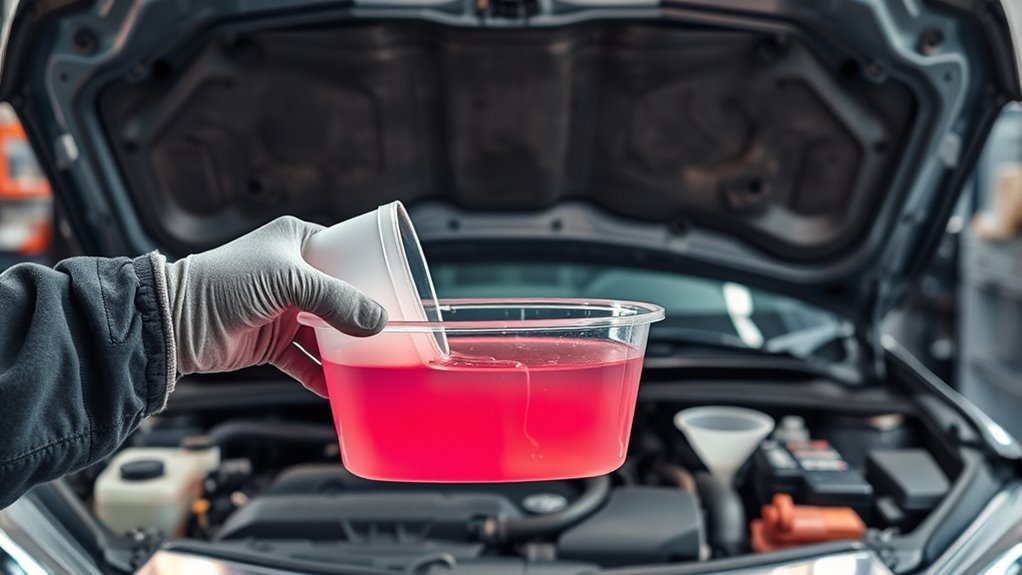
Old coolant can turn a small Camry maintenance task into an overheating problem. Your best coolant change interval depends on your model year, coolant type, engine, hybrid system, and service history. For many late-model Camrys that use Toyota pink Super Long Life Coolant, the first coolant replacement is commonly planned around 100,000 miles or 10 years, then about every 50,000 miles or five years after that. Older coolant formulas, unknown service records, leaks, or contamination call for a more cautious schedule.
Quick Answer
Change Toyota Camry coolant according to your owner’s manual and coolant type. Many late-model Camrys with Toyota pink Super Long Life Coolant use a long first interval, often around 100,000 miles or 10 years, then shorter follow-up intervals. Service it sooner if the coolant looks rusty, oily, sludgy, diluted, or if the system leaks.
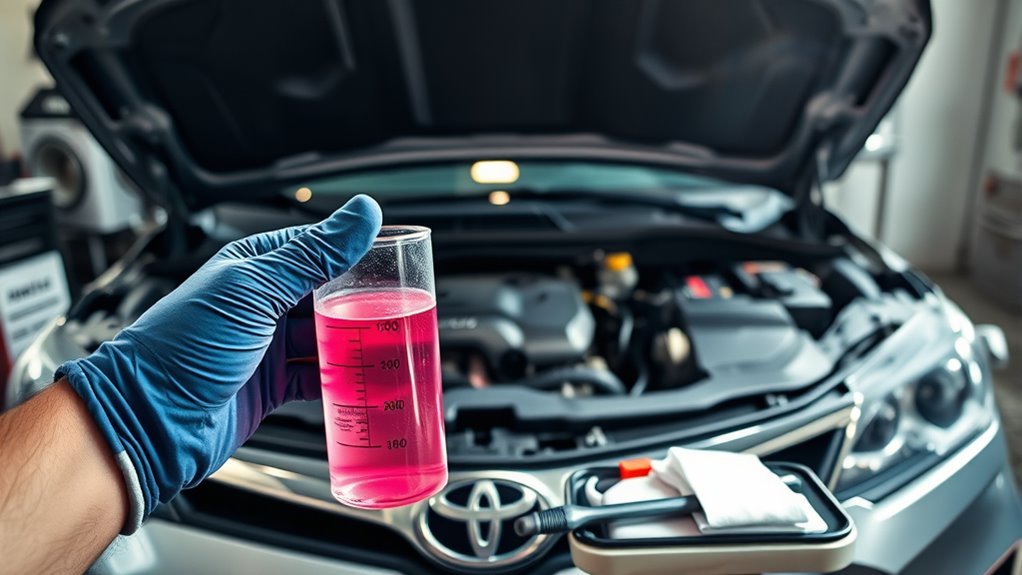
Key Takeaways
- Use your Camry owner’s manual as the final authority for coolant type, capacity, and service interval.
- Toyota pink Super Long Life Coolant usually allows a longer first service interval than older or unknown coolant.
- Inspect coolant level, color, smell, and reservoir condition monthly, especially before long trips.
- Choose a drain-and-fill for clean coolant and normal maintenance.
- Choose a full flush when coolant is rusty, oily, sludgy, badly mixed, or the service history is unknown.
At a Glance
| Time Required | 10 minutes for inspection; about 45–90 minutes for a careful DIY drain-and-fill; longer if bleeding air is difficult. |
| Difficulty | Easy for visual checks; moderate for a drain-and-fill; professional help is better for leaks, overheating, or hybrid coolant loops. |
| Tools Needed | Owner’s manual, approved coolant, gloves, drain pan, funnel, rags, flashlight, and a safe container for used coolant. |
| Cost | Varies by coolant capacity, local labor, and whether you choose DIY service, drain-and-fill, leak repair, or full flush. |
Camry Coolant Change Intervals by Coolant Type
Your Camry’s exact interval comes from the model-specific maintenance guide, not coolant color alone. Toyota’s manuals and warranties page lets you select your vehicle and access the correct owner and maintenance information for your year.
Toyota’s official Super Long Life Coolant page also tells owners to check whether their vehicle manual calls for that coolant. That matters because Toyota coolant type, engine design, and hybrid equipment can change the service plan.
| Late-model Camry with Toyota pink Super Long Life Coolant | Many schedules use a long first replacement interval, often around 100,000 miles or 10 years, then about 50,000 miles or five years after the first service. Confirm your exact year and engine. |
| Older coolant formula or unknown service history | Use a cautious plan until you verify the records. A 30,000-mile or two-year planning interval is safer when you do not know the coolant age, brand, mixture, or contamination history. |
| Hybrid Camry | Check the engine coolant schedule and the hybrid or inverter coolant schedule separately. Do not assume both loops use the same capacity, bleed process, or interval. |
Note: Coolant color helps identify what may be in the reservoir, but it does not prove chemistry. Never mix coolant by color alone.
[Products Worth Considering]

This professional water pump kit is designed as a direct OE replacement for select Toyota and Lexus 3.5L V6 vehicles, helping restore reliable engine cooling performance. Built to strict quality standards and tested for leak-free operation, it includes the necessary gasket for easier installation and a secure fit. It offers a practical upgrade for drivers seeking dependable cooling system maintenance and long-lasting performance.

This engine water pump kit is designed to help maintain reliable cooling performance across a wide range of compatible Toyota, Lexus, Scion, and Pontiac vehicles. Built with aluminum and tested for leak-free operation, it offers a direct replacement solution that supports engine efficiency and long-term service life. The kit includes a professional water pump and gasket for a convenient installation-ready repair.
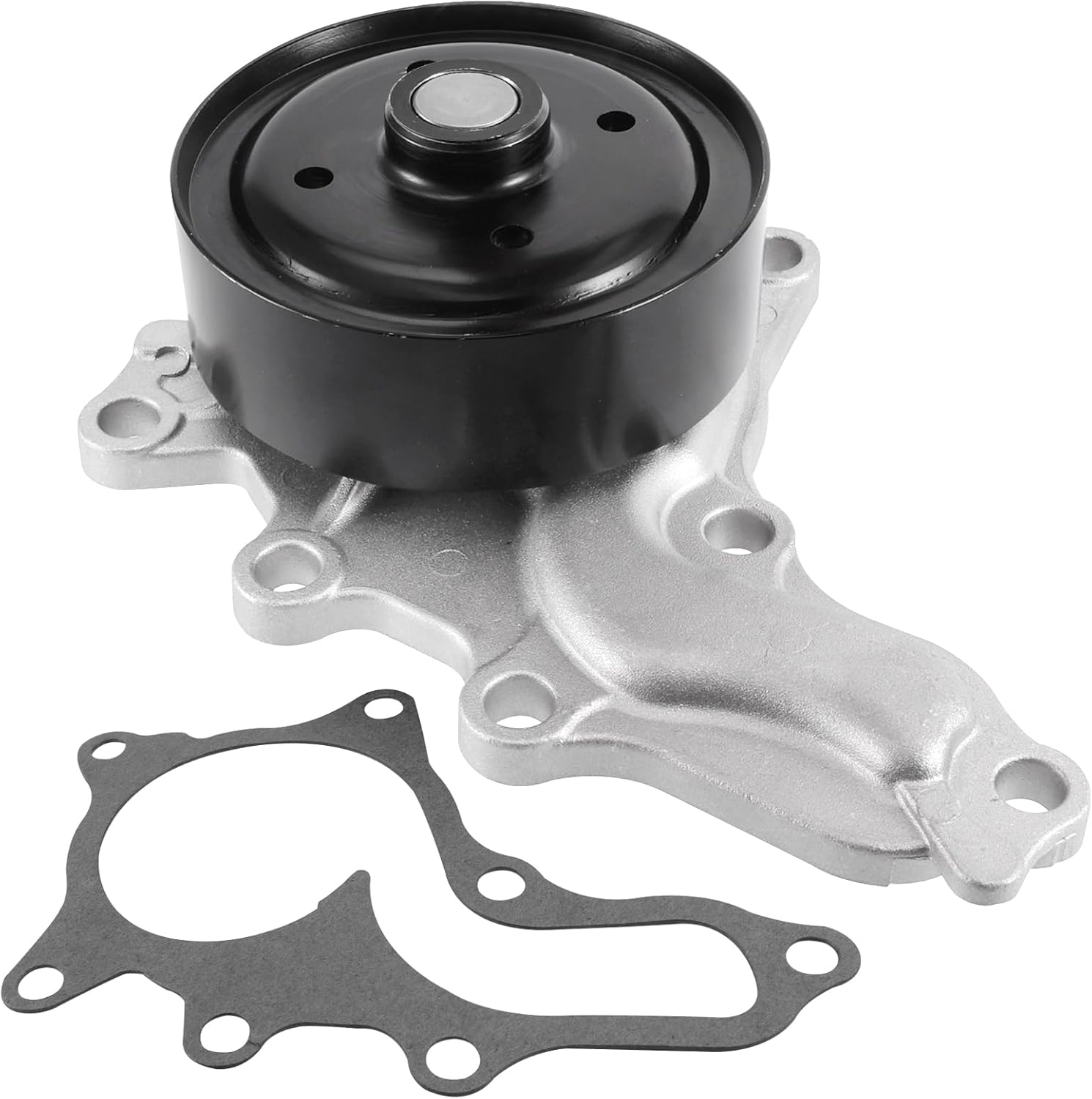
This AW6252 water pump is designed for a wide range of Toyota, Scion, and Lexus applications, helping maintain reliable engine cooling across compatible models. It features case hardened bearings for durability, a graphite-impregnated gasket for a secure seal, and 100% function and leakage testing for dependable performance. Built in TS16949 certified facilities, it offers a strong replacement option backed by service support.
How to Check Camry Coolant Condition Before You Choose an Interval
Check the coolant level only when the engine is cool. Look at the overflow reservoir first, then inspect the radiator cap area only if your Camry design allows safe access and the system is fully cooled.
Healthy coolant should look clean and consistent. Service the cooling system sooner if you see brown fluid, floating debris, oily film, sludge, heavy rust, repeated low coolant, or dried residue around hoses and fittings. A sweet antifreeze smell, gurgling on startup, weak cabin heat, or rising temperature gauge also deserves quick attention.
Coolant test strips or a coolant tester can help you check freeze protection and corrosion protection. If the coolant tests weak, looks contaminated, or has an unknown service history, do not stretch the interval just because the mileage looks low.
Warning: Never remove the radiator cap when the engine is hot. A hot cooling system can release pressurized coolant and steam, which can cause serious burns.
Drain-and-Fill vs. Full Flush: Which One Should You Choose?
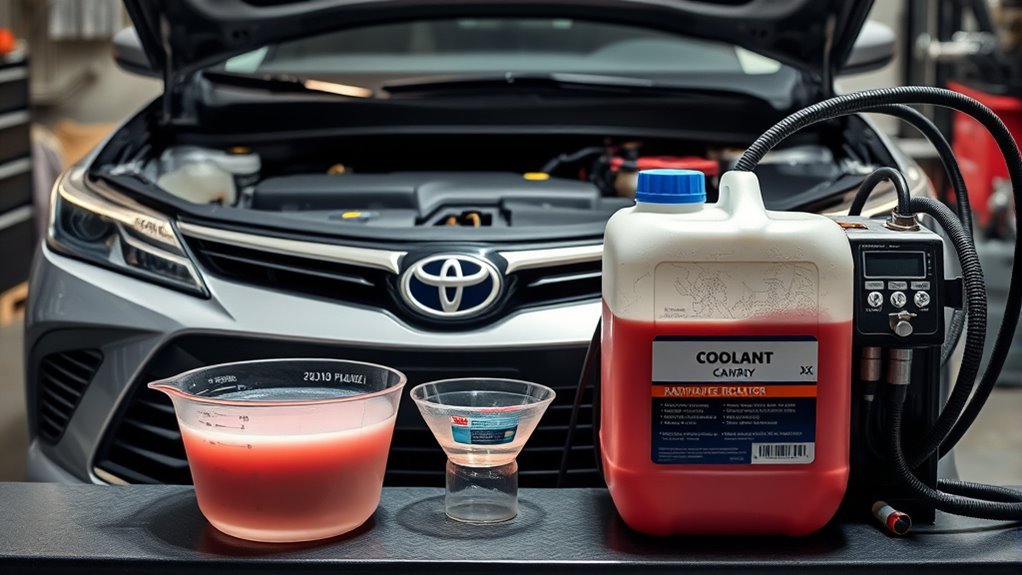
If your Camry’s coolant looks clean and you have kept up with routine service, a simple drain-and-fill often makes the most sense. This process removes part of the old coolant and replaces it with fresh approved coolant. It restores protection without disturbing older hoses, seals, and fittings as much as an aggressive flush can.
A drain-and-fill works well when the coolant color, smell, level, and test results look normal. It also lowers the risk of moving old debris through the system on a high-mileage engine.
Reserve a full flush for contaminated, discolored, mixed, or neglected systems. A flush removes more old fluid and can help clear rust, sediment, and wrong coolant mixtures. Use proper equipment, refill with the correct coolant, and bleed trapped air carefully after service.
| Choose a drain-and-fill when | Coolant looks clean, records are clear, no oil or sludge appears, and you are doing routine scheduled service. |
| Choose a full flush when | Coolant looks rusty, oily, sludgy, diluted, badly mixed, or the car has unknown service records. |
| Call a shop when | The Camry overheats, loses coolant repeatedly, shows oil in the coolant, has no cabin heat, or needs hybrid loop bleeding. |
[Products Worth Considering]

This coolant electric water pump is designed as a replacement for select Toyota vehicles, helping maintain proper engine cooling performance and reliable temperature control. Built to OE specifications, it offers fitment support for compatible Avalon, Camry, and RAV4 models with 2.5L L4 engines. It also includes cross-reference part numbers for easier matching and comes with after-sales support for covered defects.

This coolant bypass valve is a direct replacement for select Toyota models, helping regulate coolant flow for stable engine temperature and dependable performance. Built from high-temperature, corrosion-resistant materials, it is designed to handle demanding driving conditions while supporting long-term durability. Its straightforward design also makes installation quick and hassle-free.
DIY Drain-and-Fill Checklist and Preventative Schedule
Regular coolant maintenance helps prevent overheating, weak cabin heat, and early cooling system wear. Before you start, confirm your coolant capacity, approved coolant type, drain points, and air-bleed procedure.
Use this checklist for routine service and inspection:
- Let the engine cool fully before opening any part of the cooling system.
- Verify the correct Toyota-approved coolant and mixture for your Camry.
- Wear gloves and keep coolant away from children, pets, and storm drains.
- Drain old coolant into a safe container with a tight lid.
- Inspect the old coolant for rust, debris, oil, sludge, or unusual odor.
- Check radiator hoses, heater hoses, clamps, and the radiator cap for wear.
- Inspect the water pump area for leaks, bearing noise, or pulley wobble.
- Refill the system with the correct coolant and bleed trapped air.
- Run a heat cycle, let the engine cool, and recheck the reservoir level.
- Record the date, mileage, coolant type, color, and any repairs.
Pro Tip: Write the coolant type and service mileage on your maintenance record right away. Future you will not have to guess whether the system contains Toyota Super Long Life Coolant, older coolant, or an unknown mix.
[Products Worth Considering]
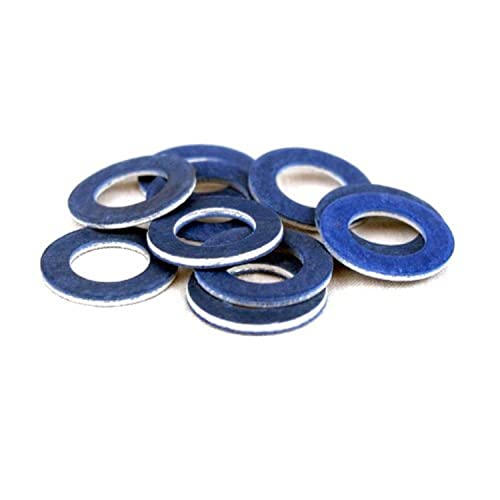
Genuine Toyota - Oil Drain Plug Gaskets (QTY10)
Safe Coolant Handling and Disposal
Used coolant needs careful handling. Do not pour it down a drain, onto the ground, into a storm sewer, or into regular trash. The U.S. EPA explains that many household products with toxic or hazardous ingredients need special care during disposal, and many communities offer household hazardous waste collection programs.
Store drained coolant in a sealed, clearly labeled container. Keep it away from children and pets, and contact your local waste agency, recycling center, or auto parts store to ask where used coolant is accepted in your area.
Hybrid Camry Coolant Service Needs
A hybrid Camry may have more than one cooling loop. One loop cools the gasoline engine, while another loop may cool hybrid components such as the inverter.
Follow the hybrid maintenance schedule for each loop. Do not assume the engine coolant and inverter coolant share the same interval, capacity, coolant volume, or bleed process. If a hybrid warning light appears, the inverter loop overheats, or the hybrid system runs hot, stop driving and get the system checked.
Common Coolant Mistakes to Avoid
Small coolant mistakes can create large repair bills. Avoid guessing by color, topping off with tap water, mixing unknown coolant brands, or stretching the interval after you buy a used Camry with no records.
Do not ignore slow coolant loss. A small leak can pull air into the system and create hot spots around the engine. Fix the leak before you rely on fresh coolant alone.
You can use distilled water for a short emergency top-off if proper coolant is not available, but do not leave plain water in the system. Coolant protects against corrosion, freezing, boiling, and water pump wear.
When to Stop Driving and Call a Shop
Stop driving if the temperature gauge climbs, the warning light appears, steam comes from under the hood, or the heater suddenly blows cold while the engine runs hot. Pull over safely, shut the engine off, and let the car cool completely.
Call a shop if coolant disappears repeatedly, you smell antifreeze but cannot find a leak, the reservoir shows oily film, the coolant looks like mud, or the engine overheats after a recent service. A pressure test, combustion-gas test, thermostat check, or water pump inspection may be needed.
Frequently Asked Questions
Can I mix different brands or colors of coolant in my Camry?
Do not mix coolant brands or colors unless the label clearly confirms compatibility with your Camry’s required coolant type. Color alone does not prove coolant chemistry. If you need to switch formulas, have the system properly drained or flushed first.
Does coolant type affect heater core performance or cabin heat?
Yes. Old, rusty, sludgy, or poorly mixed coolant can restrict small heater core passages and reduce cabin heat. Low coolant or trapped air can also cause weak heat, gurgling sounds, or temperature swings.
How long does a full coolant flush take at a shop?
A full coolant flush often takes about one to two hours, but the real time depends on the shop, engine layout, air-bleed process, contamination level, and whether the technician finds leaks or worn parts.
Are hybrid Camry coolant intervals different from gas models?
They can be. Hybrid Camry models may have separate coolant loops for the engine and hybrid components. Check the maintenance guide for both systems before choosing an interval or attempting service.
Can I use distilled water only in an emergency top-off?
You can use distilled water for a short emergency top-off if the correct coolant is not available. Treat it as temporary. Refill with the correct coolant mixture soon to restore corrosion, freeze, and boil-over protection.
Should I change coolant early after buying a used Camry?
Yes, consider early service if the seller has no coolant records. Unknown coolant age, mixed formulas, or neglected service can reduce corrosion protection and make a shorter interval safer.
Is a coolant flush always better than a drain-and-fill?
No. A drain-and-fill is often better for clean coolant and routine service. A full flush makes more sense when the coolant is rusty, oily, sludgy, mixed with the wrong fluid, or badly neglected.
Conclusion
Your Camry’s coolant interval depends on the model year, coolant type, engine, hybrid system, and service history. Check your owner’s manual first, inspect the coolant monthly, and service the system sooner if you see rust, sludge, oil film, leaks, weak heat, or rising temperature readings.
Choose a drain-and-fill for clean coolant and routine maintenance. Choose a full flush when the coolant is contaminated, mixed, neglected, or unknown. Good records, proper coolant, and safe disposal help you protect the cooling system and avoid preventable overheating.
Sources
- Toyota Owners Manuals and Warranties — supports using the model-specific owner’s manual and maintenance guide as the final authority.
- Toyota Genuine Super Long Life Coolant — supports Toyota coolant compatibility and the need to follow the vehicle owner’s manual.
- U.S. EPA Household Hazardous Waste — supports safe handling and disposal guidance for hazardous household products.
- U.S. EPA Reduce, Reuse, Recycle — supports recycling and community disposal awareness.


[…] Camry maintenance guides list the first engine coolant replacement at 100,000 miles or 120 months, followed by shorter coolant-service intervals. That makes the […]