
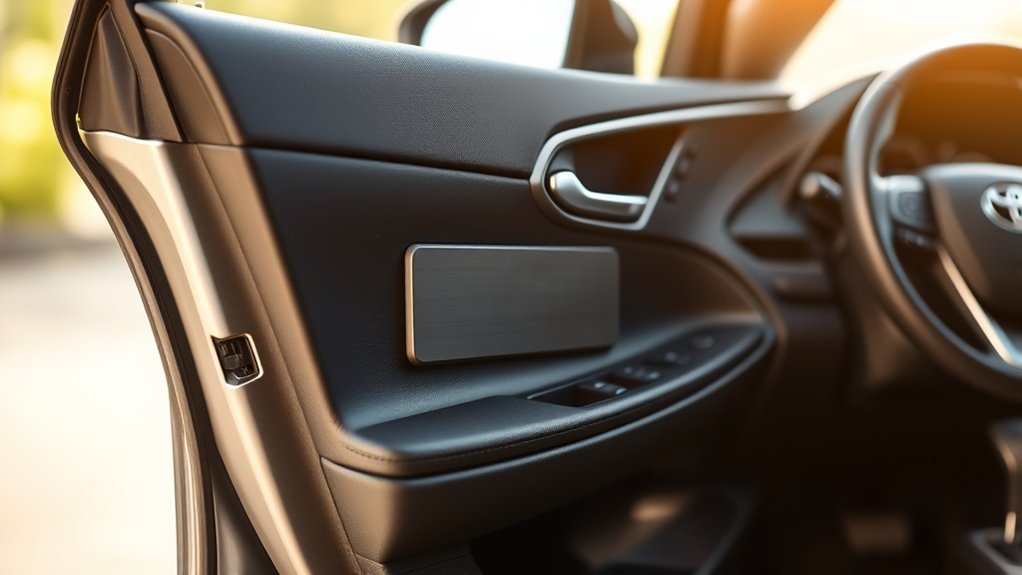
2018 to 2020 Toyota Camry tire pressure Placard and Recommended PSI
What’s in This Article
- 2018 to 2020 Camry Recommended Tire Pressure
- Where to Find the Tire Pressure Placard on Your Camry
- What the Tire Pressure Placard Shows and Why PSI Matters
- How to Read Front, Rear, and Spare PSI on the Placard
- Common Camry Placard Variations and Exceptions
- If Your Tires Don’t Match the Placard: What to Do Next
- When to Ask a Tire Technician for Help
- Frequently Asked Questions
Your Camry’s tire pressure label can save you from guessing, uneven tire wear, and avoidable warning lights. The right number can change by tire size and trim, so the label on your car matters more than a generic chart. This guide shows you where to find the placard, how to read it, and what to do when your tire pressure does not match.
Quick Answer
Your 2018 to 2020 Toyota Camry’s tire pressure placard sits on the driver’s side door jamb or door edge. Many Camry models list 35 psi for the front and rear tires, but you should follow the exact cold tire pressure printed on your own placard. Check the tires when they are cold, use a quality gauge, and do not use the maximum pressure molded on the tire sidewall as your target.
Key Takeaways
- Use the driver’s door jamb placard as your main source for the correct cold tire pressure.
- Expect many 2018 to 2020 Camry models to list 35 psi front and rear, but verify your trim and tire size.
- Check tire pressure at least monthly and before long trips or heavy loads.
- Measure pressure before driving or after the car sits for at least three hours.
- Ask a tire technician to inspect any tire that keeps losing pressure.
2018 to 2020 Camry Recommended Tire Pressure
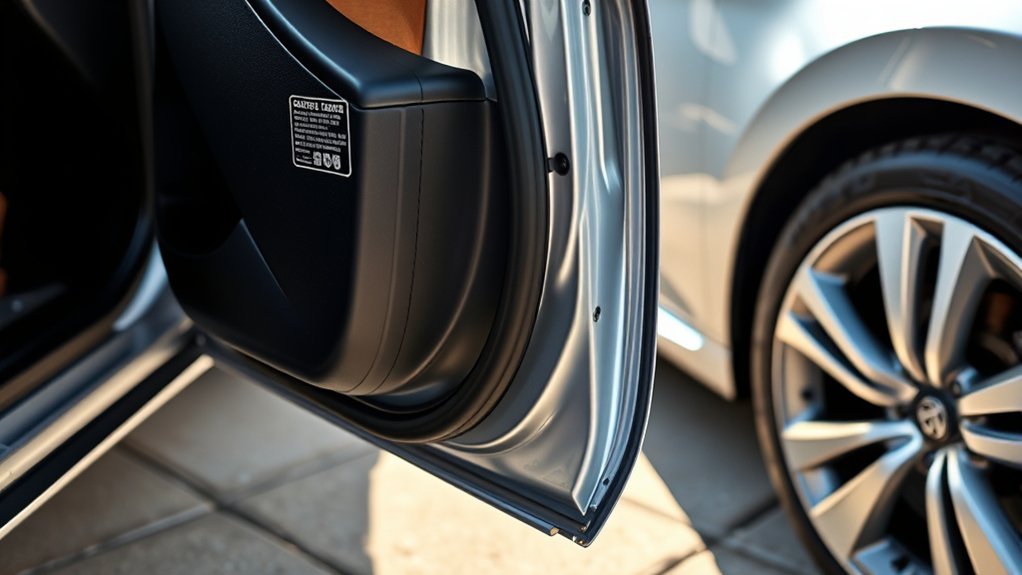
For many 2018 to 2020 Toyota Camry models, the recommended cold tire pressure sits near 35 psi for both front and rear tires. Still, you should treat the tire pressure placard on your own car as the final guide. Toyota and NHTSA both direct drivers to the driver’s door label or owner’s manual for the correct pressure.
Check pressure when the tires are cold, using a reliable gauge. A cold tire means the car has sat for about three hours or has driven less than one mile at low speed. Correct pressure helps protect tire life, handling, braking, and fuel use.
Follow basic tire maintenance tips every time you check pressure. Inspect tread depth, look for nails, cuts, cracks, or bulges, and rotate tires on the schedule in your maintenance guide. If one tire keeps losing air, have the tire, wheel, and valve stem checked.
[Products Worth Considering]

Add a clean, patriotic finishing touch to your wheels with these DECURCAR tire valve stem caps. The aluminum outer shell with plastic liner helps resist corrosion and supports a reliable seal, while the easy hand-tightened design makes installation simple. Built for wide compatibility with standard Schrader valves, this set is a practical upgrade for cars, trucks, motorcycles, bikes, and more.
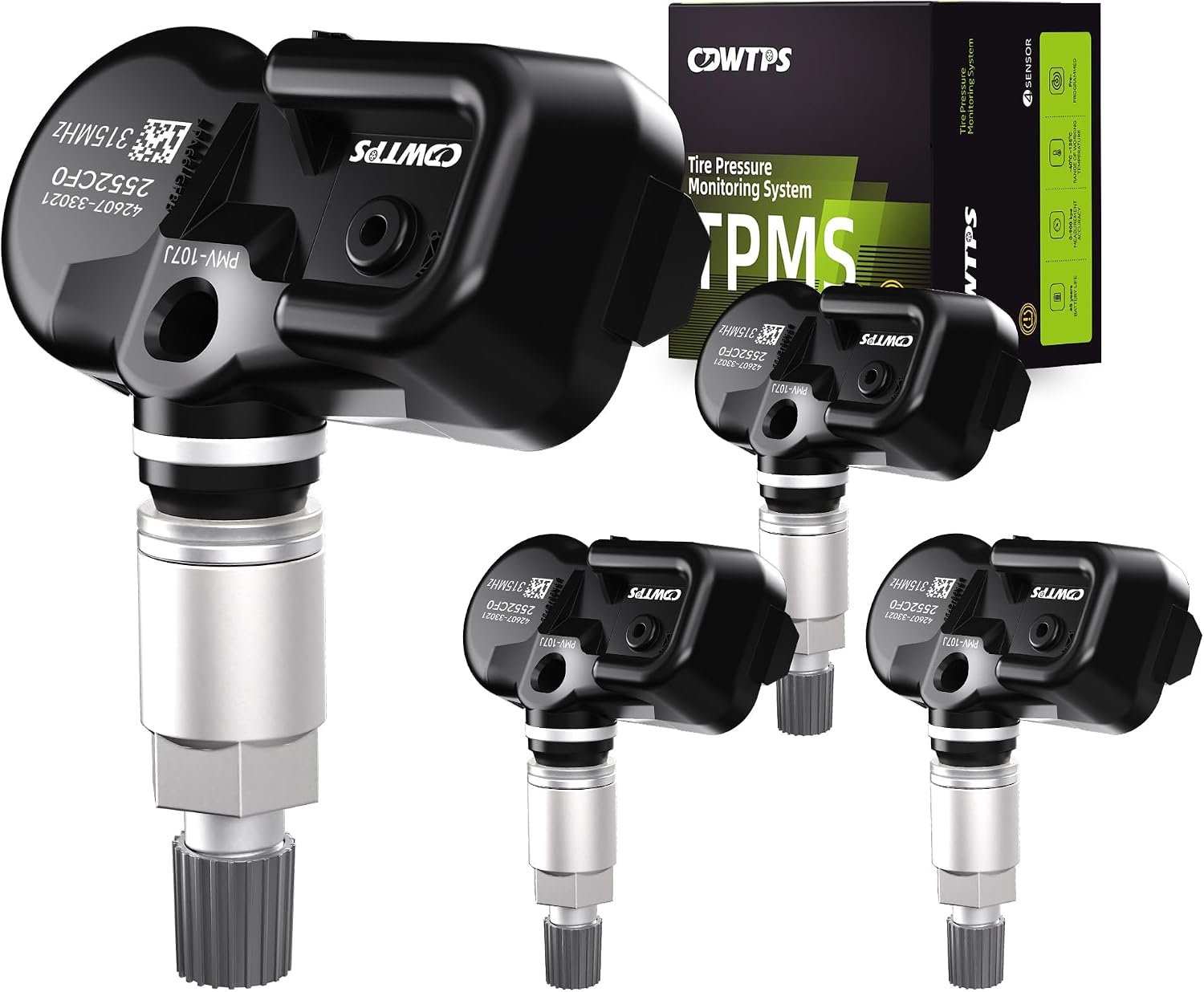
This set of four pre-programmed TPMS sensors is designed as a direct-fit replacement for compatible Toyota, Lexus, and Scion vehicles. It helps restore accurate tire pressure monitoring without sensor programming, and each unit is factory-tested for dependable performance. Built for long service life, these sensors offer a convenient solution for replacing worn or failed tire pressure monitors.

This CARORAV TPMS sensor set provides reliable tire pressure monitoring for a wide range of Toyota and Lexus vehicles with 315MHz compatibility. It is pre-programmed for easier setup, but still requires relearning or reset procedures after installation. Designed for accurate real-time pressure tracking, these sensors help support safer driving and long-lasting performance across many model years.
Where to Find the Tire Pressure Placard on Your Camry
You’ll usually find the primary tire pressure placard on the driver’s side door jamb or door edge. The label lists the recommended cold tire pressure, tire size, and load information for your Camry. If the label looks worn or missing, check your owner’s manual or ask a Toyota service department to confirm the data by vehicle identification number.
Driver Door Jamb
Open the driver’s door and look at the door frame near the latch area. Your Camry’s tire pressure placard should list the recommended pressures, correct tire size, and load capacity. Use this label before you add air, replace tires, or carry a heavy load.
The placard shows the pressure Toyota selected for your vehicle’s ride, load, and handling. Do not use the pressure molded on the tire sidewall as your target. That sidewall number marks the tire’s maximum limit, not your Camry’s recommended setting.
Owner’s Manual Location
Your owner’s manual gives you another place to confirm the tire pressure label information. It can help when the door label looks damaged, dirty, or hard to read. Many owners keep the manual in the glove box, but you can also check Toyota’s online manuals for your exact model year.
| Item | Location | Purpose |
|---|---|---|
| Placard | Driver’s door jamb or door edge | Recommended cold tire pressure |
| Owner’s manual | Glove box or online manual | Pressure, tire size, and load details |
| Tires | Vehicle wheels | Apply the listed psi |
Check the placard first, then use the manual when you need more detail. This simple habit keeps your tire care clear and accurate.
Spare Tire Compartment and Spare Pressure
The spare tire area may not show the main pressure placard, but you should still check the spare during tire service. Lift the trunk floor panel and inspect the spare tire, jack, and tool area. Your owner’s manual or tire information label will give the correct spare tire pressure.
Many temporary spare tires use a much higher pressure than the road tires, often around 60 psi. Do not assume your spare matches the front and rear tire pressure. A low spare can leave you stuck when you need it most.
Note: Check the spare tire when you check the four road tires, not after a flat tire happens.
What the Tire Pressure Placard Shows and Why PSI Matters
The placard tells you the recommended cold tire pressure in pounds per square inch (PSI). It also lists the original tire size and the vehicle’s load limit. These details help you set the pressure for your Camry, not for another car with a similar tire.
Correct inflation helps your tires keep proper contact with the road. Low pressure can increase heat, tread wear, rolling resistance, and fuel use. High pressure can make the ride harsher and may cause center tread wear.
According to NHTSA, you should use the pressure the vehicle manufacturer lists, not the number printed as a maximum on the tire. That advice matters because the same tire can fit different vehicles. Each vehicle may need a different pressure for safe handling and load support.
How to Read Front, Rear, and Spare PSI on the Placard
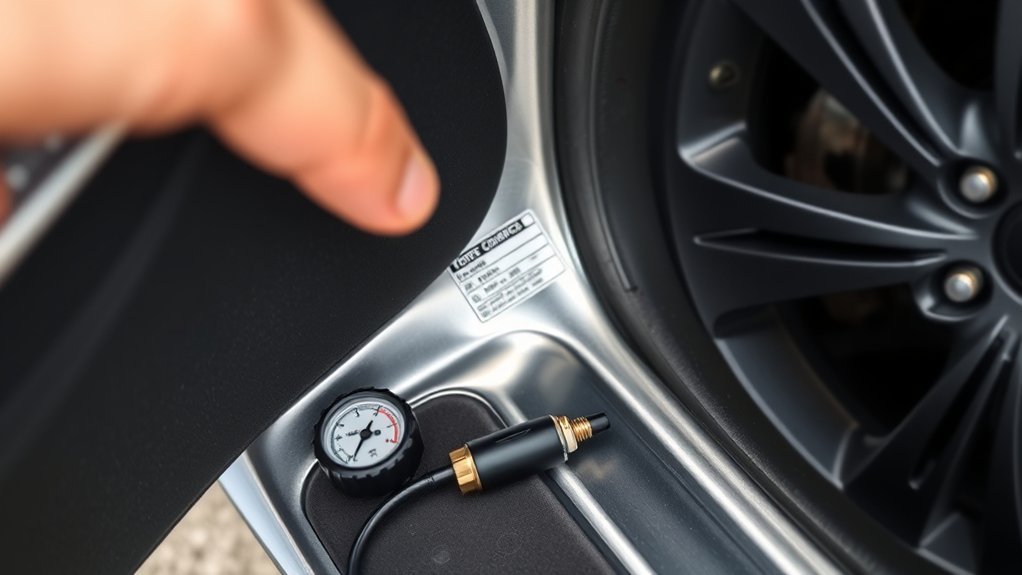
Open the driver’s door and find the label before you adjust air pressure. Look for separate lines for front tires, rear tires, and spare tire information. Many 2018 to 2020 Camry labels show 35 psi for the front and rear tires, but your own label controls the final number.
Read the label only as a cold-pressure guide. Pressure rises after driving because heat builds inside the tire. If you check hot tires, do not bleed air down to the cold number because the tires may become underinflated after they cool.
The label may also show tire size, load index, and maximum combined weight for passengers and cargo. Match replacement tires to the listed size or another size Toyota approves. If you change wheel size, ask a tire professional to confirm the correct pressure.
Common Camry 2018 to 2020 Placard Variations and Exceptions
Most U.S. 2018 to 2020 Toyota Camry models place the tire label on the driver’s door jamb or door edge. Pressure can vary by trim, tire size, market, or replacement tire setup. That means you should verify your exact car instead of relying only on memory.
Door Jamb Placard Locations
Open the door fully so the body panel does not hide the label. Look along the door edge, door post, and lower jamb area. Clean the label gently if dirt makes the pressure line hard to read.
The placard usually lists pressure for normal tire loading. If you carry heavy cargo, check the label and owner’s manual for load limits before you drive. Do not exceed the vehicle’s stated load capacity.
Alternate Placard Placements
If you do not find the label on the door jamb, do not guess. Check the owner’s manual, Toyota’s online manual, or a Toyota service department. Some vehicles in other markets may place tire information in a different spot, but your Camry’s manual gives the most reliable backup.
You can also save the placard number in your phone or maintenance notes. This gives you quick access during road trips or gas station air checks. Still, check the physical label again after tire or wheel changes.
If Your Tires Don’t Match the Placard: What to Do Next
When your tire pressure readings do not match the placard, check all four tires with the same gauge. Add or release air until each tire matches the recommended cold pressure. Reinstall the valve caps to help keep dirt and moisture out.
Inspect each tire for visible damage, punctures, sidewall cuts, valve stem cracks, and objects stuck in the tread. If one tire sits much lower than the others, do not ignore it. A slow leak can turn into a flat tire during normal driving.
Temperature can also change pressure. A tire can lose or gain about 1 psi for every 10 degrees Fahrenheit change in outside temperature. Check pressure more often during sharp weather changes, but still follow the cold number on the placard.
Warning: Do not drive far on a tire that looks flat, bulged, cut, or keeps losing pressure.
[Products Worth Considering]

These aluminum alloy tire valve stem caps provide durable, corrosion-resistant protection for your vehicle’s valve stems while helping maintain stable tire pressure. The rubber seal design helps block dust, moisture, and debris, reducing the risk of air leakage and valve damage. Easy to install and styled for a clean look, they fit a range of cars, SUVs, trucks, and motorcycles.

This set of four pre-programmed TPMS sensors is designed to restore accurate tire pressure monitoring for a wide range of Toyota, Lexus, and Scion vehicles. Built to OE-quality standards with long battery life and broad compatibility, these sensors help maintain proper tire pressure, improve safety, and eliminate TPMS warning lights when installed and activated correctly.
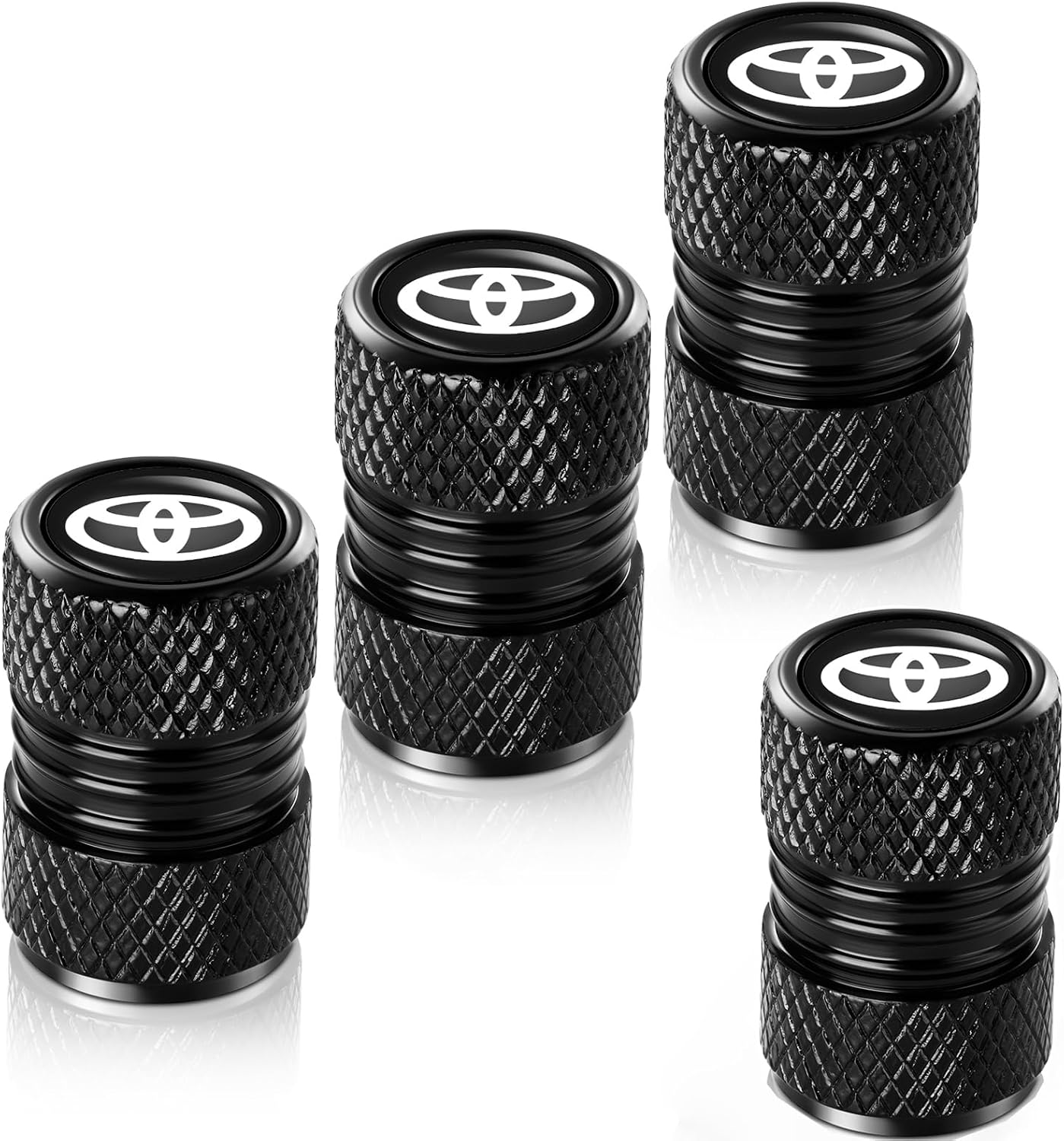
These metal tire valve stem caps are designed to protect tire valves from dust, moisture, corrosion, and air leakage while adding a clean, stylish look to your wheels. Made from durable aluminum alloy with rubber sealing rings, they are easy to install without tools and help support stable tire pressure for safer driving.
When to Ask a Tire Technician for Help
Ask a tire technician to inspect your Camry if one tire keeps dropping more than about 2 psi per month. The tire, valve stem, wheel, bead seal, or pressure sensor may need repair. A professional inspection also helps catch uneven wear from alignment or suspension issues.
You should also get help after a hard pothole hit, curb strike, or sudden pressure loss. Those impacts can bend a wheel or damage the tire sidewall. Fast action can protect your tires and help you avoid a roadside failure.
[Products Worth Considering]

This AstroAI digital tire pressure gauge delivers factory-calibrated readings with dependable ±1 PSI accuracy, helping you keep cars, trucks, motorcycles, and spare tires at the right pressure. Its bright backlit LCD and illuminated nozzle make nighttime checks easy, while the one-button unit switch and auto-off design add convenience and battery efficiency for routine maintenance.

Add a touch of sparkle while helping protect your tire valves from dust, water, and sand with these handmade rhinestone valve stem caps. Designed for easy hand installation and a universal fit for many cars, trucks, motorcycles, and bicycles, they combine decorative style with practical sealing performance. The durable ABS construction with rubber seals helps support a tighter fit and helps reduce the risk of air leakage.

These universal tire valve stem caps are designed to help protect tire valves from moisture and debris while adding a clean, customized look to your vehicle. Suitable for cars, trucks, motorcycles, SUVs, and bikes, they offer easy push-on installation and durable everyday use. Their personalized design makes them a simple accessory for enhancing both style and tire protection.
Frequently Asked Questions
How do you find tire pressure on a Toyota Camry?
Open the driver’s door and look for the tire pressure placard on the door jamb or door edge. It lists the recommended cold tire pressure for your Camry. You can also confirm the number in your owner’s manual.
Where is the TPMS sensor located on a Toyota Camry?
The Tire Pressure Monitoring System (TPMS) sensor usually sits inside each wheel at the valve stem. It monitors tire pressure and sends data to the vehicle. If a sensor battery fails or a sensor gets damaged, a tire shop or Toyota service department can replace it.
Should you use the PSI on the tire sidewall?
No, you should not use the sidewall maximum as your normal target. The sidewall number shows the tire’s maximum pressure limit. Use the cold tire pressure on the Camry placard instead.
How often should you check Camry tire pressure?
Check tire pressure at least once a month. You should also check it before long trips, before carrying heavy loads, and when outside temperature changes sharply. Use a reliable gauge even if the TPMS light stays off.
Why does the TPMS light come on after cold weather?
Cold air can lower tire pressure enough to trigger the TPMS warning light. Check all tires when they are cold and inflate them to the placard pressure. If the light returns, inspect for leaks or sensor problems.
Safety Disclaimer: This article gives general tire maintenance information only. Always follow your Toyota owner’s manual, the tire pressure placard on your vehicle, and advice from a qualified tire professional when tire damage, pressure loss, or handling problems appear.
Conclusion
Your Camry’s tire pressure placard gives you the safest target for routine inflation. Check the driver’s door jamb first, then confirm the manual if the label looks missing or hard to read. Keep the tires, spare, and valve stems in your monthly maintenance routine. A few minutes with a gauge can help your Camry drive smoother, brake better, and protect your tires longer.
References
- How To Check Tire Pressure — Toyota, accessed 2026
- Tire Safety Ratings and Awareness — National Highway Traffic Safety Administration, accessed 2026
- Tire Warranty Guide — Toyota, 2020
- Guide to Your Toyota Camry Tire Pressure — Toyota of North Charlotte, accessed 2026



[…] the Camry tire pressure and placard guide when checking the factory […]
[…] your Toyota Camry pulls to one side, check the tires before paying for an alignment. Uneven cold tire pressure, uneven tire wear, tire conicity, road crown, brake drag, worn steering or suspension parts, impact […]