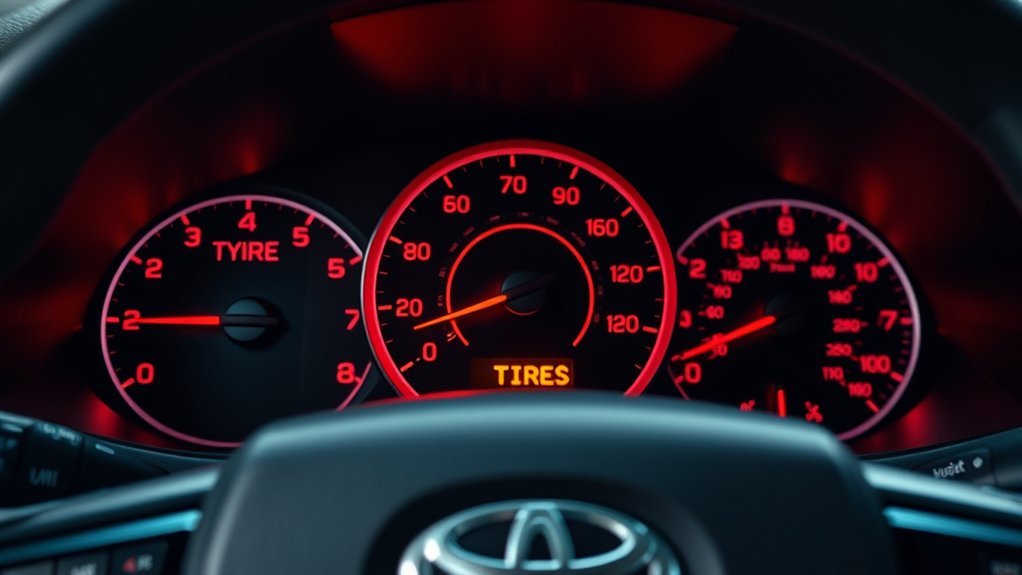
If your Toyota Camry’s tire pressure light is blinking, treat it differently from a solid tire pressure warning. A solid light usually means one or more tires may be low. A light that flashes for about a minute and then stays on usually points to a Tire Pressure Monitoring System (TPMS) malfunction, such as a sensor, sensor battery, registration, or receiver issue. Start by checking the tires, then move to TPMS troubleshooting if the pressures are correct.
Quick Answer
A blinking Toyota Camry tire pressure light usually means the TPMS itself needs attention, especially if it flashes for about 60–90 seconds and then stays on. Check all tires with a gauge first. If pressures are correct and the light keeps blinking, have the TPMS sensors and system inspected.
Key Takeaways
- A solid tire pressure light usually means low tire pressure; a blinking light usually means a TPMS malfunction.
- Always check the tire pressure with a gauge before trying to reset the warning light.
- Use the PSI listed on your Camry’s driver-side door placard or owner’s manual, not the number printed on the tire sidewall.
- If the light flashes for about a minute and then stays on after the tires are properly inflated, schedule a TPMS inspection.
At a Glance
| Time Required | 10–20 minutes for basic tire checks; longer if TPMS diagnosis is needed |
| Difficulty | Easy for pressure checks; moderate to professional for sensor diagnosis |
| Tools Needed | Tire pressure gauge, air compressor, owner’s manual; TPMS scan tool if the warning persists |
| Cost | Often free for inflation; sensor diagnosis or replacement varies by shop and model year |
What Does a Blinking Tire Pressure Light Indicate?
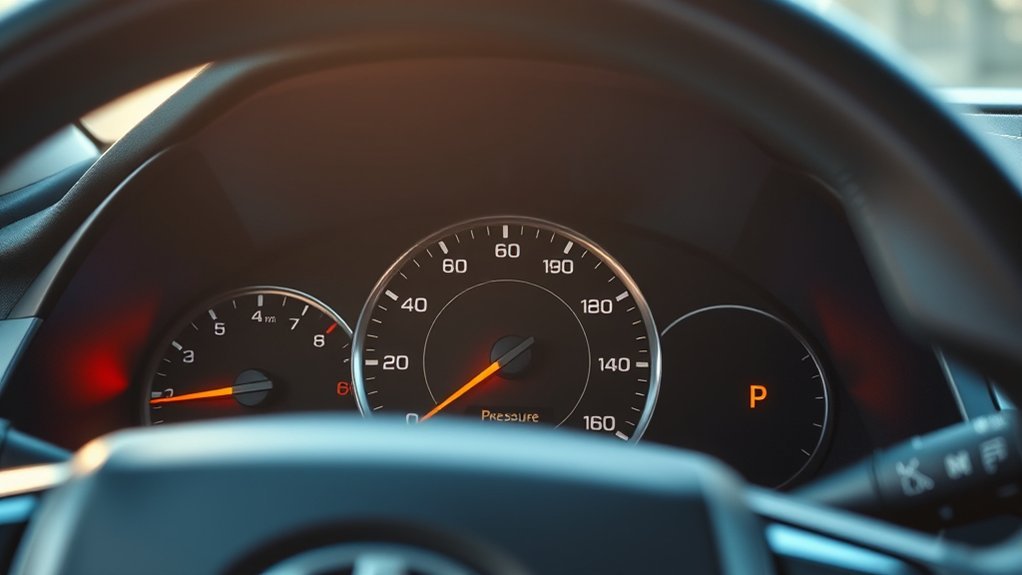
When you see a blinking tire pressure light on your Toyota Camry, the vehicle is usually warning you about the tire pressure monitoring system rather than a simple low-pressure condition. According to NHTSA tire safety guidance, a TPMS malfunction may be shown by the tire pressure warning symbol flashing for 60 to 90 seconds and then remaining illuminated.
That does not mean you should skip the tire check. A low tire, damaged valve stem, puncture, or seasonal pressure drop can still be present. The safest first step is to check all tires with a gauge, inflate them to the Camry’s recommended cold PSI, and then watch what the light does after the vehicle is restarted and driven normally.
| Light Behavior | Most Likely Meaning | What To Do |
|---|---|---|
| Solid light | One or more tires may be significantly underinflated | Check all tires with a gauge and inflate to the placard PSI |
| Blinks for about 60–90 seconds, then stays on | Possible TPMS malfunction | Check pressure first; if correct, schedule TPMS diagnosis |
| Comes on during cold mornings, then turns off | Pressure may be borderline low and rising as tires warm | Check cold pressure and adjust to the door placard value |
| Stays on after new tires or wheel service | Sensor ID, initialization, or sensor damage issue | Return to the tire shop or dealer for TPMS registration/check |
Warning: Do not ignore a blinking TPMS light. If the system is malfunctioning, it may not warn you when a tire becomes dangerously underinflated.
Understanding the Tire Pressure Monitoring System (TPMS) and Its Role in Tire Pressure Light Alerts
The Tire Pressure Monitoring System watches for tire-pressure problems and alerts you through the dashboard warning light. Toyota explains that when the system senses seriously low pressure, the low tire pressure icon appears and the driver should check, refill, repair, or replace any tire that is below the proper pressure. You can review Toyota’s overview here: How does the Tire Pressure Monitoring System work?
TPMS Functionality Overview
Most modern Camry models use sensors that communicate tire-pressure information to the vehicle. When pressure drops too far below the recommended level, the system turns on the tire pressure warning light. When the system itself cannot read or trust that information, the light may flash first and then stay on.
NHTSA notes that TPMS is helpful, but it is not a substitute for regular tire maintenance. You still need to check tire pressure monthly with a reliable gauge, especially before long trips or heavy-load driving.
Common TPMS Issues
A blinking TPMS light can be caused by several issues:
- Weak or failed TPMS sensor battery: The sensor may stop transmitting reliable data.
- Damaged sensor or valve stem: This can happen during tire service, from corrosion, or from impact damage.
- Sensor ID not registered: New sensors often need to be programmed or registered to the vehicle.
- Wheel or tire changes: Switching wheels, tire sizes, or sensor-equipped assemblies may require initialization.
- Receiver or system fault: Less common, but possible if multiple sensors cannot communicate.
Note: TPMS sensor batteries are typically sealed inside the sensor. When one fails, shops usually replace the sensor assembly rather than opening the sensor to change a tiny battery.
Importance of Regular Checks
Regular tire pressure checks protect the tires, improve handling, and help prevent avoidable tire damage. Toyota says the correct tire pressure is found on the driver’s door jamb sticker, the owner’s manual, or the online manual for your exact vehicle. NHTSA also recommends checking tire pressure at least once a month when the tires are cold.
| Condition | Action Needed | Potential Outcome |
|---|---|---|
| Low tire pressure | Inflate to the Camry’s placard PSI | Better handling, braking, tire life, and fuel economy |
| Blinking TPMS light | Check pressure, then inspect TPMS if the light persists | Restores a key warning system |
| Uneven tire wear | Check alignment, rotation schedule, pressure, and tire damage | Longer tire life and safer grip |
| Cold weather pressure drop | Recheck tires cold and add air as needed | Avoids borderline-low pressure warnings |
| New tires or sensors | Confirm TPMS initialization or sensor registration | Prevents a false malfunction warning |
Top Causes for a Blinking TPMS Light in Your Camry
When the TPMS light in your Toyota Camry starts blinking, focus on the system as well as the tires. The most common causes include sensor failure, weak sensor batteries, sensor damage during tire service, incorrect sensor programming, and pressure changes that were never properly corrected.
The warning may appear after tire replacement, wheel replacement, rotation, winter wheel installation, or a sensor replacement. If the tire shop installed new sensors but did not register them correctly, the Camry may not recognize them. If an old sensor battery finally failed, the system may lose communication with that wheel.
If the light blinks for about a minute before staying solid, do not keep trying random reset methods. Check the tires first. If they are at the correct pressure and the light still returns, the system needs a TPMS scan and inspection.
[Products Worth Considering]
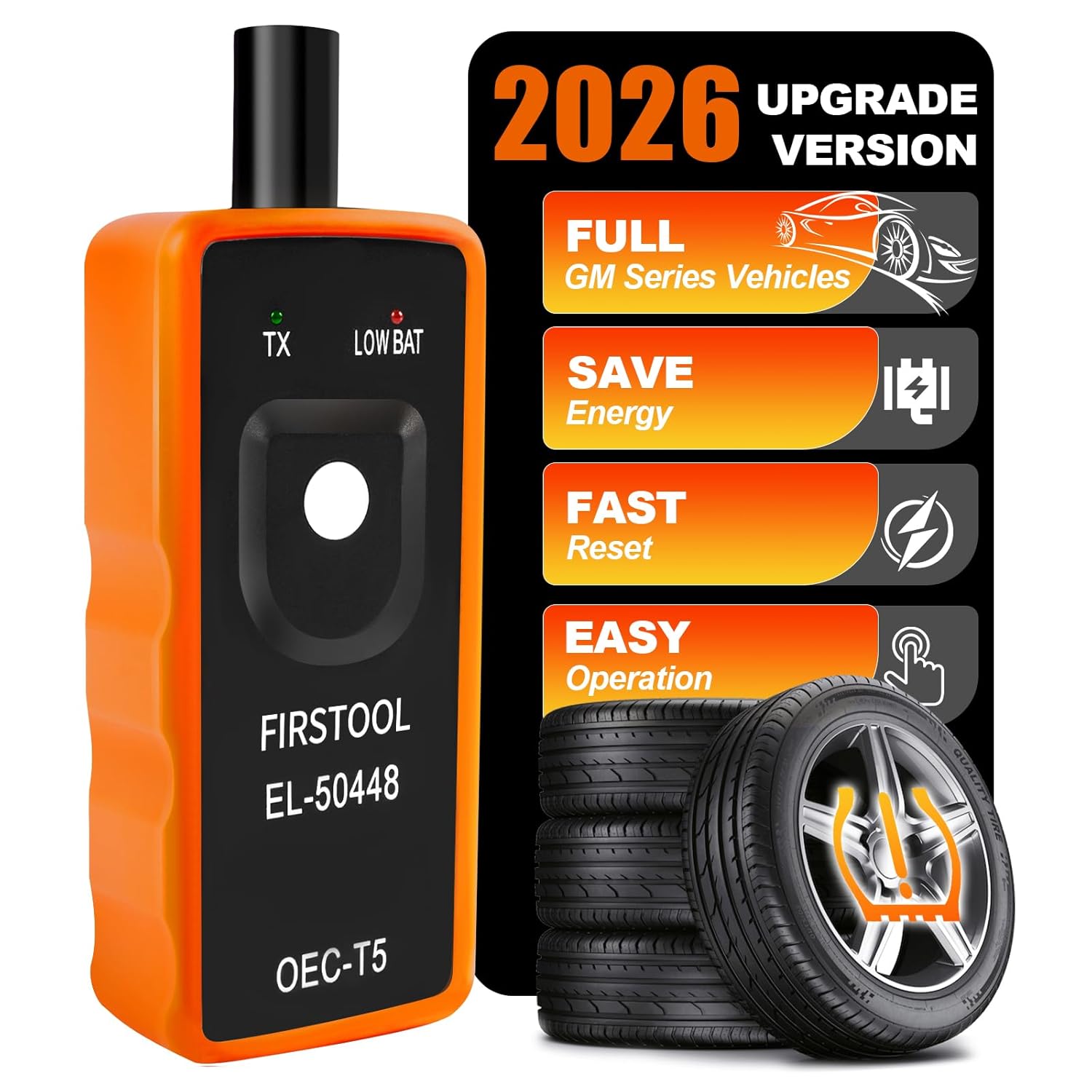
This EL-50448 TPMS relearn tool helps quickly activate and reset tire pressure sensors so your vehicle’s monitoring system stays accurate after tire rotations, sensor replacement, or seasonal tire changes. Designed for many GM-related vehicles and compatible with common 315 and 433 MHz TPMS systems, it offers simple one-button operation and reliable performance for clearing warning lights and relearning sensor positions.

Masoll’s TPMS sensor set includes four advanced sensors and a relearn tool to help GM vehicle owners replace factory tire pressure sensors at home. Designed for broad compatibility with GM vehicles after 2006, it supports dual-frequency operation for easier fitment across Chevy, GMC, Buick, Cadillac, Pontiac, and select trucks. With low power use, high accuracy, and DIY installation, it offers a convenient way to clear TPMS warnings and restore proper tire pressure monitoring.

The AICEL TPMS Relearn Tool helps quickly reset and relearn tire pressure sensors on compatible GM vehicles after tire rotation, sensor replacement, or warning light issues. Designed for easy handheld use, it works with most cars, SUVs, and pickup trucks and can save time by eliminating unnecessary trips to the auto store. Its durable ABS housing and simple activation process make it a practical tool for keeping the tire pressure monitoring system operating properly.
Checking Tire Pressure and Inspecting for Damage

Checking your tire pressure and inspecting for damage is the first practical step. Use a reliable gauge when the tires are cold. NHTSA defines cold tires as tires that have not been driven on for at least three hours. Toyota also recommends checking before driving or three hours after driving for the most accurate reading.
Use the recommended PSI from the Tire and Loading Information Label on the driver’s side door area or from your Camry owner’s manual. Do not use the maximum PSI printed on the tire sidewall as your normal inflation target.
[Products Worth Considering]

The ANCEL AD410 PRO combines engine diagnostics and 12V battery testing in one easy-to-use tool, helping you read and clear check engine codes while checking battery health, cranking, and charging performance. It also provides live data, freeze frame details, and I/M readiness checks to help you diagnose issues faster and prepare for emissions testing. With plug-and-play operation, a clear screen, and broad vehicle compatibility, it is a practical solution for home mechanics and everyday drivers.
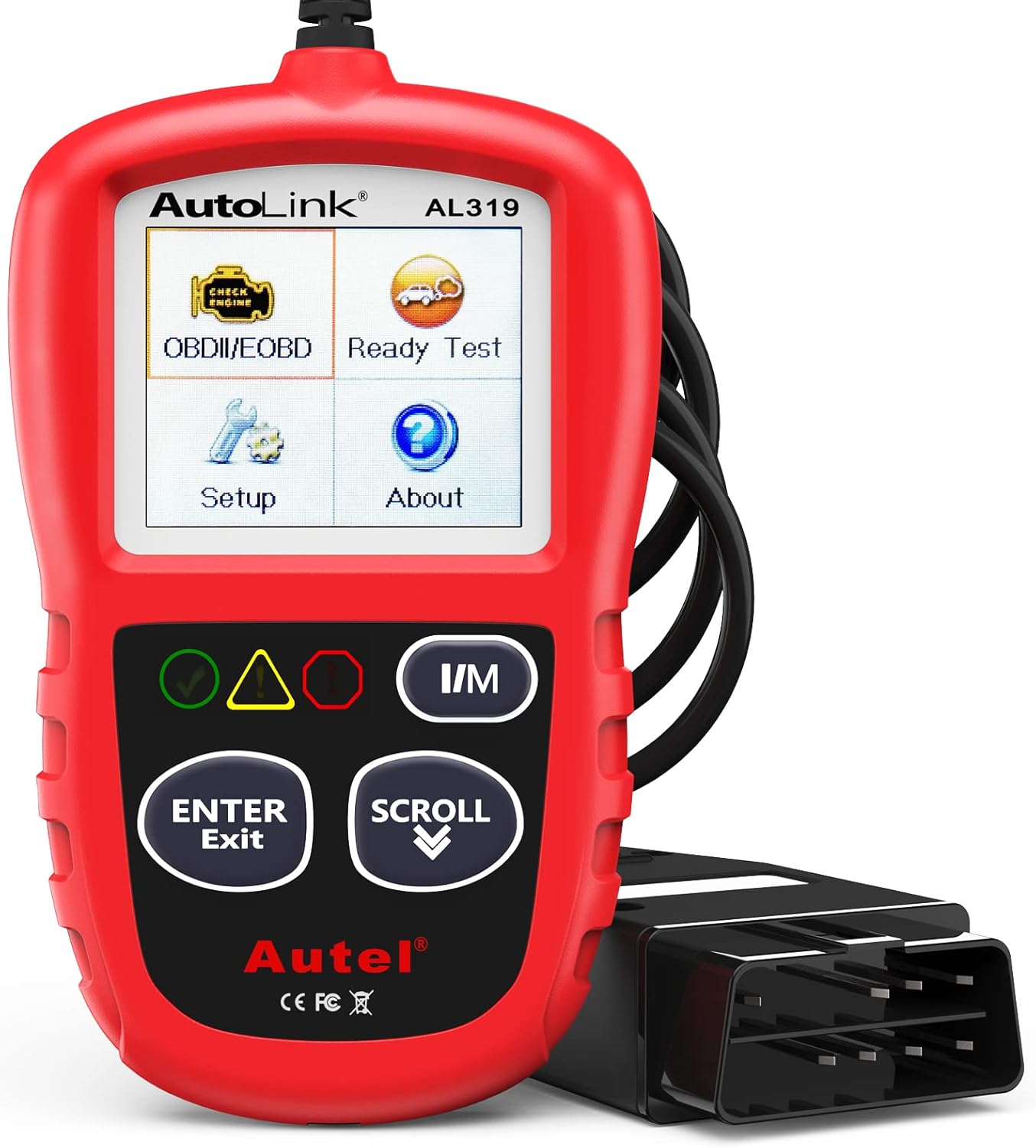
The Autel AL319 is a user-friendly OBD2 scan tool designed to help drivers quickly diagnose check engine light issues and understand vehicle fault codes. It supports reading and clearing DTCs, live data, freeze frame, I/M readiness, and vehicle information, making it a practical choice for DIYers and everyday car owners. With plug-and-play operation, a color display, built-in speaker, and broad vehicle compatibility, it delivers fast, reliable diagnostics without complicated setup.
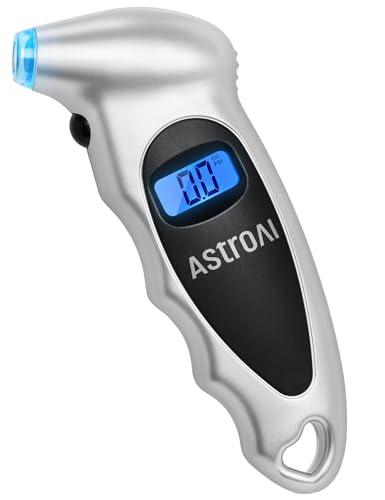
Accurate, Dependable Readings: Factory‑calibrated to ±1 PSI, so you can confidently match your vehicle’s recommended PSI (check the door jamb sticker). Ideal for monthly checks and road trips — consistent results every time, cold or warm.
Step-by-Step Tire Check
- Park safely on level ground. Let the tires cool if you have been driving.
- Find the correct PSI. Check the driver’s door placard or the owner’s manual for your exact Camry.
- Measure all four tires. If your Camry monitors a spare tire, check that too.
- Inspect each tire. Look for nails, cuts, bulges, cracks, uneven wear, or sidewall damage.
- Check the valve stems. A cracked or leaking valve stem can cause slow pressure loss.
- Add or release air. Match the placard PSI when the tires are cold.
- Recheck the light. Restart the vehicle and drive normally if safe. If the warning keeps blinking, move to TPMS diagnosis.
Pro Tip: Keep a small digital tire gauge in the glove box. Gas-station gauges get dropped, abused, and misread; your own gauge gives you a more consistent baseline.
| Inspection Item | Action |
|---|---|
| Tire pressure | Use a gauge when tires are cold |
| Visual damage | Look for cuts, nails, cracks, bulges, and uneven wear |
| Valve stems | Check for cracks, looseness, or slow leaks |
| Correct PSI | Use the driver-door placard or owner’s manual |
| TPMS status | If blinking continues, inspect sensors and registration |
Steps to Reset the Tire Pressure Light
Before resetting anything, correct the tire pressure. Resetting a TPMS warning without fixing the actual pressure problem can hide a safety issue. Toyota’s tire pressure support page says the correct tire pressure is listed in the Specifications section of the owner’s manual or on the Tire Information placard, usually on the driver’s side door post: Toyota recommended tire pressure guidance.
[Products Worth Considering]

Warm Note: 1.TP150 tpms tool is not for all sensors, but only works for pre-programmed sensors or XTOOL TS100/ TS100 PRO sensors. 2. Need to update the TP150 tire pressure sensor reset tool but shows system configuration error? Please follow the user maual first install "TP200 software" from xtooltech, and connect TP150 with Windows PC(ios cannot be supported), go "settings – About" to check the SN and pasword required, and click the TP150 disk and the mouse right button to format it and then upload the software again. Any issue you can find XTOOL for help

【2-in-1 TPMS Relearn Tool】Dual-mode design works with most GM and Ford series vehicles and supports both 315MHz and 433MHz TPMS sensors, providing wider vehicle compatibility and convenient sensor relearning

2024 Updated GL-50448:Equipped with a round antenna and Switch button,let Open Signal Faster and Stronger than other TPMS Relearn Tool.also More sensitive and Suitable for your fingers operation
Safe Reset Process for Most Camry Owners
- Set every tire to the correct cold PSI. Include the spare only if your Camry’s system monitors it.
- Check your owner’s manual for the reset method. Some Camrys use a physical TPMS reset button, while newer models may use a vehicle settings menu or a different initialization process.
- Use the correct reset or initialization procedure. Toyota’s general TPMS support describes holding the reset button on applicable vehicles until the TPMS indicator blinks slowly three times.
- Drive normally if the vehicle feels safe. Some systems need a short drive to relearn or confirm pressures.
- Stop troubleshooting if the light flashes again. A flashing-then-solid warning after proper inflation usually means the system needs professional diagnosis.
Warning: Avoid battery-disconnect or “horn discharge” reset tricks. They are not a reliable Camry TPMS repair and can erase settings while leaving the actual malfunction unresolved.
When Should You Call a Professional for Your TPMS?
Call a Toyota dealer, tire shop, or qualified mechanic when the tire pressure is correct but the TPMS light keeps blinking. A shop can use a TPMS scan tool to read each sensor, check sensor IDs, inspect signal strength, and look for stored fault codes.
You should get professional help if:
- The light blinks for about 60–90 seconds and then stays on. This pattern points to a TPMS malfunction.
- You recently replaced tires, wheels, or sensors. The sensors may need registration or initialization.
- One tire keeps losing pressure. There may be a nail, bead leak, valve stem leak, cracked wheel, or tire damage.
- You cannot confirm the correct PSI. The door placard or owner’s manual should be checked before resetting.
- The warning returns after a reset. Repeated resets do not repair a failed sensor or communication issue.
A TPMS warning light is useful, but it is not a replacement for monthly pressure checks with a gauge.
Can I Drive With a Blinking Tire Pressure Light?
If the car drives normally and the tires are not visibly flat or damaged, you can usually drive carefully to a safe place where you can check the tire pressure. Do not continue a long trip while guessing. Pull over safely if the Camry pulls to one side, vibrates, rides harshly, or if you hear thumping from a tire.
If all tires are at the correct PSI and the light still blinks, the immediate risk is that the TPMS may not warn you about future low pressure. That means you need to rely on manual gauge checks until the system is repaired.
Why Regular Tire Maintenance Matters
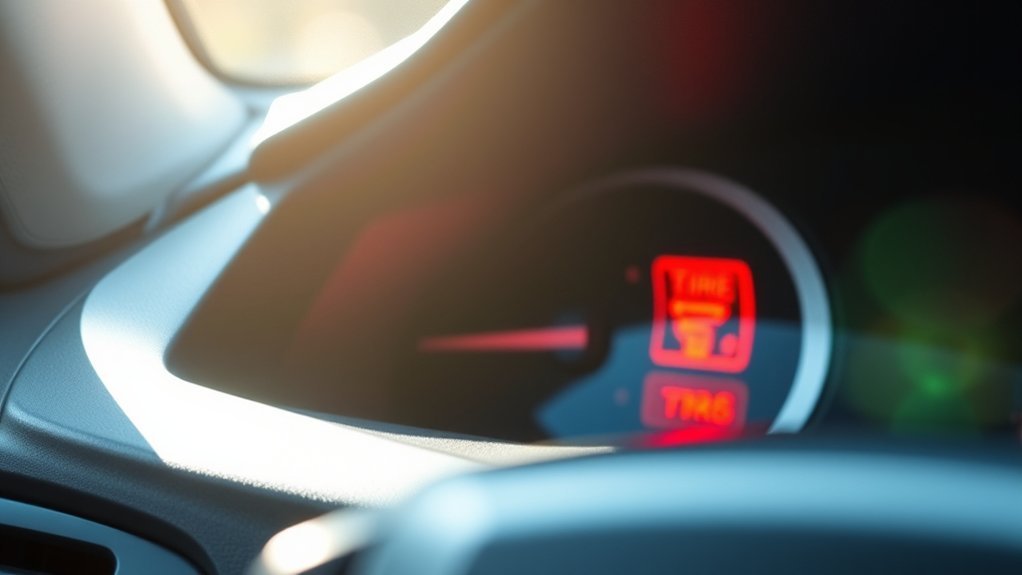
Regular tire maintenance matters because tire pressure affects safety, durability, fuel use, tread wear, and ride quality. Toyota’s tire pressure guide explains that underinflated tires can reduce stability, handling, and braking performance, while overinflated tires can reduce grip and increase wear. You can review Toyota’s tire pressure guidance here: How to Check Tire Pressure.
Seasonal temperature changes can also move tire pressure up or down. Toyota notes that a large temperature drop can lower tire pressure by several PSI while the tires are cold. That is why many drivers first notice the tire pressure warning light during cold mornings.
Keeping Your Camry’s Tire Pressure in Check
Keeping your Toyota Camry’s tire pressure in check is one of the easiest ways to protect the tires and maintain predictable handling. Use this simple routine:
- Check pressure monthly. Measure when the tires are cold.
- Use the exact placard PSI. Look on the driver’s door area or in the owner’s manual.
- Inspect for damage. Look for nails, cuts, bubbles, cracks, and uneven wear.
- Adjust after weather changes. Recheck pressure when temperatures swing sharply.
- Do not ignore a blinking TPMS light. If pressure is correct, inspect the sensors and system.
Frequently Asked Questions
Can I drive with a blinking tire pressure light?
Drive only far enough to safely check the tires or reach service. If a tire looks flat, the car pulls, or you feel vibration, stop as soon as it is safe. If the tire pressures are correct but the light keeps blinking, the TPMS may not be able to warn you about future low pressure.
How often should I check my Camry’s tire pressure?
Check tire pressure at least once a month, before long trips, and whenever temperatures change sharply. Measure pressure when the tires are cold for the most accurate reading.
What tools do I need to check tire pressure?
You need a reliable tire pressure gauge and access to air. A portable inflator is helpful, but a gas-station air pump works too. For a blinking TPMS light that persists after proper inflation, a shop may need a TPMS scan tool.
How does temperature affect tire pressure?
Cold weather lowers tire pressure, and hot weather raises it. A tire that was barely within range during warm weather may trigger the warning light after a cold night. Recheck pressure cold whenever seasons change.
Are there specific tire pressure settings for my Camry model?
Yes. The correct PSI depends on the model year, trim, tire size, and load rating. Use the Tire and Loading Information Label on the driver’s side door area or the Specifications section of your owner’s manual. Do not use the tire sidewall’s maximum PSI as your normal target.
Why did the light start blinking after new tires?
A blinking light after tire service often means a TPMS sensor was damaged, a sensor battery failed, or the new sensor IDs were not registered correctly. Return to the shop that performed the tire work and ask them to scan the sensors and confirm registration.
Conclusion
A blinking tire pressure light on a Toyota Camry is not just an annoyance. It usually means the TPMS needs attention, especially when the light flashes for about a minute and then stays on. Start with the basics: check every tire cold, inflate to the door placard PSI, and inspect for damage. If the light keeps blinking after the tires are correct, have the TPMS sensors and system diagnosed so your Camry can warn you properly the next time pressure drops.
Sources
- NHTSA TireWise: Tire Safety Ratings and Awareness — tire pressure checks, TPMS warning behavior, cold-pressure guidance, and TPMS limitations
- Toyota Support: How does the Tire Pressure Monitoring System work? — Toyota TPMS overview and reset guidance for applicable vehicles
- Toyota Support: What tire pressure is recommended for my vehicle? — where to find the correct Toyota tire pressure
- Toyota: How to Check Tire Pressure — tire pressure effects, cold checks, and seasonal pressure changes
- Toyota 2025 Camry Hybrid Digital Manual: Warning Lights — Toyota warning-light guidance for tire pressure warning system malfunction