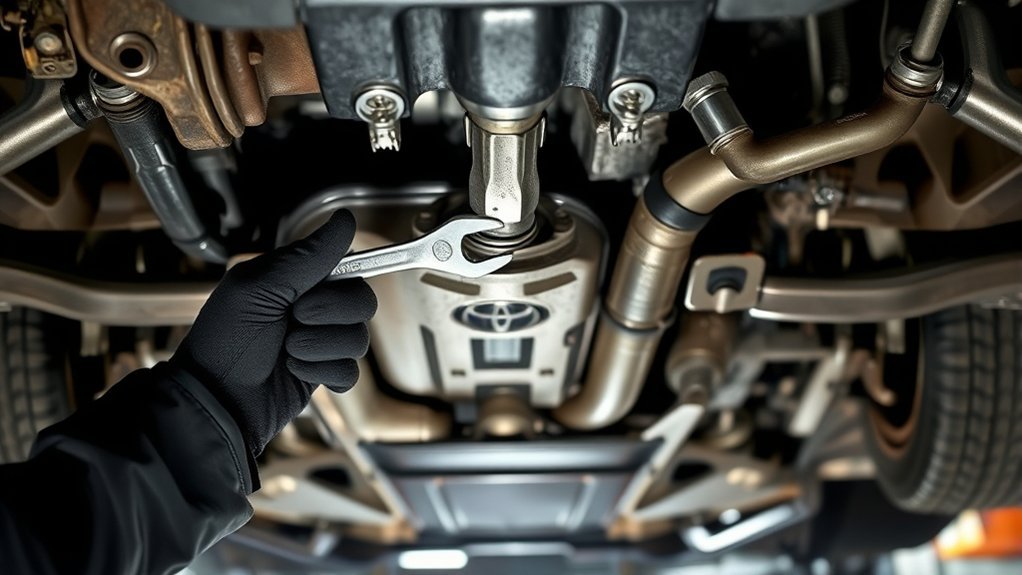
You’ll torque the lug nuts on a 2011 Toyota Camry to 76 ft-lb (103 N·m, 10.5 kgf·m) with a calibrated torque wrench. That factory spec applies to the standard wheels and the compact spare listed in the Toyota owner’s manual. Tighten by hand first, use a crisscross/star pattern, and verify with a torque wrench rather than guessing with an impact gun.
Quick Answer
The correct 2011 Toyota Camry lug nut torque is 76 ft-lb (103 N·m, 10.5 kgf·m). Toyota lists this value in the official owner’s manual for the wheel nut torque, including the compact spare. Use a calibrated torque wrench and tighten the nuts evenly in a star pattern.
Key Takeaways
- Use 76 ft-lb for a 2011 Toyota Camry, not a broad 76–80 ft-lb range, unless an aftermarket wheel maker gives a different written spec.
- Hand-start every lug nut to prevent cross-threading, then tighten in a crisscross/star pattern for even clamping.
- Do not use an impact wrench for final torque. Final tightening should be done with a calibrated torque wrench.
- After a tire change, Toyota says to have the wheel nuts tightened with a torque wrench as soon as possible; many tire shops also recommend a recheck after the first short drive or after 50–100 miles.
At a Glance
| Torque Spec | 76 ft-lb (103 N·m, 10.5 kgf·m) |
| Time Required | 5–10 minutes per wheel after the car is safely supported or lowered for final torque |
| Difficulty | Easy, but safety-critical |
| Tools Needed | Torque wrench, correct lug-nut socket, breaker bar or lug wrench, wheel chocks, jack and jack stands if removing a wheel |
| Cost | Usually $0 if you already own a torque wrench; otherwise the cost of a basic automotive torque wrench |
2011 Toyota Camry Lug Nut Torque: 76 Ft-Lb
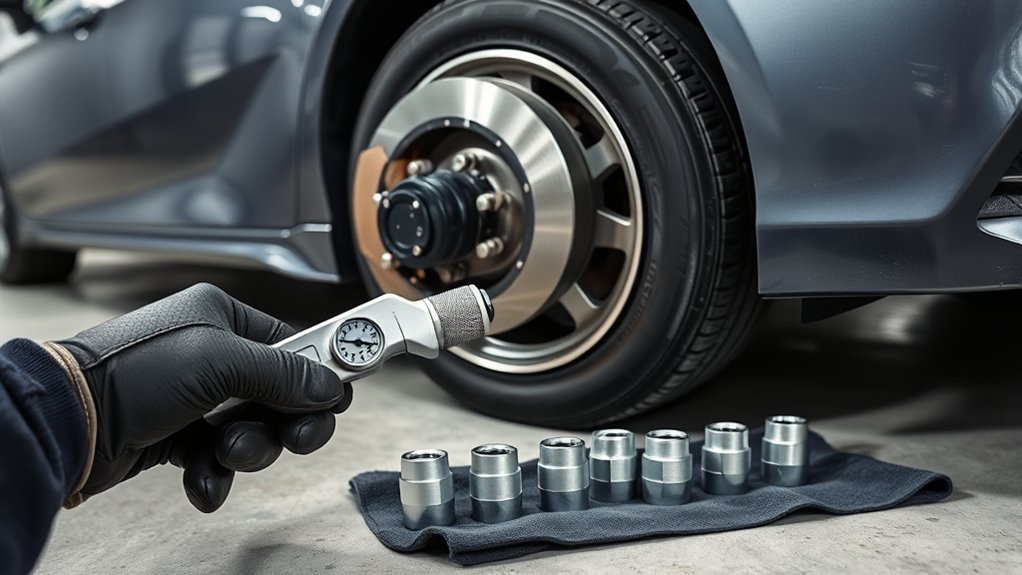
The factory wheel nut torque for a 2011 Toyota Camry is 76 ft-lb, which equals 103 N·m or 10.5 kgf·m. Toyota lists that value in the official 2011 Toyota Camry owner’s manual under vehicle specifications and again in the emergency wheel-changing instructions.
That means the safest baseline is simple: set the torque wrench to 76 ft-lb and tighten each lug nut in the correct sequence. Do not round the number up to 80 ft-lb just because the wheel is aluminum. For the 2011 Camry, Toyota’s published spec is the value to follow unless an aftermarket wheel manufacturer gives a different written torque specification for that exact wheel and hardware.
Toyota’s published 2011 Camry wheel nut torque is 76 ft-lb (103 N·m, 10.5 kgf·m). Use that number for standard Camry wheel installation and compact spare installation.
Warning: Under-tightened wheel nuts can loosen while driving. Over-tightened wheel nuts can damage studs, threads, wheels, hubs, or brake components. If a stud, nut, or wheel seat looks damaged, stop and have the vehicle inspected before driving.
How to Torque Camry Lug Nuts: Tools, Star Pattern, Step-by-Step
Use a calm, repeatable process. The goal is not just to make the nuts “tight”; it is to create even clamping force between the wheel and hub. A calibrated torque wrench is the tool that lets you hit the Toyota spec instead of relying on feel.
[Products Worth Considering]

This wheel lock key set is designed to help remove and replace compatible Toyota and Lexus wheel locks with confidence. It includes four wheel lock nuts and one key, offering a practical replacement solution for many popular models while supporting secure wheel protection and reliable fitment. Built for durability and corrosion resistance, it is a useful choice when matching OE reference numbers and vehicle compatibility is important.

This wheel lock lug nut set adds an extra layer of theft protection for compatible Toyota and Lexus vehicles by securing wheels with a unique key pattern that resists common removal tools. Built to OEM-standard fitment with corrosion-resistant, triple-chrome finished construction, it is designed for direct replacement and long-lasting performance. The set includes locking nuts and a matching key for easy installation on compatible vehicles with the correct thread and cone seat specifications.
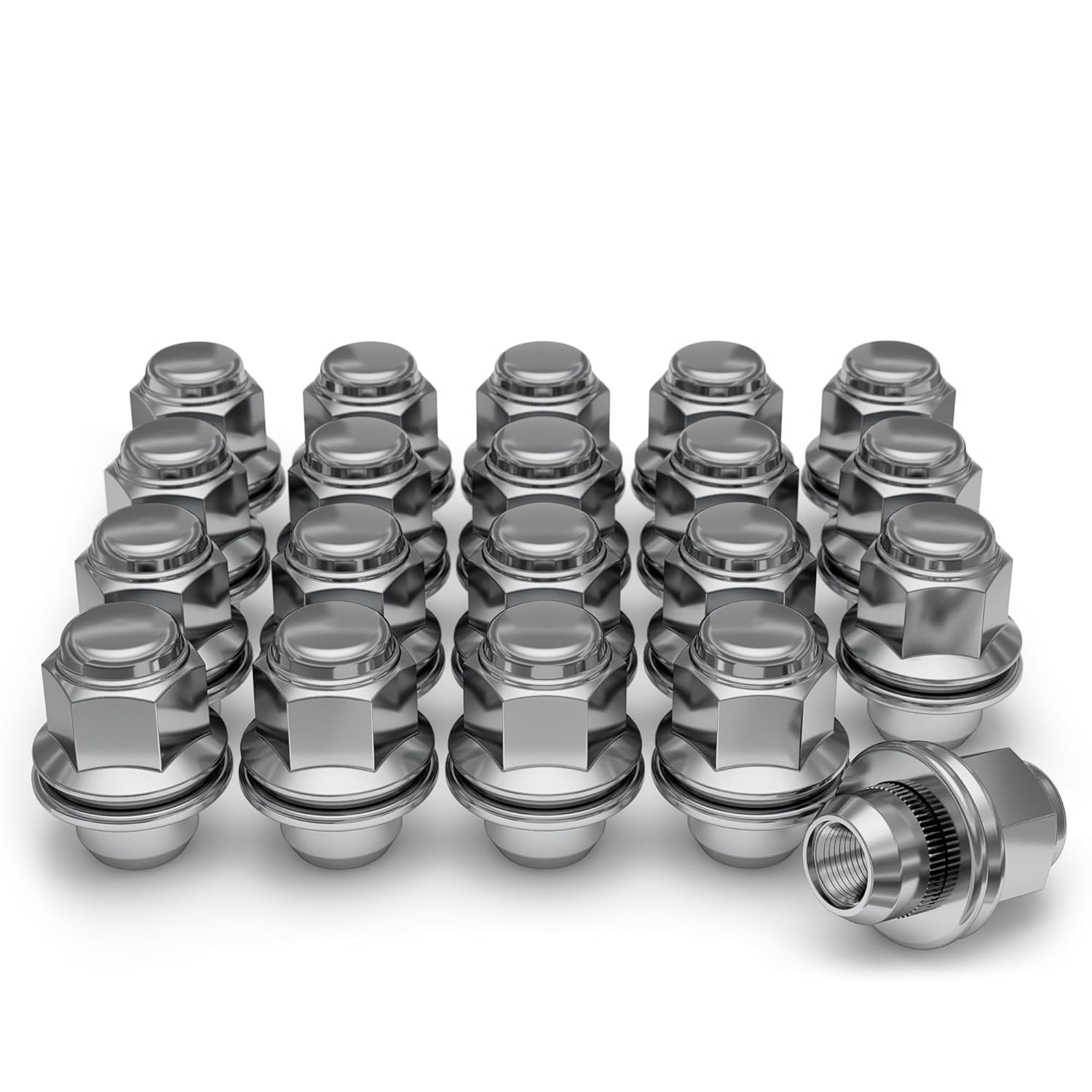
These White Knight mag-style lug nuts are designed for select Toyota, Lexus, Kia, and Genesis vehicles, delivering a secure fit and a clean factory-inspired look. Made from heat-treated cold forged carbon steel with a chrome finish, they offer durable strength, reliable corrosion resistance, and easy installation with a traditional hex-body, flat-seat design. Use them to replace worn or damaged lug nuts while maintaining proper wheel fitment and dependable performance.
Tools Needed
- Calibrated torque wrench capable of measuring 76 ft-lb accurately.
- Correct lug-nut socket that fully seats on the lug nuts.
- Breaker bar or lug wrench for loosening nuts before lifting the vehicle.
- Wheel chocks to help keep the car from rolling.
- Jack and jack stands if the wheel is being removed. Never rely only on a jack while working around or under a vehicle.
Step-by-Step Torque Procedure
- Park safely. Use a flat surface, shift to Park, apply the parking brake, and chock the wheels that stay on the ground.
- Inspect the hardware. Look for damaged studs, cracked lug nuts, dirty wheel seats, rust buildup, or debris between the wheel and hub.
- Hand-start every lug nut. Thread each nut by hand first. If a nut does not turn smoothly, stop. Do not force it with a wrench.
- Snug the nuts in a star pattern. Bring the wheel evenly against the hub. Do not fully tighten one nut while the others are loose.
- Lower the vehicle enough for final torque. The tire should touch the ground enough to resist turning, but avoid loading the wheel in a way that shifts it before the nuts are seated.
- Set the torque wrench to 76 ft-lb. Tighten each nut in the same star pattern until the wrench clicks or signals the target torque.
- Make one final pass. Go around the star pattern again at 76 ft-lb to confirm every nut is at spec.
Pro Tip: If your torque wrench is a click-type wrench, stop when it clicks. Do not keep pulling after the click, because that can over-torque the lug nut.
Star Pattern for Five-Lug Camry Wheels
The 2011 Camry uses a five-lug wheel layout. Tighten one nut, then move across the wheel to the next non-adjacent nut. Continue jumping across the circle until all five are torqued. This crisscross sequence helps the wheel seat flat against the hub and reduces uneven stress.
Torque for Different Wheels: Steel, Aluminum, Spare, and Aftermarket
For the original 2011 Camry wheel setup, the answer stays the same: 76 ft-lb. The owner’s manual lists the same wheel nut torque in the specifications section for the listed tire and wheel combinations. It also instructs drivers to have the wheel nuts tightened with a torque wrench to 76 ft-lb after changing wheels.
[Products Worth Considering]
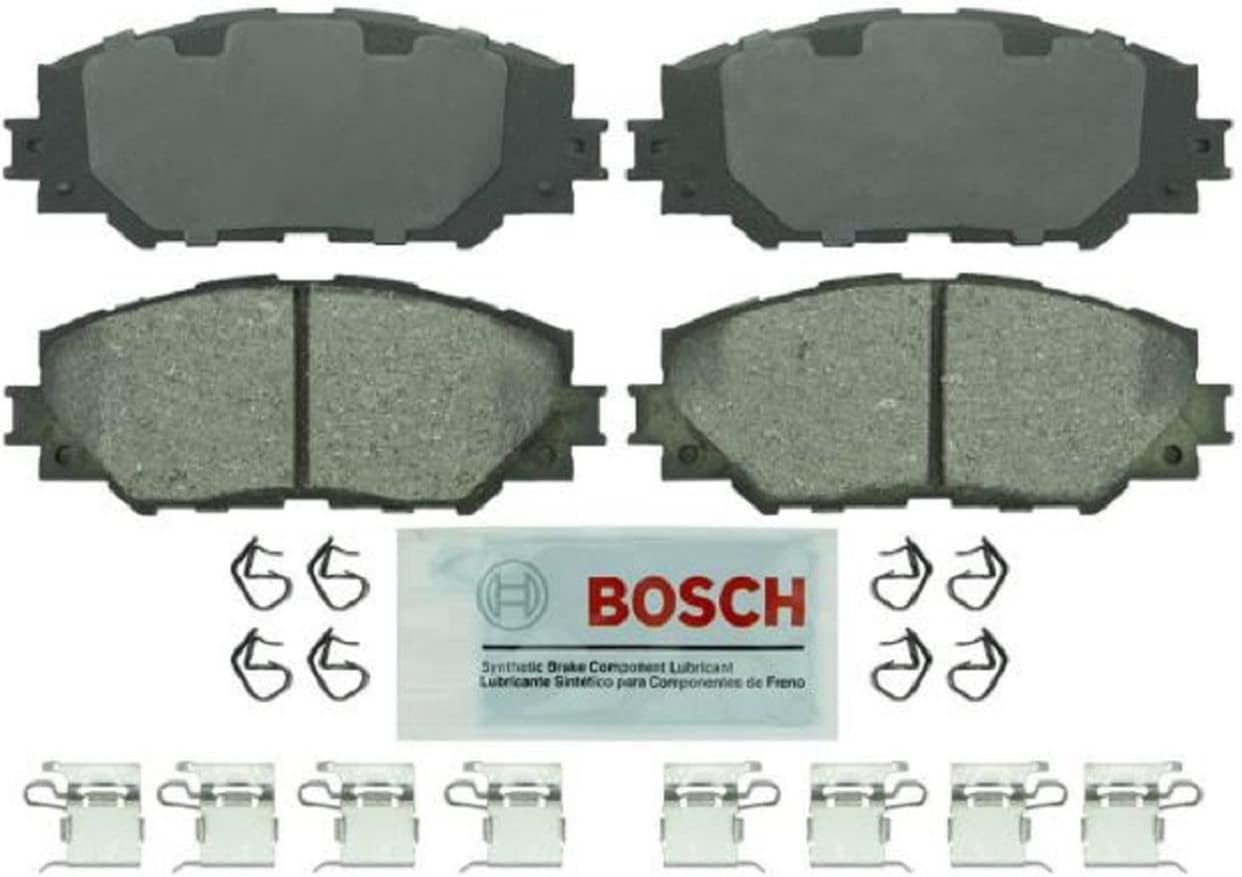
Bosch Blue ceramic front brake pads deliver dependable stopping power with platform-specific friction material designed for select Lexus, Pontiac, Scion, and Toyota vehicles. OE-style shims, slots, and chamfers help promote quiet braking, while the rust-inhibitive coating supports long-lasting performance and cleaner operation. The set includes hardware and synthetic lubricant for easier installation on one axle.

Bendix Premium Ceramic Front Brake Pads are engineered to match original equipment fit, form, and function for a straightforward replacement. Built with durable materials to help resist wear and corrosion, they support consistent braking performance and reduced brake fade for everyday driving. These pads are a dependable choice for compatible Pontiac, Scion, Toyota, and related vehicles.
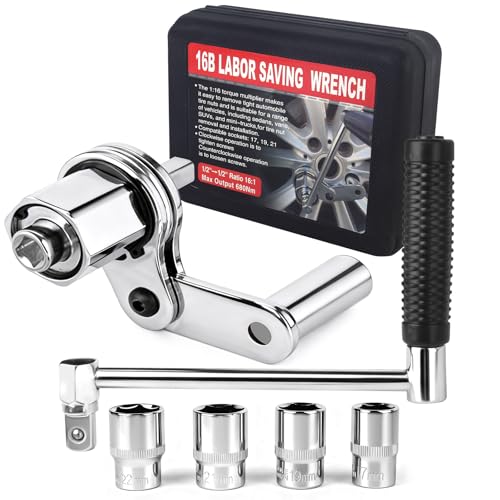
Complete Torque Multiplier Wrench- This wrench kit includes 4 essential sockets: 11/16",3/4",13/16",7/8"(17mm, 19mm, 21mm, 22mm) sockets, and a non-slip handle, designed for efficient loosening of car and truck tire lug nuts.
Toyota OEM Steel and Aluminum Wheels
Use 76 ft-lb for Toyota OEM steel or aluminum wheels on the 2011 Camry. The original article’s 76–80 ft-lb range is too loose for a safety-critical specification because Toyota publishes one number, not a range.
| Wheel Situation | Correct Action |
|---|---|
| Toyota OEM wheel | Torque to 76 ft-lb |
| Factory compact spare | Torque to 76 ft-lb |
| Aftermarket wheel using supplied hardware | Follow the wheel maker’s written torque spec if it differs from Toyota’s spec |
| Unknown used wheel or hardware | Confirm seat type, thread size, nut style, and torque with a qualified tire shop |
Compact Spare or Emergency Wheel
The compact spare listed in the 2011 Camry owner’s manual uses the same 76 ft-lb wheel nut torque. Toyota also warns that the compact spare is temporary, should not be used on another vehicle, and should not be driven above 50 mph when installed. Replace it with a standard tire as soon as possible.
Note: Lug nut torque and tire pressure are different specs. The compact spare may require a higher tire pressure than the regular tires, but the wheel nut torque remains 76 ft-lb for the 2011 Camry.
Aftermarket Wheels and Spacers
Aftermarket wheels can change the hardware, seat style, center bore, or spacer setup. In that case, do not guess. The safe order of authority is:
- Use Toyota’s 76 ft-lb spec for factory wheels and factory-style hardware.
- Use the aftermarket wheel manufacturer’s written spec if that wheel requires a different torque value or nut style.
- Have a tire shop inspect the setup if the wheel uses spacers, extended studs, aftermarket lug nuts, or a different seat design.
Do not mix ball-seat, conical-seat, mag-seat, or washer-style lug nuts unless the wheel specifically calls for them. The nut must match the wheel seat, not just the thread size.
Why Correct Torque Matters for Safety, Studs, and Rotors
Correct lug nut torque keeps the wheel clamped evenly to the hub. That matters because the studs are designed to stretch slightly within a safe range. Too little torque can let the wheel move. Too much torque can stretch the studs beyond their intended range or damage the threads.
- Wheel retention: Proper torque helps keep the wheel seated against the hub while driving, braking, and cornering.
- Stud and thread life: Over-torquing can stretch studs, distort threads, or make future removal difficult.
- Brake smoothness: Uneven clamping can contribute to vibration, pulsation, or uneven contact between the wheel, hub, and brake rotor.
- Accurate future service: Damaged lug nuts and studs can give false torque readings, which makes the next tire rotation or brake job less reliable.
The National Highway Traffic Safety Administration also emphasizes tire and wheel-related maintenance as a basic safety habit. Lug nut torque is one piece of that broader tire safety routine.
Common Mistakes and Fixes: Overtightening, Impacts, and Stripped Threads

The most common lug nut mistakes are easy to avoid if you slow down and use the right tool. A few extra minutes with a torque wrench can prevent a much bigger problem later.
[Products Worth Considering]

PRECISE & HIGH QUALITY - Manufactured in Taiwan, our torque wrench is engineered for superior precision. It ships pre-calibrated to +/- 4% accuracy, ensuring dependable results every time. Includes a calibration certificate with a trackable serial number for your assurance.

[High Accuracy & Dual Scale] The SUZUME Torque Wrench is a top pick for mechanics, engineers, and DIY enthusiasts alike! With a dual-scale range of (10-170 Ft. Lb/ 14-231 N.m), it's versatile for various tasks. Each 1/2 torque wrench undergoes 10,000 accuracy tests with a ±3% margin, meeting industry standards. Plus, it stays accurate through 10,000+ times without recalibration. Trust SUZUME for quality and peace of mind in every use!

VERSATILE & COMPLETE SET: boen 9-piece 1/2” drive impact torque limiting extension bar and flip lug nut socket set includes 4pc dual-sided metric/SAE flip sockets (17x19mm, 21x22mm, 3/4x13/16in, 15/16-7/8in), 4pc 8” length impact torque limiting extension bars (120/135/150/160 Nm), and a 3" extension bar
Mistake 1: Using an Impact Wrench for Final Torque
An impact wrench is useful for removal, and some technicians use one lightly for initial snugging. But final torque should always be set with a torque wrench. Impact tools can easily exceed 76 ft-lb, especially when used without a torque-limiting extension.
Mistake 2: Cross-Threading the Lug Nuts
Cross-threading usually happens when the nut is started at an angle or forced with a power tool. The fix is simple: hand-start every lug nut. If it does not spin on smoothly by hand for several turns, back it off and inspect the threads.
Mistake 3: Tightening in a Circle
Going around the wheel in a simple circle can pull one side tight before the other side is seated. Use a star pattern instead. This seats the wheel evenly and makes the final torque more consistent.
Mistake 4: Lubricating Studs Without a Spec
Do not apply oil, grease, or anti-seize to wheel studs unless the vehicle or wheel manufacturer specifically instructs it. Lubricated threads can change the clamping force created by a given torque reading, which may lead to over-tightening even when the wrench is set to the right number.
What to Do if Threads Are Damaged
If a lug nut feels gritty, binds, or will not seat correctly, stop. Remove it and inspect both the nut and stud. Replace damaged lug nuts. If the stud threads are stretched, flattened, or stripped, have the stud replaced before driving. A damaged fastener is not fixed by tightening it harder.
When to Recheck Camry Lug Nut Torque After Install
After a wheel has been removed and reinstalled, check that the lug nuts are tightened to 76 ft-lb with a torque wrench before driving normally. Toyota’s emergency instructions say to have the wheel nuts tightened with a torque wrench to 76 ft-lb as soon as possible after changing wheels.
After an Emergency Spare Installation
If you install the compact spare on the roadside, snug the wheel nuts in the correct order, lower the car, and tighten them as evenly as possible with the lug wrench. Then have the nuts torqued to 76 ft-lb with a torque wrench as soon as possible. Do not treat a roadside lug wrench as a substitute for a torque wrench.
After New Tires, Rotation, or Brake Service
Many tire shops recommend a follow-up torque check after the first 50–100 miles because wheels and hardware can settle after installation. If the shop that installed your tires asks you to return for a re-torque, do it. You should also recheck immediately if you feel vibration, hear clicking, or suspect a wheel was not tightened correctly.
Before Long Trips
Before a long drive, it is smart to check tire pressure, tire condition, spare tire pressure, and wheel nut torque if any wheel was recently removed. NHTSA recommends checking tire pressure regularly, including the spare, and inspecting tires for wear or damage.
Reliable Sources and Torque-Wrench Tips
The best source for a 2011 Camry lug nut torque spec is the official Toyota owner’s manual, not a forum post or generic chart. Toyota’s online manuals can be found through the Toyota Owners manuals page, and the official manual PDF lists the wheel nut torque as 76 ft-lb.
Torque Wrench Use Tips
- Use the correct range. A torque wrench is most accurate when the target value falls comfortably within its working range.
- Pull smoothly. Do not jerk the wrench. Apply steady pressure until it clicks or signals the setting.
- Store it correctly. For click-type torque wrenches, follow the tool maker’s storage instructions. Many require being backed down after use.
- Keep it calibrated. If the wrench has been dropped, overloaded, or used heavily, have it checked or calibrated.
- Do not use it as a breaker bar. Use a breaker bar to loosen tight lug nuts, then use the torque wrench only for measuring final tightening.
Frequently Asked Questions
What is the lug nut torque for a 2011 Toyota Camry?
The correct lug nut torque is 76 ft-lb, which equals 103 N·m or 10.5 kgf·m. This is the value Toyota lists for the 2011 Camry wheel nut torque in the owner’s manual.
Should I use 76 or 80 ft-lb on a 2011 Camry?
Use 76 ft-lb for factory Toyota wheels and factory-style hardware. Do not use 80 ft-lb unless an aftermarket wheel manufacturer gives that written spec for the exact wheel and lug nut setup.
Is the torque different for aluminum and steel wheels?
For the 2011 Toyota Camry’s OEM wheel applications, use the Toyota spec of 76 ft-lb. If you install aftermarket wheels, follow the wheel manufacturer’s instructions for that specific wheel, lug nut seat, and hardware.
What torque should I use for the compact spare tire?
Use the same 76 ft-lb wheel nut torque for the compact spare. Toyota also says not to drive over 50 mph with the compact spare installed and to replace it with a standard tire as soon as possible.
Can I rely on an impact wrench if I re-torque later?
No. An impact wrench should not be used for final torque. You can use one carefully for removal or light snugging, but the final tightening should be done with a calibrated torque wrench set to 76 ft-lb.
Do I need to recheck lug nut torque after a tire change?
Yes. Make sure the nuts are torqued to 76 ft-lb before normal driving. After a roadside spare change, Toyota says to have the nuts tightened with a torque wrench as soon as possible. Many tire shops also recommend a follow-up recheck after 50–100 miles.
Conclusion
The safe number for a 2011 Toyota Camry is 76 ft-lb—not a guess, not “as tight as possible,” and not a broad 76–80 ft-lb range for factory wheels. Hand-start the lug nuts, seat the wheel evenly, tighten in a star pattern, and use a calibrated torque wrench for final torque. That small step protects the studs, helps prevent wheel looseness, and gives you confidence that the wheel is clamped the way Toyota intended.
Sources
- Toyota 2011 Camry Owner’s Manual PDF — backs up the 76 ft-lb wheel nut torque, compact spare warnings, and emergency wheel-changing instructions.
- Toyota Owners Manuals and Warranties: 2011 Camry — official Toyota owner manual access page for the 2011 Camry.
- Toyota Support: Viewing Online Owner’s Manuals — confirms Toyota directs owners to the Manuals section of My Toyota for owner publications.
- NHTSA TireWise Tire Safety — supports tire safety maintenance, tire pressure checks, and tire inspection guidance.
- eCFR 49 CFR § 571.138: Tire Pressure Monitoring Systems — official federal standard describing TPMS purpose and under-inflation warnings.