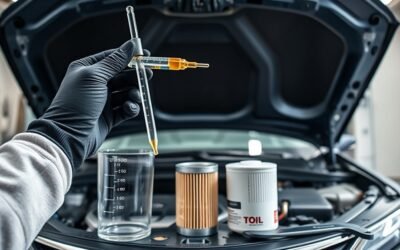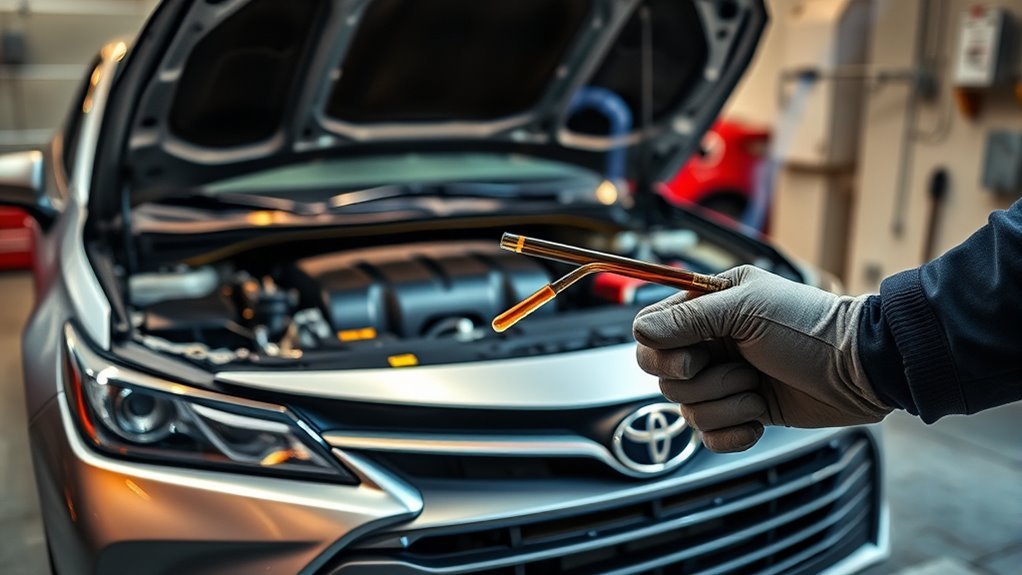
If your Camry needs frequent oil top‑offs, blows blue smoke on startup or under load, or your mileage passes ~100,000 with rising consumption, it’s likely burning oil. Check the PCV valve and hoses, watch for oil spots and blue exhaust, and monitor oil every 500–1,000 miles. Run compression and leak‑down tests to confirm worn rings or valve seals. Temporary fixes include PCV replacement, thicker oil or additives; further guidance explains tests, causes and repair options.
How to Tell If Your Camry Is Burning Oil (Quick Symptoms)
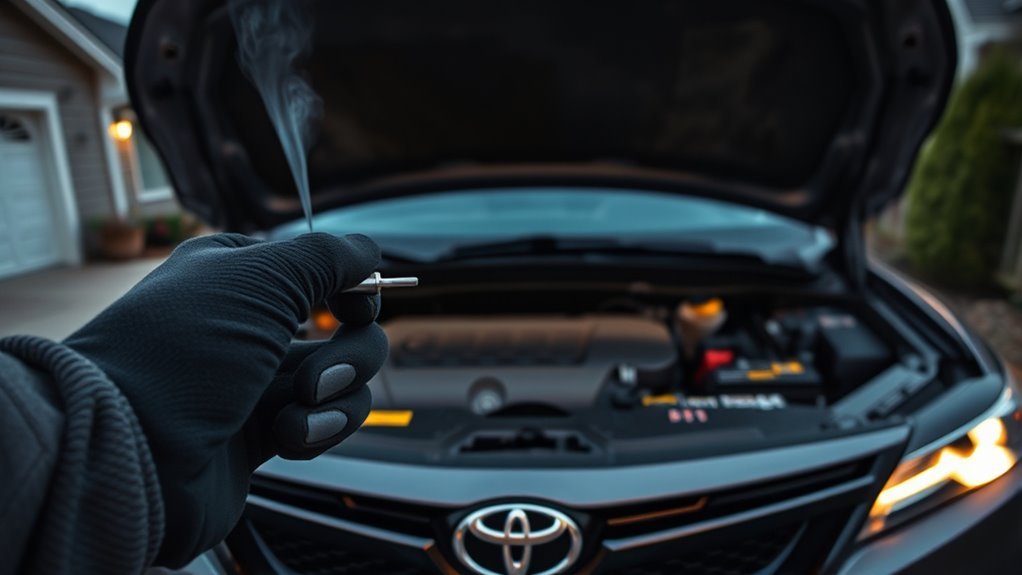
How can you quickly spot oil burning in a Camry? Check the oil level regularly: if you’re topping off often or the dipstick drops from mid to near the first dot within 1,500 miles, you’re likely burning oil. Owners report consumption up to a quart per 1,000 miles; that rate isn’t normal and signals internal wear.
Watch exhaust smoke color. Blue smoke on startup or under acceleration means oil’s entering the combustion chamber—an unmistakable symptom. Note when symptoms appear: many Camrys show increased oil use around 100,000 miles as piston rings or valve stem seals wear.
Also monitor engine behavior. Unusual noise or declining performance alongside falling oil level points to deeper wear that won’t fix itself. You want freedom from failure, so document levels and smoke color, mileage, and conditions when smoke appears. That record gives you leverage when seeking professional diagnosis or deciding whether to repair, replace, or refuse further compromise.
DIY Checks to Narrow It Down: PCV, Leaks, Smoke, Oil Use
You’ve identified the signs—now narrow the cause with a few targeted DIY checks that most owners can do without a shop. Start with PCV maintenance tips: locate and remove the PCV valve, shake it (it should rattle) and inspect hoses for blockages or oil sludge. Replace a stuck or oily valve—many owners see immediate oil-use drops. Next, use basic leak detection methods: park on clean pavement with a cardboard under the engine overnight, then inspect for fresh spots and trace stains to gaskets, pan bolts, or valve cover seams.
Monitor oil use tightly—check level every 500–1,000 miles, especially past 100,000 miles; rapid drops point to internal consumption. Observe exhaust: blue smoke on cold start or under acceleration indicates oil entering combustion chambers. These checks let you eliminate common external causes and confirm whether internal repairs are likely, giving you the freedom to decide the next step without guesswork.
When to Run a Compression or Leak‑Down Test : and How to Read Results
When should you move from visual checks to pressure testing? Move to a compression test when you’ve ruled out obvious PCV or external leaks and still see heavy oil use, poor performance, or smoke. A compression test is quick: remove spark plugs, crank each cylinder, and compare psi. Healthy Camry cylinders typically land between 130–190 psi and should be close to each other; wide disparities or low readings flag internal wear.
If a cylinder reads low, follow with a leak down test to pinpoint whether the loss is past rings, valves, or the head gasket. With the spark plug removed, pressurize the cylinder and measure leakage; under 20% leakage is acceptable. Higher percentages mean you’ll need to trace where air escapes—intake, exhaust, crankcase, or coolant passages—to decide repair or replacement.
Both tests use basic tools and you can perform them yourself or confirm results with a shop to preserve your freedom to choose repairs.
Most Likely Causes for Camry Oil Consumption (PCV, Rings, Seals)
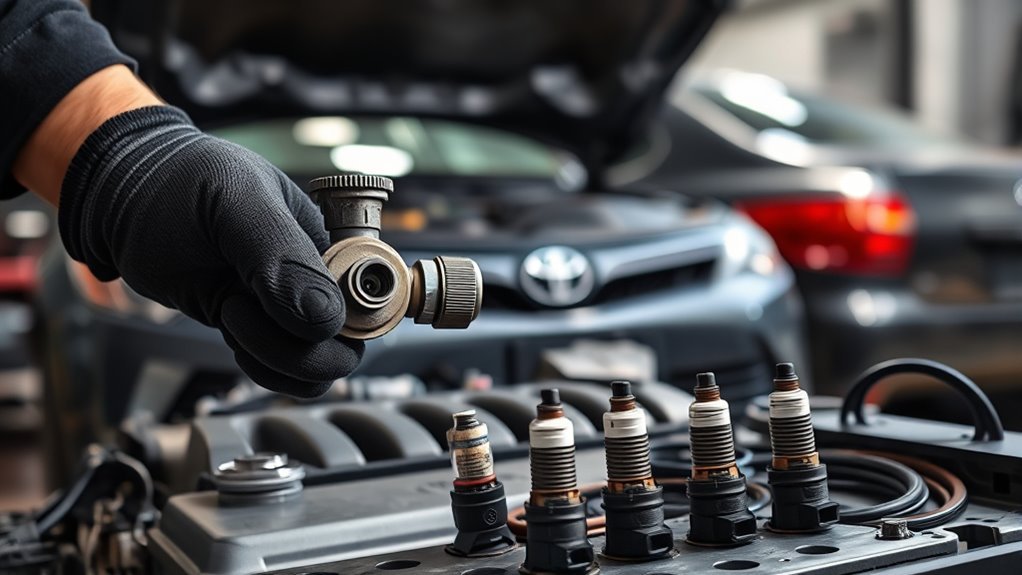
Although several systems can let oil into a Camry’s combustion chambers, the most common culprits are a failing PCV valve, worn or stuck piston rings, and degraded valve stem seals—each lets oil bypass normal controls and burn off as the engine runs. You’ll see oil loss on dipstick and blue smoke; some owners lose a quart per 1,000 miles. Diagnose to free yourself from recurring fills.
Oil loss and blue smoke usually point to a bad PCV, worn rings, or leaking valve seals—diagnose and fix.
- PCV valve failure — A clogged or leaky PCV creates crankcase pressure that forces oil into intake passages. Replacing the valve often reduces consumption dramatically and restores ventilation.
- Piston ring wear/stuck rings — Piston ring wear or stuck oil control rings lets oil scrape into cylinders. This causes sustained burning and may require an engine rebuild, especially when compression or leak-down tests confirm loss.
- Valve seal failure — Degraded valve stem seals let oil drip into combustion chambers at idle and startup, producing intermittent blue smoke and steady oil consumption.
Temporary Fixes That Help Now: Oils, Additives, and PCV Replacement
If your Camry’s burning oil is still manageable, start with quick, inexpensive steps that often cut consumption enough to avoid immediate repairs: switch to a high‑quality synthetic 0W‑20 (e.g., Valvoline Restore & Protect) to optimize oil viscosity across temperatures and reduce burn-off. Change oil more frequently—every 3,000–3,500 miles—to keep contaminants from fouling the PCV system. Test additive effectiveness cautiously: products like Lucas Stop Leak or Marvel Mystery Oil can temporarily shrink seals or loosen deposits and may lower consumption, but they don’t fix worn rings or major leaks. Replace a faulty PCV valve promptly; a blocked PCV lets oil into the combustion chamber and its replacement often yields a noticeable drop in consumption. Monitor oil level at every fuel fill and top off as needed to prevent low‑oil damage. These interventions buy you time and freedom from an urgent rebuild, letting you choose the right long‑term path without panicking.
Long‑Term Repairs and Typical Costs (Ring Job, Short Block, Engine Swap)
Decide on a long‑term fix based on diagnosis: a ring job, short‑block rebuild, or full engine swap each targets different failure scopes and carries distinct costs and downtime. You’ll use compression tests first to confirm piston ring wear; that result drives whether you pursue less invasive or full replacement work.
- Ring job: If compression loss is localized and the block is healthy, a ring job restores sealing and reduces oil burn. Expect ring job costs of roughly $2,000–$3,000 depending on labor and parts; it’s the most economical path to regain control.
- Short block options: For widespread cylinder wear, a short block rebuild replaces sleeves, pistons, rings, and bearings. Short block options often land in the same $2,000–$3,000 range but offer greater longevity than a ring-only repair.
- Engine swap: For catastrophic wear or desire for reliability, a full engine swap costs about $4,000–$7,000 and minimizes future oil consumption risk.
Trade‑In, Warranty & Documentation Tips: What to Disclose and How to Get Help
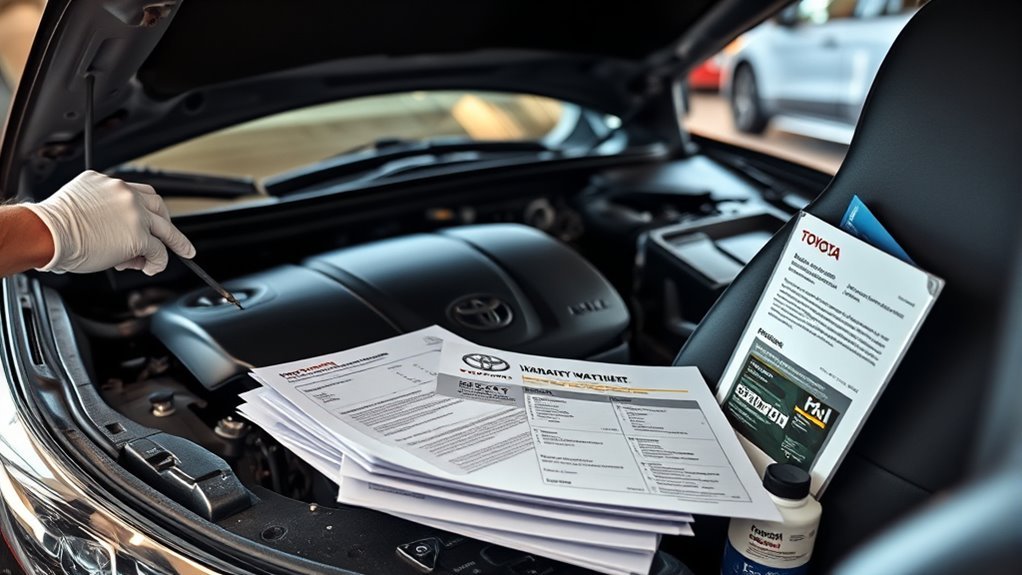
When preparing to trade in or pursue assistance for a Camry that’s burning oil, document everything—oil change receipts, odometer readings at each fill, and notes on how far oil drops between services—because clear records strengthen warranty appeals and dealer negotiations. You’ll balance two paths: conceal issues during trade in strategies to maximize immediate value, or disclose them and aim for dealer remediation or corporate help. Dealers may auction non-disclosed cars, so hiding can make sense if you don’t plan follow-up. However, detailed service logs and symptom notes empower warranty inquiries and corporate escalation; Toyota has programs that sometimes assist out-of-warranty vehicles. Track consumption rates, dates, and repair estimates (engine work typically $2k–$3k) to decide repair versus exit. When contacting dealers or Toyota, present concise evidence, demand written responses, and escalate persistently. Protect yourself: keep originals, timestamp communications, and know your leverage so you can choose repair, claim, or trade with confidence and autonomy.
Frequently Asked Questions
Does Burning Oil Affect My Camry’s Emissions Test Results?
Yes — excessive oil consumption raises emissions impact because burning oil alters exhaust composition and can trigger failed tests; you should diagnose leaks, rings or valve seals, fix them promptly, and document repairs to regain freedom.
Can Synthetic Oil Increase Mileage Between Oil Changes?
Yes — and here’s why: hold on. You’ll choose oil types that reduce friction, so engine efficiency improves, letting you stretch intervals. You’ll save time, reduce wear, and feel freer maintaining your vehicle’s performance.
Will Extended Oil Change Intervals Worsen Oil Burning?
Yes — extending oil change frequency can worsen oil burning by letting degraded oil and contaminants accelerate engine wear, so you’ll lose control of longevity; follow recommended intervals or monitor oil consumption closely to protect performance.
Is Oil Burning Covered Under Typical Used-Car Warranties?
Usually no — you’ll find oil burning falls under warranty exclusions unless diagnostics prove a covered defect. You’ll need engine diagnostics, documented maintenance, and to challenge exclusions proactively to regain leverage and liberate yourself from unfair denials.
Can Running the Engine at Higher RPMS Reduce Oil Consumption?
Sometimes you can: revving briefly improves oil pressure and engine performance, reducing light consumption, but sustained high rpms increase wear. Match oil viscosity to conditions, monitor usage, and liberate yourself by choosing proactive maintenance.
Conclusion
You’ve got clear steps: spot quick symptoms, run simple DIY checks (PCV, leaks, smoke, oil tracking), then do compression or leak‑down tests to confirm. Most often it’s PCV, rings or seals; temporary fixes (thicker oil, additives, PCV replacement) buy time, while ring jobs or short‑block repairs fix it long‑term. Document mileage and repairs for trade‑in or warranty claims. Don’t ignore it — like a telegraph in a smartphone world, act fast to avoid bigger damage.