Choosing between a crew cab and an extended cab comes down to how you use the truck most days. Pick a crew cab when rear-seat comfort, child-seat access, pets, road trips, or interior storage matter more than maximum bed length. Pick an extended cab when rear passengers are occasional and you want a lower starting price, a work-focused layout, or more bed-focused utility.
Quick Answer
A crew cab is usually the better choice for families, daily drivers, and anyone who regularly carries adults in the back seat. An extended cab is usually better for budget-minded buyers, work trucks, and drivers who only need occasional rear seating while prioritizing bed space, payload, and lower overall cost.
Key Takeaways
- Choose a crew cab if you regularly carry adults, kids, pets, tools inside the cabin, or rear-facing car seats.
- Choose an extended cab if rear passengers are rare and you want a lower purchase price, simpler work-truck layout, or more bed-focused practicality.
- Do not assume one cab always tows more. Towing and payload depend on the exact engine, drivetrain, axle ratio, trim, options, tires, and tow package.
- Bring real measurements. Test the garage, bed length, car seat, toolboxes, hitch setup, and rear-seat access before you buy.
Quick Decision Guide: Crew Cab or Extended Cab for You
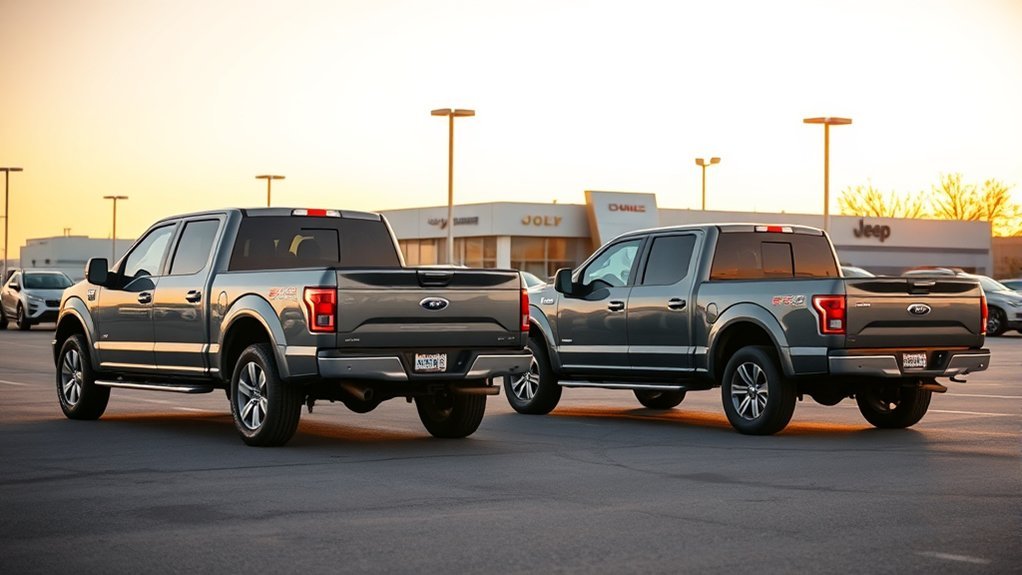
Use this simple rule: crew cab for people, extended cab for occasional passengers and bed-first utility. A crew cab usually has four full-size doors, a larger second row, and easier access for adults, kids, pets, backpacks, tools, and groceries. An extended cab usually has a smaller rear seating area and smaller rear doors, but it often costs less and may be paired with longer bed options in some truck lines.
| Need | Better pick | Why |
|---|---|---|
| Daily adult passengers | Crew cab | More rear legroom, easier entry, and better long-trip comfort. |
| Rear-facing car seats | Crew cab | Larger rear openings and more front-seat clearance usually make installation easier. |
| Work truck with rare passengers | Extended cab | Lower cost and a more cargo-focused layout can make more sense. |
| Longest bed availability | Extended or regular cab | Many lineups reserve the longest beds for smaller cabs. |
| Best resale audience | Usually crew cab | More families and daily drivers shop for full four-door trucks, but resale still depends on model, condition, mileage, fuel prices, and region. |
At a Glance
| Time Required | 30–60 minutes to compare specs, measure, and test drive both cab styles |
| Difficulty | Easy |
| Tools Needed | Tape measure, phone notes, child seat if needed, trailer/cargo weight estimates, garage measurements |
| Cost | Free, aside from the time spent comparing vehicles |
Cab Names Vary by Brand, So Check the Specs
Do not shop by the badge alone. “Extended cab,” “double cab,” “quad cab,” “SuperCab,” and “SuperCrew” can mean different things depending on the manufacturer. For example, GMC lists Regular Cab, Double Cab, and Crew Cab configurations for the Sierra 1500, with different bed lengths, passenger capacities, and starting prices. Ford uses names such as SuperCab and SuperCrew in the F-150 lineup. Ram, Toyota, Nissan, and other brands use their own naming systems.
Note: When comparing trucks, confirm the actual rear legroom, door style, bed length, payload rating, and towing chart for the exact trim. Cab names are helpful shortcuts, but the spec sheet and door-jamb sticker matter more.
Passenger Capacity & Rear-Seat Comfort Compared
Crew cabs are built for regular passenger use. They usually have a larger second row, four conventional full-size doors, and enough rear-seat space for adults to ride comfortably on commutes, school runs, and longer trips. Depending on the front-seat layout, many crew cab trucks seat five or six people.
Extended cabs are better for occasional passengers. They may have smaller rear doors, narrower openings, less rear legroom, and a more upright rear-seat position. Some full-size extended or double cab trucks can still seat up to six with a front bench, but the second row is usually less comfortable than a crew cab.
If someone will sit in the back seat every week, choose the crew cab. If the back seat is mainly for a jacket, lunch box, dog, or emergency ride, an extended cab may be enough.
- Crew cab: best rear-seat comfort, easiest adult access, strongest family use case.
- Extended cab: best for short trips, occasional passengers, and work-truck storage.
- Regular cab: one row only, usually best for lowest cost, longest bed options, or focused work use.
[Products Worth Considering]

This car seat protector helps shield vehicle seats from infant and booster seat imprints, wear, and everyday messes. Made with thick padded construction, waterproof fabric, and non-slip backing, it stays securely in place while helping keep seats clean and protected. Handy storage pockets add extra convenience for family travel and daily use.
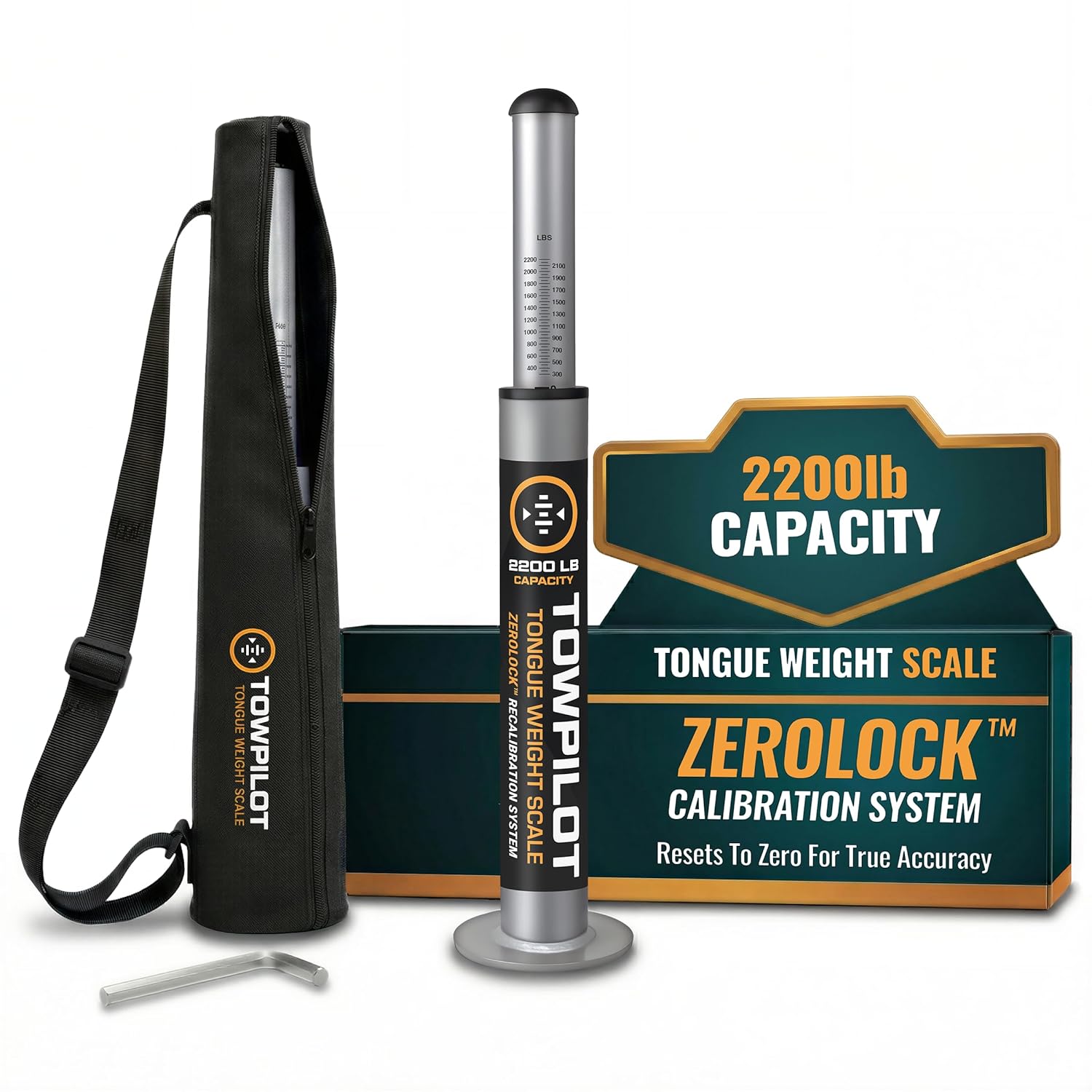
This trailer tongue weight scale helps you check hitch weight quickly and accurately before towing, reducing sway and improving overall safety. Built with durable steel and a spring mechanism, it works without batteries and includes a recalibration feature to maintain true-zero accuracy over time. It is designed for RVs, campers, and utility trailers, with a top plate that helps protect your coupler during use.
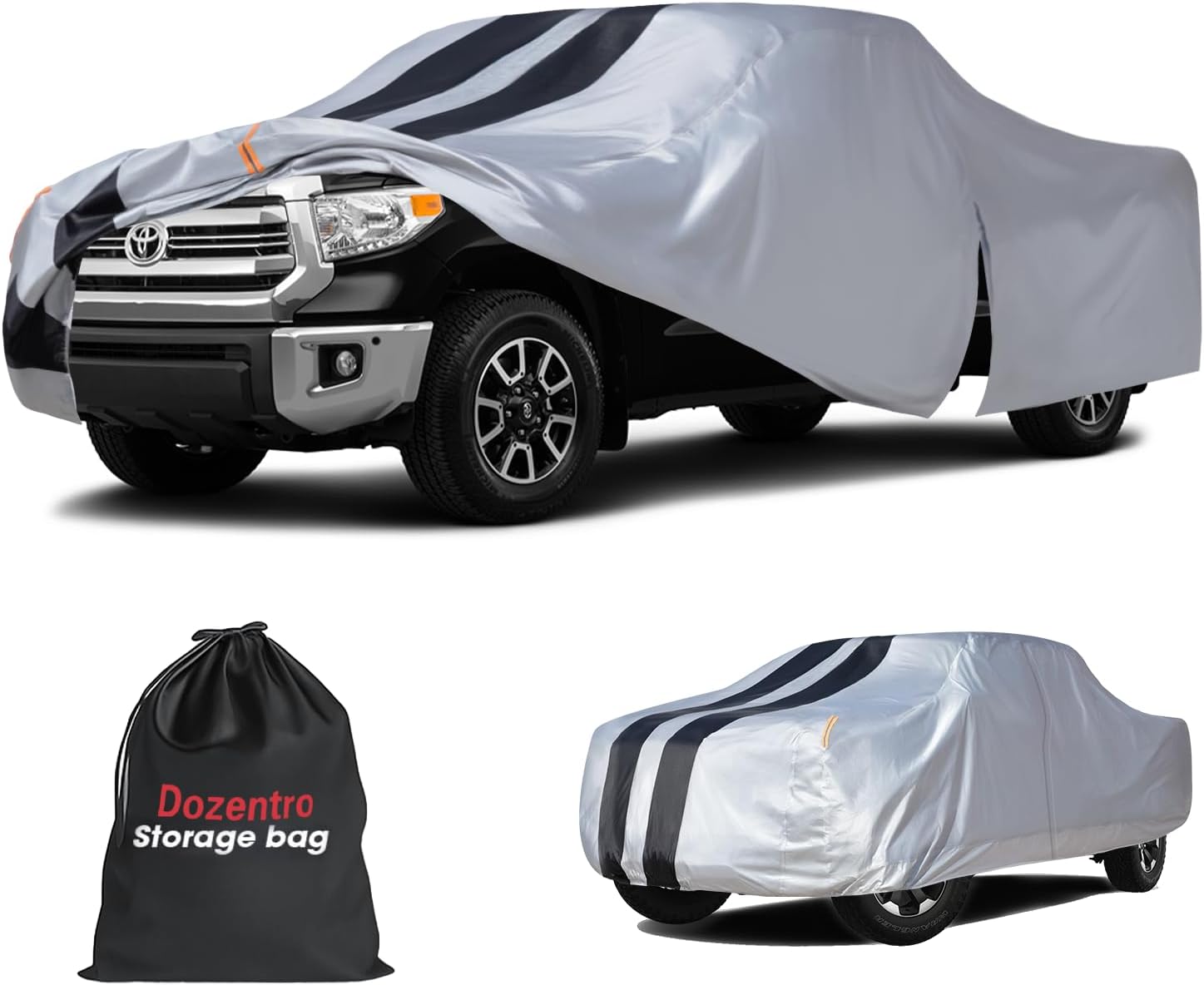
This custom-fit truck cover is designed for Tundra Double and CrewMax Cab short bed models, delivering year-round protection with a waterproof outer layer and all-weather coverage. A driver-side zipper allows easy cabin access, while the soft interior helps protect paint and reinforced wind straps improve stability in strong conditions. It also includes a storage bag and towel for convenient care and storage.
Door Design, Access, and Car-Seat Friendliness
Crew cabs give you the easiest rear-seat access because all four doors are usually full-size and open independently. That matters when loading a rear-facing car seat, helping a child buckle, letting an adult climb in with work boots, or loading a dog crate.
Extended cabs can be less convenient. Some use smaller rear-hinged doors, while others use smaller conventional rear doors. Either way, the rear opening and legroom are usually tighter than a crew cab. In tight parking lots, that can make daily use frustrating.
Warning: For child seats, do not rely on cab style alone. The National Highway Traffic Safety Administration says to choose a seat that fits your child and your vehicle, follow both manuals, and test the seat in the vehicle. Bring your actual car seat before buying.
For families, the best test is simple: install the child seat behind the driver, set the driver seat where you actually drive, and make sure the child seat angle, front-seat clearance, lower anchors, tether anchors, and buckling access all work.
[Products Worth Considering]

These all-weather floor liners are designed for Toyota Tundra CrewMax Cab models, providing a precise fit for the first and second rows. Made from durable TPE material, they help protect your interior from mud, water, dirt, and everyday messes while offering a non-slip surface for added driving confidence. Raised edges and easy-clean construction make them a practical choice for keeping your truck floorboard cleaner in every season.

These heavy-duty running boards are designed to improve access to your 2024-2026 Toyota Tacoma while preserving off-road clearance. Built for Double Cab and Crew Cab models, they provide a sturdy step for daily entry, loading roof gear, and rugged trail use. With a no-drill installation and durable construction, they deliver dependable support and long-lasting convenience.

This heavy-duty cargo net helps keep truck bed loads secure and organized during transport. Its expandable bungee mesh design offers flexible coverage for a range of cargo sizes, while the included metal carabiners make installation quick and dependable. Built for pickup owners who need reliable load containment, it is suitable for many popular truck models.
Storage, Interior Utility, and Daily Practicality
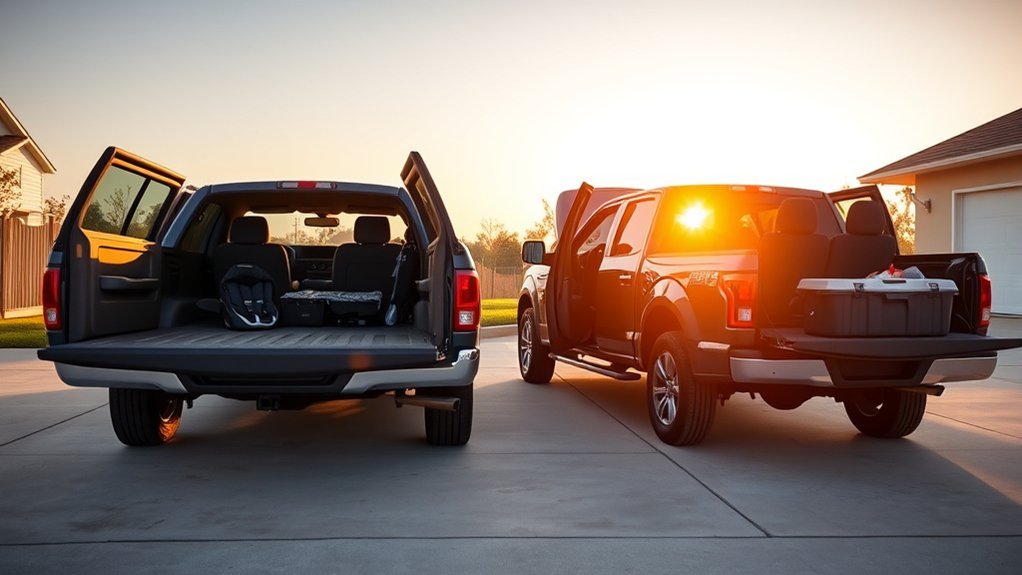
A crew cab gives you more usable interior space for daily life. The rear seat can carry people during the week and become covered, lockable cargo space when folded. That is useful for laptops, backpacks, tools, camera gear, groceries, luggage, hunting gear, or anything you do not want exposed in the bed.
An extended cab is more tool-focused. You still get extra space behind the front seats, but it is usually better for compact gear, jump bags, small tool cases, or short passenger trips. If you mostly haul in the bed and rarely carry adults, that tradeoff can make sense.
Rear Seat Storage Options
- Crew cab: larger rear bench, more under-seat storage potential, bigger door pockets, easier use as covered cargo space.
- Extended cab: smaller rear area, less legroom, fewer storage options, but enough room for occasional gear or short rides.
- Work use: extended cab can be a smart middle ground if you need lockable interior space without paying for the largest cab.
- Family use: crew cab is usually worth the extra cost because it stays useful as kids, pets, and gear needs grow.
Everyday Cargo Management
For everyday cargo, the choice is inside space versus bed space. A crew cab protects more items inside the cabin and keeps passengers comfortable. An extended cab keeps the truck more cargo-focused and may be available with a longer bed in some lineups.
Pro Tip: Bring the gear you actually use: a stroller, toolbox, cooler, dog crate, golf clubs, job box, or car seat. If it does not fit cleanly during the test drive, it will not magically fit better after you buy the truck.
How Cab Size Changes Bed Length, Towing, and Payload
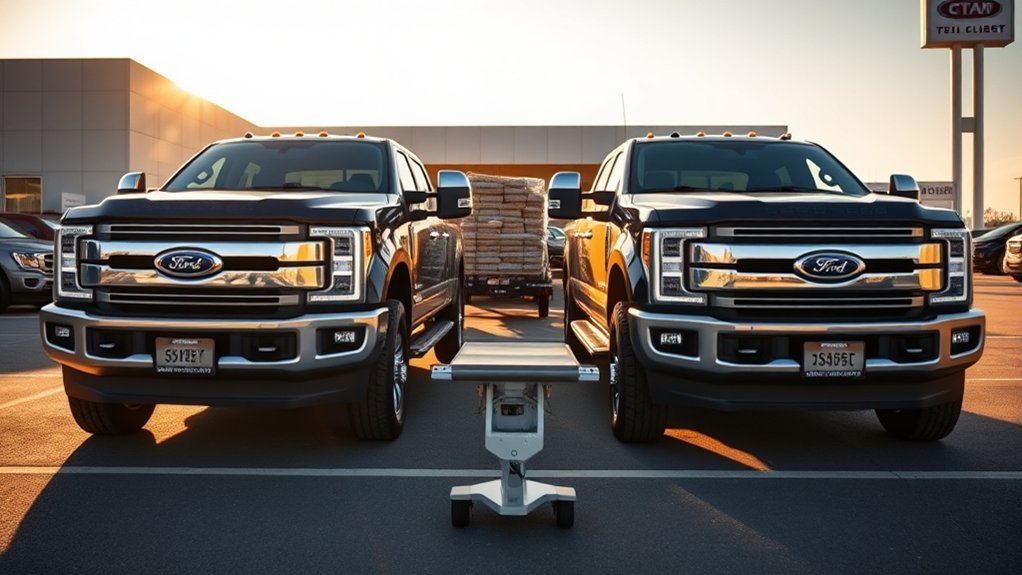
Cab size affects the truck’s overall layout. A crew cab uses more wheelbase or overall length for the cabin, so it is often paired with a shorter bed. An extended cab usually gives up rear-seat space and may allow a longer bed while keeping the truck at a manageable overall length.
Current manufacturer configuration pages show why exact specs matter. GMC’s 2026 Sierra 1500 configuration tool lists different combinations for Regular Cab, Double Cab, and Crew Cab, with different box lengths, passenger capacities, and prices. That is the kind of source you should use before deciding.
[Products Worth Considering]

This heavy duty cargo net helps secure loose items in pickup truck beds, trailers, and cargo racks during travel. Its expandable design stretches to fit a wide range of loads, while the included metal carabiners provide reliable fastening for everyday hauling and adventure trips. A storage bag makes it easy to pack away when not in use.

These custom-fit floor mats are designed for 2024-2026 Toyota Tacoma Double/Crew Cab models, offering reliable all-weather protection for daily driving and tough conditions. Made from non-toxic TPE with raised edges and a precision laser-scanned fit, they help block mud, water, snow, and debris while staying easy to clean and comfortable to use.

This multifunctional rear seat organizer combines a cup holder, phone mount, and hook to help keep passengers' essentials secure and within reach. Made from durable ABS plastic, it is designed for long-lasting use and helps reduce clutter while maximizing back-seat space. Its universal fit and simple tool-free installation make it a practical upgrade for everyday driving, road trips, and family travel.
Bed Length Tradeoffs
Typical full-size pickup beds fall into short, standard, and long categories. The exact measurements vary by brand, but the shopping logic is consistent:
- Short bed: easiest to park, common with crew cabs, good for daily driving and family use.
- Standard bed: best all-around choice for mixed passenger and cargo needs.
- Long bed: best for plywood, ladders, long tools, campers, and work use, but harder to park and less common with large cabs.
Towing and Payload
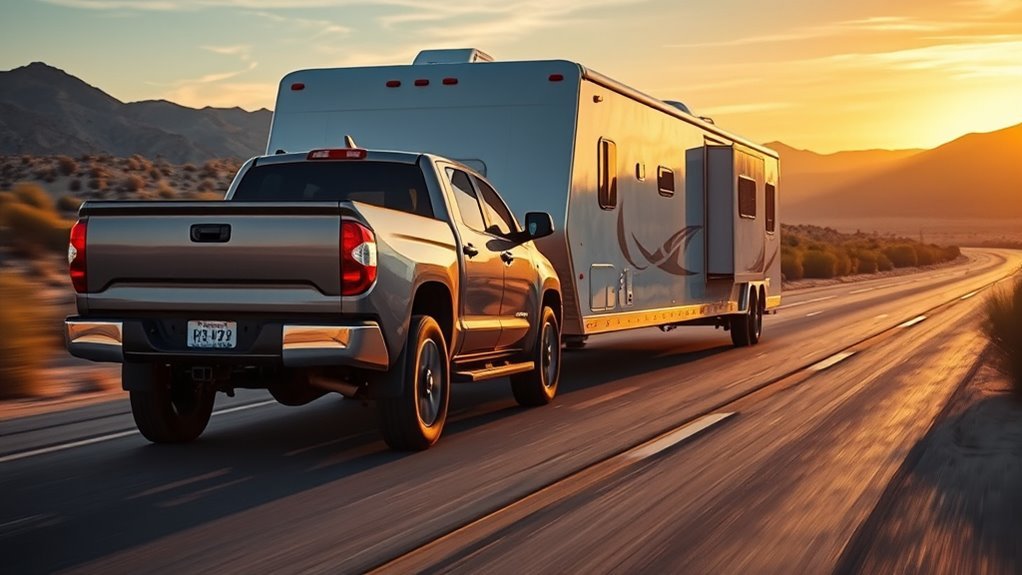
Cab size can influence towing and payload, but it is not the only factor. The exact rating depends on the truck’s engine, drivetrain, axle ratio, cab and bed, trim, wheels, tires, cooling equipment, tow package, and the weight of passengers, cargo, and accessories. The SAE J2807 recommended practice exists because tow ratings require a defined test method, not a guess based on cab size.
Some extended or double cab configurations may have higher tow or payload numbers because they are lighter or paired with a favorable bed and drivetrain. For example, GMC lists the 2026 Sierra 1500’s maximum available towing figure with a specific Double Cab 2WD standard-bed setup, Duramax diesel engine, Max Trailering Package, and wheel/tire combination. That does not mean every extended cab tows more than every crew cab.
Warning: Before towing, check the door-jamb payload sticker, owner’s manual, towing guide, hitch rating, trailer tongue weight, and loaded trailer weight. Passengers, cargo, accessories, and options reduce how much you can safely tow or carry.
| Metric | Crew Cab | Extended Cab |
|---|---|---|
| Rear passenger comfort | Best | Fair to good, depending on model |
| Bed length options | Often shorter or standard | Often standard or longer |
| Payload | May be lower in some trims | May be higher in some trims |
| Towing | Can be excellent when properly equipped | Can be excellent when properly equipped |
| Best use | People-first daily use | Cargo-first mixed use |
Price, Running Costs, and Resale Value
Crew cabs usually cost more because they have a larger cabin, more doors, more interior trim, and stronger demand from family and lifestyle buyers. Extended cabs often start lower and can make more sense if you want a practical truck without paying for rear-seat space you rarely use.
Running costs are also worth checking. A heavier, larger, higher-trim truck may use more fuel, cost more to insure, and cost more to repair. The EPA and DOE’s FuelEconomy.gov is the best place to compare official fuel economy estimates for specific models and engines.
- Crew cab costs: higher purchase price, often higher insurance value, potentially stronger resale demand, and better family utility.
- Extended cab costs: lower upfront price in many lineups, simpler work-truck appeal, and potentially lower weight depending on configuration.
- Resale: crew cabs often appeal to a wider used-truck audience, but mileage, condition, trim, powertrain, accident history, fuel prices, and region matter more than cab style alone.
- Depreciation: new trucks can lose value quickly, so compare used examples before paying extra for space you will not use.
Which Cab Suits Families, Work Crews, or Mixed Use?
The best cab is the one that matches your weekly routine, not the one that looks best in a brochure.
| Driver type | Best cab | Reason |
|---|---|---|
| Family with kids | Crew cab | Easier car seats, better school-run comfort, and more protected cabin storage. |
| Solo contractor | Extended cab | Enough interior space for tools and paperwork without paying for a full rear cabin. |
| Work crew | Crew cab | Better for carrying adults safely and comfortably between job sites. |
| Frequent towing | Either | Choose by the exact towing guide, payload sticker, engine, axle ratio, and hitch setup. |
| City driver | Depends | Crew cab is easier for people; extended cab or shorter overall length can be easier to park. |
| Outdoor gear hauler | Crew cab or extended cab | Choose crew cab for protected gear inside; choose extended cab for more bed-focused hauling. |
Next Steps: Test Drive, Measurements, and Buy-or-Rent Checklist
Before you buy, test drive both cab styles and measure the truck against your real life. Pickup buyers have many choices across trim, bed size, engine, comfort, fuel economy, safety, and reliability, so be honest about how you will actually use the truck.
- Measure the garage: check length, width, mirror clearance, door swing, and driveway angle.
- Test rear access: climb in with work boots, a backpack, a child seat, or whatever you carry daily.
- Check bed length: measure for plywood, bikes, motorcycles, ladders, camping gear, or job boxes.
- Verify payload: read the door-jamb payload sticker on the exact truck, not a brochure average.
- Verify towing: check the manufacturer towing guide for the exact engine, axle, drivetrain, cab, bed, and tow package.
- Check visibility and parking: compare turning radius, backup camera view, blind spots, and parking-lot comfort.
- Price the full setup: include bed liner, tonneau cover, hitch, brake controller, running boards, child-seat needs, insurance, fuel, and taxes.
Used-Truck Checks Before Choosing a Cab
If you are shopping used, cab style is only part of the decision. A clean extended cab can be a better buy than a neglected crew cab, and a well-equipped crew cab can be worth more if it fits your life better.
- Open and close every door, including rear-hinged or smaller rear doors.
- Check rear door seals for leaks, wind noise, and water stains.
- Inspect rear seats for child-seat wear, pet damage, broken latches, and missing headrests.
- Look under the bed and rear frame for rust, hitch abuse, and suspension wear.
- Confirm the bed length before buying accessories such as caps, covers, liners, racks, and toolboxes.
- Compare insurance quotes for the exact VIN, cab, trim, and engine.
Frequently Asked Questions
What is the point of an extended cab?
An extended cab gives you extra interior space behind the front seats without moving all the way up to the largest cab. It works well for occasional passengers, tool bags, small gear, pets, or buyers who want a lower price and more cargo-focused truck layout.
What are the three main truck cab sizes called?
The three basic cab sizes are regular cab, extended cab, and crew cab. Regular cab means one row. Extended cab means a smaller second row. Crew cab means a larger second row with full-size rear doors. Brand names vary, so always check the specs.
Is a crew cab bigger than an extended cab?
Yes, the cabin is usually bigger. A crew cab normally has more rear legroom, larger rear doors, and better adult comfort. However, the overall truck length depends on the bed length and wheelbase, so a crew cab with a short bed may be similar in length to another cab-and-bed setup.
Does an extended cab tow more than a crew cab?
Sometimes, but not always. Extended or double cab trucks may have an advantage in certain configurations because of lower weight or a favorable bed-and-drivetrain combination. Still, towing depends on the exact truck, engine, axle, drivetrain, tow package, hitch, payload, passengers, cargo, and trailer setup.
Is a crew cab worth the extra money?
A crew cab is worth it if you regularly carry people, use car seats, take road trips, carry pets, or need secure interior cargo space. If the rear seat is mostly empty and you care more about price, bed use, or work-truck simplicity, an extended cab may be the better value.
Which cab is best for car seats?
A crew cab is usually best for car seats because it has larger rear doors and more front-to-back room. Still, always test your actual car seat in the exact truck and follow the vehicle owner’s manual and car-seat manual.
Conclusion
Choose a crew cab if your truck is also a family vehicle, road-trip vehicle, pet hauler, or daily passenger vehicle. Choose an extended cab if you only need occasional rear seating and want a more budget-friendly, bed-focused truck. The smartest move is to compare exact specs, measure your real cargo, test the rear seat, verify payload and towing, and buy the cab that fits your week instead of the one that only looks good on paper.
Sources
- GMC 2026 Sierra 1500 Build & Price — cab, bed, passenger-capacity, and pricing configuration examples.
- GMC 2026 Sierra 1500 — current manufacturer towing example and model information.
- NHTSA Car Seats and Booster Seats — child-seat fit, installation, lower anchors, tethers, and safety guidance.
- SAE J2807 — tow-vehicle trailer weight rating methodology.
- FuelEconomy.gov — EPA and DOE official fuel economy comparison resource.
- Consumer Reports Pickup Truck Buying Guide — truck-buying factors including size, comfort, fuel economy, towing, price, reliability, and depreciation.