The Toyota Camry did not become a long-running family favorite by standing still. Since its 1983 U.S. launch, its body styles have shifted from compact sedan and liftback choices to the midsize sedan format most drivers know today. Along the way, Toyota offered wagons, coupes, and convertibles in select years, then focused the lineup around sedan comfort, efficiency, and hybrid options. This guide explains how Camry body styles changed by generation and what those changes meant for everyday driving.
Quick Answer
The Toyota Camry started in the U.S. as a compact sedan and liftback in 1983. It grew into a midsize sedan in the early 1990s, added wagon, coupe, and convertible choices in select years, and later returned to a sedan-focused lineup with hybrid and sport-trim options.
Key Takeaways
- The Camry began with sedan and liftback body styles, then moved toward a larger family-sedan role.
- Toyota offered a Camry wagon during the late 1980s and early 1990s for buyers who needed more cargo space.
- The Camry Solara gave drivers coupe and convertible options before Toyota ended that separate body-style branch.
- Modern Camry models focus on sedan design, fuel economy, hybrid powertrains, and sportier trim choices.
- Body-style changes affected cabin space, cargo use, handling, and the Camry’s appeal to different buyers.
The Camry’s Evolution From Compact Origins to Midsize Success

The Toyota Camry‘s path from a compact car to a midsize success story shows how Toyota followed driver needs. Toyota launched the Camry in the United States for the 1983 model year with sedan and liftback body styles. Those early models appealed to buyers who wanted a practical car with strong fuel economy and simple daily use.
The second generation added a wagon, which gave families more cargo room without moving to a larger vehicle. By the early 1990s, the Camry grew into a wider midsize format and gained a stronger reputation as a family sedan. Later models placed more focus on comfort, safety, cabin space, and smooth highway driving.
Toyota also used the Camry name to reach buyers who wanted something sportier. The Camry Solara arrived for the 1999 model year as a coupe, and a convertible followed later. Modern Camry models keep the sedan shape but add sharper styling, hybrid choices, and performance-inspired trims.
Key Camry Body Styles Introduced by Generation
How did Toyota adjust Camry body styles as buyer needs changed? Each major phase of the Camry tells you what drivers valued at the time, from basic utility to comfort and style. The lineup did not change at random, because each body style served a clear purpose.
- First generation: Sedan and liftback models gave early buyers compact-car practicality.
- Second generation: Sedan and wagon choices expanded the Camry’s appeal to families.
- Third generation: A wider midsize sedan format made the Camry feel more spacious and refined.
- Solara years: Coupe and convertible models gave the Camry name a sportier image.
- Modern generations: Toyota focused on sedans with hybrid choices and sharper trim designs.
This evolution shows how Toyota balanced familiar sedan strengths with brief moves into more specialized body styles. The Camry became most successful when it matched comfort, value, and everyday function.
[Products Worth Considering]

This envelope-style elastic trunk mesh cargo net is designed to keep your Toyota Camry organized by holding groceries, luggage, sports gear, and everyday items securely in place. Its custom-fit design helps prevent shifting, clutter, and spills while allowing quick access and easy installation. Built for durability and convenience, it folds flat when not in use and supports busy driving, shopping, and travel needs.
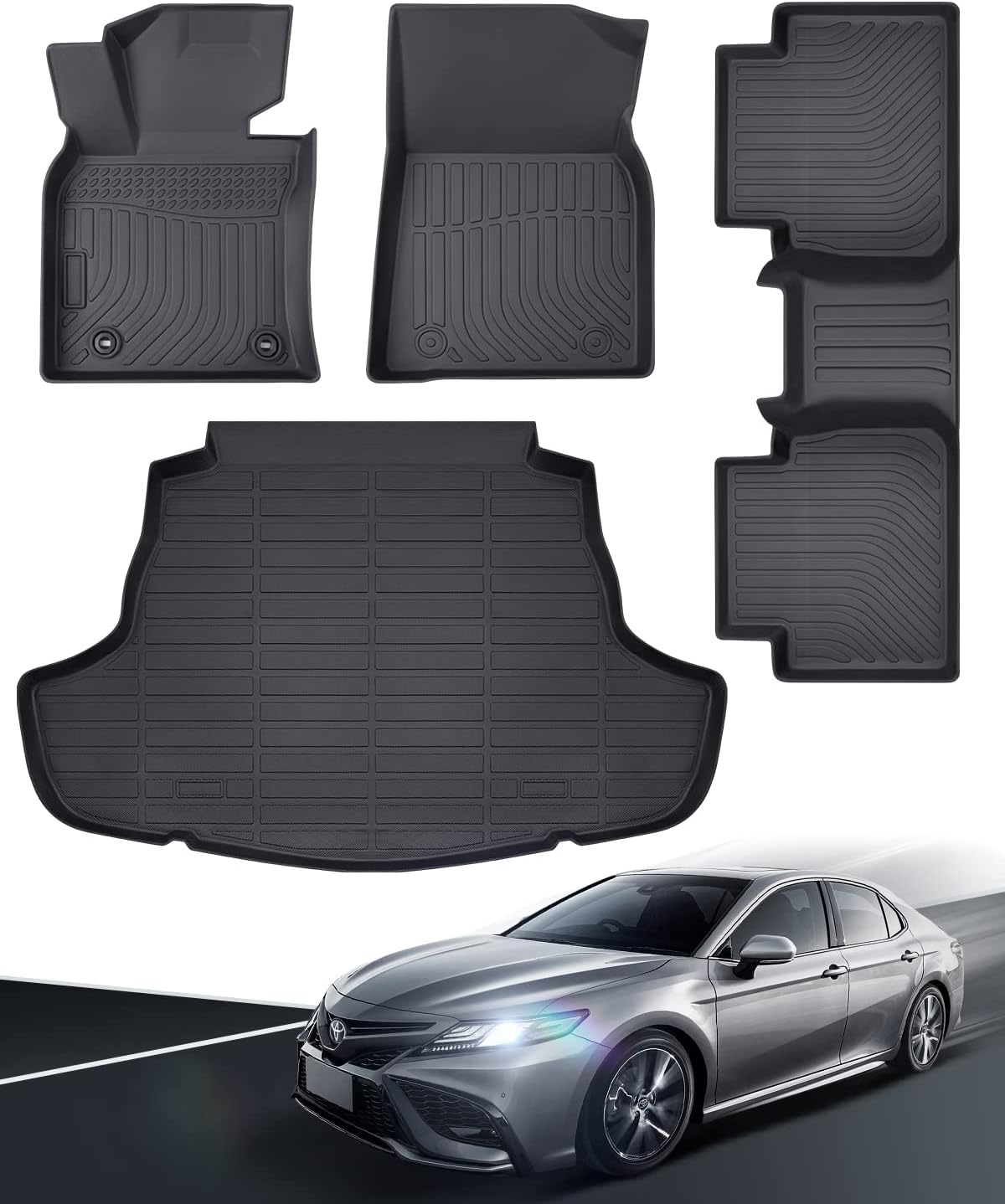
This custom floor mat and cargo liner set is designed to help protect the interior of Toyota Camry models from everyday messes like mud, spills, snow, and pet hair. Made for a precise fit on compatible 8th Gen FWD trims, it offers full coverage for both the cabin and trunk while remaining easy to remove, clean, and reinstall. The odorless TPE construction is built for all-weather durability and long-lasting comfort.
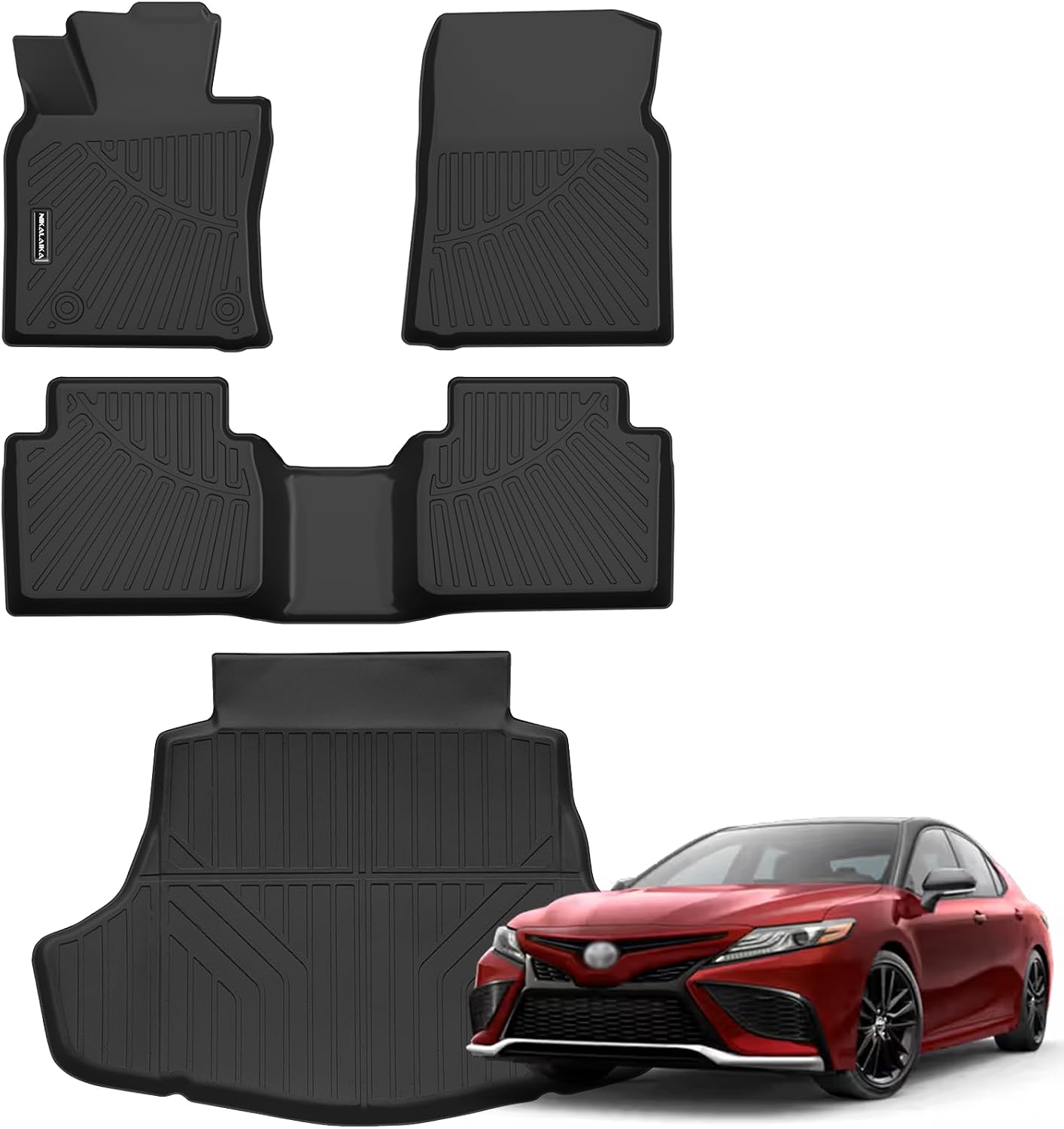
Designed for select Toyota Camry models, this custom floor mat and cargo liner set provides full-coverage protection without trimming. The all-weather TPE construction helps block water, mud, snow, and debris while staying flexible, odorless, and easy to clean. Raised edges, precision fitment, and secure retention help keep the mats in place and your vehicle’s interior looking neat.
How Design Changes Affect Performance and Functionality
While design changes may look cosmetic at first, they can change how a Camry drives and works. Wider bodies improved cabin room and helped the car feel more stable on the road. Shape changes also helped Toyota refine aerodynamics, noise control, and trunk design.
The fourth-generation Camry placed strong focus on interior comfort, rear-seat space, and a smooth ride. That practical approach helped it fit commuters, families, and long-distance drivers. Later redesigns added stiffer platforms, lower rooflines, and more athletic trim packages.
The Toyota New Global Architecture (TNGA) platform gave newer Camry models a lower center of gravity and a more planted feel. The TRD trim, introduced for the 2020 model year, added performance-focused parts such as a firmer suspension and more aggressive styling. These changes show how body design can affect both daily comfort and driving character.
[Products Worth Considering]

This mud flaps kit helps protect your Toyota Camry’s lower body panels from snow, salt, sand, rocks, and road debris thrown up by the wheels. Designed for SE and XSE Sport models, it offers a direct-fit install with included mounting hardware for a cleaner, more finished look. Built from durable ABS thermoplastic, it is made to handle harsh driving conditions while helping keep your vehicle cleaner.
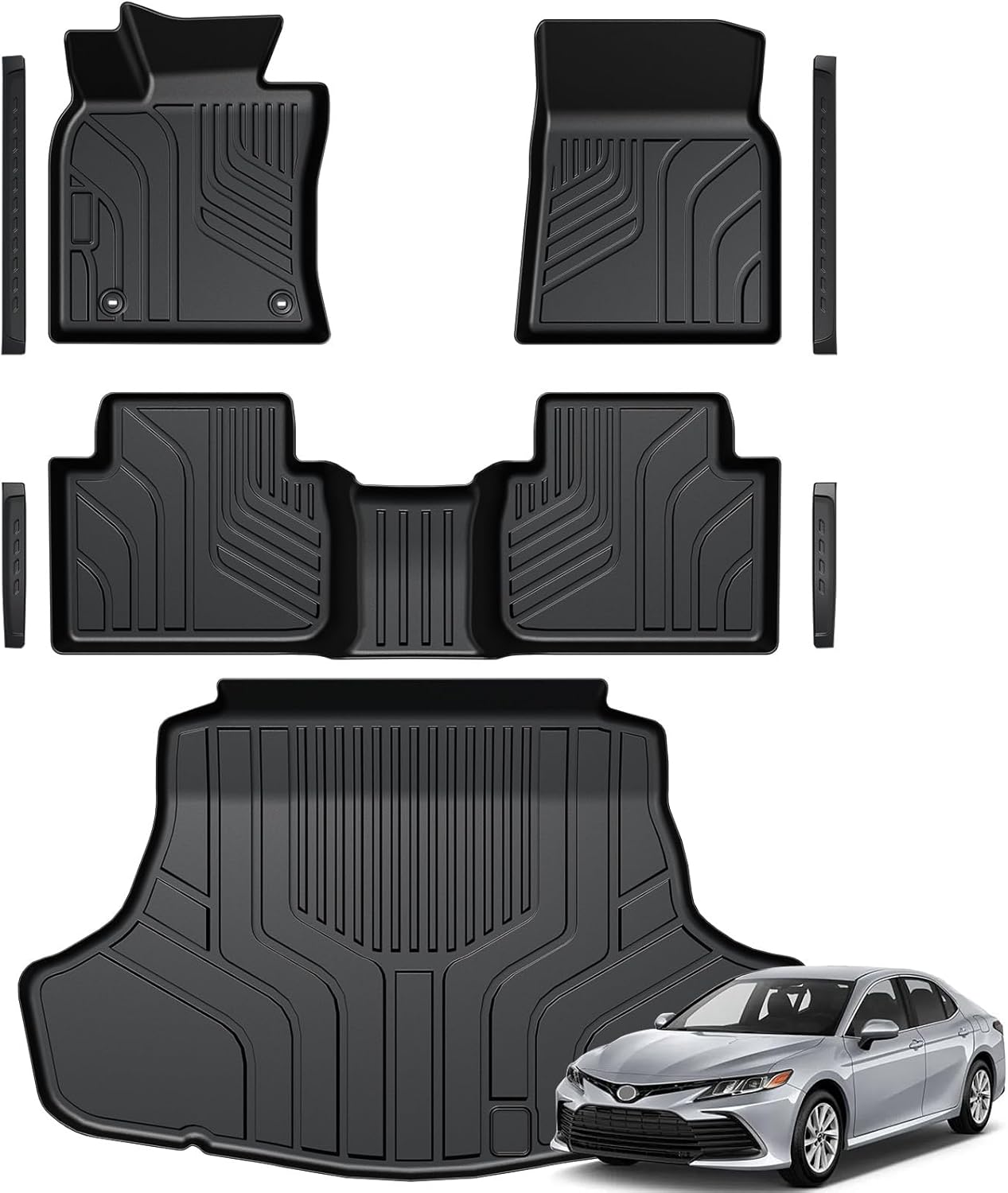
Custom-fit floor mats and accessories designed for 2018-2024 Toyota Camry gas FWD models provide full-coverage protection for the cabin, trunk, and door sills. Built with all-weather materials and raised edges, they help block dirt, spills, and debris while staying securely in place for everyday driving. The set is easy to install, simple to clean, and made to keep your vehicle looking neat and protected.
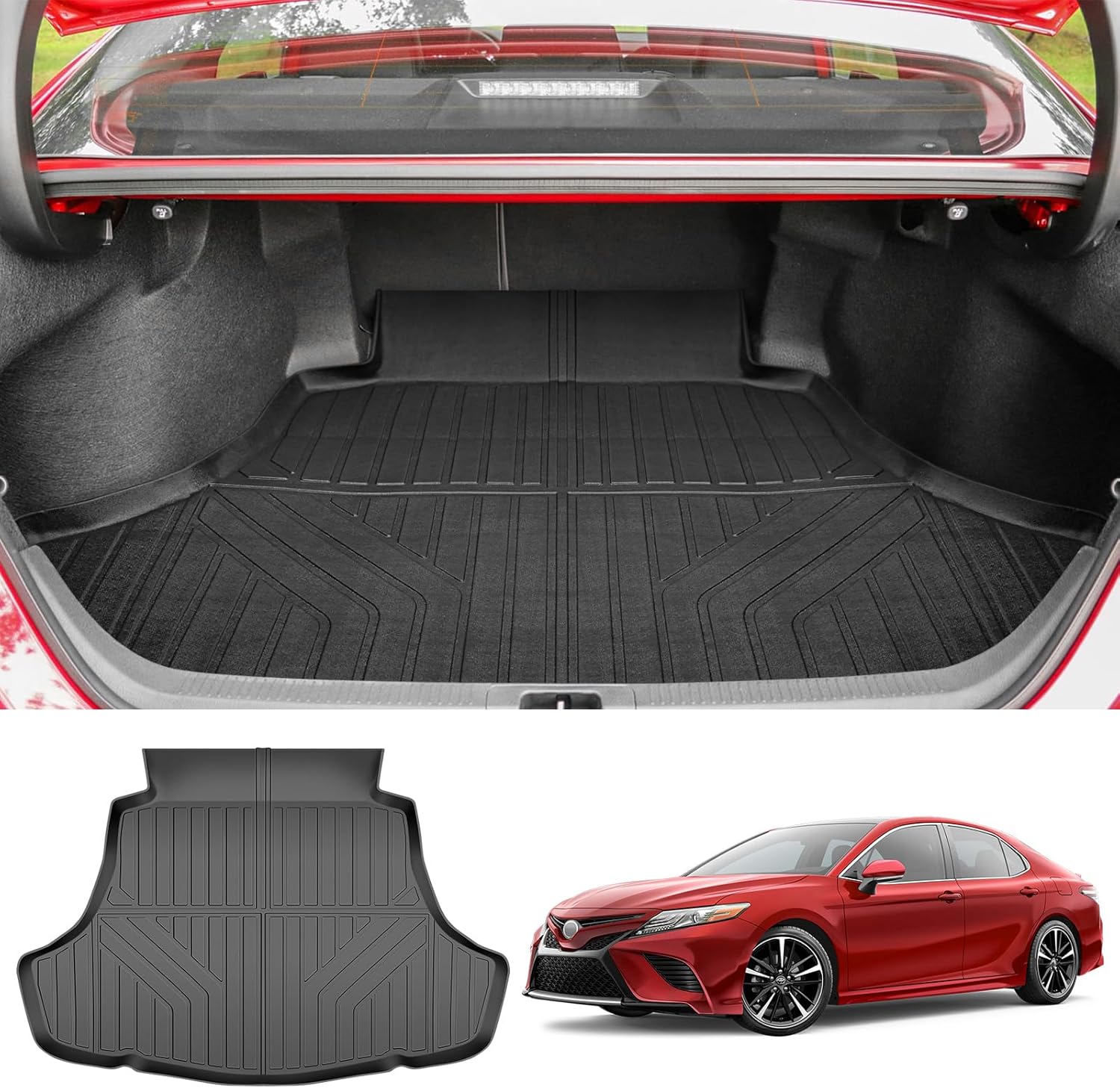
This custom-fit trunk mat is designed for select Toyota Camry and Avalon models to help protect your cargo area from dirt, spills, and everyday wear. Made from durable TPE, it offers all-weather coverage, easy cleaning, and simple tool-free installation for convenient interior protection.
Comparing Camry Body Styles: Sedans, Liftbacks, Wagons, Coupes, and Convertibles

Each Camry body style served a different kind of driver. The sedan became the long-term core of the lineup because it matched daily comfort, easy ownership, and family-friendly space. Older liftbacks and wagons gave buyers more cargo flexibility, while Solara models leaned into style and open-air driving.
- Sedan advantages: A roomy cabin, useful trunk, and strong fuel economy make sedans easy to live with.
- Liftback appeal: Early liftbacks mixed compact size with better cargo access than a traditional trunk.
- Wagon versatility: Wagon models gave families more space for luggage, gear, and road trips.
- Coupe style: Solara coupes offered a sleeker profile for buyers who wanted a sportier look.
- Convertible appeal: Solara convertibles added open-air driving while keeping Camry-based comfort.
For most buyers, the sedan offers the best mix of comfort, efficiency, and resale appeal. Collectors and used-car shoppers may still value the less common wagon, coupe, liftback, and convertible versions for their rarity.
[Products Worth Considering]

Designed for a precise fit in select Toyota Camry and Avalon models, this cargo mat helps protect your trunk area from spills, dirt, and daily wear. The all-weather TPU construction offers a durable, odorless, and easy-to-clean surface that supports year-round use. With a textured non-slip design and simple installation, it stays securely in place while adding convenient protection for your vehicle.

NGK Iridium IX spark plugs are designed to deliver a stable spark, reliable ignition, and long-lasting performance for compatible Toyota Camry 2.5L engines. The fine-wire iridium center electrode helps improve durability and efficient combustion, making these plugs a smart replacement choice for maintaining smooth engine operation. Sold in a convenient four-pack, they are built for consistent performance and dependable fitment.

KAX CA10171 premium engine air filter is designed as a direct replacement for select Toyota Camry and Venza models, helping maintain clean airflow to protect critical engine components. Its high-performance filter media delivers strong filtration efficiency and long service life for dependable everyday driving. With a precise rectangular fit and easy replacement design, it supports better acceleration, consistent performance, and improved fuel economy.
Why Toyota Focused the Camry Lineup on Sedans
Toyota narrowed the Camry lineup because the sedan became the model’s strongest identity. Sedans gave Toyota a clear way to compete in the midsize market with comfort, reliability, and value. They also helped keep production simpler than a lineup with several low-volume body styles.
Buyer tastes also changed. Crossovers and sport utility vehicles took over much of the space once served by wagons and liftbacks. Toyota could meet those needs with other models while keeping the Camry focused on sedan buyers.
What’s Next for Camry Body Styles?
What should you expect from future Toyota Camry body styles? The ninth-generation Camry keeps the sedan format and places stronger focus on hybrid power. That choice fits the Camry’s role as a practical midsize car rather than a niche coupe, wagon, or liftback.
You can also expect Toyota to keep using sharper styling to make the Camry feel less conservative. Sport-inspired trims, bold front-end designs, and efficient powertrains help the sedan stay relevant as many buyers move toward crossovers. The Camry’s next chapter will likely keep the same basic shape while improving comfort, tech, safety, and fuel economy.
Frequently Asked Questions
When Did the Toyota Camry Body Style Change?
The Toyota Camry changed body style several times across its generations. Major shifts included the move from compact sedan and liftback models in the 1980s to a wider midsize sedan format in the early 1990s.
What Are the Different Generations of Toyota Camry?
The Toyota Camry has gone through multiple generations since its U.S. launch for the 1983 model year. Each generation changed the car’s size, design, cabin layout, technology, and available powertrains.
What Year Was the Best Toyota Camry Built?
Many shoppers like the 2007 Toyota Camry because it launched a new generation and offered a strong available V6 engine. The best year for you depends on your budget, preferred features, repair history, and whether you want a gas or hybrid model.
Did Toyota Ever Make a Camry Wagon?
Yes, Toyota offered Camry wagon models in earlier generations. These wagons gave buyers more cargo room before crossovers became the default choice for many families.
Is the Toyota Camry Solara the Same as a Camry?
The Camry Solara shared roots with the Camry, but Toyota sold it as a separate coupe and convertible model. It gave buyers a sportier body style while keeping many Camry-like comfort traits.
Conclusion
The Toyota Camry’s body-style history shows how one nameplate adapted to changing driver needs. Its early sedan, liftback, wagon, coupe, and convertible choices helped Toyota test different paths, but the sedan became the Camry’s strongest form. If you want the most practical Camry today, focus on sedan trims, hybrid options, safety features, and service history. The Camry’s future looks set to build on that formula with more efficiency, sharper design, and familiar everyday comfort.