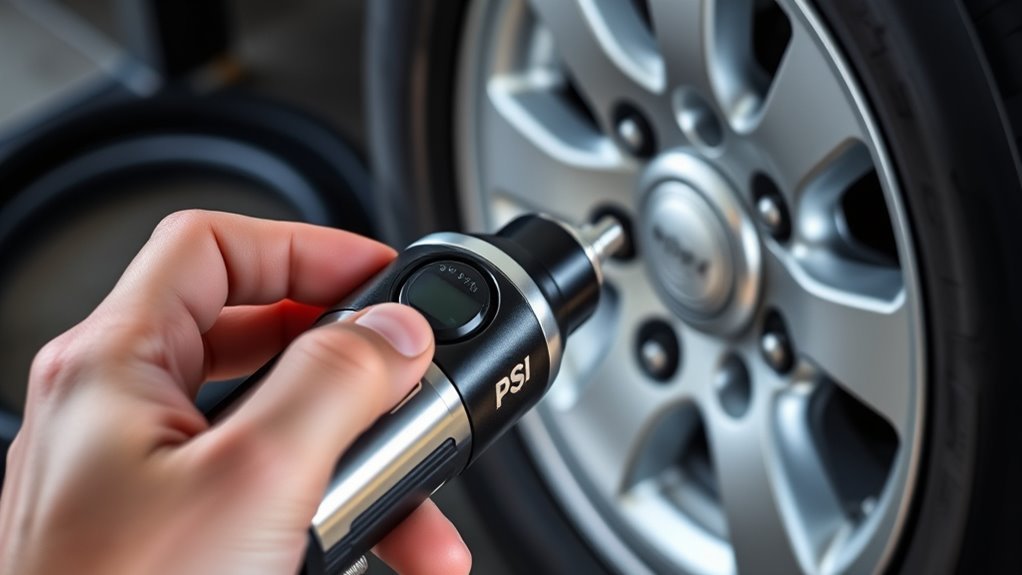
Bike tire valves look small, but choosing the wrong tube, pump head, or adapter can leave you unable to inflate a tire when you need it most. The two valve types most cyclists see are Presta and Schrader, with Dunlop/Woods valves still common in some regions. The best choice depends on your rim, tire, pump, and riding style—not on one valve being universally better than the other.
Quick Answer
Presta valves are narrow, common on road, gravel, performance, and many tubeless bike setups. Schrader valves are wider, car-style valves found on cars, kids’ bikes, city bikes, hybrids, and some mountain bikes. Match the valve to your rim hole first, then choose a pump or adapter that fits your valve.
Key Takeaways
- Presta valves are slimmer and fit smaller rim holes, which is useful on narrow and lightweight rims.
- Schrader valves are wider and easier to inflate with car-style pumps and many service-station air compressors.
- Tire pressure is not decided by the valve alone. Follow the pressure range from your tire, rim, or bike manufacturer.
- Rim compatibility matters. A Schrader tube usually will not fit a Presta-drilled rim, and a Presta tube in a larger Schrader hole should use the correct grommet or adapter.
- Many modern pumps fit both valves, but some mini pumps, CO₂ inflators, and older pumps require an adapter.
At a Glance
| Time Required | 1–3 minutes to identify a valve; 3–5 minutes to inflate a tire correctly. |
| Difficulty | Easy once you know your valve and pump head type. |
| Tools Needed | Compatible bike pump, pressure gauge, valve adapter if needed, and valve core tool for some tubeless or removable-core valves. |
| Cost | Usually $0 if your pump already fits; a Presta-to-Schrader adapter is typically inexpensive. |
Key Differences Between Presta and Schrader Valves: A Comparative Overview
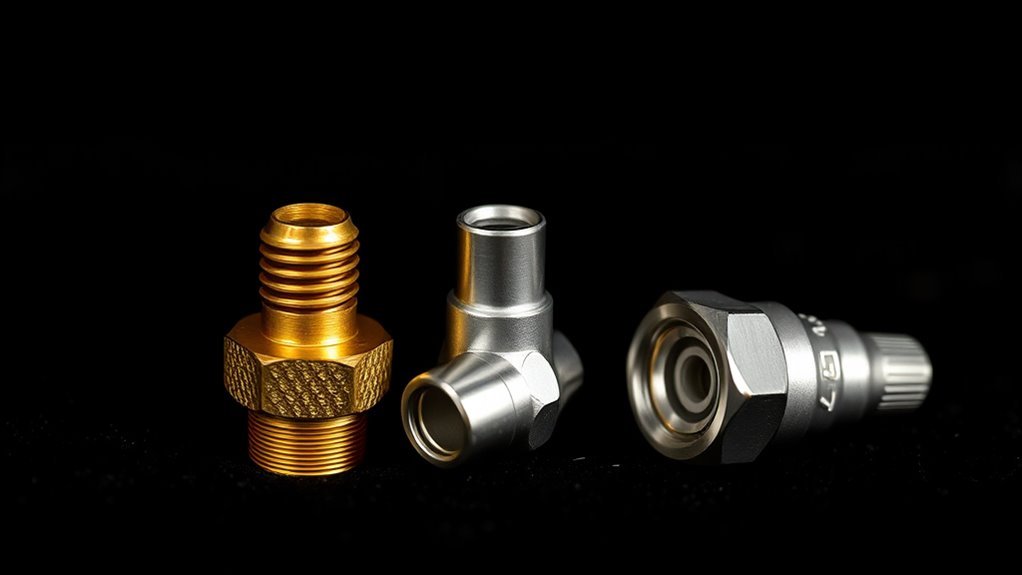
The easiest way to compare Presta and Schrader valves is to look at their size, rim fit, pump compatibility, and common uses. Schwalbe notes that the Sclaverand/Presta valve is narrower than other valves and is well suited to narrow racing-bike rims, while the Auto/Car valve is easy to inflate at filling stations.
| Feature | Presta Valve | Schrader Valve |
|---|---|---|
| Shape | Tall, slim metal stem with a small knurled nut at the tip. | Wider, car-style stem with a spring-loaded center pin. |
| Common bikes | Road, gravel, performance mountain bikes, many tubeless setups, and narrow rims. | Cars, motorcycles, kids’ bikes, city bikes, hybrids, and many entry-level bikes. |
| Rim hole | Smaller hole. Sheldon Brown lists common Presta valve holes at about 7 mm. | Larger hole. Sheldon Brown lists common Schrader valve holes at about 8.5–9 mm. |
| Inflation method | Unscrew the small top nut, tap it briefly to release air, attach the pump, inflate, then close the nut by hand. | Remove the cap, attach a Schrader-compatible pump head, and inflate. The center pin opens the valve. |
| Pressure | Common on high-pressure road tires, but safe pressure depends on the tire, rim, rider, and bike. | Common on lower-cost and utility bikes, but safe pressure still depends on the tire, rim, rider, and bike. |
| Maintenance | Many modern Presta valves have removable cores, especially tubeless valves, but not all do. | Schrader cores are removable with the right valve core tool. |
Warning: Do not choose tire pressure by valve type alone. Follow the pressure range printed on your tire and any rim or bike manufacturer limits. Overinflating can damage the tire, tube, or rim.
How to Identify Your Bike Valve Type
Look at the valve stem where it comes through the rim:
- Presta: slim metal valve with a small threaded tip. You must loosen the tiny top nut before inflating.
- Schrader: wider valve that looks like a car tire valve. It has a small spring-loaded pin in the center.
- Dunlop/Woods: usually about as wide as a Schrader valve at the base, but it often looks more like a short Presta-style valve at the top. It is still common in parts of Europe and Asia.
If you are buying a spare tube, match three things: wheel size, tire width, and valve type. If your wheels are deep-section rims, also check that the valve stem is long enough to stick out far enough for your pump head.
Presta Valves: Features and Advantages for Cyclists
Presta valves are popular on road bikes, gravel bikes, many higher-end mountain bikes, and many tubeless systems. Their narrow body allows a smaller rim hole, which is helpful on narrow and lightweight rims. That is one reason Presta valves are common on performance wheels.
Main advantages of Presta valves include:
- Smaller rim hole: A narrower valve hole can be helpful on slim or lightweight rims.
- Good high-pressure compatibility: Presta valves are common on road tires that run higher pressure, though the tire and rim still set the safe pressure limit.
- Tubeless-friendly options: Many tubeless Presta valves use removable cores, which makes it easier to add sealant or replace a clogged core.
- Long valve options: Presta valves are widely available in longer lengths for deep-section road and aero rims.
Note: Not every Presta valve has a removable core. Before buying valve extenders or adding sealant through the valve, check whether the core has small flat sides for a valve core tool.
[Products Worth Considering]
This standard blade fuse assortment kit provides a convenient selection of common amp ratings to help protect vehicle electrical systems from overloads, short circuits, and wiring damage. With transparent, color-coded housings and clearly marked ratings, it makes blown fuse replacement fast and easy for cars, trucks, boats, RVs, and other DC applications. The durable compact case keeps the fuses organized for reliable storage and quick access when needed.
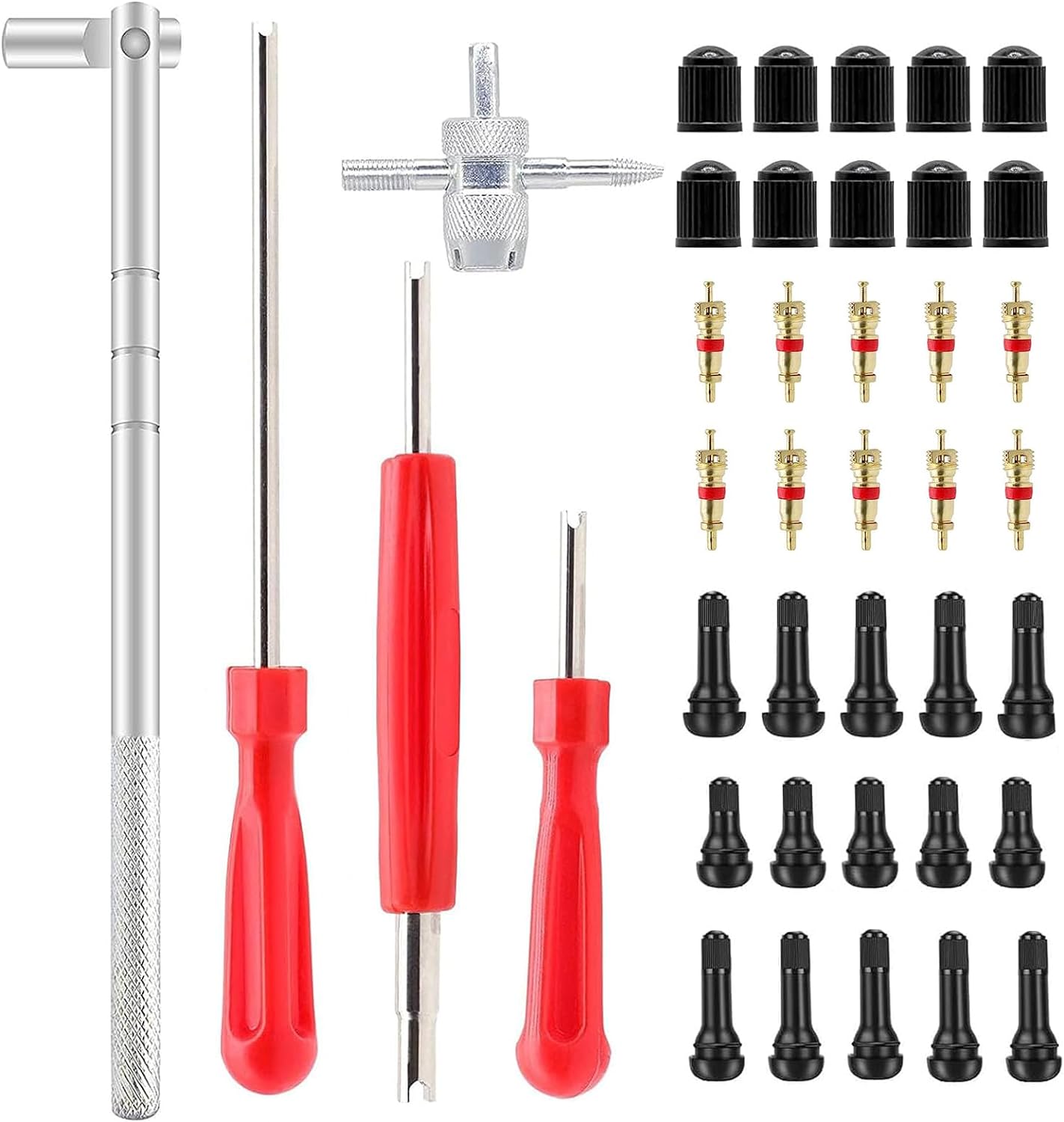
This tire repair kit combines a valve stem puller installer with multiple snap-in valve stems and valve core tools to help you service tubeless tires quickly and efficiently. It is designed to make removing and installing valve stems easier while reducing the risk of wheel or stem damage. Compatible with a wide range of vehicles, it is a practical all-in-one solution for routine tire maintenance and roadside repairs.

Package include: 20 pieces presta valve cores you will get in the bag, enough for your bicycle, you can also share them with your family and friends, they are good bicycle necessities
Schrader Valves: Common Uses and Benefits
Schrader valves are the same general style used on car and motorcycle tires. They are wider than Presta valves and are common on many kids’ bikes, city bikes, hybrids, entry-level mountain bikes, and utility bicycles. Continental notes that Sclaverand/French, Dunlop, and Schrader valve options are used across different bicycle tube types, with Sclaverand more common in road and mountain categories and Dunlop/Schrader more common in urban and touring contexts.
[Products Worth Considering]
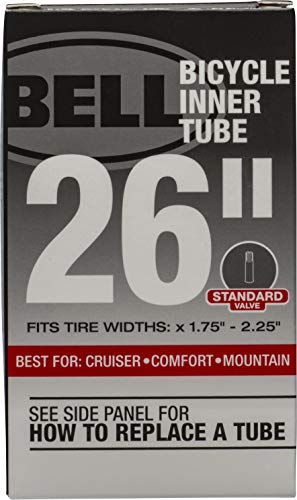
Fits 26" Tires - Sized for 26" x 1.75-2.25" tires; ideal for cruiser and mountain bikes

SIZE: 32mm Schrader valve (Regular valve) 20" x 1.75"-2.125" Fit 20x1.75 20x1.90 20x1.95 20x2.0 20x2.10 20x2.125 wheel
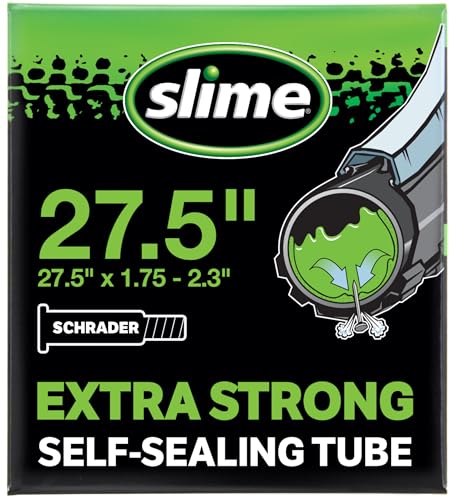
These are no ordinary bicycle tubes! These extra strong inner tubes stop flats for 2 years because there is Slime inside.
Automotive Compatibility Advantages
The biggest advantage of Schrader valves is convenience. Because they match car-style pump heads, they can often be inflated with service-station air hoses or automotive inflators. This makes them simple for beginners and useful for everyday bikes.
Schrader valves also have a sturdy, familiar design. The spring-loaded center pin controls airflow, and the valve is usually less delicate during pump attachment than a Presta valve’s thin top pin.
Simplified Inflation Process
Inflating a Schrader valve is usually straightforward: remove the cap, press the pump head firmly onto the valve, lock the pump head if it has a lever, and inflate to the correct pressure. When you remove the pump, the internal spring-loaded pin closes the valve.
| Feature | Schrader Valves |
|---|---|
| Common Uses | Automobiles, motorcycles, kids’ bikes, hybrids, city bikes, and some mountain bikes |
| Inflation Mechanism | Spring-loaded center pin |
| Rim Hole Size | Larger than Presta |
| Pump Compatibility | Works with Schrader bike pumps and many car-style inflators |
| Ideal For | Novice riders, utility bikes, and riders who want easy inflation access |
Rim Hole Compatibility: Presta vs Schrader
Your rim usually decides which valve type you should use. A Presta valve is narrower than a Schrader valve, so the rim hole is smaller. Sheldon Brown’s bicycle tube reference lists common Presta valve holes at 7 mm and common Schrader valve holes at 8.5–9 mm.
- Presta tube in a Schrader rim: It may fit, but the valve can move around in the larger hole. Use the correct rubber grommet or adapter to support the valve stem.
- Schrader tube in a Presta rim: It usually will not fit unless the rim is drilled larger. Do not drill a rim unless the rim manufacturer or a qualified mechanic confirms it is safe.
- Wrong fit warning: A loose valve in an oversized rim hole can tear at the base, especially if the tire slips on the rim.
Warning: Do not force a valve into the wrong rim hole. If a Presta valve is used in a larger Schrader hole without support, sharp rim edges can damage the tube near the valve stem.
Dunlop/Woods and Newer Valve Options
Presta and Schrader are the two valve types most riders compare, but they are not the only bicycle valves. Dunlop, also called Woods, is another classic bicycle valve type. It is still common in some markets and is often found on city or utility bikes.
There are also newer systems designed to make inflation easier. For example, Schwalbe’s Clik Valve is designed around a click-on pump connection and conversion kits for existing valve setups. You do not need to switch to a newer system to ride safely, but it is worth knowing these options exist if you struggle with traditional pump heads.
Choosing the Best Bicycle Pump for Your Valve Type
The best pump is the one that fits your valve, reaches your target pressure, and is easy to use without bending or damaging the valve stem. Before buying a pump, check whether it supports Presta, Schrader, or both. Continental also recommends checking whether your pump matches your valve type.
Common pump head types include:
- Dual-head pump: Has separate openings for Presta and Schrader valves. This is common on floor pumps.
- Smart-head or universal-head pump: Automatically fits Presta and Schrader valves without swapping parts.
- Reversible pump head: Uses a rubber insert that you flip around depending on the valve type.
- Presta-to-Schrader adapter: A small adapter that lets a Schrader pump inflate a Presta valve after the Presta valve is opened.
- CO₂ inflator: Convenient for rides, but always confirm whether the inflator fits your valve before carrying it as your only option.
Pro Tip: Keep a tiny Presta-to-Schrader adapter in your saddle bag if you ride Presta valves. It can let you use a service-station pump or a friend’s Schrader-only pump in an emergency.
[Products Worth Considering]

COMFORTABLE HANDLE because of ergonomically designed air pump for bike handle.

Twin Valve Design - Newly designed valve head can easily switch between Presta and Schrader valves and without any air leaks; No more reverse!
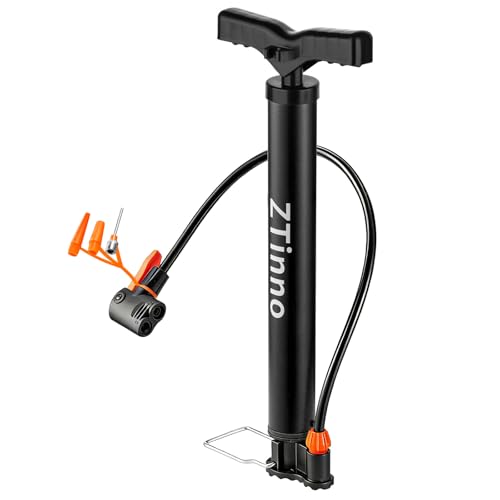
PORTABLE & PRACTICAL: This floor bicycle pump is your easy-carry inflation kit, at just 12.6 inches long and 0.49 lb. Whether you're at home or on the go, it tucks neatly into your car trunk, garage shelf, or backpack
How to Inflate Presta and Schrader Valves
How to Inflate a Presta Valve
- Remove the valve cap.
- Unscrew the small knurled nut at the top of the valve. Do not remove it completely.
- Tap the tip briefly to make sure the valve opens.
- Press the Presta-compatible pump head straight onto the valve.
- Lock the pump head if it has a lever.
- Inflate to the pressure recommended for your tire and rim.
- Remove the pump head straight off the valve to avoid bending the pin.
- Finger-tighten the small top nut, then replace the valve cap if you use one.
How to Inflate a Schrader Valve
- Remove the valve cap.
- Press the Schrader-compatible pump head firmly onto the valve.
- Lock the pump head if it has a lever.
- Inflate to the correct tire pressure.
- Remove the pump head quickly and straight.
- Replace the valve cap to keep dirt out of the valve.
Michelin’s bicycle tire pressure guide explains that bicycle tire pressure should be adapted to the tire, tire width, use, rider weight, and bicycle. That is why the same valve type can appear on very different tire-pressure setups.
Essential Maintenance Tips for Presta and Schrader Valves

Valve maintenance is simple, but it prevents slow leaks, pump-head problems, and damaged valve stems.
- Keep valve caps on when possible. Caps help keep dirt out of Schrader pins and Presta threads.
- Check for bent Presta pins. A bent top pin can make inflation difficult or cause leakage.
- Use finger pressure only on rim nuts. Schwalbe advises that rim nuts should only be tightened by hand, never with pliers.
- Replace clogged removable cores. Tubeless sealant can clog valve cores, especially on Presta tubeless setups.
- Use the right core tool. A tool such as the Park Tool VC-1 is designed for removing and installing Schrader and Presta valve cores.
- Inspect the valve base. Cracks, bulges, or tearing near the stem usually mean the tube should be replaced.
Note: A rim nut is mainly there to steady the valve while inflating and reduce rattling. Tightening it too hard can damage the tube or make valve-stem problems worse.
Common Valve Problems and Quick Fixes
| Problem | Likely Cause | Fix |
|---|---|---|
| Pump will not attach | Wrong pump head or pump head insert is reversed. | Check whether the pump is set for Presta or Schrader. Use an adapter if needed. |
| Air leaks while pumping | Pump head is not seated straight, gasket is worn, or valve core is loose. | Reseat the pump head, inspect the pump gasket, and gently tighten a removable core with the right tool. |
| Presta pin bends | Pump head was pushed on or pulled off at an angle. | Attach and remove the pump straight. Replace the tube or valve core if the pin no longer seals. |
| Slow leak after adding sealant | Tubeless sealant may have clogged or contaminated the valve core. | Remove and clean or replace the valve core. |
| Valve tears near the rim | Tube movement, low pressure, wrong rim-hole fit, or overtightened rim nut. | Replace the tube, check rim compatibility, use the correct grommet if needed, and tighten rim nuts only by hand. |
How Do Presta and Schrader Valves Compare?
Pressure Retention Differences
A good Presta or Schrader valve can hold air well when it is in good condition. Real-world pressure loss usually comes from the tube, tire casing, tubeless seal, removable core, pump connection, or small punctures—not simply from the valve name.
Presta is often associated with high-pressure road tires because it fits narrow rims and performance wheels. Schrader is often associated with lower-cost and utility bikes because it is simple and widely compatible. However, you should always set pressure based on the tire and rim system.
Design and Compatibility Factors
Choose Presta when your rim is drilled for Presta, when you use narrow or performance rims, or when your tubeless setup requires Presta-style tubeless valves. Choose Schrader when your rim is drilled for Schrader and you want easy compatibility with car-style inflators.
If your household has bikes with both valve types, a dual-head or smart-head floor pump is usually the easiest choice. It avoids the frustration of keeping separate pumps around and makes it easier for every rider to check pressure before a ride.
Frequently Asked Questions
What are the 3 main bike valve types?
The three classic bike valve types are Presta, Schrader, and Dunlop/Woods. Presta is slim and common on road, gravel, performance, and many tubeless bikes. Schrader is wider and car-style. Dunlop/Woods is still common on utility bikes in some regions.
Are Presta valves better than Schrader valves?
Presta valves are better for many narrow, lightweight, high-pressure, and tubeless bicycle rims. Schrader valves are better for simple inflation access and car-style pump compatibility. The better valve is the one that matches your rim, tire, and pump needs.
Can I use a Presta tube in a Schrader rim?
A Presta tube can physically fit through a larger Schrader rim hole, but it should be supported with the correct grommet or adapter. Without support, the valve can move in the oversized hole and may tear near the tube.
Can I use a Schrader tube in a Presta rim?
Usually no. A Schrader valve is wider and normally will not fit through a Presta-drilled rim. Do not drill a rim larger unless the rim manufacturer or a qualified bike mechanic confirms it is safe.
How do I tell if a pump is Presta or Schrader?
A Schrader pump head is wider and usually has a center pin that presses the valve open. A Presta pump head is narrower and seals around the slim Presta stem. Many modern pumps have dual-head, smart-head, or reversible-head designs that work with both.
Do Presta valves always have removable cores?
No. Many modern Presta valves, especially tubeless valves, have removable cores, but some tubes do not. A removable Presta core usually has small flat sides near the top where a valve core tool can grip it.
Does valve type determine tire pressure?
No. Valve type does not set the safe tire pressure by itself. Use the pressure range from your tire and rim manufacturer, then adjust for rider weight, tire width, surface, and riding style.
Conclusion
Presta and Schrader valves both work well when they match the rim, pump, and riding setup. Choose Presta for narrow rims, many performance wheels, and many tubeless systems. Choose Schrader for simple car-style pump compatibility and everyday utility bikes. Most problems come from mismatched pump heads, unsupported rim holes, bent Presta pins, loose or clogged valve cores, or incorrect tire pressure—not from the valve type alone.
Before your next ride, check the valve type, confirm your pump fits, inflate to the correct pressure range, and carry the right spare tube or adapter. That small habit can prevent a flat tire from becoming a long walk home.
Sources
- Schwalbe — Bike Tire Valves — valve types, Sclaverand/Presta rim-hole guidance, rim nut cautions, and Clik Valve information.
- Sheldon Brown — About Bicycle Inner Tubes — Presta and Schrader rim-hole size guidance.
- Continental Tires — Bicycle Tubes — common valve options and pump compatibility reminder.
- Park Tool — Tire and Tube Removal and Installation — common bicycle valve stem types.
- Park Tool — VC-1 Valve Core Tool — Presta and Schrader valve core maintenance.
- Michelin — Bicycle Tire Pressure Guide — tire pressure depends on tire, width, rider weight, bike, and use.