When it comes to tire valves, you’ll typically encounter Presta and Schrader types. Presta valves are taller and designed for high-performance bikes, capable of holding up to 125 psi. They feature a removable core for maintenance. In contrast, Schrader valves are bulkier, common in cars and easier for novice cyclists to use, but handle lower pressures. Choosing the right pump depends on your valve type, and knowing these differences can enhance your cycling experience. More insights lie ahead.
Key Differences Between Presta and Schrader Valves: A Comparative Overview
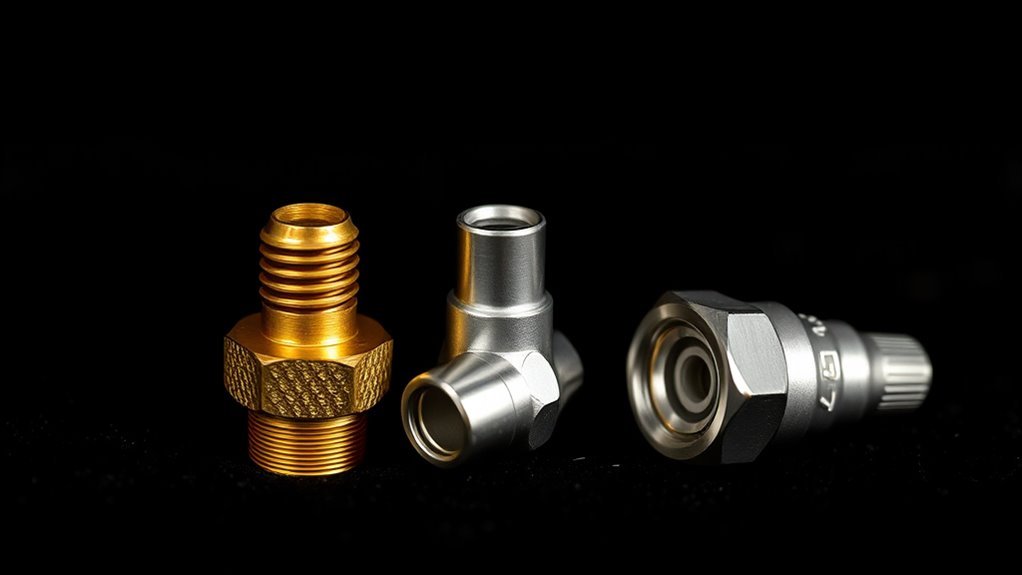
When you’re choosing between Presta and Schrader valves, it’s essential to understand their key differences, as each type is optimized for specific applications. Presta valves are taller and slimmer, designed for bicycles, allowing higher air pressure tolerance up to 125 psi. In contrast, Schrader valves, similar to those in car tires, accommodate lower pressures and require a larger rim hole, which may compromise rim integrity on lightweight designs. The removable valve core of Presta valves simplifies maintenance, letting you add tire sealants without replacing the entire tube, unlike Schrader valves. Additionally, inflating Presta valves involves loosening a knurled nut, while Schrader valves require pressing a pin, making bike pumps more versatile for specific needs.
Presta Valves: Features and Advantages for Cyclists
Presta valves offer several features and advantages that make them the ideal choice for cyclists, particularly in performance and road biking. Their sleek, tall design fits smaller rim holes, enhancing rim integrity and reducing weight. Here are three key reasons to choose Presta valves:
- Higher Air Pressure: Withstanding pressures up to 125 psi, they keep your tires firm and responsive.
- Easy Maintenance: The removable valve core allows for quick adjustments and the addition of sealants, perfect for tubeless setups.
- Secure Fit: The knurled nut guarantees a tight seal on the rim, minimizing air loss and maintaining pressure.
Schrader Valves: Common Uses and Benefits
Schrader valves are the go-to choice for most car and motorcycle tires, making them incredibly convenient for you to inflate at service stations and convenience stores. Their spring-loaded design guarantees secure inflation without air loss, simplifying the process for users. With a standard quarter-inch diameter, Schrader valves balance compatibility and ease of use, especially for budget-friendly bikes.
Automotive Compatibility Advantages
Although you might encounter various tire valve types, Schrader valves stand out due to their widespread compatibility with automotive applications. They’re the standard for automotive tires, allowing for seamless inflation at service stations and compatibility with diverse inflating devices. Here are three key advantages:
- Durability: Schrader valves are robustly constructed, making them less fragile than Presta valves.
- Universal Use: Most modern bike pumps can easily accommodate Schrader valves, facilitating inflation at home or on the go.
- Accessibility: They’re commonly found on budget-friendly bicycles, making them ideal for novice riders.
With their one-way air flow design, Schrader valves guarantee reliable air retention, empowering you to maintain peak tire pressure effortlessly.
Simplified Inflation Process
When it comes to inflating tires, Schrader valves offer a straightforward and efficient process that benefits both novice and experienced cyclists. Their design, featuring a spring-loaded check mechanism, allows air to flow easily in one direction, streamlining the inflation process. Compatible with standard bicycle pumps and common air compressors, they make it convenient for you to inflate your tires, especially on budget-friendly mountain, hybrid, and city bikes. While Schrader valves require a larger rim hole compared to Presta valves, their accessibility at gas stations enhances your inflation options.
| Feature | Schrader Valves |
|---|---|
| Common Uses | Automobiles, bicycles |
| Inflation Mechanism | Spring-loaded check |
| Rim Hole Size | Larger than Presta |
| Pump Compatibility | Standard bicycle pumps |
| Ideal For | Novice cyclists |
Choosing the Best Bicycle Pump for Your Valve Type
How do you choose the best bicycle pump for your valve type? Start by identifying whether you have Presta or Schrader valves, as compatibility is essential. Here’s what to take into account:
- Dual-head designs: These pumps let you inflate both valve types seamlessly, saving you time and hassle.
- Adjustable pumps: They adapt automatically to your valve, providing a versatile choice for multi-bike households.
- Check specifications: Verify the pump head is specifically compatible with your valves to avoid frustration during inflation.
With the right pump, you can liberate yourself from the stress of flat tires and enjoy your rides without worry. Investing in a quality pump tailored to your valve type transforms your cycling experience and keeps you on the road.
Essential Maintenance Tips for Presta and Schrader Valves

To keep your bicycle running smoothly, regular maintenance of Presta and Schrader valves is crucial. Start by checking the valve cores on your Presta valves for any clogging, as this can hinder air retention and may necessitate replacement. Make sure the knurled nut on Presta valves is tightened securely against the rim to maintain an ideal seal. For Schrader valves, inspect the rubber valve stem for wear or damage; a compromised stem can lead to air leaks. Use a valve tool to easily remove Schrader valve cores when adding sealants or making repairs. Finally, keep a set of valve caps handy for both valve types to protect them from dirt and debris that can interfere with inflation and air retention.
How Do Presta and Schrader Valves Compare?
When comparing Presta and Schrader valves, you’ll notice key differences in pressure retention and design compatibility. Presta valves excel in high-pressure applications and have a more complex design that allows for maintenance, while Schrader valves are simpler but require a larger rim hole. Understanding these factors will help you choose the right valve type for your specific needs.
Pressure Retention Differences
Pressure retention is a critical factor for any cyclist, and it significantly varies between Presta and Schrader valves. If you’re aiming for peak performance, consider these key differences:
- Presta valves can handle air pressures up to 125 psi, ideal for high-performance bicycles.
- Their narrow design creates a tighter seal, enhancing long-term pressure retention compared to the less effective Schrader valves.
- Presta valves feature a removable core, allowing for maintenance and the addition of sealant, which isn’t possible with Schrader valves.
Ultimately, if you’re seeking reliability in pressure retention, Presta valves stand out due to their superior materials and design, ensuring your ride remains smooth and efficient. Choose wisely for the freedom of the open road!
Design and Compatibility Factors
Understanding the differences in valve design and compatibility is essential for choosing the right tire setup for your bike. Presta valves, narrower and taller, fit smaller rim holes, supporting lightweight rims and enhancing rolling resistance. They can hold higher air pressures—up to 125 psi—making them ideal for high-performance bikes. In contrast, Schrader valves require larger rim holes and are easier for novices to inflate with standard pumps. Compatibility matters; Presta valves can adapt to Schrader rims with an adapter, but not vice versa. Maintenance requirements differ too: Presta valves often have removable cores for sealants, while Schrader valves, with their simpler design, might need special tools for core removal. Choose wisely to optimize your ride.
Frequently Asked Questions
What Are the 3 Main Bike Valve Types?
The three main bike valve types are Presta, Schrader, and Woods. Understanding valve compatibility issues and installation techniques guarantees ideal air pressure, while historical development highlights performance comparisons for effective bicycle tire maintenance and valve replacement tips.
Are Presta Valves Better Than Schrader?
“You get what you pay for.” Presta valves offer advantages in performance, inflation efficiency, and maintenance, especially for high-performance bikes. Schrader valves excel in convenience, but compatibility issues can impact your riding experience greatly.
What Are the Different Types of Tire Valves?
You’ve got Schrader, Presta, Woods, and Regina valves. Each type has its valve compatibility issues, valve material differences, and unique valve inflation techniques. Keep an eye out for valve failure signs and incorporate valve maintenance tips regularly.
How to Tell if a Pump Is Presta or Schrader?
To determine pump compatibility, check the nozzle type; Presta nozzles are narrow and threaded, while Schrader nozzles are wider. For valve identification, remember inflation pressure differences and utilize valve care instructions for ideal bicycle maintenance tips.
Conclusion
In conclusion, understanding tire valve types like Presta and Schrader is essential for any cyclist. Each valve has its unique strengths, catering to different needs and preferences. Whether you’re pumping up your tires or performing routine maintenance, knowing how to work with these valves can keep your ride smooth and efficient. So, as you hit the road, remember: the right valve can make all the difference between a flat tire and a thrilling adventure.