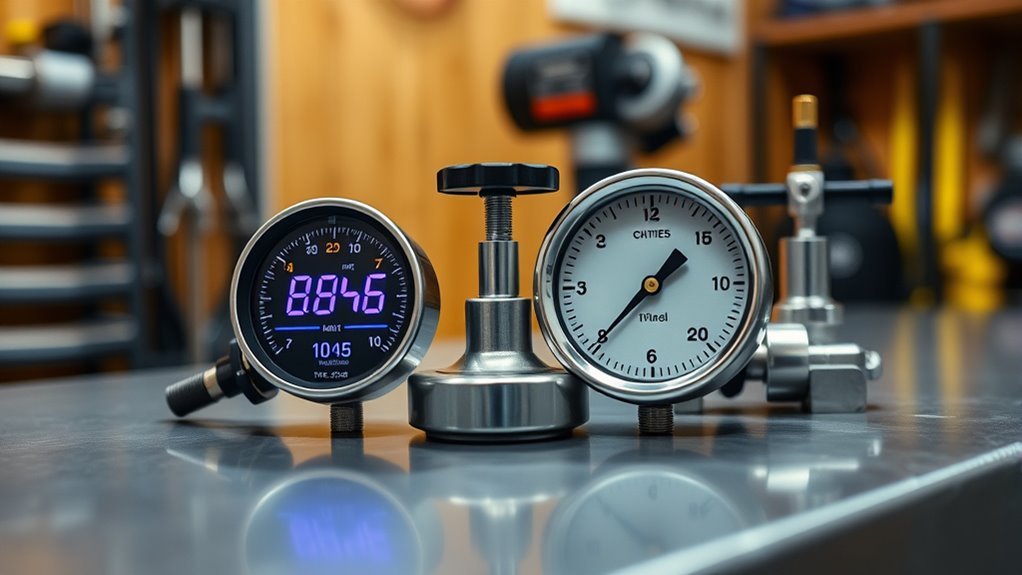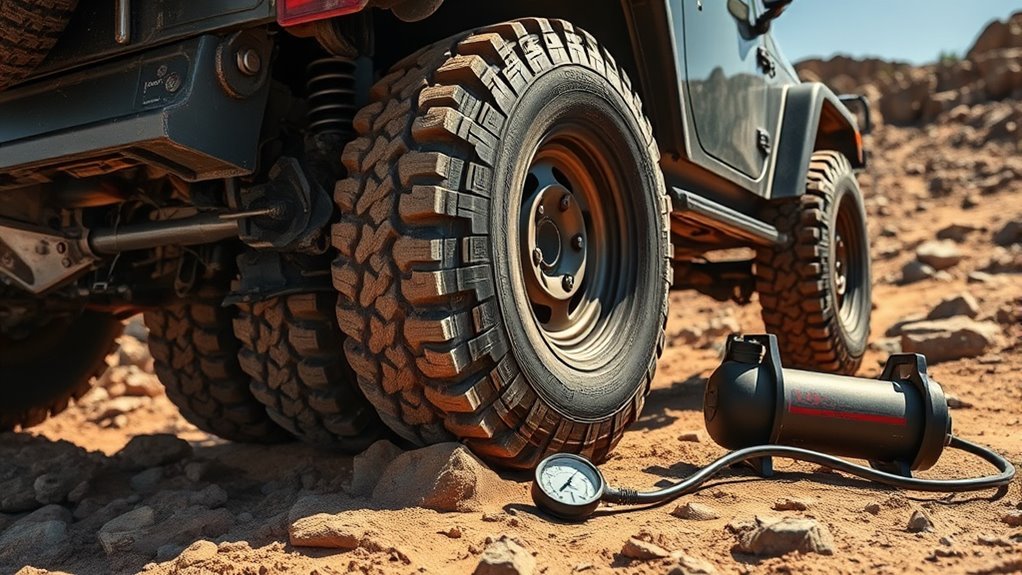
For off-road driving, tire pressure can make the difference between floating over soft sand and digging yourself into a hole. The right off-road tire pressure depends on your vehicle weight, tire size, wheel setup, speed, and terrain, so treat every PSI number below as a safe starting point—not a universal rule.
Quick Answer
For most 4x4s, start around 12-15 PSI for deep sand or snow, 15-20 PSI for mud, 15-25 PSI for rocks, and a 10-25% reduction for mild dirt roads. Reinflate to the vehicle placard pressure before pavement or higher speeds.
Key Takeaways
- Airing down increases the tire’s contact patch, which helps traction and ride comfort on loose or uneven terrain.
- There is no single best off-road PSI. Tire type, vehicle weight, cargo, speed, wheel diameter, and terrain all matter.
- Very low pressures increase the risk of bead unseating, sidewall damage, heat buildup, and poor handling.
- Always reinflate before driving on pavement, and recheck the pressure when the tires are cold.
At a Glance
| Time Required | 5-15 minutes to air down; 10-30 minutes to reinflate, depending on compressor size and tire size. |
| Difficulty | Beginner-friendly if you use a reliable gauge and stay conservative with PSI. |
| Tools Needed | Tire pressure gauge, tire deflator, portable air compressor, valve caps, tire plug kit, and full-size spare. |
| Cost | Usually $20-$150+ for basic deflation and inflation tools, depending on compressor quality. |
Understanding the Importance of Tire Pressure for Off-Roading
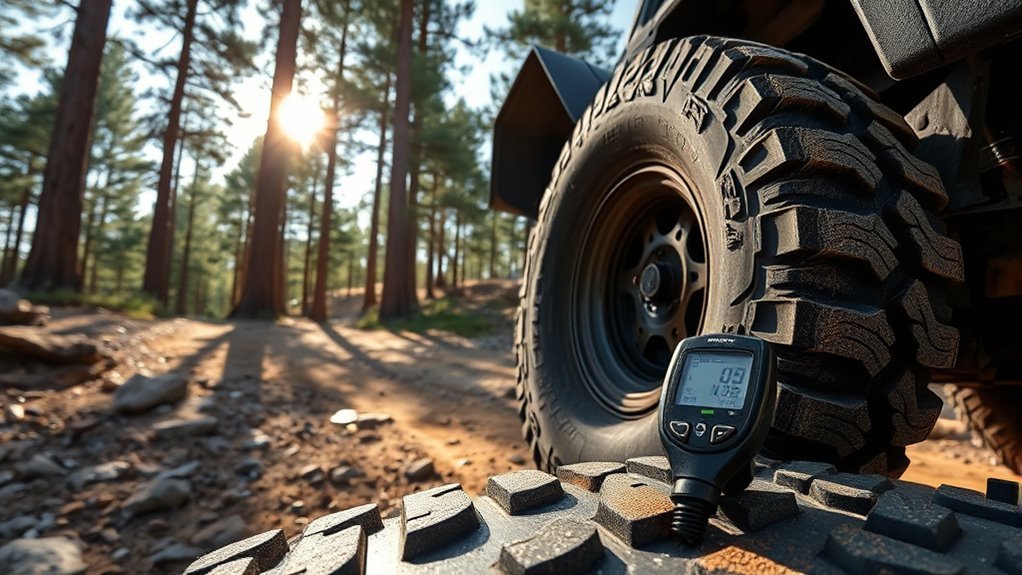
Tire pressure changes how much of the tire touches the ground. When you air down, the tire flexes more and the contact patch gets longer. That can improve grip on sand, mud, snow, gravel, and rocks while also softening the ride over bumps.
On pavement, use the recommended cold inflation pressure listed on the vehicle tire placard or in the owner’s manual. NHTSA explains that the correct road pressure comes from the vehicle manufacturer, not the maximum pressure printed on the tire sidewall.
Warning: Aired-down tire pressure is for slow off-road use only. Reinflate before driving on pavement, highway speeds, or long graded roads where heat buildup and poor handling can become dangerous.
If you have changed tire size, load range, wheels, or vehicle weight, the factory placard may no longer describe your full setup. BFGoodrich recommends getting the correct pressure calculated for upgraded tire setups instead of guessing.
What Does It Mean to Air Down Your Tires?
Airing down means intentionally lowering tire pressure before off-road driving. The goal is to let the tire conform to the terrain instead of bouncing across it. That extra flex can help the tire float on sand, wrap around rocks, and grip loose soil.
For mild dirt roads, many drivers start by lowering pressure 10-25% from normal road pressure. For sand, mud, snow, or rocks, a terrain-based PSI target is usually more useful. The key is to make small adjustments, check all four tires with a gauge, and avoid going so low that the tire bead can separate from the wheel.
Key Benefits of Airing Down Tires Before Off-Roading
- More traction: A longer contact patch helps the tire grip loose surfaces instead of spinning.
- Better flotation: Lower pressure spreads vehicle weight over more tire surface, which helps in sand and snow.
- Smoother ride: Softer tires absorb small bumps, rocks, and washboard roads better than fully inflated tires.
- Less trail shock: More sidewall flex can reduce harsh impacts transferred to the suspension.
- More control at slow speed: The vehicle can feel less bouncy and more planted on uneven terrain.
Note: Airing down helps traction, but it does not replace careful driving. Avoid wheel spin, sharp steering, and high speed when tire pressure is low.
How Much Should You Air Down: Guidelines for Different Terrains?
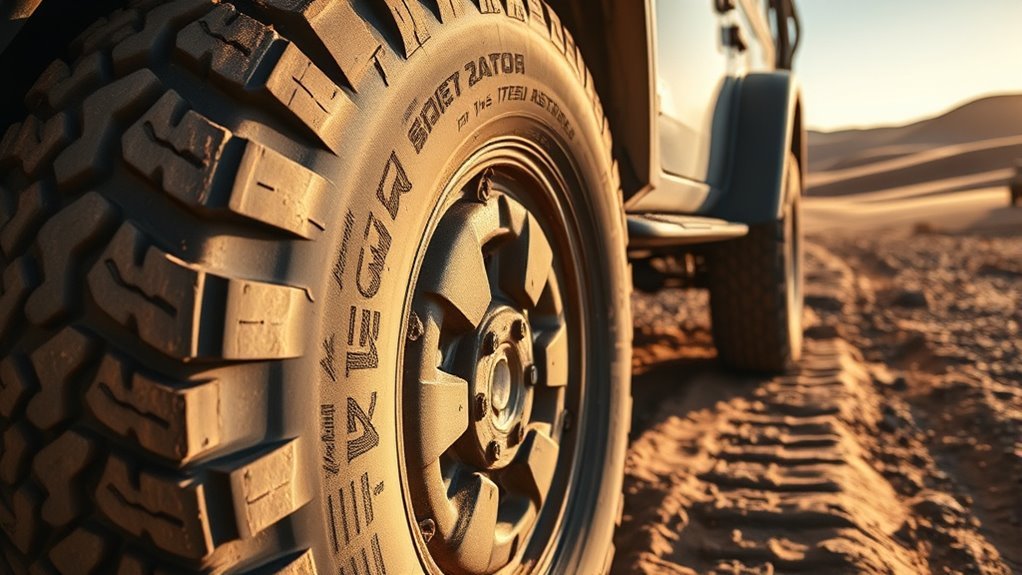
Use these PSI ranges as starting points. Adjust upward if your vehicle is heavy, loaded with gear, towing, using low-profile wheels, or moving faster. Adjust downward only for slow technical terrain when you understand the risks.
| Terrain | Starting PSI | Why It Helps | Use Caution If… |
|---|---|---|---|
| Deep sand or dunes | 12-15 PSI | Improves flotation and reduces digging. | You are cornering sharply, driving fast, or carrying heavy cargo. |
| Mud | 15-20 PSI | Adds grip while keeping enough shape to clear mud. | The mud is deep, sticky, or hiding rocks and roots. |
| Rocks and ledges | 15-25 PSI | Lets the tire conform to uneven rock and absorb impacts. | Sharp rocks, heavy vehicles, and higher speeds can damage sidewalls. |
| Snow | 12-15 PSI | Improves flotation on soft snow. | Hard ice may need careful driving more than lower PSI. |
| Dirt roads and mild trails | 10-25% below road pressure | Improves comfort and grip without going extremely low. | The road is fast, rocky, or long enough to heat the tires. |
When to Air Down Your Tires for Best Performance?
Air down at the trailhead before loose, rough, or technical terrain begins. Good times to air down include deep sand, beach driving, rocky crawling, muddy trails, snow runs, and long washboard roads where comfort and traction matter.
Do not wait until you are already stuck if you can avoid it. Lowering pressure before the difficult section helps prevent wheel spin, rutting, and unnecessary recovery work.
Terrain Type Considerations
Sand and snow usually need the biggest footprint, so they often use the lowest pressures. Mud needs enough flex for grip but enough tire shape to clean the tread. Rocks need a balance: lower pressure helps the tire wrap around obstacles, but too little pressure exposes the sidewall and rim to damage.
Recommended PSI Adjustments
Start conservative, drive a short distance, then adjust. If the vehicle still spins easily in sand, lower pressure 1-2 PSI at a time. If the steering feels vague, the sidewalls look severely folded, or the tire feels squirmy, add pressure back.
The best off-road tire pressure is the lowest pressure that improves traction without making the tire unstable, overheated, or vulnerable to bead and sidewall damage.
Risks of Over Deflating Your Tires
Lower pressure is useful, but over-deflation can create serious problems. The most common risks are bead unseating, pinched sidewalls, rim damage, heat buildup, poor steering response, and accelerated tire wear.
Pressures below about 20 PSI should be treated carefully, especially on non-beadlock wheels. Very low pressures are usually reserved for slow technical driving, experienced drivers, and wheel/tire setups built for it. If you are new to off-roading, start higher and lower gradually.
Warning: Never drive at highway speed on aired-down tires. If you leave the trail, reinflate first—even if the pavement section looks short.
Must-Have Tools for Airing Down and Reinflating Your Tires
The right tools make tire-pressure changes faster, safer, and more accurate. At minimum, carry these items:
- Accurate tire pressure gauge: Use a gauge you trust, not a quick visual guess.
- Tire deflator: A dedicated deflator speeds up the process. Tools such as the ARB E-Z Tire Deflator combine rapid deflation with pressure reading.
- Portable air compressor: Choose one rated for your tire size, pressure needs, and duty cycle.
- Tire plug kit: Useful for temporary tread-area puncture repairs on the trail.
- Spare valve cores and valve caps: Small parts can stop a slow leak caused by dirt or damage.
- Full-size spare: A compact spare is not ideal for remote off-road use.
Pro Tip: Write down the PSI that worked for each terrain. Your own vehicle log is often more useful than copying another driver’s setup.
[Products Worth Considering]

These universal valve stem caps help protect tire valves from water, dust, and sand while supporting a tighter seal to reduce air leakage. Made from durable aluminum alloy, they are easy to install by hand and fit a wide range of vehicles, including cars, SUVs, trucks, motorcycles, and bicycles. The sleek black finish adds a clean look and makes them a practical accessory for everyday vehicle maintenance.

These aluminum alloy tire valve stem caps provide durable, corrosion-resistant protection for your vehicle’s valve stems while helping maintain stable tire pressure. The rubber seal design helps block dust, moisture, and debris, reducing the risk of air leakage and valve damage. Easy to install and styled for a clean look, they fit a range of cars, SUVs, trucks, and motorcycles.

This AstroAI digital tire pressure gauge delivers factory-calibrated readings with dependable ±1 PSI accuracy, helping you keep cars, trucks, motorcycles, and spare tires at the right pressure. Its bright backlit LCD and illuminated nozzle make nighttime checks easy, while the one-button unit switch and auto-off design add convenience and battery efficiency for routine maintenance.
Step-by-Step Guide: How to Properly Air Down Your Tires
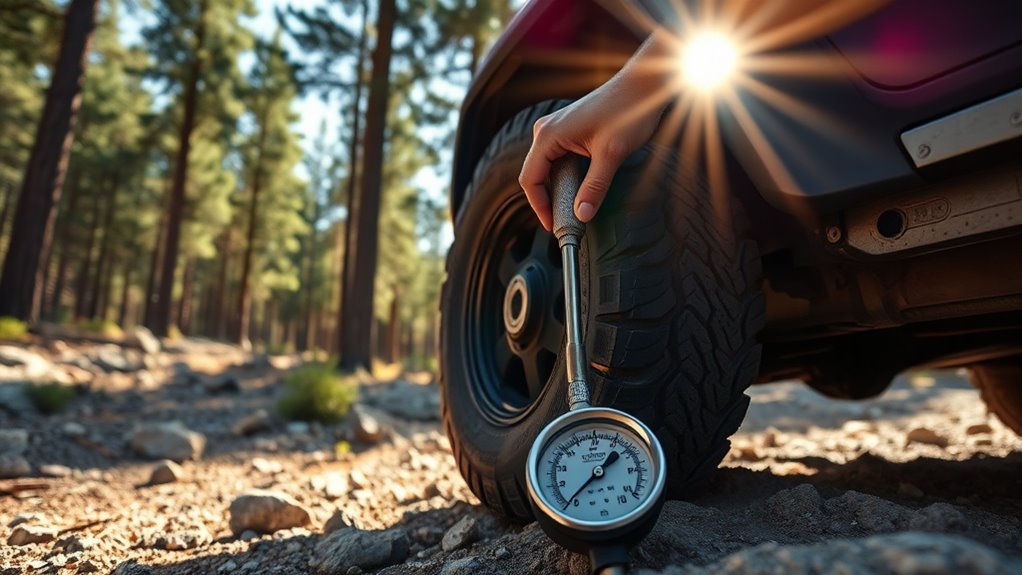
- Park safely at the trailhead. Choose flat ground away from traffic and trail obstacles.
- Check your starting PSI. Measure all four tires before releasing air so you know where you began.
- Choose a target pressure. Use the terrain table above, then adjust for vehicle weight, tire size, wheel setup, and speed.
- Deflate one tire at a time. Attach the deflator securely to the valve stem and release air in controlled steps.
- Recheck with a gauge. Do not rely only on time or tire appearance.
- Match the tires. Keep the left and right sides even. If your vehicle specifies different front and rear road pressures, note that difference when reinflating later.
- Drive a short test section. If traction is poor, lower 1-2 PSI at a time. If the tire looks unstable or the steering feels vague, add pressure.
- Keep speed low. Aired-down tires build heat faster and handle worse at road speeds.
[Products Worth Considering]
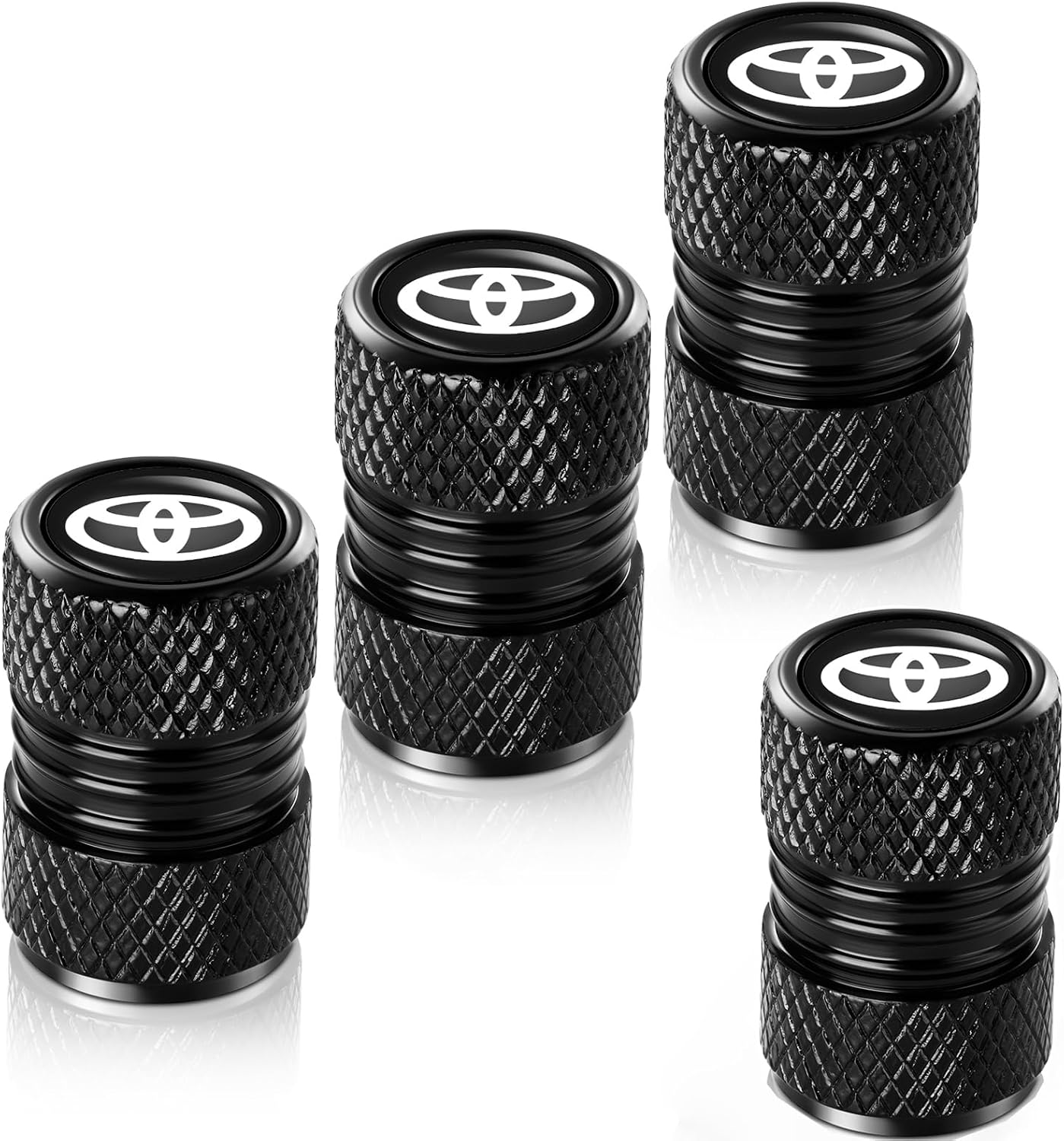
These metal tire valve stem caps are designed to protect tire valves from dust, moisture, corrosion, and air leakage while adding a clean, stylish look to your wheels. Made from durable aluminum alloy with rubber sealing rings, they are easy to install without tools and help support stable tire pressure for safer driving.

These aluminum alloy valve stem caps provide durable, corrosion-resistant protection for your tires while helping maintain stable tire pressure. The rubber seal design helps block dust, moisture, and debris from entering the valve stem, reducing the risk of air leakage and valve damage. Easy to install and designed for a wide range of vehicles, they also add a clean, polished look to your wheels.

Add a touch of sparkle while helping protect your tire valves from dust, water, and sand with these handmade rhinestone valve stem caps. Designed for easy hand installation and a universal fit for many cars, trucks, motorcycles, and bicycles, they combine decorative style with practical sealing performance. The durable ABS construction with rubber seals helps support a tighter fit and helps reduce the risk of air leakage.
Tips for Reinflating Your Tires Safely After Off-Roading
Reinflate before returning to pavement. Use the vehicle tire placard or owner’s manual for the recommended road pressure, and check all tires with a gauge. If your tires are hot from trail driving, inflate them to a safe road pressure before driving away, then recheck and fine-tune when the tires are cold later.
After reinflating, inspect each tire for cuts, bulges, missing valve caps, damaged valve stems, trapped rocks, and sidewall scuffs. If one tire loses more pressure than the others, check for a puncture, leaking valve, or bead leak before continuing.
[Products Worth Considering]

Add a clean, patriotic finishing touch to your wheels with these DECURCAR tire valve stem caps. The aluminum outer shell with plastic liner helps resist corrosion and supports a reliable seal, while the easy hand-tightened design makes installation simple. Built for wide compatibility with standard Schrader valves, this set is a practical upgrade for cars, trucks, motorcycles, bikes, and more.

Add a bold custom look to your ride while helping protect your tire valves from dust and leaks. These skull-themed valve stem caps are made from durable aluminum alloy and are designed for easy installation on a wide range of vehicles, including cars, trucks, motorcycles, SUVs, and bikes.

Add a bold custom look while helping protect your tire valves with these skull-themed valve stem caps. Made from durable zinc alloy, they are designed to resist corrosion, dust, and moisture while supporting a secure seal for everyday driving. This versatile four-pack fits a wide range of vehicles, including cars, trucks, motorcycles, and bicycles, and installs easily without tools.
Troubleshooting Common Air-Down Problems
| Problem | Likely Cause | What to Do |
|---|---|---|
| Tire looks severely bulged | Pressure is too low for your load or wheel setup. | Add 2-4 PSI and slow down. |
| Steering feels squirmy | Sidewalls are flexing too much. | Increase pressure and avoid sharp turns. |
| Tire bead unseats | Pressure is too low, or the tire was side-loaded. | Stop driving. Reseat only with proper tools and safe technique, or get recovery help. |
| TPMS light comes on | The system detects pressure below its normal road threshold. | Monitor with your gauge and reinflate before pavement. |
| Compressor overheats or slows down | Duty cycle is too low for large tires. | Let it cool, inflate in stages, and upgrade if needed. |
Frequently Asked Questions
How much should I air down tires for off-roading?
Start around 12-15 PSI for deep sand or snow, 15-20 PSI for mud, 15-25 PSI for rocks, and 10-25% below road pressure for mild dirt roads. Adjust based on vehicle weight, tire size, wheel setup, speed, and terrain.
What PSI should my tires be when off-roading?
Most off-road driving falls between 12 and 25 PSI, but the safest number depends on your setup. Beginners should start higher, test traction, and lower pressure in small steps instead of jumping straight to very low PSI.
What is the 3% tire rule?
Some drivers use informal speed-reduction rules when lowering tire pressure, but the 3% tire rule is not a formal tire-safety standard. A better approach is simple: drive slowly on aired-down tires and reinflate before pavement or road speeds.
Why deflate tires when off-roading?
Deflating tires increases the contact patch and lets the tire flex over uneven terrain. That can improve traction, flotation, ride comfort, and control on sand, snow, mud, rocks, and washboard trails.
Can I drive on pavement after airing down?
No, not at normal road speeds. Aired-down tires can overheat, wear quickly, handle poorly, and increase the risk of tire damage. Reinflate to the recommended road pressure before pavement.
Should front and rear off-road tire pressures be the same?
For many vehicles, matching all four tires is a practical trail starting point. If your vehicle carries much more weight over one axle, or the placard specifies different front and rear road pressures, adjust carefully and keep side-to-side pressures even.
Conclusion
Airing down is one of the simplest ways to improve off-road traction, comfort, and control, but it only works when you stay within a safe range for your vehicle and terrain. Start conservatively, use a reliable gauge, avoid high speed while aired down, and always reinflate before returning to pavement.
Sources
- NHTSA TireWise — supports placard pressure, cold tire checks, TPMS, and tire safety guidance.
- BFGoodrich 4×4 Tire Selection Guide — supports air-down benefits, no universal PSI, and beadlock caution.
- Discount Tire: How to Air Down Tires — supports terrain-based PSI starting ranges and safety reminders.
- Tread Lightly! Overlanding Tips — supports responsible trail driving and conservative tire-pressure guidance.
- Bridgestone Tire Maintenance and Safety Manual — supports inflation safety, cold-pressure checks, and tire-damage warnings.
- ARB E-Z Tire Deflator — example of a dedicated tire deflator with pressure-reading features.