
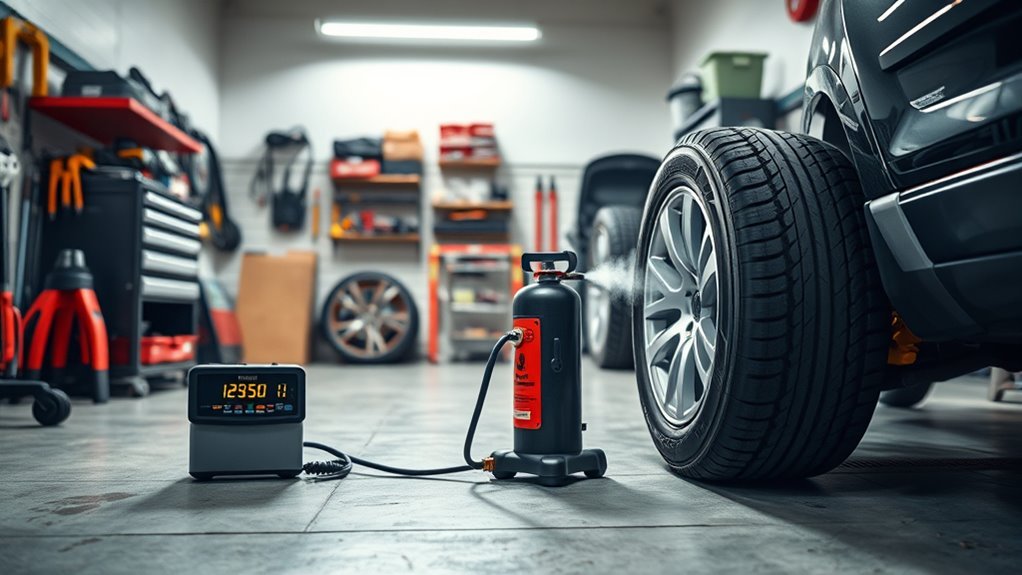
Tire inflator noise levels matter more than most buyers expect. A compact air pump may run for only a few minutes, but a loud, rattling inflator can make early-morning top-offs stressful, disturb neighbors, and make it hard to hear warnings around the vehicle. The best choice is not simply the quietest model on paper; it is the inflator that balances safe sound levels, inflation speed, pressure accuracy, and durability.
Quick Answer
A good tire inflator noise level for home use is usually below 70–75 dBA measured nearby. Around 60 dBA feels close to normal conversation, while 80 dBA and above can become tiring in a garage or driveway. For frequent or prolonged use, choose a quieter design and consider hearing protection near 85 dBA.
Key Takeaways
- Look for tire inflators rated around 70–75 dBA or lower if you want a quieter experience at home.
- Noise ratings are not always published, and they can change depending on measurement distance, surface, tire size, hose fit, and garage echo.
- The NIDCD notes that sounds at or below 70 dBA are unlikely to cause hearing loss, while long or repeated exposure at or above 85 dBA can be harmful.
- Motor type matters, but housing insulation, rubber feet, pump design, and vibration control often matter just as much.
- If your inflator suddenly gets louder, rattles, squeals, or vibrates more than usual, inspect the hose, fittings, seals, feet, and cooling vents before using it again.
Understanding Tire Inflator Noise Levels: What dB Means
Tire inflator noise is measured in decibels, usually written as dB or dBA. The “A” in dBA means the reading is adjusted to match how human hearing responds to different sound frequencies. That is why many tool, compressor, and workplace-noise references use dBA instead of plain dB.
The decibel scale is logarithmic, so a small-looking increase can feel like a big jump. A 70 dBA inflator is not just a little louder than a 60 dBA inflator; it has much more sound energy and is commonly perceived as about twice as loud. That is why choosing a pump rated even 5–10 dBA lower can make tire maintenance feel much calmer.
For context, CDC/NIOSH reference material places normal conversation around 60 dB, while the NIOSH recommended exposure limit for workplace noise is 85 dBA averaged over an eight-hour workday. A tire inflator usually runs for far less than eight hours, but a loud model can still be unpleasant, especially in an enclosed garage.
Note: Always compare noise ratings carefully. A model measured at 1 meter may seem quieter than one measured closer to the pump, even if both sound similar in real use.
Acceptable Noise Levels for Tire Inflators
For most homeowners, an acceptable tire inflator noise level is one that lets you inflate tires without shouting, startling people nearby, or feeling ear fatigue after a few minutes. In practical terms, use these ranges as a buying guide:
| Noise Level | What It Usually Feels Like | Best Use Case |
|---|---|---|
| Below 65 dBA | Quiet for a compressor; easier to talk over | Apartments, shared driveways, early-morning top-offs |
| 65–75 dBA | Comfortable to moderately loud | Most home and roadside tire maintenance |
| 75–85 dBA | Loud in a garage; conversation may be difficult | Occasional use, preferably outdoors or with distance |
| Above 85 dBA | Very loud for close-range use | Short use only; hearing protection is wise |
These ranges are guidelines, not universal rules. A compact 12V inflator may sound sharper than its rating suggests because it sits close to the ground and vibrates against pavement. A larger portable compressor may have a similar dBA number but a lower tone that feels less harsh.
Noise Level Standards
There is no single consumer tire-inflator noise standard that every brand uses on the product box. Some brands publish a dBA rating, while others do not mention noise at all. When a rating is listed, check whether the brand states the measurement distance and test condition.
For broader context, federal workplace and equipment references help explain why 85 dBA is often treated as an important threshold. OSHA’s occupational noise standard requires a hearing conservation program when employee exposures equal or exceed an eight-hour time-weighted average of 85 dBA. The federal portable air compressor noise emission standard also sets limits for certain larger portable air compressors, although small automotive tire inflators are not the same category as jobsite compressors.
Impact on User Comfort
Noise affects more than hearing safety. A loud inflator can make you rush the job, miss the automatic shutoff tone, or avoid checking tire pressure as often as you should. For better comfort, focus on these three points:
- Choose a lower published dBA rating when available. A 70 dBA model will usually be easier to live with than an 80 dBA model.
- Use the inflator outdoors when practical. Garages, walls, and concrete floors reflect sound and can make the same pump seem much louder.
- Watch for vibration. Rubber feet, a stable base, and a tight hose connection often reduce rattling more than the motor alone.
Warning: If a tire inflator is loud enough that you must raise your voice to speak to someone an arm’s length away, treat the sound as potentially hazardous and reduce exposure time or use hearing protection.
The Impact of Motor Type on Noise Levels: Brushless vs. Brushed
Motor type can affect tire inflator noise, but it is not the only factor. A brushless motor can reduce friction and electrical wear compared with a brushed motor, yet the pump mechanism, fan, housing, hose connection, and surface vibration also shape the final sound.
[Products Worth Considering]
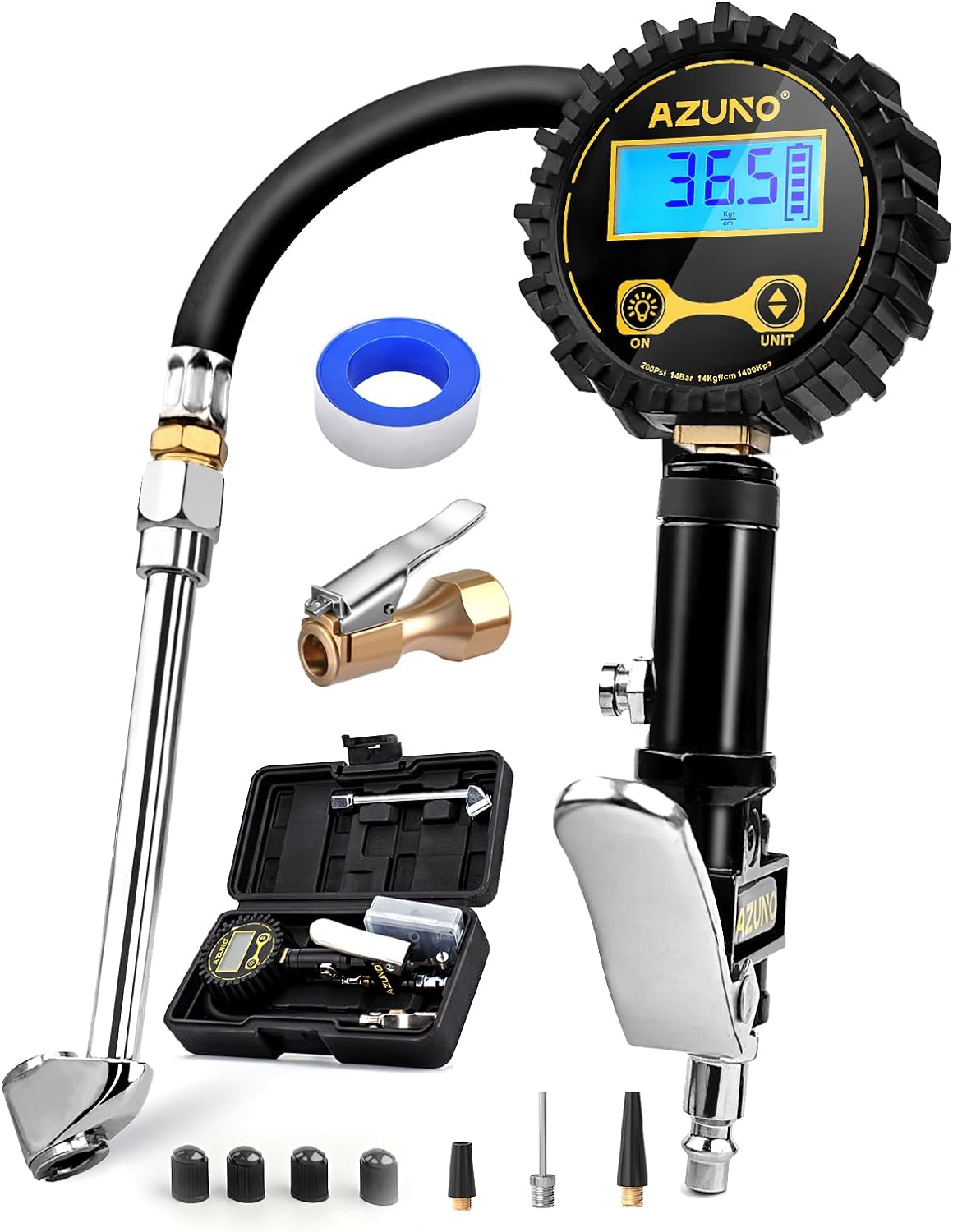
This digital tire inflator delivers accurate, easy-to-read pressure measurements with a bright backlit LCD and precise 0.1 resolution for confident inflation. Designed for single-handed use, it makes it simple to inflate or deflate tires while staying organized in the included portable carrying box. Built for a wide range of vehicles, it is a practical air compressor accessory for cars, trucks, SUVs, motorcycles, and more.

This portable tire inflator delivers fast, convenient inflation for cars, bikes, motorcycles, and balls with dual power options from a rechargeable battery or a 12V car cord. Its digital LCD pressure gauge and automatic shutoff help prevent over-inflation, while multiple preset modes and a custom setting make it easy to use for different inflation tasks. Built-in flashlight and USB power ports add extra emergency utility on the road.

This cordless portable air compressor delivers fast, reliable inflation for car tires and other inflatables with a powerful motor, high-pressure output, and automatic shut-off for precise results. Its rechargeable battery, compact size, and included accessories make it easy to carry and use at home, on the road, or during emergencies. A built-in LED light and preset modes add convenience and versatility for day or night use.
Brushed DC Motor Limitations
Many affordable 12V inflators use brushed DC motors. These motors can work well, but the brushes create physical contact inside the motor. Over time, that contact can add friction, heat, wear, and a sharper mechanical sound.
Common noise complaints with basic brushed inflators include:
- High-pitched motor whine during longer inflation cycles.
- Rattling from the case when the pump vibrates on concrete or asphalt.
- More noticeable wear noise as brushes, bearings, or seals age.
A brushed inflator is not automatically a bad choice. If it has a solid housing, rubber isolation, a short duty cycle, and good pressure accuracy, it may still be practical for occasional tire top-offs.
Advantages of Brushless Motors
Brushless motors remove the brush contact found in brushed motors. That can mean less internal friction, less maintenance, and smoother operation. In a tire inflator, a brushless motor may help lower noise, especially when paired with a well-balanced pump and sound-dampened housing.
Still, do not buy on the word “brushless” alone. A poorly insulated brushless inflator can still be loud, while a well-built brushed model can sound acceptable. The best low-noise tire inflators combine several design choices: stable feet, tight panel fit, heat management, a balanced compressor, and a hose that does not leak or buzz under pressure.
How Tire Inflator Noise Levels Impact User Comfort and Satisfaction
Tire inflator noise has a direct effect on how often you will actually use the tool. A quieter inflator makes routine maintenance easier, especially when you are topping up all four tires, inflating bike tires, or helping another driver at night.
Lower noise levels can improve the experience in several ways:
- Less stress during use: You can focus on the pressure reading instead of the sound.
- Better communication: You can hear another person, traffic, or the inflator’s automatic shutoff more easily.
- Fewer neighbor complaints: A quieter unit is more considerate in apartments, townhomes, and shared driveways.
- More consistent tire care: If the tool is less annoying, you are more likely to check pressure regularly.
A tire inflator does not need to be silent to be comfortable. For most home users, the sweet spot is a stable, low-vibration pump that stays around normal conversation to moderate tool-noise levels.
Comparing Tire Inflator Designs for Noise Reduction
Different tire inflator designs create different noise patterns. Before buying, look beyond PSI and inflation speed. The quietest-feeling model is often the one that controls vibration as much as motor sound.
| Design Feature | How It Affects Noise | What to Look For |
|---|---|---|
| Rubber feet or base pads | Reduces vibration transfer to the floor | Wide base, non-slip feet, no wobble |
| Dense outer housing | Helps block motor and pump sound | Tight seams, no loose panels |
| Longer air hose | Lets you place the motor farther from your ears | Secure chuck, heat-resistant hose |
| Automatic shutoff | Prevents unnecessary run time | Accurate preset pressure and clear display |
| Cooling vents | Prevents overheating but can leak sound | Good airflow without loose grille vibration |
Also consider where you will use the inflator. A pump that seems acceptable outdoors can sound harsh inside a garage because hard surfaces reflect sound. Placing it on a firm rubber mat can reduce vibration, but never cover the vents or wrap the unit in fabric because that can trap heat.
[Products Worth Considering]

This soft TPU key fob cover is designed to fit select Hyundai smart keys and helps protect against scratches, dust, and everyday wear while preserving signal performance. Its full-coverage design, stylish gold-rimmed look, and included leather keychain make it a practical and attractive upgrade for compatible Hyundai models.

This complete car wash kit brings a foam gun, brushes, towels, and detailing tools together for thorough cleaning inside and out. The adjustable sprayer and included accessories help you tackle wheels, vents, dashboards, glass, and hard-to-reach spots with ease. It is a versatile cleaning set for cars, trucks, RVs, motorcycles, and even household surfaces, all packed in a portable storage bag.
Why Low-Noise Tire Inflators Matter for Home Use
A low-noise tire inflator is especially useful at home because you have less control over timing and surroundings. You may need to top off a tire before work, check pressure late at night, or inflate a slow-leak tire before driving to a repair shop.
For homeowners, the benefits are clear:
- Peaceful operation: A quieter pump is less likely to disturb family members or neighbors.
- Better safety awareness: You can hear traffic, voices, and tool changes more clearly.
- Less fatigue: Reduced noise and vibration make it easier to inflate multiple tires in one session.
- More flexible use: Quiet operation helps in garages, shared parking areas, and driveways close to bedrooms.
Pro Tip: Use a short extension hose only if the inflator manufacturer allows it. A better hose can let you move the pump farther away, but an incompatible hose may slow inflation or create leaks.
How to Choose a Low-Noise Tire Inflator for Your Needs
Choosing a quiet tire inflator starts with the noise rating, but it should not end there. A model that is quiet but slow, inaccurate, or easy to overheat will still be frustrating.
At a Glance
| Time Required | 5–15 minutes to compare specs and reviews |
| Difficulty | Easy |
| Tools Needed | Product manual, noise rating if published, customer reviews, tire PSI requirement |
| Cost | Usually no extra cost, although quieter premium models can cost more |
Use this checklist before buying:
- Check the dBA rating. Prefer models around 70–75 dBA or lower for comfortable home use.
- Look for the measurement method. A trustworthy listing explains distance or test conditions.
- Read owner reviews for “rattle,” “vibration,” and “noise.” These words reveal real-world comfort better than marketing copy.
- Confirm the duty cycle. A unit that must rest after a few minutes may run hotter and louder if pushed too hard.
- Choose automatic shutoff. It reduces unnecessary run time and helps prevent overinflation.
- Match the power source to your use. Cordless models are convenient, while 12V or AC models may be better for repeated tire inflation.
- Check the hose and chuck design. A leaking connection makes the motor run longer and can add hissing noise.
If you cannot find a published dBA rating, rely on verified customer reviews, product videos with real-time sound, and manuals. Avoid claims like “silent” or “noise-free” unless the brand provides a realistic measured rating. Tire inflators are compressors, so some motor and pump noise is normal.
How to Measure Your Tire Inflator Noise at Home
If you already own a tire inflator, you can check whether it is louder than expected. A professional sound level meter is best, but a reputable phone app can still help you compare before-and-after changes.
The NIOSH Sound Level Meter app is designed to measure workplace noise on iOS devices. For a simple home check, place the inflator on the surface where you normally use it, stand about 3 feet away, and record the average dBA while inflating a tire. Repeat the test after changing surfaces, tightening fittings, or adding a rubber mat under the pump.
For a fair reading, keep these conditions consistent:
- Measure from the same distance each time.
- Inflate the same tire or object at a similar starting pressure.
- Use the same surface, such as concrete, asphalt, or a rubber mat.
- Do not block cooling vents to reduce noise.
- Record the average level, not just a momentary peak.
Maintaining Your Tire Inflator for Quiet Operation
Regular maintenance helps keep a tire inflator quieter and safer. A pump that suddenly becomes louder may have a loose panel, worn foot, clogged vent, damaged hose, or failing internal part.
Regular maintenance is vital for a quiet, efficient tire inflator—focus on clean vents, tight fittings, stable feet, and leak-free hoses for optimal performance.
- Clean the vents: Dust and lint can restrict cooling, which may make the motor work harder.
- Inspect the hose and chuck: Air leaks create hissing and increase run time.
- Check rubber feet: Missing or hardened feet allow more vibration to transfer into the floor.
- Tighten accessible fittings: Loose parts can buzz or rattle during operation.
- Respect the duty cycle: Let the inflator cool as directed in the manual to prevent overheating.
- Store it dry: Moisture and corrosion can worsen bearing, switch, and motor noise over time.
Do not oil or disassemble the motor unless the manufacturer’s manual specifically tells you to do so. Many compact tire inflators are not designed for user lubrication, and adding oil in the wrong place can damage seals or create a safety issue.
Troubleshooting a Loud Tire Inflator
If your inflator sounds much louder than it used to, use the sound type to narrow down the cause:
| Sound | Likely Cause | What to Do |
|---|---|---|
| Rattling | Loose housing, missing rubber foot, unstable surface | Move to a flat surface, check feet, inspect screws if accessible |
| Hissing | Air leak at hose, chuck, valve, or seal | Reconnect the chuck, inspect the hose, replace worn seals if the manual allows |
| Squealing | Motor, bearing, or internal friction issue | Stop use and check the manual or warranty support |
| Thumping | Pump imbalance or internal wear | Stop use if severe; do not keep running an overheating unit |
| Louder-than-normal fan noise | Blocked vents or overheating | Clean vents, allow cooling, follow duty-cycle limits |
Warning: Stop using the inflator if you smell burning, see smoke, feel excessive heat, or hear grinding. Unplug it, let it cool, and follow the manufacturer’s safety instructions.
Frequently Asked Questions
Which is louder, 130 dB or 140 dB?
A 140 dB sound is louder than a 130 dB sound. Because the decibel scale is logarithmic, a 10 dB increase represents a large increase in sound energy and is commonly perceived as about twice as loud. Both levels are far beyond normal tire inflator noise and can be dangerous.
What is a good dB noise level for a tire inflator?
A good tire inflator noise level for home use is generally below 70–75 dBA. Under 65 dBA is especially comfortable, while 75–85 dBA can feel loud in a garage. If a model is near or above 85 dBA, keep use brief and consider hearing protection.
Which is louder, 20 dB or 50 dB?
A 50 dB sound is louder than a 20 dB sound. A 20 dB sound is closer to a quiet whisper or very calm room, while 50 dB is closer to light indoor background noise. Tire inflators are usually louder than both of these levels.
Which is quieter, 50 dB or 60 dB?
A 50 dB sound is quieter than a 60 dB sound. Normal conversation is often around 60 dB, so a 50 dB device would usually feel noticeably softer in the same room.
Are brushless tire inflators always quieter?
Not always. Brushless motors can reduce friction and wear, but tire inflator noise also comes from the pump, fan, housing, hose connection, and vibration against the floor. A well-designed brushed inflator may sound better than a poorly insulated brushless one.
How can I make my tire inflator quieter?
Place it on a stable rubber mat, use it outdoors when possible, keep vents clean, check for hose leaks, and make sure the rubber feet are intact. Do not cover the inflator with towels or blankets because that can block cooling airflow and cause overheating.
Conclusion
A low-noise tire inflator makes routine tire care easier, safer, and less annoying. For most home users, the best target is a model rated around 70–75 dBA or lower, with stable rubber feet, a secure hose, automatic shutoff, and good heat management. Claims like “silent” or “noise-free” should be treated carefully because tire inflators are still small compressors. Choose a realistic low-noise model, use it on a stable surface, and maintain it well for quieter operation over time.
Sources
- NIDCD: Noise-Induced Hearing Loss — supports hearing-risk guidance around 70 dBA and 85 dBA.
- CDC/NIOSH: Noise-Induced Hearing Loss — supports NIOSH recommended exposure limit information.
- OSHA: Occupational Noise Exposure Standard 1910.95 — supports the 85 dBA hearing-conservation action level for workplaces.
- CDC/NIOSH Sound Level Meter App — supports measuring sound levels with the NIOSH app.
- eCFR: Portable Air Compressor Noise Emission Standard — provides broader federal context for portable compressor noise limits.

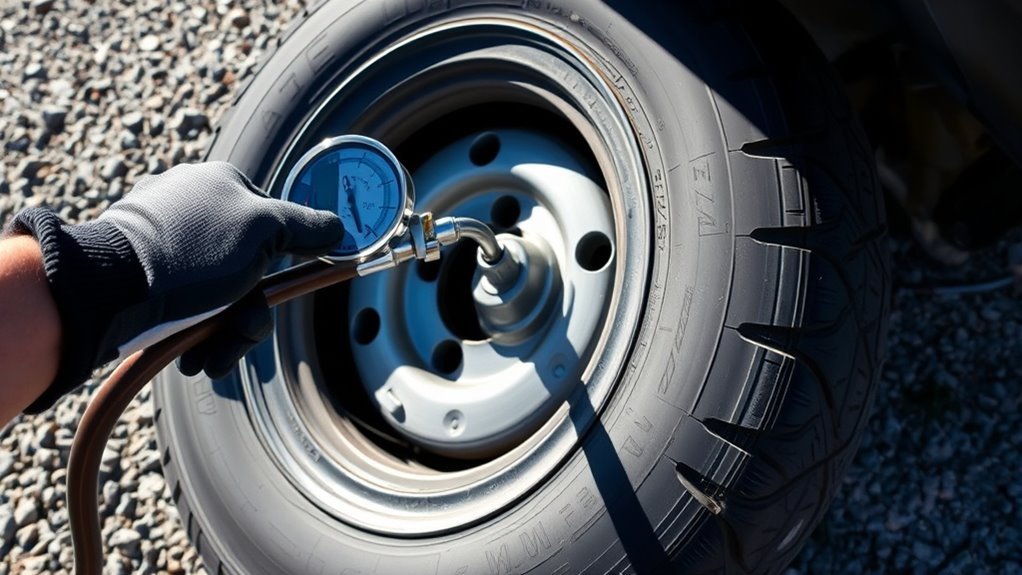
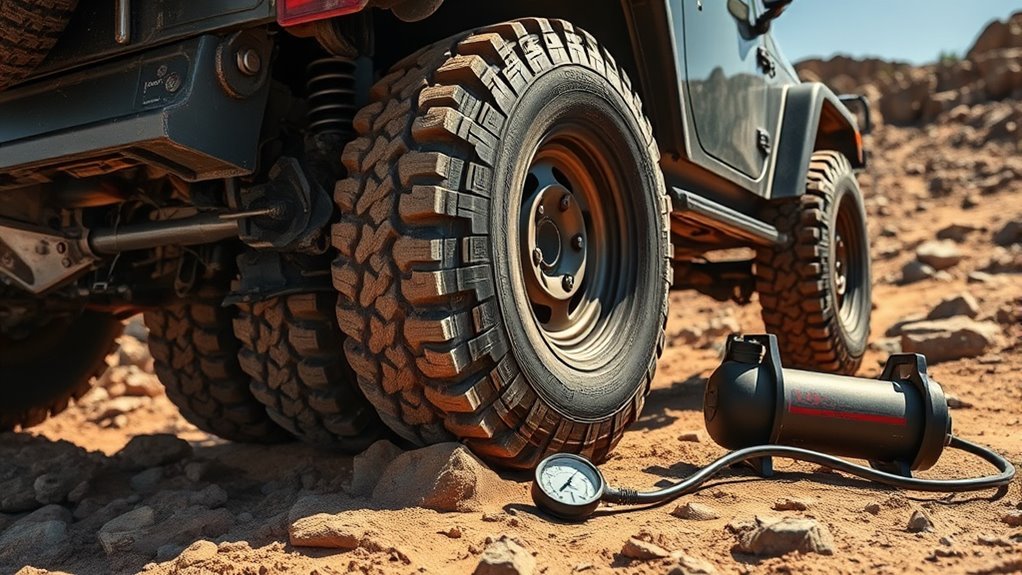
[…] This guide does not use one dBA number as a failure threshold. Distance, surface, housing design, load, and measurement method can change a sound reading. For troubleshooting, a new sound combined with slower pressure rise, excess heat, odor, or stronger vibration is more useful than volume alone. For measured sound ranges and quieter-model buying factors, see our tire inflator noise-level guide. […]
[…] 48 pounds with a wheel kit, it rolls around the garage easily. Our guide to inflator noise levels explains what decibel ratings mean in a home […]