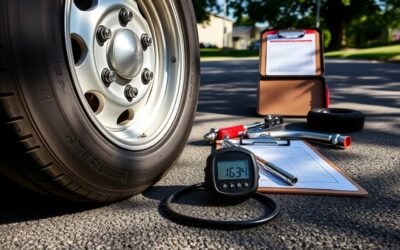
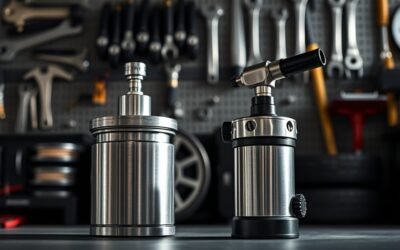
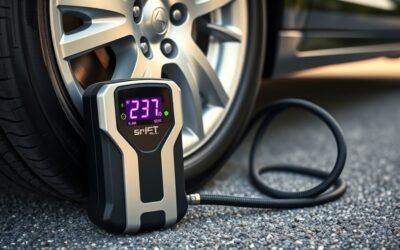
Calibrating your tire inflator gauge is essential to guarantee accurate tire pressure readings, which directly impacts safety and vehicle performance. Readings can drift due to mechanical wear, temperature fluctuations, and exposure to moisture. Signs that indicate a need for calibration include failure to return to zero, erratic readings, or discrepancies with a reliable reference gauge. Regular checks and careful calibration can enhance accuracy and longevity. Stay with us to explore calibration processes and effective long-term strategies.
What Is Tire Inflator Gauge Calibration?
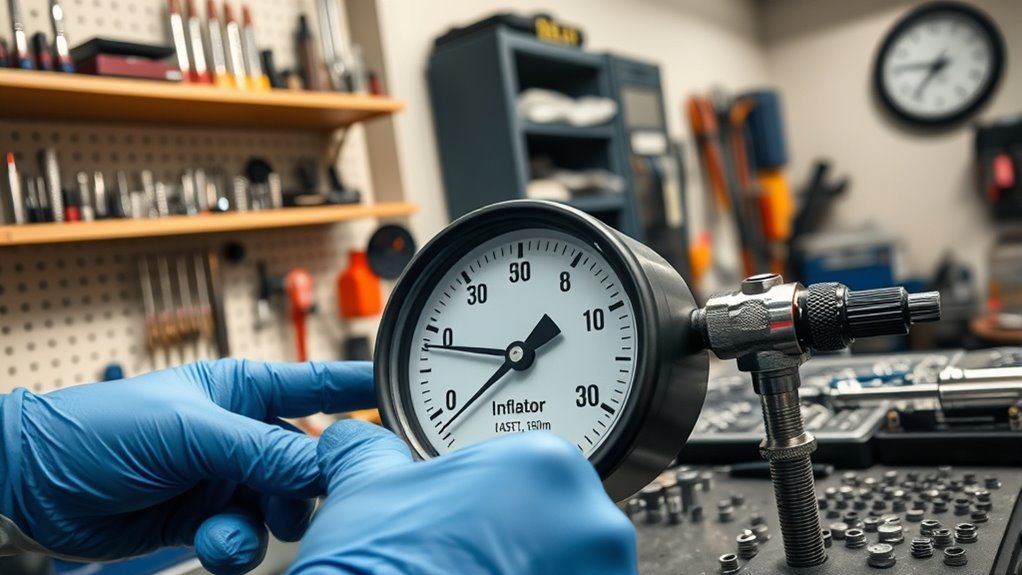
Tire inflator gauge calibration is a crucial process that guarantees your gauge provides accurate tire pressure readings, which is essential for vehicle safety and performance. Calibration involves comparing your tire inflator gauge’s readings to a known accurate reference gauge. If discrepancies arise, adjustments are made to verify precise calibration. Regular calibration is important, as factors like mechanical wear, temperature changes, and moisture exposure can cause your gauge to drift, leading to inaccurate readings. A well-calibrated tire inflator gauge helps prevent issues like overinflation or underinflation, which can result in tire wear, decreased fuel efficiency, and potential safety hazards. Consequently, performing pressure gauge calibration periodically, especially before long trips or after exposure to harsh conditions, is highly recommended.
Why Accurate Tire Pressure Matters for Tire Inflator Gauge Calibration
Accurate tire pressure plays a crucial role in the overall performance and safety of your vehicle, making proper calibration of your tire inflator gauge necessary. Maintaining accurate readings guarantees your tires are neither under-inflated nor over-inflated, minimizing risks like decreased handling and increased tire wear. Regular calibration intervals are essential, as even minor discrepancies can lead to significant consequences for tire health and performance. Remember, tire pressures should always be measured when the tires are cold to obtain consistent pressure readings. By prioritizing tire pressure accuracy, you not only comply with safety regulations but also enhance fuel efficiency, potentially saving money on fuel costs. Ultimately, this diligence liberates you from unnecessary risks associated with improper tire maintenance.
Common Causes of Tire Gauge Reading Drift
Tire gauge reading drift often occurs due to mechanical wear over time, impacting the accuracy of pressure measurements. Additionally, environmental factors like extreme temperatures and humidity can alter the gauge’s internal materials, leading to unreliable readings. Understanding these causes is essential for maintaining precision in your tire pressure monitoring.
Environmental Factors Impacting Accuracy
When you consider the factors influencing gauge performance, environmental conditions play an important role in the accuracy of tire inflator gauges. Temperature fluctuations can cause materials to expand or contract, resulting in pressure drift that affects calibration. High humidity may introduce moisture into the gauge, leading to erratic readings and compromised accuracy. Extreme temperatures can weaken component elasticity, causing zero shifts and span drift. Additionally, exposure to corrosive elements like road salt can degrade internal parts, impairing response times. Vibration from rough road conditions may misalign mechanisms, further contributing to calibration drift. To guarantee accurate readings, it’s crucial to regularly assess your gauge’s performance against these environmental influences and recalibrate as necessary.
Mechanical Wear Over Time
As tire inflator gauges undergo repeated use, mechanical wear inevitably affects their performance, leading to potential reading inaccuracies. Components like diaphragms and springs can deform, causing drift from true pressure values. Continuous pressure cycling leads to fatigue in internal mechanisms, such as Bourdon tubes, exacerbating inaccuracies. Environmental factors, including temperature shifts and vibrations, further accelerate mechanical wear, compromising gauge reliability. Additionally, seals and joints may degrade over time, resulting in air leakage that impacts accurate readings. To combat these issues, frequent calibration is essential. Regular checks not only identify drift but also correct it, ensuring your tire inflator gauge delivers dependable measurements and maintains safety in tire pressure management.
Signs Your Tire Inflator Gauge Needs Calibration?
How can you tell if your tire inflator gauge needs calibration? First, if the gauge consistently fails to return to zero after use, it indicates calibration drift. Sudden jumps or erratic movements in the readings suggest recalibration is essential for accurate measurements every time. A slow response when measuring tire pressure further signifies potential malfunction. If your gauge’s reading doesn’t align with actual tire pressure or a reliable reference gauge, calibration should be prioritized. Additionally, visible corrosion or physical damage can compromise accuracy, signaling the need for immediate calibration or replacement. Keeping a regular calibration schedule can help prevent inaccurate readings that can lead to unsafe driving conditions.
How to Calibrate Your Tire Inflator Gauge: A Simple Guide

To calibrate your tire inflator gauge accurately, you’ll need a reliable reference gauge and follow a specific step-by-step process. Begin by measuring the tire pressure with both gauges to identify discrepancies, and then adjust accordingly. Maintaining your gauge’s accuracy requires regular checks and proper storage to prevent performance drift.
Required Calibration Equipment
Calibrating your tire inflator gauge requires three essential pieces of equipment: a reliable reference gauge, a pressure hand pump, and the necessary adaptors for connecting both gauges. Your reference gauge should be known for its accuracy and ideally have been recently calibrated. This guarantees that your calibration process yields trustworthy results. Using the pressure hand pump, you can create an environment for simultaneous measurements between the inflator gauge and the reference gauge. Note any discrepancies between their readings. If your inflator gauge deviates considerably from the reference, adjust it according to the manufacturer’s instructions or seek professional recalibration. Regularly check the accuracy of your tire inflator gauge to maintain peak vehicle performance and safety.
Step-by-Step Calibration Process
Before you begin calibrating your tire inflator gauge, it’s crucial to establish a clear baseline by measuring tire pressure with both the digital inflator gauge and a reliable reference gauge. Follow these steps for proper calibration:
- Document all initial readings for comparison.
- If discrepancies arise, adjust the digital gauge according to the manufacturer’s instructions.
- If your gauge isn’t adjustable, consider sending it for professional recalibration.
Always conduct the calibration check when tires are cold, as temperature can affect readings. Finally, keep a calibration log of all adjustments and final values for future reference. This thorough approach guarantees your tire inflator gauge maintains accuracy and reliability, empowering you to make informed decisions about tire pressure management.
Maintaining Gauge Accuracy
Maintaining gauge accuracy is crucial for effective tire pressure management, guaranteeing your vehicle operates safely and efficiently. Start by using a dependable reference gauge known for its precision, comparing readings from both gauges. If discrepancies arise, adjust your inflator gauge according to the manufacturer’s instructions. Regular calibration checks are essential—perform them especially before long trips to guarantee consistent, reliable measurements. After making adjustments, recheck the tire pressure with both gauges to confirm accuracy over time. This traceable calibration process not only enhances your gauge’s reliability but also empowers you to uphold peak tire performance. Make calibration a routine practice to liberate yourself from potential tire issues, guaranteeing your journeys are safe and efficient.
Effective Strategies for Long-Term Tire Gauge Accuracy
While ensuring long-term accuracy for your tire inflator gauge may seem intimidating, implementing a few effective strategies can greatly enhance its reliability. To keep your gauge accurate forever, consider the following:
Ensuring the long-term accuracy of your tire inflator gauge is achievable with regular calibration and proper storage.
- Regularly calibrate your gauge at least once a year or before significant trips, as calibration is often needed due to drift.
- Store your gauge in protective cases, avoiding exposure to harsh conditions like extreme temperatures or moisture that can damage internal components.
- Use a reliable reference gauge during calibration to compare readings and address any discrepancies.
Common Calibration Issues and Solutions
Calibration issues in tire inflator gauges can arise from various factors, and identifying them promptly is crucial for maintaining accuracy. Calibration drift often occurs due to mechanical wear, temperature fluctuations, or moisture exposure, resulting in inaccurate pressure readings. You should regularly check your gauge, especially if it’s used in harsh working conditions. Look for signs like a pointer that doesn’t return to zero or erratic movements. To address these issues, compare your inflator gauge readings against a known accurate reference gauge. If discrepancies exist, consider adjusting or replacing the gauge. Additionally, maintaining calibration logs can help you track performance and guarantee compliance with safety standards, ultimately enhancing your vehicle’s performance and your driving experience.
Frequently Asked Questions
What Can Cause Calibration Drift?
Calibration drift can occur due to temperature effects on materials, mechanical wear from continuous use, and pressure changes impacting gauge accuracy. Regular checks help you maintain precise measurements and guarantee reliable performance in varying conditions.
How to Calibrate Tire Inflator Gauge?
To calibrate your tire inflator gauge, you’ll need a reliable reference gauge. Check both gauges for discrepancies, adjust if possible, and maintain accuracy with regular checks, ensuring your gauge’s precision supports safe driving conditions.
How to Solve Calibration Error?
To solve calibration errors, apply calibration techniques like comparison with a reference gauge. Guarantee regular gauge maintenance and implement error detection methods to identify discrepancies, enhancing accuracy and reliability in your readings.
Why Is My Tire Psi Fluctuating?
Your tire PSI’s fluctuating due to temperature effects and mechanical wear. As temperatures drop or tire wear increases, pressure decreases, leading to noticeable tire pressure fluctuations that can impact performance and safety. Regular checks are essential.
Conclusion
To summarize, maintaining accurate tire inflator gauge calibration is crucial for peak vehicle performance and safety. For instance, imagine you’re on a road trip, and your under-inflated tires lead to decreased fuel efficiency and increased wear. By regularly calibrating your gauge and recognizing signs of drift, you can prevent such scenarios. Implementing effective strategies guarantees your gauges remain reliable, allowing you to focus on the journey ahead without worrying about tire pressure mishaps.