
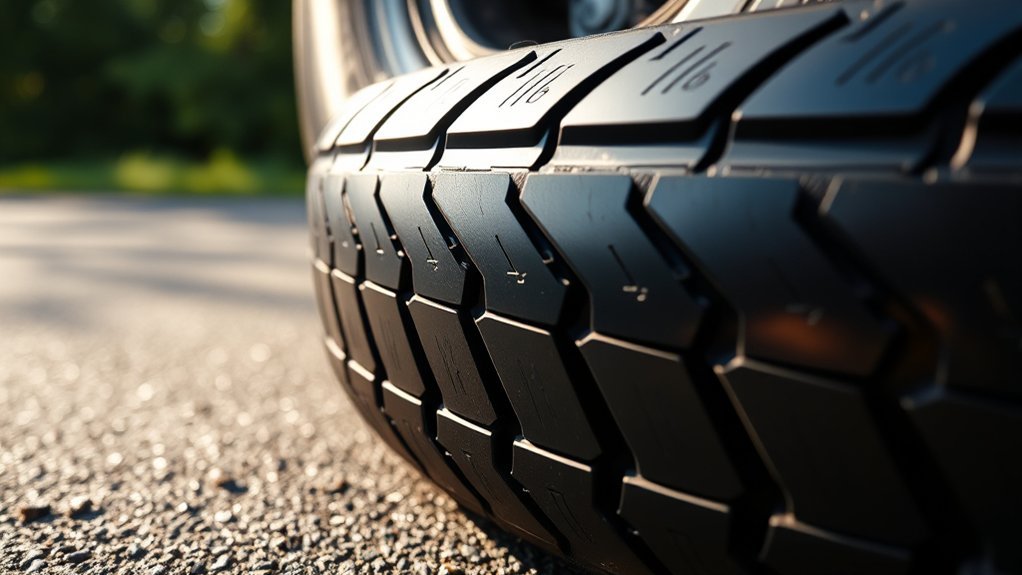
Your Tacoma’s tire code tells you more than size. The load index, load range, speed rating, and recommended cold tire pressure all affect how safely your truck handles passengers, cargo, towing, highway driving, and off-road use. Because Tacoma tire specs vary by year, trim, wheel package, and tire size, always use the driver-door Tire and Loading Information label and the Toyota owner’s manual as your starting point.
Quick Answer
For a Tacoma, choose replacement tires that match the factory size and meet or exceed the original load index/load range and speed rating. Higher-rated tires can add tire strength or heat resistance, but they do not raise the truck’s payload, axle, GVWR, or towing limits.
Key Takeaways
- The load index is the number in the tire service description, such as the “115” in 265/70R17 115T.
- Never install tires with a lower load capacity than the original Tacoma tires or the rating shown on the door placard.
- A higher load index, XL tire, or LT tire may help with durability, but it does not increase Toyota’s payload or towing rating.
- Speed ratings such as S, T, H, and V show the tire’s tested maximum sustained speed under controlled conditions.
- Winter tires may have lower speed ratings, but you must stay within the tire’s limit and follow local rules and manufacturer guidance.
At a Glance
| Time Required | 10–15 minutes to check your placard, tire sidewall, and manual |
| Difficulty | Easy |
| Tools Needed | Owner’s manual, driver-door placard, tire pressure gauge, load index chart |
| Cost | Free to check; tire prices vary by size, brand, and construction |
What Is the Tacoma Tire Load Index?
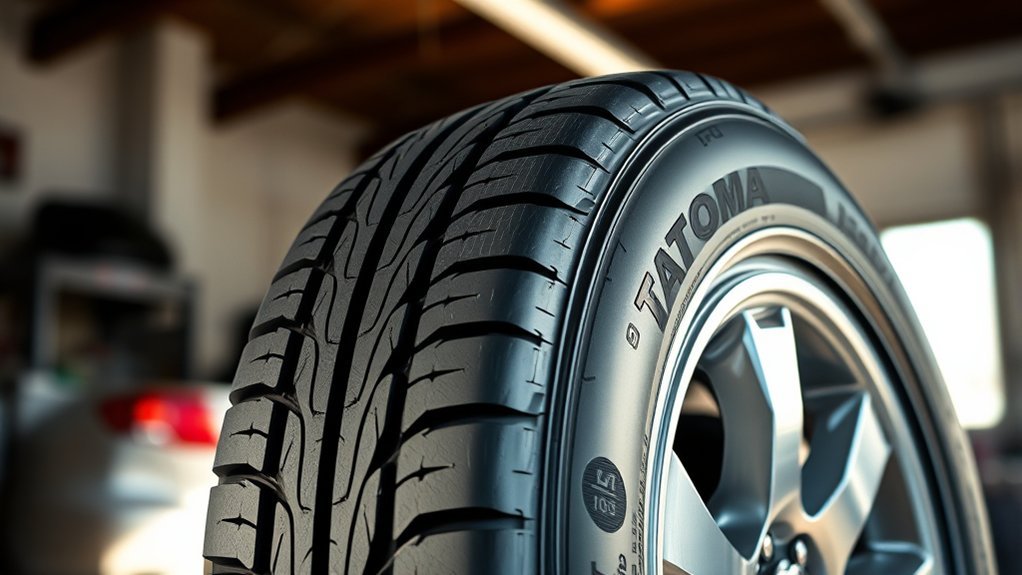
The Tacoma tire load index is the number in the tire’s service description that tells you how much weight one tire can carry when inflated correctly. For example, in a tire marked 265/70R17 115T, “115” is the load index and “T” is the speed rating.
A load index of 94 equals 1,477 lb per tire, while a load index of 115 equals 2,679 lb per tire. These numbers come from standardized load index charts, not from the tire size alone. When replacing Tacoma tires, match or exceed the original load index shown on the tire placard, owner’s manual, or factory tire service description.
Do not guess based on wheel diameter or tire width. Two tires can share the same size but have different load indexes, different load ranges, different inflation requirements, and very different behavior under cargo or towing weight.
Understanding Load Ratings: Why They Matter
Load ratings matter because your Tacoma’s tires support the truck, passengers, cargo, tongue weight, accessories, and dynamic forces from braking, cornering, bumps, and off-road impacts. The NHTSA recommends checking the owner’s manual or the Tire and Loading Information label on the driver’s side door edge or post when selecting the correct tire size and pressure.
Here is a corrected reference table for common load index values. Always confirm your exact tire size and rating with a complete load index chart or a tire professional.
| Load Index | Max Load (lbs) | Max Load (kg) |
|---|---|---|
| 94 | 1,477 | 670 |
| 96 | 1,565 | 710 |
| 98 | 1,653 | 750 |
| 100 | 1,764 | 800 |
| 109 | 2,271 | 1,030 |
| 115 | 2,679 | 1,215 |
For a full chart, compare your sidewall number with a published tire load index chart. Overloading tires can increase heat, wear, sidewall stress, and the chance of a blowout. Underinflation makes the problem worse because the tire flexes more and builds more heat.
Warning: A tire with a higher load index does not increase your Tacoma’s payload, GVWR, GAWR, or towing rating. Those limits are set by Toyota and appear on the certification label, owner’s manual, and towing information for your exact truck.
Load Index vs. Load Range vs. Ply Rating
Load index, load range, and ply rating are related, but they are not the same thing.
- Load index is the numeric capacity code, such as 109, 112, or 115.
- Load range is common on LT tires and appears as letters such as C, D, E, or F.
- Ply rating is an older strength comparison. A modern “10-ply rated” tire usually does not have 10 physical plies; it means the tire is built to a strength level associated with that rating.
For Tacoma owners, this distinction matters because a heavier LT tire may improve puncture resistance and load reserve, but it can also add weight, reduce ride comfort, affect fuel economy, and require different inflation pressure than a P-metric or Standard Load tire.
How XL Load Ratings Enhance Tacoma Tire Capacity
XL means Extra Load. It is most common on passenger-type tires, not LT tires. An XL tire is built to carry more load than a Standard Load tire of the same size when used at the correct higher inflation pressure. That can help if your Tacoma regularly carries cargo, has heavier accessories, or needs a stronger passenger-type tire without moving to an LT construction.
[Products Worth Considering]

The JACO ElitePro Digital Tire Pressure Gauge delivers shop-grade accuracy with a clear digital readout, making it easy to maintain proper tire pressure for safer driving and better performance. Built with rugged brass and steel components, a protective guard, and a flexible air hose, it is designed for reliable use across cars, trucks, motorcycles, bikes, RVs, and trailers. The lock-on display, built-in bleeder valve, and bright backlit screen add convenience in any lighting condition.
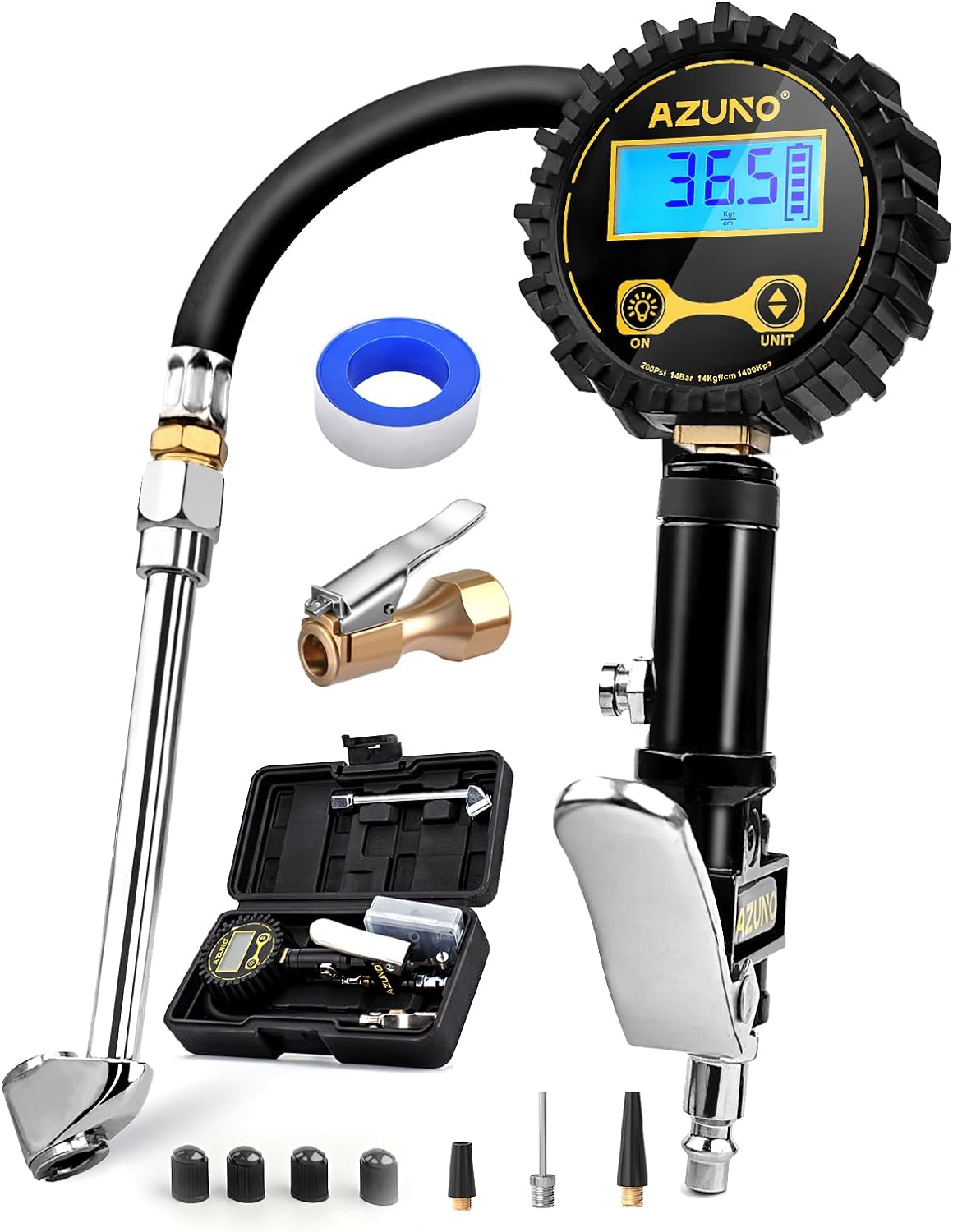
This digital tire inflator delivers accurate, easy-to-read pressure measurements with a bright backlit LCD and precise 0.1 resolution for confident inflation. Designed for single-handed use, it makes it simple to inflate or deflate tires while staying organized in the included portable carrying box. Built for a wide range of vehicles, it is a practical air compressor accessory for cars, trucks, SUVs, motorcycles, and more.

This recovery tow strap kit is built for dependable vehicle recovery and towing in demanding conditions. The heavy-duty strap features fortified reinforced loops and high break strength for secure pulls, while the included D-ring shackles add versatility and reliable connection options. Designed for trucks, SUVs, ATVs, UTVs, and boats, it also includes protective isolators and a storage bag for safer, quieter transport and easy organization.
Enhanced Load Capacity
XL tires can provide extra tire load capacity compared with Standard Load tires in the same size, but the actual capacity still depends on the specific tire’s load index. Do not assume every XL tire is strong enough for your Tacoma. Read the full service description and compare it with the factory requirement.
For example, a tire with a load index of 97 supports 1,609 lb per tire, while a load index of 99 supports 1,709 lb per tire. Those examples may be useful for passenger vehicles, but many Tacoma fitments require much higher load indexes. Your Tacoma’s placard is the deciding source.
Reinforced Tire Construction
XL tires use reinforced construction to handle additional load at the proper pressure. This may improve stability compared with a lower-rated tire, but it does not automatically make the tire right for towing, off-roading, or heavy hauling. For harsher use, Tacoma owners often compare XL passenger tires with LT Load Range C, D, or E options.
| Tire Marking | What It Means | Tacoma Consideration |
|---|---|---|
| SL | Standard Load passenger tire | Best for comfort when it meets OE specs |
| XL | Extra Load passenger tire | More load reserve than SL in the same size |
| LT Load Range C/D/E | Light truck construction | Often stronger, heavier, and firmer-riding |
Note: If you switch from P-metric tires to LT tires, do not simply use the old PSI. LT tires often need a different inflation pressure to carry the same load safely. Have a tire professional calculate the correct pressure for your tire size and load.
Is It Safe to Use Tires With a Higher Load Rating?
Yes, it is generally safe to use Tacoma tires with a higher load rating than the original tires as long as the new tires also match the correct size, wheel diameter, clearance, speed rating, and inflation requirements. The key is compatibility. A higher number is not automatically better for every driver.
Benefits of Higher Ratings
Higher load-rated tires may offer more reserve capacity, stronger sidewalls, and better durability when carrying camping gear, tools, recovery equipment, rooftop tents, bumpers, or trailer tongue weight. For off-road driving, a stronger tire can also resist bruising and punctures better than a lighter passenger tire.
That said, the benefit depends on how you use the truck. If your Tacoma is mainly a commuter, a heavy LT tire may feel harsher and add unnecessary weight. If you frequently tow, haul, or drive rocky trails, the tradeoff may be worthwhile.
Considerations for Compatibility
Before switching to a higher load rating, confirm these items:
- The tire size fits without rubbing at full steering lock and suspension compression.
- The wheel is approved for the tire size and inflation pressure.
- The load index or load range meets or exceeds the factory requirement.
- The speed rating is appropriate for the vehicle and your driving conditions.
- The tire pressure is set using the door placard or a correct load-inflation calculation.
- All four tires match in size, construction, and rating unless Toyota specifically allows otherwise.
How to Read a Tacoma Tire Sidewall
A tire code looks confusing at first, but each part has a job. Here is a simple example:
265/70R17 115T
- 265 = tire width in millimeters
- 70 = sidewall height as a percentage of width
- R = radial construction
- 17 = wheel diameter in inches
- 115 = load index
- T = speed rating
If the tire begins with LT, such as LT265/70R17, it is a light truck tire. LT tires are usually built for heavier-duty use and often carry load range markings such as C, D, or E.
How to Interpret Tacoma Tire Speed Ratings
The speed rating is the letter after the load index. It shows the maximum sustained speed the tire is designed to handle under controlled test conditions. It is not a recommendation to drive that fast, and it does not override posted speed limits, road conditions, tire wear, heat, load, or inflation pressure.
Common speed ratings include:
| Speed Rating | Max Speed (mph) | Common Use |
|---|---|---|
| Q | 99 | Some winter or off-road tires |
| S | 112 | Light trucks, SUVs, standard use |
| T | 118 | Common highway-rated passenger and truck tires |
| H | 130 | Higher-speed touring tires |
| V | 149 | Performance-oriented tires |
Use a published tire speed rating chart when comparing letters. For a Tacoma, the best speed rating is usually the one Toyota specified for your exact tire size, or a higher rating that still fits your use case.
What Does a Speed Rating of V Indicate for Tacoma Tires?
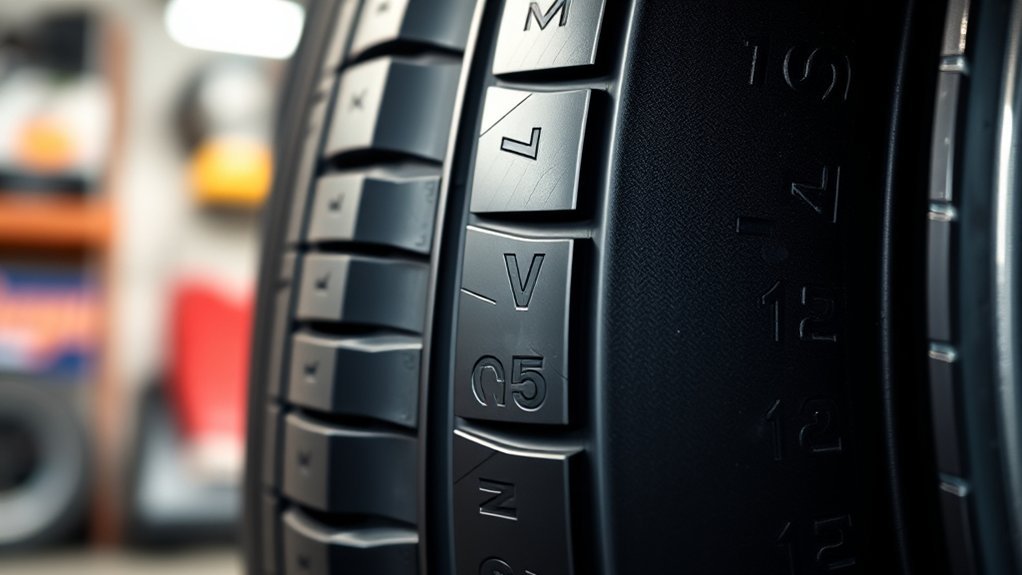
A speed rating of V means the tire is rated for up to 149 mph under controlled test conditions. That rating is more common on performance-oriented passenger tires than on many all-terrain or LT truck tires.
For Tacoma owners, a V-rated tire is not automatically better. It may improve steering response on pavement, but it may not be the best match for off-road traction, sidewall strength, winter grip, tread life, or ride comfort. If your Tacoma came with an S, T, or H-rated tire, a V-rated replacement can be acceptable only if the tire also matches the required size, load rating, wheel fitment, and inflation needs.
Thinking of Switching to Higher Speed Index Tires?
Switching to a higher speed index can make sense for some drivers, but it should not be the only reason you buy a tire. On a Tacoma, traction, load capacity, tread design, sidewall strength, and intended use usually matter more than a very high speed rating.
Benefits of Higher Speed Tires
Higher speed-rated tires may use construction and compounds that manage heat better and provide sharper steering response on pavement. That can help if you drive mostly on highways and want a more responsive feel.
The tradeoff is that some higher speed-rated tires may have shorter treadwear, less sidewall protection, or a firmer ride. For trucks that tow, haul, or leave pavement, a balanced tire is more important than chasing the highest speed letter.
Compatibility With Vehicle Specs
Before switching to a higher speed index, check your Tacoma’s factory tire size, load index, load range, and wheel rating. Also confirm that the tire’s category fits your driving: highway all-season, all-terrain, mud-terrain, winter, or all-weather.
Do not mix speed ratings across the same axle. Ideally, all four tires should be the same size, model, load rating, speed rating, and tread depth. Mismatched tires can affect handling, braking, traction control, ABS behavior, and 4WD performance.
Why Should Tacoma Owners Use Winter Tires With Lower Speed Ratings?
Many winter tires have lower speed ratings than summer or highway all-season tires because they are designed around cold-weather grip, flexible rubber compounds, and snow traction rather than high-speed heat resistance. That can be acceptable when the tire meets the Tacoma’s load requirements and you drive within the tire’s rated speed.
For winter driving, look for the three-peak mountain snowflake symbol. Transport Canada explains that tires with this symbol meet specific snow traction performance requirements and are designed for severe snow conditions. A 3PMSF all-terrain or winter tire can be a smart Tacoma choice in snow country, especially when paired with correct cold tire pressure checks.
Do not treat 3PMSF as a magic badge. It does not guarantee ice braking performance, and it does not mean you can drive at normal speeds on snow, slush, or black ice. Slow down, increase following distance, and check pressure more often as temperatures drop.
Pro Tip: If you install lower-speed-rated winter tires, place a reminder near the driver area or in your phone so you remember the tire’s maximum speed during long highway trips.
How Tire Ratings Affect Performance and Safety in Tacoma
Tire ratings affect how your Tacoma feels and performs in several ways:
- Load capacity: Helps the tire carry the truck, passengers, cargo, and trailer tongue weight safely.
- Heat resistance: Supports highway stability when the tire is properly inflated and not overloaded.
- Ride comfort: Heavier-duty tires often ride firmer than lighter passenger tires.
- Fuel economy: Heavier LT or aggressive all-terrain tires may reduce mpg.
- Handling: Sidewall stiffness, tread design, and speed rating can change steering response.
- Off-road durability: Stronger sidewalls and tougher tread designs can help on rocks, gravel, and trails.
The safest Tacoma tire is not simply the strongest or fastest-rated tire. It is the tire that matches Toyota’s specifications, your real load, your driving conditions, and the correct cold inflation pressure.
How to Choose the Right Tires for Your Tacoma
Use this simple process before buying replacement tires:
- Check the driver-door placard. Write down the factory tire size and cold PSI.
- Check your current tire sidewall. Note the size, load index, speed rating, and load range if present.
- Match or exceed load capacity. Do not go below the original load index or load range.
- Choose the right tire type. Highway tires suit commuting, all-terrain tires suit mixed use, mud-terrain tires suit aggressive trails, and winter tires suit snow and ice.
- Consider your real weight. Add passengers, cargo, bed racks, tents, bumpers, winches, tools, and trailer tongue weight.
- Verify fitment. Larger tires may rub or affect speedometer accuracy, gearing, braking, and spare tire storage.
- Set pressure correctly. Use Toyota’s placard for OE-equivalent tires or a professional load-inflation calculation for tire changes.
[Products Worth Considering]

This tubeless tire puncture repair kit helps quickly seal flats on cars, motorcycles, ATVs, trucks, and tractors without removing the tire. Its mushroom plug design improves sealing by filling the injury path and gripping from the inside for a secure, reliable repair. Compact and easy to carry, it is a practical roadside solution for everyday tire maintenance and emergency fixes.

This tire repair rubber nail kit offers a simple self-service solution for punctures in cars, motorcycles, trucks, and more. The spiral rubber design helps create a firm seal that supports quick repairs without removing the tire, while the two included sizes make it easier to match different puncture types. Built for broad vehicle compatibility, it is a practical emergency repair option for roadside and garage use.

We offer a remanufactured OEM 16x7" silver steel wheel for the 2005-2023 Toyota Tacoma 6 Lug. Factory part number 42601-AD040 and/or 42601-AD041.
Choosing the Right Tires at Virginia Tire & Auto
When choosing Tacoma tires at Virginia Tire & Auto or any tire shop, bring three pieces of information: your model year and trim, the driver-door tire placard details, and how you use the truck. A Tacoma that mostly commutes needs a different tire than one carrying tools, towing a trailer, or running rocky trails.
Ask the technician to confirm the replacement tire’s size, load index, speed rating, load range, and recommended inflation pressure before installation. If you are moving to LT tires, larger tires, or a different wheel size, ask whether the change affects ride quality, fuel economy, speedometer accuracy, spare tire fitment, and pressure settings.
After installation, recheck lug torque if the shop recommends it, check cold pressure the next morning, and inspect tread wear monthly. NHTSA recommends checking tire pressure at least once a month when tires are cold and checking tread regularly as part of tire maintenance.
[Products Worth Considering]
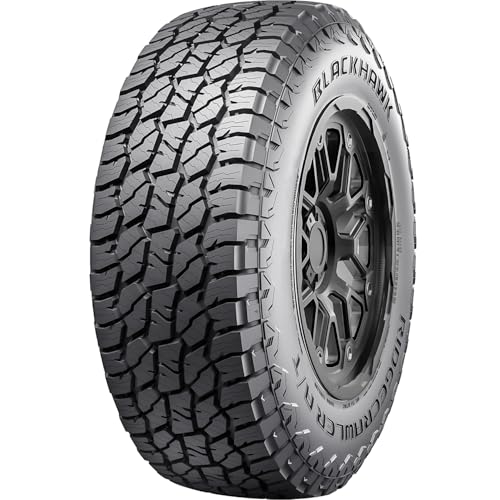
Product Overview: The Blackhawk Ridgecrawler A/T is a 265/70R17 123/120S E 10 Ply Rated All Terrain Tire Manufactured For Light Trucks

Product Overview: The Fortune Tormenta A/T2 is a 265/70R17 123/120S E 10 Ply Rated All Terrain Tire Manufactured For Light Trucks
Frequently Asked Questions
Do load index and speed rating matter on Tacoma tires?
Yes. Load index tells you how much weight each tire can carry, and speed rating tells you the tire’s tested maximum sustained speed. Using tires below Toyota’s required load rating can increase the risk of tire damage, overheating, poor handling, or failure.
What’s better for a Tacoma, a 10-ply or 12-ply tire?
Neither is automatically better. A 10-ply-rated tire usually means Load Range E, while a 12-ply-rated tire often means Load Range F. A 12-ply-rated tire may be stronger, but it can ride harsher, weigh more, and be unnecessary for many Tacomas. Choose based on Toyota’s requirements and your actual hauling, towing, and trail use.
Can I use a tire with a higher load index than stock?
Yes, if the tire fits properly and meets the correct size, speed rating, wheel, and inflation requirements. A higher load index can add tire reserve, but it does not increase the Tacoma’s payload, GVWR, axle rating, or towing capacity.
Can I use a lower speed rating on winter tires?
Sometimes, but only when the tire meets the required load capacity and you obey the lower speed limit of the winter tire. Local rules vary, so confirm with your tire shop and avoid exceeding the tire’s rated speed.
Do LT tires need more PSI than P-metric Tacoma tires?
Often, yes. LT tires are built differently and may need different pressure to carry the same load. Do not rely only on the old door-placard PSI if you changed tire construction or size. Ask a tire professional to calculate the correct pressure.
Where do I find my Tacoma’s correct tire rating?
Start with the Tire and Loading Information label on the driver-side door jamb. Then check your Toyota owner’s manual and the tire sidewall. If those do not match because the truck has aftermarket tires or wheels, ask a qualified tire shop to verify the correct replacement specs.
Conclusion
Choosing Tacoma tires is not just about tread pattern or looks. The safest choice is a tire that matches the correct size and meets or exceeds the factory load index, load range, and speed rating. Higher-rated tires can be useful for towing, hauling, and off-road durability, but they cannot raise Toyota’s official weight limits. Check the placard, confirm the sidewall code, use the right cold pressure, and choose tires that match how you actually drive.
Sources
- Toyota Owners — 2025 Tacoma Tire Information — Tacoma tire information, sidewall symbols, and owner’s manual reference.
- NHTSA TireWise — Tire Safety Ratings and Awareness — Tire label, tire pressure, tread, and replacement tire safety guidance.
- Tires Plus — Tire Load Index Chart — Load index values and maximum load examples.
- Tires Plus — Understanding Tire Speed Rating — Speed rating letter meanings and maximum speed chart.
- Transport Canada — Using Winter Tires — Three-peak mountain snowflake symbol and winter tire traction guidance.



[…] If the door sticker is damaged or unreadable, check the owner’s manual for tire inflation guidance. The manual also explains TPMS behavior, tire rotation, and replacement-tire requirements. When choosing non-factory tires, also confirm the correct Tacoma tire load index, load range, and speed rating. […]
[…] 1,874 pounds, and H means it is rated for 130 mph. Never go below what your vehicle calls for. Our load index and speed rating guide explains the […]