If your tire inflator struggles to reach the desired PSI, inflates slowly, or shows signs of air leaks, it’s time to contemplate replacement. Frequent overheating during short use or failure to turn on indicates inefficiency or defects. Also, monitor unusual noises like humming or grinding, as these can signal internal issues. Regular checks can prevent unpleasant surprises. Understand how to evaluate your inflator’s lifespan and performance to guarantee you stay prepared on the road.
Understanding the Role of Your Tire Inflator

A tire inflator plays an essential role in vehicle maintenance by ensuring your tires maintain ideal pressure. Proper air pressure is vital for vehicle safety, fuel efficiency, and tire longevity. Most tire inflators operate by compressing air to inflate tires, making them indispensable for quick roadside repairs and routine checks. You’ll find that many inflators connect seamlessly to your vehicle’s 12V outlet, providing a convenient power source for inflation on the go. Advanced models feature digital pressure gauges and automatic shut-off functions, ensuring precise inflation without the risk of over-inflation. By regularly using a reliable tire inflator, you can effectively prevent tire-related issues, reduce the likelihood of blowouts, and enhance your overall driving experience.
Common Signs Your Tire Inflator Needs Replacement
Maintaining your tire inflator is just as important as keeping your tires properly inflated. If your inflator struggles to reach the desired PSI or takes too long, it’s time to evaluate replacement. Look out for air leaking from the hose or nozzle, which can render the inflator ineffective. Frequent overheating during short uses indicates inefficiency and potential failure. If your inflator won’t turn on despite checking connections, it’s likely defective.
| Sign | Description | Action Needed |
|---|---|---|
| Struggling PSI | Takes longer to inflate | Replace |
| Air Leaking | Ineffective inflation | Replace |
| Overheating | Frequent overheating | Replace |
Why Do Unusual Noises From Your Inflator Matter?
When you hear unusual noises coming from your tire inflator, it’s vital to pay attention, as these sounds can indicate underlying mechanical issues that, if unchecked, may lead to complete failure. Humming or buzzing could signal problems with the motor or pump, often due to blockages or internal damage. Excessive vibration or rattling suggests loose components or worn-out parts, diminishing the inflator’s efficiency. Monitoring changes in sound during operation is important; a sudden noise increase might indicate overheating or mechanical strain. Ignoring these unusual noises can result in further damage, potentially leading to costly repairs or the need for a complete inflator replacement. Stay vigilant, and address any concerns promptly to maintain peak performance.
How Inconsistent Air Pressure Affects Tire Inflation Efficiency
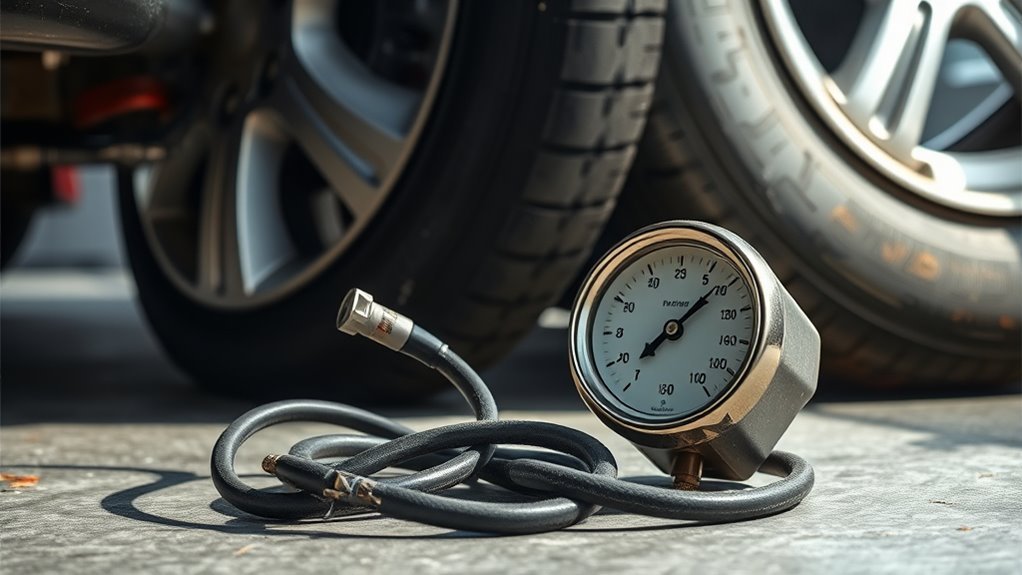
Unusual noises from your tire inflator can signal issues that might lead to inconsistent air pressure, which considerably impacts tire inflation efficiency. Here’s how fluctuating pressure affects your tires:
- Under-inflation: Even a 1 psi drop can decrease fuel efficiency by up to 3%.
- Poor traction and handling: Uneven inflation increases the risk of blowouts and accidents.
- Uneven wear: Pressure fluctuations can reduce tire lifespan by up to 25%.
- Safety and performance: An unreliable tire inflator may struggle to reach the recommended PSI, compromising vehicle safety.
Regularly checking your tire inflator and air compressors can prevent these issues, ensuring your tires remain ideally inflated for improved driving comfort and safety.
How to Identify Faulty Valve Stems Affecting Inflation
Identifying faulty valve stems is essential for ensuring proper tire inflation and maintaining vehicle safety. A damaged or blocked valve stem can cause quick air escape, leading to inflation issues. Look out for hissing sounds while inflating; this may signal a loose or damaged valve core. Regular inspections are vital, as unnoticed small leaks can hinder inflation. The soapy water test is effective; any bubbling indicates a breach. Here’s a quick reference table to help you identify valve stem issues:
| Sign | Possible Cause | Recommended Action |
|---|---|---|
| Hissing Sound | Loose valve core | Tighten or replace core |
| Visible Wear | Damaged valve stem | Replace valve stem |
| Bubbling in Water Test | Leak in valve stem | Address breach |
How to Handle Overheating Issues With Your Tire Inflator
If you notice your tire inflator getting excessively hot during use, it’s vital to address the issue promptly. Look for symptoms like reduced performance or unusual noises, which can indicate overheating. Implement cooling techniques and solutions to prevent damage and guarantee your inflator operates efficiently.
Identify Overheating Symptoms
Overheating symptoms in your tire inflator can become apparent through a few key indicators that demand your attention. Recognizing these signs can help you address issues before they escalate. Here are four critical symptoms to watch for:
- Excessive warmth on the motor casing during operation.
- An unusual burning smell emanating from the portable tire inflator.
- Uncommon noises, like grinding or humming, suggesting potential internal damage.
- Frequent automatic shut-offs due to overheating, signaling it might be time for a replacement.
Stay vigilant and verify your inflator operates within the manufacturer’s recommended duty cycle. Regularly check that air intake vents are clean and unobstructed to prevent overheating issues and maintain peak performance.
Cooling Techniques and Solutions
Recognizing the signs of overheating is just the first step; implementing effective cooling techniques is essential for maintaining your tire inflator’s performance. Make sure your inflator has adequate ventilation during operation, as restricted airflow can raise temperatures. Regularly clean the air intake and exhaust vents to eliminate dust and debris that hinder cooling efficiency. After prolonged use, allow your inflator to cool down for 15-30 minutes, especially if it’s been running continuously for over 10 minutes. Opt for a tire inflator with built-in thermal protection features that automatically shut off the unit at a certain temperature. Additionally, consider investing in a high-quality model with advanced cooling systems to maintain peak operating temperatures and enhance the longevity of your inflator.
Troubleshooting Power Source Problems With Your Tire Inflator
To troubleshoot power source problems with your tire inflator, start by checking the power cord for any visible damage, as this can impact performance. Next, test the electrical outlet by plugging in another device to confirm it’s functioning correctly. Don’t forget to inspect the built-in fuse for corded models and verify the battery is fully charged for cordless units, as these factors are essential for proper operation.
Check Power Cord Damage
When troubleshooting power source problems with your tire inflator, it is vital to first inspect the power cord for visible damage. A compromised power cord can prevent your air pump from functioning correctly, leading to unnecessary frustration. Here are some key checks to perform:
- Look for frayed wires or cuts.
- Verify the inflator is plugged into a functioning electrical outlet.
- Check the built-in fuse; a blown fuse may interrupt the power supply.
- For cordless models, confirm the battery is inserted correctly and fully charged.
Regularly examining the power cord for wear and tear is important, as prolonged use can lead to degradation and increase the risk of electrical hazards. Prioritize safety and performance to keep your tire inflator operational.
Test Electrical Outlet Functionality
After checking the power cord for any visible damage, the next step is to verify the electrical outlet is functioning properly. Plug in another device to see if it powers on; this confirms the outlet’s functionality. If you’re using a corded air compressor, confirm the connection is secure and free from any obstructions. For cordless inflators, check that the battery is correctly inserted and charged. A depleted battery can prevent the inflator from operating. If everything appears functional but the inflator still won’t turn on, you might need to troubleshoot its internal components. Don’t forget, if you’re looking for more detailed steps, check out our guide for troubleshooting your tire inflator effectively.
Inspect Fuse and Battery
Sometimes, a tire inflator‘s failure to operate can be traced back to issues with the fuse or battery. To guarantee your inflator functions properly, follow these steps to inspect fuse and battery:
- Check the power cord for visible damage, like frayed wires or cuts.
- Plug the inflator into a working electrical outlet; test it with another device to confirm.
- For corded models, inspect the built-in fuse for signs of being blown and replace it as needed.
- In cordless models, verify the battery is correctly inserted and fully charged.
Regularly testing the switch and controls with a multimeter can also help identify continuity issues, potentially saving you from unexpected failures.
How to Evaluate Your Tire Inflator’s Lifespan

To effectively evaluate your tire inflator’s lifespan, you should pay close attention to its performance and any signs of wear. Regularly check for decreased airflow or an inability to reach desired PSI, as these issues may indicate it’s time for a replacement. Keep track of your inflator’s age; most units last between 2-5 years, depending on usage and maintenance. Listen for unusual noises, like humming or grinding, which can suggest internal failure. Inspect for visible damage, such as frayed cords or cracks, that could compromise safety. Finally, monitor any recurring issues; frequent breakdowns often signal that investing in a new unit is more cost-effective than ongoing repairs for inflating tires.
When to Seek Professional Help for Tire Inflator Repairs?
When your tire inflator shows signs of malfunction, it’s crucial to contemplate seeking professional help. Ignoring issues can lead to safety hazards or further damage. Consider contacting us if you notice any of these common causes:
- Persistent failure to inflate tires, despite proper usage.
- Unusual noises, like humming or buzzing, indicating internal problems.
- Excessive moisture buildup that could damage the inflator.
- Significant increases in energy consumption during operation.
If your inflator is over a year old and frequently breaking down, a technician can evaluate whether repair or replacement is more cost-effective. Don’t hesitate to reach out for a professional assessment to guarantee your inflator operates safely and efficiently.
Tips for Maintaining Your Tire Inflator to Extend Its Life
Maintaining your tire inflator is essential for guaranteeing its longevity and reliable performance over time. Start by regularly cleaning the air filter to prevent dust and debris from clogging the system, which can lead to overheating. Store the inflator in a cool, dry place to avoid extreme temperature exposure. Before each use, inspect the power cord and hose for wear or damage to confirm safe operation. Periodically check and tighten all connections, including the nozzle and valve stem, to maintain a secure seal and prevent air leaks. Finally, follow the manufacturer’s recommended maintenance schedule; if the air filter shows significant wear or damage, consider replacing it to keep your inflator in peak condition.
Frequently Asked Questions
Why Did My Tire Inflator Stop Working?
Your tire inflator stopped working due to potential tire inflator issues like compressor failure, a damaged power source, or blockages. Inspect these components to determine the exact cause and restore functionality effectively.
How Do I Know When My Air Compressor Needs Replacing?
If your air compressor’s struggling like a rotary phone in a smartphone world, it’s time to replace it. Watch for declining performance, rising repair costs, and maintenance issues that hinder your inflator’s efficiency.
What Are Four Common Symptoms of Tire Problems?
You’ll notice uneven tire wear, fluctuating pressure readings, vibrations during driving, or visible sidewall damage. Regular pressure monitoring can help identify these symptoms early, ensuring your tires perform safely and efficiently on the road.
What to Look for in a Tire Inflator?
When choosing a tire inflator, prioritize features like a reliable power source, built-in pressure gauge, fast inflation rate, and automatic shut-off. Regularly check for wear and maintain it for peak performance and safety.
Conclusion
In summary, keeping an eye on your tire inflator’s performance is essential—after all, it’s your trusty sidekick on the road. If you notice any signs of wear, like unusual noises or inconsistent air pressure, don’t wait for it to fail you at the worst possible moment. Regular maintenance can extend its life, ensuring it’s always ready to tackle those flat tires. Trust us, a reliable inflator is worth its weight in gold when you’re stranded.