High-altitude driving can make a Toyota 4Runner feel different, especially on long grades, hot days, and heavily loaded trips. The right preparation is simpler than many guides suggest: follow the fuel and fluid specifications for your exact model year, set tires correctly, make sure the cooling and braking systems are healthy, keep cargo controlled, and know which warning signs mean you should stop rather than keep climbing.
Last updated: September 16, 2026
Affiliate disclosure: If this page displays product links, we may earn a commission from qualifying purchases at no extra cost to you.
Quick Answer
High altitude does not require a special 4Runner tune, thinner oil, or premium fuel by default. Use the fuel and fluids specified for your model year, set cold tire pressure to the door-jamb placard, check cooling and brakes, reduce unnecessary load, and use lower gears to control speed on long descents. The naturally aspirated 2010–2024 generation will generally show altitude-related power loss more clearly than the turbocharged 2025+ generation.
Key Takeaways
- Older naturally aspirated 4Runners generally feel altitude-related power loss more clearly than the turbocharged 2025+ generation.
- Do not switch to premium fuel, thinner oil, special additives, or an altitude ECU tune unless your model, modification, or diagnosis specifically calls for it.
- Set tire pressure cold to the Toyota tire-and-loading placard rather than using a universal altitude correction.
- Long climbs and descents put extra demand on the cooling system, transmission, brakes, tires, and towing setup.
- Sudden power loss, a flashing check-engine light, overheating, severe brake fade, or serious passenger altitude symptoms are reasons to stop and address the problem.
Warning: Model year matters. Toyota changed the 4Runner from the naturally aspirated 4.0-liter V6 used through 2024 to turbocharged 2.4-liter powertrains for the redesigned generation. Always use the fuel, oil, tire-pressure, payload, towing, and maintenance specifications for your exact vehicle rather than a generic “high-altitude” setting.
How 2010–2024 and 2025+ 4Runners Differ at Altitude
Toyota made a major powertrain change for the 2025 model year, so “4Runner high-altitude performance” does not mean exactly the same thing for every generation. The table below gives the useful distinction without applying a universal horsepower-loss percentage that Toyota does not publish for every altitude and operating condition.
| Generation | Factory Powertrain Context | What Altitude Means |
|---|---|---|
| 2010–2024 | Naturally aspirated 4.0L V6, 270 hp, five-speed automatic; maximum towing capability of 5,000 lb for the 2024 generation. Toyota 2024 specifications. | Lower air density can reduce available naturally aspirated engine output, so acceleration and grade-climbing performance may feel weaker as elevation rises. |
| 2025+ | Turbocharged 2.4L i-FORCE or i-FORCE MAX powertrain, eight-speed automatic, with up to 326 hp depending on configuration; current-generation towing capability is up to 6,000 lb. Toyota 2025 specifications. | Turbocharging can compensate for part of the lower ambient pressure, although heat, grade, load, towing demand, and operating limits still matter. |
Source note: This guide uses Toyota specifications and owner guidance plus U.S. Department of Energy and CDC guidance where relevant. It does not claim a universal percentage of engine-power loss per 1,000 feet because actual vehicle performance varies with powertrain, temperature, load, boost control, modifications, and operating conditions.
How Altitude Affects 4Runner Performance

As elevation rises, air density decreases. A naturally aspirated engine cannot draw in as much oxygen per intake stroke, so maximum available power generally falls. That is why a fifth-generation 4Runner can feel less responsive on a high mountain pass even when nothing is mechanically wrong.
Model year changes the picture. Toyota’s 2024 4Runner information describes the 4.0-liter naturally aspirated V6 used in that generation. Toyota’s 2026 4Runner information lists turbocharged 2.4-liter i-FORCE and available i-FORCE MAX powertrains. Turbocharging can compensate for part of the lower ambient pressure, so a stock 2025+ 4Runner may maintain its performance differently from an older naturally aspirated model. The turbo system, cooling system, and transmission can still work hard during sustained climbs.
Mountain-road fuel economy may also drop, but the main reasons are often grade, speed changes, acceleration, heavier loads, towing, off-road tires, roof cargo, and repeated use of lower gears. Modern engine management adjusts fueling from sensor data; you do not need to manually “add more fuel” to compensate for thin air.
Heat matters too. A high pass on a cool morning is different from a long climb in summer with passengers, cargo, a trailer, and the air conditioner running. Watch the vehicle’s temperature and warning indicators and reduce load or pace when the vehicle shows signs of thermal stress.
Note: Gradual reduction in acceleration at elevation can be normal, especially on a naturally aspirated 4Runner. Sudden power loss, shaking, a flashing check-engine light, overheating, or a new abnormal noise is not something to dismiss as “just altitude.”
Pre-Trip Quick Checklist: Top 5 High-Altitude Actions
- Check tires and brakes. Set tire pressure when cold to the value on the vehicle’s tire-and-loading placard. Inspect tread, sidewalls, brake pads, brake-fluid condition, and pedal feel before a route with long climbs or descents.
- Inspect cooling and engine fluids. Check coolant level only as directed by the owner’s manual, look for leaks or damaged hoses, inspect the radiator/condenser area for blocked airflow, and confirm the correct engine-oil level.
- Use the correct fuel. Fill with the minimum octane specified for your exact engine and model year. Do not assume altitude requires premium gasoline.
- Check electrical and engine condition. A healthy battery is especially valuable on remote trips. Address existing warning lights, misfires, rough idle, or charging problems before leaving services behind.
- Control the load and plan the route. Stay within payload, axle, hitch, tire, and roof-system ratings. Carry water for occupants, food, first aid, a spare tire or approved repair solution, jack, recovery equipment appropriate for the route, and a way to communicate where cellular service is limited. Check mountain weather, road conditions, closures, reliable fuel stops, and communication coverage before leaving dependable services.
Fluids, Filters & Fuel: What to Replace Before Climbing
High altitude does not create a separate maintenance schedule. Service the 4Runner according to its model-year maintenance requirements and accelerate maintenance only when the vehicle’s operating conditions or Toyota’s severe-service guidance call for it.
Use the engine-oil viscosity Toyota specifies for the engine and expected temperature range. Do not automatically switch to thinner oil because you are driving higher. Check the level before departure and investigate consumption or leakage instead of trying to compensate with an improvised viscosity.
A clean, correctly specified engine air filter matters, especially after dusty off-road travel, but a “high-flow” aftermarket filter is not required simply because elevation increases. Replace a dirty filter with a suitable OE or quality equivalent and make sure the airbox and intake ducting are sealed correctly. For a model-specific maintenance example, see our 2003 Toyota 4Runner V8 engine air-filter guide.
Likewise, there is no routine need to replace a fuel filter or pour in a “high-altitude fuel additive” before every mountain trip. Follow the scheduled maintenance for your exact model. If contaminated fuel, poor fuel pressure, injector trouble, or another fuel-system problem is suspected, diagnose the cause rather than masking it with additives.
Pro Tip: Before a remote trip, photograph the tire-pressure placard and the owner’s-manual pages covering fuel, fluid, towing, and warning-light guidance. That gives you the correct specification for your exact 4Runner even when you have no signal.
[Products Worth Considering]
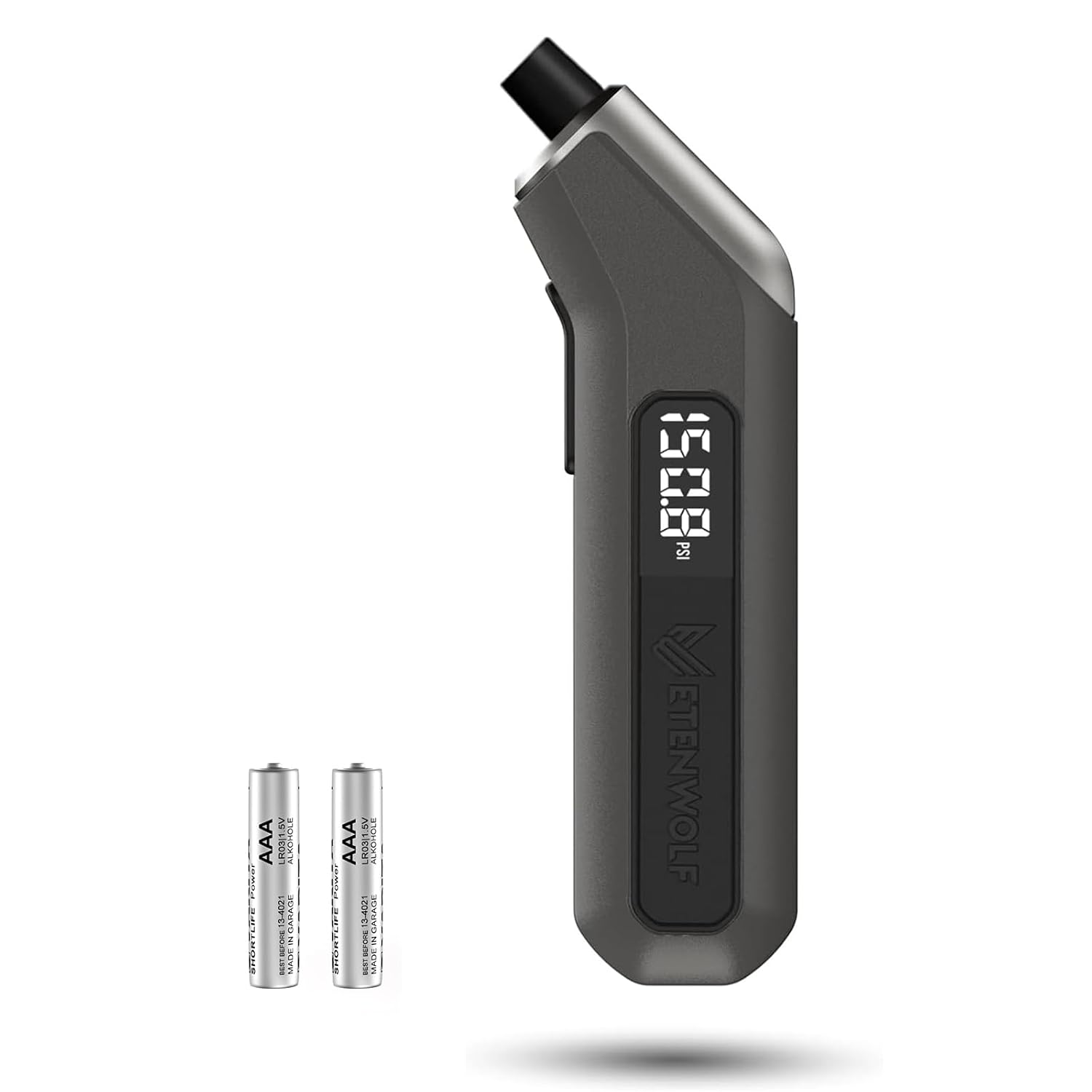
The ETENWOLF T300 digital tire pressure gauge delivers precise readings for cars, RVs, trucks, bikes, and heavy-duty vehicles with a wide measuring range and consistent accuracy. It is built to perform in extreme temperatures, includes a bright LED light for low-visibility use, and uses replaceable AAA batteries for convenient long-term operation. Durable enough to withstand rugged use, it is a practical tool for maintaining proper tire pressure across a variety of vehicles.
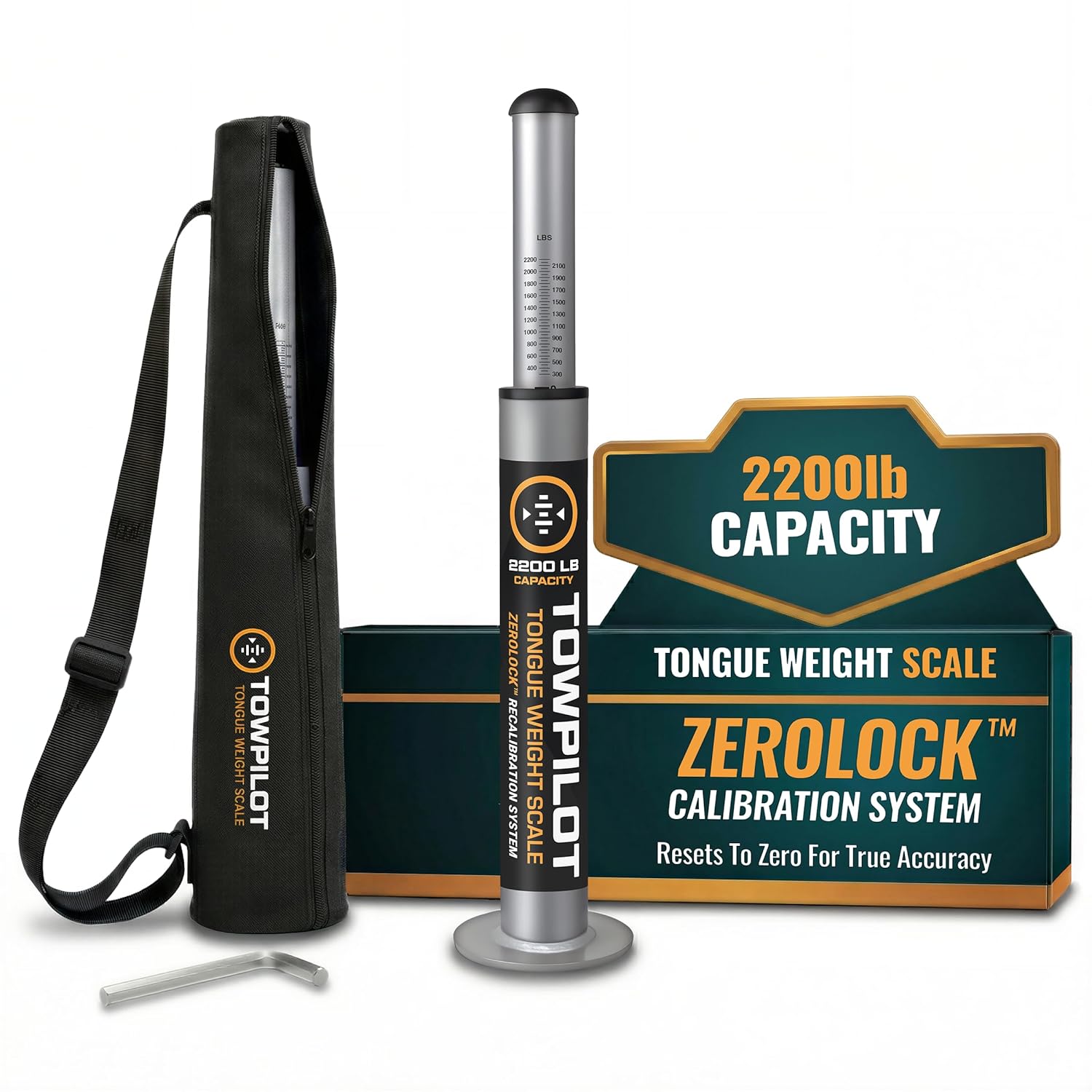
This trailer tongue weight scale helps you check hitch weight quickly and accurately before towing, reducing sway and improving overall safety. Built with durable steel and a spring mechanism, it works without batteries and includes a recalibration feature to maintain true-zero accuracy over time. It is designed for RVs, campers, and utility trailers, with a top plate that helps protect your coupler during use.

Rhino USA D Ring Shackles provide a dependable recovery connection for off-road and towing setups, with a high break strength designed for demanding use. They fit most aftermarket bumpers and universal shackle mounts, and the included rubber isolator kit helps reduce noise, vibration, and wear. Built from chromoly steel with an anti-rust powder-coated finish, these shackles are made for long-lasting performance in harsh conditions.
Fuel & Octane Tips for High-Altitude 4Runner Driving
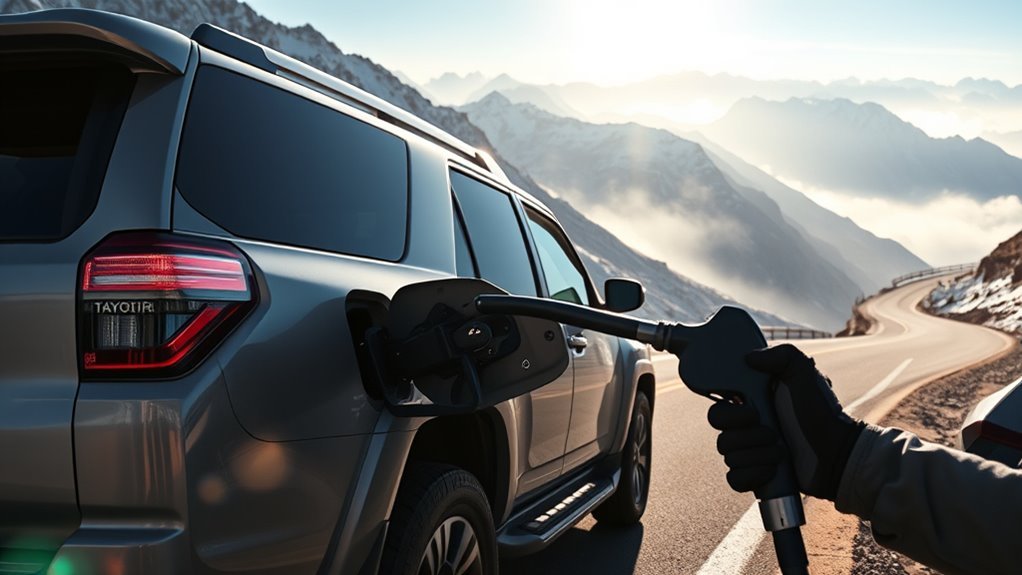
Choose fuel according to Toyota’s specification for your exact model year and engine—not according to elevation alone. The U.S. Department of Energy notes that vehicles designed for regular gasoline generally see little or no benefit from buying premium fuel solely for a higher octane number. If your specific 4Runner requires or recommends a different grade, follow that requirement. For a deeper model-specific breakdown, see our 4Runner 87 vs. 91 octane guide.
Use the Octane Toyota Specifies
Octane is a measure of a gasoline’s resistance to knock; it is not a measure of how much energy or oxygen the fuel contains. Premium fuel does not restore the oxygen missing from thin mountain air.
| Situation | Best Action |
|---|---|
| Vehicle specifies regular fuel | Use the specified regular grade or higher if required by local availability |
| Vehicle requires premium | Use the required premium grade |
| Modified engine or aftermarket tune | Follow the tuner’s verified fuel requirement |
| Knock, misfire, or warning light | Diagnose the problem instead of assuming premium fuel will fix it |
For earlier 4Runners, consult the model-year manual because specifications changed across generations. Toyota’s official 2023 4Runner owner’s manual is one example of why model-specific guidance should take priority over generic altitude advice.
Adjust Fuel Strategy, Not Fuel Mapping
For remote mountain travel, the useful fuel strategy is logistical rather than electronic:
- Start remote sections with enough fuel to reach the next reliable station plus a sensible reserve.
- Use the octane and fuel type specified for your model.
- Avoid questionable or contaminated fuel when another reliable station is available.
- Expect climbing, towing, larger tires, roof cargo, low-range travel, and repeated acceleration to increase consumption.
- Do not reflash fuel maps merely because you crossed a certain elevation.
ECU Tune & Sensors: When Diagnosis Is Needed
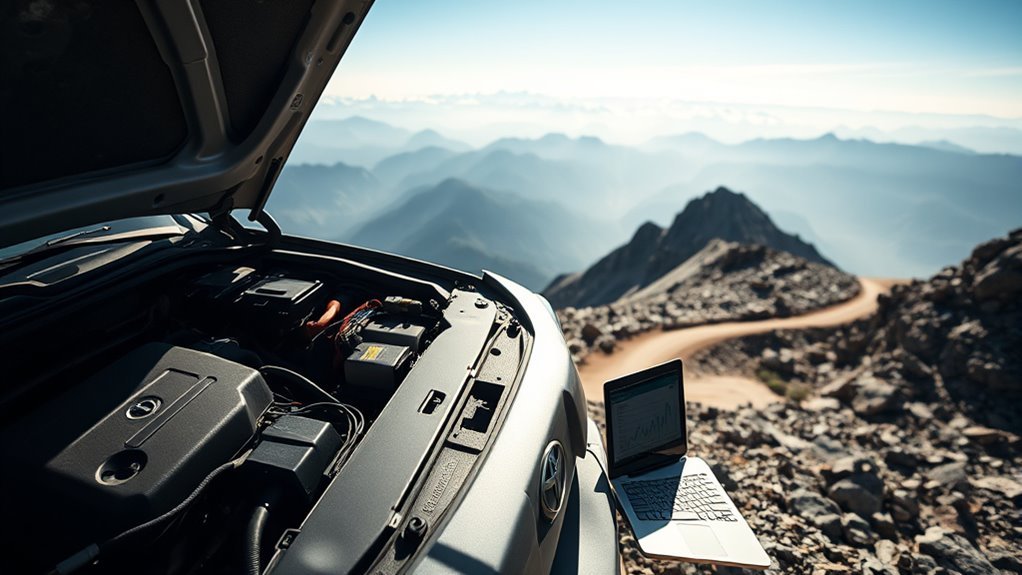
A stock, healthy 4Runner does not normally need an “altitude tune” at 5,000 feet or another arbitrary elevation. Factory engine management uses inputs from sensors such as manifold pressure, airflow, temperature, oxygen, and throttle position to control fueling and ignition as operating conditions change.
Diagnosis becomes appropriate when the vehicle behaves abnormally. If you have persistent rough idle, repeated misfires, a check-engine light, unusual fuel trims, poor boost behavior on a turbocharged model, or a problem that appears after an intake/exhaust/tuning modification, scan for diagnostic trouble codes and inspect the underlying system.
| Symptom | What to Do |
|---|---|
| Gradual reduction in acceleration at elevation | May be normal; reduce load and select gears appropriately |
| Check-engine light | Read diagnostic codes and follow the model’s service guidance |
| Flashing check-engine light or severe misfire | Reduce load and stop driving as soon as it is safe |
| Rough idle after an intake modification | Inspect intake installation, connectors, leaks, and sensor condition |
| Custom engine calibration | Follow the tuner’s verified requirements and log data rather than guessing |
4Runner Cooling: Prevent Overheating on Mountain Climbs
Long grades, slow off-road travel, high outside temperatures, towing, and heavy loads can increase engine and transmission heat. Before a demanding trip, check the cooling system for obvious leaks, verify coolant level as directed by Toyota, inspect accessible hoses, and make sure the radiator and condenser are not packed with mud, leaves, insects, or trail debris that restrict airflow.
- Watch the temperature gauge and warning indicators during long climbs.
- If temperature begins rising abnormally, reduce engine load and safely slow down or stop instead of forcing the vehicle to maintain speed.
- Turn off unnecessary loads such as aggressive acceleration; use air-conditioning reduction only when it can be done safely and comfortably.
- After dusty or muddy travel, inspect the front heat exchangers for blocked airflow.
- Never remove a radiator or pressurized coolant cap while the system is hot.
Warning: If the vehicle displays an overheating warning, loses coolant, produces steam, or the temperature keeps rising after load is reduced, stop in a safe place and follow the owner’s-manual overheating procedure. Continuing to drive an overheated engine can cause major damage.
Brakes & Downhill Strategy for Long Descents
Long descents can overheat brakes if the vehicle’s speed is controlled mainly by continuous pedal pressure. Before the trip, inspect brake condition and make sure the pedal feels normal. On the descent, reduce speed before the grade becomes severe and select a lower transmission range or gear when appropriate so engine braking shares the work. Toyota’s 2023 4Runner owner’s manual likewise warns against holding the brake pedal down too long or applying the brakes too frequently on steep or long downhill grades because braking efficiency can be reduced by overheating.
Avoid choosing an arbitrary speed such as “10–15 mph below the limit.” The safe speed depends on grade, curves, visibility, surface, weather, traffic, vehicle load, trailer weight, and posted limits. If repeated braking produces a soft pedal, burning smell, smoke, vibration, or noticeably weaker braking, pull over safely and allow the system to cool.
Some newer 4Runner configurations include downhill-assist technologies, but these systems do not replace proper speed selection or brake management. Toyota describes Downhill Assist Control among the available off-road technologies on the current generation.
| Check | Action |
|---|---|
| Brake pads | Inspect usable friction material before a mountain trip |
| Brake fluid | Check condition/service history according to Toyota guidance |
| Pedal feel | Investigate softness, excessive travel, or unusual vibration |
| Gear selection | Use an appropriate lower range/gear for engine braking |
| Brake fade | Stop safely and allow the brakes to cool |
[Products Worth Considering]

This A-Premium engine air filter is designed to help maintain clean airflow for compatible Lexus and Toyota vehicles, supporting better engine performance and efficiency. It uses fine filtration media to capture debris while minimizing airflow restriction, making it a practical replacement for routine maintenance. With fitment for multiple popular models and a convenient boxed single-pack design, it offers a straightforward solution for keeping your engine protected.
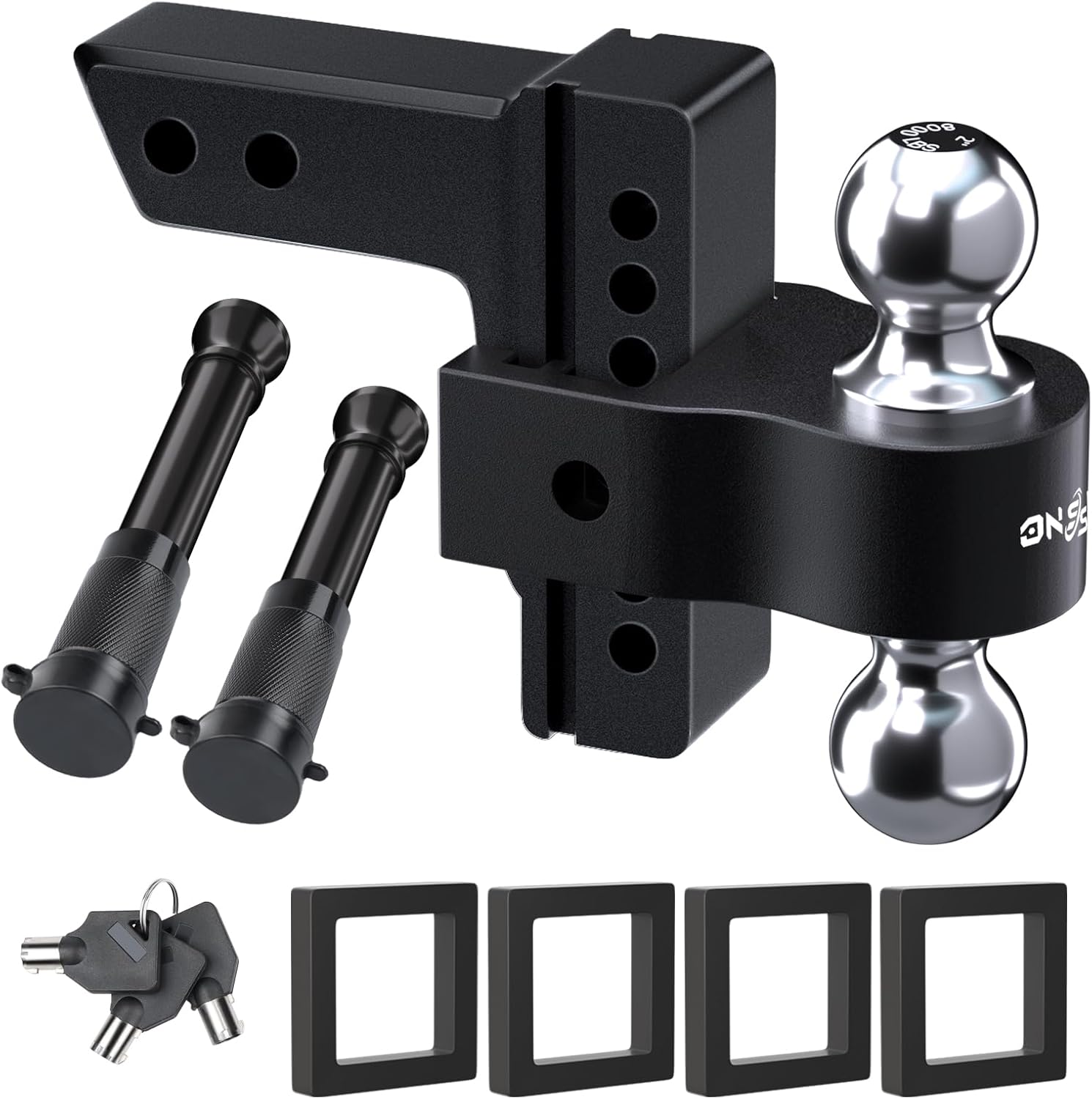
This adjustable trailer hitch is designed for 2-inch receivers and offers flexible towing with a 6-inch drop and rise range. Dual ball sizes help support different trailer setups, while the high-strength aluminum construction is built for dependable performance on tough jobs. Included hitch locks and silencers add security and help reduce noise for a smoother towing experience.

This synthetic soft shackle set is designed for safer, easier off-road recovery with a simple loop-and-tighten setup that helps make vehicle pulls more straightforward. Built as a lightweight alternative to traditional metal shackles, it uses anti-scratch synthetic fiber to help protect your vehicle during recovery tasks. The two-pack format adds convenience for trail use, and Rhino USA backs the product with lifetime replacement support.
Tires & Suspension Setup for High-Altitude Roads
Altitude itself does not require a special suspension tune. What matters is tire condition, tire pressure, terrain, vehicle load, alignment, and whether suspension components are in good condition.
Set tire pressure when the tires are cold using the pressure listed on the driver’s tire-and-loading placard for the vehicle’s approved tire configuration. Recheck during a trip when you experience large changes in temperature or elevation, carry heavy loads, or notice handling changes. Do not bleed air merely because a tire that has been driven reads higher than it did cold.
- Carry an accurate gauge and a portable compressor on remote routes.
- Inspect tread, sidewalls, punctures, and the spare before departure.
- Choose tires appropriate for the actual surface—highway, snow, gravel, rock, or mud—not simply because the destination is high.
- Keep suspension components, wheel bearings, steering parts, and alignment in good condition.
- If using aftermarket shocks, springs, lifts, or larger tires, follow the component manufacturer’s setup guidance and verify that the modifications do not create clearance, alignment, braking, or load-rating problems.
[Products Worth Considering]

This Andersen Hitches weight distribution hitch kit is designed to improve towing stability with a grease-free friction cone and tension chain system that helps reduce sway and bounce. It features a universal setup with a 2-inch ball and 4-inch drop/rise to suit many bumper-pull trailer applications, while making hitching and unhitching faster and easier than traditional spring bar systems. Built in the USA, it offers dependable performance for travelers, workers, and outdoor enthusiasts who need confident towing control.
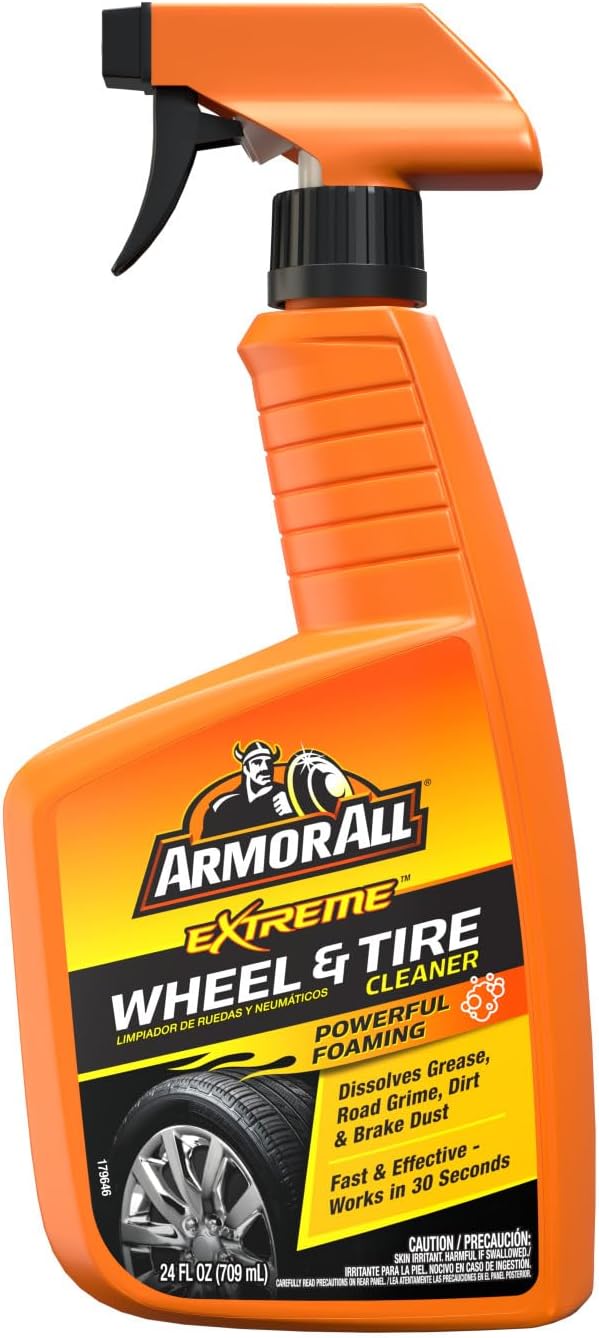
Armor All Extreme Wheel and Tire Cleaner is a powerful spray designed to cut through stubborn dirt, grease, tar, and brake dust on wheels and tires. It is safe for use on factory and aftermarket finishes, including alloy, steel, chrome, and plastic wheel trims, while its fast-acting formula works in just seconds. The deep-cleansing action helps reach hard-to-clean areas and leaves wheels looking clean and shiny.

This smart color coded tire tread depth gauge makes it easy to check tread wear at a glance with clear red, yellow, and green ranges. Calibrated from 0 to 1 inch in 1/32 inch increments, it helps you quickly assess tire condition for safer driving and timely replacements. The pocket clip design makes it convenient to carry and use on trucks, motorcycles, cars, and other passenger vehicles.
Packing, Weight Distribution & Roof Cargo Best Practices
Keep dense cargo low and secure inside the cabin whenever practical. A lower center of gravity helps the 4Runner feel more predictable through switchbacks, emergency maneuvers, side slopes, and crosswinds. Before loading, check the tire-and-loading placard and the owner’s manual so passengers, cargo, accessories, hitch load, and trailer tongue weight do not push the vehicle past its applicable limits.
Pack Smart, Low Center
Place the heaviest practical items low in the cargo area and secure them so they cannot slide or become projectiles during sudden braking. Recovery gear, tools, water containers, and other dense items usually belong below window level rather than on the roof.
- Keep heavy gear low and as close to the vehicle’s center as practical.
- Secure cargo with suitable tie-down points and restraints.
- Keep emergency equipment accessible without unloading the entire vehicle.
- Account for the weight of permanently installed accessories.
- Recheck tire pressures after loading the vehicle, using Toyota’s load and tire guidance.
Even Weight Distribution
There is no universal 60/40 cargo split you need to create. Instead, avoid concentrating excessive weight at the extreme rear, on one side, or high above the floor. Stay within the vehicle’s payload and axle ratings and, when towing, include trailer tongue weight in the load calculation.
Pack deliberately: distribute dense items reasonably between the left and right sides, prevent movement with restraints, and avoid stacking unnecessary mass behind the rear axle. If the rear suspension sags heavily or the steering becomes unusually light, stop and reassess the load rather than assuming the vehicle can safely carry it because everything physically fits.
Secure Roof Load Properly
Use the roof only for cargo that fits within the ratings of both the vehicle and the rack system. Roof cargo raises the center of gravity and adds aerodynamic drag, so lighter, bulky equipment is generally a better roof candidate than water, tools, batteries, or other dense gear.
- Verify the applicable vehicle and rack-system load limits before packing.
- Keep roof cargo centered and as low-profile as practical.
- Place heavy items inside the vehicle rather than high on the roof whenever possible.
- Tighten and inspect mounts, straps, locks, and fasteners before departure and during the trip.
- Reduce speed for crosswinds, rough surfaces, and abrupt maneuvers when carrying rooftop cargo.
Towing and Payload at Elevation
Towing adds another source of heat and load on mountain roads. Toyota lists a maximum towing capability of up to 6,000 pounds for the current-generation 4Runner, while the outgoing 2024 generation was rated for a maximum of 5,000 pounds. The actual rating still depends on model, equipment, hitch setup, trailer configuration, occupants, cargo, and other limits. Never use a headline maximum without checking the rating for your exact vehicle.
Before towing into the mountains, verify trailer weight, tongue weight, payload, tire ratings, hitch requirements, brake requirements, and any model-specific restrictions in the owner’s manual. Leave more room for acceleration and braking, select gears early on grades, and monitor temperature and transmission behavior closely.
Do not invent an altitude derating percentage unless Toyota specifies one for the exact model and towing configuration. The safest approach is to use Toyota’s published limits and reduce demand when heat, grade, weather, or vehicle behavior indicates that the combination is working hard.
Emergency Gear & On-Route Troubleshooting (Power Loss, Rough Idle)
Carry equipment that lets you handle common remote-road problems without turning a minor issue into an emergency. Useful items include the correct spare-tire equipment, jack and tools, tire gauge, compressor, basic first aid, water and food for occupants, flashlight, jumper pack or cables, recovery gear appropriate to the route, and an OBD-II scanner if you know how to use one.
If the 4Runner feels gradually slower as you climb, especially with a naturally aspirated engine, reduce load and speed and see whether the vehicle otherwise runs smoothly. If the loss of power is sudden or accompanied by rough idle, shaking, warning lights, overheating, smoke, abnormal noises, or fuel smell, pull over safely and investigate.
Start with simple visual checks: confirm the intake ducting has not come loose, inspect obvious electrical connectors you can safely access, look for fluid leakage, check for debris blocking cooling airflow, and scan diagnostic codes if equipment is available. Do not clear codes before recording them, because they can help identify the actual fault.
A flashing check-engine light, severe misfire, continued overheating, major fluid loss, weak braking, or other serious symptom is a reason to stop driving and arrange appropriate service rather than trying premium fuel or additives as a roadside cure.
Frequently Asked Questions
Can tire-pressure changes at altitude affect my 4Runner’s fuel economy?
Incorrect tire pressure can increase rolling resistance, tire wear, and handling problems, which can affect fuel economy. Check the tires cold against the driver’s tire-and-loading placard and recheck after major temperature or elevation changes. Do not use a generic altitude correction or bleed pressure from a hot tire simply because the reading increased.
Is a run-flat or spare tire preferred for remote mountain routes?
For remote travel, a properly sized spare that is compatible with your 4Runner and that you know how to install usually gives you more repair flexibility than relying only on a run-flat tire. Check your exact vehicle’s spare setup, tire size, tools, and load requirements before the trip.
How should I adjust cruise-control usage on steep climbs?
Cruise control can be useful on mild, steady roads, but disengage it when steep or changing grades cause frequent shifting, when traction is poor, when towing requires closer speed control, or when you need more precise throttle management. Choose a safe speed and gear manually when conditions demand it. For feature-specific operation, see our 4Runner cruise-control guide.
Will aftermarket roof racks significantly reduce high-altitude performance?
The rack itself may have a modest effect, while large boxes, rooftop tents, or bulky cargo can add meaningful drag and weight. The effect depends on speed, load, shape, wind, and vehicle setup. Keep rooftop mass and frontal area as low as practical, especially when the vehicle is already heavily loaded.
Can oxygen concentrators help passengers with altitude sickness in a 4Runner?
Supplemental oxygen can help in some altitude-illness situations, but it should not be used as permission to keep ascending. If symptoms develop, stop going higher. If symptoms worsen or serious signs such as confusion, loss of coordination, severe breathlessness at rest, or other concerning symptoms occur, descend and seek medical care. Portable concentrators also vary in altitude capability and oxygen delivery, so follow medical and device guidance.
Does a Toyota 4Runner need premium gas at high altitude?
Not simply because you are at high altitude. Use the minimum octane and fuel type Toyota specifies for your exact model year and engine. A vehicle designed for regular gasoline does not normally gain a meaningful advantage from premium fuel solely because the road climbs.
Does a stock 4Runner need an ECU tune above 5,000 feet?
No universal Toyota rule requires a stock 4Runner to be retuned at 5,000 feet. Factory engine management compensates for changing conditions through sensor feedback. Diagnose or recalibrate only when modifications, fault codes, abnormal sensor data, or persistent drivability problems provide a real reason to do so.
Do 2025 and newer 4Runners handle altitude differently from older models?
Yes. The 2010–2024 generation uses a naturally aspirated 4.0-liter V6, while the redesigned 2025+ generation uses turbocharged 2.4-liter powertrains. Turbocharging can compensate for some loss of ambient pressure, so the newer powertrain may maintain output differently, although heat, load, grade, and operating limits still matter.
Conclusion
A Toyota 4Runner does not need exotic high-altitude preparation. The fundamentals matter most: use the fuel and fluids Toyota specifies, set tires correctly when cold, keep brakes and cooling systems healthy, stay within load and towing limits, secure cargo low, and use sensible gearing on mountain grades. Expect some performance differences with elevation—especially on naturally aspirated models—but treat sudden power loss, overheating, severe misfires, or weak braking as faults that deserve attention rather than normal altitude behavior.
Sources
- Toyota USA Newsroom — 2026 Toyota 4Runner — current-generation powertrains, capability, towing, and available downhill-assist technology.
- Toyota USA Newsroom — 2024 Toyota 4Runner — fifth-generation 4.0-liter V6 specifications, five-speed automatic, towing capability, and model context.
- Toyota USA Newsroom — 2025 Toyota 4Runner — sixth-generation launch, turbocharged powertrains, output, and current-generation specifications.
- Toyota — 2023 4Runner Owner’s Manual — model-specific operating, fuel, tire, towing, braking, and safety guidance for the fifth-generation 4Runner.
- U.S. Department of Energy — Premium Fuel Guidance — explains when premium fuel is required, recommended, or unlikely to provide a meaningful benefit.
- CDC Yellow Book — High-Altitude Travel and Altitude Illness — prevention, symptom response, oxygen use, and descent guidance for travelers at elevation.