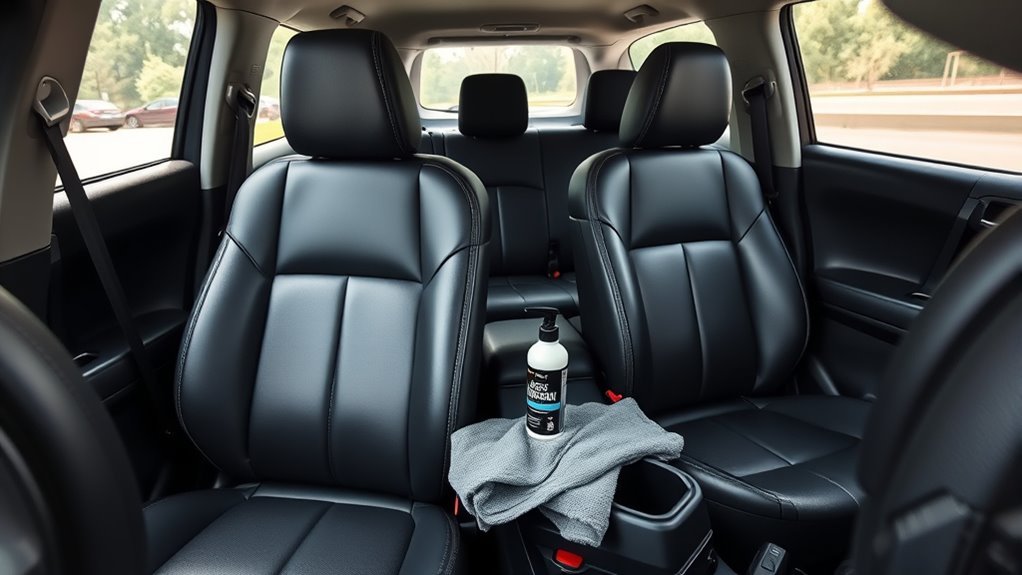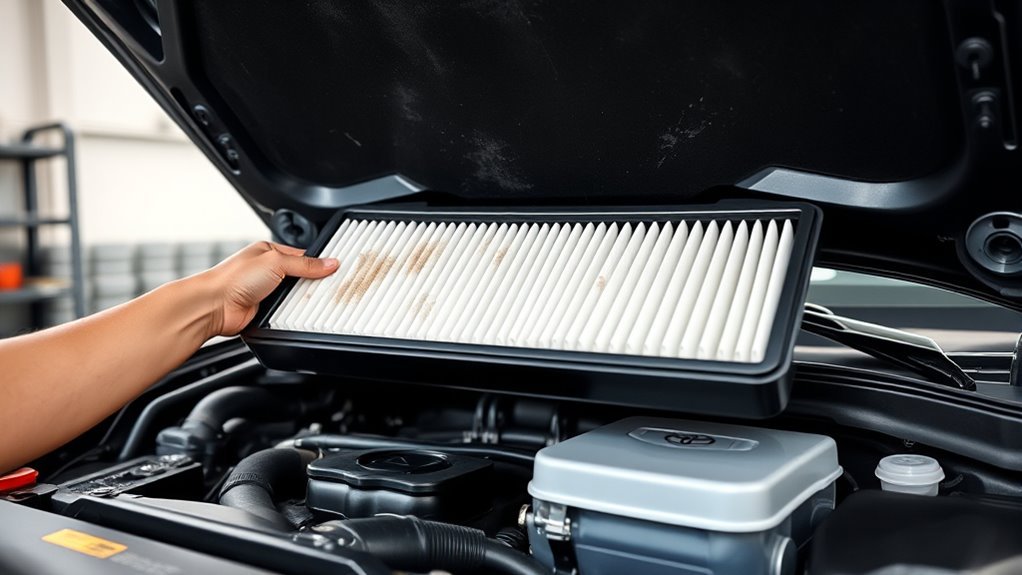
The engine air filter on a 2003 Toyota 4Runner Limited 4WD with the 4.7L V8 is one of the easiest maintenance parts to inspect, but the details matter: the correct housing, the correct filter size, and a tight seal all protect the engine from dust and unmetered air. Here is the clean, step-by-step way to find it, inspect it, replace it, and avoid the common fitment mistakes.
Quick Answer
On a 2003 Toyota 4Runner Limited V8, the engine air filter sits inside the black rectangular air cleaner box in the front-left area of the engine bay as you face the vehicle. Release the housing clips, lift the cover carefully, remove the old panel filter, seat the new one flat, and reclip the cover securely.
Key Takeaways
- The 2003 4Runner V8 uses a drop-in rectangular engine air filter inside the air cleaner housing connected to the intake tube.
- For the 4.7L V8, Toyota OEM part 17801-50040 is a common correct engine air filter; always confirm fitment by VIN before buying.
- Toyota’s 2003 Scheduled Maintenance Guide calls for engine air filter replacement at 60,000-mile intervals under normal maintenance logs, with more frequent inspection or replacement in dusty or unpaved-road use.
- Replace the filter if it is dark, packed with dirt, torn, oil-soaked, moldy, or no longer seals flat in the housing.
- A poorly seated filter or loose housing cover can cause intake noise, unfiltered air entry, and possible drivability issues.
At a Glance
| Time Required | 5–10 minutes |
| Difficulty | Beginner |
| Tools Needed | Usually none; a flashlight and clean rag help |
| Cost | Usually about $15–$35 for a quality replacement filter, depending on brand and retailer |
Where the 4Runner Engine Air Filter Is Located
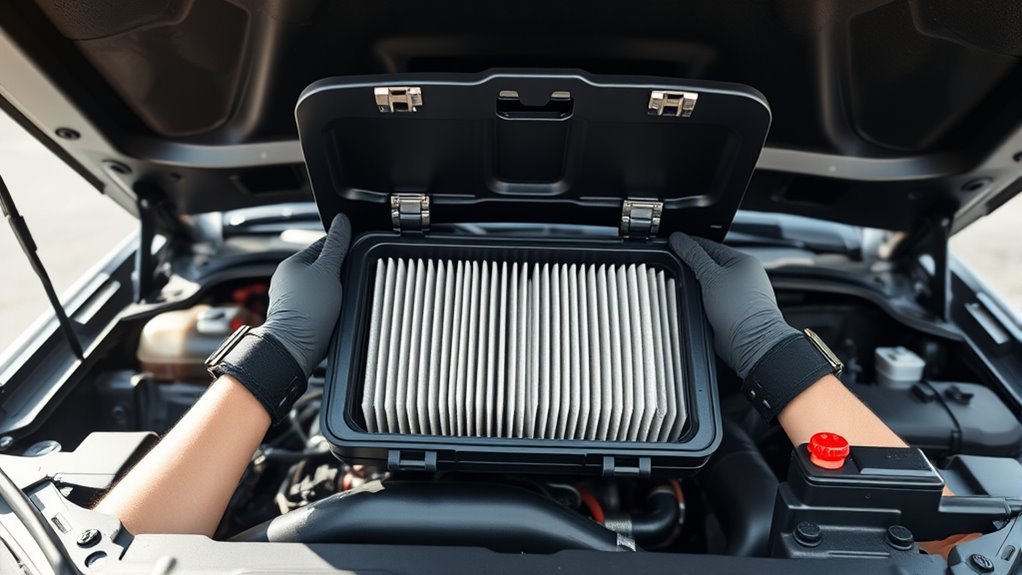
Open the hood and look for the black rectangular air cleaner housing connected to the large plastic intake tube that runs toward the engine. On the 2003 4Runner Limited V8, the housing is in the front-left area of the engine bay as you face the truck. The battery is on the opposite side on many U.S.-market V8 models, so do not use the battery alone as your guide.
The housing is easy to identify because it is a broad, flat, black plastic box with spring clips around the lid. You do not need to remove the full airbox, intake tube, or mass air flow sensor to do a basic filter change. For a normal replacement, you only need enough room to release the clips, lift the lid, and slide the old filter out.
Note: The 4th-generation 4Runner was sold with both V6 and V8 engines. Filter part numbers and under-hood layout can vary by engine and market, so confirm by VIN or by matching the old filter before ordering parts.
How to Tell the Engine Air Filter Needs Replacing
A dirty engine air filter is not judged by color alone. A light dusting is normal, especially on an older 4Runner. Replace it when the media is visibly clogged, damaged, oil-soaked, moldy, or no longer seals correctly in the airbox.
Use these checks:
- Heavy dirt in the pleats: Replace the filter if the pleats are packed with dust, leaves, sand, or debris.
- Dark, blocked media: If the filter is so dirty that light barely passes through it, airflow is restricted.
- Tears or holes: Any tear lets unfiltered air bypass the media and enter the engine.
- Oil saturation: Oil on a paper filter can clog the media and may point to another issue that should be checked.
- Mold or mildew: Moisture-contaminated filters should be replaced, not reused.
- Poor fit: If the frame is warped, crushed, or too loose in the housing, replace it with the correct part.
Performance symptoms can also point to a neglected filter, but they are not proof by themselves. Sluggish acceleration, reduced fuel economy, rough running, or a check engine light may have many causes. Inspect the filter first, then scan trouble codes if the warning light is on.
[Products Worth Considering]

This mass air flow sensor is designed to replace compatible OEM parts for a wide range of Toyota and Lexus vehicles, helping restore accurate airflow readings and smoother engine operation. It is computer-tested for stable signal output, fast response, and improved fuel efficiency, while also supporting reliable performance under demanding driving conditions. The easy-install design makes replacement straightforward, and a 12-month warranty adds extra peace of mind.

This A-Premium engine air filter is designed to help maintain clean airflow for compatible Lexus and Toyota vehicles, supporting better engine performance and efficiency. It uses fine filtration media to capture debris while minimizing airflow restriction, making it a practical replacement for routine maintenance. With fitment for multiple popular models and a convenient boxed single-pack design, it offers a straightforward solution for keeping your engine protected.

This Toyota replaceable air filter element is designed to help keep your engine intake clean by effectively removing contaminants. Built for reliable fit and routine maintenance, it supports cleaner airflow and helps protect engine performance over time. It is a practical replacement part for drivers looking to maintain proper filtration in compatible Toyota vehicles.
Engine Air Filter Parts & Tools: OEM Numbers and Good Substitutes
For the 2003 Toyota 4Runner Limited 4.7L V8, Toyota OEM engine air filter 17801-50040 is the key part number to check. Toyota lists this part as an air cleaner filter element, and it is commonly cataloged for 4Runner and Land Cruiser applications with the 4.7L family. Before buying, confirm fitment through a Toyota dealer, Toyota’s online parts catalog, or your VIN because catalog listings can vary by engine, production date, and market.
[Products Worth Considering]

This vehicle-specific cabin and engine air filter combo is designed for Toyota RAV4 2.5L L4 models from 2013 through 2018, excluding hybrids. It helps improve cabin air quality by capturing pollutants while supporting engine airflow for smoother performance. With a direct replacement fit and simple home installation, it offers an easy way to maintain your vehicle.

This replacement filter set is designed for a range of Toyota hybrid vehicles, including popular models like RAV4 Hybrid, Camry Hybrid, Highlander Hybrid, Sienna, Venza, and more. It combines cabin and engine filtration to help support cleaner airflow, reduce dust and odors, and protect your HVAC and engine systems. Built for easy installation and extended service life, it offers a convenient maintenance upgrade for compatible hybrid and gas-only Corolla models.

This 4-piece automotive electrical disconnect pliers set helps safely remove stubborn push-tab connectors from mass air flow sensors, fuel injectors, and ignition coils without damaging delicate tabs. It includes straight and 60-degree angled pliers, a hose clamp plier, and a dual-ended terminal pin remover to handle a wide range of under-hood wiring tasks. Organized in a rugged storage case, it is built for mechanics and DIYers who need reliable access to tight engine bay spaces.
Recommended Part Selection
| Option | Best For | What to Check |
|---|---|---|
| Toyota OEM 17801-50040 | Best fit confidence for the 2003 4Runner 4.7L V8 | Confirm by VIN and compare shape with the old filter |
| Premium paper aftermarket equivalent | Normal commuting and mixed driving | Correct catalog fit, strong frame, even pleats, and full gasket contact |
| High-dust or heavy-duty equivalent | Unpaved roads, trail use, construction zones, and desert dust | Good sealing edge and filtration-focused design, not just high airflow claims |
| Washable performance filter | Owners who want a reusable filter and will maintain it correctly | Exact fit, proper cleaning schedule, and no over-oiling near the MAF sensor |
Warning: Do not install a filter that is “close enough.” A filter that is too small, too thin, warped, or poorly sealed can let dust bypass the media and enter the intake.
Tools and Supplies
- Replacement engine air filter
- Flashlight
- Clean rag or shop towel
- Small vacuum or compressed air for cleaning debris around the housing, if available
- Maintenance log, notebook, or phone note to record mileage and date
Choosing an Engine Air Filter: Paper vs. Washable
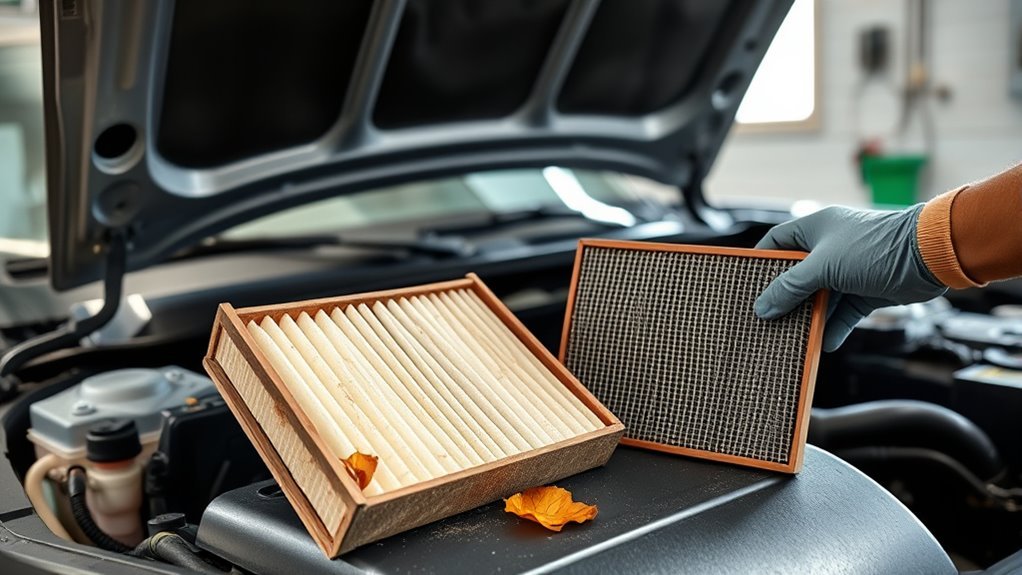
For most 2003 4Runner owners, a quality paper filter is the safest and simplest choice. It is inexpensive, easy to replace, and requires no cleaning or oiling. Toyota’s guidance is to inspect and replace the filter according to the maintenance schedule and driving conditions, especially when the vehicle sees dusty or unpaved roads.
[Products Worth Considering]

This engine air filter replacement is designed for select Toyota, Lexus, Scion, Pontiac, and Lotus models to help maintain cleaner airflow to the engine. It helps protect against dirt and support consistent performance while contributing to better fuel efficiency. Built as a direct replacement for compatible OEM and FRAM part numbers, it is a practical maintenance choice for routine filter changes.

This engine air filter replacement is designed to fit a range of Toyota, Scion, and Pontiac models for dependable intake protection. It helps keep dirt and debris out of the engine while supporting strong performance and improved fuel mileage. Recommended as a routine replacement to maintain cleaner airflow and consistent engine efficiency.

This replacement filter set includes one cabin air filter and one engine air filter for select Toyota and Lexus gas models, helping keep cabin air fresher and engine airflow cleaner. It supports HVAC efficiency, helps trap dust and pollen, and can aid in maintaining engine performance and fuel combustion efficiency. Designed as a direct replacement for compatible non-hybrid vehicles, it offers a convenient maintenance solution in one package.
Paper Filters
Paper filters are the best fit for owners who want predictable filtration and low maintenance. Install the correct part, check it periodically, and replace it when it is dirty or damaged. A good paper filter also avoids the risk of excess filter oil contaminating the mass air flow sensor.
Washable Filters
Washable filters can work well when they are high quality, properly fitted, and maintained exactly as the manufacturer requires. The drawback is that they are easier to service incorrectly. Too much oil, incomplete drying, or damaged media can create more problems than they solve.
Best Choice for Dusty Driving
If your 4Runner sees gravel roads, trails, farm roads, desert dust, or construction zones, prioritize filtration and seal quality over marketing claims about airflow. Toyota’s 2003 Scheduled Maintenance Guide specifically calls out unpaved or dusty roads as a special operating condition where the engine air filter should be inspected or changed more often.
Pro Tip: Before opening the airbox, wipe or vacuum leaves, sand, and grit from the top and edges of the housing. That keeps debris from falling into the clean side of the intake when the lid is lifted.
Remove the Air Filter Housing Cover Step by Step
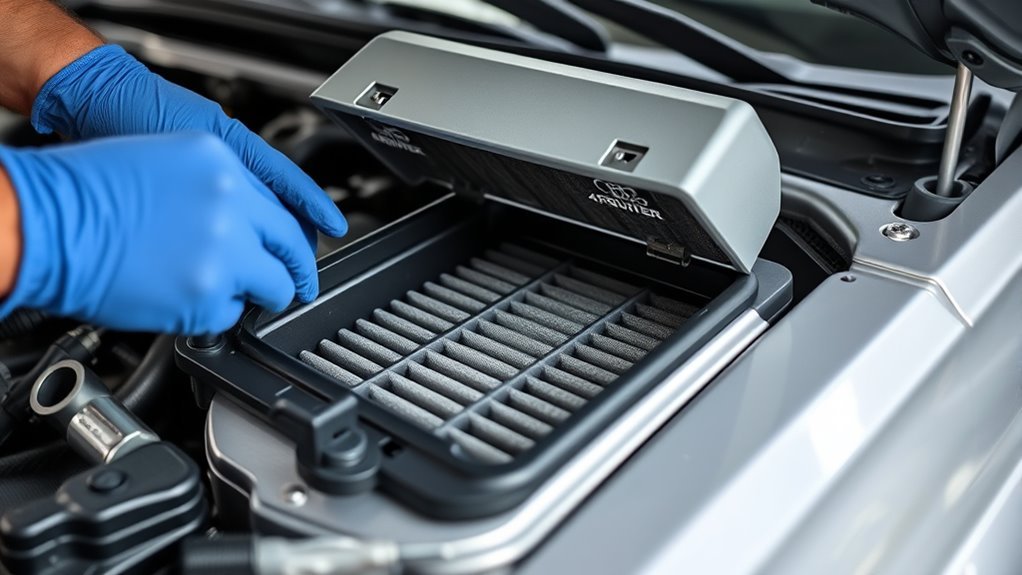
Work with the engine off, the parking brake set, and the key removed. Let hot engine-bay parts cool before reaching around the intake.
- Open the hood and locate the airbox. Follow the large intake tube to the black rectangular housing.
- Clean the area around the lid. Remove loose leaves, sand, and grit from the top and seam of the housing.
- Release the spring clips. Most housings use several clips around the lid. Release each one gently by hand.
- Lift the lid carefully. Raise it only as much as needed. Do not yank the intake tube, wiring, or MAF sensor harness.
- Note the filter orientation. Take a quick photo before removing the old filter if you are unsure.
You normally do not need tools for this job. If the lid does not lift, stop and check for a missed clip instead of forcing the plastic.
Pull Out and Inspect the Old Filter
Pull the old filter straight up and out of the housing. Keep it level so dirt does not fall into the lower box. Then inspect both the filter and the airbox.
- Look at the dirty side: Dirt, bugs, leaves, and sand collect here first.
- Check the clean side: The clean side should not be dusty. Dust on the clean side can mean poor sealing or a damaged filter.
- Inspect the gasket: The rubber or foam sealing edge should not be torn, crushed, or hardened.
- Check the housing seam: Remove grit from the sealing surface with a clean rag.
- Look inside the lower box: Vacuum debris out if needed, but do not push dirt toward the intake tube.
Warning: Never start the engine with the filter removed. Do not blow compressed air into the intake tube. Keep dirt, screws, leaves, and shop towels out of the clean side of the airbox.
Install the Replacement Filter and Reseal Step by Step
Install the new filter slowly and check the fit before clipping the cover shut. The sealing edge must sit flat all the way around the housing.
- Compare old and new filters. Match the length, width, thickness, corner shape, and gasket location.
- Place the new filter in the lower housing. Seat it squarely in the tray. Do not bend or crush the frame.
- Confirm the gasket is even. No corner should ride up or fold under the lid.
- Lower the cover evenly. Align the lid before applying pressure.
- Reattach every clip. Each clip should snap into place and hold the cover tight.
- Inspect the seam. Look around the housing to confirm there are no gaps.
- Start the engine and listen. A steady idle and no new hissing or whistling usually means the lid is sealed correctly.
A new filter only protects the engine if it seals. Take an extra 30 seconds to check every edge of the airbox before closing the hood.
Common Problems & Quick Fixes
If something feels wrong after installation, do not assume the new filter is defective. Most problems come from fitment, clip engagement, debris on the sealing surface, or a disturbed intake connection.
The Lid Will Not Close
The filter may be rotated incorrectly, the gasket may be folded, or the wrong filter may be installed. Remove it, compare it with the old filter, and reseat it flat. Do not force the housing closed.
A Clip Will Not Latch
Check whether the lid is sitting evenly. If one corner is high, the clip on that side will not latch. If the clip is bent, rusty, or loose, replace the damaged clip or housing hardware.
New Whistling or Hissing Noise
A new intake noise often means the lid is not sealed, the intake tube was pulled loose, or a hose was disturbed. Recheck the airbox seam, intake tube clamps, and nearby vacuum lines.
Check Engine Light After Replacement
A dirty filter can contribute to airflow-related drivability problems, but a check engine light needs diagnosis. Check that the mass air flow sensor connector and intake duct are secure, then scan the code. Do not replace sensors blindly.
Dust on the Clean Side of the Filter
This is a red flag. Dust past the filter usually means the filter did not seal, the airbox is damaged, or the wrong part was installed. Replace the filter with the correct fit and inspect the housing carefully.
Maintenance Schedule and When to Get Professional Help
Toyota’s 2003 Scheduled Maintenance Guide lists engine air filter replacement at 60,000 miles or 48 months in the maintenance log and again at later 60,000-mile intervals. It also identifies unpaved or dusty roads as a special operating condition where the engine air filter should be inspected or changed more often.
For a practical older-vehicle routine, inspect the filter at every oil change or at least every 12 months. Replace it sooner if it is dirty, damaged, wet, oil-soaked, or poorly sealed. Off-road and dusty-road drivers should inspect much more often than city commuters.
Get professional help if:
- You cannot identify the correct airbox or filter.
- The airbox is cracked or the clips are broken.
- Dust is appearing on the clean side of the filter.
- A check engine light remains after confirming the airbox and intake tube are sealed.
- The engine still idles roughly, hesitates, or loses power after the filter is replaced.
Keep a simple maintenance record with the date, mileage, and filter brand or part number. Toyota also recommends keeping maintenance records because they help document proper care.
Frequently Asked Questions
Can a dirty air filter trigger the check engine light?
It can contribute to airflow-related problems, but it is not the most common cause by itself. A very restricted filter, loose airbox lid, disconnected intake hose, or contaminated MAF sensor can affect fuel trims and drivability. If the check engine light is on, scan the code and diagnose the cause instead of guessing.
Will a performance air filter void my 4Runner warranty?
An aftermarket filter does not automatically void a vehicle warranty. Under the Magnuson-Moss Warranty Act, warranty coverage cannot generally be denied just because an aftermarket part was used. However, a repair claim may be denied if the aftermarket part or improper maintenance caused the failure.
How does altitude affect air filter replacement intervals?
Altitude alone does not clog an air filter. Dust, sand, pollen, smoke, and unpaved roads matter more. If your high-altitude driving includes dirt roads, dry trails, or dusty mountain conditions, inspect the filter more often.
Can I clean and reuse a pleated paper OEM filter?
No. A pleated paper engine air filter is meant to be replaced, not washed and reused. Light tapping may remove loose debris during inspection, but water, solvents, or compressed air can damage the media and sealing edge.
Do cabin and engine air filters affect each other?
No. They are separate filters in separate systems. The engine air filter protects the engine intake. The cabin air filter cleans air entering the HVAC system. Service both on schedule, but a clogged cabin filter does not restrict engine airflow.
Which way does the 2003 4Runner V8 engine air filter go in?
Match the shape and orientation of the old filter. The sealing edge must sit flat in the lower airbox tray, and the lid must close evenly. If the filter has an airflow arrow, follow it; if it does not, use the filter shape and gasket position as your guide.
Conclusion
The 2003 Toyota 4Runner Limited V8 engine air filter is simple to reach and replace, but accuracy matters. Locate the black rectangular air cleaner box, use the correct filter for the 4.7L V8, clean the housing seam, seat the new filter flat, and confirm every clip is latched. Inspect more often if you drive on dusty or unpaved roads, and keep a mileage record so this easy maintenance item never gets overlooked.
Sources
- Toyota Owners: 2003 4Runner Manuals and Warranties — official owner manual and warranty resource page.
- Toyota 2003 Scheduled Maintenance Guide — maintenance intervals, dusty-road conditions, and recordkeeping guidance.
- Toyota Genuine Engine Air Filter 17801-50040 — OEM Toyota air cleaner filter element reference.
- Federal Trade Commission: Magnuson-Moss Warranty Act — warranty law context for aftermarket parts and consumer warranties.
- Toyota Support: Technical Information System — official source for Toyota repair information and service publications.