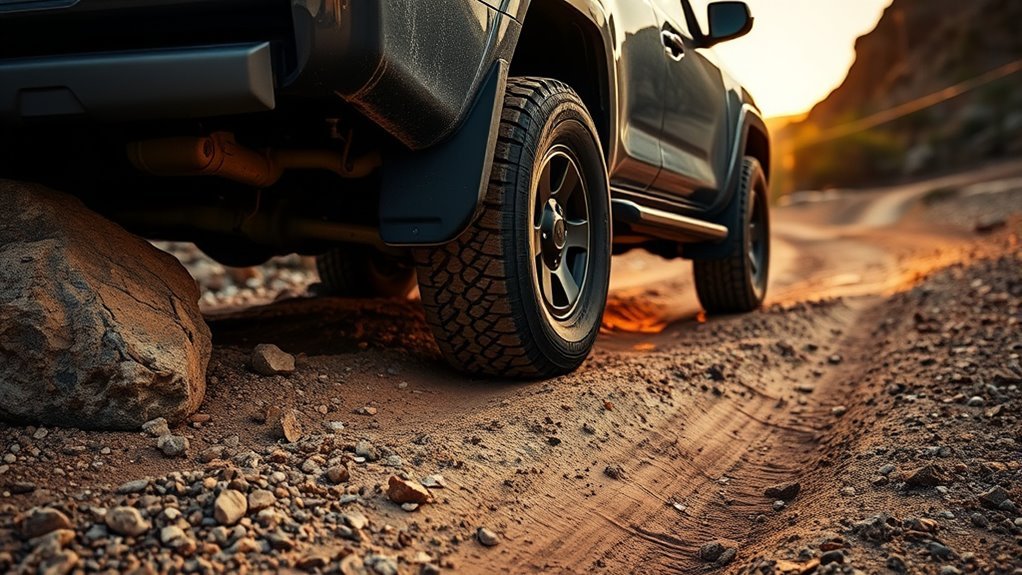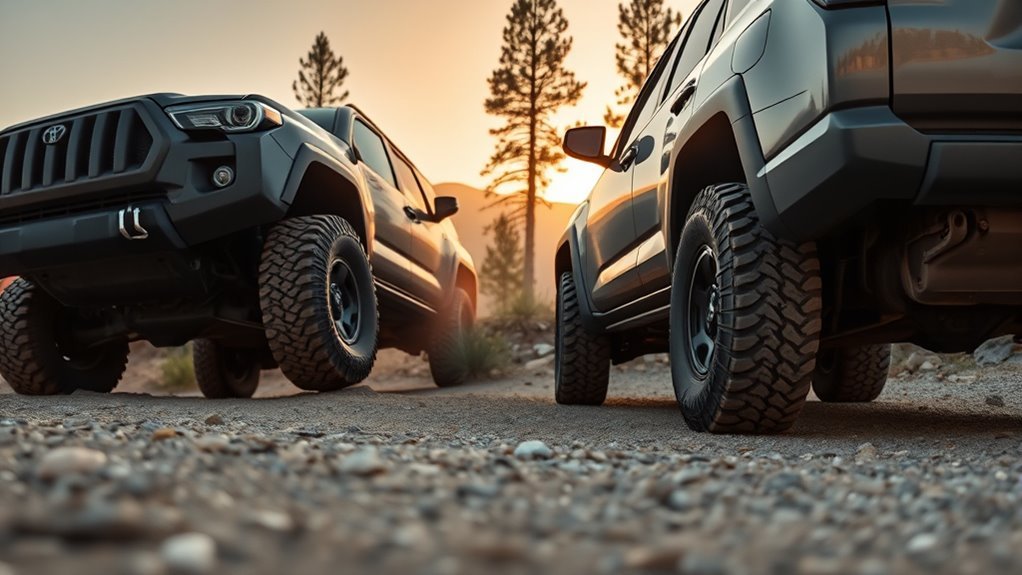
The 2026 Toyota 4Runner does not offer a drivetrain Toyota labels AWD. For U.S. models, Toyota lists three drivetrain types: 2WD, part-time 4WD, and full-time 4WD. If you want AWD-like convenience for rain, mixed winter roads, and everyday pavement, the 4Runner’s full-time 4WD system is the closest match because it can remain active on high-traction roads. If technical trails are the priority, part-time 4WD on the TRD Off-Road, TRD Pro, and Trailhunter is paired with more specialized off-road hardware.
Bottom line: choose full-time 4WD when you value seamless all-weather pavement use; choose an off-road-focused part-time 4WD trim when rear-locker capability, trail controls, suspension articulation, and rough-terrain hardware matter more.
Last updated: September 14, 2026 — 2026 U.S. drivetrain and trim availability rechecked against Toyota.
Quick Answer: Does the 2026 4Runner Have AWD or Full-Time 4WD?

No 2026 4Runner is marketed by Toyota as AWD. The confusion comes from full-time 4WD, which behaves like AWD in one important way: it can power both axles continuously on normal pavement without the driveline binding associated with a locked part-time 4WD system.
Full-time 4WD still differs from the AWD systems common in crossovers. The 4Runner retains a two-speed transfer case with low range, and its full-time system includes a center differential with a locking feature. Part-time 4WD also has high and low ranges, but the driver selects 4WD when surface conditions allow tire slip.
| System | Normal Pavement Use | Low Range | Best Fit |
|---|---|---|---|
| AWD | Yes | Usually no | Not offered under this label on the 2026 4Runner |
| Full-Time 4WD | Yes, with center differential unlocked | Yes | Daily driving, rain, mixed snow and pavement |
| Part-Time 4WD | Use 2WD on dry high-traction pavement | Yes | Loose surfaces, snow-covered roads and technical trails |
Important: Do not treat a traditional part-time 4WD mode like full-time 4WD. With part-time 4WD engaged, the front and rear driveline are coupled for low-traction surfaces. Staying in that locked configuration on dry, high-grip pavement can create driveline windup, tire scrub, and binding during turns.
How AWD, Full-Time 4WD, and Part-Time 4WD Actually Differ
The key difference is not simply whether four wheels can receive power. The important questions are whether the drivetrain allows the front and rear axles to rotate at different speeds on pavement, whether the vehicle has a low-range transfer case, and whether the driver must manually select a locked mode.
What Does the Center Differential Do?
During a turn, the front and rear axles do not travel exactly the same distance. A center differential allows the two axles to rotate at different speeds while still transmitting power to both. That is why an unlocked full-time 4WD system can operate on dry pavement without the binding expected from a locked part-time system.
The full-time 4WD available in the 2026 4Runner uses this approach and also provides a center-locking function for conditions where more direct front-to-rear coupling is useful. When the center differential is locked, treat the drivetrain as a low-traction/off-road setting rather than an ordinary dry-pavement mode.
AWD is a broader industry term and can use several mechanical layouts, including center differentials or electronically controlled clutch systems. Most crossover-style AWD systems do not include the 4Runner’s dedicated low-range gearing.
How Do the Transfer Case and Low Range Change Capability?
The 2026 4Runner’s 4WD systems use a two-speed transfer case. High range is for normal-speed driving where 4WD is appropriate. Low range multiplies torque and reduces vehicle speed for steep climbs, descents, rocks, mud, deep sand, or other low-speed situations that require more control.
With part-time 4WD, selecting 4H or 4L couples the front and rear driveline for surfaces where tires can slip. With full-time 4WD, a center differential allows normal pavement use until the driver selects its locking function when conditions call for it.
| Feature | Full-Time 4WD | Part-Time 4WD |
|---|---|---|
| All-weather pavement use | Yes, center differential unlocked | Drive in 2WD on dry high-traction pavement |
| Low range | Yes | Yes |
| Driver intervention | Low during ordinary driving | Driver selects 4WD when appropriate |
| Primary advantage | Mixed-surface convenience | Simple selectable trail/snow operation |
Toyota 4Runner: How Toyota Labels AWD, Full-Time 4WD, and Part-Time 4WD
Toyota’s own 2026 specifications are the clearest way to resolve the terminology: the company lists the 4Runner with 2WD, part-time 4WD, or full-time 4WD. It does not list a separate AWD configuration. Toyota’s 2026 4Runner model page and its 2026 4Runner technical announcement both use those drivetrain categories.
That means a shopper asking for an “AWD 4Runner” usually needs to decide whether they actually want full-time 4WD. It provides the set-it-and-leave-it pavement behavior many people associate with AWD while retaining low range and a lockable center differential for harder conditions.
Part-time 4WD serves a different purpose. On dry pavement, you normally drive in 2WD. When snow, loose gravel, dirt, sand, mud, or trail conditions allow tire slip, you engage 4WD. For a broader explanation of the two architectures, see part-time vs full-time 4WD.
Real Driving: On-Road, Snow, and Off-Road Performance Comparisons
For mixed pavement, full-time 4WD is the easier system to live with. You do not have to keep deciding whether the surface is slippery enough for a locked part-time 4WD mode. That is useful when a winter road alternates between dry asphalt, wet sections, slush, packed snow, and ice.
Part-time 4WD works well when the surface is consistently slippery or loose, but the driver must use the appropriate mode. It is particularly useful when the vehicle leaves pavement and the goal changes from seamless daily traction to deliberate low-speed control.
Snow performance depends on more than the transfer case. Four driven wheels can help the vehicle accelerate when traction is limited, but the drivetrain does not remove the need for suitable tires, sensible speed, adequate following distance, and careful braking. If winter road use is your main concern, prioritize tires and predictable drivetrain operation together rather than treating 4WD as a substitute for tire grip.
For serious off-road use, do not choose solely by “full-time” versus “part-time.” The 2026 TRD Off-Road, TRD Pro, and Trailhunter are equipped with an electronic locking rear differential, while TRD Pro and Trailhunter also receive Toyota’s Stabilizer Disconnect Mechanism. Those features, along with tires, suspension tuning, Multi-Terrain Select, Crawl Control, ground clearance, and driver technique, can matter more on a technical trail than whether the transfer case is full-time.
[Products Worth Considering]

These custom mud flaps are designed to fit select 2026 Toyota RAV4 models and help protect the lower body from mud, snow, gravel, sand, and road debris. Built for a no-drill installation using factory mounting points, they offer a clean, secure fit with added stability for everyday driving and harsh weather conditions.

This mud flap kit is designed for Toyota Camry LE and XLE models from 2018 through 2024, helping shield the lower body from snow, salt, sand, rocks, and road debris. Made from durable ABS material, it offers a direct-fit installation with included hardware for a secure and easy setup. The set includes four mudguards plus reflective stickers to help keep your vehicle cleaner and better protected in harsh driving conditions.
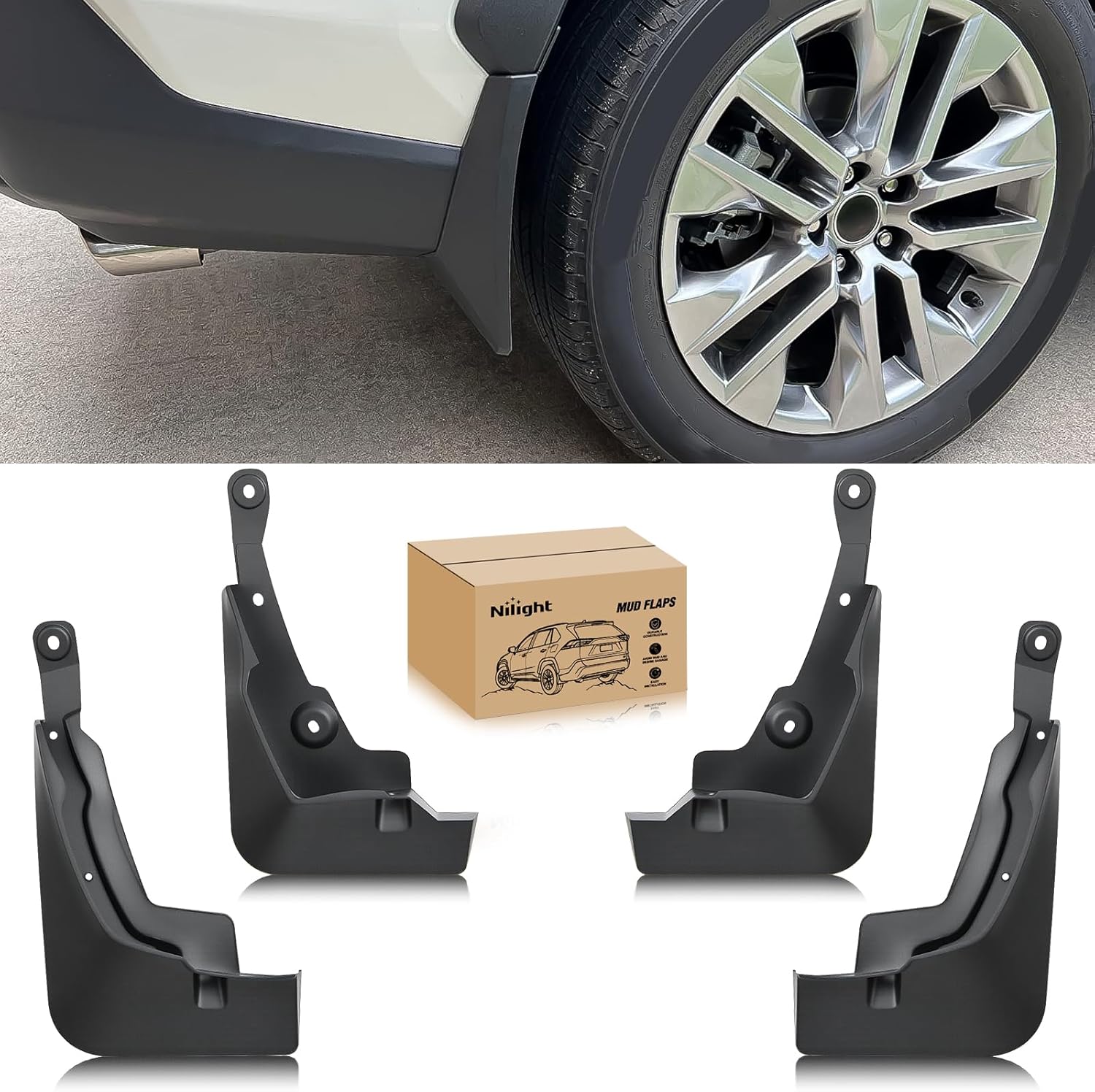
These custom-fit mud flaps are designed to help protect your Toyota RAV4 from mud, snow, dust, gravel, sand, and wheel debris while maintaining a clean, rugged look. Laser-scanned for a secure fit, they install easily using the vehicle's original mounting holes and included hardware. Built from durable materials, they offer dependable year-round protection for everyday driving and off-road conditions.
Which 2026 4Runner Trims Come With Full-Time or Part-Time 4WD?
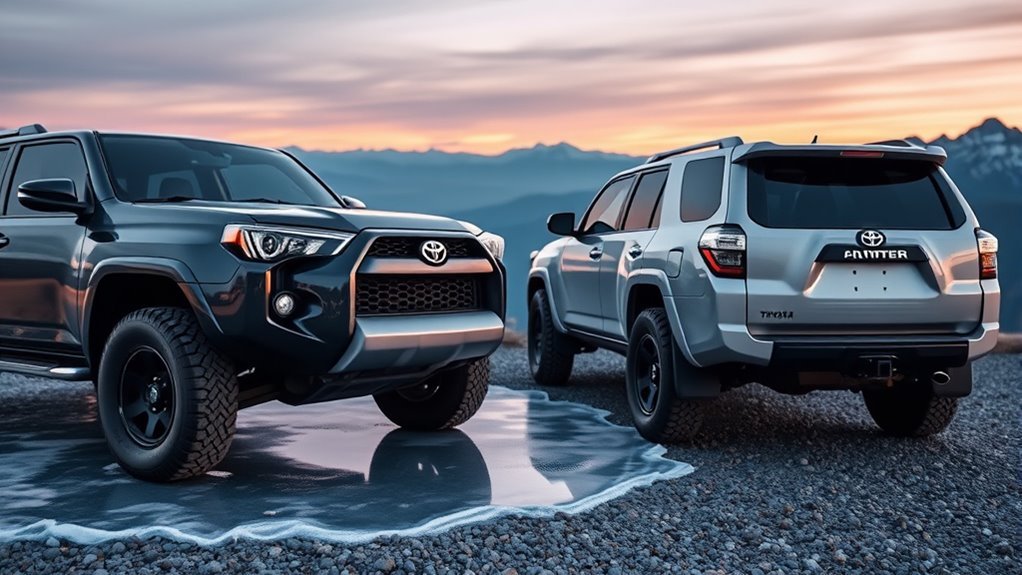
The important correction is that there is no separate AWD trim. For U.S. 2026 models, Limited is offered with full-time 4WD, Platinum uses full-time 4WD as standard, and the off-road-focused TRD and Trailhunter configurations use Toyota’s selectable 4WD approach.
[Products Worth Considering]
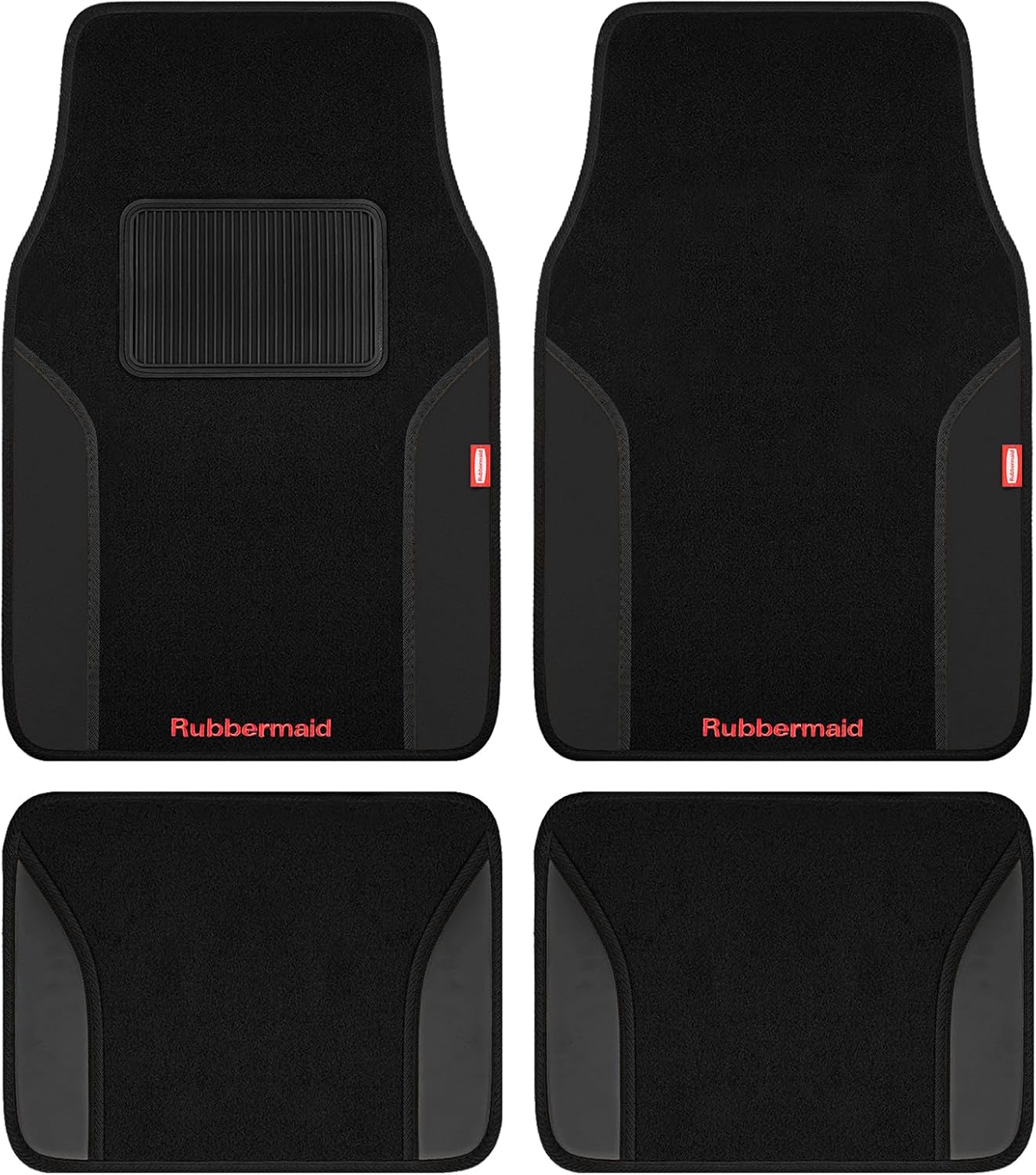
Upgrade your vehicle interior with Rubbermaid carpeted floor mats designed for everyday comfort, style, and protection. The two-tone look with faux leather accents adds a refined touch, while the reinforced heel pad helps handle frequent driver wear. Built for all-season use and easy cleaning, these universal-fit mats help keep cars, trucks, and SUVs looking neat and well protected.

These genuine Toyota door sill protectors are designed specifically for RAV4 models to deliver a precise fit and factory-style appearance. They help guard your vehicle's entry points from scuffs, scrapes, and scratches while adding a refined look with an integrated RAV4 logo. The complete four-piece set provides lasting protection for all doors and enhances your interior's overall style.

Engineered for Seamless Compatibility with 4WD Models: Designed as a direct-fit replacement for 4Runner (2003–2018 4.0L/4.7L) and GX460 (2010–2017 4.6L V8), this actuator assembly ensures flawless integration into 4WD systems. Restores proper shift motor functionality for vehicles with Four Wheel Drive, eliminating hesitation or failure in 4x4 engagement.
2026 Trim Availability by Drivetrain
| Trim Group | Drivetrain Positioning | Best Use |
|---|---|---|
| SR5 | Available RWD or part-time 4WD | General daily use, snow or light trail use when equipped with 4WD |
| TRD Sport / TRD Sport Premium | Road-focused configurations with available 4WD | Pavement-oriented driving with selectable extra traction |
| TRD Off-Road / TRD Off-Road Premium | Part-time 4WD | Technical trails and off-road use |
| Limited | Full-time 4WD available | Daily driving and mixed winter pavement |
| Platinum | Full-time 4WD standard | Premium daily driving and mixed-weather use |
| TRD Pro / Trailhunter | Off-road-focused 4WD | High-capability trail and overland use |
Equipment and regional availability can differ, so check the exact vehicle configuration before purchase. The key distinction is consistent: Toyota does not sell a separate AWD 4Runner alongside these systems.
Which 4Runner Drivetrain Is Best for Off-Road Use?
For demanding trails, the strongest choice is usually an off-road-focused trim rather than simply the trim with full-time 4WD. TRD Off-Road, TRD Pro, and Trailhunter include an electronic locking rear differential. Toyota also equips TRD Pro and Trailhunter with the Stabilizer Disconnect Mechanism to increase suspension articulation.
- Limited: best suited to buyers who want an upscale 4Runner with available full-time 4WD and easy all-weather pavement use.
- Platinum: combines standard full-time 4WD with the most road-oriented luxury positioning.
- TRD Off-Road: better match for technical trails because its 4WD system is paired with dedicated off-road controls and a locking rear differential.
- TRD Pro: adds more aggressive suspension and trail hardware for higher-demand off-road driving.
- Trailhunter: targets overlanding with off-road suspension and expedition-oriented equipment.
This is why “full-time 4WD versus part-time 4WD” should not be treated as a simple ranking of capability. The rest of the vehicle matters.
Decision Checklist: Daily Driving, Snow, Trails, Cost, and Final Pick

Start with where the 4Runner will spend most of its time. If your driving regularly moves between dry pavement, rain, slush, ice, and snow, full-time 4WD is attractive because you can leave the system operating without repeatedly switching between 2WD and locked 4WD as surface grip changes.
If you mostly drive on dry pavement but want 4WD for snow-covered roads, gravel, camping access, or occasional trails, part-time 4WD can be a sensible choice. Keep it in the normal two-wheel-drive setting on dry high-traction pavement, then engage 4WD when conditions justify it.
If your priority is difficult trails, compare the entire trim package rather than the transfer case alone. A rear locking differential, Multi-Terrain Select, Crawl Control, stabilizer disconnect, suitable tires, recovery points, suspension tuning, and clearance can provide more practical trail value than the words “full-time” on their own.
Do not assume a full-time 4WD system automatically costs more to maintain or guarantees stronger resale. Trim price, hybrid versus non-hybrid powertrain, tires, suspension equipment, service history, mileage, condition, and local demand all affect ownership cost and future value.
Final pick: choose a Limited or Platinum with full-time 4WD if seamless all-weather road traction is the priority. Choose TRD Off-Road, TRD Pro, or Trailhunter when off-road hardware and technical trail capability matter more. If neither use case applies, an SR5 or road-focused configuration may give you the capability you need without paying for equipment you will rarely use.
[Products Worth Considering]
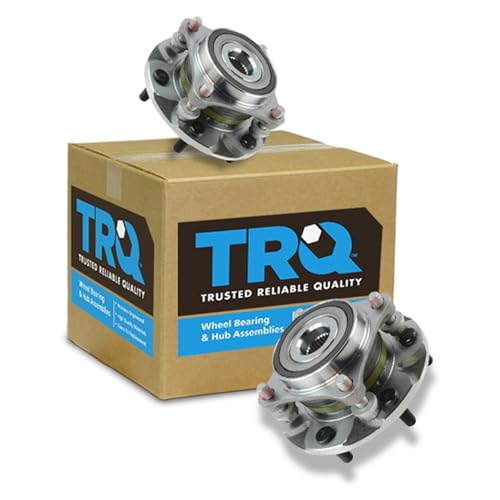
Kit Includes: 1 Front Driver Side Wheel Bearing & Hub Assembly; 1 Front Passenger Side Wheel Bearing & Hub Assembly
Frequently Asked Questions
Is the 2026 Toyota 4Runner 4WD or AWD?
The 2026 Toyota 4Runner is not marketed with an AWD drivetrain. Toyota lists 2WD, part-time 4WD, and full-time 4WD configurations. Full-time 4WD provides the closest equivalent to AWD-style everyday all-weather operation because it can remain engaged on normal pavement.
Which 2026 4Runner Has Full-Time 4WD?
Full-time 4WD is available on the 2026 4Runner Limited and standard on the Platinum. Toyota’s full-time system uses a center differential with a locking function and retains a two-speed transfer case with low range.
Can You Drive a Full-Time 4WD 4Runner on Dry Pavement?
Yes, when the full-time system’s center differential is operating in its normal unlocked configuration. The center differential allows the front and rear axles to rotate at different speeds during turns, which prevents the driveline windup associated with a locked part-time system.
Can You Use Part-Time 4WD on Dry Pavement?
Traditional locked part-time 4WD should not be used continuously on dry, high-traction pavement. Use the normal two-wheel-drive setting there, and select 4WD for loose, slippery, snow-covered, icy, muddy, sandy, or off-road surfaces where the tires can slip.
Is Full-Time 4WD Better Than Part-Time 4WD in Snow?
Full-time 4WD is usually more convenient when winter roads repeatedly change between dry pavement, wet sections, slush, ice, and snow because it can stay engaged across those surfaces. Part-time 4WD works well on consistently slippery roads but requires the driver to select the appropriate mode. Tires remain critical to acceleration, cornering, and braking grip with either system.
Conclusion
The 2026 4Runner’s real comparison is not AWD versus 4WD because Toyota does not offer a separate AWD version. The useful choice is full-time 4WD versus part-time 4WD. Full-time 4WD is the better fit for drivers who want continuous, low-effort traction across changing paved conditions. Part-time 4WD is a strong match for drivers who deliberately select 4WD for snow, loose surfaces, and trails.
For technical off-roading, look beyond the drivetrain label. The TRD Off-Road, TRD Pro, and Trailhunter pair their 4WD systems with trail-focused hardware that can matter more than whether four-wheel drive operates full-time. Choose the complete trim package that matches where you actually drive.