To refill your Hyundai Sonata’s windshield washer fluid, open the hood and find the reservoir cap marked with the windshield-and-spray symbol. Remove the cap, add washer fluid suited to your climate slowly, stop before the filler neck overflows, and reinstall the cap securely. Use freeze-protected washer fluid in cold weather. Never put engine coolant or radiator antifreeze in the washer reservoir because Hyundai warns that it can severely obstruct windshield visibility and damage painted or exterior surfaces.
Last updated: September 16, 2026
Source note: This guide follows Hyundai owner-manual guidance for washer-fluid use, cold-weather operation, and wiper care. Because reservoir layouts and features can vary by model year and market, confirm vehicle-specific details in the Hyundai Digital Owner’s Manual.
Quick Hyundai Sonata Washer Fluid Refill Checklist
- Identify the reservoir: Look for the cap marked with the windshield-and-spray symbol rather than relying on cap color or position.
- Choose the fluid: Use windshield washer fluid suitable for the temperatures where you drive.
- Check the bottle: Premixed fluid can be poured directly. If the product is concentrated, dilute it exactly as its label directs before filling.
- Fill slowly: Add fluid while watching the filler neck or visible reservoir level and stop before it spills.
- Avoid coolant: Never substitute engine coolant or radiator antifreeze for washer fluid.
- Test the system: Secure the cap and operate the washer briefly to confirm normal spray.
Where to Find the Windshield Washer Fluid Reservoir
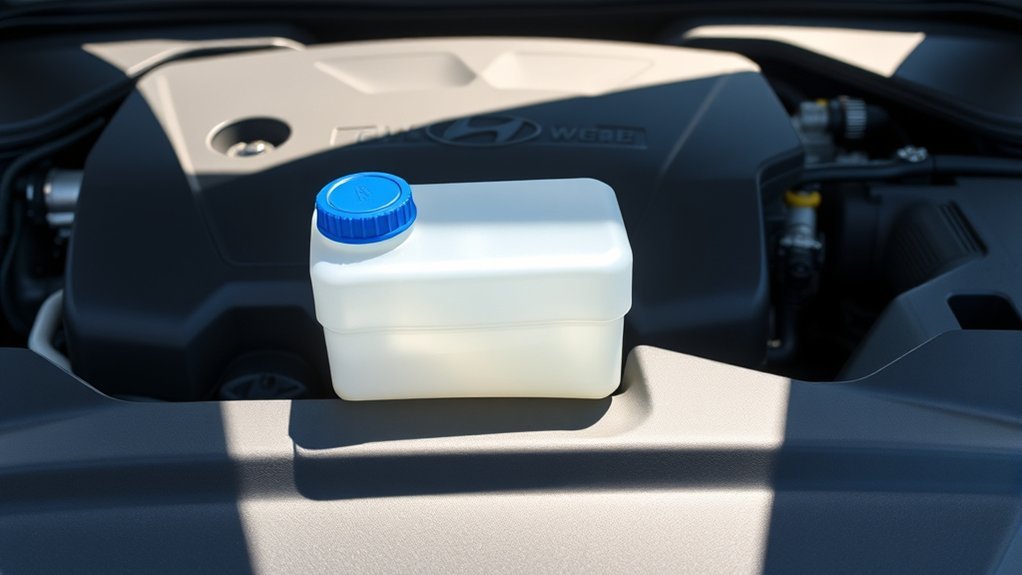
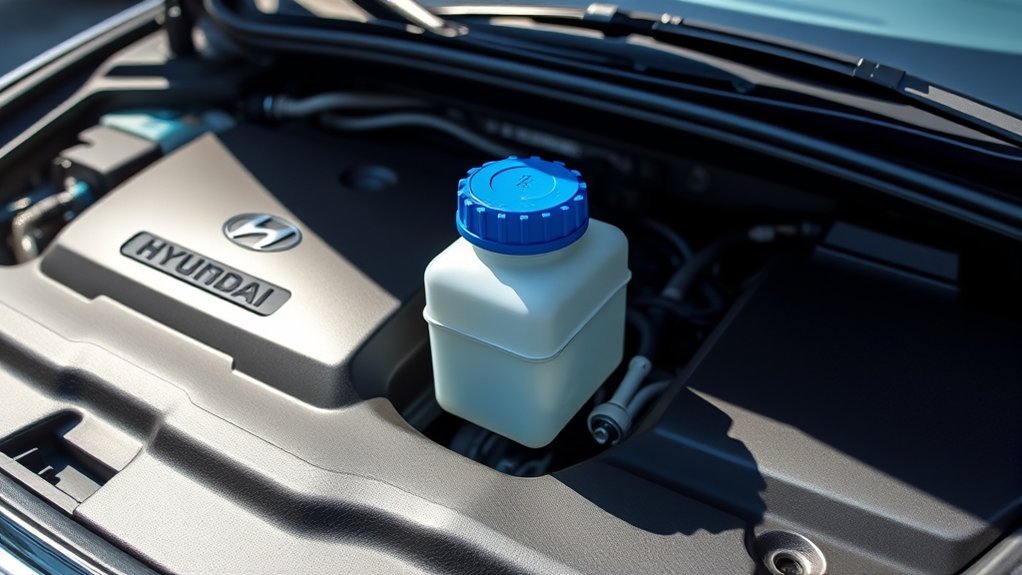
The windshield washer fluid reservoir is under the hood, but its exact position is not universal across Sonata generations. Look for the reservoir cap identified by a windshield-and-spray symbol. Do not rely on the cap being blue or black because cap colors and engine-compartment layouts can vary.
The exact reservoir position can differ by Sonata model year, engine, hybrid configuration, and market. Hyundai’s engine-compartment diagrams identify the washer reservoir as an owner-maintenance point, but Hyundai also notes that the actual engine compartment can differ from an illustration. If the reservoir is not immediately obvious, use the windshield symbol or check the engine-compartment diagram in the owner’s manual for your specific Sonata.
No special tools are normally required for a basic refill. A clean funnel can make pouring easier and help keep dirt or washer fluid away from surrounding components.
Why You Should Regularly Check Your Washer Fluid Levels
Washer fluid becomes especially important when bugs, road salt, mud, dust, or wet-road spray collect on the windshield. A practical habit is to check the reservoir during routine vehicle checks, before long trips, and before driving in poor weather.
- Keep enough fluid available to clean road grime from the windshield.
- Refill when a low washer fluid message appears on an equipped Sonata.
- Use fluid suitable for the expected temperature before freezing weather arrives.
- Check for a leak if the reservoir becomes low again soon after a refill.
- Test the washer spray after refilling so you know the pump, hoses, and nozzles are working.
Some Sonata model years and markets can display a low-washer-fluid message when the reservoir is nearly empty. Features vary, so use your Sonata owner’s manual when a dashboard message differs from what is described here.
How to Refill Hyundai Sonata Windshield Washer Fluid
Refilling Hyundai Sonata windshield washer fluid is a beginner-friendly maintenance task. The key steps are identifying the correct reservoir, checking whether your washer fluid is premixed or concentrated, using a formula appropriate for your climate, and keeping coolant out of the washer system.
[Products Worth Considering]

Fitment: Replacement for Hyundai 95-99 Accent, 96-06 Elantra, 95-10 Sonata, 97-01 Tiburon, 10-14 Tucson, Kia 07-08 Amanti, 03-06 Optima, 11-13 Sportage
Locate The Reservoir
Park safely, switch the vehicle off, set the parking brake, and open the hood. Find the cap marked with the windshield-and-spray symbol. Because Sonata engine-bay layouts vary, confirm the symbol instead of choosing a reservoir by its position or cap color alone.
- Open the hood: Use the interior hood release and the secondary hood latch.
- Find the washer symbol: Look for the windshield-and-spray icon on the reservoir cap.
- Confirm before pouring: Do not confuse the washer reservoir with the engine-coolant or brake-fluid reservoir.
- Inspect the filler area: Wipe away loose dirt so debris does not fall into the reservoir.
- Use your manual when needed: Check the engine-compartment diagram for your exact model year if the reservoir is difficult to identify.
Pour The Fluid
Open the washer fluid reservoir cap and check the washer-fluid bottle before pouring. A premixed or ready-to-use product can go directly into the reservoir. If the product is a concentrate, dilute it exactly as its label directs. A clean funnel is useful if the filler opening is narrow.
Pour slowly and watch the filler neck or visible reservoir level. Do not depend on the reservoir to stop the flow automatically. Slow down as the level rises and stop before fluid spills from the filler neck. If your reservoir has a visible full-level reference, follow it.
- Remove the washer-fluid cap.
- Confirm whether the washer fluid is premixed or requires dilution.
- Use windshield washer fluid suited to your climate.
- Pour slowly while watching the filler neck or visible reservoir level.
- Stop before the reservoir overflows.
- Reinstall the cap securely.
- Test the washer system with a brief spray.
Important: Hyundai warns against operating the washer with an empty reservoir. If no fluid sprays after a refill, avoid repeatedly holding the washer control while you diagnose the problem.
What Washer Fluid Should You Use in a Hyundai Sonata?
Use a windshield washer fluid appropriate for the temperature where you drive. For freezing conditions, choose washer fluid formulated with freeze protection. Hyundai states that plain water may be used when washer fluid is unavailable in warmer conditions, but water is a poor choice when temperatures may fall below freezing.
If the fluid is premixed, use it as supplied. If it is sold as a concentrate, follow its label for the correct dilution ratio. Do not guess at a mixture because freeze protection and cleaning performance depend on the product formulation.
Never use engine coolant or radiator antifreeze as windshield washer fluid. Hyundai warns that coolant sprayed onto the windshield can severely reduce visibility. It can also damage painted or exterior trim surfaces.
Washer fluid can contain alcohol and may be flammable. Keep it away from sparks or open flame, avoid drinking it or prolonged skin contact, and store it safely away from children and animals.
How to Recognize When Poor Cleaning Is a Wiper-Blade Problem
A full washer reservoir will not fix poor visibility caused by dirty or worn wiper blades. If washer fluid sprays normally but the windshield still streaks or leaves missed areas, clean the windshield and blade edges before replacing the blades. Insects, tree sap, wax, and road film can reduce wiping performance even when the rubber is still usable.
[Products Worth Considering]

Conventional Wiper Blade: Rain-X Weatherbeater windshield wiper blade set in 26 inch and 16 inch lengths, built to meet or exceed original equipment manufacturer standards for durability, quality and construction

100% Brand New 18 and 26 inch Wiper Blades: Suitable for various weather conditions and seasons, ensuring excellent performance whether in cold winters or hot summers.

Conventional Wiper Blade: Rain-X Weatherbeater windshield wiper blade set in 26 inch and 18 inch lengths, built to meet or exceed original equipment manufacturer standards for durability, quality and construction
Signs of Worn Blades
Replace the blades when they remain ineffective after cleaning or show physical deterioration. Common signs include:
- Streaks or smears that remain after the glass and blades are cleaned.
- Skipping or chattering across a wet windshield.
- Cracked, split, or damaged rubber.
- Missed areas that the blade no longer contacts properly.
- Poor clearing in rain even though washer fluid sprays normally.
Seasonal Inspection Recommendations
Do not treat six months as an automatic replacement deadline for every Sonata. Inspect the blades regularly and pay extra attention before winter and rainy seasons. Hyundai’s guidance is to replace wiper blades when they no longer clean adequately or when they are worn or cracked.
For a deeper blade, nozzle, and spray-pattern check, see the site’s Sonata wiper and washer performance guide.
Streaking and Skipping Issues
When the washers spray strongly but the windshield still streaks, first clean the glass and blade edges with an appropriate glass cleaner or mild detergent, rinse thoroughly, and test again. If the blades are cracked, damaged, or still fail to clean the glass, replace them with the correct blade type for your Sonata model year.
Essential Maintenance Tips for Optimal Washer Fluid Performance
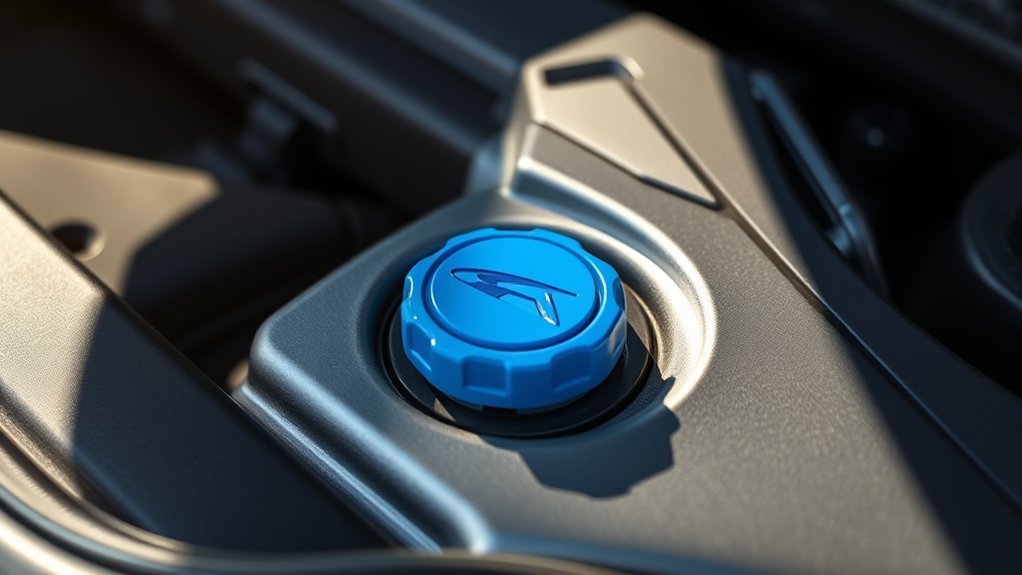
Good washer-system maintenance goes beyond filling the tank. Keep the reservoir supplied with the correct fluid, keep the windshield and wiper blades clean, and investigate leaks or weak spray before visibility becomes a problem.
- Check the reservoir during routine vehicle checks and before long trips.
- Use freeze-protected washer fluid before cold weather.
- Do not operate the washer repeatedly when the reservoir is empty.
- Clean the windshield and wiper blades when wiping becomes streaky.
- Check for leaks when fluid disappears unusually quickly.
- Test the spray pattern after a refill.
When the outside temperature is below freezing, Hyundai recommends warming the windshield with the defroster before using the washers. This helps prevent washer fluid from freezing on the windshield and suddenly obstructing your view.
If you are checking other under-hood fluids at the same time, the site’s Hyundai Sonata fluid-level checklist covers the broader maintenance routine without changing the washer-fluid procedure on this page.
Troubleshooting Common Washer Fluid Problems
If your Hyundai Sonata has fluid in the reservoir but the windshield washers still do not work correctly, use the symptom as a starting point. These checks can narrow the problem, but pump or electrical testing may require service information for your exact model year.
| Symptom | Area to Check First | First Action |
|---|---|---|
| No spray and no pump sound | Pump or electrical circuit | Confirm the reservoir has fluid, then inspect the relevant fuse and electrical system before replacing parts. |
| Pump runs but no fluid sprays | Nozzles, hoses, or leak | Look for blocked nozzles, disconnected or damaged hoses, and escaping fluid. |
| Weak or uneven spray | Nozzle or hose restriction | Inspect the affected nozzle and washer line for blockage, kinks, or leakage. |
| Reservoir becomes low soon after filling | Reservoir, hose, pump seal, or connection | Look for wet areas or washer fluid beneath the front of the vehicle. |
| System stops after freezing weather | Frozen fluid or washer plumbing | Stop operating the pump, allow the system to thaw, and use properly rated winter washer fluid. |
| Low-fluid warning remains after refill | Fluid level, leak, or level-sensor circuit | Confirm the reservoir is full and not leaking, then consult the model-year manual if the warning remains. |
Washer Fluid Does Not Spray
- Check the fluid level first. Refill if the reservoir is empty or low.
- Listen for the washer pump. Activate the washer briefly and listen for a small electric-motor sound.
- If the pump runs but little or no fluid appears, inspect the spray nozzles for blockage and look for disconnected, cracked, kinked, or leaking washer hoses.
- If the pump is silent, the pump, fuse, wiring, switch, or another electrical fault may require diagnosis.
- Check for leaks. Fluid appearing under the front of the car shortly after filling can indicate a damaged reservoir, hose, pump seal, or connection.
A pump that can be heard working with weak or absent spray shifts attention toward a restricted nozzle, hose problem, or leak. A silent pump shifts the first diagnostic checks toward the pump and electrical side of the system. Do not replace a pump solely because the washers do not spray; confirm the simple causes first.
Washer Fluid Freezes or Stops Spraying in Winter
If the system stops working after a hard freeze, do not keep operating the pump. Move the vehicle to a warmer environment if practical and allow the system to thaw. Use washer fluid rated for the temperatures you expect, and warm the windshield with the defroster before spraying fluid in freezing conditions.
Low Washer Fluid Warning Remains After Refilling
First confirm that the reservoir is actually full and that fluid is not immediately leaking out. If a low-washer-fluid warning remains after the reservoir has been correctly filled, consult the owner’s manual for your model year. A reservoir-level sensor or its circuit may require inspection if the warning does not reflect the actual fluid level.
Frequently Asked Questions
Where Is the Washer Fluid Reservoir on a Hyundai Sonata?
Open the hood and look for the cap marked with the windshield-and-spray symbol. The exact position can vary by Sonata model year, engine, hybrid configuration, and market, so identify the reservoir by its symbol rather than assuming a specific cap color or side of the engine compartment.
Can I Use Water Instead of Washer Fluid?
Hyundai allows plain water when washer fluid is unavailable in warmer conditions, but proper windshield washer fluid is the better choice for routine use. Do not rely on plain water when freezing temperatures are possible because it can freeze in the washer system.
How Often Should I Check My Washer Fluid Level?
Check it regularly, especially during routine vehicle checks, before long trips, and when bad weather is expected. Refill it whenever the level is low or a low-washer-fluid message appears on an equipped Sonata.
What Type of Washer Fluid Is Best for My Sonata?
Use a quality windshield washer fluid that matches your climate. An all-season formula works for many drivers, while areas with freezing temperatures require adequate freeze protection. If the product is concentrated rather than premixed, dilute it exactly as its label directs. Follow the product instructions and your model-year owner’s manual.
Will Using the Wrong Fluid Damage My Vehicle?
It can. In particular, never use engine coolant or radiator antifreeze in the windshield washer reservoir. Hyundai warns that coolant can badly obstruct your view when sprayed onto the windshield and can damage paint or exterior trim.
Can I Refill Washer Fluid in Winter Conditions?
Yes. Use washer fluid designed for freezing temperatures. When the windshield itself is below freezing, Hyundai recommends warming it with the defroster before using the washers so fluid does not freeze on the glass and block your view.
Why Is My Hyundai Sonata Washer Fluid Not Spraying?
Start by checking the reservoir. If it has fluid, listen for the washer pump. A pump that runs without producing normal spray can point to clogged nozzles, damaged or disconnected hoses, or a leak. If the pump is silent, the pump, fuse, wiring, switch, or another electrical part may need diagnosis.
Conclusion
Refilling Hyundai Sonata windshield washer fluid is straightforward once you identify the reservoir by its windshield-and-spray symbol. Use fluid appropriate for your climate, follow the bottle directions if it is concentrated, pour slowly, secure the cap, and test the washers. Never substitute engine coolant or radiator antifreeze, and warm a frozen windshield before spraying it.
If a full reservoir still does not produce normal washer spray, use the pump sound and symptoms to narrow the next check: nozzles, hoses, leaks, pump, or electrical system. Because layouts and equipment vary by Sonata model year and market, use the Hyundai owner’s manual for the final vehicle-specific procedure.