
Last updated: July 31, 2026
If your RAV4 shows “Radar Cruise Control Unavailable,” “Radar Cruise Control Unavailable See Owner’s Manual,” or a similar adaptive-cruise warning, park safely and check the front radar cover plus the outside windshield area in front of the camera. Remove dirt, water droplets, snow, ice, bugs, oily film, or stickers. Clear fog or condensation and let extreme cabin or sensor temperatures return to normal. Do not replace the radar sensor or 12-volt battery from this message alone. If the warning returns in clear conditions, save the exact message and diagnostic data, test the 12-volt system, review any recent bumper or windshield work, and arrange an ADAS inspection when needed.
Quick Answer: Use This Diagnosis Order
- Park safely and read or photograph the exact warning.
- Clean the exterior radar cover and the outside windshield camera area.
- Clear fog, condensation, snow, or ice and allow extreme heat or cold to normalize.
- If the warning returns, test the 12-volt battery and scan Toyota safety-system modules before clearing data.
- Request mounting and calibration checks after relevant grille, bumper, radar, collision, or windshield work.
Key Takeaways
- Clean the radar cover and outside windshield camera area before replacing parts.
- Check for fog, condensation, ice, snow, glare, darkness, water droplets, and temperature extremes.
- Treat battery testing as a secondary diagnostic step, not an automatic battery replacement.
- Use an enhanced Toyota-capable scan tool because a basic reader may show only powertrain or emissions data.
- Request calibration after relevant radar, grille, bumper, or windshield work.
- Keep full control because adaptive cruise control assists your driving but does not replace it.
Editorial scope: This guide summarizes Toyota owner information and general diagnostic screening. It does not claim hands-on testing across every RAV4 model year, market, Toyota Safety Sense generation, or stored fault.
What Should You Do When RAV4 Adaptive Cruise Control Is Unavailable?
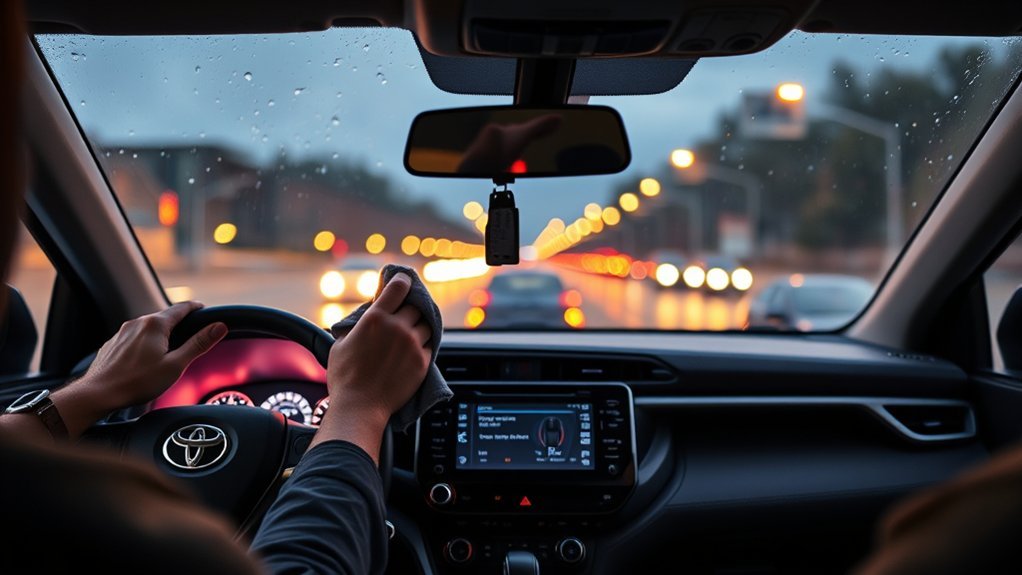
A RAV4 adaptive cruise control unavailable warning means Dynamic Radar Cruise Control cannot operate normally at that moment. The cause may be temporary, such as a blocked sensor or unsuitable visibility, or it may be a stored fault that needs diagnosis. Toyota’s 2024 RAV4 guidance identifies a radar sensor behind the front grille and a front camera behind the windshield. Dirt, moisture, snow, ice, stickers, poor visibility, or an unsuitable sensor temperature can temporarily limit the system.
Model-year note: This article uses 2024 and 2025 U.S. Toyota owner information as examples. Warning wording, sensor-cover design, Toyota Safety Sense generation, scan data, and calibration requirements vary. Confirm the procedure in the owner’s manual and repair information for your exact RAV4 model year and market. For system-generation background, see the Toyota Safety Sense guide.
[Products Worth Considering]
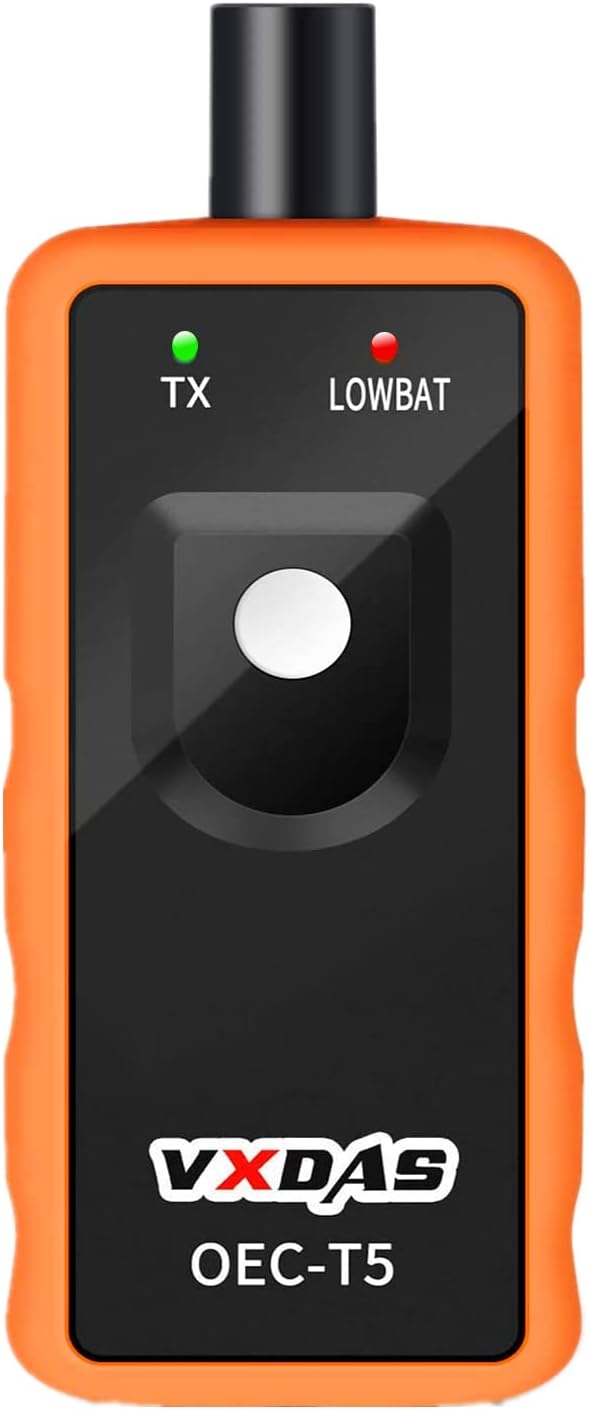
This TPMS relearn tool is designed for many GM vehicles with 315/433 MHz original sensors, helping you reset tire pressure monitoring systems quickly after sensor replacement or tire changes. It offers a simple one-button activation process that can save time and reduce trips to the dealer or tire shop. Built for easy handheld use, it supports safe, accurate TPMS relearn procedures for compatible Chevy, Buick, GMC, Opel, and Cadillac models.
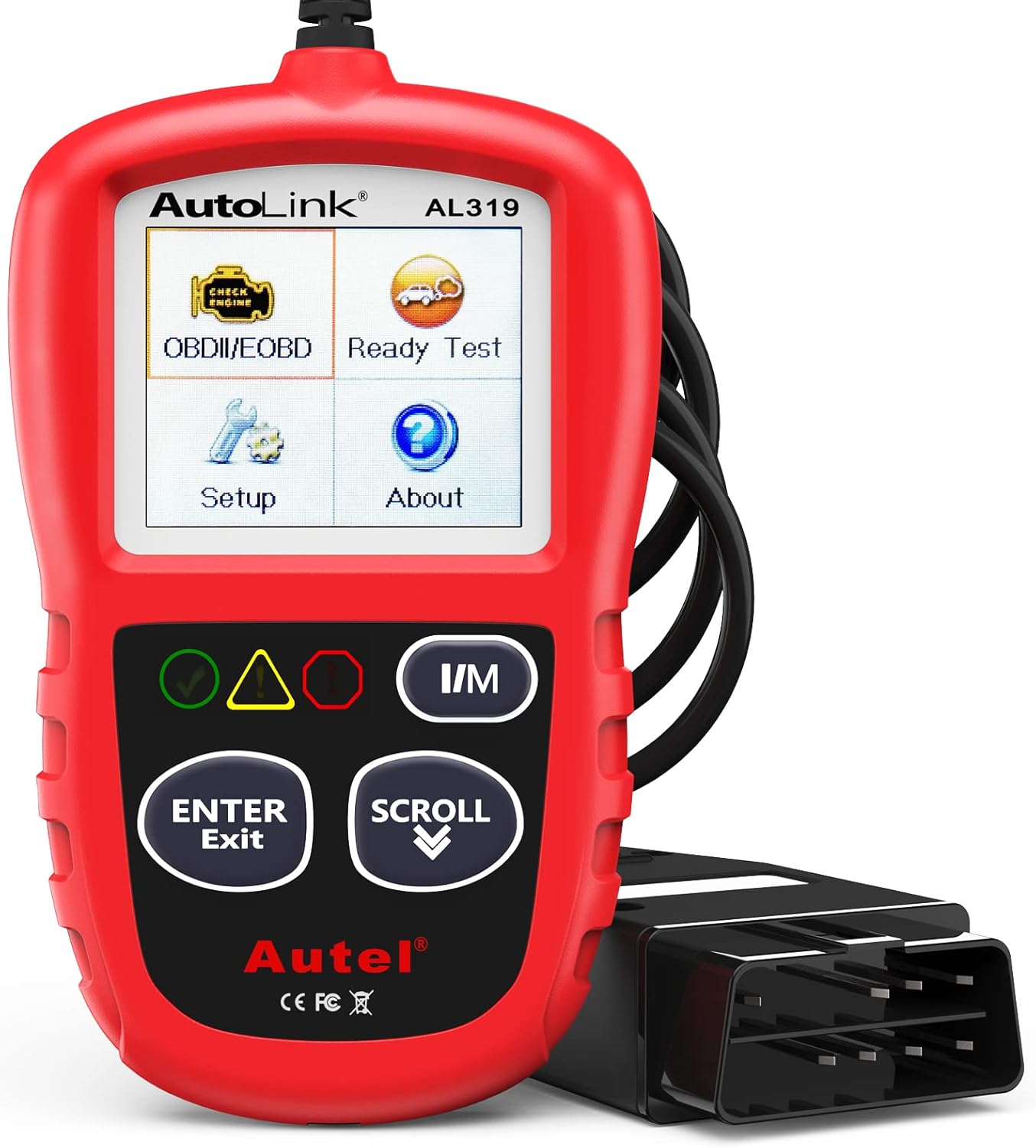
The Autel AL319 is a user-friendly OBD2 scan tool designed to help drivers quickly diagnose check engine light issues and understand vehicle fault codes. It supports reading and clearing DTCs, live data, freeze frame, I/M readiness, and vehicle information, making it a practical choice for DIYers and everyday car owners. With plug-and-play operation, a color display, built-in speaker, and broad vehicle compatibility, it delivers fast, reliable diagnostics without complicated setup.

The ANCEL AD410 helps drivers quickly read and clear engine-related fault codes, view live data, and understand why the check engine light is on before heading to a repair shop. With built-in code definitions, readiness checks, and support for common OBD2 functions, it makes basic diagnostics straightforward for beginners and DIY users. Powered directly from the vehicle and easy to use with no app required, it offers practical value for everyday vehicle troubleshooting.
What Does the Exact Warning Message Mean?
| Message or condition | What Toyota guidance indicates | Next action |
|---|---|---|
| “Radar Cruise Control Unavailable” | Dynamic Radar Cruise Control cannot be used temporarily. | Drive manually and use the system only after it becomes available again. |
| “Radar Cruise Control Unavailable See Owner’s Manual” | The system is suspended temporarily or until the displayed problem is resolved. | Follow the exact correction procedure in the model-year manual. Arrange service if the message remains. |
| “Pre-Collision System Radar In Self Calibration Unavailable See Owner’s Manual” | Material may be attached to the radar sensor or radar cover. | Park safely, inspect the approved exterior surface, and remove the obstruction without moving the sensor. |
| Front-camera or radar-sensor malfunction message | Related systems such as PCS, LTA, AHB, RSA, or Dynamic Radar Cruise Control may be suspended, depending on equipment. | Follow the display, save the message, and arrange diagnosis if the manual identifies a malfunction or dealer inspection. |
| What you notice | Likely category | Safe next action |
|---|---|---|
| Dirt, bugs, water, snow, or ice on the grille emblem, radar cover, or windshield | Sensor obstruction | Park safely and clean the affected exterior surface with a soft cloth. Use the wipers or defogger when appropriate. |
| Warning after strong sun, extreme cold, fog, snow, darkness, or bright glare | Temporary temperature or visibility limitation | Use the climate control, defogger, or wipers and wait for normal temperature and visibility. |
| Warning began after bumper, grille, radar, or windshield work | Possible disturbed mounting, alignment, or calibration | Ask a Toyota-qualified or ADAS-equipped facility to inspect mounting and calibration. |
| Message returns during clear weather with clean sensors | Voltage, wiring, communication, calibration, or system fault | Record the warning, test the 12-volt battery, and scan accessible Toyota modules before clearing data. |
Use this order: document the warning, clear approved exterior obstructions, restore normal temperature and visibility, restart the vehicle, and observe whether the message returns. Then move to battery, scan-data, repair-history, and calibration checks. If several safety warnings appear together or braking, steering, or acceleration feels abnormal, stop safely and arrange professional service.
How Do You Clean the RAV4 Radar and Camera Area Safely?
Park the RAV4, switch it off, and inspect the radar cover near the front grille or emblem. Use a soft, damp cloth to remove dirt, bugs, snow, ice, or water spots. Do not scrape, paint, tape, strike, remove, or reposition the radar sensor or its cover.
Clean only the outside windshield area in front of the forward camera. Apply a mild, glass-safe cleaner to the cloth instead of spraying it toward the camera housing. Use the windshield wipers and defogger to remove water, condensation, fog, or ice.
- Do not touch or clean the camera lens inside the vehicle.
- Do not attach stickers, tint, accessories, or other objects in front of the camera.
- Close the hood if it is blocking the camera’s field of view.
- Allow an overheated or extremely cold camera area to return to a normal temperature.
Warning: Do not remove, paint, tape, strike, unplug, or reposition the radar sensor or front camera. Contact a qualified technician if the camera lens, inside windshield area, sensor bracket, or sealed connector needs attention.
Restart the RAV4 after the obstruction or environmental condition has cleared. When road and visibility conditions are suitable, drive normally for a short period and watch the multi-information display. Toyota does not give one universal distance or time for every temporary message to clear. Test adaptive cruise control only where its use is permitted and safe.
If the warning remains, note the exact message, outside temperature, weather, road conditions, and whether the vehicle recently had front-end or windshield work. These details help separate a temporary limitation from a battery, communication, calibration, or system fault.
Can a Weak 12-Volt Battery Cause the Warning?
A weak or unstable 12-volt supply can contribute to multiple electronic warning messages, especially after a hard start, jump-start, battery replacement, or long period of storage. However, the ACC warning alone does not prove that the battery is defective. Treat battery condition as a secondary check unless the RAV4 also shows slow starting, dim electrical equipment, repeated low-voltage codes, or several unrelated warnings.
For a conventional 12-volt lead-acid battery, about 12.6 volts at rest and roughly 13.5 to 14.5 volts while charging are common general reference ranges. They are not RAV4-specific pass-or-fail specifications. Temperature, battery chemistry, recent charging, surface charge, hybrid configuration, and the vehicle’s charging strategy can change the reading. A load or conductance test is more useful than replacing the battery from one voltage reading.
- Measure directly at the battery posts after the vehicle has rested.
- Inspect the terminals for looseness, corrosion, or damaged cables.
- Secure the battery so vibration cannot interrupt its connection.
- Request a battery load or conductance test before authorizing replacement.
- Use model-specific service information when charging voltage looks unusual.
Do not disconnect the negative terminal merely to hide the warning. Battery disconnection can clear stored ECU information, erase useful diagnostic clues, and reset vehicle settings. Record codes and warning history before any reset. RAV4 Hybrid owners can also review the RAV4 Hybrid 12-volt battery location and testing guide.
[Products Worth Considering]

This front windshield sunshade is designed to help keep your Toyota RAV4 cooler by reducing heat buildup after parking in direct sunlight. It blocks most UV rays to help protect your dashboard, seats, and steering wheel from sun damage, while the accordion folding design makes it easy to set up, store, and transport. Built with a durable triple-laminate construction and a silver reflective surface, it offers practical everyday sun protection for compatible RAV4 models.

Upgrade your vehicle interior with Skechers Memory Foam front seat covers designed for comfort, protection, and a clean custom look. The memory foam contours to your body to help relieve pressure, while the cooling Lycra top layer adds breathability for a more comfortable drive. Built with a form-fitting design and airbag-compatible stitching, these covers suit most cars, trucks, vans, and SUVs.
What Visible Damage Should You Check Without Disturbing the Sensors?
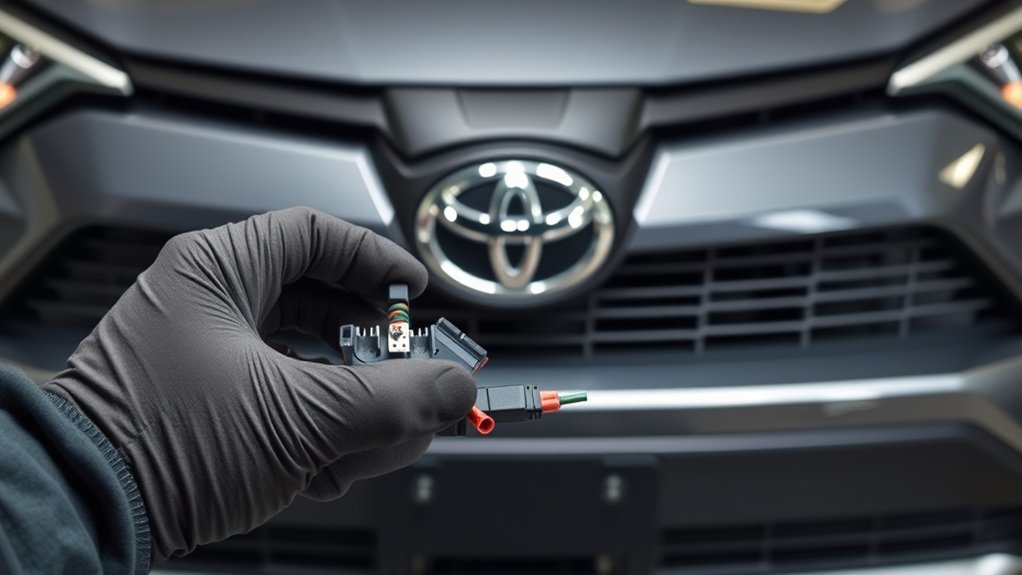
After confirming that the sensor surfaces are clean and the battery supply is stable, perform only a visual inspection of areas you can reach without removing trim or unplugging safety-system components. Turn the vehicle off and look for evidence that could explain the warning.
- Cracks, dents, or displacement around the grille, emblem, or front bumper
- A loose radar cover or visibly bent mounting area
- Water intrusion, corrosion, or damaged wiring visible without opening a connector
- Broken clips, rubbed insulation, or signs of prior collision repair
- A replaced, cracked, or incorrectly installed windshield
Do not force sealed connectors open or apply contact cleaner to radar or camera terminals without a repair procedure for the exact model. A technician should diagnose corrosion, internal moisture, connector faults, or communication problems.
Toyota’s 2024 RAV4 guidance calls for radar recalibration after the radar sensor or front grille is removed and reinstalled or replaced, and after front-bumper replacement. It also calls for camera recalibration after windshield replacement. Requirements vary by model year, so use the correct owner and repair information for your vehicle.
[Products Worth Considering]
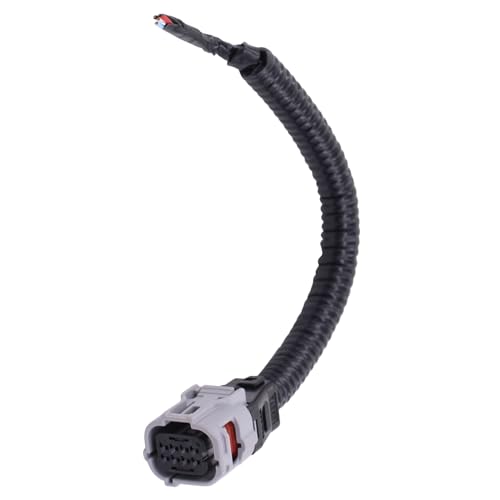
Compatible with Toyota Avalon 2013-2022; Camry 2018-2022; CHR 2017-2019;

[OE Number] 88210-47090/88210-48070/88210-48071/88210-07010/88210-07011/88210-50180/88210-50181/88210-11010.
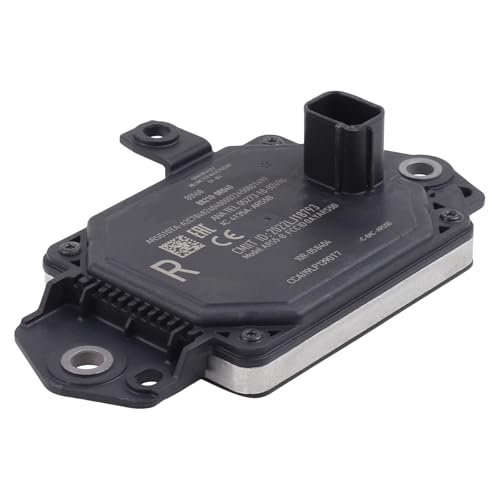
Compatible with Toyota RAV4 2019-2025
How Should You Scan Codes and Brief Your Mechanic?
A diagnostic scan helps separate a temporary obstruction from a stored electrical, communication, sensor, or calibration fault. Connect an on-board diagnostics II (OBD-II) scanner under the dashboard and save every accessible RAV4 diagnostic trouble code, pending code, status description, and freeze-frame record before clearing anything.
A basic scanner may read only engine and emissions data. For an adaptive cruise control problem, use an enhanced Toyota-capable scan tool that can communicate with safety, body, chassis, and network modules supported on your model. Depending on model year, a technician may also need Toyota Vehicle Control History or other event records, not only conventional DTCs. Exact module names and tool coverage vary by RAV4 model year.
Give the technician a short diagnostic history:
- The warning’s exact wording and whether it remains constant or comes and goes
- The weather, temperature, visibility, road conditions, and vehicle speed when it appeared
- Any recent jump-start, battery replacement, hard starting, or charging issue
- Any windshield, bumper, grille, radar, body, or collision repair
- All codes, event history, and freeze-frame information recorded before clearing
- The cleaning, restart, voltage, and visual checks already completed
Ask the shop to inspect sensor mounting, module communication, software or calibration status, stored codes, and applicable event history. This sequence reduces guesswork and helps prevent replacement of functional parts.
Frequently Asked Questions
Can I drive my RAV4 when ACC says unavailable?
Follow the exact message on the multi-information display. If only radar cruise is unavailable, no red or critical warning is present, and steering, braking, and acceleration feel normal, you can generally drive manually without using adaptive cruise control. Related Toyota Safety Sense functions may also be suspended. Stop safely and arrange service if the vehicle behaves abnormally or several safety warnings appear.
Will cleaning the radar sensor reset adaptive cruise control?
Cleaning does not perform a software reset. It can restore operation when dirt, moisture, snow, ice, bugs, film, or a sticker blocks the radar cover or the windshield area in front of the camera. The message may clear after normal operating conditions return.
Can a weak 12-volt battery cause ACC unavailable?
A weak 12-volt battery can contribute to multiple electronic warnings, especially after a hard start, jump-start, battery event, or storage period. Test the battery and charging system, but do not replace the battery based on the ACC message alone.
Does a RAV4 need radar calibration after bumper work?
Toyota’s 2024 guidance requires radar recalibration after the radar sensor or front grille is removed and installed or replaced, and after front-bumper replacement. Windshield replacement requires front-camera recalibration. Follow the repair information for the exact model year.
What weather conditions can make RAV4 adaptive cruise unavailable?
Fog, condensation, ice, snow, water droplets, darkness, bright glare, or extreme camera and radar temperatures can make the system temporarily unavailable. Clear the approved exterior surfaces, use the wipers, defogger, or climate control, and wait for normal visibility and temperature.
Why does the warning return after I clear it?
The message returns when the underlying condition remains or reappears. Common categories include sensor obstruction, unsuitable weather or temperature, low voltage, visible damage, a stored system fault, or disturbed sensor calibration. Clearing the display or disconnecting the battery does not repair the cause.
Where is the RAV4 adaptive-cruise sensor?
On the 2024 RAV4 example used in this guide, the radar sensor is behind the front grille and the front camera is behind the windshield. The approved cleaning points are the radar sensor cover and the outside windshield area in front of the camera. Confirm the exact location for your model year.
Can I switch to standard cruise when radar cruise is unavailable?
Some RAV4 model years provide a constant-speed cruise mode, but the control method and availability vary. Follow your exact owner’s manual, and do not use any cruise-control mode in snow, ice, poor visibility, slippery conditions, or other situations where manual speed control is safer. See the RAV4 radar cruise versus standard cruise guide for model-specific context.
Vehicle Safety Disclaimer: This article is for informational purposes only and does not replace the owner’s manual, repair manual, or a qualified technician’s diagnosis. Adaptive cruise control assists with speed and following distance, but you remain responsible for steering, braking, accelerating, monitoring the road, and maintaining full control.
Conclusion
Start with the causes Toyota identifies most clearly: blocked exterior sensor surfaces, moisture, fog, ice, temperature extremes, and poor visibility. Photograph the exact warning, clean only the radar cover and outside windshield camera area, and allow normal conditions to return. If the message remains, test the 12-volt system, save Toyota-capable scan data, and review any recent front-end or windshield work.
Do not touch the camera lens, unplug ADAS connectors, move the radar bracket, or repeatedly erase codes. A warning that returns in clear conditions, follows bumper, grille, radar, collision, or windshield work, appears with other safety warnings, or accompanies abnormal vehicle behavior needs professional diagnosis and possible calibration.
References
- RAV4 2024 Owner’s Manual Excerpt for Driving Support Systems, Toyota, 2024
- 2025 RAV4 Hybrid: If a Warning Message Is Displayed, Toyota
- 2024 RAV4 Hybrid: If the 12-Volt Battery Is Discharged, Toyota
- Driver Assistance Technologies, National Highway Traffic Safety Administration
- What You Need to Know About Car Battery Voltage, AutoZone


[…] If the message remains after normal visibility and temperature return, contact a Toyota dealer or a qualified ADAS repair facility. For deeper checks involving shared radar-cruise warnings, see the RAV4 radar cruise unavailable troubleshooting guide. […]
[…] Active steering assist temporarily suspends during turn-signal usage, sharp cornering exceeding the Electronic Power Steering (EPS) torque limits, heavy acceleration or braking, or during active intervention by Vehicle Stability Control (VSC) or Pre-Collision System (PCS). If cruise control fails to engage, reference the RAV4 adaptive cruise control troubleshooting guide. […]
[…] Front Sensor Obstructions: When installing accessories, ensure aftermarket items do not obscure the front grille emblem or windshield camera sweep. When outfitting your vehicle, consult our dedicated RAV4 dash cam guide for proper placement outside the TSS sensor zone. For troubleshooting sensor warning messages, refer to our RAV4 radar cruise unavailable troubleshooting guide. […]