Radar cruise and standard cruise both reduce driver fatigue on long trips, but they operate on fundamentally different technology. Standard cruise control maintains a fixed speed regardless of traffic ahead. Toyota’s Dynamic Radar Cruise Control (DRCC) uses a millimeter-wave radar sensor and a forward-facing camera to automatically adjust your speed and maintain a preset following distance from the vehicle in front. For the U.S.-market 2025 RAV4, Full-Speed Range DRCC is the standard primary operating mode, while constant-speed control is a manual fallback designed for when distance sensors are obstructed.
Written by: [VERIFY: add author byline and automotive credential] | Reviewed by: Automotive Technical Staff
Last updated: July 23, 2026. Covers the U.S.-market 2025 RAV4 equipped with Toyota Safety Sense 2.5 (TSS 2.5). The redesigned 2026 RAV4 upgrades to Toyota Safety Sense 4.0; refer to your specific model-year manual for updated controls.
Quick Answer: Radar Cruise vs. Standard Cruise
The fundamental difference: Dynamic Radar Cruise Control (DRCC) automatically accelerates, slows, and stops to maintain a safe gap behind lead vehicles. Standard cruise control maintains a single fixed speed and will not brake for slower traffic.
- Use DRCC (Adaptive): On open highways, freeways, and steady commuter traffic where vehicle speeds fluctuate.
- Use Constant-Speed (Fallback): Only when radar/camera distance sensors are temporarily disabled (e.g., muddy grille emblem) but the highway is clear and dry.
- Drive Manually: In heavy rain, snow, icy conditions, winding backroads, or complex stop-and-go city intersections.
Key Takeaways
- Full-Speed Range DRCC is Standard: Every U.S. 2025 Toyota RAV4 includes Toyota Safety Sense 2.5 as standard equipment, featuring adaptive cruise that operates down to a complete stop.
- Constant-Speed is a Backup: Toyota explicitly defines fixed-speed cruise as a backup mode for when vehicle-to-vehicle distance detection is unavailable, not as a primary driving mode.
- Stop-and-Go Resumption: After coming to a complete stop in traffic, DRCC holds the vehicle in place; tap the
RES/+button or gently tap the accelerator pedal to resume tracking. - Driver Remains Responsible: DRCC and Lane Tracing Assist (LTA) are Level 2 driver-assistance features, not autonomous driving systems.
- 2026 Model Year Transition: The redesigned 2026 RAV4 incorporates Toyota Safety Sense 4.0, which features updated sensor hardware and revised steering-wheel interface logic.
Quick Verdict: Dynamic Radar Cruise vs. Standard Cruise vs. Manual Driving
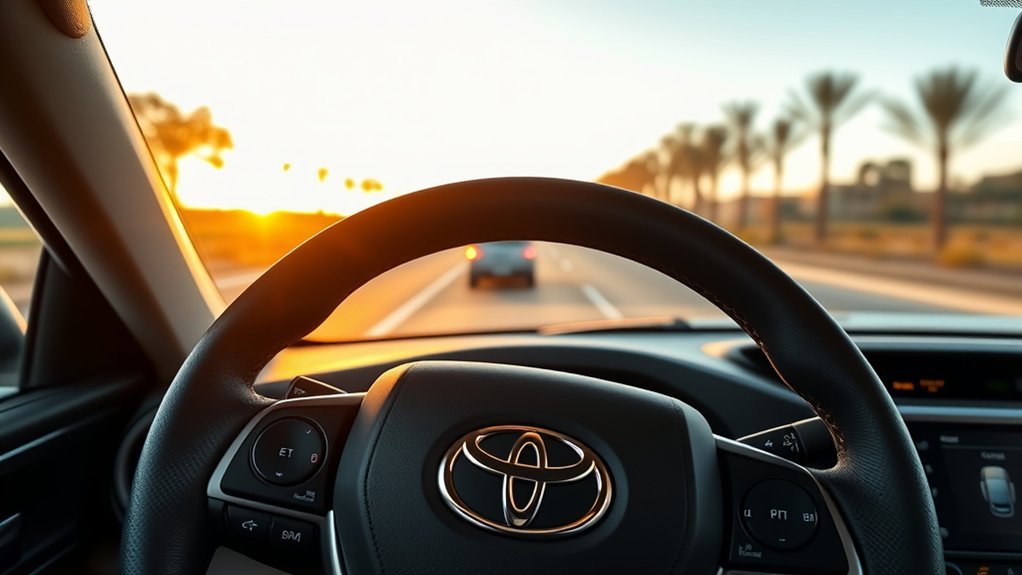
For a 2025 Toyota RAV4, your primary choice should almost always be Dynamic Radar Cruise Control with Full-Speed Range. Constant-speed cruise is strictly an engineering fallback when sensors are dirty, and manual driving is required whenever road geometry, surface grip, or visibility degrades.
On older vehicles, buyers frequently had to purchase top trims to unlock adaptive cruise. On the U.S. 2025 RAV4, Toyota Safety Sense 2.5 is standard across all trims (LE, XLE, XLE Premium, Adventure, TRD Off-Road, Limited, and Hybrid/Prime variants). The core decision is not which model to buy, but knowing which cruise mode to engage for specific road environments.
| Driving Situation | Recommended Mode | Operational Reason |
|---|---|---|
| Open highway or rolling freeway traffic | DRCC (Adaptive Mode) | Automatically manages speed and following distance, reducing right-foot fatigue. |
| Radar sensor blocked (mud/snow) on clear roads | Constant-Speed Cruise | Maintains set speed without radar; driver must brake manually when approaching traffic. |
| Heavy rain, snow, ice, or standing water | Manual Driving | Prevents cruise control from accelerating during loss of tire traction (hydroplaning). |
| Dense city streets with cross-traffic & pedestrians | Manual Driving | System is not designed to interpret traffic lights, stop signs, or rapid cut-ins. |
| Steep mountain descents or sharp switchbacks | Manual Driving / Engine Braking | Manual gear selection (B-mode/sport shift) prevents brake pad overheating on long downgrades. |
Model Scope Note: Operating instructions below specifically apply to the U.S.-market 2025 RAV4. Controls, dash graphics, and parameters vary on imported models and the redesigned 2026 RAV4 with TSS 4.0.
[Products Worth Considering]
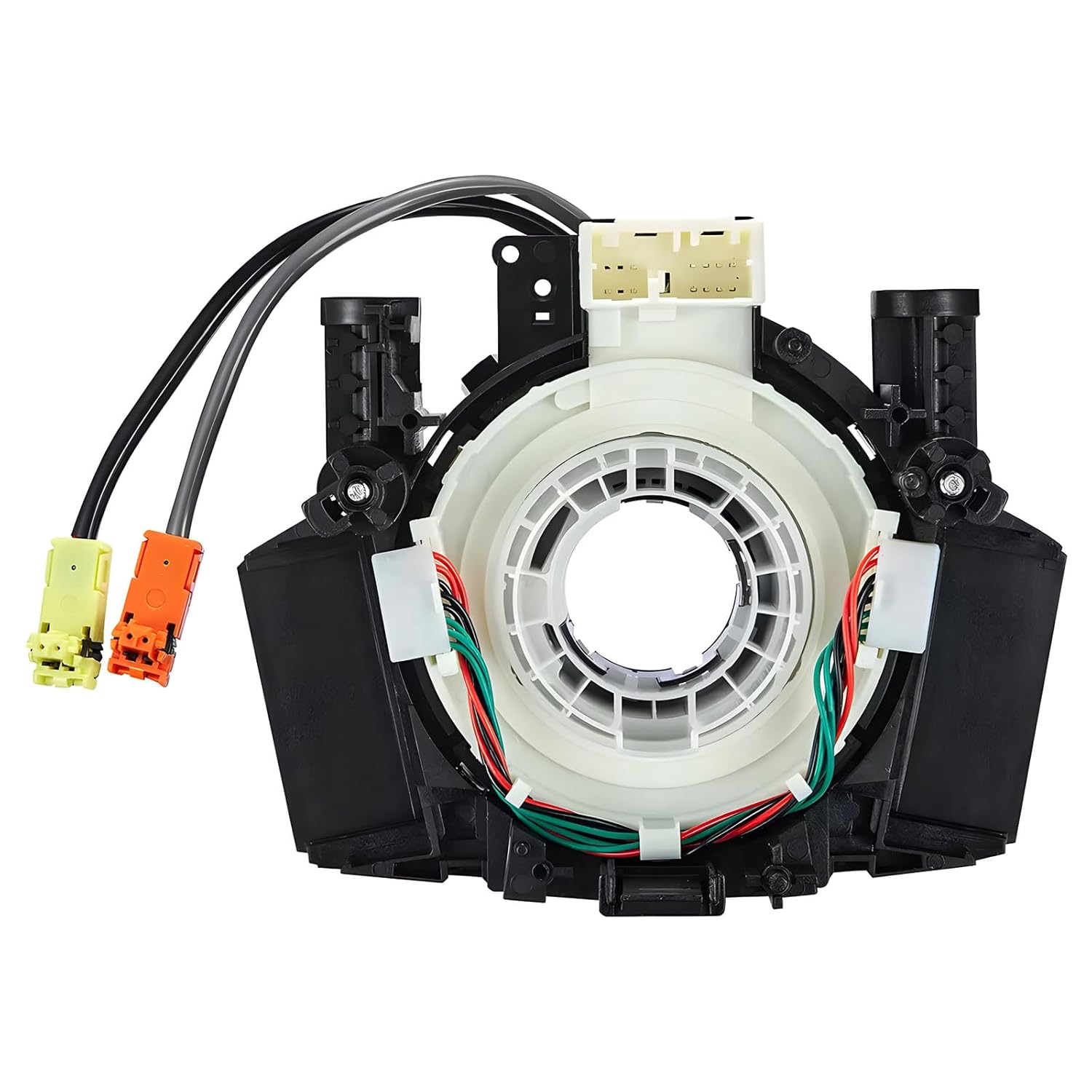
This steering clock spring assembly is an OEM-style replacement designed to restore steering wheel controls and related electronic functions in compatible Nissan vehicles. It supports audio, cruise control, and multi-function button operation while matching multiple factory part numbers for a reliable fit. Built for direct installation with vehicle-specific connectors, it helps return steering column electronics to proper working order.

This steering clock spring is designed to restore reliable steering wheel controls across a wide range of Toyota models. It supports audio, cruise control, and other multifunction commands while matching OEM part numbers for confident replacement fitment. Built for dependable signal transfer and straightforward installation, it is an effective solution for repairing steering column control issues.

This dash clock spring replacement is designed for a wide range of Toyota vehicles and helps restore reliable steering wheel control functions. It supports audio controls, cruise control, and other multi-function commands while using vehicle-specific connectors for easier installation. Built with durable materials and OEM-referenced part compatibility, it is a practical solution for repairing steering wheel signal issues.
Technical Comparison: How Radar Cruise Differs from Standard Cruise
Standard Cruise Control (Constant-Speed Mode): This is a traditional throttle-holding system. You set a target speed (e.g., 65 mph), and the vehicle maintains that velocity regardless of terrain or vehicles ahead. If a slower car pulls in front of you, the vehicle will not slow down. You must manually tap the brake pedal or press the cancel button.
Dynamic Radar Cruise Control (DRCC): This is an active Level 2 driver-assist feature. It utilizes a millimeter-wave radar sensor mounted behind the front Toyota grille emblem and a monocular camera positioned behind the upper windshield. Together, they calculate the distance and relative velocity of the lead vehicle, automatically adjusting throttle and braking to hold a preset gap.
| Feature Dimension | Standard Cruise Control | Full-Speed Range DRCC (TSS 2.5) |
|---|---|---|
| Primary Purpose | Maintains a fixed, unchanging speed. | Maintains set speed and safe following distance. |
| Slowing for Traffic | Manual driver intervention required. | Automatic throttle reduction & brake application. |
| Stop-and-Go Functionality | Disengages below minimum set speed (~25 mph). | Brings vehicle to complete stop; holds position. |
| Curve Speed Management | None (holds speed through turns). | Automatic speed suppression on sharp bends. |
| Cluster Display Icon | Speedometer needle icon. | Vehicle icon with distance-gap adjustment bars. |
| Intended Use Case | Emergency backup when sensors are dirty. | Standard everyday highway driving. |
Which RAV4 Trims Feature Dynamic Radar Cruise Control?
Every trim level of the 2025 Toyota RAV4 sold in the United States comes equipped with Full-Speed Range Dynamic Radar Cruise Control as part of standard Toyota Safety Sense 2.5. You do not need to upgrade to expensive packages or top-tier trims like the Limited or XSE to get adaptive cruise.
When shopping or configuring a RAV4, keep these equipment facts in mind:
- Standard Trims (LE, XLE, Adventure): Feature the full suite of TSS 2.5 driver assists, including full-speed radar cruise and Lane Tracing Assist.
- Hybrid & Prime Models: Utilize identical DRCC radar/camera hardware, but integrate regenerative braking into the deceleration sequence for smoother energy recuperation.
- Previous Generations (2018 and older): Older 4th-generation RAV4 models with TSS-P may have high-speed-only DRCC (cancels below ~19–25 mph), lacking full stop-and-go support.
- Redesigned 2026 Model: Transitions to Toyota Safety Sense 4.0, which enhances field-of-view sensor range and intersection collision detection.
[Products Worth Considering]

This plug-and-play AC button switch is designed to replace a faulty factory air conditioner switch in compatible Toyota vehicles. It installs easily without tools and is made to match the original part for a seamless fit and reliable operation. Built from durable ABS plastic, it offers a dependable replacement backed by warranty support and fitment guidance.
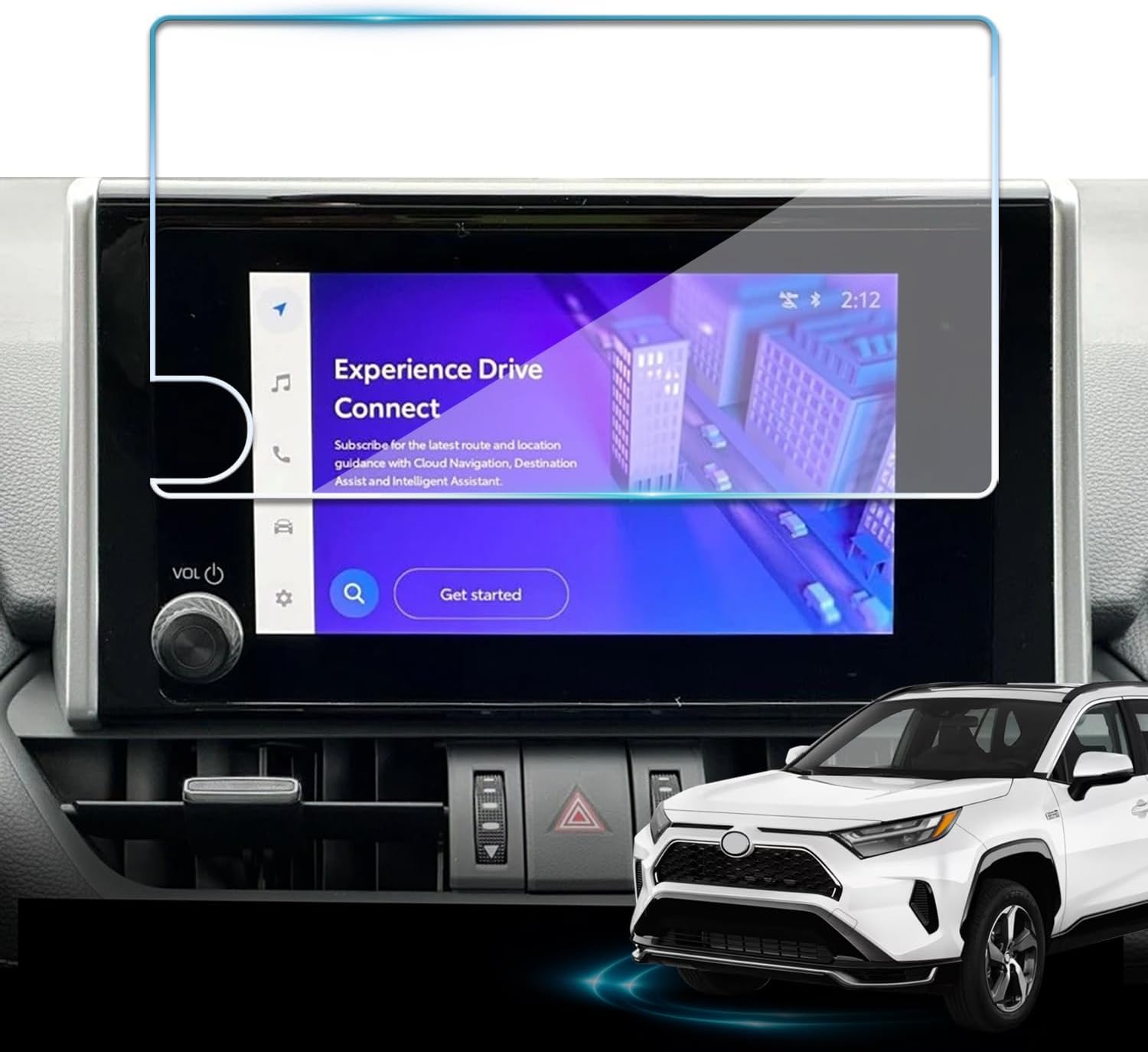
Protect your Toyota RAV4 infotainment display with this tempered glass screen protector designed for 2023-2025 LE, XLE, Adventure, XLE Premium, SE, and Woodland Edition models. It helps guard against scratches and fingerprints while preserving touch sensitivity and delivering a clear, low-glare viewing experience. Installation is quick and convenient with the included tools and guidance.

These grille retainer clips provide a reliable replacement for the OEM Toyota 90467-12040 part number, helping restore secure body panel attachment on compatible vehicles. Designed for a tight push-in fit, they are made from durable black nylon to resist wear, corrosion, and cracking during everyday use. This set of 10 is ideal for keeping spare clips on hand for grille and trim repairs.
How DRCC Operates: Sensors, Distance Settings, and Limits
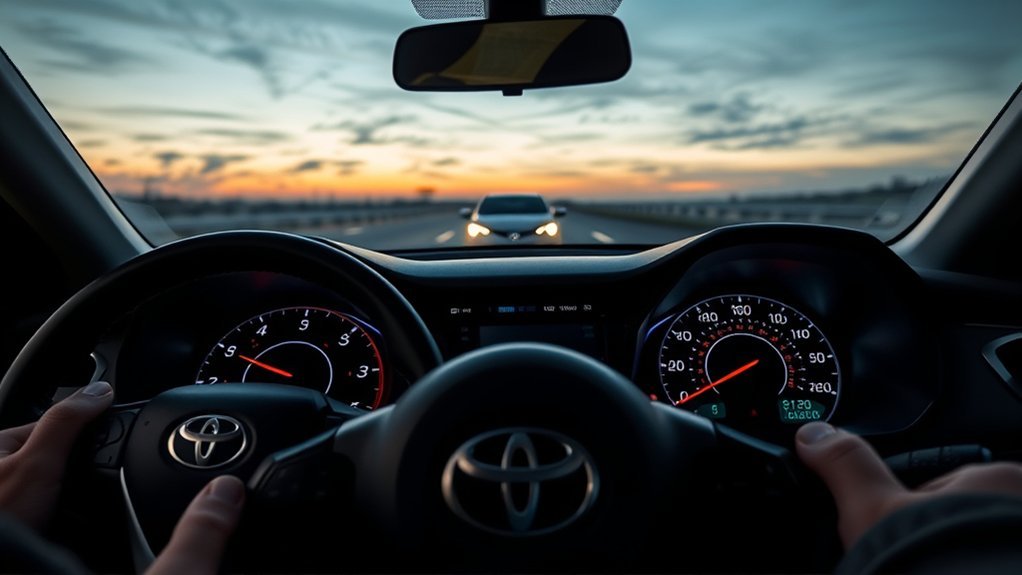
Toyota’s Full-Speed Range DRCC activates at speeds above approximately 20 mph (32 km/h). Once locked onto a preceding vehicle in your lane, the system will track that vehicle down to 0 mph, managing throttle and hydraulic/regenerative braking automatically.
Configuring Following Distance: You can adjust the following gap using the vehicle-to-vehicle distance button on the right side of the steering wheel. Each press cycles through three distance profiles (measured at highway cruising speeds of ~50 mph / 80 km/h):
- Long (3 Bars on Display): Approximately 160 feet (50 meters) / ~2.2 seconds gap. Best for wet highways and unfamiliar routes.
- Medium (2 Bars on Display): Approximately 130 feet (40 meters) / ~1.8 seconds gap. Optimal balance for everyday highway commuting.
- Short (1 Bar on Display): Approximately 100 feet (30 meters) / ~1.4 seconds gap. Helps reduce frequent cut-ins in moderate traffic.
Safety Notice: DRCC cannot detect stationary barriers, oncoming traffic, narrow two-wheel vehicles traveling on lane edges, or rapid cross-traffic cut-ins. The driver remains fully responsible for applying the brakes whenever necessary.
DRCC Performance: Highway Cruising vs. Stop-and-Go Jams
In steady highway conditions, DRCC delivers a smooth, low-fatigue experience. It maintains speed on rolling grades and gently throttles back when catching up to slower commercial vehicles. When combined with Lane Tracing Assist (LTA), the vehicle stays centered in its lane with subtle steering torque inputs.
In stop-and-go traffic jams, Full-Speed Range DRCC brings the RAV4 to a complete standstill behind the vehicle ahead. Once stopped, the electronic parking brake / brake hold engages to keep the car stationary. When traffic moves again:
- The multi-information display will alert you that the lead vehicle has moved.
- Press the
RES/+button on the steering wheel, OR gently tap the accelerator pedal. - DRCC resumes tracking the lead vehicle up to your preset speed limit.
In dense city driving, DRCC is not recommended. Traffic lights, roundabouts, aggressive merges, cyclists, and jaywalking pedestrians present complex scenarios outside the operating envelope of radar cruise.
Pro Tip for Smoother Commuting: In heavy traffic, select the Medium (2 bars) or Long (3 bars) gap setting. A larger following distance allows the RAV4 to decelerate progressively using engine/regenerative braking, avoiding abrupt friction-brake stops.
Integrated Safety Features Working with DRCC (TSS 2.5)
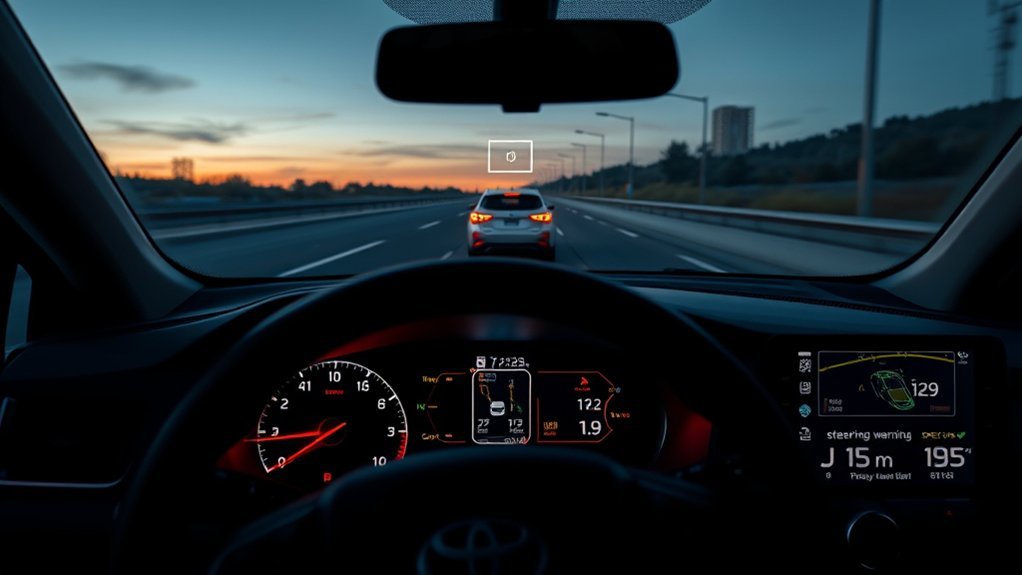
DRCC does not operate in isolation. On the 2025 RAV4, several active safety subsystems coordinate in real time:
- Lane Tracing Assist (LTA): Uses the windshield camera to read lane lines (or the path of the preceding vehicle) to provide active steering assist and keep the RAV4 centered while DRCC is engaged.
- Curve Speed Reduction: An integrated TSS 2.5 feature that detects sharp bends on highways and automatically reduces vehicle cruising speed before entering the curve, returning to set speed upon exit.
- Pre-Collision System with Pedestrian Detection (PCS w/ PD): Provides emergency forward collision warnings and automated braking if a collision is imminent, independent of whether cruise control is on or off.
- Road Sign Assist (RSA): Recognizes speed limit signs via the front camera and displays the current legal speed on the digital gauge cluster.
How to Switch Between Radar Cruise and Constant-Speed Mode
If the front radar sensor is blocked by road grime or snow, you can manually switch the 2025 RAV4 into constant-speed fallback mode:
Step-by-Step Mode Selection Procedure
- Ensure Cruise Control is Turned OFF: You cannot switch modes while cruise is active. Tap the brake or press the main cruise power button to turn it off.
- Press and Hold the Cruise Power Button: Press and hold the cruise main switch on the right steering wheel spoke for approximately 1.5 to 2.0 seconds.
- Verify the Display Icon: Look at the multi-information display. The icon will change from the Radar/Vehicle Distance icon to the standard Speedometer/Clock icon.
- Set Your Desired Speed: Accelerate to your target speed and press the
SET/-button. - Drive with Caution: In this mode, the car will NOT brake for slower vehicles ahead. You must control distance manually.
When to Turn Off Radar Cruise: Critical Safety Limits
While DRCC significantly reduces highway fatigue, you should cancel cruise control immediately under the following conditions:
- Severe Weather (Heavy Rain, Fog, Snow): Precipitation scatters millimeter-wave radar signals and obscures the camera. The vehicle may fail to detect preceding cars or may disconnect unexpectedly.
- Standing Water & Hydroplaning Risks: Cruise control attempting to maintain wheel speed across standing water can trigger traction loss and vehicle instability.
- Steep Downhill Grades: Continuous descent can cause the system to apply brakes repetitively, potentially causing brake fade. Shift transmission manually to a lower gear ratio (Sport/B-mode) to utilize engine braking.
- Towing Heavy Trailers: The additional trailer weight alters stopping distances and deceleration dynamics beyond standard calibration parameters.
- Front Sensor Obstructions: When installing accessories, ensure aftermarket items do not obscure the front grille emblem or windshield camera sweep. When outfitting your vehicle, consult our dedicated RAV4 dash cam guide for proper placement outside the TSS sensor zone. For troubleshooting sensor warning messages, refer to our RAV4 radar cruise unavailable troubleshooting guide.
“Dynamic Radar Cruise Control is a fatigue reducer, not an autopilot. Treat it as an extra layer of driving comfort on open highways, but keep your hands on the wheel and your eyes on the road.”
Frequently Asked Questions
Can RAV4 radar cruise be used in heavy rain or snow?
You should avoid relying on radar cruise in heavy rain, snow, fog, ice, or slush. Bad weather can reduce radar and camera performance, and the system may become unavailable or behave less predictably. Drive manually when visibility or traction is poor.
Does radar cruise improve fuel economy?
It can help in some conditions because it smooths speed changes, but it is not a guaranteed fuel-economy feature. Gentle driving, correct tire pressure, route choice, speed, and traffic conditions matter more. In hybrids, smoother deceleration may also support more consistent regenerative braking.
Will aftermarket accessories interfere with radar cruise?
They can if they block or disturb the radar sensor, camera view, bumper area, grille area, or windshield camera zone. Avoid unverified bumper guards, grille accessories, windshield tint strips, poorly mounted dash equipment, or repairs that do not follow Toyota calibration procedures.
How does radar cruise handle motorcycles or bicycles?
Small or narrow targets can be harder for driver-assistance systems to detect consistently, especially when they are offset in the lane, moving between lanes, or traveling near the road edge. Do not rely on radar cruise to manage motorcycles, bicycles, scooters, pedestrians, or roadside hazards.
Can I override radar cruise with the pedals?
Yes. During normal cruise operation, pressing the brake cancels speed control, while pressing the accelerator can temporarily override acceleration behavior. Use the cancel or main switch as needed, and follow the display and owner’s manual after a system-controlled stop. Always be ready to brake, steer, or cancel when traffic changes.
Is Dynamic Radar Cruise Control the same as self-driving?
No. DRCC is adaptive cruise control, not self-driving. It can assist with speed and following distance under certain conditions, but the driver remains responsible for steering, braking, traffic awareness, and safe vehicle operation.
How do I switch a 2025 RAV4 to constant-speed cruise?
With cruise control off, press and hold the cruise-control main switch for about 1.5 seconds. Confirm that the display changes from the radar-cruise indicator to the constant-speed cruise indicator before setting speed. Toyota says to use this fallback only when vehicle-to-vehicle distance control is not functioning correctly.
Does every U.S. 2025 RAV4 trim have radar cruise control?
Toyota lists Toyota Safety Sense 2.5 as standard on the U.S. 2025 RAV4, and that package includes Full-Speed Range Dynamic Radar Cruise Control. Confirm the window sticker and owner’s manual for the exact vehicle, especially for non-U.S. markets or unusual production changes.
Does this 2025 RAV4 guide also apply to the 2026 RAV4?
Not as operating instructions. The redesigned 2026 RAV4 uses Toyota Safety Sense 4.0, so its controls, displays, and system limits should be checked in the 2026 owner’s manual. The basic difference between fixed-speed and adaptive cruise remains useful background, but do not assume the button sequence is identical.
Summary and Best Driving Practices
For almost all driving scenarios in the 2025 Toyota RAV4, Dynamic Radar Cruise Control is the optimal mode to reduce driver fatigue and maintain a safe following buffer. Remember to use constant-speed mode only when sensor obstruction makes adaptive control unavailable, and take full manual control during inclement weather, mountain driving, or dense urban navigation. For deeper insight into general cruise engineering, explore our comprehensive guide on radar cruise control vs standard cruise control.
[Products Worth Considering]
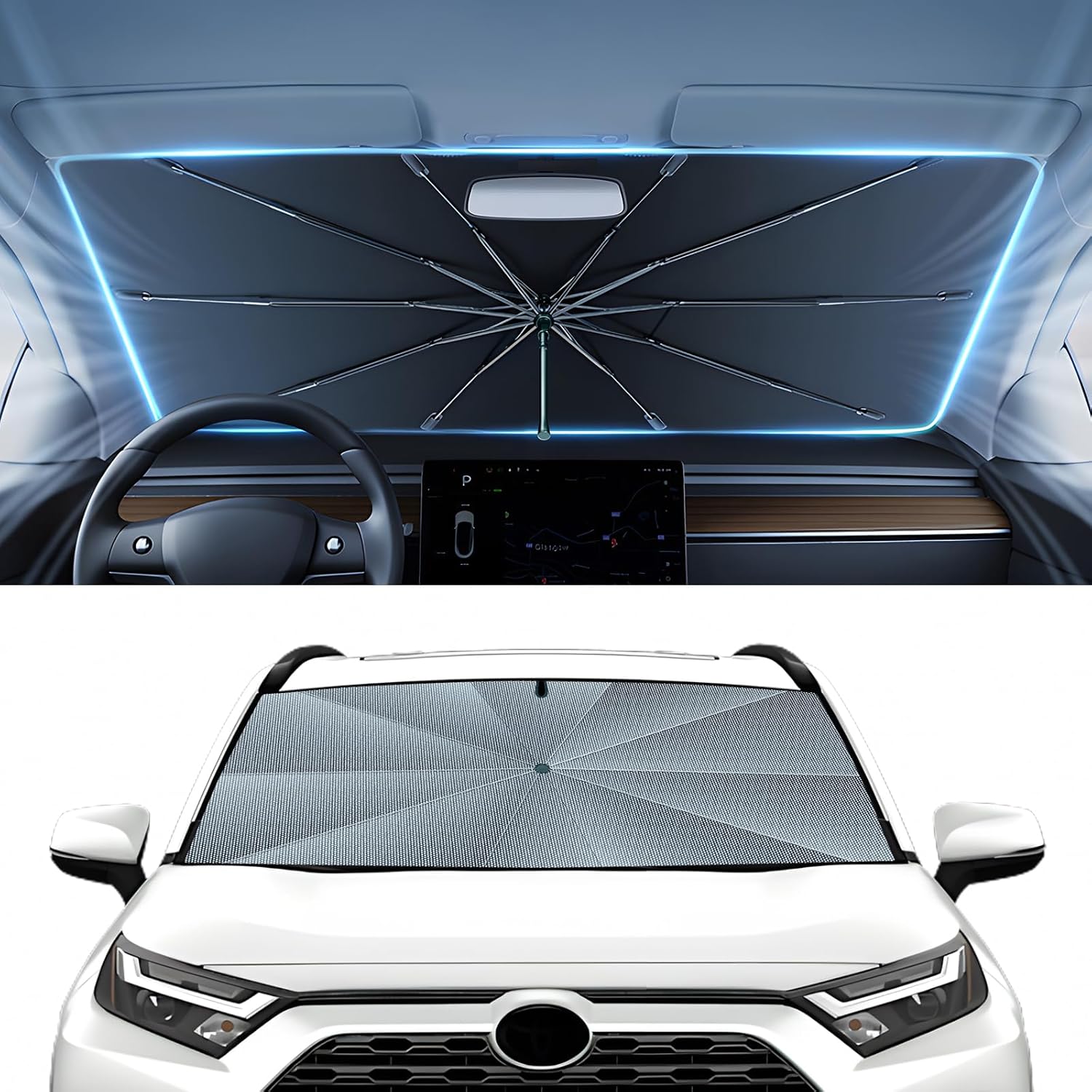
This custom-fit windshield sun shade umbrella is designed for Toyota RAV4 models from 2019 through 2026 to help block sunlight and reduce interior heat buildup. Its upgraded ice crystal material reflects heat and supports UV protection, while the reinforced umbrella structure and anti-puncture edges add durability and help protect your windshield and cabin surfaces. It opens and folds like an umbrella for quick use and convenient storage.
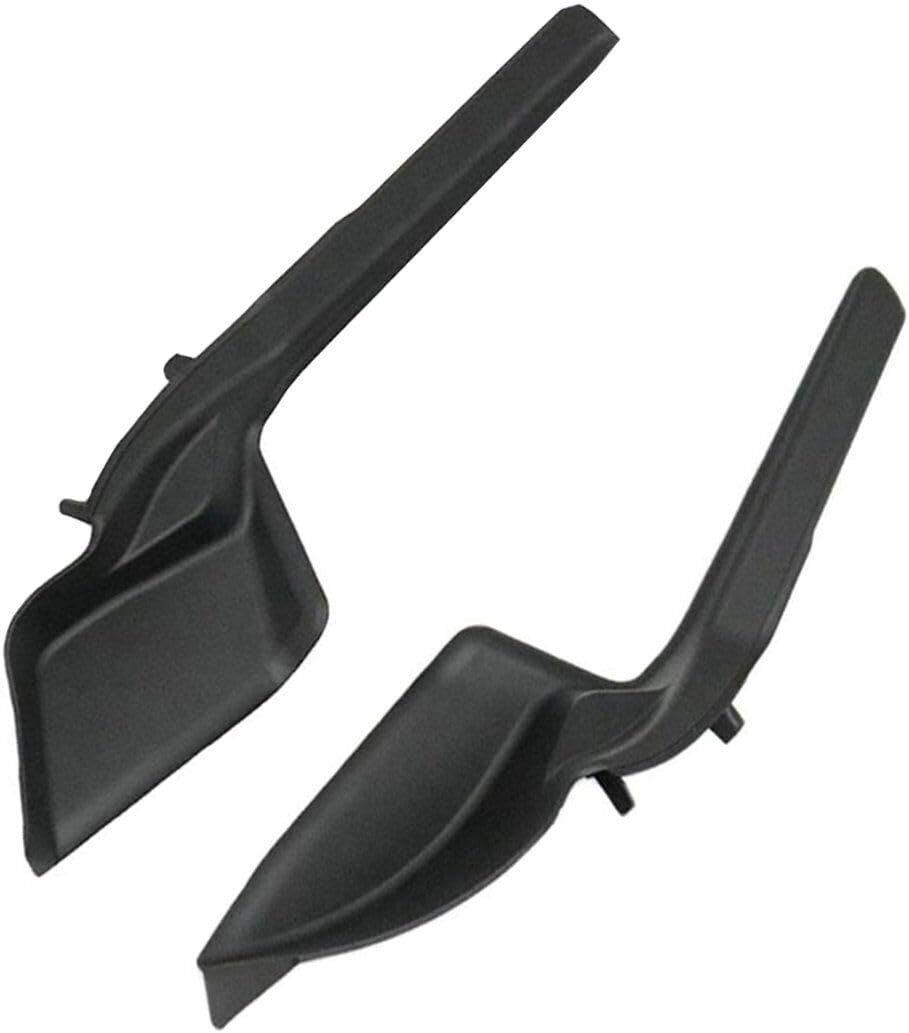
Upgrade the front-end look of your vehicle with this windshield wiper side cowl extension cover trim designed for select RAV4 models. It helps protect the wiper area from weather exposure while delivering a cleaner, more polished appearance. With a straightforward installation process and vehicle-specific fitment, it is a simple way to enhance both style and function.

This center console armrest cover is designed to fit the 2026 Toyota RAV4 for added comfort and a cleaner interior look. Made with breathable vegan leather and a thick cushioned feel, it helps reduce arm fatigue on long drives while protecting the console from pet paws, dirt, and sticky fingerprints. The band-secured design installs easily with no tools required and blends with the OEM-style interior.
Sources
- Toyota USA Newsroom: 2025 Toyota RAV4 — confirms 2025 RAV4 overview and standard Toyota Safety Sense 2.5 wording.
- Toyota Owner’s Manual: 2025 RAV4 Dynamic Radar Cruise Control with Full-Speed Range — supports DRCC operating description and constant-speed mode distinction.
- Toyota Owner’s Manual: 2025 RAV4 Toyota Safety Sense 2.5 — supports the list of Toyota Safety Sense 2.5 driver-assist systems.
- Toyota Safety Sense Vehicle Safety Features — supports Toyota’s general descriptions of DRCC, LTA, RSA, AHB, and related safety features.
- NHTSA Driver Assistance Technologies — supports the driver-responsibility and ADAS-limitations guidance.
- IIHS Advanced Driver Assistance Research — supports the point that current driver-assistance systems still require active driver supervision.
- Toyota USA Newsroom: 2026 RAV4 — confirms that the redesigned 2026 RAV4 uses Toyota Safety Sense 4.0.