AWD Lock on a Toyota RAV4 is a short-use traction aid, not an everyday driving mode. Use it only when the tires are already struggling on loose, slippery, or uneven ground—such as mud, dirt, deep snow, sand, or a rutted driveway—and switch back to normal AWD once the vehicle is moving normally again.
Quick Answer
Use AWD Lock on a RAV4 only for low-speed traction problems, such as getting unstuck from mud, dirt, snow, sand, or loose gravel. Press the AWD Lock or 4WD Lock button, keep speed low, use gentle throttle, and turn it off when traction returns or you reach pavement.
Key Takeaways
- AWD Lock is for temporary low-speed use when the RAV4 needs extra traction on loose or slippery surfaces.
- Do not use it on dry pavement because forced driveline load can cause binding, heat, and unnecessary wear.
- Many RAV4 systems cancel Lock mode automatically around 25 mph or when braking, depending on model year.
- Newer RAV4 models may not have an AWD Lock button; they use systems such as Multi-Terrain Select, Trail Mode, Dynamic Torque Control AWD, or Dynamic Torque Vectoring AWD instead.
At a Glance
| Time Required | A few seconds to engage or cancel |
| Difficulty | Easy |
| Tools Needed | None; use the vehicle’s AWD Lock/4WD Lock button if equipped |
| Cost | $0 |
When to Use AWD Lock on a RAV4

Use AWD Lock when the RAV4 needs extra help moving at low speed on a surface where one or more tires may spin. Good examples include a snow-packed driveway, a muddy campsite, loose dirt, wet grass, soft sand, or a rutted unpaved road.
On older AWD/4WD RAV4 models equipped with a Lock button, the system is designed to apply more drive force to the rear wheels than normal so the vehicle has a better chance of moving forward when traction is poor. Toyota’s 2011 RAV4 owner’s manual describes the 4WD lock switch as a mode for situations where a large amount of drive power needs to be applied to all wheels, such as when the vehicle is stuck in mud and needs to be freed.
Warning: Do not use AWD Lock as a normal road-driving mode. It is meant for loose, slippery, or unpaved surfaces. Using it on dry pavement can load the drivetrain unnecessarily, especially while turning.
[Products Worth Considering]

This center console latch lock restores a secure, reliable closure for damaged or worn console lids on a wide range of Toyota, Lexus, and Scion vehicles. Made from durable materials for long-lasting use, it helps keep the console locked properly again and is a practical replacement for failing original latches.

This center console lid latch lock is a direct replacement designed to restore secure closing and smooth operation of your vehicle’s armrest box. Compatible with a wide range of Toyota and Lexus models, it matches OEM part 58908-33030 for reliable fit and function. Made from durable ABS plastic, it helps prevent the console from popping open and keeps stored items protected during driving.

Designed for Toyota RAV4 models from 2013 through 2018, this three-piece windshield wiper set delivers clear, quiet performance for dependable visibility in changing weather. The precision-fit blades provide streak-free wiping, simple installation, and durable all-season use with reduced wind noise and consistent pressure across the windshield.
How to Engage and Disengage AWD Lock on Your RAV4
The exact button name and location vary by model year. Some RAV4s label it AWD Lock, while older models may use 4WD Lock. Look for a chassis-style symbol or check your owner’s manual for the exact switch location.
Step-by-Step AWD Lock Use
- Slow down first. AWD Lock is for low-speed use, not highway driving.
- Keep the wheels as straight as practical. This reduces driveline stress while traction is poor.
- Press the AWD Lock or 4WD Lock button. A dashboard indicator should confirm the mode is active.
- Use light, steady throttle. Avoid flooring the accelerator, because spinning the tires hard can dig the vehicle deeper.
- Cancel the mode when traction returns. Press the button again, or let the system cancel automatically if your model does so at speed or under braking.
Pro Tip: Engage AWD Lock before the vehicle is deeply buried. It works best when you still have a little momentum and the tires have not dug holes beneath themselves.
Auto and Manual Disengage
To manually disengage AWD Lock, press the same button again and confirm the indicator light turns off. On many RAV4 models with AWD Lock, the system also cancels automatically when vehicle speed rises to about 25 mph. Some owner’s manual versions also note that Lock mode may cancel when the brakes are applied so ABS and VSC can operate effectively.
That automatic cancellation is a protection feature. It helps keep the system from being used at speeds or in conditions where normal AWD control is more appropriate.
When to Use AWD Lock: Mud, Snow, Sand, and Low-Speed Off-Road
AWD Lock is most helpful when the RAV4 is moving slowly and needs balanced traction on a difficult surface. Use it for short sections, then return to normal AWD as soon as conditions improve.
- Mud: Use AWD Lock before the tires start spinning heavily. Keep throttle gentle and steady.
- Snow: Use it for deep snow, icy ruts, or a slippery driveway where normal AWD is struggling.
- Sand: Use it briefly with smooth throttle. Avoid sharp steering and hard acceleration.
- Loose gravel or dirt: Use it when climbing slowly or crossing uneven, slippery ground.
- Getting unstuck: Use it with controlled rocking, not aggressive wheelspin.
Do not leave AWD Lock on once you are back on dry pavement. Normal AWD is the right mode for daily driving because it can vary power delivery automatically based on speed, steering, throttle, and traction needs.
How AWD Lock Changes Power Flow
AWD Lock does not turn a RAV4 into a traditional truck-style 4WD system with low-range gearing. It also should not be described as a permanent mechanical center differential lock on all models. RAV4 AWD systems are electronically controlled and vary by generation.
On older 4WD/AWD RAV4 models, pressing the Lock button tells the system to send more engine torque to the rear wheels than it normally would, up to the maximum the system allows for the current conditions. On newer RAV4 models, Toyota describes Dynamic Torque Control AWD and Dynamic Torque Vectoring AWD as systems that automatically shift between front-wheel drive and AWD behavior depending on conditions such as starting off, accelerating, cornering, uphill driving, rain, and snow.
| System or Mode | What It Does | Best Use |
|---|---|---|
| Normal AWD | Automatically varies drive force as needed | Everyday rain, snow, turns, starts, and mixed road conditions |
| AWD Lock / 4WD Lock | Requests stronger rear-wheel drive force for low-speed traction | Mud, dirt, snow, sand, or getting unstuck |
| Multi-Terrain Select | Adjusts AWD, braking, and drive-force control for selected terrain modes | Newer AWD RAV4 models on mud, sand, rock, dirt, or snow modes when equipped |
| Traditional 4WD Low Range | Uses low gearing and stronger off-road hardware | Serious off-roading; not a RAV4 AWD Lock feature |
Note: If your RAV4 does not have an AWD Lock or 4WD Lock button, do not assume the feature is hidden. Many newer models use drive modes, Trail Mode, or Multi-Terrain Select instead.
Speed Limits and Automatic Disengagement: Why 25 MPH Matters
The common 25 mph figure matters because AWD Lock is intended for slow traction recovery, not fast driving. On many RAV4 models with an AWD Lock-style switch, Lock mode cancels when speed rises above roughly 25 mph, or 40 km/h.
That speed limit helps prevent the system from staying in a high-load traction mode after the vehicle has already escaped the low-traction area. Once you are moving faster, normal AWD control is better suited for stability, steering, braking, and driveline protection.
Why Not Use AWD Lock at Higher Speeds?
At higher speeds, the front and rear wheels need to rotate at slightly different speeds during turns, lane changes, and uneven road conditions. Holding a forced traction mode longer than needed can create heat and stress. The RAV4’s normal AWD programming is designed to manage those changes automatically.
AWD Lock is best treated as a recovery tool: switch it on for the difficult patch, then switch it off when the tires are no longer slipping.
Risks of Misuse: Dry Pavement, Overheating, and Drivetrain Damage
Using AWD Lock on dry pavement is the most common mistake. Dry pavement gives the tires plenty of grip, so the drivetrain has less freedom to relieve torque differences while turning. That can create binding, heat, and accelerated wear.
Misuse is also possible off-road. If you hold the accelerator down while the tires spin in mud, snow, or sand, the vehicle can dig itself deeper and overheat drivetrain or brake components. Slow, steady inputs are safer and usually more effective.
- Avoid dry pavement use. Cancel AWD Lock as soon as you leave the slippery or loose surface.
- Avoid long, slow, high-load climbs. Give the system breaks if you smell heat or see warning lights.
- Avoid mismatched tires. Different tire sizes or uneven wear can stress AWD components.
- Avoid aggressive wheelspin. It can dig holes, overheat parts, and reduce control.
How AWD Lock Interacts With TRAC, VSC, and TRAC OFF
TRAC helps limit drive-wheel spin, and VSC helps control skidding. These systems are useful during normal slippery-road driving, but they can sometimes reduce engine power when you are trying to rock a stuck vehicle free.
Toyota owner information for newer RAV4 models notes that if the vehicle is stuck in mud, dirt, or snow, turning TRAC off may make it easier to rock the vehicle free. Older RAV4 emergency instructions also describe activating 4WD Lock and turning off TRAC and/or VSC if those systems are hampering your attempts to free the vehicle.
Note: Turning TRAC or VSC off changes how the vehicle behaves. Use it only at low speed while getting unstuck, then turn the systems back on for normal driving.
[Products Worth Considering]

Custom-designed for Toyota RAV4 gasoline models from 2013 to 2018, this full-coverage interior protection set includes front and rear floor mats, a cargo liner, seat back protectors, and door sill guards. Built with odorless TPE and 3D laser fit precision, it helps block spills, dirt, pet hair, and daily wear while staying securely in place for a clean, family-friendly cabin.

This AUTOBOO windshield wiper blade set is designed to fit Toyota RAV4 models from 2013 to 2018 with an OE-style replacement fit. It includes front and rear blades for clear visibility, quiet operation, and dependable all-weather performance, while the easy J/H arm installation helps make replacement quick and simple.

This ANRDDO wiper blade set is designed as a direct replacement for compatible Toyota RAV4 and Mazda 5 models, delivering reliable front and rear windshield coverage. The precision-tensioned springs and asymmetrical spoiler help maintain even pressure for a cleaner wipe, while the rubber compound is engineered for smooth, quiet performance in all seasons. It installs easily with U/J hook arms for a convenient fit and dependable visibility.
Practical Low-Traction Recovery Steps
If the RAV4 is stuck, do not keep spinning the tires. Follow a calm recovery process instead.
- Stop and assess the surface. Check which tires are buried and whether the vehicle can move safely.
- Clear packed material. Remove snow, mud, dirt, or sand from around the tires and under the vehicle if safe.
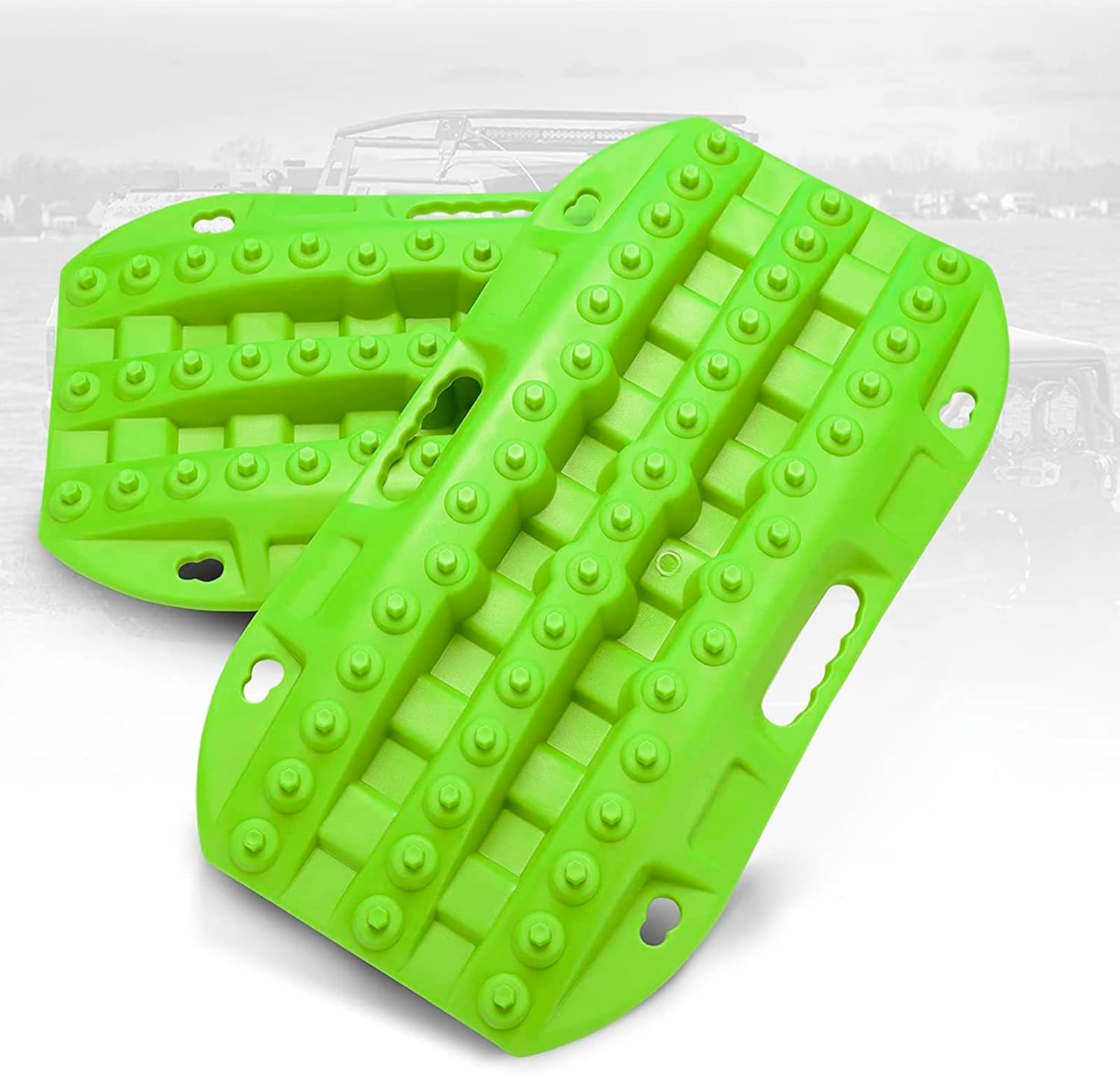
- Add traction. Place traction boards, wood, stones, gravel, or a floor mat under the slipping tire only if it is safe to do so.
- Restart and engage AWD Lock or 4WD Lock. Use the button if your RAV4 is equipped with it.
- Shift to Drive or Reverse. Use the direction with the clearest path.
- Use gentle throttle. Try short, controlled movements instead of high-rpm spinning.
- Rock the vehicle carefully. Alternate Drive and Reverse only if your manual allows it and you can do so smoothly.
- Cancel Lock mode once free. Return to normal AWD before driving on pavement or increasing speed.
Warning: Never stand in front of or behind a stuck vehicle while someone is applying throttle. Traction aids, stones, ice, or debris can be thrown from the tires.
Troubleshooting Dashboard Lights and Common Issues

A steady AWD Lock or 4WD Lock indicator usually means the mode is active. A flashing light, warning message, unusual noise, vibration, burning smell, or driveline-temperature warning needs more attention.
Warning Light Meanings
- Steady AWD Lock/4WD Lock light: The mode is likely engaged.
- Light goes off after speed increases: The system may have auto-canceled as designed.
- Flashing AWD or drivetrain warning: A fault or temperature issue may be present.
- TRAC OFF light: Traction control has been disabled and normal handling assistance may be reduced.
Common System Faults
If AWD Lock will not engage, will not cancel, or the light stays on when it should not, possible causes include a switch issue, sensor fault, driveline-temperature condition, wiring problem, low or incorrect fluid, mismatched tires, or a stored diagnostic trouble code.
Reset and Recovery
Start with the simple checks: stop in a safe place, cancel AWD Lock, let the vehicle cool if it has been working hard, and restart the vehicle only if conditions are safe. If a warning returns, do not keep forcing the system. Have the RAV4 inspected by a Toyota dealer or qualified technician.
AWD Lock vs Normal AWD and vs Full 4WD: What’s Different
RAV4 AWD Lock is often confused with full 4WD, but the systems are not the same.
| Feature | RAV4 AWD Lock | Full 4WD System |
|---|---|---|
| Purpose | Low-speed traction help | More demanding off-road use |
| Low range | No | Often yes |
| Manual lockers | No traditional axle lockers | May be available |
| Best surface | Snow, mud, sand, dirt, loose ground | Rocks, trails, deep mud, steep technical terrain |
| Everyday road use | Use normal AWD instead | Depends on the vehicle and transfer-case setting |
For commuting, rain, light snow, and normal winter roads, leave the RAV4 in normal AWD or the appropriate factory drive mode. Save AWD Lock for the moments when the vehicle is moving slowly and traction is clearly limited.
What to Ask at the Dealer
If you recently bought a used RAV4 or are unsure which AWD system your trim has, a Toyota dealer can help confirm the exact equipment. Ask these questions:
- Does this specific RAV4 have AWD Lock, 4WD Lock, Trail Mode, or Multi-Terrain Select?
- At what speed does the system cancel on this model year?
- What dashboard light should I see when the mode is active?
- What warning lights mean I should stop driving and let the system cool?
- Are my four tires properly matched for AWD operation?
- Are the rear differential, transfer case, and AWD system fluids up to date?
Frequently Asked Questions
When should I use all-wheel-drive lock on a RAV4?
Use AWD Lock only at low speed when traction is poor, such as mud, dirt, snow, sand, wet grass, loose gravel, or when the vehicle is stuck. Turn it off when you return to normal pavement or no longer need extra traction.
Can I drive with AWD Lock on all the time?
No. AWD Lock is a temporary traction aid. Normal AWD is better for daily driving because it can automatically adjust power delivery without keeping the drivetrain in a high-load low-speed mode.
Does AWD Lock help on ice?
It can help the RAV4 move slowly if one end of the vehicle is slipping, but it does not create grip where the tires have none. On ice, winter tires, low speed, smooth steering, and gentle braking matter more than AWD Lock.
Why does AWD Lock turn off by itself?
On many RAV4 models, AWD Lock cancels automatically around 25 mph, and some versions cancel it when the brakes are applied. This helps protect the drivetrain and lets normal ABS, VSC, and AWD control take over.
Is AWD Lock the same as 4WD Low?
No. AWD Lock is not a low-range transfer case. It helps the RAV4 send more drive force through its AWD system at low speed, but it does not provide the gearing or hardware of a traditional off-road 4WD Low system.
What if my RAV4 does not have an AWD Lock button?
Many newer RAV4 models do not use a separate AWD Lock button. Depending on trim and model year, they may use Trail Mode, Multi-Terrain Select, Dynamic Torque Control AWD, or Dynamic Torque Vectoring AWD. Use the mode described in your owner’s manual.
Conclusion
AWD Lock is useful when your RAV4 is moving slowly and traction is poor, but it is not a mode to leave on all day. Use it for mud, snow, sand, loose dirt, or controlled recovery when stuck. Keep speed low, avoid dry pavement, use gentle throttle, and cancel it once the vehicle is free. If your RAV4 is a newer model without an AWD Lock button, use the factory terrain or trail mode listed in your owner’s manual instead.
Sources
- Toyota Owners — Manuals and Warranties — official source for model-year-specific Toyota owner’s manuals.
- Toyota Owners — 2025 RAV4 Driving Assist Systems — Dynamic Torque Control AWD, Dynamic Torque Vectoring AWD, TRAC, and VSC descriptions.
- Toyota Owners — 2025 RAV4 Multi-Terrain Select — newer RAV4 terrain-mode behavior and speed-limit notes.
- 2011 Toyota RAV4 Owner’s Manual Mirror — Four-Wheel Drive Lock Switch — older RAV4 4WD Lock operation and intended stuck-vehicle use.
- 2011 Toyota RAV4 Owner’s Manual Mirror — If the Vehicle Becomes Stuck — recovery steps involving 4WD Lock, traction aids, and TRAC/VSC.
[Products Worth Considering]
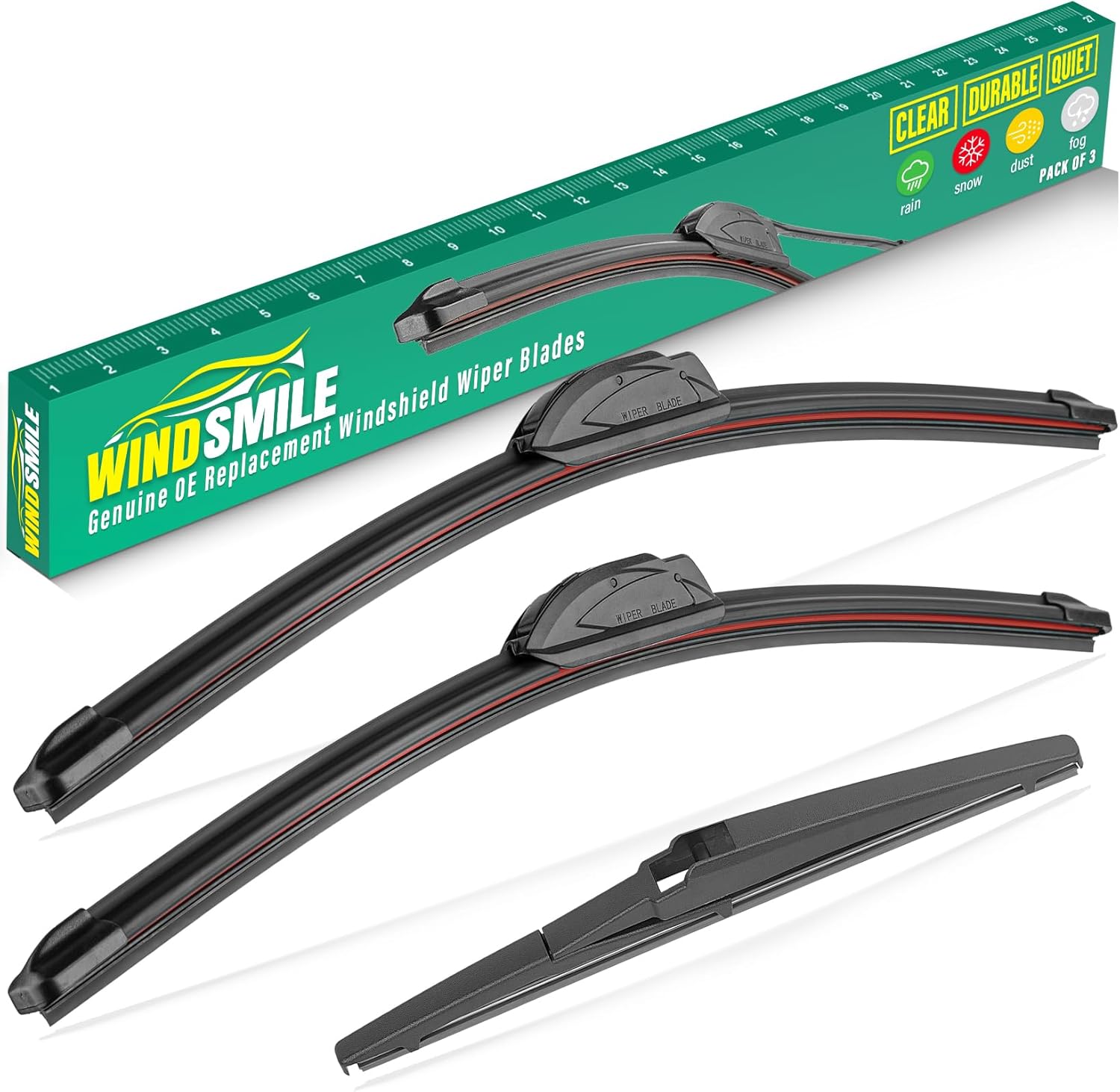
This replacement windshield wiper blade set is designed for Toyota RAV4 models from 2006 to 2012, offering a complete front and rear fit for dependable all-weather visibility. The premium rubber blades help deliver streak-free, quiet wiping while the aerodynamic design reduces wind lift and noise for smoother performance. Built for easy installation and long service life, it is a convenient upgrade for restoring clear driving vision.

This three-piece windshield wiper set is designed for compatible Toyota RAV4 and Highlander models to help deliver clear visibility in everyday driving. The natural rubber blades feature a graphite-treated surface for quiet, smooth wiping performance and reliable weather resistance. Installation is quick and tool-free, making it easy to replace worn blades on the front and rear of your vehicle.

This plug-and-play AC button switch is designed to replace a faulty factory air conditioner switch in compatible Toyota vehicles. It installs easily without tools and is made to match the original part for a seamless fit and reliable operation. Built from durable ABS plastic, it offers a dependable replacement backed by warranty support and fitment guidance.