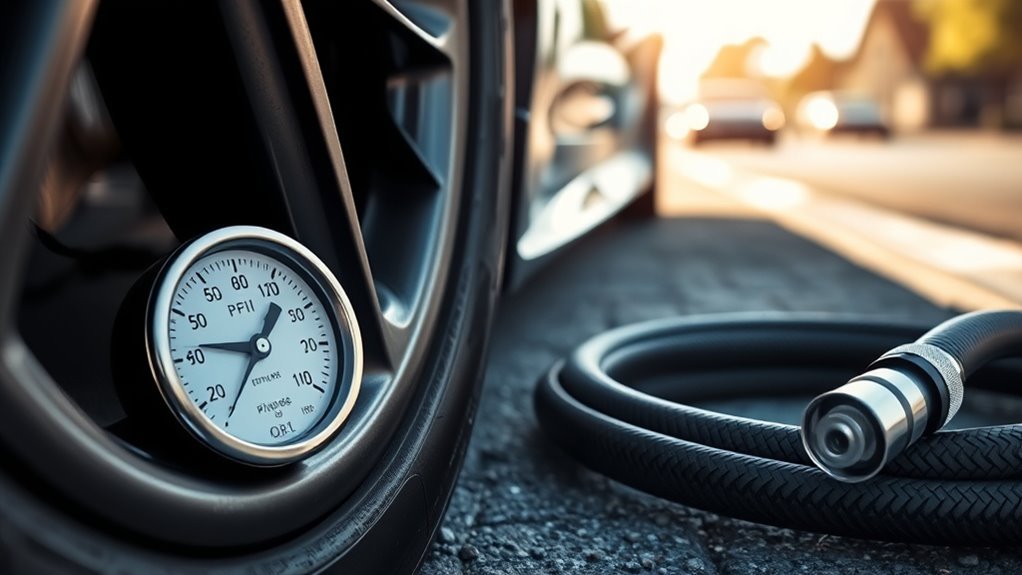
Releasing air from a tire is simple, but it should be done slowly and with a pressure gauge in hand. The goal is not just to hear air hiss out of the valve stem. The goal is to reach the correct PSI without damaging the valve core, underinflating the tire, or creating a leak you have to fix later.
Quick Answer
To release air from a tire safely, remove the valve cap, check the current PSI with a tire pressure gauge, then press the small metal pin inside the valve stem in short bursts. Recheck the PSI every few seconds and stop at the pressure listed on your vehicle’s tire placard or owner’s manual.
Key Takeaways
- Use the recommended tire pressure on the vehicle placard or in the owner’s manual, not the maximum PSI printed on the tire sidewall.
- For small adjustments, press the valve pin briefly or use the bleed button on a tire pressure gauge.
- Use a valve core removal tool only when you need fast deflation, such as controlled off-road airing down, and only if you can reinstall the core securely.
- Never drive on a tire that is extremely low, visibly damaged, bulging, or leaking from the valve stem.
At a Glance
| Time Required | 2–5 minutes per tire for normal pressure adjustment |
| Difficulty | Easy |
| Tools Needed | Tire pressure gauge; optional tire deflator, valve core tool, and portable air compressor |
| Cost | Usually $0 if you already have a gauge; about $5–$25 for a basic gauge or deflator |
Understanding the Need to Release Tire Air Safely

You may need to let air out of a tire if it was overfilled, if the pressure was checked while the tire was hot, or if you are intentionally airing down for slow off-road driving. A small pressure adjustment can improve ride comfort and help the tire match the vehicle manufacturer’s recommended PSI.
The correct pressure for normal road driving is listed on the tire information placard or certification label, often on the driver’s door jamb, and in the owner’s manual. According to NHTSA tire safety guidance, drivers should use the recommended cold inflation pressure for the vehicle, not a random PSI number or the maximum pressure molded into the tire sidewall.
Warning: Do not use pressure adjustment as a fix for a damaged tire. If you see a bulge, deep cut, exposed cord, cracked sidewall, bent wheel, or constant valve leak, stop and have the tire inspected by a qualified tire professional.
Essential Tools for Deflating a Tire Without Damage
The safest tool is a reliable tire pressure gauge. Many gauges include a small bleed button or nub that lets air out in controlled bursts. A dedicated tire deflator is helpful for off-road use because it can release air faster while still letting you monitor PSI. A valve core removal tool is useful for rapid deflation, but it is not the best first choice for a small pressure correction because the valve core can be easy to drop or lose.
| Tool | Best Use | Safety Note |
|---|---|---|
| Tire pressure gauge | Checking PSI before, during, and after deflation | Use every few seconds so you do not underinflate the tire. |
| Gauge bleed button or small blunt tool | Small pressure corrections | Press the valve pin gently; do not bend or jab it. |
| Tire deflator | Controlled off-road airing down | Use with a gauge and stop before the tire is too low for the wheel and terrain. |
| Valve core removal tool | Fast deflation when appropriate | Keep the core clean and reinstall it snugly; do not cross-thread it. |
| Portable air compressor | Reinflating after airing down | Recheck final PSI with a separate gauge if the compressor gauge is questionable. |
[Products Worth Considering]

The JACO ElitePro Digital Tire Pressure Gauge delivers shop-grade accuracy with a clear digital readout, making it easy to maintain proper tire pressure for safer driving and better performance. Built with rugged brass and steel components, a protective guard, and a flexible air hose, it is designed for reliable use across cars, trucks, motorcycles, bikes, RVs, and trailers. The lock-on display, built-in bleeder valve, and bright backlit screen add convenience in any lighting condition.
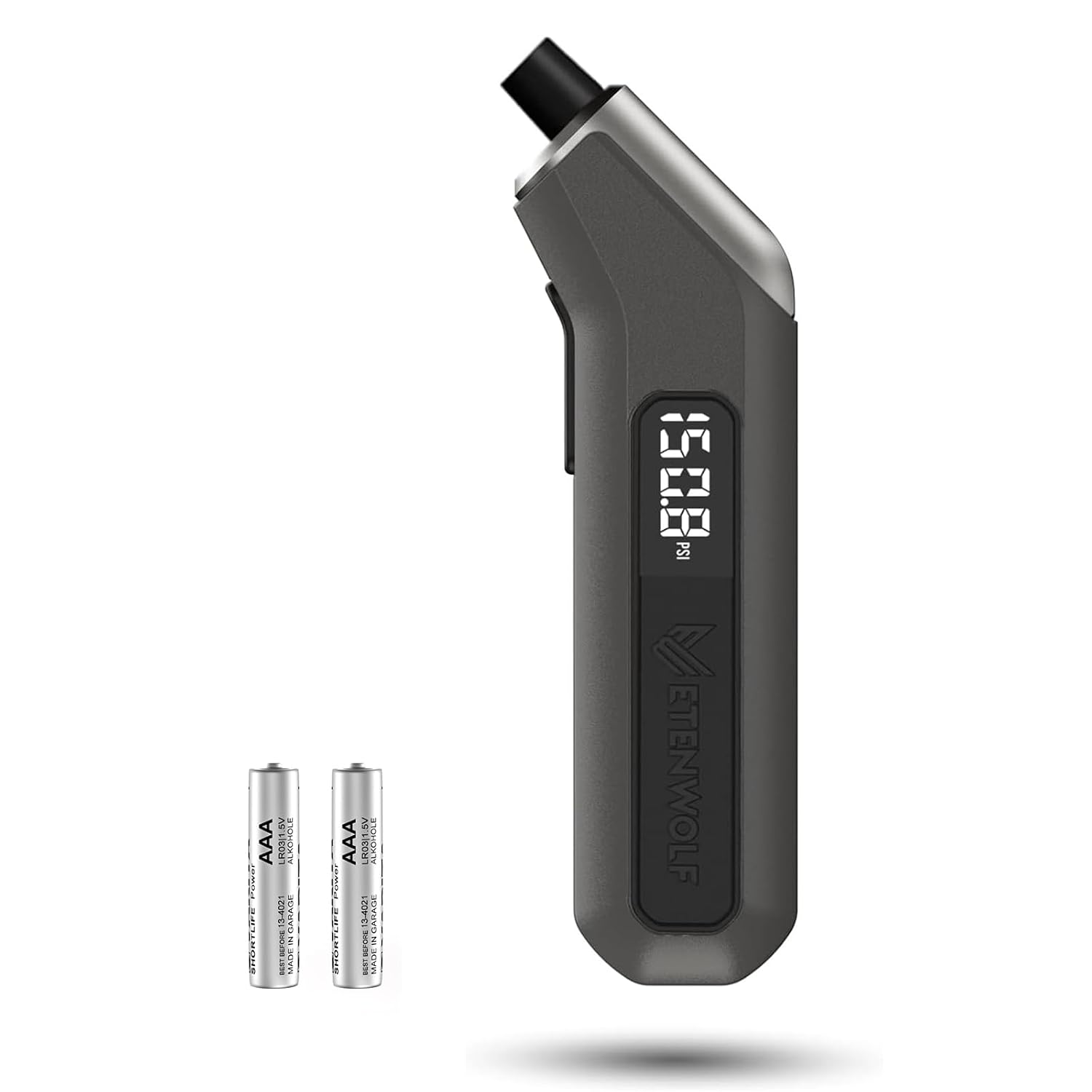
The ETENWOLF T300 digital tire pressure gauge delivers precise readings for cars, RVs, trucks, bikes, and heavy-duty vehicles with a wide measuring range and consistent accuracy. It is built to perform in extreme temperatures, includes a bright LED light for low-visibility use, and uses replaceable AAA batteries for convenient long-term operation. Durable enough to withstand rugged use, it is a practical tool for maintaining proper tire pressure across a variety of vehicles.

This portable tire inflator delivers fast, convenient inflation for cars, bikes, motorcycles, and balls with dual power options from a rechargeable battery or a 12V car cord. Its digital LCD pressure gauge and automatic shutoff help prevent over-inflation, while multiple preset modes and a custom setting make it easy to use for different inflation tasks. Built-in flashlight and USB power ports add extra emergency utility on the road.
Identifying the Tire Valve Stem: The First Step in Deflating Your Tire
The tire valve stem is the small rubber or metal stem that sticks out through the wheel. It has a removable cap that keeps dirt and moisture away from the valve core. Unscrew the cap counterclockwise and place it somewhere clean so it does not roll away.
Inside the valve stem is a small metal pin. Pressing this pin opens the valve and releases air. The important part is control: press briefly, stop, measure the PSI, and repeat only if the tire is still above the target pressure.
Note: Tire pressure is best checked when tires are cold, meaning before driving or after the vehicle has been parked for several hours. If the tire is hot, the reading may be higher than the true cold pressure.
Step-By-Step Process for Releasing Air From a Tire
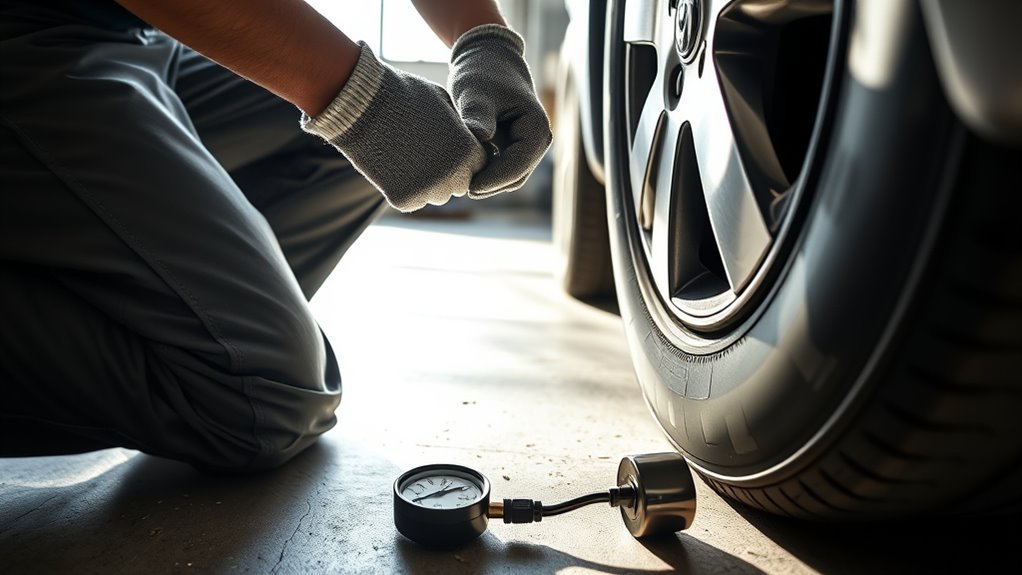
- Park safely. Stop on a flat surface away from traffic. Set the parking brake.
- Find the target PSI. Check the driver’s door jamb placard or owner’s manual for the recommended cold tire pressure.
- Remove the valve cap. Put it in your pocket or another clean spot.
- Check the current pressure. Press the gauge firmly onto the valve stem until the reading appears.
- Release air in short bursts. Use the gauge bleed button or gently press the valve pin for one to two seconds.
- Recheck the pressure. Measure the PSI again. Repeat short bursts until you reach the target pressure.
- Replace the valve cap. Tighten it by hand to keep dirt and moisture away from the valve core.
- Check the tire visually. The tire should not look flat, pinched, or separated from the rim.
Pro Tip: If you only need to drop 1–3 PSI, do not remove the valve core. Use a gauge with a bleed button or press the valve pin lightly. This gives you more control and reduces the chance of creating a leak.
How to Keep an Eye on Tire Pressure While Deflating
Check the tire pressure every few seconds while releasing air. The lower the tire gets, the more carefully you should check it. A few extra seconds of hissing can drop the pressure more than expected, especially if you remove the valve core or use a fast deflator.
| Action | When to Do It |
|---|---|
| Check starting PSI | Before letting any air out |
| Release air | In short, controlled bursts |
| Recheck PSI | Every few seconds during adjustment |
| Stop deflating | As soon as the tire reaches the target PSI |
| Final check | After the valve cap is back on |
For off-road driving, the right PSI depends on the tire, wheel, vehicle weight, terrain, speed, and load. Discount Tire’s off-road airing-down guidance notes that factors such as terrain, tire construction, vehicle weight, wheel size, and speed all matter. Do not use a single PSI range for every vehicle.
Best Practices for Reinflating Your Tire After Deflation
After lowering tire pressure, reinflate the tire before normal road driving if it is below the vehicle’s recommended PSI. Use a portable air compressor or a gas station air pump, then verify the final pressure with a trusted gauge. Michelin’s tire pressure guidance recommends checking tires cold for the most accurate reading.
[Products Worth Considering]

The VIOFO A229 Pro delivers sharp front and rear recording with dual STARVIS 2 sensors, capturing vivid 4K and 2K footage for clearer license plates and road details day or night. HDR, voice control, 5GHz Wi‑Fi, and GPS logging make it easy to use and highly dependable for daily driving and parking protection. A built-in supercapacitor, loop recording, and included CPL filter further enhance reliability and video clarity in demanding conditions.
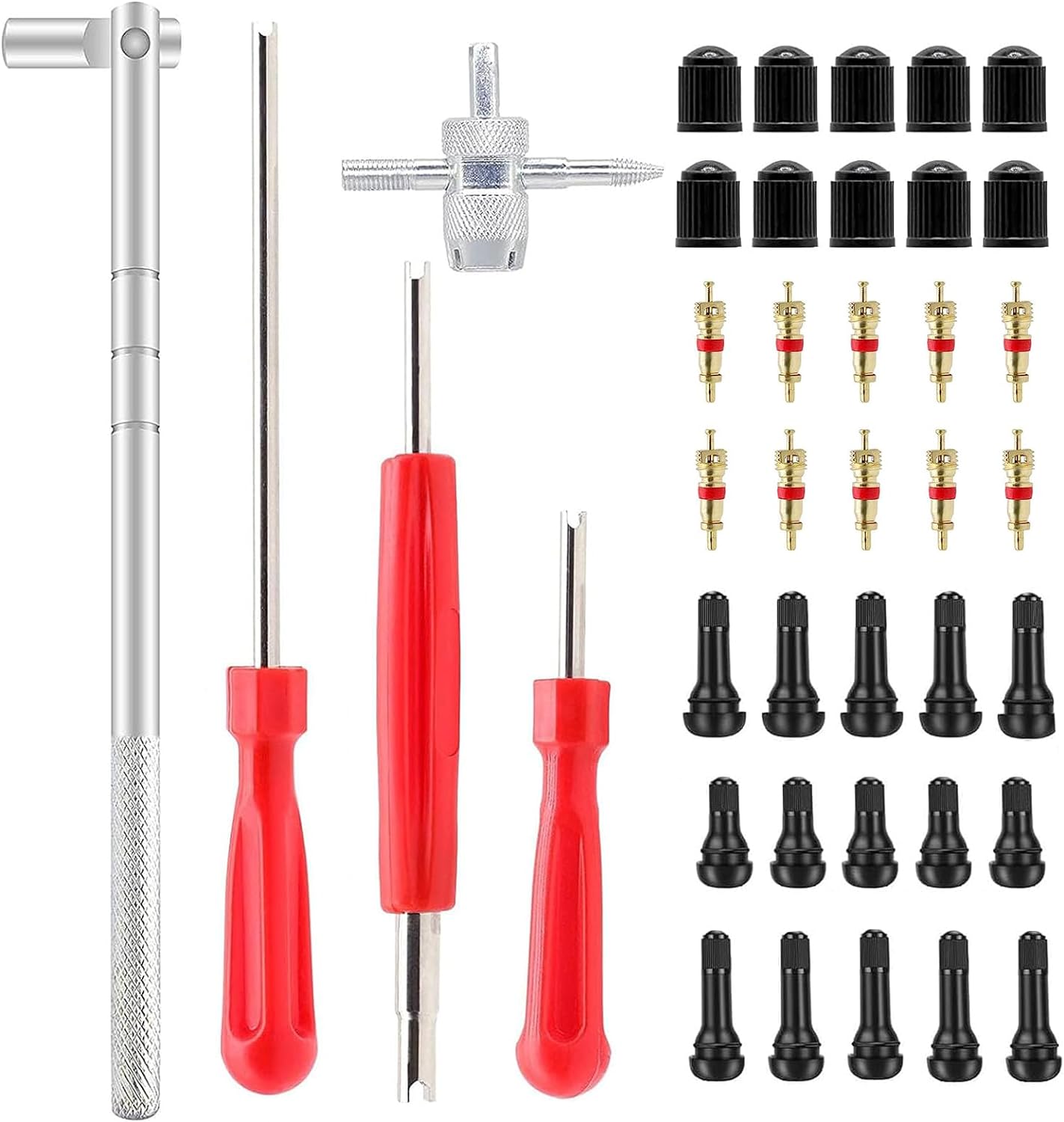
This tire repair kit combines a valve stem puller installer with multiple snap-in valve stems and valve core tools to help you service tubeless tires quickly and efficiently. It is designed to make removing and installing valve stems easier while reducing the risk of wheel or stem damage. Compatible with a wide range of vehicles, it is a practical all-in-one solution for routine tire maintenance and roadside repairs.
Choose the Right Inflation Method
A portable compressor gives you the most control because you can pause often and check pressure. A gas station pump also works, but some pumps fill quickly or have inaccurate built-in gauges. Inflate in short intervals, then recheck PSI manually.
Once the tire reaches the recommended pressure, remove the air chuck straight off the valve stem and listen for leaks. Reinstall the valve cap by hand. Do not overtighten the cap with pliers.
Monitor Tire Pressure Regularly
Make tire pressure checks part of your routine. NHTSA recommends checking tire pressure regularly, including before long trips, and inspecting tires for damage such as uneven wear, cracks, cuts, bulges, or other signs of trauma. You should also check your spare tire if your vehicle has one.
- Check tire pressure at least monthly and before long drives.
- Use the recommended cold PSI from the vehicle placard or owner’s manual.
- Check all four tires, not just the one you adjusted.
- Look for leaks, nails, sidewall damage, uneven wear, and missing valve caps.
What to Avoid When Reinflating Your Tire
Reinflation is just as important as deflation. Avoid these common mistakes:
| Pitfall | Why It Matters | Better Move |
|---|---|---|
| Inflating to the sidewall max PSI | The sidewall number is not usually the vehicle’s recommended driving pressure. | Use the vehicle placard or owner’s manual. |
| Relying only on a pump gauge | Built-in gauges may be inaccurate or hard to read. | Confirm with your own tire pressure gauge. |
| Inflating a damaged tire | A damaged tire can fail suddenly. | Have it inspected before driving. |
| Driving after airing down too far | Very low pressure can overheat the tire, damage the sidewall, or unseat the bead. | Reinflate before normal road speeds. |
Choose Between Manual and Tool-Assisted Deflation Methods

Manual deflation is best for small corrections. Tool-assisted deflation is better when you need to lower pressure faster, such as airing down all four tires before a slow off-road trail. The safer choice depends on how much air you need to remove and how accurately you need to stop.
Manual Deflation Techniques
Manual deflation means pressing the valve pin by hand, with the back of a pressure gauge, or with a small blunt tool. This method is slow but controlled.
- Remove the valve cap.
- Check the starting PSI.
- Press the center valve pin for one to two seconds.
- Release the pin and check PSI again.
- Repeat until the tire reaches the target pressure.
- Reinstall the valve cap.
Tool-Assisted Deflation Methods
A tire deflator can make pressure adjustment faster while keeping the process controlled. Some deflators thread onto the valve stem and show pressure as air escapes. These are useful for off-road driving because you can air down each tire to a consistent pressure.
A valve core removal tool releases air much faster by removing the core from the valve stem. Use this only if you are comfortable reinstalling the core cleanly and securely. Keep the core away from dirt, do not cross-thread it, and check for leaks after reinstalling it.
Warning: Never release air by puncturing the tire, cutting the valve stem, loosening the tire bead, or removing tire hardware. Use the valve stem only, and stop if the valve is damaged or leaking.
Essential Safety Practices for Reinflating Your Tire After Deflation
Before driving at normal speeds, bring the tire back to the recommended PSI. Underinflated tires can run hotter, wear unevenly, and reduce vehicle control. Overinflated tires can ride harshly and may wear unevenly in the center of the tread.
- Inflate to the recommended cold PSI for your vehicle.
- Check pressure with a reliable gauge after inflation.
- Spray soapy water on the valve stem if you suspect a leak. Bubbles can indicate escaping air.
- Replace the valve cap after the final pressure check.
- If the TPMS light stays on after driving a short distance at correct pressure, inspect all tires and consult the owner’s manual.
When Not to Release Air Yourself
Do not deflate or reinflate the tire yourself if the tire is visibly damaged, the wheel is cracked or bent, the valve stem is torn, or the tire has been driven while nearly flat. Also avoid driving on a tire that continues to lose pressure after you replace the valve cap. These situations need inspection, repair, or replacement.
Troubleshooting After Letting Air Out
The valve keeps hissing: Press the valve pin once or twice to help it reseat, then reinstall the cap. If it keeps leaking, the valve core may be dirty, loose, or damaged.
You let out too much air: Do not drive far on an underinflated tire. Add air with a compressor or use a nearby air pump, then recheck with a gauge.
The tire looks low even at the correct PSI: Compare it with the other tires and check the gauge again. Some tires naturally bulge slightly at the sidewall under vehicle weight.
The TPMS light is still on: Check all four tires and the spare if your vehicle monitors it. Some systems need a short drive or a reset procedure after correction.
Frequently Asked Questions
How do you deflate a tire without damaging the valve?
Use a tire pressure gauge first, then release air through the valve stem in short bursts. Press the valve pin gently instead of stabbing or bending it. For small pressure changes, a gauge with a bleed button is safer than removing the valve core.
What is the 3% tire rule?
There is no universal 3% tire-pressure rule for deciding how much air to release from a passenger-vehicle tire. For normal road driving, use the recommended PSI on the vehicle placard or in the owner’s manual. If you are asking about tire size differences, drivetrain tolerance, or speedometer error, that is a separate issue from tire pressure adjustment.
What is the 25-cent trick on tires?
The 25-cent trick is a rough tread-depth check using a quarter; it does not check tire pressure. For tire pressure, use a PSI gauge. For tread safety, NHTSA says tread should be at least 2/32 inch and describes using the penny test or built-in tread wear indicators.
How do you manually let air out of a tire?
Remove the valve cap, press a tire pressure gauge onto the valve to read the current PSI, then gently press the metal pin inside the valve stem for one to two seconds. Recheck the PSI and repeat until you reach the recommended pressure.
Should you let air out of hot tires?
Avoid adjusting a hot tire down to the cold PSI number unless the tire is clearly overinflated and you need a temporary correction. Tire pressure rises as tires warm up. For the most accurate setting, check and adjust pressure when the tires are cold.
Can you drive after airing down for off-road use?
You can drive slowly off-road at reduced pressure when the tire, wheel, terrain, and vehicle setup allow it, but you should reinflate before normal road speeds. Driving fast on very low pressure can overheat the tire, damage the sidewall, or unseat the tire bead.
Conclusion
To release air from a tire safely, work slowly, measure often, and use the vehicle’s recommended PSI as your target. For small changes, press the valve pin briefly or use a gauge bleed button. Save valve-core removal for situations where fast deflation is truly needed and you can reinstall the core correctly. After any adjustment, replace the valve cap, check for leaks, and reinflate before normal road driving if the tire is below the recommended pressure.
Sources
- NHTSA TireWise: Tire Safety Ratings and Awareness — recommended tire pressure, tire placard guidance, and tire safety basics.
- NHTSA Summer Driving and Road Trip Tips — tread-depth minimums, tire inspections, and tire safety checks.
- NHTSA Tire Safety Checklist — monthly tire pressure checks, valve caps, and inspection reminders.
- Michelin Tire Pressure Guide — cold tire pressure checking and tire inflation guidance.
- Discount Tire: How to Air Down Tires for Off-Roading — off-road airing-down factors and deflation tools.