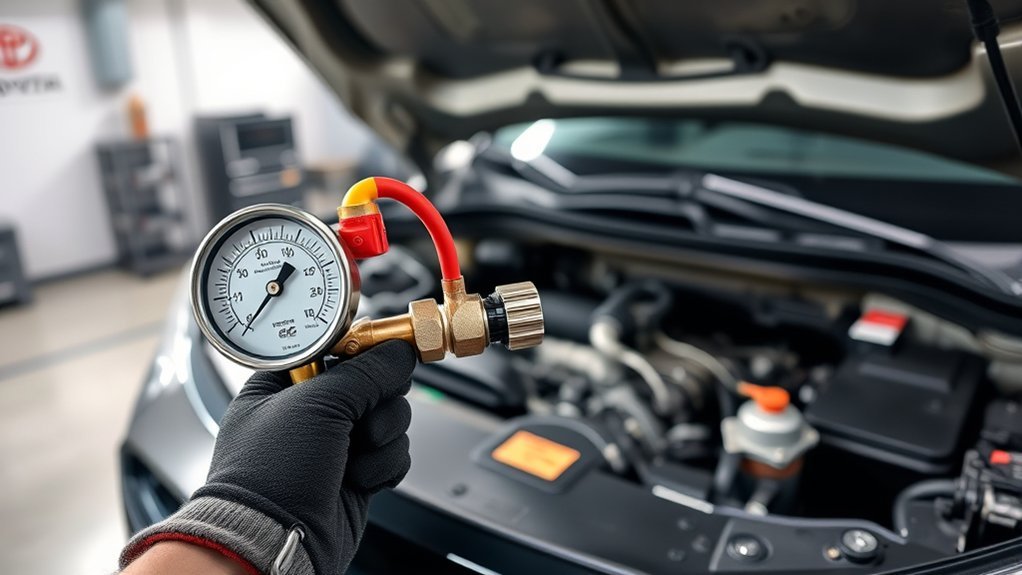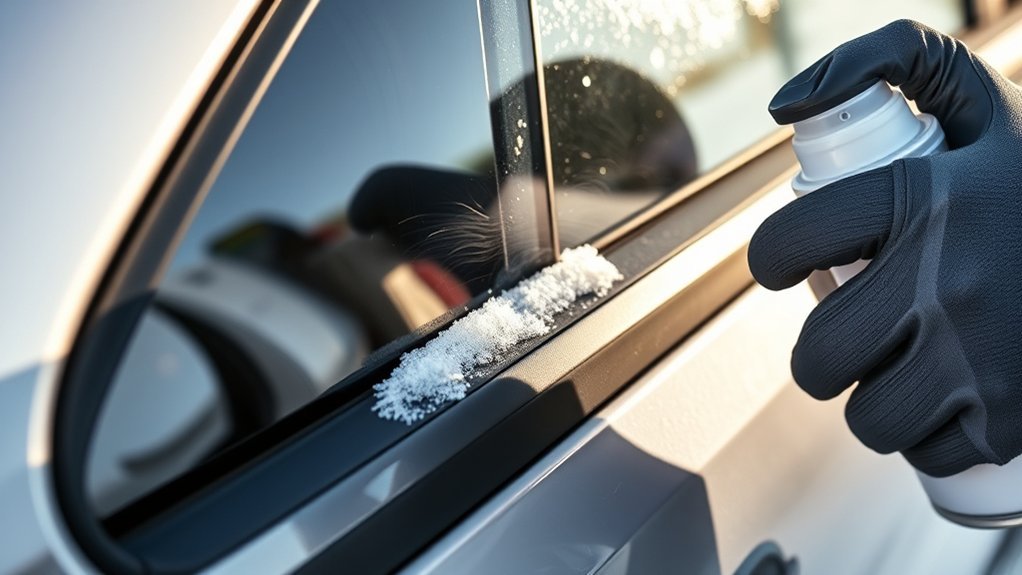
Frozen RAV4 door seals usually happen when moisture, slush, or car-wash water sits on the rubber weatherstrips and then freezes overnight. The best prevention is simple: keep the seals clean and dry, protect the rubber with a silicone product made for weatherstripping, and avoid forcing a stuck door when ice has already formed.
Quick Answer
To prevent RAV4 door seals from freezing, wipe the weatherstrips dry, clean away dirt and salt, then apply a thin coat of silicone spray or silicone grease that is safe for rubber. Reapply before freezing weather, after washing the vehicle, and whenever the seals look dry or squeaky.
Key Takeaways
- Moisture is the real problem: snow, slush, road salt, and wash water freeze the rubber seal to the door frame.
- Use silicone spray or silicone grease labeled safe for rubber/weatherstripping; avoid greasy petroleum products as a routine rubber treatment.
- Dry the door jambs and seals after washing your RAV4 in winter, especially before parking outside overnight.
- If a door is already frozen, thaw it gently with an automotive de-icer, warm air, or cabin heat. Never yank the handle or pour boiling water on the door.
At a Glance
| Time Required | 10–20 minutes |
| Difficulty | Easy DIY maintenance |
| Tools Needed | Microfiber towels, mild car-wash soap, water, silicone spray or silicone grease, optional white lithium grease for hinges and latches |
| Cost | Low; usually just towels and one rubber-safe lubricant |
Why RAV4 Door Seals Freeze: Understanding the Problem
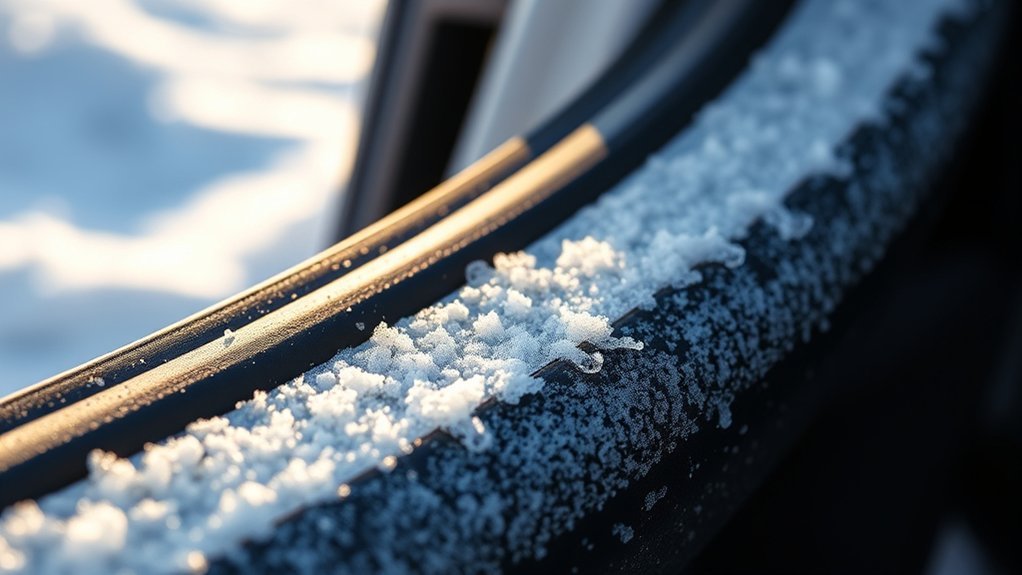
RAV4 door seals freeze when water sits between the rubber weatherstrip and the painted door opening. Once the temperature drops below freezing, that thin layer of water turns to ice and bonds the door to the body.
The most common causes are:
- Snow packed around the rocker panels, lower door edges, and door sills
- Slush and road salt splashing into the door opening
- Rain or freezing rain that seeps into the seal area
- Water left behind after an automatic car wash
- Dirty rubber seals that trap moisture instead of shedding it
- Old, cracked, flattened, or torn weatherstripping
Toyota’s RAV4 exterior-care guidance recommends washing with a soft cloth or sponge and wiping away water after cleaning. That last step matters in winter because leftover water around the seals can freeze the door shut after the vehicle is parked. Toyota RAV4 Owner’s Manual exterior cleaning guidance also recommends using mild washing methods that help protect the vehicle finish.
Note: A frozen door seal is not always a lock problem. Your key fob may unlock the RAV4 normally while the rubber seal is still frozen to the body.
Essential Tools to Prevent RAV4 Door Seals From Freezing
You do not need many supplies to protect RAV4 door seals before winter weather arrives. Gather these items first:
- Microfiber towels: Use these to clean and dry the weatherstrips without scratching paint.
- Mild car-wash soap and clean water: This removes road salt, grime, and old residue from the rubber and door jambs.
- Rubber-safe silicone spray or silicone grease: A thin layer helps repel moisture and reduce sticking. Products made for rubber seals, such as Sil-Glyde silicone lubricant, are commonly used on door and trunk weather-strip seals.
- White lithium grease: Use this only for metal hinges, latches, and check straps, not as the main coating on the rubber weatherstrip.
- Soft detailing brush or old toothbrush: Helpful for cleaning dirt from the lower door seals and latch area.
- Automotive lock de-icer: Keep this outside the vehicle, not inside a frozen-shut car.
Warning: Many aerosol lubricants are flammable. Apply them outdoors or in a well-ventilated area, keep them away from sparks and open flames, and follow the product label before spraying near locks, latches, or electrical parts.
[Products Worth Considering]

This rear trunk lid weatherstrip is designed to fit select Toyota Camry and RAV4 models, helping restore a secure seal around the trunk area. It supports protection against dust, moisture, and road noise while offering a reliable replacement for worn or damaged factory seals. Made for straightforward installation, it provides a practical fit-and-finish upgrade for everyday driving.

This custom-fit windshield sun shade is designed for Toyota Rav4 models from 2013 to 2018, helping block harsh sunlight and reduce heat buildup inside your vehicle. It protects the dashboard, seats, and interior surfaces from UV damage while adding privacy when parked. The foldable design makes it easy to install, remove, and store in seconds.

This windshield sun shade is designed to fit Toyota RAV4 models from 2013 to 2018 and help keep the cabin cooler after long hours in the sun. Its triple-laminate construction and silver surface block most UV rays to help protect the dashboard, seats, and steering wheel from sun damage. The accordion-folding design makes it easy to set up, store, and carry with the included bag.
Cleaning Weather Strips: A Simple Step-by-Step Guide
Clean weatherstrips seal better and hold less moisture. During winter, inspect the seals at least once a month, and clean them sooner after heavy road salt, freezing rain, or an automatic car wash.
[Products Worth Considering]

This custom-fit steering wheel cover is designed for select Toyota models and sized for standard steering wheels to help improve grip and comfort while driving. Made with soft microfiber leather and a non-slip rubber inner ring, it adds control, protects your wheel, and brings a stylish diamond-quilted look to your car interior. Installation is simple and tool-free, making it an easy upgrade for everyday driving.

This brand new replacement hubcap is designed for Toyota Rav4 models from 2013 through 2018 with 17-inch factory wheels. It features sturdy mounting clips and a heavy-duty steel retention ring for a secure, OEM-style fit, plus a durable ABS construction with a shiny painted finish for a clean factory look. Sold as a single piece, it is a reliable aftermarket alternative to the original wheel cover.

Leaves no residue
Step 1: Open Each Door and Inspect the Seals
Look along the roof edge, A-pillar, B-pillar, lower sill, rear door edge, and hatch seal. Check for mud, salt crust, ice chunks, tears, flattened areas, or spots where the rubber has pulled loose.
Step 2: Wash Away Salt and Grime
Dampen a microfiber towel with clean water and a small amount of mild car-wash soap. Wipe the rubber weatherstrips and the painted door jamb where the seal makes contact. Avoid harsh solvents, household degreasers, or abrasive pads because they can dry out the rubber or dull the paint.
Step 3: Rinse and Dry Thoroughly
Wipe the area again with a clean damp towel, then dry it completely. Pay close attention to the lower door edge, where water collects after driving through slush.
Step 4: Apply Rubber-Safe Protection
Once the seal is clean and dry, apply a thin, even coat of silicone spray or silicone grease made for rubber. The goal is a light protective film, not a wet or dripping surface.
Pro Tip: Spray silicone onto a towel first, then wipe the towel along the seal. This gives better control, reduces overspray on paint and glass, and helps avoid a greasy mess.
Applying Silicone Spray: Best Practices
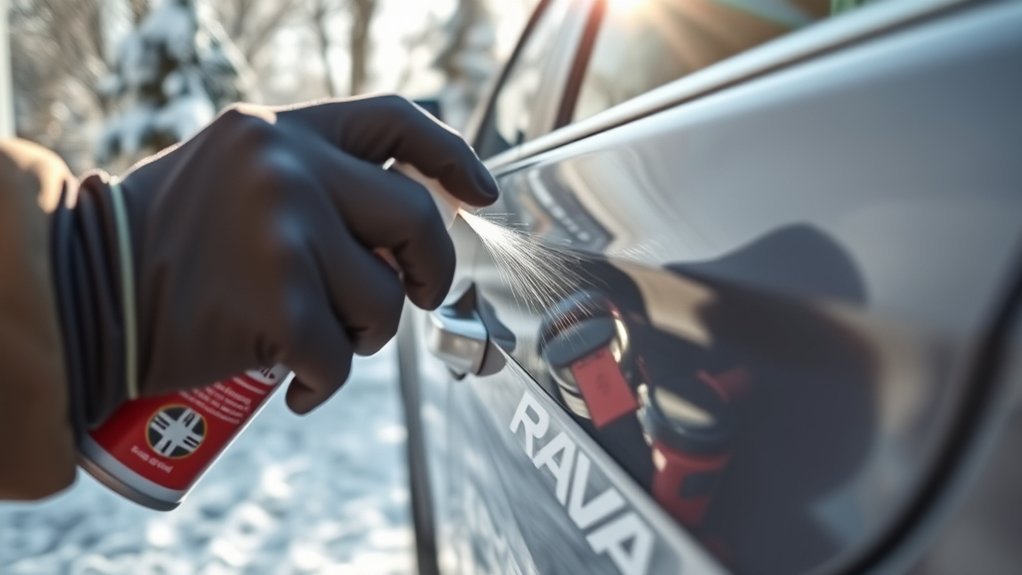
Silicone spray works best when the surface is clean, dry, and above freezing. WD-40’s dedicated Specialist Silicone Lubricant is marketed for lubricating door seals and protecting rubber parts, while silicone greases such as Sil-Glyde are designed for door and trunk weather-strip seals. Use products like these rather than random household oils.
[Products Worth Considering]

Contains UV inhibitors which help prevent cracking and fading

CRC INDUSTRIES: A market leader that offers impeccably designed chemical solutions to maintain, protect and repair different marine, heavy-duty motor vehicles, industrial-grade engines, household tools and electrical equipment.

Will not mar paint, rubber or plastic surfaces
Proper Application Techniques
| Step | Action | Purpose |
|---|---|---|
| Clean the strips | Wipe with mild soap and water, then dry | Removes salt, dirt, and moisture |
| Apply lightly | Spray onto a towel or use a small amount of silicone grease | Creates a thin moisture barrier |
| Wipe excess | Buff the seal with a clean towel | Prevents dirt buildup and transfer to clothing |
Recommended Silicone Product Types
Choose a product that clearly says it is safe for rubber, weatherstripping, or automotive seals. Good choices include:
- Silicone spray: Quick to apply and easy to spread thinly with a towel.
- Silicone grease: More controlled and often longer-lasting, especially on lower seals that see snow and slush.
- Rubber care stick or rubber conditioner: Useful if you prefer a no-spray product around paint and glass.
Avoid using cooking oils, heavy petroleum grease, or thick household lubricants on the rubber. They can attract dirt, smear onto paint, or leave the seals sticky.
Frequency of Application
For most RAV4 owners in cold climates, apply silicone protection:
- Before the first hard freeze: Treat the seals before winter weather starts.
- After winter car washes: Washing removes some of the protective film and leaves water in the door jambs.
- After heavy freezing rain or slush: Reapply if the seals look dry or the doors start sticking.
- Monthly during winter: A quick wipe-down keeps the protection fresh.
Lubricating Hinges and Latches: A Crucial Step
Door seals are only one part of winter door care. Hinges, latches, and check straps can also get stiff when grime, old lubricant, or ice builds up around them. Use a small amount of white lithium grease or another automotive hinge-and-latch lubricant on metal moving parts.
Focus on these areas:
- Front and rear door hinges
- Door check straps
- Door latch mechanisms
- Liftgate hinges and latch
- Fuel-door hinge if it becomes stiff in freezing weather
Open and close the door a few times after lubricating so the grease spreads evenly. Then wipe away visible excess. Too much grease attracts grit, which can make the latch area dirtier over time.
Note: Use different products for different jobs: silicone for rubber seals, and white lithium grease or latch lubricant for metal hinges and latches.
How to Park to Prevent Ice on RAV4 Doors
Parking choices can make a big difference when freezing rain or blowing snow is expected. The goal is to reduce the amount of moisture and drifting snow that reaches the door seals.
- Use a garage or carport when possible: Covered parking is the easiest way to prevent snow and ice from packing around the doors.
- Park with the driver’s door away from the wind: If you know the storm direction, shield the door you need most often.
- Avoid low spots: Cold air and meltwater often collect in low-lying parking areas, increasing the chance of refreezing.
- Clear snow before parking overnight: Brush packed snow away from the lower door edges and rocker panels before it melts and refreezes.
- Dry the seals after a winter wash: Open each door after the wash, wipe the door jambs, and let trapped water drain before parking outside.
DIY De-Icing Solutions for Frozen Doors
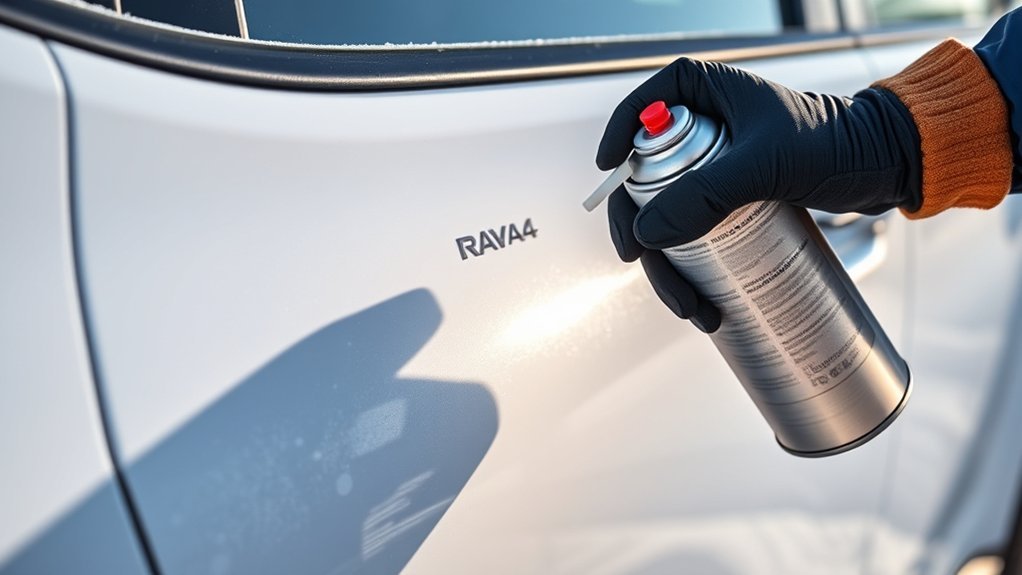
If your RAV4 door is already frozen shut, work slowly. The handle, lock cylinder, weatherstrip, and plastic trim can be damaged if you pull too hard.
| Frozen Area | Safer Fix | Avoid |
|---|---|---|
| Rubber door seal | Gently press around the door edge to crack thin ice, then warm the cabin if another door opens | Yanking the handle or prying with metal tools |
| Lock cylinder | Use automotive lock de-icer or a rubber-safe silicone product approved for locks | Forcing the key or snapping it in the cylinder |
| Door edge ice | Use a commercial automotive de-icer or lukewarm water sparingly, then dry immediately | Boiling water, which can crack glass or refreeze quickly |
A simple emergency de-icing mix is two parts isopropyl rubbing alcohol to one part water in a spray bottle. Apply only to the icy door edge or lock area, keep it away from open flames, and wipe the area dry afterward. Do not use vinegar as a routine de-icer on painted door jambs or rubber seals; it can leave residue and is not the best choice for repeated automotive use.
Warning: Never pour boiling water on a frozen RAV4 door. Sudden temperature change can damage glass or trim, and the water can run into the seals and refreeze even harder.
What Not to Use on RAV4 Door Seals
Some common “quick fixes” can create bigger problems later. Avoid these on the rubber weatherstrips:
- Boiling water: It can damage glass, paint, or trim and may refreeze around the seal.
- Metal pry tools: They can tear the seal or chip paint, which invites rust.
- Thick petroleum grease: It attracts dirt and may not be suitable for rubber weatherstripping.
- Cooking spray: It can leave sticky residue and collect grime.
- Harsh solvents: Brake cleaner, acetone, and strong degreasers can dry or damage rubber.
Regular WD-40 Multi-Use Product may help displace moisture in a lock in a pinch, but it is not the best long-term coating for rubber door seals. For the weatherstrips, use a silicone product that is specifically safe for rubber.
When to Replace RAV4 Weatherstripping
Lubricant helps healthy rubber shed moisture, but it cannot repair a worn-out seal. Replace or have the weatherstripping inspected if you notice:
- Visible cracks, splits, or missing chunks
- A seal that hangs loose or will not stay clipped in place
- Wind noise that was not there before
- Water leaks after rain or a car wash
- Flattened rubber that no longer springs back
- Repeated freezing in the same damaged spot
If your RAV4 is still under warranty or you are unsure whether the seal is installed correctly, check with a Toyota dealer or qualified repair shop. Toyota’s owner resources are also a good place to confirm maintenance guidance for your exact model year. Toyota Owners manuals and warranties let you select your vehicle and view the correct manual.
Community Tips and Tricks for Winter Car Care
RAV4 owners in snowy climates often prevent frozen seals by building a few habits into their winter routine:
- Open and dry the doors after a wash: This is especially important after touchless washes, where water can blast into seams and freeze later.
- Keep a towel near the parking spot: A quick wipe of the driver’s door seal before a freeze can save frustration the next morning.
- Store de-icer outside the vehicle: A de-icer bottle is useless if it is locked inside a frozen car.
- Use remote start carefully: If equipped and safe to use, warming the cabin can help soften ice around the seals, but do not run the vehicle in an enclosed garage.
- Prepare the whole vehicle: NHTSA’s winter guidance reminds drivers that snow, sleet, and ice create dangerous road conditions, so door-seal care should be part of broader winter preparation. NHTSA winter driving tips include vehicle preparation and safe-driving reminders.
The easiest time to prevent frozen RAV4 doors is before the temperature drops: clean, dry, and protect the seals while the rubber is still free of ice.
Frequently Asked Questions
What should I put on RAV4 door seals to prevent freezing?
Use a thin coat of silicone spray, silicone grease, or rubber conditioner labeled safe for automotive weatherstripping. Clean and dry the seals first, then wipe off excess product so it does not attract dirt.
Will WD-40 keep car doors from freezing shut?
WD-40 Specialist Silicone can be used on door seals and rubber parts according to its product guidance. Regular WD-40 Multi-Use Product may help displace moisture in locks, but it is not the best long-term treatment for rubber weatherstrips. Use a rubber-safe silicone product for the seals.
How often should I apply silicone to RAV4 door seals in winter?
Apply it before winter starts, after winter car washes, and about once a month during freezing weather. Reapply sooner if the seals feel dry, squeak, or start sticking.
How do I open a RAV4 door that is already frozen shut?
Try another door first. If one opens, warm the cabin gradually. For the frozen door, press gently around the edge to crack thin ice, use automotive de-icer on the affected area, and avoid pulling hard on the handle. Do not use boiling water or metal pry tools.
Can I use petroleum jelly on RAV4 door seals?
It is better to use a product made for automotive rubber weatherstripping. Petroleum jelly can leave a sticky film, collect dirt, and may not be ideal for repeated use on modern rubber seals.
Why do my RAV4 doors freeze after a car wash?
Water from the wash can remain in the door jambs, lower seals, handles, and latch area. If the vehicle is parked outside before that water drains or dries, it can freeze the seal to the body. Open each door after washing and wipe the seals dry.
Conclusion
Preventing frozen RAV4 door seals comes down to moisture control. Clean the weatherstrips, dry the door jambs after washing, apply a thin layer of rubber-safe silicone protection, and lubricate the metal hinges and latches separately. With a few minutes of winter maintenance, your RAV4 doors are far more likely to open smoothly on icy mornings.
Sources
- Toyota RAV4 Owner’s Manual: Cleaning and protecting the vehicle exterior — supports safe exterior cleaning and drying guidance.
- Toyota Owners: Manuals and Warranties — supports checking model-year-specific Toyota owner guidance.
- WD-40 Specialist Silicone Lubricant — supports silicone use on door seals and rubber parts.
- AGS Sil-Glyde Silicone Lubricant — supports silicone grease use on door and trunk weather-strip seals.
- NHTSA Winter Weather Driving Tips — supports broader winter vehicle preparation and safety context.
- AAA Club Alliance: Thawing Frozen Car Doors and Locks — supports moisture-control prevention for frozen doors and locks.