Hurricane prep for a Toyota Camry comes down to one goal: keep the car ready to evacuate, protected from avoidable damage, and documented for a claim if the storm still gets to it. Start before a watch or warning is issued. Fuel up, check tires and fluids, pack a car emergency kit, choose safer parking, save your records, and know what to do if floodwater reaches the vehicle.
Quick Answer
To prepare a Toyota Camry for a hurricane, fill the tank, check tires, fluids, wipers, battery, spare tire or repair kit, and pack water, food, first aid, chargers, flashlight, tools, and documents. Park on high ground or in a permitted elevated garage, avoid trees and power lines, and never start the car if it may be flood-damaged.
Key Takeaways
- Keep the Camry evacuation-ready with a full tank, correct tire pressure, good wipers, working lights, and topped-off essential fluids.
- Pack a car kit with drinking water, shelf-stable food, first aid, medications, flashlight, batteries, chargers, power bank, paper maps, and copies of key documents.
- Park in a permitted elevated garage or high-ground lot when possible; avoid flood-prone low spots, trees, poles, loose debris, and power lines.
- If floodwater may have entered the engine bay, cabin, trunk, or electrical areas, do not start the Camry. Photograph it, call your insurer, and have it inspected.
At a Glance
| Time Required | 45 minutes for basic checks; longer if maintenance or repairs are due |
| Difficulty | Easy to moderate |
| Tools Needed | Tire-pressure gauge, flashlight, phone charger, power bank, paper map, waterproof document pouch, basic emergency kit |
| Cost | Usually $0–$150+ for supplies, plus any needed maintenance or repairs |
Immediate Checklist: What to Check on Your Camry First
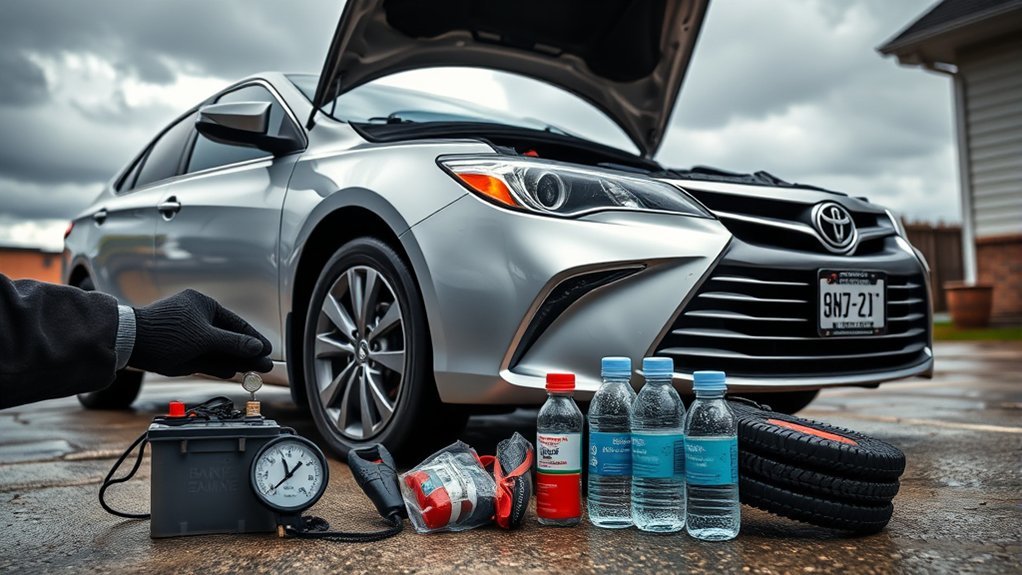
Start with the items that affect whether your Camry can leave quickly and safely:
- Fuel: Fill the gas tank before lines get long. If you drive a hybrid Camry, keep it fueled too; hybrid range still depends on gasoline.
- Tires: Check tire pressure when the tires are cold and set it to the PSI on the driver-side door jamb. Look for low tread, sidewall cracks, bulges, nails, or uneven wear.
- Spare tire or repair kit: Confirm whether your Camry has a spare, inflator kit, or sealant kit. Check that it is present, usable, and not expired.
- Wipers and washer fluid: Replace streaking or chattering wipers and top off washer fluid. Heavy rain makes weak blades obvious at the worst time.
- Lights: Test headlights, brake lights, turn signals, hazard lights, reverse lights, and interior lights.
- Battery: Have a weak battery tested before the storm. Clean corrosion from terminals only if you can do it safely.
- Documents: Photograph the Camry, license plate, VIN, odometer, registration, insurance card, and maintenance records.
Pro Tip: Do the vehicle check while stores, gas stations, and service shops are still operating normally. Once evacuation traffic starts, a simple low tire or bad battery can become a major problem.
Pre-Season Maintenance: Oil, Tires, Fluids, and Battery
Use your Camry’s exact model year and Toyota owner’s manual and warranty/maintenance guide as the final authority. Current Toyota guidance commonly calls for maintenance service every 5,000 miles or 6 months, while many Toyota vehicles that require 0W-20 synthetic oil have oil-change intervals of 10,000 miles or 12 months, whichever comes first. Severe use, age, older model years, or a different oil specification can change that, so do not rely on a generic mileage number.
Before hurricane season, focus on the systems that matter most in stop-and-go evacuation traffic and heavy rain:
- Engine oil: Check the dipstick if your model has one, look for leaks, and schedule service if the maintenance reminder is due.
- Coolant: Verify the coolant level when the engine is cool. Low coolant can cause overheating in slow evacuation traffic.
- Brake fluid and brakes: If the pedal feels soft, the brake warning light is on, or braking feels rough, have the car inspected before relying on it for evacuation.
- Transmission and hybrid system: Do not attempt storm-related repairs yourself. If warning lights are on, get a qualified inspection.
- Belts and hoses: Look for cracking, swelling, looseness, or leaks.
- A/C and defroster: Make sure the windshield clears quickly. Fogged glass during heavy rain is a safety issue.
Note: If your Camry is a hybrid, never touch orange high-voltage cables or components. If floodwater reaches the cabin, engine bay, trunk electronics, or underbody battery areas, have the vehicle handled by Toyota service or another qualified hybrid technician.
[Products Worth Considering]

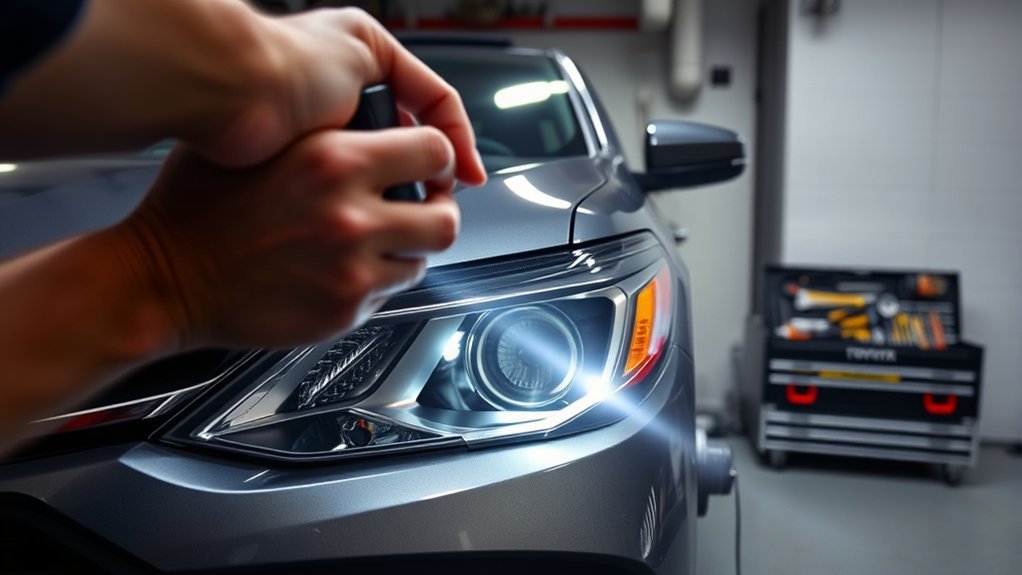
This 3M headlight restoration kit helps remove cloudy yellow haze from plastic automotive lenses to improve appearance and visibility. It includes Trizact refining discs, clear coat wipes, a foam pad, and a glove for a straightforward restoration process on headlights, taillights, fog lights, and more. Designed for easy use, it offers a cost-effective way to refresh worn lenses without replacing them.

Battery Tender Plus is a smart 12V charger and maintainer designed to keep automotive, motorcycle, and powersports batteries in optimal condition. Its adaptive 4-step charging program helps extend battery life while the quick disconnect harness and included cables make setup simple and convenient. The two-color LED status indicator provides clear charging feedback for easy, worry-free maintenance.
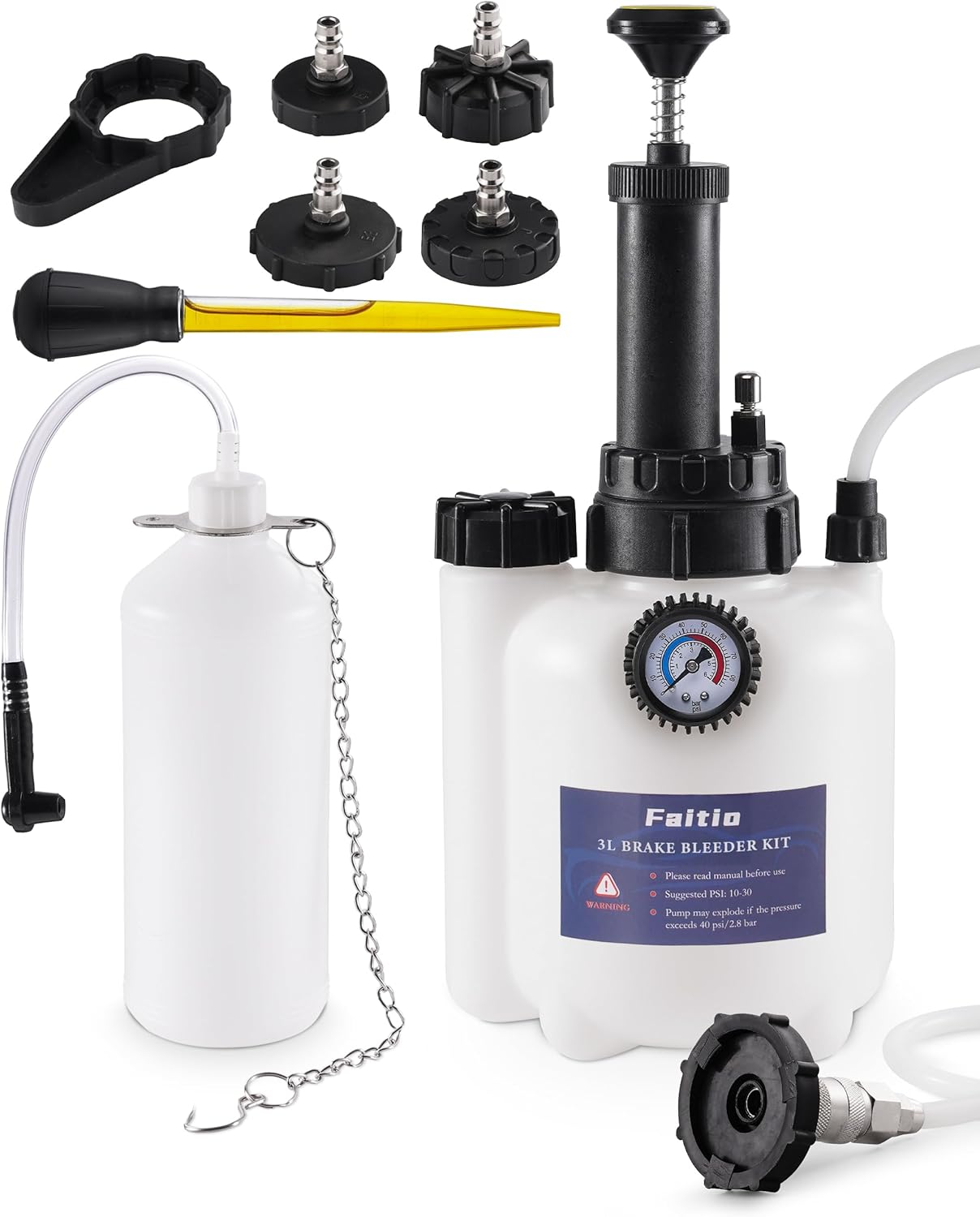
This one-man brake bleeding kit helps flush old brake fluid and remove trapped air for firmer, more responsive braking without the hassle of a second person. Its improved sealing and translucent catch bottle help prevent leaks while making fluid level checks easy during use. With multiple adapter sizes for many vehicle makes, it is a practical tool for clean, efficient brake system maintenance.
Stock an Emergency Car Kit for Evacuation
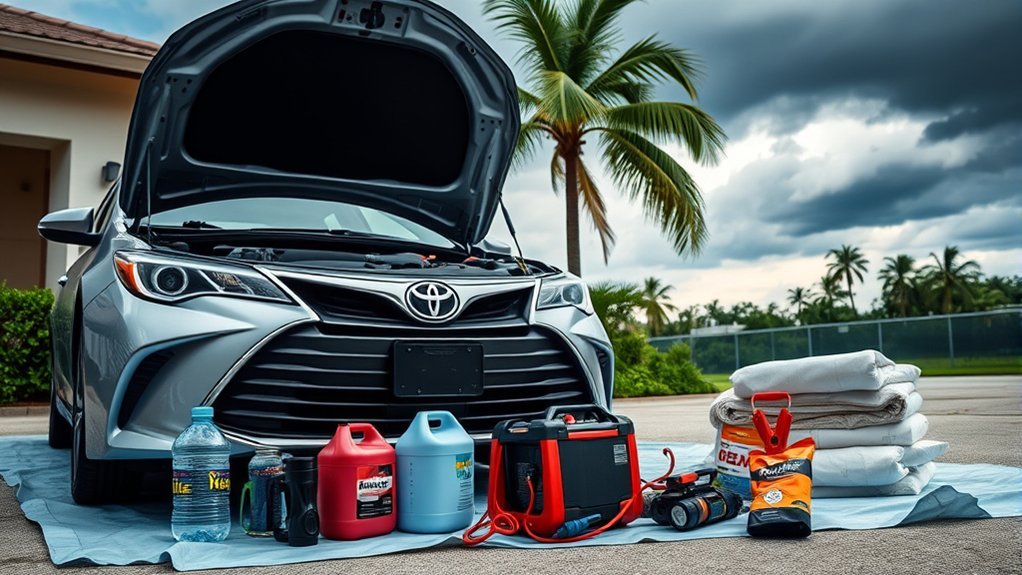
A good evacuation kit should help you sit in traffic, wait at a shelter, handle a minor roadside issue, and stay reachable if power is out. Ready.gov recommends having food, water, and supplies that can support you for several days after an emergency.
Pack these items in a durable, labeled bag or bin:
- Water for each person, plus extra for pets if they are evacuating with you
- Nonperishable food such as protein bars, nut bars, dried fruit, crackers, and sealed snacks
- First-aid kit, prescription medications, eyeglasses, and personal medical supplies
- Flashlight, extra batteries, reflective triangle or road flares, and a high-visibility vest
- Phone cables, 12V charger, wall charger, and a fully charged power bank
- Paper map, written emergency contacts, and printed evacuation destination addresses
- Basic tools, work gloves, duct tape, tire-pressure gauge, and shop towels
- Trash bags, wipes, hand sanitizer, rain poncho, and a change of clothes
- Cash in small bills, because card readers and ATMs may be down
- Copies of registration, insurance, driver’s license, and roadside assistance information in a waterproof pouch
Rotate food, water, batteries, medications, and sealant kits on a schedule. Heat inside a parked car can shorten the life of supplies, so check the kit before hurricane season and again after summer.
[Products Worth Considering]
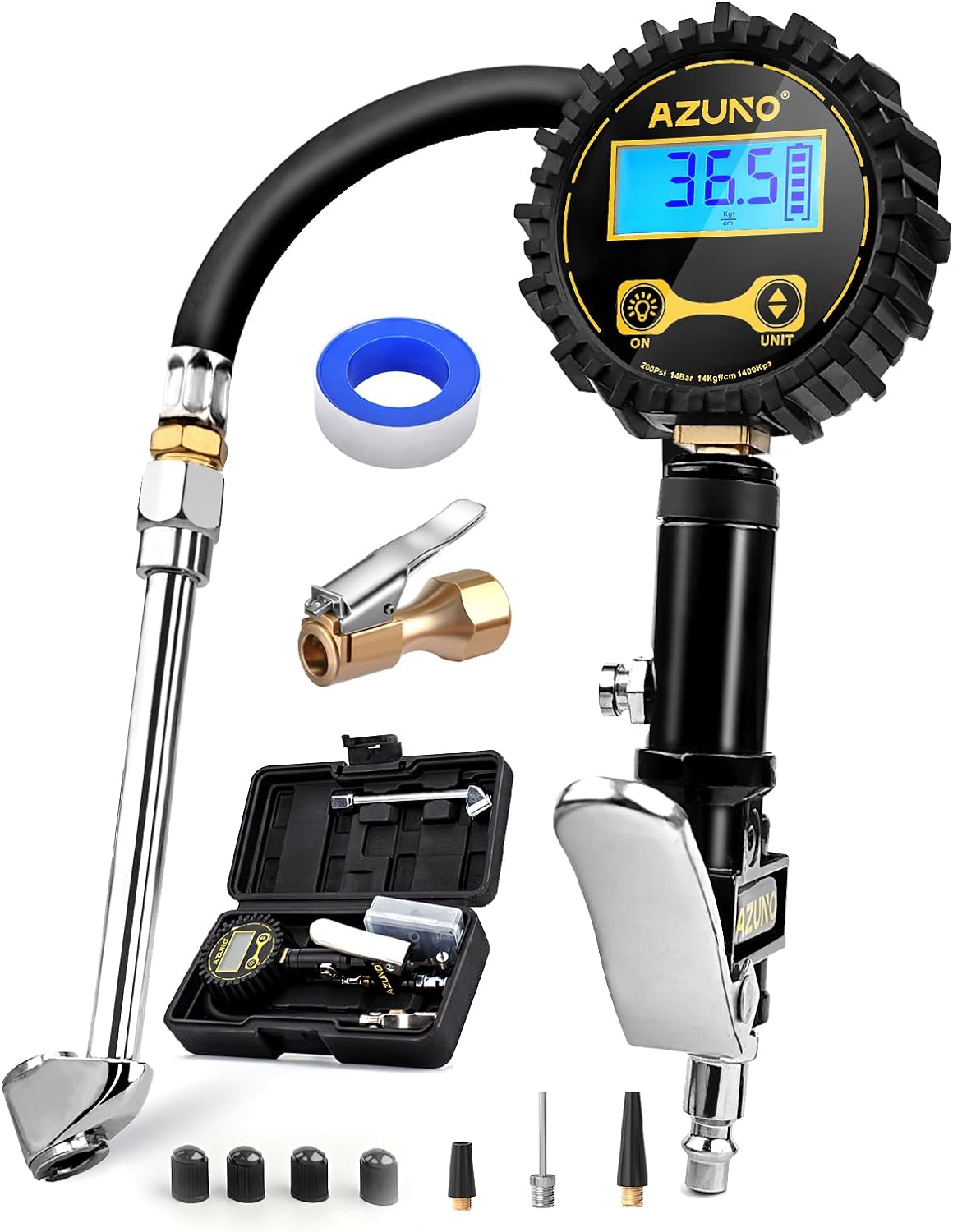
This digital tire inflator delivers accurate, easy-to-read pressure measurements with a bright backlit LCD and precise 0.1 resolution for confident inflation. Designed for single-handed use, it makes it simple to inflate or deflate tires while staying organized in the included portable carrying box. Built for a wide range of vehicles, it is a practical air compressor accessory for cars, trucks, SUVs, motorcycles, and more.

This portable roadside emergency car kit helps drivers stay prepared with essential tools for common breakdowns and unexpected roadside situations. It includes jumper cables, a tow strap, a flashlight, a rain poncho, gloves, and a first aid kit, all stored in a durable zippered case for easy access and organization. With included roadside assistance coverage, it adds extra peace of mind for commuters, new drivers, and road trips.
Keep Fuel and Fluids Topped Up; Check Tires and Battery
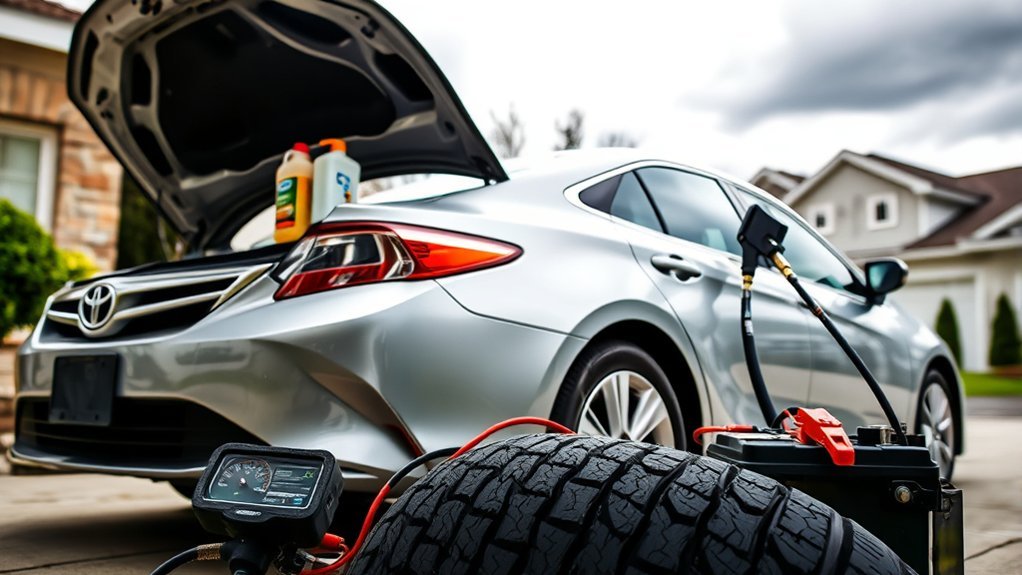
When a storm is approaching, keep the Camry as close to ready-to-leave as possible. A full tank reduces the chance that you get trapped in fuel lines, detours, or stop-and-go traffic with a low-fuel warning.
Check fluids and tire pressure again within a day or two of possible evacuation. If a warning light appears, do not ignore it just because the car still drives. A small issue can become a breakdown when roads are crowded and tow trucks are busy.
Also check the battery before you need the car. Storm preparation often means opening doors, charging phones, using hazard lights, or sitting with accessories on. If the battery is weak, replace it before the storm rather than hoping it survives.
Protecting Your Toyota Camry: Parking, Covers, and Elevation
Where you park matters. If you are not evacuating with the Camry, move it before winds and flooding arrive. Choose the safest legal option available:
- Best option: an enclosed garage on high ground that is not likely to flood.
- Next best: a permitted elevated parking garage or high-ground lot away from trees, poles, signs, and power lines.
- If parking outside: face the car away from the strongest expected wind when practical, close windows fully, remove loose items nearby, and avoid low spots where water pools.
Do not park on bridges, overpasses, emergency lanes, or anywhere that could block first responders or evacuation traffic. Avoid parking under large trees, next to construction materials, beside fences that could fail, or near power lines.
A breathable, fitted car cover can reduce minor scratches from debris if the car is parked in a relatively sheltered area, but it is not a flood or impact shield. Do not use a loose tarp that can whip in wind, trap water, scratch paint, or come loose and become debris.
NOAA estimates that almost 40% of the U.S. population lives in coastal counties, which is why hurricane-season vehicle planning matters for so many drivers.
Document Your Camry and Secure Vehicle Records
Good documentation can speed up an insurance claim and reduce disputes about pre-storm condition. Take clear photos and a short video before the storm, then save copies in at least two places, such as your phone and secure cloud storage.
Photograph Vehicle Condition
Photograph the Camry in daylight if possible. Capture:
- Front, rear, driver side, and passenger side
- Roof, wheels, tires, windshield, windows, mirrors, and lights
- Interior seats, dash, floorboards, trunk, and cargo area
- Engine bay if you can open the hood safely
- VIN plate, license plate, odometer, and existing scratches or dents
Film one slow walkaround video. Say the date, location, mileage, and any existing damage out loud. This gives your insurer context if you need to file a storm damage claim later.
Secure Important Documents
Place originals or copies of important records in a waterproof folder or pouch. Include registration, insurance card, roadside assistance details, loan or lease contact information, maintenance receipts, and emergency contacts.
Review your auto policy before a storm is named and approaching. Vehicle flood damage, including storm surge, is typically covered only if you already carry comprehensive coverage, not liability-only coverage. Ask your insurer what your deductible is, whether rental coverage applies, and how to start a claim if phone service is limited.
Plan Routes and In-Car Communication for Evacuation
Use local evacuation guidance first. Your safest route may not be the shortest route, and official routes may change with flooding, bridge closures, storm surge, or traffic control.
Before leaving, set up a layered plan:
- Choose a primary destination and at least one backup destination inland or outside the risk area.
- Save routes offline in your phone’s map app.
- Keep a paper map in the glove box.
- Share your destination, route, vehicle description, and license plate with a trusted contact.
- Set check-in times by text, because text messages may go through when calls fail.
- Keep local radio stations available for emergency updates.
- Bring pet carriers, child supplies, accessibility items, and medications into the car early.
Warning: Never drive through floodwater. Water can hide washed-out pavement, sharp debris, electrical hazards, and depth changes. If you see water over the road, turn around and choose another route.
Check for Recalls Before Hurricane Season
Before storm season, run your VIN through the official NHTSA recall lookup. A recall involving airbags, brakes, fuel systems, electrical systems, lights, tires, or visibility can matter more during an evacuation. If there is an open recall, schedule the repair before hurricane season whenever possible.
Post-Storm Steps: Assess Damage and File Insurance Claims
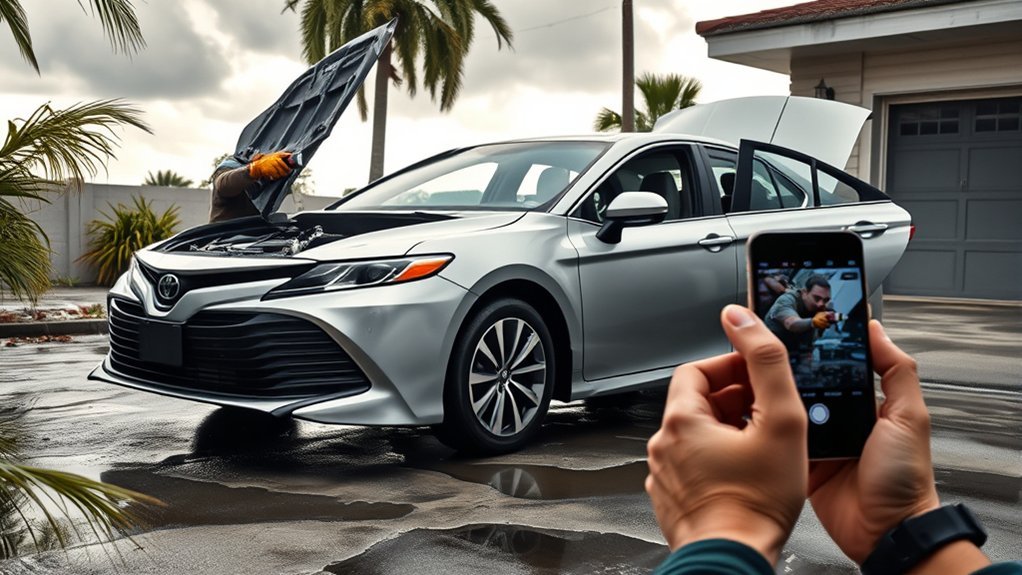
After the storm, check on people first and the car second. Approach the Camry only when local officials say it is safe to be outside. Stay away from standing water, fallen power lines, unstable trees, and debris.
Warning: If floodwater may have reached the floorboards, engine bay, trunk electronics, hybrid components, or dashboard area, do not start the Camry. Starting a flood-damaged vehicle can worsen engine or electrical damage and create safety risks.
Use this post-storm process:
- Photograph first: Take wide shots and close-ups before moving or cleaning anything.
- Look for water signs: Check carpets, seat tracks, trunk, spare-tire well, lights, and lower door panels for dampness, mud, or a water line.
- Check for impact damage: Look for broken glass, dents, missing trim, damaged mirrors, tire cuts, and underbody debris.
- Call your insurer: Ask whether to tow it, where to send it, and what photos or forms they need.
- Do not self-diagnose flood damage: Have a qualified mechanic, Toyota dealer, or hybrid technician inspect it before use.
- Save every record: Keep claim numbers, adjuster names, repair estimates, towing receipts, and messages.
NHTSA advises that flood-damaged vehicles need a thorough assessment before use. Even if the Camry starts, hidden water damage can affect braking, steering, airbags, sensors, wiring, corrosion, and long-term reliability.
Frequently Asked Questions
How do you prepare a Toyota Camry for a hurricane?
Fill the fuel tank, check tire pressure and tread, test lights and wipers, top off essential fluids, test the battery, pack an emergency kit, photograph the car and documents, plan evacuation routes, and park on high ground or in a permitted elevated garage. Do not rely on window tape; focus on safer parking and documentation.
Where should I put my Camry during a hurricane?
The best place is an enclosed garage on high ground that is not likely to flood. If that is not available, use a permitted elevated parking garage or high-ground lot away from trees, poles, signs, loose debris, and power lines. Avoid low garages, drainage areas, overpasses, bridges, and emergency lanes.
What should I keep in my Camry before evacuating?
Keep water, nonperishable food, first aid, medications, flashlight, batteries, phone chargers, power bank, paper map, written contacts, cash, basic tools, tire-pressure gauge, gloves, wipes, rain gear, and waterproof copies of your registration and insurance information.
Can hurricane winds move cars?
Yes. Extreme winds, storm surge, floating debris, falling trees, and moving floodwater can damage or move vehicles. Do not count on the car’s weight to protect it. Put it in a safer location before conditions deteriorate.
Should I start my Camry after it floods?
No. If water may have reached the cabin, engine bay, electrical parts, hybrid components, or dashboard, do not start it. Take photos, contact your insurer, and have the vehicle towed for inspection by a qualified technician.
Does insurance cover hurricane damage to a Toyota Camry?
It depends on your policy. Vehicle flood and storm damage generally require comprehensive auto coverage purchased before the storm. Liability-only coverage usually does not pay for damage to your own car. Check your deductible, rental coverage, and claim instructions before hurricane season.
Conclusion
Prep now so your Camry is ready before the storm track turns urgent. Fill the tank, check tires, fluids, wipers, lights, battery, spare or repair kit, and emergency supplies. Park on high ground or in a permitted elevated garage, document the vehicle and records, and follow official evacuation guidance. After the storm, do not drive through floodwater and do not start a Camry that may be flood-damaged.
Sources
- Ready.gov Build a Kit — emergency supplies, food, water, batteries, first aid, and preparedness kit guidance
- Ready.gov Evacuation — evacuation planning, routes, destinations, and local official guidance
- Toyota Support: Synthetic Oil Change Intervals — Toyota oil interval guidance for vehicles requiring 0W-20 synthetic oil
- NHTSA Hurricane- and Flood-Damaged Vehicles — flooded vehicle inspection and safety guidance
- National Weather Service: Turn Around Don’t Drown — floodwater driving safety
- NOAA Office for Coastal Management: Coastal Demographics — U.S. coastal population statistic