
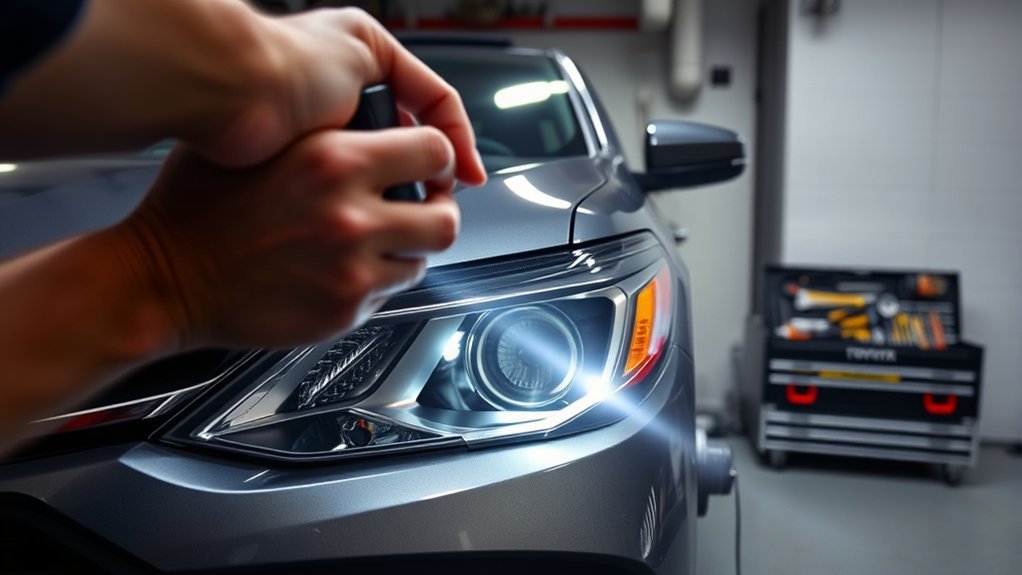
How to Adjust Toyota Camry Headlights: Quick Answer
Last updated: July 31, 2026. This revision adds model-year and headlamp-type cautions, correct vehicle preparation, one-lamp-at-a-time aiming, and safer guidance on vertical versus horizontal adjustment.
To adjust Toyota Camry headlights, first confirm the exact model year, market, trim, and headlamp type. Camry aiming targets, adjuster locations, and adjuster direction can differ. Park squarely on level ground with the tires correctly inflated, the wheels straight, and the vehicle at its normal load. Measure 25 feet from the headlight center marks to a wall, transfer the headlight height and centerlines to the wall, turn on the low beams, and inspect one lamp at a time. Turn only the factory-identified vertical adjuster in small steps while watching which way the cutoff moves. Set the cutoff to the target in the Toyota procedure for your exact vehicle. Do not guess at horizontal aim.
What’s in This Article
- Why Proper Headlight Aim Matters
- What to Confirm Before You Adjust
- Tools and Vehicle Preparation
- Step-by-Step Camry Headlight Adjustment
- The Correct Headlight Height at 25 Feet
- Common Mistakes to Avoid
- How to Check the Final Alignment
- Headlight Maintenance
- When to Get Professional Help
- Frequently Asked Questions
Important Model-Year Note
A universal “two inches low” rule is not correct for every Camry headlamp. Toyota service information for some 2005–2009 Camrys uses a preferred low-beam cutoff about 53 mm (2.08 inches) below the headlight-height line at 25 feet. Other Camry procedures use a model-specific target diagram or inspection zone. Use the exact procedure for your vehicle instead of copying a target or screw direction from another generation.
Key Takeaways
- Confirm the Camry model year, market, trim, and headlamp type before adjusting anything.
- Measure the 25-foot distance from the headlight center marks, not from the bumper.
- Set tire pressure and vehicle load first, point the wheels straight, and settle the suspension.
- Inspect one low beam at a time and turn only the identified vertical adjuster.
- Do not assume clockwise always raises or lowers the beam; watch the cutoff move.
- Do not guess at horizontal adjustment. A sideways beam can indicate a damaged mount, incorrect assembly, or collision-related problem.
Estimated total time: 20 to 30 minutes after the correct model-specific procedure and adjuster are identified.
Why Proper Headlight Aim Matters for Safety

Proper low-beam aim helps you see the lane and roadside without putting excessive glare into other drivers’ eyes. Aim also affects useful seeing distance. A beam set too low can shorten the illuminated area, while a beam set too high can increase glare.
Camry headlight performance and beam shape can vary by model year, trim, and lighting package. For example, the Insurance Institute for Highway Safety lists four headlight variations for the 2018–2024 Camry. That variation is one reason a single generic target should not replace the service procedure for the installed assembly.
Check the aim after replacing a bulb or headlight assembly, repairing front-end damage, changing normal ride height, or noticing that one cutoff sits much higher or lower than the other. If the beam pattern remains broken, scattered, or sharply displaced after the setup is rechecked, inspect the bulb seating, headlight mounts, body structure, and suspension before turning the adjuster farther.
What Should You Confirm Before Adjusting Camry Headlights?
Identify the vehicle and lighting system before you locate an adjuster. Camrys have used halogen, HID, and integrated LED headlamp designs, and the service steps are not identical across generations. Use the VIN, the exact owner or repair information, and the markings on the installed headlamp assembly.
- Model year and market: U.S., Canadian, and other-market headlamps may use different beam patterns or requirements.
- Trim and lighting package: Adaptive or auto-leveling equipment may require a scan tool, calibration, or a different inspection process.
- Headlamp type: Confirm whether the car uses halogen, HID, or integrated LED lighting. This Camry headlight bulb and lamp-type guide can help you identify the installed system.
- Factory procedure: Find the exact headlight-aiming page for the model year and assembly before choosing a target or turning direction.
- Physical condition: Stop if the housing, tabs, adjuster, bumper support, or nearby body structure is cracked, loose, or deformed.
Warning: Do not raise a low beam simply because it looks short on the road. Confirm the wall grid and factory target first. A higher beam can create glare even when the driver feels visibility has improved.
[Products Worth Considering]
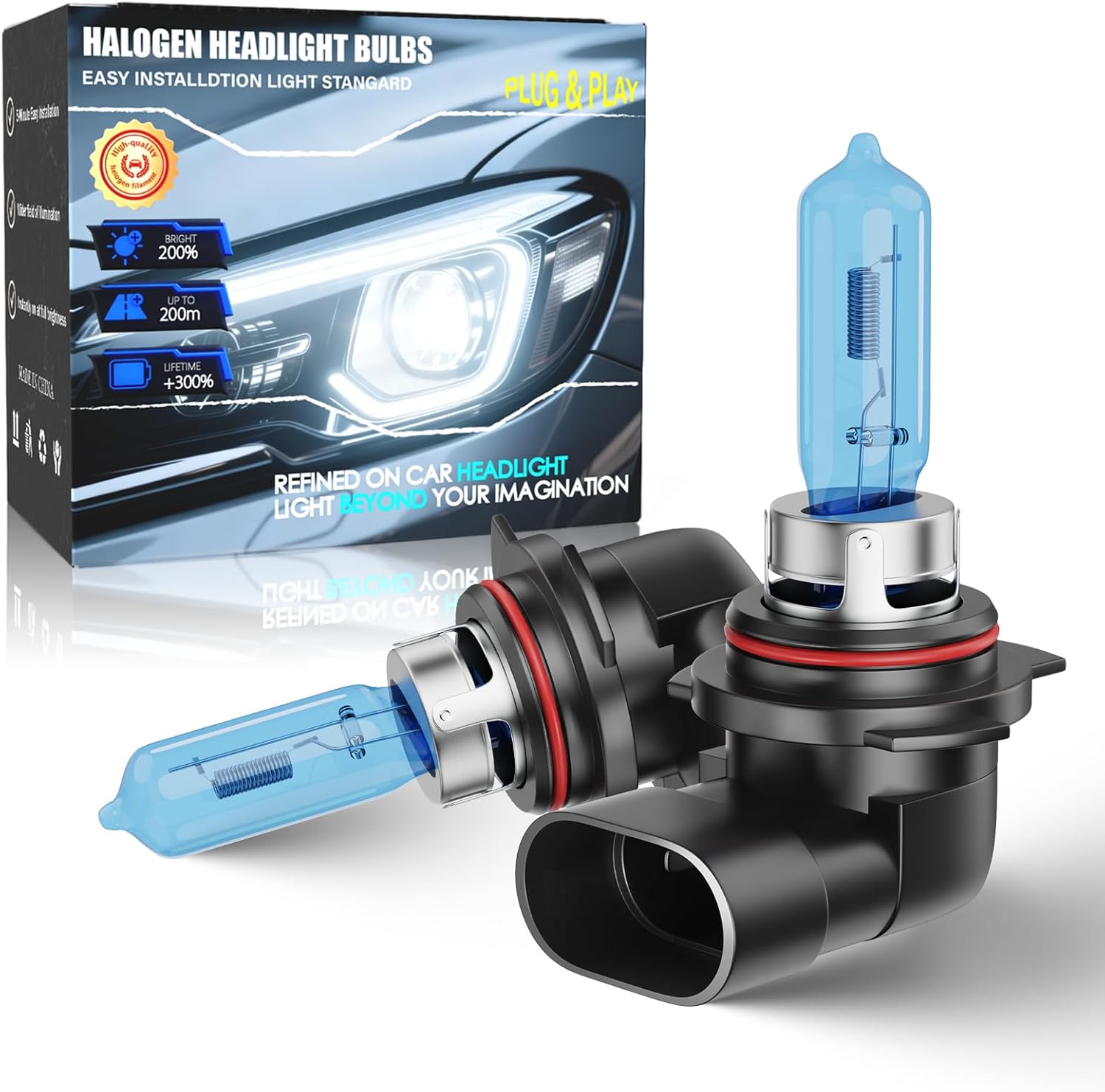
Upgrade your nighttime driving with these halogen headlight bulbs designed for 2016-2019 Toyota RAV4 models. The HIR2/9012 high and low beam combo delivers a brighter white light, a safer beam pattern, and broader road coverage for improved visibility. With plug-and-play installation and durable construction, this two-bulb set is built for a fast, hassle-free replacement.
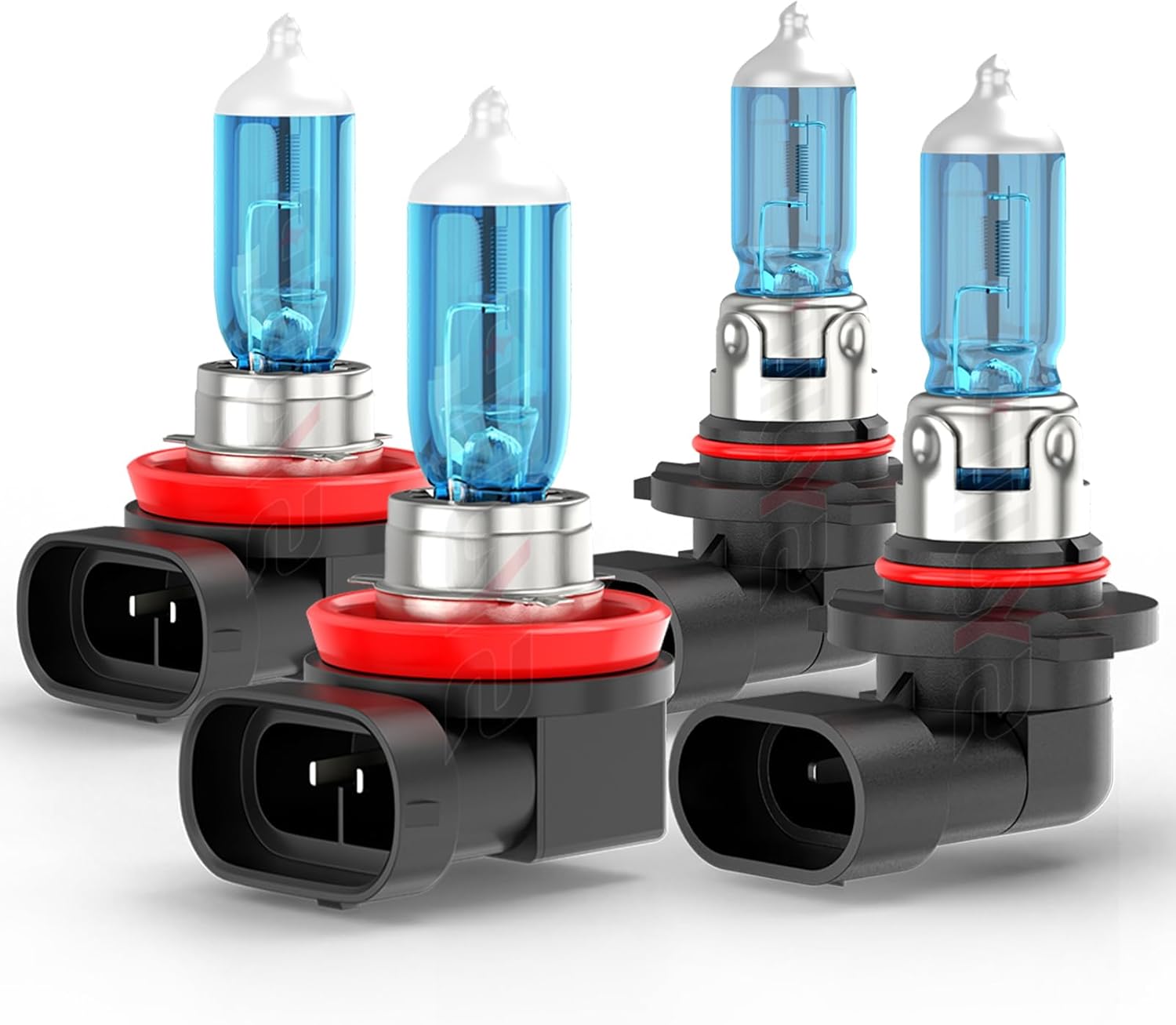
Designed for Toyota Camry models from 2007 to 2018, these SYJIIP halogen headlight bulbs offer a direct plug-and-play upgrade for high and low beam applications. They deliver brighter white light for improved nighttime visibility while maintaining a safe beam pattern that helps reduce glare and supports more confident driving.
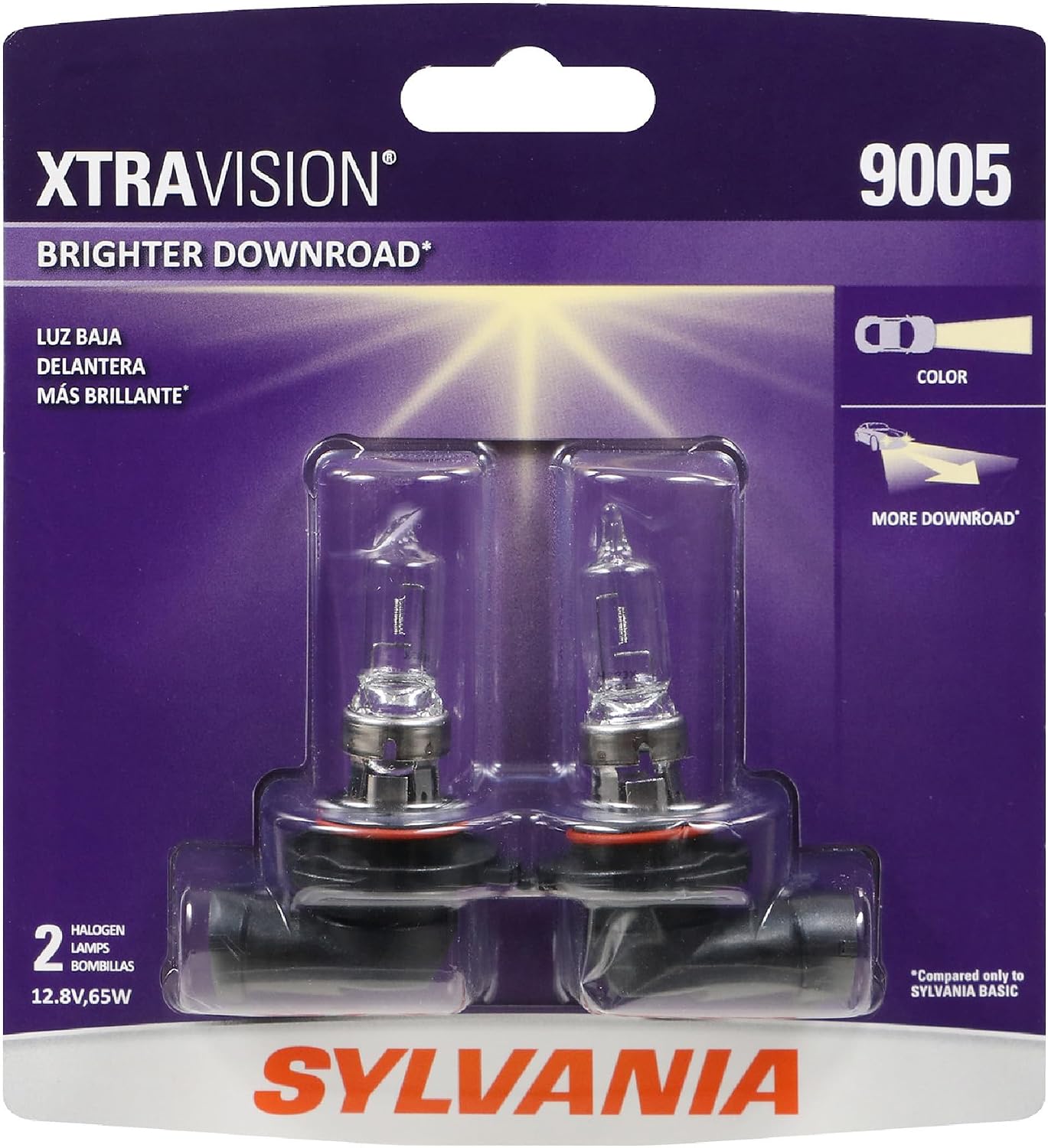
SYLVANIA XtraVision halogen headlight bulbs are designed to improve down road visibility without adding glare, helping you see farther and drive more confidently. Built with a robust filament and proprietary gas mixture, these bulbs are made for reliable performance and lasting durability. Replacing headlights in pairs helps maintain balanced lighting and optimal results.
What You’ll Need Before You Adjust Your Headlights
Gather the exact repair information and basic measuring tools before you begin. The tool that turns the adjuster can vary by model year and assembly.
[Products Worth Considering]

SYLVANIA H11 XtraVision halogen headlight bulbs are designed to improve down-road visibility without adding extra glare. Built with a robust filament and proprietary gas mixture, they deliver reliable performance and durable illumination for high beam, low beam, or compatible fog light applications. Replacing headlight bulbs in pairs helps maintain balanced lighting and optimal driving confidence.

SYLVANIA 9003 XtraVision halogen headlight bulbs deliver enhanced down-road visibility with no added glare, helping improve nighttime driving confidence. Designed for high beam, low beam, and fog light replacement applications, these bulbs are built with a durable filament and proprietary gas mixture for reliable performance. Replacing bulbs in pairs helps maintain balanced light output and consistent visibility.
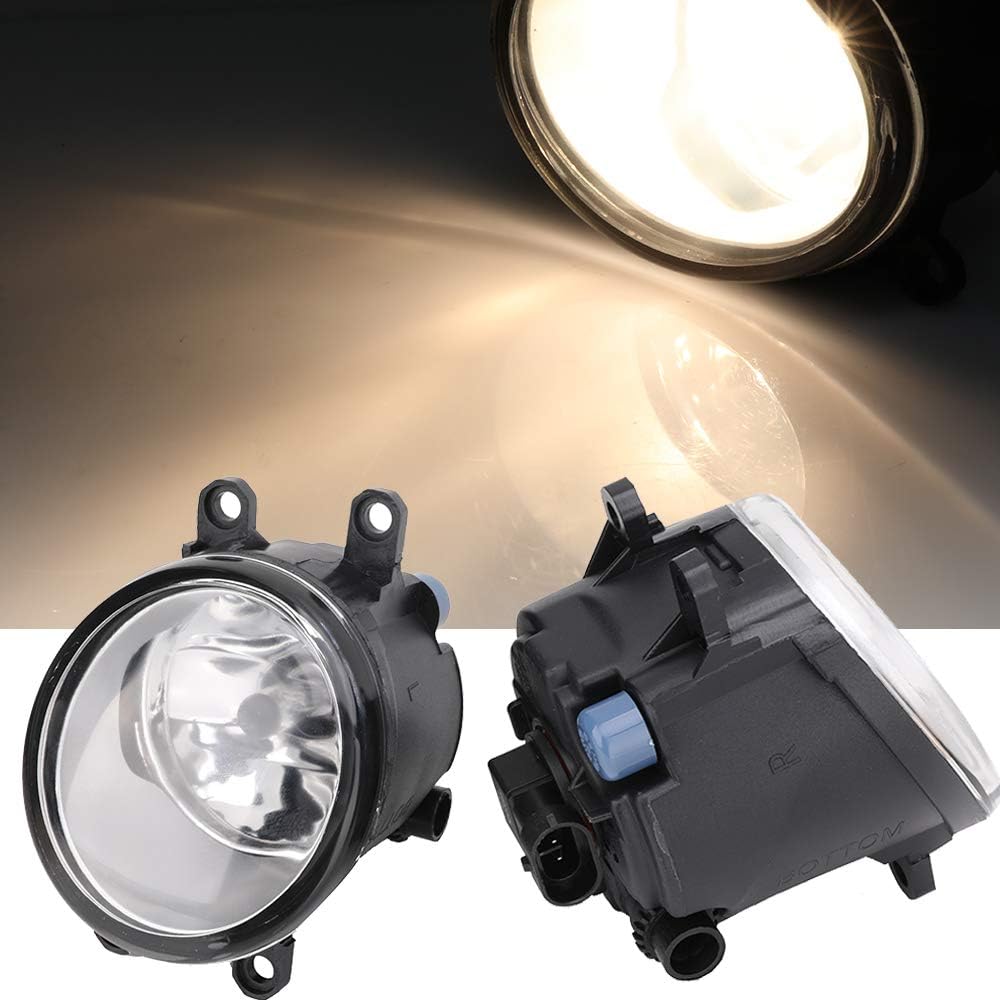
This left and right fog light assembly is designed to restore visibility and safety in foggy or inclement weather. Built for a wide range of Toyota and Lexus vehicles, it offers plug-and-play installation, DOT/SAE certification, and waterproof performance for dependable daily driving.
Required Tools List
| Tool or Item | Purpose | Required? |
|---|---|---|
| Exact Toyota aiming procedure | Confirms vehicle preparation, target, adjuster, and inspection method | Yes |
| Tape measure | Measures headlight height, lamp spacing, and wall distance | Yes |
| Masking or marking tape | Creates the horizontal and vertical reference lines | Yes |
| Correct screwdriver, socket, or wrench | Turns the factory-identified vertical adjuster | Yes |
| Carpenter’s level or laser level | Checks that the floor and wall reference line are level | Recommended |
| Opaque heat-safe panel | Temporarily blocks the opposite beam without touching the lens | Recommended |
| Flashlight | Helps identify labels, mounts, and the adjuster with the lamps off | Optional |
Safety Equipment Needed
Wear safety glasses when working near the housing and gloves if the engine bay has sharp edges. Keep hands, tools, clothing, and the measuring tape away from fans, belts, terminals, and hot components.
Locate the adjuster with the lights and engine off. Follow the exact procedure for the ignition or engine state during the beam check. Several Toyota service procedures instruct the technician to start the engine before inspecting the aim.
Prepare the Car Before You Measure
Incorrect vehicle setup can move the cutoff enough to spoil the adjustment. Prepare the car before placing tape on the wall:
- Park on a flat, level surface facing a vertical wall or screen.
- Inflate the tires to the pressure specified for the vehicle.
- Remove unusual cargo and return the spare tire, jack, and normal equipment to their usual positions.
- Set the vehicle near its normal driving load. Follow the exact Toyota procedure if it specifies a driver or equivalent weight.
- Point the front wheels straight ahead.
- Bounce or gently rock the vehicle several times to settle the suspension.
- Confirm that the headlight housings and nearby body structure are not damaged or loose.
Use low beams for the main wall test. If the service procedure requires checking one light at a time, place an opaque panel in front of the opposite lamp without touching the lens. Do not leave a hot synthetic-resin lens covered longer than the procedure allows.
How Do You Adjust Toyota Camry Headlights Step by Step?
Use the following process only after you have the exact Camry aiming procedure. Make one change at a time and watch the cutoff after every movement.
[Products Worth Considering]
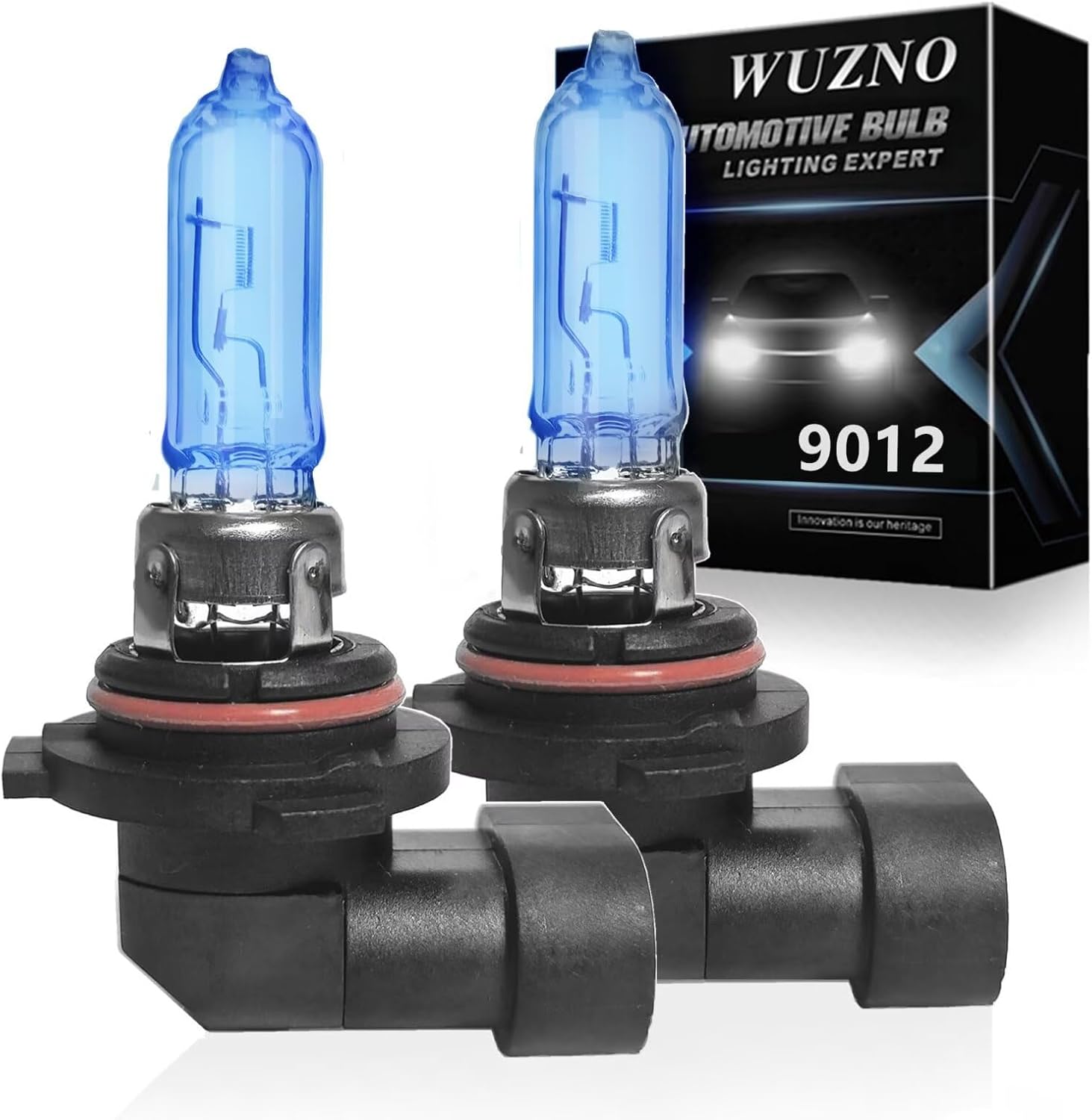
These halogen headlight bulbs are designed as a direct replacement for compatible Toyota models, offering plug-and-play installation with the same base and connector as the original bulbs. They deliver brighter, whiter light for improved visibility and a more modern look while helping reduce eye fatigue during night driving. Built for long life and reliable performance, this two-pack is ideal for restoring or upgrading your vehicle's headlight output.

This GM TPMS relearn tool helps reset tire sensors, clear warning lights, and match tire positions after rotation quickly at home. Designed for Chevrolet, GMC, Cadillac, and Buick vehicles, it offers one-button operation, fast activation, and broad compatibility with many GM models. It is best suited for OE/OEM sensors and includes paper instructions plus video guidance for easier DIY use.

These H7 halogen headlight bulbs are designed to deliver stronger illumination for better nighttime and adverse-weather visibility. Built with quartz material for heat and pressure resistance, they offer bright white light and reliable performance for compatible vehicles. The easy plug-in design makes installation quick and convenient for a wide range of cars, trucks, vans, SUVs, and trailers.
Step 1: Build an Accurate Wall Grid
- Square the car to the wall: Place the vehicle at a 90-degree angle to the wall. A crooked car creates a misleading side-to-side pattern.
- Find the headlight center marks: Use the optical-axis or center marks on the lenses or the locations specified by Toyota.
- Transfer the height: Measure from the floor to each center mark and place a level horizontal tape line on the wall.
- Transfer the spacing: Mark separate vertical lines for the left and right headlight centers. Add a vehicle centerline if the procedure calls for one.
- Measure the distance correctly: Move the car straight back until the headlight center marks are exactly 25 feet from the wall. Do not measure from the bumper.
Step 2: Inspect and Adjust One Low Beam at a Time
- Follow the required operating state: Set the parking brake and use the ignition, READY mode, or engine-running condition listed in the exact service procedure.
- Turn on the low beams: Let the beam pattern settle on the wall.
- Isolate one lamp: Block the opposite lamp with a heat-safe panel if required, without placing tape or material directly on the lens.
- Read the correct cutoff: Compare the defined cutoff reference with the model-specific horizontal and vertical target lines. Do not use the upward sweep as the vertical aiming point.
- Locate the vertical adjuster: Match the adjuster to the repair illustration or an unmistakable label on the installed housing.
- Make a test movement: Turn the tool a small amount and watch whether the cutoff moves up or down. Do not assume that clockwise has the same effect on every Camry.
- Adjust in small steps: Use quarter turns or less until the cutoff reaches the preferred target for that model and lamp.
- Repeat on the other side: Uncover the second lamp and inspect it separately.
- Recheck both beams together: Confirm that the combined pattern is stable and that neither beam sits above its specified target.
Warning: Do not force a tight adjuster. Stop if the screw binds, the beam does not move, the housing shifts, or the adjuster turns without changing the cutoff. The adjuster or mounting structure may be damaged.
Step 3: Do Not Guess at Horizontal Aim
Many visually aimed low-beam headlamps are not intended for owner-set horizontal adjustment. U.S. headlamp rules generally do not allow horizontal adjustment of a visually aimed lower beam unless the lamp has the required horizontal aiming device. If a modern Camry beam points sharply left or right, inspect the housing, mounting tabs, installed part, and collision alignment instead of turning an unidentified screw.
Older Camry generations or different-market assemblies may use a separate horizontal adjuster. Use it only when the exact Toyota procedure identifies it and provides a target.
What Is the Correct Camry Headlight Height at 25 Feet?
The correct wall target depends on the exact Camry headlamp and Toyota procedure. The headlight-height line is a reference, not a universal final target.
| Situation | Target to Use | What Not to Do |
|---|---|---|
| Exact Toyota procedure is available | Use its preferred cutoff line, target diagram, distance, and operating conditions | Do not substitute a generic internet rule |
| Some 2005–2009 U.S.-market Camry procedures | Preferred low-beam cutoff is about 53 mm (2.08 inches) below the H line at 25 feet | Do not apply this number to every Camry |
| 2018–2024 Camry service procedure | Use the model-specific screen diagram and specified aiming range | Do not treat the outer inspection tolerance as the preferred aim point |
| Procedure cannot be confirmed | Have a Toyota dealer or qualified lighting shop aim the lamps with the correct information or equipment | Do not guess at height or horizontal direction |
A shorter wall distance is not automatically interchangeable with 25 feet. Some Toyota procedures allow an exact 3-meter test, but the target dimensions change. Use the shorter distance only when the exact procedure gives the matching grid.
7 Common Mistakes to Avoid When Adjusting Headlights
- Using one target for every Camry: Lamp design and aiming instructions vary by model year, market, and headlight package.
- Measuring from the bumper: Toyota procedures measure from the headlight center marks or optical-axis plane.
- Parking on a slope: A small floor angle can create a large error on the wall.
- Skipping vehicle preparation: Tire pressure, cargo, wheel direction, and unsettled suspension can move the cutoff.
- Reading both beams at once: Overlapping patterns can hide which lamp is high or low.
- Assuming a turning direction: The visible screwdriver direction can differ from the adjuster screw’s actual rotation, and direction varies among procedures.
- Trying to repair damage with the adjuster: A broken tab, wrong assembly, poorly seated bulb, or collision shift requires repair, not more aiming.
Do not chase a perfectly flat or identical-looking pattern. Many low beams include a step or upsweep as part of the designed beam pattern. Use the defined cutoff reference in the service procedure.
How Do You Check the Final Headlight Alignment?
- Recheck the grid: Confirm the 25-foot distance, level horizontal line, lamp-center lines, and vehicle position.
- Inspect each low beam separately: Compare the correct cutoff point with the exact target.
- Check the adjuster response: The cutoff should move predictably without the housing shifting.
- View both lamps together: Confirm that the combined pattern does not rise above the specified limits.
- Take a cautious road check: On a dark, low-traffic road, confirm that the lane and right shoulder are visible without persistent flashes from other drivers. A road check confirms usability; it does not replace the measured wall target.
If one beam remains much higher, lower, or farther sideways after the setup is confirmed, stop adjusting. Inspect the bulb seat, headlight assembly, mounts, suspension height, and front body structure.
How to Keep Your Headlights in Top Shape

Clean, clear lenses help the installed beam pattern reach the road. Wash the lenses with car-safe soap. If oxidation makes the plastic cloudy, use a restoration process that includes a suitable protective coating.
Check for cracks, moisture, loose mounting points, and missing rear covers. A damaged or loose housing can scatter light or move the cutoff. After replacing a bulb, confirm that it is fully seated and locked in the correct orientation before changing the aim.
Replace a failed bulb with the correct type for the installed assembly. If a lamp flickers, dims, or fails again, follow the Camry flickering-headlight diagnosis instead of trying to correct an electrical fault with the aiming screw.
When Should a Mechanic Adjust or Inspect the Headlights?
Professional aiming is the safer choice when the exact target cannot be confirmed or the beam does not respond normally. A shop can verify the installed headlamp, inspect mounting geometry, scan an adaptive or auto-leveling system, and use approved aiming equipment.
Ask a qualified technician for help if you notice any of these signs:
- Persistent misalignment: The cutoff remains outside the target after the wall setup is checked.
- Broken or ineffective adjuster: The screw binds, spins, backs out, or does not move the beam.
- Sideways beam: The lamp points left or right and the exact procedure does not provide a horizontal adjustment.
- Adaptive or auto-leveling fault: A warning, diagnostic code, sensor problem, or calibration issue is present.
- Moisture, flicker, or repeated failure: The housing or electrical system needs diagnosis.
- Recent collision or front-end repair: The mounts, body structure, ride height, or installed assembly may be incorrect.
- Wrong or distorted beam pattern: The bulb may be mis-seated, the reflector may be damaged, or an incompatible light source may be installed.
Frequently Asked Questions
What is the correct headlight height at 25 feet for a Toyota Camry?
There is no single target for every Camry. Use the preferred cutoff line or target diagram in the exact Toyota procedure for the model year, market, trim, and headlamp assembly. Some 2005–2009 U.S. Camry procedures use a preferred low-beam cutoff about 2.08 inches below the headlight-height line at 25 feet, but that number should not be applied universally.
Which way do you turn a Camry headlight adjustment screw?
Do not rely on a universal clockwise or counterclockwise rule. Camry service procedures and adjuster layouts can differ, and the screwdriver’s visible direction may not match the screw’s actual rotation. Make a small test turn while watching the cutoff, then continue only after confirming which way the beam moves.
Can Toyota Camry headlights be adjusted horizontally?
Some older or different-market Camry assemblies may have a factory horizontal adjuster, but many visually aimed low beams should not be adjusted sideways by eye. Use horizontal adjustment only when the exact Toyota procedure identifies the adjuster and target. Otherwise, a sideways beam should prompt an inspection for a damaged mount, wrong assembly, or collision shift.
Why is one Camry headlight beam lower than the other?
A small step or upsweep in the combined low-beam pattern can be normal, but one cutoff sitting clearly outside its target is not. Recheck the wall grid, tire pressure, load, bulb seating, housing mounts, and adjuster operation. Collision damage or an incorrect replacement assembly can also cause a large difference.
Do Toyota Camry headlights level themselves?
It depends on the model year, market, trim, and lighting package. Some headlamp systems may use adaptive or automatic leveling equipment, while others use a manual vertical adjuster. Confirm the installed system by VIN and service information. A leveling warning or sensor fault should be diagnosed before manual aiming.
Can I adjust my Toyota Camry headlights without special tools?
You can perform a basic wall check with a tape measure, masking tape, a level surface, and the correct screwdriver or socket. The essential requirement is the exact Toyota aiming procedure. If the car has adaptive lighting, auto leveling, damaged mounts, or an uncertain target, professional equipment may be needed.
Vehicle Safety Disclaimer: This article provides general information and does not replace the Toyota repair procedure for your exact vehicle or a professional headlamp-aim inspection. Incorrect aim can reduce visibility or create glare. Stop if the adjuster, housing, wiring, body structure, or leveling system appears damaged.
Conclusion
Safe Camry headlight adjustment starts with identifying the exact vehicle and lamp, not with turning a screw. Prepare the tires, load, wheels, suspension, floor, and wall grid first. Measure from the headlight center marks, inspect one low beam at a time, and use only the vertical adjuster and target identified by Toyota.
After adjustment, recheck the measured wall pattern and perform a cautious road check. If the beam will not reach the correct target, points sideways, flickers, or changes when the housing moves, stop and have the headlamp assembly and front structure inspected.
References
- 2009 Toyota Camry Headlamp Adjustment Procedure – Toyota service-manual reproduction, accessed July 2026
- 2018–2024 Toyota Camry Hybrid Headlight Assembly Adjustment – Toyota repair information via Mitchell, accessed July 2026
- Headlight Wall Chart Requirements – North Carolina State Highway Patrol, revised February 2026
- Headlamp Aiming Chart – Utah Highway Patrol, accessed July 2026
- NHTSA Interpretation on Horizontal Aim for Visually Aimed Lower Beams – National Highway Traffic Safety Administration
- 2024 Toyota Camry Headlight Ratings and Variations – Insurance Institute for Highway Safety, accessed July 2026



[…] flash drive. If no update appears or the install fails, use Toyota’s owner portal or contact a Toyota dealer with your Vehicle Identification Number […]