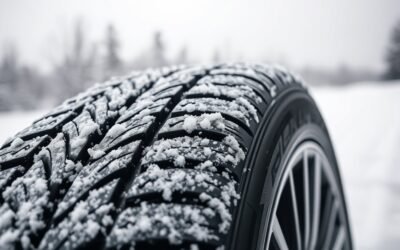
To know when your tire is fully inflated without overdoing it, regularly check the pressure using methods like the thumb pressure test or visual inspection for bulges and uneven wear. A properly inflated tire should feel firm yet allow slight give when pressed. Don’t forget to reference the recommended pressure on your tire placard. Keeping tabs on your tire’s condition enhances safety and performance. Discovering more tips can help you maintain ideal tire health.
How Proper Tire Inflation Enhances Safety and Performance

When you maintain proper tire inflation, you greatly enhance your vehicle’s safety and performance. Properly inflated tires guarantee ideal contact with the road, improving handling, stability, and braking response. This reduces the risk of blowouts and accidents, allowing for better traction and control. Regularly checking your tire pressure is essential; even a small drop can affect your safety on the road. Furthermore, maintaining the recommended tire pressure can enhance your fuel economy by up to 3%, leading to significant savings over time. Additionally, adequate inflation prevents uneven wear patterns, potentially increasing tire lifespan by up to 25%. Utilizing a Tire Pressure Monitoring System (TPMS) can help you stay aware of tire conditions, guaranteeing ideal driving experiences and safety.
Ways to Check Tire Pressure Without a Gauge
You can check your tire pressure without a gauge using a few effective methods. The thumb pressure test, trail marking method, and visual inspection techniques provide quick insights into your tire’s inflation status. These approaches allow you to assess whether your tires are adequately inflated and help maintain peak performance and safety.
Thumb Pressure Test
Although tire pressure gauges provide the most accurate readings, the thumb pressure test offers a quick and accessible alternative for checking your tire’s inflation. To perform this test, press down on the tire surface with your thumb. A properly inflated tire will have a slight give and quickly spring back to its original shape. If it feels too soft and doesn’t rebound easily, you’re likely dealing with underinflated tires. Conversely, a tire that feels too stiff suggests overinflation. Aim for a firm yet not rock-hard feel to guarantee you have a proper tire. While this method is useful for quick checks, complement it with regular gauge measurements for the best results in maintaining your tires.
Trail Marking Method
For those looking for alternative methods to check tire pressure, the trail marking method offers a practical solution that doesn’t require a gauge. Begin by applying ink or paint to your tires, then drive a short distance on a flat surface. Properly inflated tires will leave small, consistent marks, while underinflated tires will smear due to rubber spreading. This visual indicator is effective in checking your tire pressure without tools. If you notice a significant difference in the markings, it’s time to inflate the tire to achieve the correct pressure. After adjusting, repeat the marking process to guarantee the trails are clearer and more distinct, confirming you’ve reached a moderate inflation level.
Visual Inspection Techniques
Visual inspection techniques provide effective ways to assess tire pressure without the need for a gauge. Start by checking for bulges on the tire’s sidewalls; any bulge larger than 10 millimeters may signal underinflation. Next, mark the tire tread with ink or paint and drive a short distance. Properly inflated tires will leave distinct marks, while underinflated ones will smear. Park on a flat surface and look for noticeable deflection; well-inflated tires maintain their shape. You can also apply weight to the tire; proper inflation will prevent significant deformation. Finally, perform a thumb check on the tire surface. A properly inflated tire should have slight give and quickly return to shape, indicating ideal pressure.
How to Recognize the Right Tire Pressure Feel?
To recognize the right tire pressure feel, start with a thumb pressure test; if your thumb sinks in more than a quarter of an inch, the tire may be underinflated. Next, visually inspect the tires for bulging sides or a flat appearance, as these can indicate improper inflation. Finally, apply weight to the tires; a properly inflated tire should maintain its shape without significant deformation.
Thumb Pressure Test
One effective way to assess your tire’s inflation is through the thumb pressure test, which allows you to gauge firmness quickly. Press down on the tire surface with your thumb; a properly inflated tire should have a slight give and spring back rapidly. If it feels too soft and doesn’t rebound, it’s likely underinflated, signaling a need for more air. Conversely, if the tire feels overly stiff and doesn’t yield to your pressure, it may be overinflated and requires some air release. While this tactile method is useful, it’s best used alongside regular checks for accuracy. Always refer to your vehicle’s manual or the driver’s door sticker for the correct tire pressure to guarantee peak performance.
Visual Inspection Techniques
Evaluating tire pressure goes beyond the thumb pressure test; visual inspection techniques can provide additional insights into a tire’s condition. Here are some key aspects to check:
- Bulges: Look for any bulges along the tire sidewall; anything larger than 10 millimeters suggests underinflation.
- Tread Wear: Inspect for even wear across the tread surface; uneven patterns indicate improper inflation.
- Comparison: Compare your tire’s appearance to a reference tire known to be properly inflated, gauging for noticeable shape differences.
- Marking Test: Mark a tire with ink and drive a short distance; well-inflated tires leave distinct marks, while underinflated ones smear.
Using these visual inspection techniques, you can verify your tires are properly inflated and maintain peak performance.
Weight Deformation Observation
While many rely on visual checks for tire inflation, observing weight deformation offers a practical method to assess how well a tire can handle load. To do this, apply a considerable weight over the tire and watch for deformation. Properly inflated tires should show minimal deformation, while underinflated tires will deform noticeably by 10%-15%. If you see the tire bulging or changing shape considerably, it’s likely underinflated. Gradually inflate the tires until they support weight with little to no deformation, indicating they’re nearing ideal tire pressure. Regularly checking weight deformation helps guarantee your tires remain within the recommended range, enhancing safety and performance on the road.
Signs of Low and High Tire Pressure

Recognizing the signs of low and high tire pressure is essential for safe driving and peak vehicle performance. Here are some key indicators to watch for:
- Low Pressure: Look for sidewall bulging and wider tire trails when you check your tire pressure.
- High Pressure: Tires may appear overly rigid, with less contact on the road.
- Vibration: If you feel excessive vibration while driving, it could signal improper inflation.
- TPMS Light: If your Tire Pressure Monitoring System activates, it’s time to check your tire pressure immediately.
Regularly checking tire pressure helps maintain peak performance and guarantees a safe driving experience. Don’t overlook these signs; staying vigilant can save you time, money, and keep you in control on the road.
Essential Tips for Maintaining Consistent Tire Pressure
To maintain consistent tire pressure, you need to establish a regular checking routine that aligns with best practices. Start by using a tire pressure gauge to check tire pressure when the tires are cold, ideally in the morning after your car has sat for at least four hours. Refer to the recommended pressure listed on the tire placard or in your owner’s manual. You should check tire pressure at least once a month and after any significant temperature changes, as fluctuations can impact pressure. Regularly inspect your tires for signs of underinflation, like bulging sides. When inflating, use an air compressor and recheck pressure frequently to avoid overinflation. Adopting these habits guarantees ideal tire performance and safety.
When to Seek Professional Help for Tire Inflation Issues
Maintaining proper tire pressure is essential for vehicle safety and performance, but sometimes issues arise that require professional intervention. If you encounter any of the following situations, it’s best to seek help:
- Frequent fluctuations in tire pressure may indicate a tire leak or damage.
- The tire pressure monitoring system (TPMS) warning light stays on even after inflating.
- You experience unusual vibrations or handling issues while driving, hinting at tire imbalance or improper inflation.
- Excessive wear patterns, like bald spots or uneven tread, signal the need for a professional inspection.
Addressing these issues promptly can prevent further damage and guarantee peak performance. Don’t hesitate to consult a tire specialist for a thorough assessment.
Frequently Asked Questions
How to Tell if a Tire Is Full of Air?
To tell if a tire’s full of air, use tire pressure indicators after air compressor usage. Regularly check inflation frequency, follow tire maintenance tips, and enjoy benefits like improved fuel efficiency and enhanced safety.
What Is the 3% Tire Rule?
The 3% Tire Rule states your tire pressure should remain within 3% of the manufacturer’s recommended PSI. Regularly check using air gauges, apply proper inflation methods, and follow safety tips for effective tire maintenance.
How to Tell if a Tire Is Overinflated?
When it comes to tire care, you’ve got to read the signs. Check tire pressure indicators, perform a visual tire inspection, and use inflation tools; overinflation can negatively impact driving performance and accelerate tire wear patterns.
What Is the 4 PSI Rule?
The 4 PSI Rule suggests inflating tires to 4 PSI above the recommended pressure, considering tire pressure basics and seasonal maintenance. This technique counters common tire myths and guarantees peak performance using air compressor tips effectively.
Conclusion
In the world of tire maintenance, keeping your tires properly inflated is like tuning an instrument for a flawless performance. Imagine gliding down the road, feeling the smooth grip and stability beneath you, knowing your tires are perfectly inflated. By regularly checking pressure, recognizing the signs of imbalance, and maintaining your tires, you enhance safety and efficiency. Don’t hesitate to seek professional help when needed; it’s your assurance for a safe journey on every adventure.