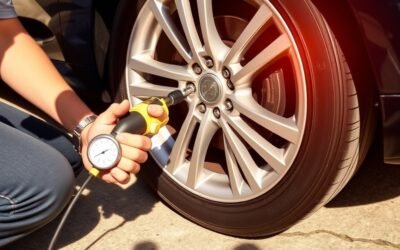
Underinflated tires greatly impact safety, performance, and costs. They increase the risk of blowouts and extend braking distances, making sudden stops harder. Poor handling and responsiveness can lead to accidents. Additionally, low tire pressure raises rolling resistance, reducing fuel efficiency and leading to higher costs. Uneven tire wear accelerates the need for replacements, further increasing expenses. Regular pressure checks and maintenance are vital. Discover the methods to guarantee your tires are always in peak condition for safety and efficiency.
The Dangers of Underinflated Tires
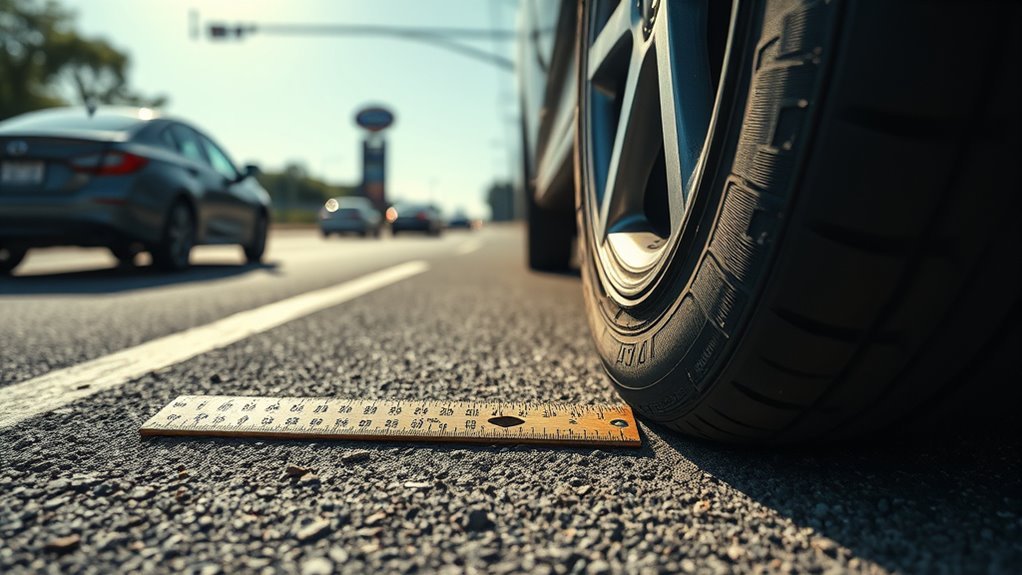
Underinflated tires pose significant dangers that can compromise your safety on the road. They can drastically increase braking distances, making quick stops more challenging, especially in emergencies. This heightened risk of accidents is compounded by compromised handling and stability, leading to sluggish steering response and reduced cornering control. With friction rising due to low pressure, the chances of tire blowouts escalate, particularly at high speeds. Additionally, operating underinflated tires causes uneven wear patterns, resulting in premature tire replacement and elevated maintenance costs. Fuel costs also surge; a drop of just 10 PSI can reduce gas mileage by about 2%. Prioritizing proper tire inflation is essential for your safety and wallet, ensuring efficient performance and reliability on the road.
How Underinflation Leads to Blowouts and Accidents
When tire pressure drops below the manufacturer’s recommended level, the risks associated with blowouts and accidents escalate greatly. Underinflated tires increase surface contact with the road, generating excessive friction and heat, which can lead to sudden blowouts, especially at high speeds. A drop of just 10 PSI notably raises rolling resistance, causing overheating and further compromising tire structure. This deterioration weakens the tire, increasing the likelihood of losing control. Additionally, underinflation adversely affects handling, making emergency maneuvers more challenging and elevating accident risks. The increased braking distance from underinflated tires can lead to collisions, as even slight variations in stopping distance may prevent you from avoiding obstacles. Prioritizing proper tire pressure is essential for safety and fuel efficiency.
The Impact of Underinflated Tires on Vehicle Handling
Underinflated tires greatly reduce your vehicle’s steering responsiveness and cornering stability, putting you at a greater risk of accidents. As the tire sidewalls flex excessively, you’ll notice sluggish handling, making quick maneuvers more challenging. This compromised performance can extend braking distances, heightening the chances of collisions in critical situations.
Reduced Steering Responsiveness
Driving on underinflated tires compromises your vehicle’s handling, particularly regarding steering responsiveness. When tire pressure drops, excessive flexing of the sidewalls occurs, diminishing their ability to maintain shape during turns. This results in reduced steering responsiveness, making it challenging to control your vehicle effectively, especially during sudden maneuvers. A mere 10 PSI decrease can considerably impair handling performance, increasing safety risks due to compromised vehicle stability. The loss of grip from underinflated tires further exacerbates these issues, heightening the risk of skidding in adverse conditions. To guarantee ideal contact with the road surface and maintain proper tire inflation, you must regularly check your tire pressure. This is essential for enhancing both steering responsiveness and overall vehicle handling.
Compromised Cornering Stability
Compromised cornering stability arises primarily from the excessive flexing of tire sidewalls, which hinders their ability to maintain shape during turns. Underinflated tires lead to a larger contact patch, increasing rolling resistance and ultimately degrading handling. This sluggish response makes maneuvering corners more challenging, as incorrect tire pressure diminishes stability. In emergency scenarios where quick reactions are essential, the risk of losing control heightens.
| Tire Pressure | Handling Impact | Safety Risk |
|---|---|---|
| Ideal | Enhanced stability | Reduced accident risk |
| Slightly Low | Compromised response | Increased risk |
| Noticeably Low | Severe instability | High accident risk |
Maintaining proper tire pressure is crucial for ideal performance and safety while cornering.
Increased Accident Risk
Maintaining proper tire pressure is essential not just for cornering stability, but also for overall vehicle safety. Underinflated tires compromise safety and performance by increasing the risk of accidents. When tire pressure drops, excessive flexing occurs, leading to longer braking distances and reduced steering responsiveness. This not only affects fuel efficiency—where a mere 10 PSI drop can decrease mileage by 2%—but also results in uneven tire wear, contributing to a loss of control in adverse conditions. Additionally, the heat generated from increased friction can weaken tire structures, raising the risk of blowouts, especially at high speeds. For ideal performance and safety, regular tire pressure checks are essential to mitigate these significant accident risks.
Why Braking Distances Increase With Low Tire Pressure?
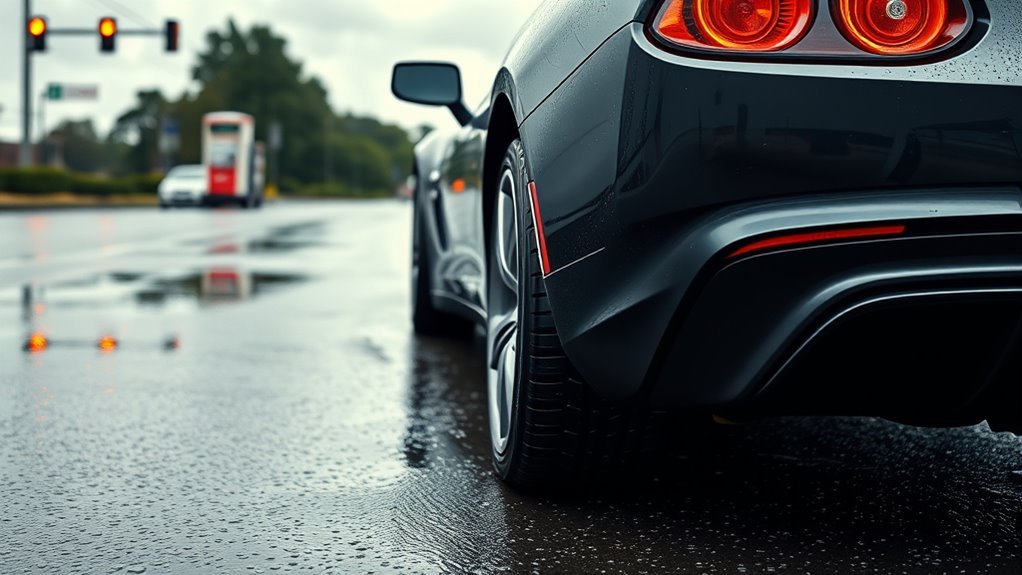
When your tires are underinflated, the increased rolling resistance forces you to exert more energy to stop, ultimately lengthening your braking distance. This reduction in tire grip, due to a larger contact patch, diminishes traction on the road and exacerbates stopping challenges. Additionally, the heat buildup from excessive tire flex during braking further compromises performance, leading to potentially dangerous situations.
Increased Rolling Resistance
Although you might not immediately notice it, underinflated tires greatly increase rolling resistance, which can lead to longer braking distances. A mere 10 PSI drop in tire pressure can escalate rolling resistance by 20%, severely impacting braking performance. This increased resistance creates a larger contact patch, making it harder to stop effectively.
Here’s a quick breakdown of how tire pressure affects your vehicle:
| Tire Pressure Change | Rolling Resistance Impact | Braking Distance Change | Safety Risk | Fuel Consumption Increase |
|---|---|---|---|---|
| 10 PSI Decrease | 20% Increase | Longer | Higher risk of blowout | Increased |
| Proper Inflation | Ideal | Shorter | Safer | Decreased |
Proper tire inflation guarantees safety, minimizes tire wear, and enhances fuel consumption.
Reduced Tire Grip
Reduced tire grip is a critical factor in understanding why braking distances increase with low tire pressure. When you drive on underinflated tires, the contact patch enlarges, inadvertently raising rolling resistance and compromising braking performance. A mere 10 PSI drop can extend your stopping distance by up to 20%. Low tire pressure causes sidewalls to lose their intended shape during braking, diminishing grip on the road. This reduction in grip results in increased friction and heat, which can weaken tire structure, further undermining your vehicle’s ability to stop effectively. Even a slight 1 PSI decrease can raise your braking distance by 0.2%, highlighting the essential nature of maintaining proper tire pressure for your safety and driving performance.
Heat Buildup Effects
Underinflated tires create a considerable heat buildup due to increased friction between the tire and the road surface. This heat generates excessive rolling resistance, making it harder for you to stop, which directly increases braking distances. Just a 10 PSI drop in tire pressure can elevate stopping distances by as much as 30%, raising safety concerns during emergency situations. As tires heat up, their air pressure further decreases, compounding the loss of braking efficiency and heightening the risk of blowouts. Additionally, underinflated tires expand the contact area with the road, compromising vehicle stability. Maintaining proper tire pressure not only enhances braking response but also guarantees ideal tire shape, greatly improving control during critical braking maneuvers.
How Underinflated Tires Decrease Fuel Efficiency
Maintaining proper tire pressure is essential for ideal fuel efficiency, as even a slight decrease can considerably impact your vehicle’s performance. Underinflated tires increase rolling resistance, forcing your engine to work harder and ultimately increase fuel consumption. A drop of just 10 PSI can reduce fuel efficiency by up to 2%, leading to significant operating costs over time. Regular pressure checks are important; for every 1 PSI reduction, you might see a 0.2% decrease in gas mileage. By ensuring proper tire pressure, you can enhance fuel efficiency by 0.6% to 3%, translating to financial savings and reduced greenhouse gas emissions. Don’t overlook this critical aspect of vehicle maintenance; it’s key to both your pocket and the planet’s health.
Uneven Tire Wear: Causes and Consequences
Tire performance directly influences vehicle safety and efficiency, and uneven tire wear is a significant consequence of improper pressure management. Underinflated tires increase the contact patch with the road, leading to uneven wear, primarily on the outer edges. This not only reduces the lifespan of your tires but also compromises vehicle handling and safety.
Consider the following factors:
- Excessive sidewall flexing causes uneven tread wear.
- A 10 PSI drop can increase tire wear by 10%.
- Tires naturally lose 1-2 PSI monthly, leading to gradual wear.
- Uneven wear affects braking distances and vehicle control.
- Increased wear results in higher replacement costs, impacting fuel economy.
Monitoring tire pressure is essential to maintain safety and extend your tires’ lifespan.
How to Identify Underinflated Tires

How can you tell if your tires are losing air pressure? Start with a visual inspection; underinflated tires often sag or show uneven contact with the road, indicating a loss of proper shape. Regular pressure checks are vital, as tires can lose 1-2 PSI monthly due to natural air loss or temperature changes. Pay attention to your Tire Pressure Monitoring System (TPMS)—if the warning light activates, at least one tire is considerably underinflated and needs immediate attention. Remember, just a 1 PSI drop can decrease fuel efficiency by about 0.2%, leading to higher operating costs. Conduct monthly inspections, especially in colder months, to maintain ideal tire pressure and mitigate safety risks while maximizing performance.
Best Practices for Maintaining Proper Tire Pressure
Proper tire pressure is key to guaranteeing vehicle safety and efficiency. To achieve this, follow these best practices for maintaining ideal tire pressure:
- Regularly check your tire pressure at least once a month.
- Measure tire pressure when tires are cold to guarantee accuracy.
- Adhere to the manufacturer’s recommended level, typically between 30-35 PSI.
- Inspect for visible damage and uneven wear, as underinflated tires accelerate deterioration.
- Use a reliable tire inflator gauge from reputable brands like JACO.
The Need for Regular Tire Inspections
While it’s easy to overlook tire maintenance, regular inspections are essential for ensuring your vehicle’s safety and performance. Monthly checks help identify underinflated tires, which can lose 1 PSI for every 10°F drop in temperature, potentially compromising safety and fuel efficiency. By adhering to the manufacturer’s recommended level for tire pressure during these inspections, you can markedly enhance gas mileage—just a 1 PSI drop reduces it by 0.2%. Additionally, visual inspections reveal small punctures or tread wear, preventing issues like uneven wear and blowouts. Neglecting these checks can lead to increased fuel costs, as underinflated tires not only wear faster but can also cost you hundreds annually due to diminished efficiency. Prioritize regular inspections for ideal performance.
Frequently Asked Questions
How Often Should I Check My Tire Pressure?
You should check your tire pressure monthly and after seasonal changes. Regular monitoring guarantees ideal tire health, adhering to pressure guidelines. Consider using inflation methods to address air loss and enhance overall safety and performance.
Can Underinflated Tires Affect My Vehicle’s Warranty?
Yes, underinflated tires can impact your warranty claims. Following manufacturer recommendations for tire maintenance, including inflation guidelines, guarantees vehicle safety and tire lifespan, protecting your warranty coverage and repair responsibilities regarding pressure monitoring.
What Tools Are Needed to Check Tire Pressure?
To check tire pressure, you’ll need a tire pressure gauge, air compressor, valve stem tool, and possibly a digital tire monitor or manual pressure checker. A tire inflator kit and tire maintenance app enhance your inspection process.
Are There Specific Temperatures for Checking Tire Pressure?
You should check tire pressure when temperatures are stable, ideally at ambient conditions. Seasonal changes can cause pressure variance, affecting tire performance. Following inflation guidelines guarantees adherence to safety standards and peak tire performance.
How Do I Know the Correct Tire Pressure for My Vehicle?
To find your vehicle’s correct tire pressure, consult the vehicle manual for recommended PSI. Use a tire gauge to check inflation regularly, considering seasonal changes and your driving habits for peak performance and safety features.
Conclusion
Just like a ship needs its sails properly inflated to navigate stormy seas, your vehicle relies on well-inflated tires for a smooth journey. Underinflated tires are akin to a ship with limp sails, struggling against the waves of safety risks, increased wear, and soaring fuel costs. By regularly checking and maintaining your tire pressure, you steer clear of potential disasters, guaranteeing a safe voyage down the road. Keep your tires healthy, and you’ll guarantee a more efficient, reliable ride.