

If your Camry’s traction control light or slip indicator stays on, the car may be warning you about a traction, stability control, ABS, tire, brake, electrical, or sensor problem. A blinking slip light during rain, snow, gravel, or hard acceleration can be normal because the system is actively limiting wheel spin. A steady light, a “TRAC OFF” message, or a traction warning that appears with ABS, brake, or check-engine lights needs a more careful check.
Start with the simple items first: confirm the light behavior, make sure TRAC was not turned off, check the tire pressure and tire condition, then scan the correct modules. Toyota button names, warning messages, and reset steps can vary by Camry year, so use the exact owner’s manual for your car when a dashboard message or procedure does not match this guide.
Quick Answer
A Camry traction control light usually comes on because TRAC/VSC was turned off, a tire is underinflated or mismatched, a wheel speed sensor signal is wrong, the ABS/brake system has a fault, or an engine code disabled stability control. Check tires and TRAC status first, then scan ABS/VSC and engine modules.
Key Takeaways
- A blinking slip light often means traction control is working; a steady light usually means the system is off or a fault is stored.
- Check tire pressure, tire size, tread condition, and whether TRAC was accidentally turned off before replacing parts.
- Use a scanner that can read ABS/VSC codes and live wheel-speed data, not just basic engine codes.
- Do not ignore the light if it appears with ABS, brake, check-engine, poor braking, fluid loss, harsh shifting, or loss of power.
At a Glance
| Time Required | 10-30 minutes for basic checks; longer if diagnostics or repairs are needed |
| Difficulty | Easy for tire and dashboard checks; moderate for sensor, fuse, and wiring inspection |
| Tools Needed | Tire pressure gauge, flashlight, owner’s manual, ABS/VSC-capable scan tool, and a multimeter if testing wiring |
| Cost | Free for basic checks; diagnostic scan or sensor repair varies by shop, fault, and model year |
Warning: If the traction control light appears with a red brake warning, ABS warning, brake pedal change, fluid leak, grinding noise, harsh loss of power, or a vehicle that will not accelerate normally, avoid normal driving and have the Camry inspected as soon as possible. Those symptoms can affect braking or stability assist.
Common Causes of Traction Control Light Activation

When the traction control light activates on your Camry, first decide whether the light is blinking or staying on. A blinking slip indicator during wheel spin can mean the system is doing its job. A steady light, warning message, or light that returns after restarting the car usually points to a disabled traction/stability system or a stored fault.
The most common causes include:
- TRAC or VSC turned off: Some Camry models allow the driver to turn traction control off, especially when the vehicle is stuck in mud, dirt, or snow. Check the display for a “TRAC OFF” or traction-control-off message.
- Low tire pressure or tire mismatch: Underinflated tires, uneven tire sizes, worn tread, or a temporary spare can reduce grip and change wheel-speed behavior. The tire pressure should match the vehicle placard or tire label, not the maximum pressure molded into the tire sidewall.
- Dirty or faulty wheel speed sensors: Each sensor reports wheel speed to the ABS, traction control, and stability systems. Dirt, corrosion, damaged wiring, or a cracked tone ring can cause false readings.
- ABS or brake-system fault: Since traction control often uses ABS hardware to apply brake pressure to a slipping wheel, an ABS fault can disable traction control.
- Low brake fluid or brake wear: Low fluid can indicate worn pads or a leak. Do not just top it off without finding the cause.
- Weak battery, charging issue, fuse, or wiring fault: Low voltage and poor electrical connections can trigger multiple warning lights.
- Engine or transmission code: On many Toyota vehicles, a check-engine condition can also disable stability or traction control until the engine fault is repaired.
- Recent tire, brake, axle, hub, or alignment work: A sensor connector left loose, damaged wheel bearing encoder, wrong tire size, or disturbed wiring can turn the light on after service.
Note: Toyota warning-light behavior and button labels vary by Camry model year. Use the Toyota Owners manuals page to confirm the exact light name, switch label, and message for your car before buying parts.
Traction Light vs. Related Warning Lights
Several dashboard lights can appear together, but they do not all mean the same thing. A slip indicator usually relates to traction or stability intervention. A “TRAC OFF” message points to a disabled traction setting. An ABS light points toward the anti-lock brake system. A red brake warning can mean a parking brake, brake fluid, or hydraulic brake concern. A check-engine light can come from a powertrain fault that also disables TRAC or VSC.
Do not diagnose by the light name alone. Write down every message on the dash, note when the light appears, and scan every relevant module before clearing codes.
Immediate Steps to Diagnose Traction Control Issues
Use this order before assuming the ABS module or traction control computer has failed. Many Camry traction control warnings are caused by tires, a disabled TRAC setting, a stored engine code, or one bad sensor signal.
[Products Worth Considering]
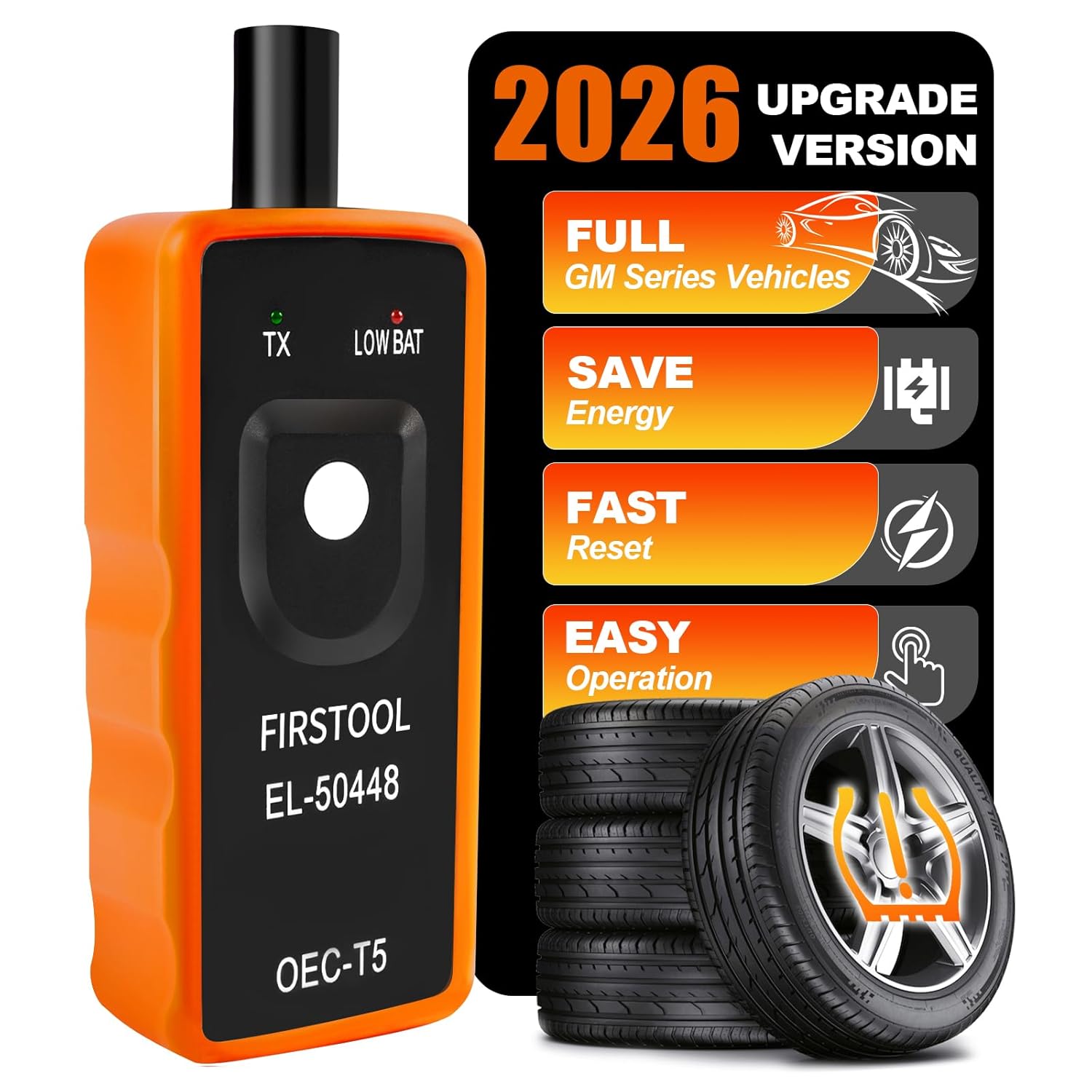
This EL-50448 TPMS relearn tool helps quickly activate and reset tire pressure sensors so your vehicle’s monitoring system stays accurate after tire rotations, sensor replacement, or seasonal tire changes. Designed for many GM-related vehicles and compatible with common 315 and 433 MHz TPMS systems, it offers simple one-button operation and reliable performance for clearing warning lights and relearning sensor positions.

This GM TPMS relearn tool helps reset tire sensors, clear warning lights, and match tire positions after rotation quickly at home. Designed for Chevrolet, GMC, Cadillac, and Buick vehicles, it offers one-button operation, fast activation, and broad compatibility with many GM models. It is best suited for OE/OEM sensors and includes paper instructions plus video guidance for easier DIY use.

BlueDriver Pro turns your phone or tablet into a powerful vehicle diagnostic scanner with wireless Bluetooth connectivity and no subscription fees. It reads and clears enhanced trouble codes for systems like ABS, SRS, Airbag, TPMS, and Transmission, while also providing technician-verified repair reports, live data, freeze frame views, smog readiness checks, and Mode 6 test results. Built for broad coverage on gas vehicles sold in North America, it offers professional-grade diagnostics with easy setup and 24/7 North American support.
Check the Light Behavior and Dashboard Message
Start the Camry on level ground and look at the instrument cluster. If the slip indicator only flashes while accelerating on a slippery surface, the system may be active rather than broken. If it stays on, check for messages such as “TRAC OFF,” “Check VSC System,” “ABS,” “Brake,” “TPMS,” or “Check Engine.”
If TRAC was turned off, turn it back on using the traction control switch according to the owner’s manual. If the light returns immediately or appears with other warning lights, continue diagnosing.
Check Tires Before Scanning
Inspect all four tires while they are cold. Set pressure to the driver-door placard specification, not the number molded into the tire sidewall. Federal TPMS wording also tells owners to check tires cold and inflate them to the vehicle placard or tire inflation label, and the TPMS standard explains that the warning system is not a replacement for proper tire maintenance.
Also confirm all four tires are the same size and similar tread depth. A low tire, wrong-size replacement, temporary spare, or mismatched tire set can change wheel-speed readings and reduce available grip.
Pro Tip: If the traction light appeared right after tire rotation, new tires, brake work, axle work, or wheel bearing replacement, inspect that corner first. A loose sensor connector or damaged encoder ring is a common post-service problem.
Check Diagnostic Trouble Codes
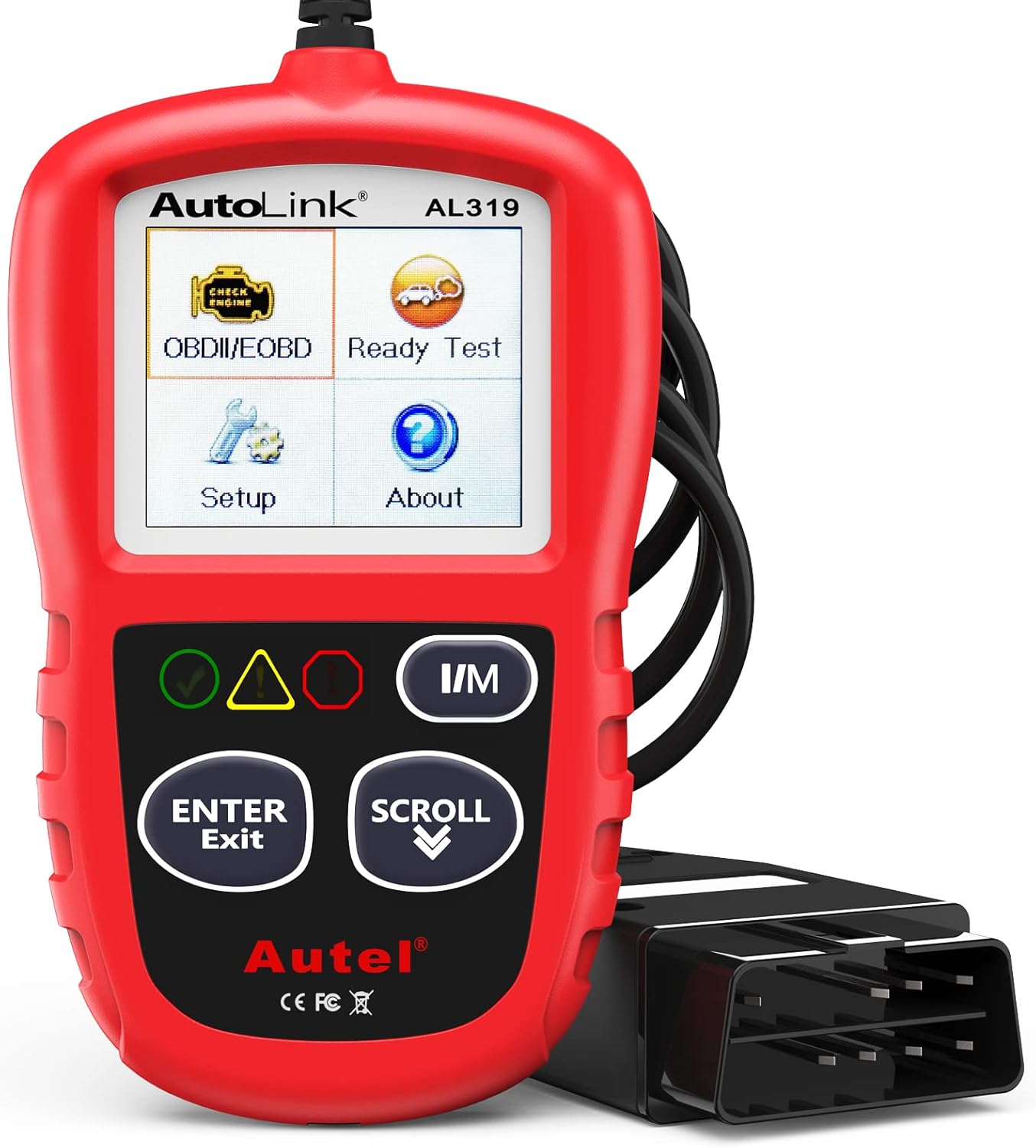
Use an ABS/VSC-capable scan tool to check diagnostic trouble codes from the ABS, stability control, engine, and transmission modules. A basic engine-only OBD-II reader may miss the code that actually explains the traction control light.
Do not replace parts based only on a generic code name. Toyota code definitions and test steps can vary by model year, engine, hybrid/non-hybrid system, and module. Write down the exact codes, freeze-frame data, and which module stored each code before clearing anything.
Inspect Wheel Speed Sensors
After scanning for codes, inspect the wheel speed sensor and wiring at the wheel named by the code. Look for dirt, metal debris, corrosion, cracked insulation, stretched harnesses, loose connectors, or damage near the hub, CV axle, or brake components.
Also inspect the tone ring or magnetic encoder area if accessible. A cracked tone ring, damaged wheel bearing encoder, or heavy rust can interrupt the signal and make the control module think one wheel is slipping.
Evaluate Electrical Connections Thoroughly
Electrical checks matter because traction control depends on fast, clean sensor data. Inspect the under-hood and under-dash fuse boxes for ABS or brake-related fuses, then check connectors for moisture, corrosion, or broken locking tabs. If you know how to use a multimeter, test power, ground, and continuity only with the correct wiring diagram for your Camry.
The Role of Wheel Speed Sensors in Traction Control
Wheel speed sensors tell the Camry how fast each wheel is rotating. The traction control system compares those signals to detect wheel spin. If one drive wheel accelerates much faster than the others, the system can reduce engine torque or apply braking through the ABS system to help restore grip.
That is why a single damaged sensor, dirty connector, or bad hub encoder can switch on the traction control, ABS, or stability warning. Symptoms may include a steady slip light, ABS light, traction control disabled message, inconsistent speed readings on a scan tool, or warning lights that appear after hitting a pothole or driving through heavy water.
Cleaning the sensor area may help if the issue is debris, but a sensor with damaged wiring or an internal fault usually needs replacement. Always compare live wheel-speed data during a test drive when possible. Guessing by appearance alone can lead to replacing the wrong part.
How ABS Systems and Traction Control Work Together
Your Camry’s anti-lock braking system, traction control, and stability control are separate functions, but they share important hardware and data. ABS helps prevent wheel lockup during hard braking. Traction control helps limit drive-wheel spin during acceleration. Stability control helps the vehicle stay closer to the driver’s intended path during a skid or sudden maneuver.
A NHTSA functional safety report discusses conventional hydraulic braking systems that include ABS, traction control, and electronic stability control. In real-world diagnosis, that shared foundation matters because one sensor, brake hydraulic, wiring, voltage, or communication problem can turn on more than one warning light.
For example, a failed wheel speed sensor may disable ABS and traction control together. A stored engine fault can also reduce or disable traction/stability functions until the root engine code is fixed.
A steady traction control warning is not just an annoyance. It can mean the system may not be available when the road suddenly gets wet, icy, or uneven.
How to Check Your Brake Fluid Levels
Brake fluid is part of the hydraulic brake system that ABS and traction control depend on. Low fluid can be a sign of worn brake pads or a leak, so treat it as a safety check rather than a simple top-off.
Visual Inspection Tips
Park on level ground, turn the engine off, and locate the brake fluid reservoir near the master cylinder. The fluid should sit between the “MIN” and “MAX” marks. If it is below the minimum line, do not keep driving normally until you inspect for leaks and brake wear.
Use only the brake fluid type listed in your Camry owner’s manual or reservoir cap. Do not mix random fluids, and do not use old fluid from an open container that may have absorbed moisture.
Checking Fluid Color
Fresh brake fluid is usually clear to light amber. Very dark, cloudy, or contaminated fluid can indicate age, moisture, or debris in the system. That does not always trigger a traction control light by itself, but poor brake-system condition can affect ABS performance and should be corrected.
Identifying Low Fluid Signs
Low brake fluid may come with a brake warning light, soft pedal, longer stopping distance, visible fluid near a wheel, or a wet master cylinder area. If you see any of these signs, have the brake system inspected. Adding fluid without repairing the leak or worn components can hide the real problem.
What to Do When Traction Control Light Is On?
Use the table below to decide your next step. The safest fix is the one that matches the exact symptom, not the most common part mentioned online.
| What You See | Most Likely Meaning | What To Do |
|---|---|---|
| Slip light flashes only on slippery roads | System is actively limiting wheel spin | Drive smoothly; no repair is usually needed unless the light stays on afterward |
| “TRAC OFF” or traction-control-off message | Traction control may be switched off | Turn TRAC back on using the owner’s manual procedure |
| Traction/slip light stays on by itself | Stored traction, stability, or sensor fault | Check tires, then scan ABS/VSC and engine modules |
| Traction light plus ABS light | ABS-related fault may disable traction control | Avoid hard driving and diagnose the ABS system |
| Traction light plus check-engine light | Powertrain fault may disable VSC/TRAC | Scan engine and ABS/VSC modules before replacing sensors |
| Traction light plus TPMS light | Tire pressure or TPMS fault may also be present | Check cold tire pressure, tire size, and TPMS messages |
| Traction light plus brake warning or poor braking | Possible brake-system safety issue | Stop normal driving and get professional inspection |
If the car drives normally and only the traction light is on, drive gently to a safe place and avoid hard acceleration, high speeds, and slippery roads until you know the cause. If braking feels different, the red brake light is on, or the car loses power, treat the issue as urgent.
[Products Worth Considering]

This TPMS sensor training tool is designed for Ford, Lincoln, and Mercury vehicles with compatible tire pressure sensors, helping activate sensors after tire rotations or sensor replacement. It supports relearning and warning light reset workflows with a simple one-button operation, making tire pressure maintenance easier and faster. Built for reliable use and broad vehicle compatibility, it is a practical accessory for TPMS service and sensor activation.

The BLCKTEC 440 Bluetooth OBD2 scanner helps drivers and DIY mechanics quickly read and clear trouble codes, monitor live data, and check emissions readiness with confidence. Its color display, graphing capabilities, and battery and charging system testing make it a versatile diagnostic tool for OBD-compliant vehicles. Designed for plug-and-play convenience, it runs directly from your vehicle and includes support for report sharing and ongoing updates.

This plug-and-play OBD2 scanner helps drivers quickly read and clear engine error codes while providing live data, freeze frame information, I/M readiness, and MIL status for more confident troubleshooting. It adds a built-in voltage test and clear status indicators to support electrical checks and faster diagnostics, making it a practical choice for home users, car enthusiasts, and repair professionals. Compatible with most OBDII vehicles since 1996 and designed with an easy-to-use interface, it offers broad coverage and simple operation in one compact tool.
Can You Reset the Camry Traction Control Light?
You can sometimes turn the light off by switching TRAC back on, correcting tire pressure, repairing the fault, and clearing codes with a proper scan tool. A reset is not a repair by itself. If you clear the codes before recording them, you may erase the best clue to the real problem.
Do not disconnect the battery just to “reset” the light. That can erase useful diagnostic data, disturb readiness monitors, and leave the original fault untouched. Record codes first, fix the cause, clear codes only after the repair, test drive the Camry, then rescan ABS/VSC and engine modules to confirm the warning does not return.
How to Spot Electrical Issues Impacting Your Traction Control
Electrical problems can mimic failed sensors, especially when warning lights appear after rain, car washing, potholes, a weak start, or recent repair work. Check these areas:
- Wheel sensor harnesses: Look for rubbed, stretched, pinched, or broken wires near the strut, hub, and brake hose.
- Connectors: Unplug only when safe to do so, and look for bent pins, corrosion, water intrusion, or loose locks.
- Fuses: Check ABS, brake, and ECU-related fuses with the fuse diagram for your model year.
- Battery voltage: A weak battery or charging issue can create multiple warning lights. Test the battery if the light appears after a slow start.
- Ground points: Rusty or loose grounds can interrupt communication between modules.
If you find damaged wiring, repair it properly with automotive-grade methods. Twisting wires together or using poor crimp connectors near the wheel well can create repeat failures.
Common Fixes for Traction Control Problems
The correct repair depends on the diagnostic codes and live data, but common fixes include:
- Turning TRAC/VSC back on if it was disabled accidentally.
- Inflating tires to the placard pressure and replacing mismatched or badly worn tires.
- Cleaning debris from a wheel speed sensor area.
- Replacing a failed wheel speed sensor or repairing its wiring.
- Repairing a damaged tone ring, wheel bearing encoder, hub, or axle component.
- Fixing ABS hydraulic-control, fuse, relay, or module communication faults.
- Repairing the engine or transmission fault that caused VSC/TRAC to shut down.
- Correcting low brake fluid, worn pads, leaks, or contaminated brake fluid.
- Checking open recalls by VIN through the NHTSA recall lookup and reviewing the owner’s manual for model-year-specific warnings.
After repairs, clear the codes with the scan tool, test drive the car, and recheck all modules. If the same code returns, the first repair did not address the root cause.
[Products Worth Considering]

The FOXWELL NT301 is a plug-and-play OBD2 code reader designed to help drivers and home mechanics diagnose check engine light issues with ease. It reads fault codes, clears emissions-related warnings, displays live sensor data in graph form, and shows I/M readiness so you can quickly check vehicle status before an emissions test. With broad compatibility across many OBD2 vehicles and a clear color screen, it offers a practical, user-friendly way to monitor and troubleshoot engine performance.

The VXDAS TPA01 is a 2-in-1 TPMS relearn tool and digital tire pressure gauge designed for GM vehicles and other compatible cars. It helps quickly reset tire pressure sensors, check tire pressure accurately, and maintain proper inflation for safer driving. With simple operation, multiple pressure units, and automatic shutoff, it is a practical tool for DIY tire maintenance and sensor activation.

The ZMOON ZM201 is a plug-and-play OBD2 code reader designed to quickly diagnose check engine issues on compatible vehicles after 1996. It reads and clears engine fault codes, displays live data and freeze frame information, checks I/M readiness, and helps you identify problems before visiting a repair shop. With a color screen, intuitive controls, and built-in DTC database, it offers an easy-to-use solution for DIY drivers and car owners who want reliable engine diagnostics.
When to Seek Professional Help for Traction Control Issues
Basic checks are fine for tire pressure, TRAC status, and visible wiring damage. Professional diagnosis is smarter when the warning light is steady, returns immediately after clearing codes, or appears with other warning lights.
Schedule service if you notice any of these:
- The traction control light stays on after tire pressure and TRAC status are corrected.
- The ABS, brake, check-engine, TPMS malfunction, or hybrid-system warning appears at the same time.
- The brake pedal feels soft, low, hard, or inconsistent.
- The car loses power, shifts harshly, or enters limp mode.
- The light appeared after wheel bearing, axle, brake, tire, or suspension work.
- You hear grinding, clicking, or scraping near a wheel.
- Your scan tool cannot access ABS/VSC data.
A technician can compare live wheel-speed data, inspect the brake hydraulic system, test wiring under load, check service information for your exact year, and confirm whether software updates or recalls apply.
Frequently Asked Questions
Why is my traction control light on in my Toyota Camry?
Your Camry traction control light may be on because TRAC was turned off, a tire is underinflated or mismatched, a wheel speed sensor is dirty or faulty, the ABS/brake system has a fault, or the engine computer has stored a code that disables traction and stability control.
Can I drive my Camry with the traction control light on?
You may be able to drive carefully if the car brakes normally and only the traction light is on, but traction or stability assist may be unavailable. Do not drive normally if the light appears with ABS, brake, check-engine, poor braking, fluid leaks, harsh shifting, or loss of power.
Does a blinking slip light mean something is broken?
Not always. A blinking slip light during acceleration on rain, snow, gravel, or ice usually means the system is actively reducing wheel spin. A steady light, repeated warning message, or light that appears on dry pavement needs diagnosis.
Can low tire pressure turn on traction control?
Low tire pressure usually triggers the TPMS light, but it can also reduce traction and change wheel-speed behavior. Check and correct tire pressure first because tire problems can cause the traction system to intervene more often or make other warnings easier to misread.
Will a basic OBD-II scanner find the traction control problem?
Sometimes, but not always. A basic scanner may only read engine codes. For traction control, ABS, and stability faults, use a scanner that can access ABS/VSC modules and show live wheel-speed data.
How do I reset the Toyota Camry traction control light?
First, make sure TRAC is turned on, correct tire pressure, and repair any stored fault. Then clear codes with an ABS/VSC-capable scan tool and test drive the car. Do not disconnect the battery just to hide the warning because that may erase useful diagnostic data without fixing the cause.
Why are my ABS, traction control, and check-engine lights on together?
Those lights can appear together because the systems share data and control decisions. A wheel speed sensor fault can affect ABS and traction control, while an engine or transmission code can cause the car to disable TRAC/VSC until the powertrain issue is fixed.
Conclusion
If your Camry’s traction control light is on, start with the simple checks: confirm whether the light is blinking or steady, make sure TRAC is not turned off, check tire pressure and tire condition, and look for other warning lights. If the light stays on, scan the ABS/VSC and engine modules before replacing parts.
Fast diagnosis protects your braking, traction, and stability systems. It can also keep a small tire, sensor, wiring, or code issue from becoming a more expensive repair.
Sources
- Toyota Owners – 2025 Camry Hybrid Driving Assist Systems – supports TRAC, stability control, ABS, and driver-assist behavior.
- Toyota Owners – Warning Lights and Indicators – supports model-specific warning-light interpretation.
- Toyota Owners – Manuals and Warranties – supports checking the correct Camry owner’s manual by model year.
- eCFR – 49 CFR 571.138 Tire Pressure Monitoring Systems – supports tire placard pressure and TPMS warning guidance.
- NHTSA – Functional Safety Assessment of Hydraulic Braking Systems With ABS, TCS, and ESC – supports the relationship between ABS, traction control, and electronic stability control.
- NHTSA – Vehicle Recall Lookup – supports checking for open safety recalls by VIN.


[…] If a warning appeared after tire replacement, brake work, suspension work, battery replacement, or wheel alignment, tell the technician what work was performed. For a dedicated diagnostic sequence, see the Camry traction-control-light causes and fixes guide. […]