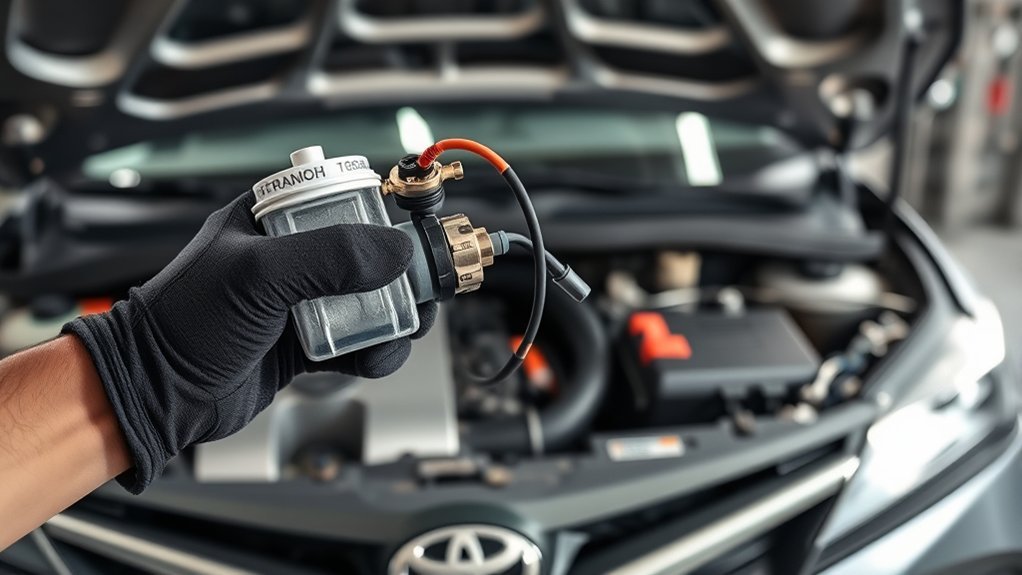
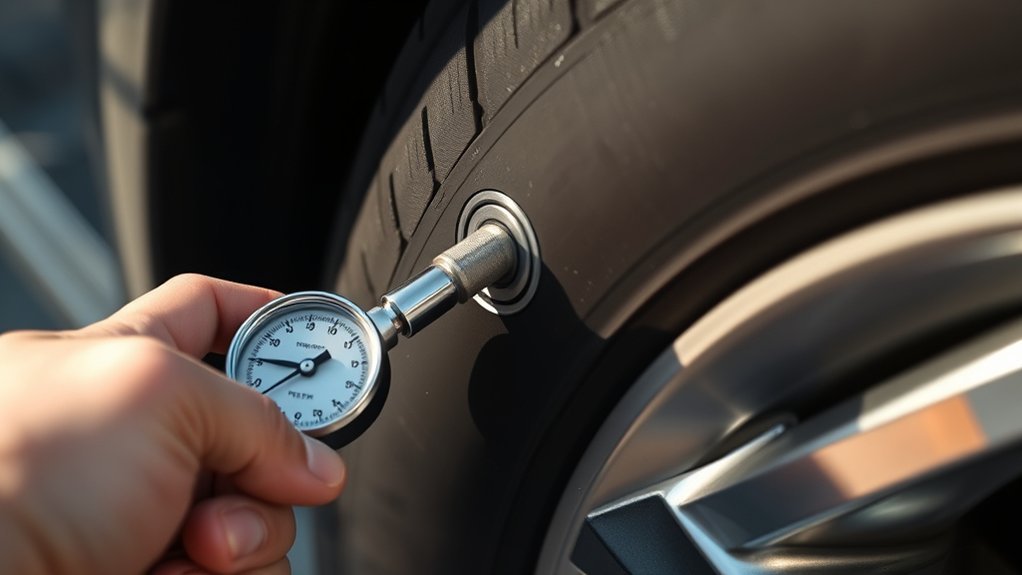
Cabin air filters and engine air filters sound similar, but they protect two different parts of your vehicle. The cabin air filter cleans air before it enters the passenger area through the heating and A/C system. The engine air filter cleans air before it enters the engine for combustion. Both are inexpensive maintenance items, but they cause different symptoms when they get dirty.
Quick Answer
A cabin air filter protects the people inside the vehicle by filtering air for the HVAC system. An engine air filter protects the engine by filtering intake air for combustion. Replace either filter according to your owner’s manual, or sooner if you drive in dusty, smoky, sandy, or high-pollen conditions.
Key Takeaways
- Cabin air filter: Cleans air entering the passenger compartment and can affect airflow, odors, A/C performance, and defrosting.
- Engine air filter: Cleans air entering the engine and can affect acceleration, drivability, and engine protection.
- Replacement intervals vary: Many vehicles fall around 12,000–30,000 miles, but your owner’s manual is the best source.
- Modern MPG note: On most modern fuel-injected or diesel vehicles, a clean engine air filter improves performance more than fuel economy.
- DIY-friendly: Many engine and cabin filters can be replaced at home with basic tools, but some cabin filters require more disassembly.
At a Glance
| Time Required | 5–20 minutes for many vehicles; longer if panels or screws must be removed |
| Difficulty | Easy to moderate, depending on filter location |
| Tools Needed | Owner’s manual, replacement filter, gloves, flashlight, and sometimes a screwdriver |
| Cost | Often about $10–$80 for an engine air filter and $15–$50 for a cabin air filter, depending on vehicle and filter type |
Understanding Cabin Air Filters and Their Role

The cabin air filter is part of your vehicle’s heating, ventilation, and air conditioning system. Its job is to help trap dust, pollen, soot, leaves, bugs, and other debris before that air reaches the passenger compartment. The Car Care Council explains that cabin filters help clean air entering the passenger area and can also help protect the HVAC system from debris (Car Care Council).
Cabin air filters are commonly found behind the glove box, under the dashboard, or under the hood near the windshield cowl. A clogged cabin filter can cause weak airflow, musty odors, dusty vents, poor A/C or heating performance, and slower window defrosting. That last symptom matters because a blocked cabin filter can make it harder for the climate-control system to clear fogged windows when visibility is poor (RepairPal).
Note: A cabin air filter does not clean air that is already inside the cabin forever. It mainly filters incoming outside air and, on some HVAC settings, recirculated air. If odors remain after replacement, the evaporator case, vents, or blower area may also need cleaning.
How the Engine Air Filter Affects Performance and Engine Protection
The engine air filter sits in the intake system, usually inside a plastic air cleaner box under the hood. It filters air before the engine uses that air for combustion. A clean filter helps the engine breathe properly and helps keep abrasive dirt away from internal parts.
When the engine air filter gets very dirty, airflow can become restricted. That may lead to sluggish acceleration, reduced power, rough running, unusual intake noises, or a check-engine light in more severe cases. However, the fuel-economy effect is often misunderstood. FuelEconomy.gov states that replacing a clogged air filter on modern fuel-injected gasoline vehicles or diesel vehicles does not improve MPG, although it can improve acceleration. Older carbureted vehicles are different and may see fuel-economy improvement when a clogged filter is replaced.
For most modern vehicles, think of the engine air filter as a performance and engine-protection item first, not a guaranteed fuel-saving fix.
Key Differences Between Cabin and Engine Air Filters
The easiest way to remember the difference is simple: the cabin air filter protects you; the engine air filter protects the engine.
| Feature | Cabin Air Filter | Engine Air Filter |
|---|---|---|
| Main job | Filters air entering the passenger compartment | Filters intake air entering the engine |
| Common location | Behind glove box, under dash, or near windshield cowl | Under hood inside the air cleaner housing |
| Dirty-filter signs | Weak vents, odors, dust, noisy blower, slow defrosting | Sluggish acceleration, rough running, intake noise, dirty filter media |
| Typical interval | Often 12,000–30,000 miles or 1–2 years, depending on vehicle and conditions | Often 15,000–30,000 miles, sooner in dusty or sandy conditions |
| DIY difficulty | Easy on many vehicles, but some require removing panels | Usually easy because the air box is under the hood |
Key Functions of Filters
- Cabin air filter: Helps reduce dust, pollen, soot, odors, leaves, and other debris entering the HVAC system.
- Engine air filter: Helps prevent dirt and grit from entering the engine intake.
- Airflow control: Both filters need enough clean surface area to let air pass through without excessive restriction.
- System protection: A clean cabin filter supports HVAC airflow, while a clean engine filter supports drivability and engine protection.
Location and Accessibility
The engine air filter is usually easier to find. Open the hood and look for a rectangular or round air cleaner housing connected to the intake tube. The housing may use clips, screws, or bolts.
The cabin air filter can take a little more searching. Many are behind the glove box, but some are under the dashboard or under the hood. Always check your owner’s manual before pulling on trim pieces, because tabs and dampers can break if they are forced.
Replacement Frequency Differences
There is no single interval that fits every vehicle. A Mazda maintenance schedule, for example, lists cabin air filter replacement at 48,000 km or 30,000 miles or 2 years for a current CX-5 schedule, while also noting that dusty or sandy operation can require more frequent air-filter service (Mazda USA). Other vehicles and service schedules may call for shorter intervals.
- Normal driving: Follow the mileage and time interval in your owner’s manual.
- Dusty, sandy, smoky, or high-pollen areas: Inspect both filters more often.
- Urban soot or wildfire smoke: Cabin filters may clog or absorb odors sooner.
- Off-road driving: Engine filters may need inspection much more often.
When to Replace Your Cabin and Engine Air Filters?

Replace your filters when the maintenance schedule calls for it, when the filter is visibly dirty, or when symptoms appear. If you are not sure when the last owner replaced them, checking both filters is a smart first step because they are usually inexpensive and quick to inspect.
| Filter Type | Common Replacement Range | Replace Sooner If You Notice |
|---|---|---|
| Engine Air Filter | Often 15,000–30,000 miles, depending on vehicle and conditions | Dirty pleats, reduced acceleration, rough running, dusty driving |
| Cabin Air Filter | Often 12,000–30,000 miles or 1–2 years, depending on vehicle and conditions | Weak airflow, musty odor, dusty vents, slow defrosting |
| Regular Inspection | Check during oil changes or seasonal maintenance | Heavy pollen, smoke, sand, construction dust, off-road use |
Pro Tip: Write the replacement date and mileage on the edge of the new filter or in your maintenance log. It makes the next inspection much easier.
[Products Worth Considering]

This cabin air filter replacement helps keep the air inside your vehicle cleaner and fresher for driver and passengers. Designed for broad fitment across Toyota, Lexus, Subaru, and Mazda models, it supports improved HVAC performance and includes soda and carbon filtration for odor reduction. It is a practical maintenance part with a recommended replacement interval for continued cabin comfort.

Bosch 6029C HEPA cabin air filter is designed to help keep your vehicle’s passenger compartment filled with clean, fresh, odor-free air. Its dense HEPA media and electrostatic layer are engineered to capture fine particles while the added cotton layer supports higher filtration capacity. Built with structural ribs for stability, it helps maintain filter shape and airflow performance over time.

EPAuto CP134 is a premium cabin air filter designed to help keep the air inside your vehicle cleaner and fresher. It includes activated carbon to help reduce odors and support a more comfortable ride for drivers and passengers. Built as a replacement option for many Honda and Acura models, it offers broad compatibility and dependable cabin air filtration.
Signs Your Cabin Air Filter Needs Replacement
A dirty cabin air filter usually shows up as an HVAC or comfort problem before it becomes a major repair issue. Watch for these common signs.
Weak Airflow Through Vents
Weak airflow from the vents is one of the most common signs of a clogged cabin air filter. The blower motor may be working, but air cannot pass through the filter easily. You may notice the A/C feels less cold, the heater feels weaker, or the fan must be set higher than usual.
Unpleasant Odors Inside Cabin
Musty, dusty, or stale smells can come from debris and moisture trapped in the filter or HVAC case. Replacing the filter often helps, but strong odors may also require cleaning the evaporator area or checking for water leaks.
Visible Dirt on Filter
If the filter pleats are packed with dust, leaves, bugs, soot, or pollen, replace the filter. Do not judge only by mileage. A vehicle driven through wildfire smoke, farm roads, construction zones, or heavy pollen can clog a cabin filter much faster than a vehicle driven in cleaner conditions.
What Happens When Your Engine Air Filter Gets Clogged?
A clogged engine air filter restricts intake airflow. At first, you may not notice much. As the filter gets worse, the engine may feel less responsive, especially during acceleration or climbing hills. In severe cases, restricted airflow can contribute to rough running, hesitation, or a check-engine light.
On modern vehicles, the engine computer can often adjust the fuel mixture, which is why a clean filter is not a guaranteed MPG fix. Still, it matters for drivability and protection. A clean, properly fitted filter helps keep abrasive dirt away from the intake tract and engine.
Warning: Do not drive without the engine air filter installed. Even a short drive can let dirt, sand, or debris enter the intake system. Also make sure the air box is fully closed after replacement.
[Products Worth Considering]
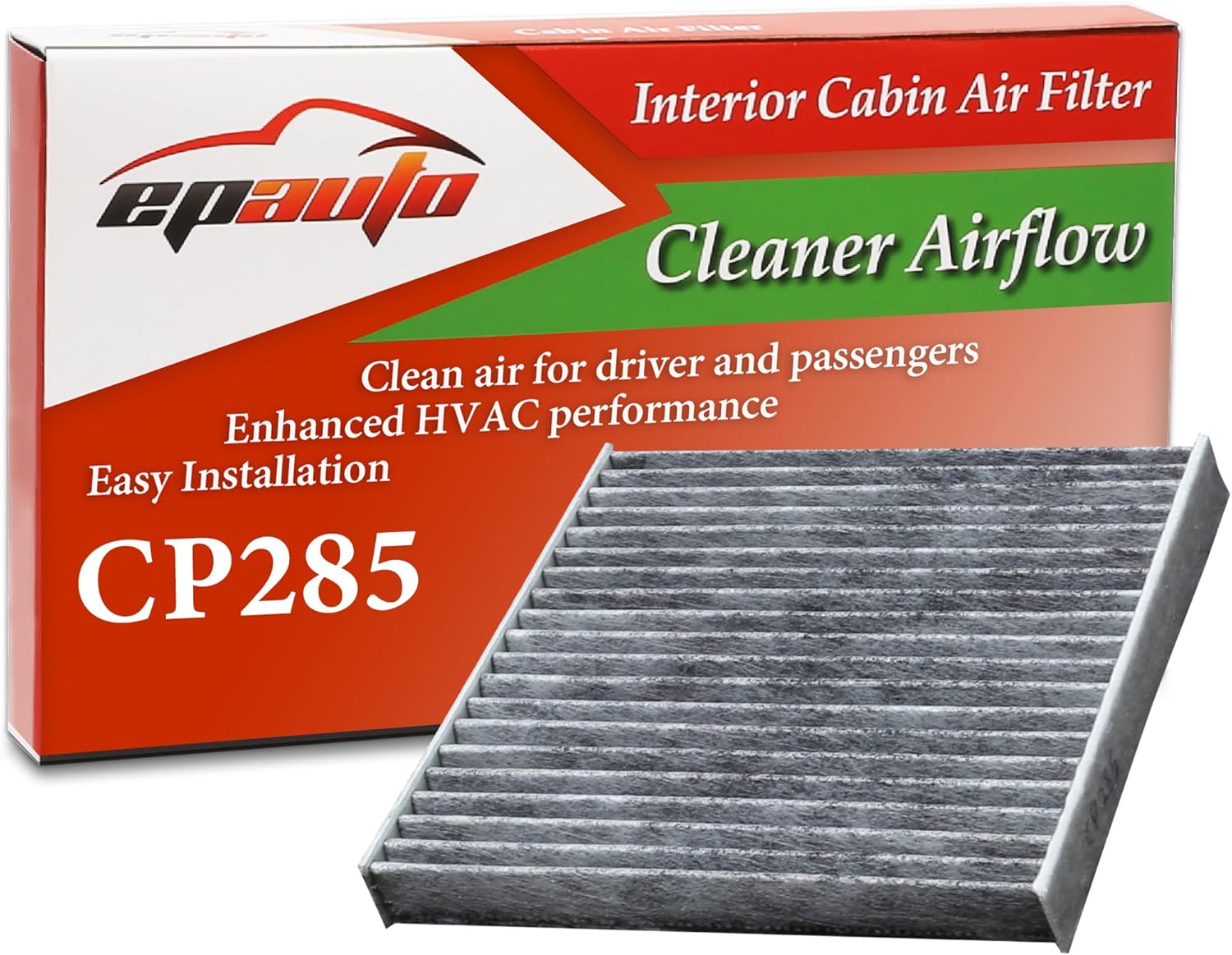
EPAuto CP285 premium cabin air filter helps keep the vehicle interior air cleaner by trapping dust and supporting fresh airflow through the HVAC system. It includes activated carbon and soda to help reduce odors while promoting better cabin comfort for drivers and passengers. Designed as a replacement filter for a wide range of compatible vehicles, it is recommended to replace it regularly for consistent performance.

This cabin air filter with activated carbon helps improve in-cabin air quality by trapping dust, pollen, and other airborne contaminants while reducing unwanted odors. Designed as a replacement for a wide range of Honda and Acura vehicles, it offers broad fitment coverage and reliable compatibility. It is an easy maintenance upgrade for fresher, cleaner airflow through the vehicle's climate system.

ENGINE PERFORMANCE: Helps maintain clean airflow to support consistent power, efficiency, and reliable engine operation. Designed for everyday driving, the filter helps your engine receive the air it needs for dependable performance mile after mile.
Can You Replace Air Filters Yourself?

Yes, many vehicle owners can replace both filters themselves. The exact process depends on the vehicle, so check your owner’s manual first. Auto parts stores and repair guides can also help you match the correct filter by year, make, model, engine, and trim.
How to Replace an Engine Air Filter
- Turn off the engine and let the engine bay cool if the vehicle was recently driven.
- Find the air cleaner housing under the hood. It is usually connected to the intake tube.
- Open the housing by releasing clips or removing screws.
- Lift out the old filter and note how it sits in the housing.
- Remove loose debris from the housing without pushing dirt into the intake tube.
- Install the new filter so it seals evenly around the edges.
- Close the housing fully and confirm all clips, screws, and intake connections are secure.
How to Replace a Cabin Air Filter
- Find the filter location in the owner’s manual. Common spots include behind the glove box, under the dash, or near the windshield cowl.
- Remove the access cover carefully. If the glove box drops down, support it so tabs do not snap.
- Slide out the old filter and pay attention to the airflow arrow.
- Clean loose leaves or debris from the access area.
- Install the new filter with the airflow arrow pointing in the correct direction.
- Reinstall the cover and glove box before testing the fan speeds.
Note: Cabin filters are often directional. If the airflow arrow is installed backward, airflow can drop and the filter may not seal correctly.
Choosing the Right Filter Type
Not every replacement filter is the same. Choose a filter that fits your vehicle and your driving conditions.
- Standard paper or synthetic filters: Good everyday option for most drivers.
- Activated carbon cabin filters: Help reduce some odors and fumes in addition to dust and pollen.
- HEPA-style cabin filters: Designed for finer particle capture, but they must fit correctly and allow proper airflow.
- Reusable or oiled engine filters: Can be washable, but they require correct cleaning and oiling. Too much oil can contaminate sensors on some vehicles.
The safest choice is the filter type recommended for your exact vehicle. If you have allergies, drive in heavy traffic, or often deal with smoke or dust, a higher-quality cabin filter may be worth the extra cost.
[Products Worth Considering]

Compatible Replacement: Our cabin air filter is compatible with Hyundai: Elantra (2021-2026), Elantra N (2022-2026), Ioniq 5 (2022-2026), Ioniq 5 N (2025-2026), Ioniq 6 (2023-2025), Ioniq 9 (2026), Kona (2024-2026), Kona Electric (2024-2026), Santa Cruz (2022-2026), Santa Fe (2021-2026), Sonata (2020-2026), Tucson (2022-2026). KIA: EV6 (2022-2026), EV9 (2024-2026), K4 (2025-2026), K5 (2021-2026), Niro(2023-2026), Niro EV (2023-2026), Sorento (2021-2026), Sportage (2023-2026). Genesis: GV60 (2023-2026). Replacement for FRAM: CF12820, Hyundai: 97133-N9100, Hyundai: 97133-L1000, Hyundai: 97133-L0000, Premium Guard: PC99554P, LUBER-FINER: CAF10079P.
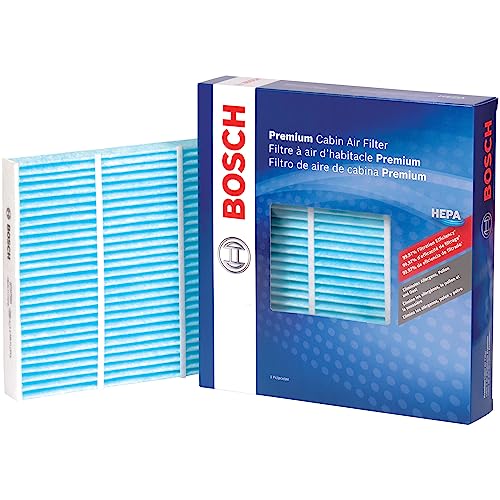
Bosch High Efficiency Cabin Air Filters are designed to provide your vehicle with the ultimate in clean, fresh, odor-free air for you and your family

【Compatible with】Air filter accessories are specifically designed for Tesla, compatible with 2016 2017 2018 2019 2020 2021 2022 2023 2024 2025 2026 Tesla model 3, 2020 2021 2022 2023 2024 2025 2026 Tesla model Y. It’s tailored to fit the unique structure of Tesla 3/Y, fully matching the interior air intake system of these models—unlike generic car air filters, it ensures seamless integration with your vehicle’s air conditioning (or conditioner) system for optimal performance.
Tips for Maintaining Your Air Filters Effectively
Good filter maintenance is simple: inspect regularly, replace on schedule, and respond to symptoms early. Check both filters during oil changes, before road trips, after off-road driving, and after long periods of smoke, dust, or pollen exposure.
- Use the correct part number. Filters that almost fit can leak around the edges.
- Check the seal. Engine air filters must sit flat inside the housing.
- Do not ignore odors. A new cabin filter may not fix mold or moisture inside the HVAC case.
- Inspect after severe conditions. Dust, sand, wildfire smoke, and leaves can shorten filter life.
- Keep receipts. Maintenance records help with resale and warranty documentation.
If Problems Remain After Replacement
If symptoms remain after replacing the filter, the filter may not be the only issue.
- Weak cabin airflow: Check for blocked vents, blower motor problems, a clogged evaporator, or a filter installed backward.
- Musty smell: Look for moisture in the HVAC box, dirty evaporator fins, or a clogged A/C drain.
- Poor acceleration: Check spark plugs, fuel delivery, sensors, intake leaks, or other engine issues.
- Check-engine light: Scan the vehicle for diagnostic trouble codes instead of assuming the air filter is the cause.
Frequently Asked Questions
Does an engine air filter affect cabin air?
No, not directly. The engine air filter cleans air going into the engine, while the cabin air filter cleans air entering the passenger compartment. A dirty engine filter can affect drivability, but it does not filter the air you breathe inside the cabin.
Are there two different air filters in a car?
Most modern vehicles have at least two air filters: an engine air filter and a cabin air filter. Some vehicles may have more filters depending on the HVAC design, engine type, or aftermarket equipment.
Do I need to change both the cabin and engine air filter?
Yes, both filters should be inspected and replaced as needed because they do different jobs. The cabin filter affects interior air quality and HVAC airflow. The engine filter affects intake airflow, drivability, and engine protection.
Can a dirty cabin air filter make my A/C weak?
Yes. A clogged cabin filter can restrict air moving through the HVAC system, making the A/C or heater feel weak even when the blower motor is running.
Can a dirty engine air filter trigger a check-engine light?
It can in some cases, especially if airflow is severely restricted or intake parts are not reinstalled correctly. However, many issues can trigger a check-engine light, so scanning the diagnostic codes is the right next step.
Conclusion
Cabin and engine air filters are easy to confuse, but they have separate jobs. The cabin air filter helps keep the air inside your vehicle cleaner and supports HVAC airflow. The engine air filter helps protect the engine and maintain proper intake airflow. Check your owner’s manual, inspect both filters regularly, and replace them sooner when driving conditions are dusty, smoky, sandy, or pollen-heavy. Clean filters are a small maintenance step that can make your vehicle more comfortable, responsive, and reliable.
Sources
- FuelEconomy.gov — Gas Mileage Tips: Keeping Your Vehicle in Shape — supports the corrected modern-engine air filter and MPG guidance.
- Car Care Council — Cabin and Engine Air Filter Guidance — supports cabin filter function and contaminant protection.
- Mazda USA — 2025 CX-5 Scheduled Maintenance — supports model-specific cabin filter intervals and dusty/sandy condition notes.
- RepairPal — Signs of a Bad Cabin Air Filter — supports cabin filter symptoms, defrosting concerns, and DIY accessibility.
- AutoZone — Engine Air Filter vs. Cabin Air Filter — supports filter location, common cost ranges, symptoms, and basic replacement guidance.