
What’s in This Article
- Understanding the RAV4 Hybrid Battery Cooling System
- Essential Parts of the RAV4 Hybrid Battery Cooling System
- Why Maintaining Optimal Battery Temperature Matters
- Signs Your Battery Cooling System Needs Attention
- Routine Checks for Your Battery Cooling System
- Troubleshooting Common Battery Cooling Issues
- Benefits of Regular Maintenance for Battery Cooling Systems
- When to Seek Professional Help for Your Hybrid Battery
- Frequently Asked Questions
Your RAV4 Hybrid battery depends on clean airflow, steady temperature control, and quick attention to warning signs. A clogged cooling filter or blocked vent can raise battery heat and reduce hybrid performance.
The standard RAV4 Hybrid uses cabin air, a cooling fan, and a filter. The RAV4 Prime, now called the RAV4 Plug-in Hybrid in newer Toyota marketing, uses more complex heat pump and cooling hardware. This guide explains how the system works, what you can check, and when you need a trained hybrid technician.
Quick Answer
- The standard RAV4 Hybrid uses an air-cooled system with a dedicated fan and filter to manage high-voltage battery temperature.
- The RAV4 Prime, also called the RAV4 Plug-in Hybrid in newer model-year marketing, uses a more complex heat pump and battery cooling setup.
- Toyota service guidance recommends checking the high-voltage battery intake filter for lint, dust, and debris every 5,000 miles and cleaning it every 20,000 miles when needed.
- Toyota backs every hybrid battery with a 10-year/150,000-mile limited warranty, whichever comes first, but clean airflow can still help reduce heat stress over time.
- If you notice warning lights, poor fuel economy, erratic battery readings, or loud fan noise, ask a qualified hybrid technician to inspect the cooling system.
Key Takeaways
- Keep the rear battery intake area clear so the cooling fan can pull in enough cabin air.
- Inspect the high-voltage battery cooling filter more often if you drive with pets, dust, or lint-heavy cargo.
- Treat any hybrid battery cooling warning as an airflow or system fault until a technician confirms the cause.
- Do not open the high-voltage battery case or service RAV4 Prime refrigerant parts yourself.
- Use your owner’s manual and Toyota service guidance for the maintenance interval that matches your model year.
Understanding the RAV4 Hybrid Battery Cooling System
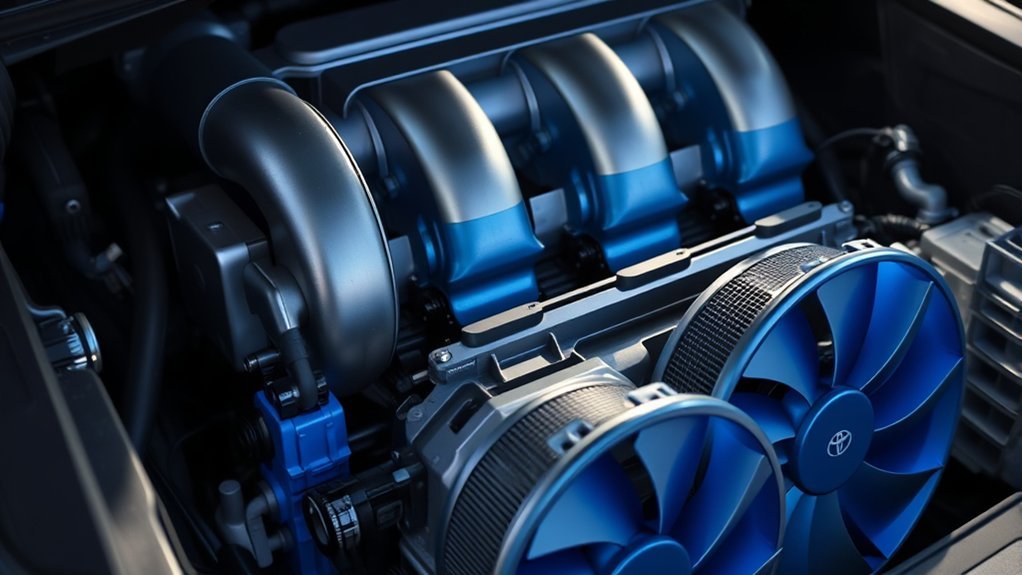
The RAV4 Hybrid family uses thermal management to keep the high-voltage (HV) battery within a safe working range. The standard RAV4 Hybrid pulls cabin air through an intake filter, then a blower fan moves that air across the battery area.
The RAV4 Prime uses more advanced heating, ventilation, and air conditioning (HVAC) hardware. Toyota also renamed the Prime as the RAV4 Plug-in Hybrid for newer model-year marketing, so you may see both names online and in service records.
Note: Toyota service details can vary by model year and market, so always match repair steps to your exact VIN.
Whether you drive the standard hybrid or plug-in hybrid model, heat control matters. Clean filters, open vents, and quick service help protect battery performance during heavy driving, hot weather, and long uphill climbs.
Essential Parts of the RAV4 Hybrid Battery Cooling System
Your RAV4 battery cooling system uses different parts based on the powertrain. Standard hybrids focus on cabin-air cooling. Plug-in hybrid models use more complex HVAC and battery cooling hardware.
Key Components in Standard RAV4 Hybrid Models
The standard RAV4 Hybrid uses a cooling fan to help regulate the HV battery pack’s temperature. The fan pulls cabin air through a cooling intake filter, which helps stop dust, lint, pet hair, and debris from entering the system.
Temperature sensors monitor battery heat and help the control system decide when to run the fan. A clogged filter restricts airflow, raises battery temperature, and can reduce hybrid performance.
How the Cooling System Operates
In standard RAV4 Hybrid models, the cooling fan draws air from inside the cabin. That means blocked vents, dirty filters, and pet hair can affect battery cooling.
In RAV4 Prime and RAV4 Plug-in Hybrid models, Toyota uses an enhanced heat pump HVAC system to support efficient cabin temperature control in electric driving. Battery cooling parts and service procedures can differ from standard hybrid models, so plug-in hybrid cooling faults need proper diagnosis.
Why Maintaining Optimal Battery Temperature Matters
Battery temperature affects hybrid performance, fuel economy, and long-term reliability. Heat puts stress on battery cells, while poor airflow can make the cooling fan work harder than normal.
Toyota supports every Toyota hybrid battery with a 10-year/150,000-mile limited warranty, whichever comes first. Good cooling care can’t guarantee a specific battery lifespan, but it can help reduce preventable heat stress.
How Temperature Control Supports Battery Life
Clean airflow helps the battery stay within its normal operating range. That reduces the strain caused by heat during long drives, slow traffic, steep climbs, and hot weather.
Battery cooling maintenance helps by:
- Reducing heat buildup during heavy hybrid use.
- Helping the battery charge and discharge more smoothly.
- Limiting extra stress during hot or dusty driving conditions.
- Keeping air moving through clean vents and filters.
A working cooling system gives your hybrid system a better chance to perform as Toyota intended. Your maintenance routine matters most when the car often carries pets, luggage, or rear-seat cargo.
How Stable Battery Temperature Helps Performance
A stable battery temperature helps your RAV4 Hybrid deliver smoother power and better fuel economy. When the cooling system struggles, the vehicle may limit hybrid output to protect the battery.
Overheating can also reduce time spent in electric vehicle (EV) operation. Clean filters and open vents help your RAV4 use battery power more efficiently during daily driving.
Overheating Prevention Strategies
You can prevent many battery cooling problems with simple airflow habits. Start with the rear-seat intake area because it collects dust, lint, pet hair, and soft cargo.
- Check the battery cooling filter for visible dust, lint, and pet hair.
- Keep bags, jackets, blankets, and floor mats away from the battery intake vents.
- Watch for warning lights during hot weather, high-speed driving, and long climbs.
- Ask your mechanic to inspect the hybrid cooling system during routine service.
Signs Your Battery Cooling System Needs Attention
You can often catch cooling problems before they become expensive. A fan that sounds louder than usual may be working harder because the intake filter has a blockage.
Watch for sudden drops in fuel economy, erratic battery charge readings, or dashboard warnings. These signs can point to restricted airflow, a weak fan, or another cooling fault.
Toyota service guidance says dust, lint, and debris in the HV battery intake filter or cooling fan can reduce cooling system efficiency. A scan tool can also read battery temperature data and help a technician confirm the problem.
Routine Checks for Your Battery Cooling System
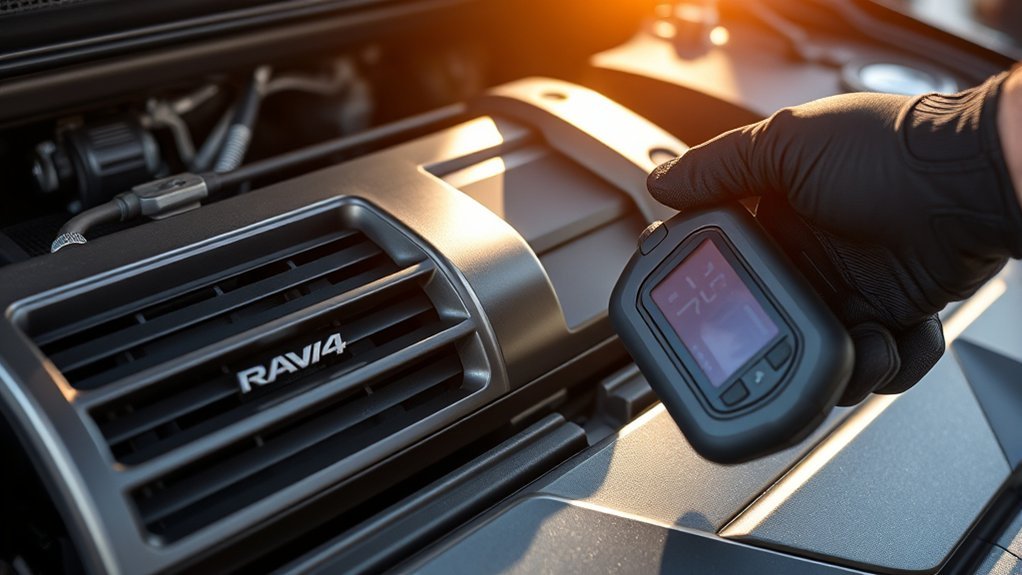
Monitoring your RAV4 Hybrid’s battery cooling system requires routine checks to avoid long-term wear. Toyota’s HV battery cooling service bulletin recommends intake filter inspection every 5,000 miles and cleaning every 20,000 miles when needed.
Routine checks keep the cooling system running smoothly and help you avoid expensive hybrid battery repairs.
- Inspect the battery cooling filter for dust, pet hair, lint, and debris.
- Clean the filter more often if you carry pets or drive on dusty roads.
- Keep bags, clothes, blankets, and cargo away from the rear-seat intake vents.
- Watch your dashboard for hybrid system warnings or battery temperature messages.
- Ask a hybrid technician to test the cooling fan if the warning returns after cleaning.
These checks help protect performance and battery health. They also give your mechanic better clues if the system needs deeper diagnosis.
Troubleshooting Common Battery Cooling Issues
Address battery cooling issues as soon as you notice them. If your dashboard shows a message about hybrid battery cooling parts, the system may have detected restricted airflow.
Your first step should involve the battery cooling filter and intake area. A clogged filter can reduce airflow enough to trigger warnings or force the fan to run harder.
If the filter looks clean but the fan still sounds loud, the fan motor, wiring, sensors, or cooling controls may need service. A dealership or hybrid repair shop can monitor battery temperature and test the fan operation.
Warning: Do not open the HV battery case or work on plug-in hybrid refrigerant lines without proper training and safety equipment.
Benefits of Regular Maintenance for Battery Cooling Systems
Battery cooling maintenance costs little compared with hybrid battery repair. Clean airflow helps prevent heat buildup and keeps the hybrid system from working harder than necessary.
Regular checks can help you gain these benefits:
- Better protection against heat-related battery stress.
- More stable fuel economy during hot weather and heavy driving.
- Fewer airflow warnings caused by dust, lint, or pet hair.
- Earlier detection of fan, sensor, or plug-in hybrid cooling faults.
A filter check takes only a few minutes on many models. Ignoring a cooling warning can create much larger repair risks.
When to Seek Professional Help for Your Hybrid Battery
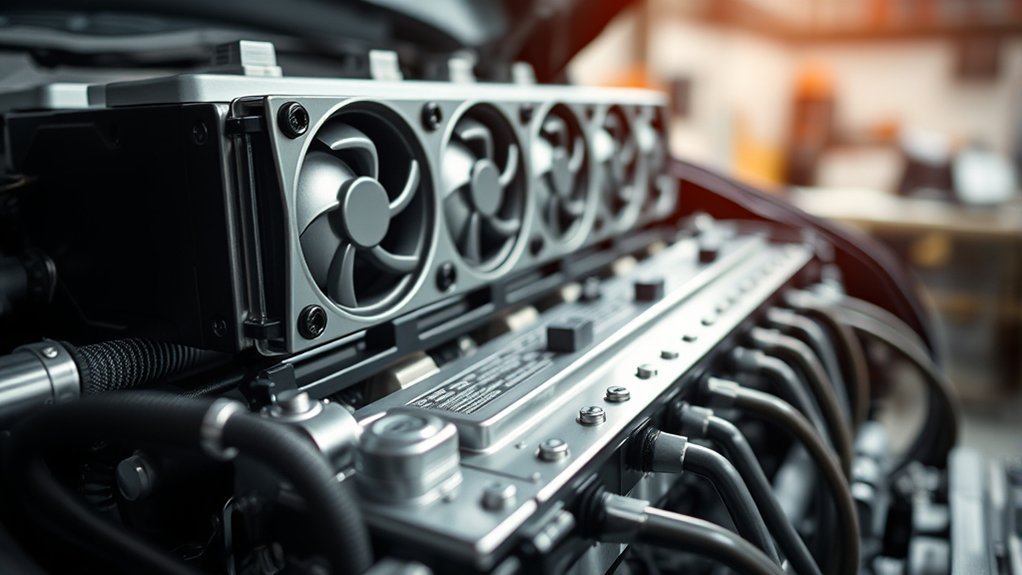
Some cooling system problems require a trained technician. Do not ignore a hybrid system warning light because the vehicle may limit power to protect the battery.
Take your RAV4 to a professional if you notice a severe fuel economy drop, erratic battery charge readings, limp mode, or warning messages that return after filter cleaning. Plug-in hybrid refrigerant faults also need certified service equipment.
You can clean many intake filters yourself if your owner’s manual shows the correct process. Leave internal fan repairs, HV battery case work, and refrigerant-related repairs to a qualified hybrid technician.
Frequently Asked Questions
How Are Toyota Hybrid Batteries Cooled?
Toyota standard hybrids, including many RAV4 Hybrid models, use cabin air and a cooling fan to help manage HV battery temperature. The fan pulls air through a filter or intake screen before air reaches the battery area.
What Does Maintenance Required for Hybrid Battery Cooling Parts Mean?
This message often points to restricted airflow in the HV battery cooling system. Check the intake filter and vent area first, then get a diagnostic check if the message returns.
How Does a Battery Cooling System Work?
The system moves heat away from battery components. In air-cooled RAV4 Hybrid models, a blower fan pulls cabin air through the intake and sends it toward the battery area.
What Cools the Hybrid Battery?
In a standard RAV4 Hybrid, a dedicated blower fan and cabin-air intake help cool the HV battery. In a RAV4 Prime or RAV4 Plug-in Hybrid, Toyota uses more complex HVAC and battery cooling hardware, so service steps can differ.
How Often Should You Clean the RAV4 Hybrid Battery Cooling Filter?
Toyota’s HV battery cooling service bulletin recommends checking the intake filter every 5,000 miles and completing the cleaning procedure every 20,000 miles when needed. Check more often if you drive with pets, dust, or heavy rear-seat cargo.
Safety Disclaimer: This article provides general information only. Hybrid batteries and refrigerant systems can create serious electrical, chemical, and pressure risks, so ask a qualified hybrid technician before servicing internal battery, fan, or refrigerant parts.
Conclusion
Your RAV4 Hybrid battery cooling system needs clean airflow to protect performance and reduce heat stress. Check the intake filter, keep rear vents clear, and treat warning messages as early service alerts.
Use your owner’s manual and Toyota service guidance for your exact model year. If a warning returns after cleaning, let a qualified hybrid technician inspect the fan, sensors, and plug-in hybrid cooling parts.
A few simple checks can help your hybrid system stay efficient, reliable, and ready for daily driving.
References
- All-Electric and Hybrid Battery Warranty – Toyota Motor Sales, U.S.A., 2026
- HV Battery Cooling System Maintenance, T-SB-0062-20 – Toyota Motor Sales, U.S.A., 2020
- 2022 RAV4 Hybrid Owner’s Manual – Toyota Owners, 2022
- New Name, Same Great Powertrain for the 2025 Toyota RAV4 Plug-in Hybrid – Toyota Pressroom, 2024
- Toyota Revs Up Lineup with New 302-Horsepower RAV4 Prime – Toyota Global Newsroom, 2019



[…] affects your RAV4 hybrid battery year-round, not just in winter. Extreme heat speeds up degradation, while cold weather cuts into […]