To guarantee your Toyota Tacoma’s OBD2 readiness monitors are set for emissions testing, start with a cold soak and maintain a fuel level between one-quarter and three-quarters full. Follow a proper warm-up by idling for at least nine minutes, ensuring engine coolant reaches 180°F to 183°F. Then, drive steadily at 40-55 mph for 10 minutes, avoiding sudden starts and stops. Monitor your progress and adjust driving patterns if needed for stubborn monitors.
Quick Answer
Complete an OBD2 drive cycle by performing a cold start, idling until the engine warms to operating temperature, and maintaining steady highway speeds of 40-55 mph. Use an OBD2 scanner to verify monitor status before heading to your emissions inspection. This ensures your vehicle meets legal requirements without repeated trips to the testing station.
Understanding OBD2 Readiness Monitors
OBD2 readiness monitors assess the health of your vehicle’s emissions systems, including the catalytic converter and oxygen sensors. Each monitor exists in one of three states: “Ready” means the test is complete, “Incomplete” indicates the system hasn’t finished its check, and “N/A” signifies the test doesn’t apply to your specific vehicle configuration.
A successful drive cycle remains essential for emissions testing readiness. This requires specific driving patterns, such as steady speeds and gradual acceleration. Factors like engine temperature and fuel level play major roles; some monitors require a cold soak or specific temperature ranges to trigger properly.
Use an OBD2 scanner after your drive to check the status of these monitor states. This helps you identify incomplete tests that need more driving or troubleshooting before your official emissions inspection. Knowing these details puts you in control of your vehicle’s emissions health.
[Products Worth Considering]

Comprehensive Vehicle Diagnostics - Car code reader supports nine OBDII/EOOBD protocols, providing complete diagnostics for all car types. Easily read and clear check engine light codes for accurate troubleshooting

Your Personal Car Doctor - Officially licensed for compatibility with Volkswagen Group (VAG), BMW Group, Mercedes-Benz, Toyota Group, and US-made Ford Group, Safescan equipped with 65,000+ built-in DTC lookups, quickly reads & clears engine codes while providing precise interpretations. It views freeze frame data, checks I/M readiness status, runs oxygen sensor tests, and vehicle information (VIN, CIN, CVN) just to help you fully assess engine health before paying for costly, unnecessary repairs. Perfect for pre-purchase inspections to avoid buying used cars with hidden engine problems or unknown origins.

⚠️【Important Tips Before Purchcase】1. Compatible with standard OBD II vehicles from 1996 onward in the US market. ⚠️2. Due to the Safe Gateway (SGW) / FCA AutoAuth security system, this tool cannot access OBDII modules to clear codes for FCA vehicles (including Chrysler, Dodge, Jeep, etc.) manufactured after 2017. ⚠️And vehicle brands equipped with a SGW are not supported either. ⚠️3. Not support TPMS or other service functions. Only the basic OBDII code reader. Functions not universal, please s-end mes-sage via Ama-zon or 📞autelofficial @ outlook . com📞 to check before order.
Preparing Your Vehicle for Drive Cycles
Before starting your drive cycle, ensure your vehicle is properly prepared. Begin with a cold soak to stabilize engine temperatures and keep your fuel level between one-quarter and three-quarters full. Following these steps helps the computer complete the drive cycle effectively.
Vehicle Warm-Up Procedure
Follow a strict warm-up procedure to ensure your vehicle is ready for the OBD2 drive cycle. Start by allowing the engine to idle for at least nine minutes. During this time, monitor the engine coolant temperature (ECT) to confirm it reaches 180°F to 183°F for proper combustion.
If the outside temperature is below 50°F, add ten minutes to the idle time. Always park on a level surface to prevent temperature sensor fluctuations. Avoid using high-load accessories like the air conditioning to maintain engine efficiency during this phase.
| Step | Action | Duration |
|---|---|---|
| Engine Idle | Allow engine to idle | 9 minutes |
| Temperature Check | Monitor ECT | – |
| Cold Weather Idle | Additional idle if < 50°F | 10 minutes |
| Surface Level | Park on a level surface | – |
| Avoid Accessories | Disable air conditioning | During idle |
Drive Cycle Conditions
Proper drive cycle conditions help your vehicle’s onboard diagnostics operate effectively. Drive your Tacoma for several days so the catalytic converter reaches ideal temperatures. Keep your fuel level between 1/2 and 3/4 full to satisfy EVAP monitor requirements.
Always clear any pending codes or check engine lights before starting your cycle. During the drive, avoid sudden accelerations and decelerations. Maintain steady speeds of 40-55 mph for at least 10 minutes to satisfy catalyst monitor requirements. These steps ensure accurate OBD2 readings during your test.
Executing Catalyst Monitor Drive Cycles
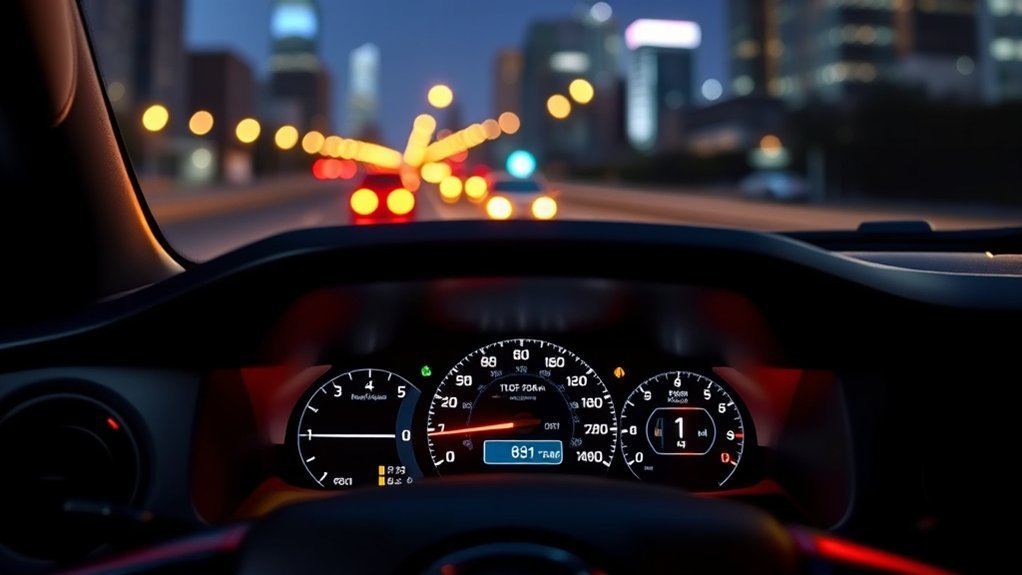
To successfully complete the catalyst monitor drive cycle, you must maintain specific driving conditions. Keep your speed between 40-55 mph for at least 3-7 minutes, ensuring the engine temperature exceeds 176°F (80°C). Afterward, reduce your speed to 35-45 mph for 7 minutes while avoiding rapid changes in throttle position.
[Products Worth Considering]

CEL Doctor: The ANCEL AD310 is one of the best-selling OBD II scanners on the market and is recommended by Scotty Kilmer, a YouTuber and auto mechanic. It can easily determine the cause of the check engine light coming on. After repairing the vehicle's problems, it can quickly read and clear diagnostic trouble codes of emission system, read live data & hard memory data, view freeze frame, I/M monitor readiness and collect vehicle information.

All-In-One Functions Meet Your Daily Need:LAUNCH 2026 Newest Creader Elite OBD2 Scanner for Toyota Lexus, equipped with Android 5.0 OS & 4"" LCD Touch Screen,providing faster operation and smoother diagnostic processes. Also be feature-rich,supported OE Full Systems Diagnostics,Free Full Reset Functions,Powerful Bi-directional Control, Full OBDII Functions,Auto VIN,Lifetime Free Update,etc.This diagnostic scanner for toyota definitely becomes the best choice for Toyota & Lexus Owner!

[Easy to Use—Work Out of the Box] + [FOXWELL 2026 New Version] FOXWELL NT604 Elite scan tool is the 2026 new version from FOXWELL, designed for car owners who want to figure out the cause of issues before fixing car problems by scanning common systems like ABS, SRS, engine, and transmission. The NT604 Elite obd2 scanner diagnostic tool comes with the latest software—no need to waste time downloading software first. Plug the scanner into the OBDII port with OBDII cable to start the diagnosis.
Optimal Driving Conditions
Driving under ideal conditions improves your chances of completing the catalyst monitor drive cycle. Maintaining a steady speed between 40-55 mph for 3-7 minutes proves essential. Here are the key factors to remember:
- Confirm engine coolant temperature (ECT) reaches at least 176°F (80°C) before starting.
- Drive for 10 minutes total using smooth throttle inputs.
- Allow the vehicle to idle for 3-5 minutes after the drive to stabilize engine data.
Be prepared to repeat the cycle, as traffic and engine condition can affect monitor readiness. Following these guidelines ensures your catalyst monitor operates effectively. Always consult a qualified mechanic if you cannot complete the cycle after multiple attempts.
Recommended Speed Ranges
Achieving catalytic converter readiness depends on adhering to specific speed ranges. Maintain a steady speed between 40-55 mph for 3-7 minutes, depending on the ambient temperature. Reduce your speed to 35-45 mph for 7 minutes to ensure proper system activation.
Smooth throttle inputs are vital; avoid rapid accelerations. Confirm your engine coolant temperature (ECT) is at least 176°F (80°C) and the intake air temperature (IAT) is above 14°F (-10°C) before starting. Multiple drive cycles may be necessary due to varying traffic conditions.
| Speed Range (mph) | Duration (minutes) |
|---|---|
| 40-55 | 3-7 |
| 35-45 | 7 |
Troubleshooting Common OBD2 Readiness Issues
When you struggle to achieve OBD2 monitor readiness, several common problems might hinder your progress. Addressing these issues remains vital for successful emissions testing.
- Oxygen sensor issues lead to inaccurate readings, which prevent monitor completion.
- A thermostat malfunction prevents the catalytic converter from reaching ideal temperatures.
- Exhaust leaks skew emissions data, often causing the system to abort tests.
To overcome these challenges, ensure your drive cycle includes steady speeds of 40-70 mph for at least 10 minutes. Maintain your fuel level between 1/2 and 3/4 full, and avoid sudden throttle changes. Use an OBD2 scanner after driving to diagnose lingering issues and identify which specific monitors remain unset.
[Products Worth Considering]

BUILT FOR TOYOTA, LEXUS & SCION ONLY: Unlike generic OBD2 scanners, this tool is engineered for deeper diagnosing Toyota-family vehicles, allowing you to access manufacturer-specific systems and data that ordinary code readers can’t reach

[Pro OBD2 Scanner] - BlueDriver is the easiest way to scan and understand your vehicle like a professional mechanic. Read and clear your car’s trouble codes and check engine light.

📢⚠️【Please Read Carefully before Purchasing】- ▶ This is just a 22Pin to 16Pin converter cable ONLY, not a diagnostic scanner. ▶Please comfirm that your cars support the OBD2 protocol, and your scanner being compatible with your cars with the functions you need – none of which is related to our cable. ▶ This 22pin OBD port does not provide a power supply. Any question, pls conta.ct us via 📩Autelchoice @ outlook . com📩.
Temperature Requirements for Emissions Monitors
Temperature plays an essential role in monitor performance, as the catalytic converter must reach 180°F to 183°F for effective emissions reduction. If the engine fails to reach these temperatures, the system will not finish the diagnostic tests.
| Driving Conditions | Temperature Influence | Emissions Efficiency |
|---|---|---|
| Short in-town drives | Inadequate heating | Low readiness success |
| Cold weather | Slower warm-up | Increased emissions |
| Extended steady speeds | Optimal heating | High readiness success |
| Defective thermostat | Low operating temp | Poor emissions control |
| Proper warm-up drive | Achieves ideal temp | Enhanced emissions control |
Understanding these factors is vital for effective monitoring. Always account for ambient conditions and confirm your engine reaches operating temperature before testing.
Tips for Successful Drive Cycles
Successful drive cycles help reset your Tacoma’s emissions monitors. Use these effective strategies to improve your results.
- Maintain a steady speed of 40-55 mph for at least 10 minutes.
- Mix surface streets with highway driving, avoiding rapid starts.
- Keep the fuel tank between 1/2 and 3/4 full for ideal results.
Perform the drive cycle after your engine reaches temperatures between 180°F and 183°F. Logging multiple drive cycles often proves beneficial, as some monitors require several attempts to calibrate correctly. Smooth throttle inputs during the drive remain essential for success.
When to Consult a Professional Mechanic
If you struggle to reset your OBD2 monitors, seek professional help. An illuminated check engine light after multiple drive cycles often indicates underlying issues requiring diagnostic equipment. If specific monitors, like the catalyst or EVAP system, remain incomplete despite following instructions, a component failure likely exists.
Persistent unset monitors may suggest hidden exhaust leaks or a faulty thermostat. If you encounter active diagnostic codes, expert assistance will help resolve these issues. Unusual engine behavior, such as stalling or poor acceleration, also signals deeper mechanical problems that require professional evaluation. Always consult a qualified technician before attempting complex repairs.
Frequently Asked Questions
How Do You Complete a Toyota Drive Cycle?
To complete a Toyota drive cycle, let your engine idle, accelerate steadily between 40-55 mph, decelerate smoothly, and idle in gear. This allows for proper sensor calibration and emissions readiness.
What Is the Drive Cycle for OBD Readiness?
To achieve OBD2 readiness, drive your vehicle smoothly while maintaining speeds of 40-70 mph for about 10 minutes. This allows the computer to verify that all emissions systems function correctly.
How Long Does It Take for Readiness Monitors to Reset?
Readiness monitors typically reset within several days, depending on your driving habits. Consistent speeds and ideal engine temperatures help, but traffic patterns and existing vehicle health impact the time required.
How Many Miles to Complete a Drive Cycle?
You will typically need to drive between 50 to 100 miles to finish a full drive cycle. This distance allows for multiple testing conditions, ensuring all systems calibrate properly.
Conclusion
Now that you understand OBD2 readiness monitors and the necessary drive cycles, you can better ensure your Tacoma runs efficiently. Follow the steps provided and troubleshoot common issues to streamline the testing process. If you encounter persistent errors, contact a professional mechanic to avoid further complications. Maintaining your vehicle correctly protects the environment and saves you time during your next inspection.