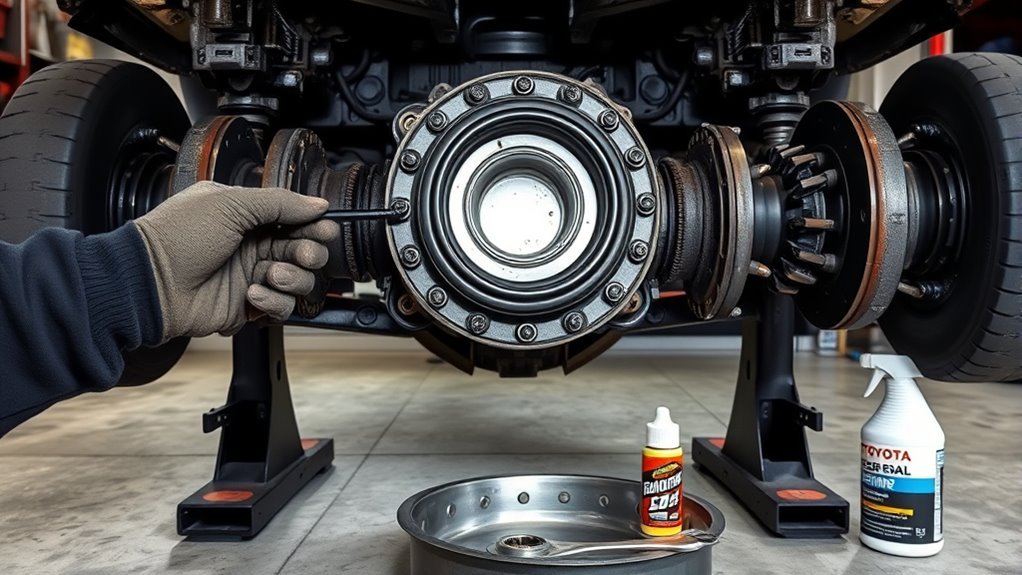
A leaking Toyota Tacoma rear axle seal is a repair many experienced DIYers can handle, but it is not a simple “swap the rubber seal and go” job. On most Tacoma rear axle setups, the axle shaft, brake parts, bearing retainer, O-ring, and sometimes the axle bearing all need to be inspected so the new seal does not fail again.
Quick Answer
You can replace a leaking Toyota Tacoma rear axle seal yourself if you have solid mechanical skills, a safe lifting setup, a seal driver, and access to a press for bearing or retainer work. Diagnose the leak first, replace the seal and O-ring, inspect the bearing and axle shaft, refill with the correct gear oil for your model year, then bleed and verify the brakes.
Key Takeaways
- What many owners call a “Tacoma rear differential seal” is usually the rear axle shaft oil seal at the end of the axle housing, not the pinion seal at the differential yoke.
- A clogged axle breather, worn bearing, grooved retainer, bent axle shaft, or incorrect seal depth can make a new seal leak quickly.
- Do not reuse oil-soaked brake shoes. Gear oil contamination can reduce braking performance and create uneven braking.
- Fluid specifications vary by Tacoma year and axle. Older models may use GL-5 80W-90, while many later models specify Toyota LT 75W-85. Confirm in the Toyota owner’s manual or repair manual for your VIN.
At a Glance
| Time Required | 4–8 hours for an experienced DIYer; longer if bearings, brake shoes, or stuck hardware are involved |
| Difficulty | Moderate to advanced |
| Tools Needed | Jack stands, wheel chocks, hand tools, torque wrench, flare nut wrench, drain pan, seal driver, dial indicator, and access to a hydraulic press if replacing bearings or retainers |
| Cost | DIY parts often run about $50–$250 per side depending on bearings and brakes; professional axle shaft seal replacement commonly falls around $320–$458 before taxes and related repairs |
What This Guide Covers: Who Can DIY and When to Hire a Shop
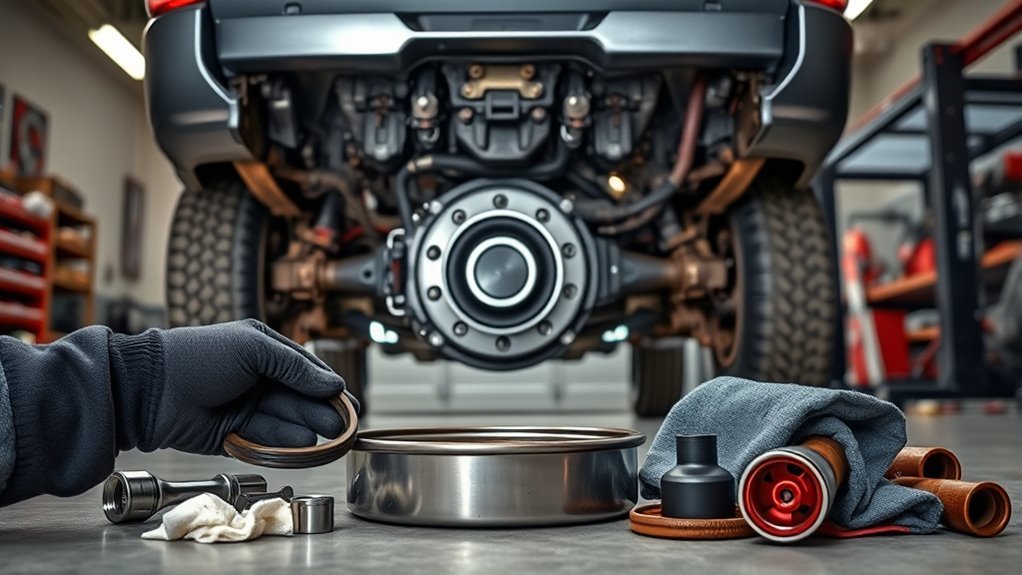
This guide covers Tacoma rear axle seal replacement, leak diagnosis, parts selection, tool setup, axle removal, bearing and tone ring checks, reassembly, fluid refill, brake bleeding, and post-repair troubleshooting. It is written for owners working on rear drum-brake Tacoma axle assemblies, especially older and mid-generation trucks where rear axle seal leaks are common.
You are a good candidate for this DIY repair if you are comfortable lifting a truck safely, disconnecting brake parts, using a torque wrench, keeping parts clean, and either operating a hydraulic press correctly or taking the axle shaft to a machine shop for pressing work.
Hire a shop if the axle shaft is bent, the bearing is noisy or loose, the retainer is grooved, the brake shoes are soaked in gear oil, the ABS tone ring is damaged, the axle housing is scored, or you do not have a safe way to support the truck. A bad press setup can damage the bearing, tone ring, backing plate, or axle shaft.
Warning: Never work under a vehicle supported only by a hydraulic jack. Use wheel chocks, a level surface, and jack stands rated for the vehicle load. OSHA jack guidance also emphasizes using equipment with a sufficient rated load and a stable foundation.
Diagnose the Leak: Axle Seal, Bent Axle, O-Ring, Bearing, or Breather?
Before replacing parts, confirm where the oil is coming from. Gear oil on the inside of the rear tire, backing plate, brake drum, or lower axle flange often points to a rear axle shaft seal leak. Oil near the differential driveshaft flange points to a pinion seal instead, which is a different repair.
Start by cleaning the axle housing, backing plate, brake drum area, and differential housing with brake cleaner. Drive briefly or let the truck sit overnight, then look for the first fresh wet spot. A small inspection mirror and light can help you see whether oil is coming from the axle housing end, the O-ring area, or another source.
Common Causes of a Tacoma Rear Axle Seal Leak
- Worn or hardened axle shaft oil seal: The rubber lip loses tension or gets cut by dirt, rust, or an incorrectly positioned retainer.
- Clogged axle breather: Pressure builds inside the axle housing and pushes gear oil past the seal.
- Worn axle bearing: Excess play lets the axle shaft move and prevents the seal lip from riding evenly.
- Grooved bearing retainer or seal surface: The seal cannot hold oil if it rides on a damaged surface.
- Bent axle shaft: Runout creates uneven seal contact and repeat leaks.
- Bad O-ring at the backing plate or axle housing: Oil can seep around the axle flange even when the inner seal is not the only problem.
- Wrong seal depth or retainer position: A seal that is driven too far, cocked, or matched to the wrong retainer location may leak quickly.
Pro Tip: Check the axle breather before you install a new seal. If the breather is stuck closed, the fresh seal may fail again even if the installation is perfect.
How to Check Axle Shaft Runout and Bearing Play
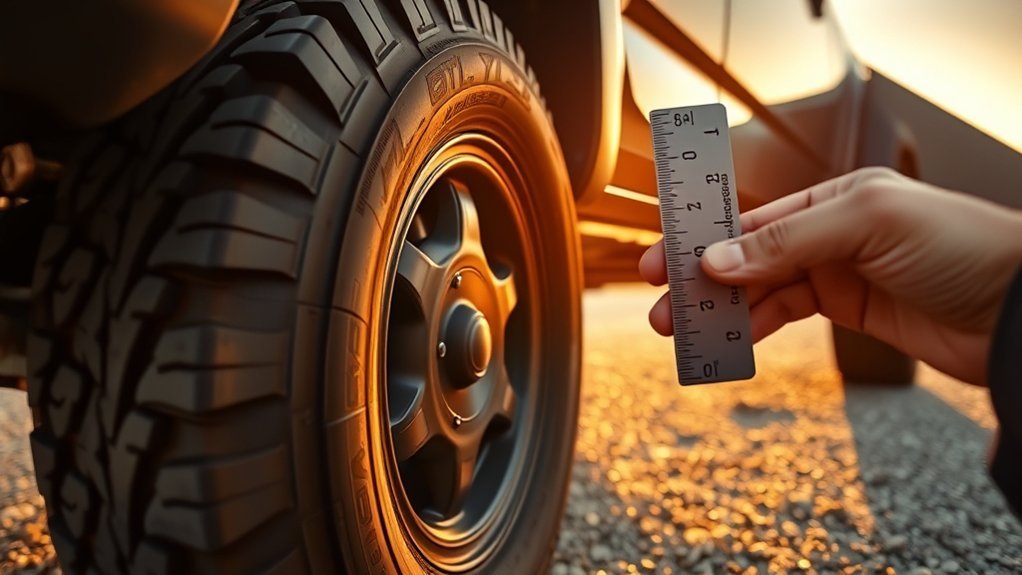
With the rear of the truck safely supported and the wheel removed, rotate the axle slowly and watch for wobble at the flange. For a more accurate check, mount a dial indicator against the axle flange and compare the reading to the Toyota factory repair manual for your model year. Also check for up-and-down or in-and-out movement that could point to a worn bearing or retainer issue.
If the bearing feels rough, the axle flange wobbles, or the ABS tone ring is damaged, do not install only a new seal and hope for the best. Fix the root cause first.
Time, Difficulty & Estimated Cost to Replace a Tacoma Rear Axle Seal
Plan on 4–8 hours if you are working carefully and have the right tools. A straightforward seal and O-ring replacement can be faster, but stuck drums, rusty brake hardware, bearing replacement, ABS tone ring work, and press setup can turn the job into a full-day project.
[Products Worth Considering]

The NOCO Boost GB150 is a powerful 12V lithium jump starter designed to safely revive dead batteries in seconds, with enough peak power for large gas and diesel engines. Its UltraSafe technology helps prevent sparks and reverse polarity mistakes, while the built-in USB-C power bank and LED flashlight add dependable emergency utility for roadside repairs and everyday use.

This ignition coil and spark plug set is designed to restore smooth starting, stronger acceleration, and more reliable engine performance for a wide range of Toyota, Scion, Lexus, and Pontiac models. Built with quality materials and engineered to match OE fitment, it helps address common misfire, shaking, and fuel economy issues when your ignition system is worn. It is an ideal replacement choice for drivers looking to refresh their tune-up with dependable components.

This universal brake bleeder kit makes one-person brake and clutch line bleeding simple by using compressed air to create stable vacuum-assisted fluid flow. Its extra-large 3L tank helps complete full-system flushes with fewer interruptions, while the included refill bottle, flexible hose, and universal adapter support clean, efficient use on standard and ABS brake systems.
Time Required
The job includes lifting the truck, removing the wheel and drum, disconnecting or moving brake components, pulling the axle shaft, removing the old seal, inspecting the bearing and retainer, installing the new seal, reinstalling the axle, refilling differential oil, bleeding the brakes if the hydraulic line was opened, and checking for leaks.
Work slowly during reassembly. Clean mating surfaces, keep dirt out of the axle housing, protect the seal lip, and torque fasteners to the Toyota factory specification for your exact truck.
Cost Breakdown
Parts cost depends on whether you replace only the seal and O-ring or also replace the axle bearing, retainer, ABS tone ring, brake shoes, and gear oil. Professional cost also varies by labor rate and whether the shop replaces related brake or bearing parts. RepairPal’s current Tacoma axle shaft seal estimate lists an average range of about $320–$458 before taxes, fees, and related repairs.
| Item | Typical Range |
|---|---|
| DIY time | 4–8 hours |
| Difficulty | Moderate to advanced |
| Seal and O-ring parts | Often under $50 per side |
| Seal, bearing, retainer, brake parts, and fluid | $100–$300+ depending on model and parts quality |
| Professional repair | Commonly about $320–$458 before related repairs |
| Extras | Gear oil, brake fluid, brake shoes, hardware kit, bearings, ABS tone ring |
Parts Checklist for Tacoma Rear Axle Seals, OEM Part Numbers & Fluids
Always verify parts by VIN, model year, axle type, ABS equipment, and differential configuration. Tacoma axle seal parts changed across generations, and using a part number from the wrong year can create an immediate leak.
Commonly referenced Toyota rear axle seal-related part numbers for older Tacoma applications include rear axle shaft oil seal 90310-50006, dust seals such as 90313-48001 or 90313-54001, rear axle shaft bearings such as 90363-40020-77 or 90363-40068, ABS speed sensor rotors/tone rings such as 43517-35010, and brake shoe kits such as 04495-35230. Treat these as examples to verify, not universal Tacoma parts.
[Products Worth Considering]

This LivTee license plate screw kit provides a secure, rust-resistant mounting solution for front and rear plates on most U.S. vehicles. Made from premium stainless steel with included washers, foam pads, screw caps, and optional nylon inserts, it helps prevent rattling, loosening, and corrosion for a cleaner, longer-lasting installation.

This cabin air filter replacement helps keep the air inside your vehicle cleaner and fresher for driver and passengers. Designed for broad fitment across Toyota, Lexus, Subaru, and Mazda models, it supports improved HVAC performance and includes soda and carbon filtration for odor reduction. It is a practical maintenance part with a recommended replacement interval for continued cabin comfort.
Recommended Parts to Have Ready
- Rear axle shaft oil seal: Replace any leaking seal with the correct Toyota or high-quality equivalent seal.
- Axle housing or backing plate O-ring: Replace it while the axle shaft is out.
- Dust seal: Replace if damaged, hardened, or removed during service.
- Axle bearing and retainers: Replace if the bearing is noisy, loose, contaminated, or pressed apart during service.
- ABS tone ring: Replace if cracked, bent, rusty, or damaged during bearing removal.
- Brake shoes and hardware: Replace oil-soaked shoes and weak hardware. Do not clean and reuse contaminated friction material.
- Brake fluid: Use the DOT brake fluid specified by your Toyota manual if you open the brake hydraulic system.
- Differential gear oil: Use the exact Toyota-specified gear oil for your year and axle. Many older Tacomas use API GL-5 80W-90, while many 2016–2023 Tacoma applications specify Toyota Differential Gear Oil LT GL-5 75W-85.
Note: If you do not know the truck’s service history, replace the differential fill plug gasket and confirm the fill plug can be loosened before draining or opening the axle. This prevents being stuck with an empty differential you cannot refill.
Tools Checklist: Must-Have vs. Specialty Gear
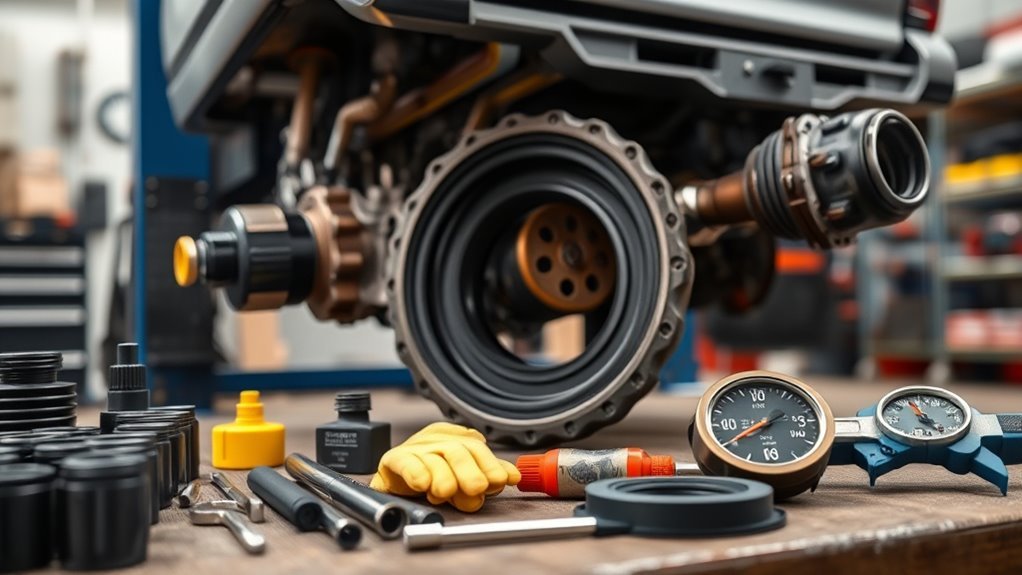
Essential Hand Tools
- Wheel chocks
- Floor jack and properly rated jack stands
- Lug nut wrench or impact wrench
- Metric socket set and ratchets
- Breaker bar
- Torque wrench
- Needle-nose pliers and brake spring tools
- 10mm flare nut wrench for brake line fittings
- Line caps or plugs for brake lines
- Drain pan and fluid pump
- Brake cleaner and shop towels
- Paint marker or punch for alignment marks
Pressing and Seating Gear
A hydraulic shop press is commonly needed if you are replacing the axle bearing, bearing retainer, or ABS tone ring. Many DIYers use a 12- to 20-ton press, but the setup matters more than the number on the press. The press plates and sleeves must support the correct part without loading the backing plate, tone ring teeth, or bearing cage incorrectly.
If you do not own a press, remove the axle shaft assembly and take it to a machine shop or axle specialist. Ask them to match the original retainer position and verify the seal riding surface before pressing the assembly back together.
Seal Driver Selection
Use a seal driver or Toyota-style SST that contacts the outer shell of the seal evenly. Do not hammer directly on the rubber lip or drive the seal in crooked. For 2015–2018 Tacoma rear axle shaft oil seal installation, Toyota service information lists SST combinations such as 09950-60020 with 09951-00770 and 09950-70010 with 09951-07150. Equivalent drivers can work if they match the seal diameter and seat the seal squarely.
Pro Tip: Before removing the old seal, note its installed depth and orientation. Compare that with the factory repair manual. A seal that is too shallow, too deep, or tilted can leak even when the part is new.
Step-by-Step Removal: Jack, Remove Drum, Prep ABS & Brake Line
1. Park Safely and Prepare the Truck
Park on a level surface, set the transmission in Park or in gear, chock the front wheels, and loosen the rear lug nuts before lifting. Raise the rear axle and support the truck securely on jack stands. Remove the rear wheel on the side you are servicing.
2. Inspect the Leak Before Taking Anything Apart
Look for gear oil trails on the backing plate, lower drum area, inside tire sidewall, and axle housing end. If the leak is heavy enough to contaminate brake shoes, plan on replacing the shoes and cleaning the drum or replacing it if it is damaged.
3. Remove the Brake Drum
Release the parking brake. If the drum is stuck, back off the adjuster through the access hole if needed, then tap around the drum face with a soft hammer. Avoid bending the backing plate.
4. Document the Brake Hardware
Take clear photos of the brake shoe springs, adjuster, parking brake lever, and cable routing. This saves time during reassembly, especially if only one side is apart.
5. Disconnect Brake and ABS Components as Needed
If your procedure requires opening the brake line, use a flare nut wrench and cap the line immediately. Some Tacoma setups allow you to move the backing plate and axle shaft assembly without fully disassembling every brake component, but do not strain the brake hose, ABS wiring, or parking brake cable.
6. Remove Axle Retaining Hardware
Remove the nuts or bolts securing the axle shaft and backing plate assembly to the axle housing. Keep the hardware organized and note any washers, clips, or brackets.
7. Pull the Axle Shaft Assembly
Pull the axle shaft straight out of the housing. If it is stuck, use the correct slide hammer adapter. Do not pry against the seal bore or bend the backing plate. Once the axle is out, cover the open axle housing to keep dirt out.
Bearings, Tone Ring & Seal Replacement: Press, Install, and Alignment Tips
With the axle shaft removed, inspect every part that affects seal life. The new seal rides on a specific surface. If that surface is grooved, rusty, out of position, or wobbling because of bearing play, the leak will return.
Inspect Before Pressing
- Bearing: Spin it by hand. Replace it if it feels gritty, loose, noisy, or contaminated with gear oil.
- Retainer: Check for grooves where the seal rides. A grooved retainer can cut or bypass the new seal.
- ABS tone ring: Check for cracks, chipped teeth, corrosion, or impact damage.
- Axle shaft: Check for runout, rust, and wear at the seal contact area.
- Backing plate: Make sure it is not bent where it seals to the axle housing.
Press Bearings and Retainers Correctly
Use steady, centered press force. Support only the correct surfaces and avoid pressing through the bearing cage or ABS tone ring teeth. If you are replacing retainers, mark and measure the original positions before disassembly and match the factory setup during installation.
A repeat axle seal leak is often an installation or root-cause problem, not a bad new seal. Breather blockage, bearing play, retainer grooves, and incorrect seal depth should all be checked before reassembly.
Install the New Seal
Remove the old seal carefully without scratching the axle housing bore. Clean the bore, inspect for burrs, and lightly lubricate the new seal lip with clean gear oil or compatible grease. Drive the seal squarely using the correct seal driver until it reaches the factory-specified depth.
Install a new O-ring at the backing plate or axle housing connection. Lightly lubricate it so it does not pinch or roll during installation.
Warning: If the brake shoes are wet with gear oil, replace them. Brake cleaner does not reliably restore oil-soaked friction material, and contaminated shoes can cause weak or uneven braking.
Reassembly, Fluid Fill, Brake Bleed, and Post-Repair Troubleshooting
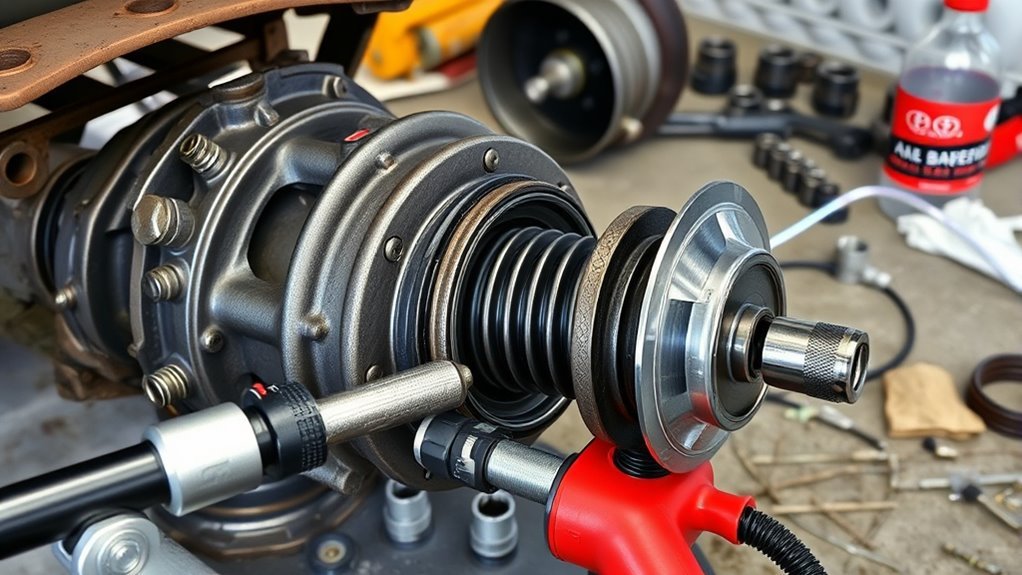
Reinstall the Axle Shaft
Slide the axle shaft into the housing carefully so the splines do not nick the new seal lip. Keep the axle centered and avoid letting the shaft hang on the seal. Seat the backing plate against the housing with the new O-ring in place, then torque the retaining hardware to the Toyota factory specification for your model year.
Reassemble Brakes and ABS Components
Reinstall the brake hardware, parking brake parts, ABS sensor or wiring brackets, and brake line fittings exactly as removed. Adjust the brake shoes so the drum slides on with light drag, then confirm the parking brake works correctly.
Refill the Differential
Use the gear oil specified for your Tacoma year and axle. Toyota service information for later Tacoma models describes checking the differential oil level on a level surface and filling so the oil level is near the bottom of the fill plug opening. Do not overfill, and replace the fill plug gasket if required.
Bleed the Brakes
If you opened a brake line, bleed the brake system until the fluid is clean and air-free. Keep the master cylinder reservoir from running dry. Follow the correct bleed sequence for your vehicle and confirm firm pedal feel before driving.
Post-Repair Leak Check
Before reinstalling the wheel, wipe the axle housing, backing plate, and drum area dry. Reinstall the wheel, torque the lug nuts to spec, lower the truck, and take a short low-speed test drive. Recheck for gear oil seepage, brake fluid leaks, ABS warning lights, abnormal noise, vibration, or a soft brake pedal.
Troubleshooting Repeat Leaks
| Symptom | Likely Cause | Fix |
|---|---|---|
| Seal leaks again within days | Clogged breather, wrong seal depth, grooved retainer, or damaged seal lip | Check breather, inspect seal seating, replace damaged retainer or seal |
| Oil appears at backing plate flange | Pinched, missing, or hardened O-ring | Replace O-ring and clean mating surfaces |
| Humming or growling from rear wheel | Worn axle bearing | Replace bearing and inspect retainer/tone ring |
| ABS light after repair | Damaged tone ring, sensor gap issue, unplugged sensor, or debris on sensor | Inspect tone ring, sensor wiring, and sensor mounting |
| Brake pull or weak braking | Oil-contaminated brake shoes or air in brake line | Replace shoes, clean drum, and bleed brakes |
How to Prevent Future Tacoma Rear Axle Seal Leaks
Preventing a repeat leak is mostly about pressure control, clean fluid, correct parts, and catching bearing issues early. Inspect the rear axle breather during routine service, especially if you drive dusty roads, mud, snow, or water crossings. Replace or extend the breather if it sticks or clogs often.
Service the differential fluid according to your Toyota maintenance schedule and driving conditions. Towing, off-road driving, water crossings, and heavy loads can justify more frequent inspection. After deep water or mud, check for milky gear oil and clean the breather.
During brake service, look behind the rear drums or rotors for early oil seepage. A light stain caught early is usually cheaper to fix than a leak that ruins brake shoes and bearings.
Frequently Asked Questions
How much does it cost to replace the rear axle seal on a Toyota Tacoma?
A simple DIY seal and O-ring job may cost under $50 in basic parts, but the realistic DIY total can reach $100–$300 or more if you replace the bearing, retainer, ABS tone ring, brake shoes, hardware, and fluids. Professional Tacoma axle shaft seal replacement commonly averages around $320–$458 before taxes and related repairs.
Is a Tacoma rear axle seal the same as a differential seal?
Usually, no. Many owners use “rear differential seal” to describe any rear axle oil leak, but the rear axle shaft oil seals are at the ends of the axle housing near the wheels. The pinion seal is at the differential input where the driveshaft attaches. The diagnosis and repair steps are different.
Can you drive with a leaking rear axle seal?
Avoid driving if the leak is active, the differential oil level is low, the rear brakes are contaminated, or you hear bearing noise. A very small seep may allow a short cautious drive to a repair shop after checking fluid level, but towing is safer if oil is reaching the brakes or dripping heavily.
Do I need to replace the axle bearing when replacing the seal?
Not always, but you should inspect it closely. Replace the bearing if it feels rough, has play, is noisy, has been contaminated by gear oil, or must be removed during retainer service. Installing a new seal over a loose or damaged bearing often leads to another leak.
What gear oil should I use after a Tacoma rear axle seal replacement?
Use the gear oil specified for your exact Tacoma year, axle, and market. Many older Tacomas use API GL-5 80W-90, while many later models specify Toyota Differential Gear Oil LT GL-5 75W-85. Check the Toyota owner’s manual, factory repair manual, or dealer parts system by VIN before filling.
Why did my new Tacoma axle seal start leaking again?
The most common reasons are a clogged axle breather, incorrect seal depth, a damaged seal lip, a grooved retainer, worn axle bearing, bent axle shaft, wrong part number, or a pinched O-ring. Recheck the root cause before installing another seal.
Conclusion
A Tacoma rear axle seal replacement is a satisfying DIY repair when you treat it as a full axle-end inspection, not just a seal swap. Clean the area, confirm the leak source, check the breather, inspect the bearing and retainer, use the correct seal driver, refill with the right gear oil, and verify the brakes before driving. If you find bearing play, a bent axle, damaged ABS tone ring, or oil-soaked brakes, stop and repair those issues too. That is what keeps the new seal dry and the truck safe.
Sources
- Toyota Owners Manuals and Warranties — year-specific owner’s manuals, fluids, and maintenance references
- Toyota Technical Information System — official Toyota repair manual source for model-specific procedures and torque specifications
- Toyota Tacoma 2015–2018 Rear Axle Shaft Installation Reference — rear axle shaft oil seal installation procedure and Toyota SST references
- Toyota Tacoma Differential Oil Adjustment Reference — differential oil level inspection procedure
- OSHA 29 CFR 1910.244: Jacks — safe jack loading, marking, and foundation guidance
- RepairPal Toyota Tacoma Axle Shaft Seal Replacement Cost — current professional repair cost estimate range