What’s in This Article
- Why Tacoma Oil Level Checks Matter
- What You’ll Need to Check Your Tacoma Oil Level
- Quick Tacoma Oil Check Method
- Step-by-Step Guide to Checking Your Oil Level
- Troubleshooting Common Dipstick Problems
- How to Make the Dipstick Easier to Read
- Top Tips for an Accurate Oil Level Check
- Practical Tips From Tacoma Owners
- How to Interpret Oil Level Readings
- What to Check Before You Add Oil
- How Often to Check Tacoma Engine Oil
- When to Seek Professional Help
- Frequently Asked Questions
To check the engine oil level on a Toyota Tacoma, park on level ground, shut the engine off, wait at least 5 minutes, wipe the dipstick clean, reinsert it fully, then read the oil line between the low and full marks. This removes most false readings from hot oil, smeared oil, or a tilted driveway. You can finish the basic check in about 10 minutes with a clean rag, a flashlight, a funnel, and the oil grade listed for your exact Tacoma model.
Quick Answer
Park your Tacoma on level ground, shut the engine off, and wait at least 5 minutes. Pull the dipstick, wipe it clean, reinsert it fully, then pull it out again and read the level between the low and full marks. Add oil only when the level sits below the low mark, use small pours, and recheck before you add more.
Key Takeaways
- Park on level ground before you check the oil level.
- Wait at least 5 minutes after shutdown so oil can settle in the pan.
- Wipe and fully reinsert the dipstick before you trust the reading.
- Add oil slowly, then recheck to avoid overfilling the engine.
- Call a mechanic if you see warning lights, leaks, milky oil, or repeated low readings.
Estimated total time: Plan for about 10 minutes for a basic oil level check, plus a few more minutes if you need to add oil.
Editorial note: This guide explains a safe owner-check method. Your Tacoma owner’s manual and oil filler cap should control the exact oil grade, capacity, and model-year procedure.
Quick Tacoma Oil Check Method
Use this quick table when you need a clean, repeatable reading. The goal is not to rush the check. The goal is to remove the common errors that make a Tacoma dipstick look low, high, or smeared.
| Check Point | Do This | Why It Matters |
|---|---|---|
| Parking spot | Use level ground | A slope shifts oil in the pan |
| Wait time | Wait at least 5 minutes after shutdown | Oil drains back before you read it |
| Dipstick pass | Wipe, reinsert fully, then read | The first pull often smears oil |
| Oil line | Read between low and full marks | Inside the range is the normal target |
| Top-off | Add small amounts only | Overfilling can create engine problems |
Why Tacoma Oil Level Checks Matter
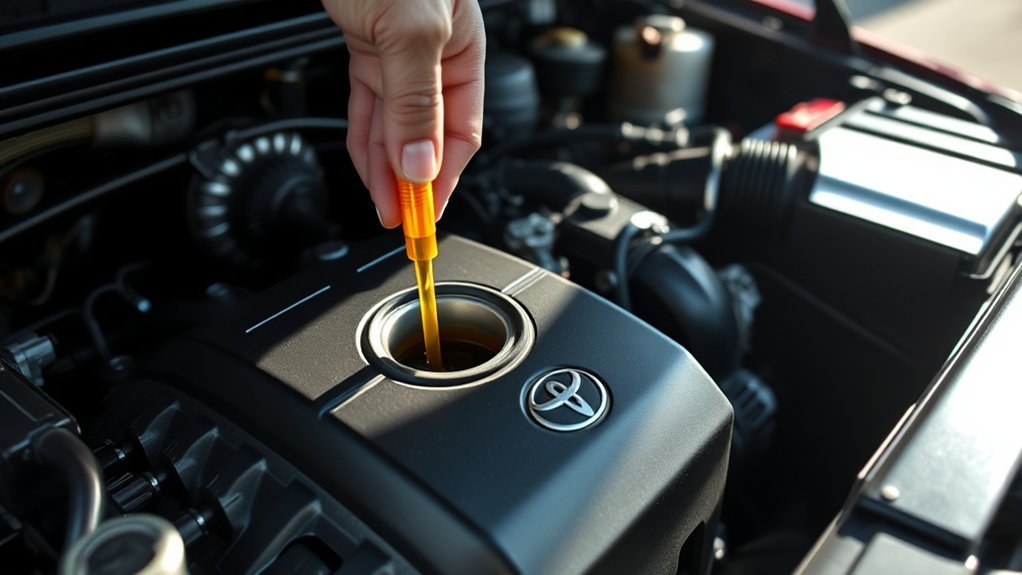
Regular oil checks help your Toyota Tacoma run smoothly and reduce engine wear. Engine oil lubricates moving parts, carries heat away from hot areas, and helps protect internal parts from friction.
Low oil can cause noise, heat, wear, and serious engine damage. Too much oil can also cause problems, so you should keep the level within the dipstick range.
What You’ll Need to Check Your Tacoma Oil Level
You only need a few simple items to check your Toyota Tacoma oil level. Keep them clean, because dirt near the dipstick tube can enter the engine.
[Products Worth Considering]

This long-neck automotive funnel makes pouring oil, gas, and lubricants cleaner and easier from different angles. Its wide neck and raised sides help reduce spills, dirt entry, and leaks, while the flexible, reusable plastic design stands up to regular use. Sized for convenient handling, it’s a practical tool for routine vehicle maintenance across cars, trucks, and SUVs.

This spill-proof radiator coolant filling funnel kit helps you refill cooling systems cleanly while reducing trapped air pockets that can affect heater and engine performance. It includes a 5-inch extension bar and 45-degree elbow for easier access under shrouds or at awkward angles. Color-matched caps for dedicated adapters make setup simpler and more organized.

These Tomatoman seat covers are designed to fit Tacoma models across multiple years and trims, giving your front seats a refreshed look with added protection. Made from faux leather with a non-slip backing, they are waterproof, comfortable, and built to resist wear while maintaining compatibility with side airbags for safety. Installation is straightforward with guidance from the manual or video, making them a practical upgrade for daily driving and long-term interior protection.
Essential Tools Required
Use a clean rag or paper towel to wipe the dipstick before each reading. A flashlight helps you see the oil line, and a funnel helps you add oil without spills.
| Tool | Purpose | Notes |
|---|---|---|
| Clean Rag | Wipe dipstick before measurement | Helps prevent contamination |
| Flashlight | Improves visibility in low-light conditions | Helps you find the oil line |
| Funnel | Adds oil without spills | Use it with slow pours |
| Measuring Container | Helps control oil amounts | Useful when topping off |
| Paper Towel | Cleans dipstick and surrounding area | Use a lint-free option when possible |
Accurate Measurement Techniques
Start with a clean, dry dipstick, and make sure you insert it fully each time. Toyota points owners to model-year manuals and warranty guides for exact maintenance details, so use the manual for your engine before you choose an oil grade or service interval.
For a routine driveway check, consistency matters. Use the same level parking spot, the same wait time, and the same wipe-and-reinsert method. A cold overnight check can be useful for trend tracking, but confirm any odd result with the method listed in your owner’s manual.
Step-by-Step Guide to Checking Your Oil Level
Follow the same order each time you check your oil. A consistent process helps you avoid false low or high readings.
- Park your Tacoma on level ground so the oil sits evenly in the pan.
- Shut off the engine and wait at least 5 minutes for the oil to drain down.
- Pull the dipstick and hold a rag under the tip to catch drips.
- Wipe the dipstick clean with a lint-free rag or paper towel.
- Reinsert the dipstick fully until it seats in the tube.
- Remove the dipstick again and read the oil line on both sides.
- Add the correct oil slowly if the level sits below the low mark, then recheck.
[Products Worth Considering]
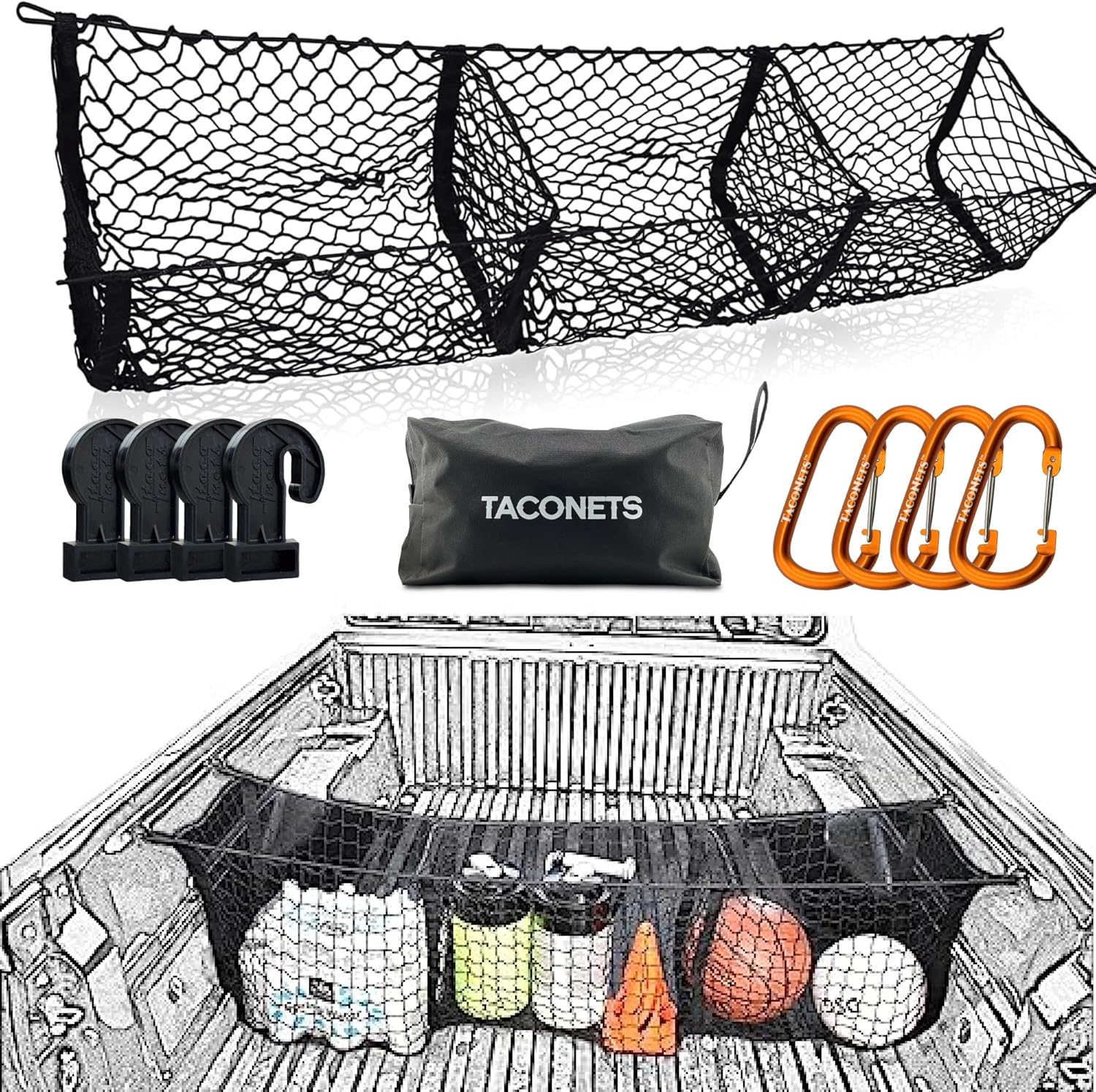
Keep your truck bed organized with this patented three-pocket cargo net designed for 2005-2026 Toyota Tacoma models with factory deck rails. It installs directly to the bed rails without extra cleats or hardware, making it a simple way to secure groceries, gear, and everyday cargo while keeping items accessible and contained.
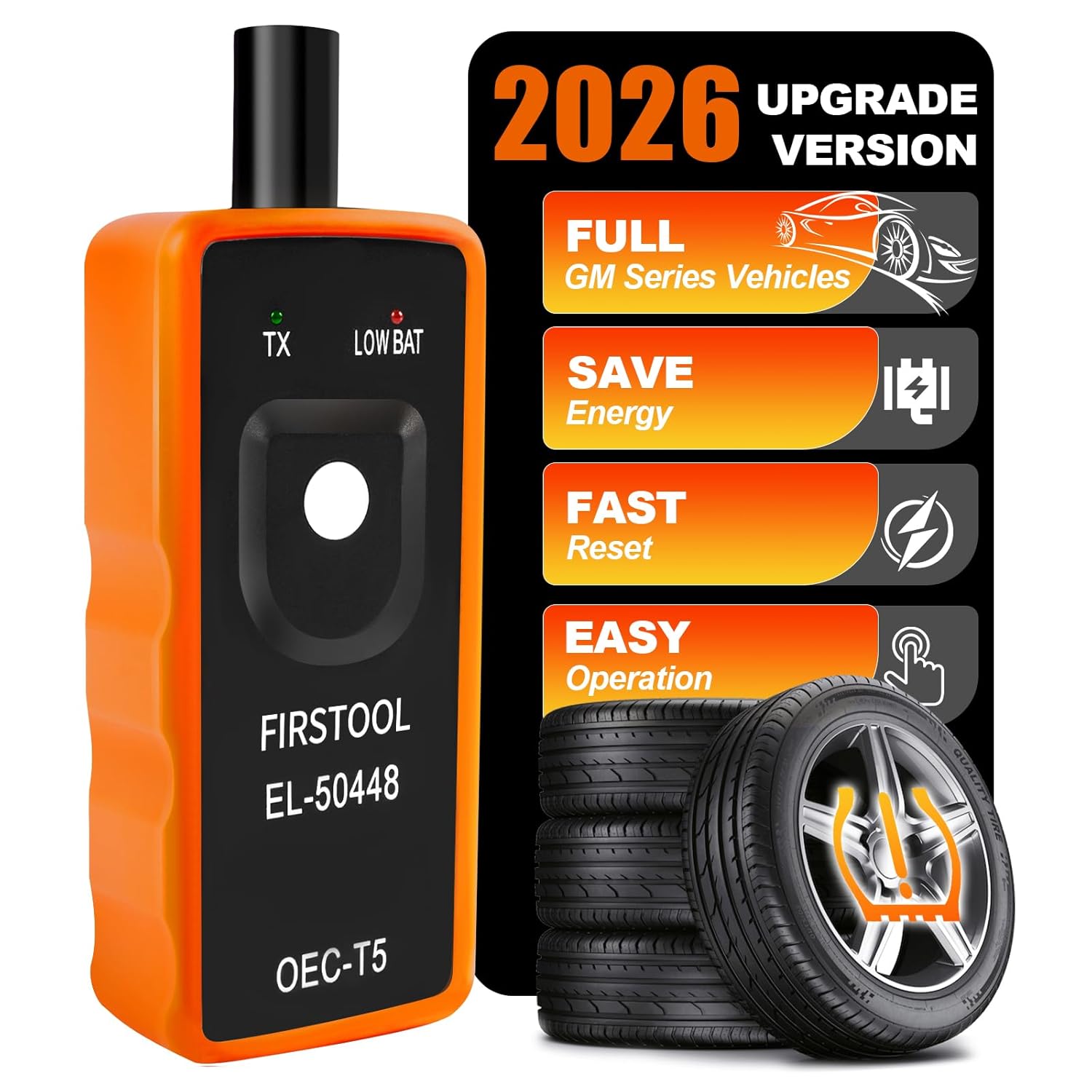
This EL-50448 TPMS relearn tool helps quickly activate and reset tire pressure sensors so your vehicle’s monitoring system stays accurate after tire rotations, sensor replacement, or seasonal tire changes. Designed for many GM-related vehicles and compatible with common 315 and 433 MHz TPMS systems, it offers simple one-button operation and reliable performance for clearing warning lights and relearning sensor positions.

[Vehicle Fitment]: Compatible with Toyota 4Runner 2010 L4 2.7L (SR5 Submodel), Tacoma 2005-2015 L4 2.7L (Base; Pre Runner submodel) --- Only fit L4 2.7L Engine, Not fit V6 4.0L
Step 1: Park and Prepare the Tacoma
Park on level ground and set the parking brake before you open the hood. Keep the engine off while you check the dipstick, and avoid hot exhaust parts if the engine recently ran.
Step 2: Let the Oil Settle
Wait at least 5 minutes after shutdown so the oil can drain back into the oil pan. A 5 to 15 minute wait works well for most routine checks, but your owner’s manual should guide your exact model.
- Use the same parking spot when possible.
- Wait the same amount of time for repeat checks.
- Check before long trips if your Tacoma burns oil or tows often.
Step 3: Read the Dipstick Correctly
Pull the dipstick, wipe it clean, then push it fully back into the tube. Remove it again and look for the oil line between the low and full marks.
Read the clearer side if one side looks smeared. If you can’t find a clear line, wipe the dipstick and repeat the check once more.
Troubleshooting Common Dipstick Problems
Tacoma dipstick readings can look messy when fresh oil spreads thinly across the metal. Dirt, poor lighting, and a partly inserted dipstick can also make the reading hard to trust.
Clean the dipstick, fully seat it, and repeat the same process before you add oil.
Use these fixes before you top off the engine:
- Repeat the reading: Wipe the dipstick and check again before you make a decision.
- Use better light: Hold the dipstick against a clean white paper towel or use a flashlight.
- Check your parking spot: Move to level ground if the truck sits on a slope.
- Look for the pattern: A one-time smear matters less than repeated low readings.
If the level still looks wrong after several careful checks, avoid guessing. Overfilling can harm the engine, and repeated low readings can point to leaks or oil consumption.
How to Make the Dipstick Easier to Read
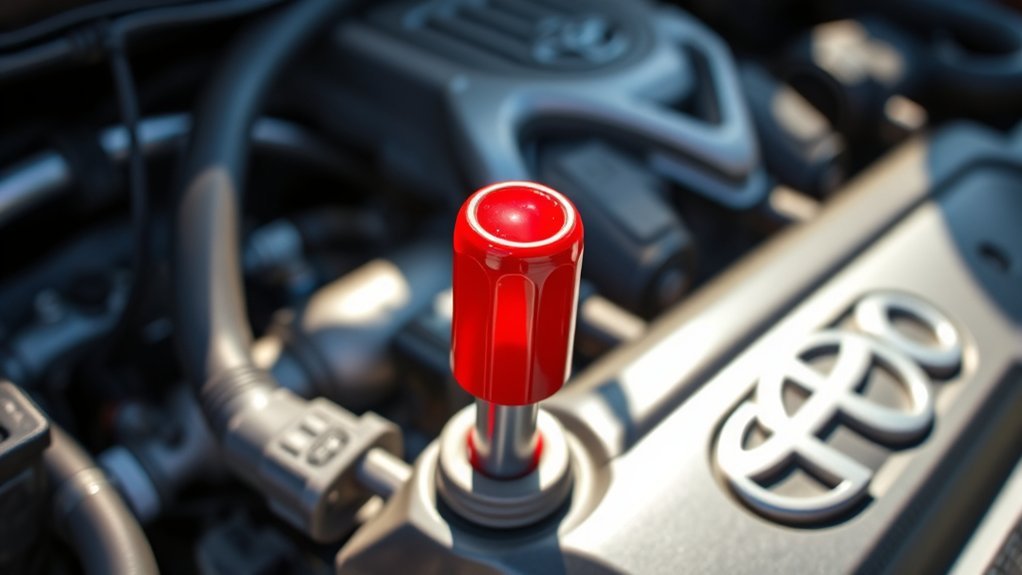
You can improve dipstick visibility without altering the dipstick. Use a bright flashlight, hold the dipstick flat, and place a clean white towel behind the marked area.
Avoid drilling, filing, or sanding the dipstick. Metal shavings, rough edges, or a changed mark can create new problems and make future readings less reliable.
Warning: Do not spray brake cleaner near hot engine parts, and do not modify the dipstick unless a qualified mechanic approves it.
For repeatable results, check the oil after the same wait time and in the same level parking spot. This routine helps you spot a real change instead of a reading error.
Top Tips for an Accurate Oil Level Check
You can get a more accurate oil level check by slowing down and using the same method every time. Small changes in angle, wait time, or dipstick seating can change the reading.
- Park on level ground before you open the hood.
- Wait at least 5 minutes after you shut off the engine.
- Wipe the dipstick clean before the final reading.
- Push the dipstick fully into the tube before you pull it again.
- Add oil in small amounts and recheck after each pour.
Keep a note on your phone if you often need to top off oil. A pattern of frequent top-ups can help a mechanic find leaks, oil burning, or other engine concerns.
Practical Tips From Tacoma Owners for Accurate Oil Checks
Many Tacoma owners prefer checking oil after the truck sits overnight because the process feels consistent. That method can help you spot changes, but you should compare any odd reading with the warm-engine method in your owner’s manual.
Clean technique matters more than force or special tricks. Wipe the dipstick, seat it fully, wait a moment, then pull it straight out and read the clearest side.
If fresh oil looks too clear, use a flashlight and a white paper towel behind the dipstick. Do not add oil until you confirm the level below the low mark.
How to Interpret Oil Level Readings Effectively
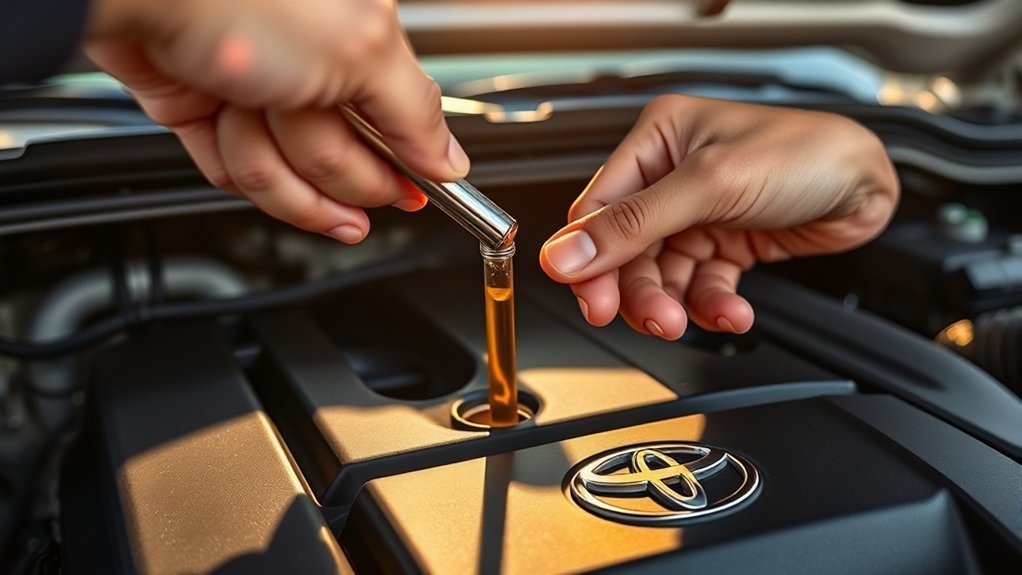
The safe range sits between the low and full marks on the dipstick. If the oil line falls inside that range, your Tacoma usually has enough oil for normal use.
- Below the low mark: Add the correct oil in small amounts, then recheck.
- Between the marks: The oil level sits in the normal range.
- Above the full mark: Avoid driving hard and ask a mechanic if the level remains high.
- No oil on the dipstick: Stop and get help before you drive farther.
Also check the oil condition while you read the level. Very dark, gritty, burnt-smelling, or milky oil needs attention because it may point to contamination, overheating, fuel dilution, coolant contamination, or overdue service.
If the oil looks milky, stop treating the problem as a simple top-off. Milky oil can signal coolant contamination, and that needs a technician instead of another quart.
[Products Worth Considering]

Direct replacement - this engine oil dipstick tube is designed to match the fit and function of the original tube on specified vehicles

【Applicable Models】:Engine Oil Dipstick Replacement Replacement 2003-2009 for Toyota 4Runner V6 4.0L,2007-2010 for Toyota FJ Cruiser V6 4.0L,2005-2015 for Toyota Tacoma V6 4.0L,2005-2011 for Toyota Tundra V6 4.0L

【Replace Part Number】This oil dipstick replaces: 15301-28031, 1530128031.
What to Check Before You Add Oil
Before you add oil, confirm the reading with one more clean dipstick check. A single smear can make the level look lower than it really is.
Use the oil grade listed in your Tacoma owner’s manual or on the oil filler cap. If you use the wrong oil or add too much, you can create new engine problems.
| Before Adding Oil | Safe Action |
|---|---|
| One unclear reading | Wipe and recheck before pouring |
| Level slightly below full | Do not top off just to reach the full mark |
| Level below low mark | Add a small amount, wait, then recheck |
| Level above full | Do not add oil; ask a mechanic if it stays high |
Pro tip: Add a small amount, wait a moment, and recheck instead of pouring a full quart at once.
How Often Should You Check Tacoma Engine Oil?
Check your Tacoma engine oil at least monthly as a practical baseline, then follow the maintenance guide for your exact model year if it gives a different interval. You should also check before long trips, after towing, and anytime you notice oil warning lights, leaks, new engine noise, or a burning oil smell.
Your driving habits can change how often you need to check. Short trips, heavy loads, dusty roads, high heat, and higher-mileage engines can make regular oil checks more important.
When to Seek Professional Help for Oil Issues
You can handle a normal oil level check at home, but some signs need a mechanic. Get help if the oil level drops often, rises above full after careful checks, or looks milky, gritty, or burnt.
You should also stop driving and get help if the oil pressure warning light turns on. That light warns about oil pressure, not just oil level, and low pressure can damage the engine fast.
If the dipstick gives erratic readings after repeat checks on level ground, ask a technician to inspect the dipstick tube, oil system, and possible leaks. A quick inspection can prevent a small problem from becoming a major repair.
Frequently Asked Questions
How do you read a Toyota Tacoma oil dipstick?
Pull the dipstick, wipe it clean, reinsert it fully, and pull it out again. Read the oil line against the low and full marks, and use the clearer side if one side looks smeared.
Should you check Tacoma oil warm or cold?
For a routine check, follow the method in your Tacoma owner’s manual. A cold overnight check can help with consistency, but confirm odd readings with the manual method for your model year.
How much oil should you add if the dipstick is low?
Add oil in small amounts, then recheck the dipstick after each pour. Do not fill past the full mark, because overfilling can cause pressure, foaming, leaks, or engine damage.
Can you check oil level on the dashboard?
Most Toyota Tacoma models use a dipstick for the most direct oil level check. Dashboard oil warnings usually relate to pressure or maintenance reminders, so you should not treat them as a normal level reading.
Why is my Tacoma dipstick hard to read?
Fresh oil can spread into a thin film, and the dipstick can smear when you pull it through the tube. Use a flashlight, hold a white paper towel behind the marked area, and repeat the wipe-and-reinsert step.
What should you do if the oil level is above full?
Do not add more oil. Recheck on level ground after the same wait time. If the level still sits above the full mark, avoid hard driving and ask a mechanic to correct the level.
Conclusion
A clean, repeatable dipstick reading gives you the best picture of your Tacoma’s engine oil level. Park on level ground, wait at least 5 minutes, wipe the dipstick, and read it after you fully reinsert it.
If the level sits below the low mark, add the correct oil slowly and check again. If the oil looks contaminated, the warning light turns on, or the level keeps changing, let a mechanic inspect it. A simple monthly check can help your Tacoma run stronger and last longer.
References
- 2024 Toyota Tacoma Owner’s Manuals and Warranties, Toyota, 2024
- How To Tell If You May Need An Oil Change, Toyota
- What Happens When You Overfill Your Car With Oil?, Cars.com, 2025