Automatic Shutoff Not Working on Your Tire Inflator? What to Check

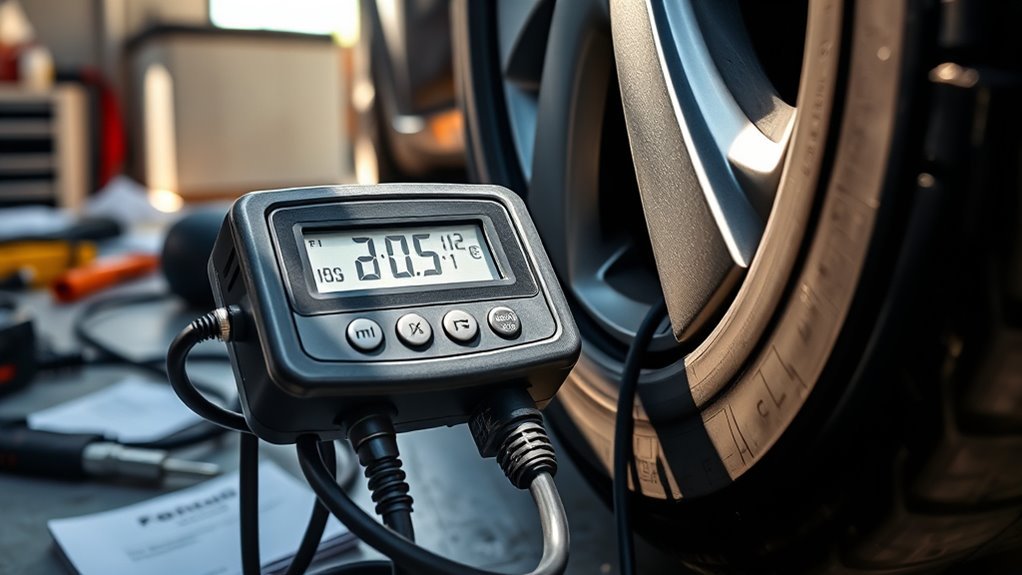
If your tire inflator’s automatic shutoff isn’t working, start by checking for blockages in the high-pressure hose and connectors, as debris can lead to false pressure readings. Inspect the brass nut for damage, and verify your preset pressure settings are correct. Electrical issues, such as faulty pressure switches, can also trigger premature shutoff. Regular maintenance and cleaning are essential for peak performance. Discover more troubleshooting steps to keep your inflator running smoothly.

How to Troubleshoot Your Tire Inflator’s Automatic Shutoff?

troubleshoot tire inflator shutoff

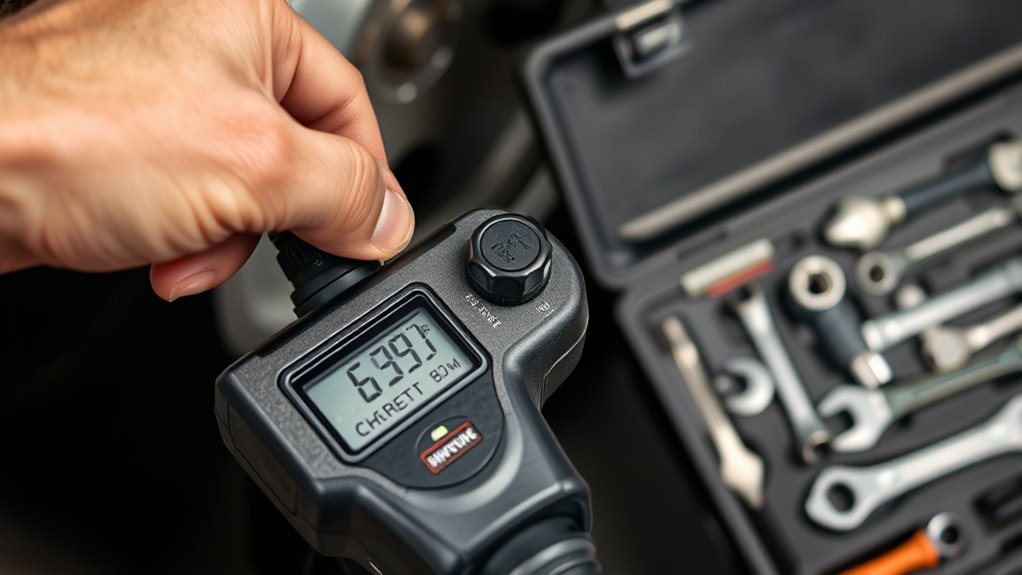
When troubleshooting your tire inflator’s automatic shutoff, start by ensuring safety; power off the device and disconnect it from the tire. Next, inspect the high-pressure hose and connectors for any debris or blockages that may obstruct airflow, leading to premature shutoff. Pay close attention to the brass nut; if you notice any damage, a broken or bent crossbar can cause inaccurate airflow detection and malfunction. If cleaning the hose doesn’t resolve the issue, reach out to the manufacturer’s support for further assistance and warranty options. Finally, maintain your tire inflator regularly by keeping the hose cap on when not in use and avoiding placement on dirty surfaces to prevent future complications.

Common Causes of Automatic Shutoff in Tire Inflators

Automatic shutoff issues in tire inflators often stem from a few common causes that can hinder peak performance. When dealing with a flat tire, knowing these causes can save you time and frustration. Here are some key factors:

Automatic shutoff issues in tire inflators can stem from common causes that disrupt performance, saving you time and frustration.

  • Blocked airflow due to debris in the hose can lead to false pressure readings.
  • A damaged brass nut may prevent proper airflow detection, causing premature shutoff.
  • Incorrect preset pressure settings can trick the inflator into shutting off before reaching the desired pressure.
  • Electrical issues, like a faulty pressure switch, can also trigger unexpected shutoff.

Regular maintenance, such as cleaning hoses and checking for obstructions, can help you avoid these automatic shutoff problems and keep your inflator running smoothly.

How Blocked Airflow Affects Your Tire Inflator’s Performance

Blocked airflow can greatly impair your tire inflator’s performance, causing it to shut off prematurely. Common culprits include debris in the high-pressure hose and issues with the brass connector, which can lead to inaccurate pressure readings. Regular inspection, cleaning, and proper maintenance practices are essential to prevent these blockages and guarantee reliable operation.

Common Causes Of Blockage

Airflow obstruction in a tire inflator can severely impact its performance, leading to inaccurate pressure readings and premature shutoff. Understanding common causes of blockage can help you maintain ideal air pressure in your tires.

Consider these factors:

  • Debris in the high-pressure hose: Small particles can obstruct airflow, causing false readings.
  • Blocked connectors: Even minor obstructions can disrupt airflow detection.
  • Damaged brass nut: A malfunctioning component can affect the inflator’s ability to detect proper air pressure.
  • Improper maintenance: Failing to cover the hose when not in use can lead to accumulations of dust and dirt.

Inspection And Cleaning Tips

To guarantee your tire inflator performs at its best, regular inspection and cleaning of the high-pressure hose and connectors are essential. Blocked airflow can lead to inaccurate pressure readings, causing your air pump to shut off prematurely while your tire remains uninflated. Dirt and small particles are common culprits that accumulate in the hose or connectors. To resolve airflow issues, power off the inflator and disconnect it from the tire before inspecting for blockages. Clean the hose and brass connectors thoroughly to restore proper airflow. Additionally, keeping the hose cap on when not in use helps prevent debris entry, ensuring peak performance of your tire inflator. Regular maintenance will keep your air pump functioning efficiently.

Preventive Maintenance Practices

When you neglect regular maintenance on your tire inflator, even minor debris can lead to significant performance issues. Blocked airflow can cause inaccurate pressure readings, making your inflator shut off prematurely. To prevent this, follow these preventive maintenance practices:

  • Regularly inspect and clean the high-pressure hose and connectors.
  • Keep the hose cap on when not in use.
  • Operate your inflator on clean surfaces to minimize dirt intake.
  • Check for damaged brass nuts, as they may hinder airflow detection.

Inspecting Debris in Your High-Pressure Hose

inspect high pressure hose debris

Inspecting your high-pressure hose for debris is essential to guarantee peak tire inflator performance. Common sources of debris include dirt, small particles, and foreign objects that can obstruct airflow. You’ll need tweezers or a thin tool to remove any blockages from the hose or connectors effectively.

Common Debris Sources

Debris in the high-pressure hose can greatly hinder your tire inflator’s performance, as it obstructs airflow and may lead to inaccurate pressure readings. To guarantee your air compressor works effectively, make sure to regularly check for common debris sources:

  • Dirt and dust particles
  • Remnants from previous tire sealants
  • Small rocks or gravel
  • Moisture accumulation

When you inspect, power off the inflator, disconnect it from the tire, and examine both the hose opening and connectors that connect to the valve. If you find any blockages, use tweezers or a thin tool to remove debris. Keeping the hose cap on when not in use and avoiding dirty surfaces can help maintain ideal inflator performance and achieve your target pressure.

Inspection Tools Required

To effectively inspect the high-pressure hose for debris, you’ll need a few essential tools. Start with a flashlight to examine the hose opening and brass connector for any visible dirt or particles. Make certain the inflator is powered off and disconnected from the tire to prevent accidental activation. Use tweezers or a thin tool to gently remove any debris found, restoring proper airflow and functionality. Regular maintenance, including keeping the hose cap on when not in use, can help prevent future blockages.

Tool Purpose Importance
Flashlight Inspect for debris Guarantees thorough visibility
Tweezers Remove small particles Restores airflow
Hose Cap Prevent debris entry Maintains ideal function

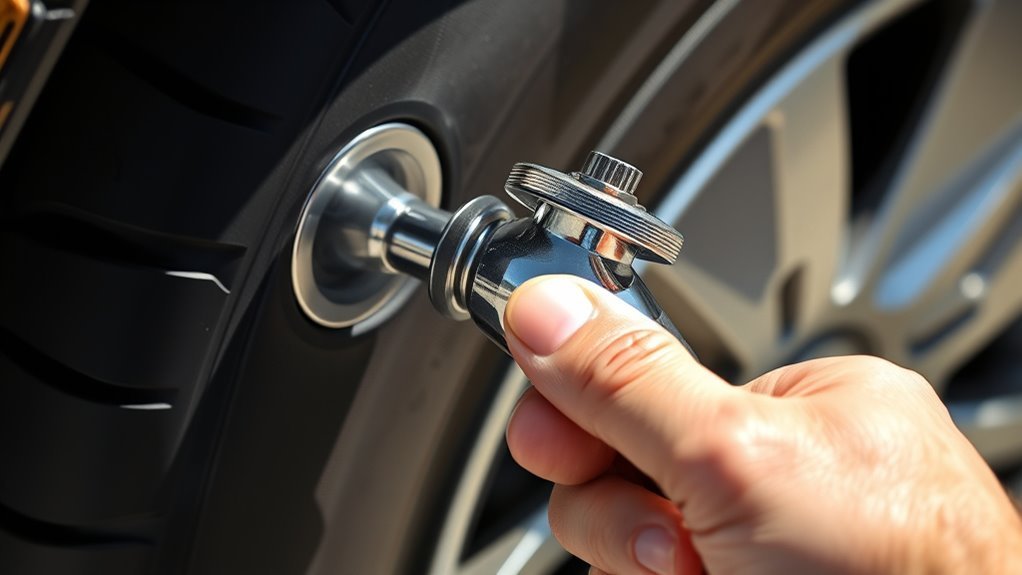
Identifying and Fixing a Damaged Brass Nut

inspect and replace brass nut

When diagnosing issues with your tire inflator, a damaged brass nut can often be the culprit behind premature shutoff. Inspect the brass nut closely for any defects, as it can disrupt airflow and functionality. Here’s what to check:

  • Look for signs of bending or breakage.
  • Verify the nut is securely attached and not loose.
  • Clean the surrounding components to rule out debris issues.
  • If problems persist, consider a Brass Nut Replacement.

If you find damage, you may need to contact the manufacturer for support or purchase a replacement part. Regular inspections of the brass nut and related components can prevent future malfunctions and guarantee your inflator operates smoothly, allowing you to maintain your tire pressure without interruption.

When Should You Reach Out to Support for Your Inflator?

How can you tell when it’s time to seek support for your tire inflator? If your inflator repeatedly shuts off prematurely and fails to reach the desired pressure, it’s a clear sign to contact support. When cleaning the hose and connectors doesn’t resolve airflow issues, manufacturer assistance can provide essential troubleshooting steps. Additionally, if you notice a damaged brass nut and cleaning hasn’t helped, reaching out for potential repair or replacement options is advisable. If your inflator’s still under warranty and persistent issues arise, contacting support is important to utilize your warranty effectively. Remember to provide your order number, shipping address, and visual proof of the problem to expedite the process and enhance assistance with your inflator features.

Tips for Maintaining Your Tire Inflator to Prevent Future Problems

Maintaining your tire inflator is essential for ensuring its longevity and reliable performance. Here are some tips to help you prevent future problems:

Proper maintenance of your tire inflator is crucial for its durability and effective operation.

  • Regularly inspect and clean the high-pressure hose and connectors to eliminate debris that can obstruct airflow.
  • Check the brass nut for damage, as a broken crossbar can cause airflow detection issues.
  • Always keep the hose cap securely on when not in use to prevent dust from entering the inflator system.
  • Store your tire inflator in a clean environment, avoiding dusty surfaces to maintain peak functionality.

Frequently Asked Questions

Why Is My Air Compressor Not Shutting Off?

Your air compressor might not shut off due to a malfunctioning pressure switch or airflow blockages. Regular compressor maintenance, including checking hoses and switches, can prevent these issues and guarantee efficient operation.

How to Reset a Portable Tire Inflator?

To reset your portable tire inflator, unplug it, consult your manual for proper procedures, and check for blockages. After a brief cooldown, reconnect it to power and test for effective inflator maintenance.

Why Won’t My Tire Pressure Light Turn Off?

Your tire pressure light won’t turn off because your tires might be under-inflated, a TPMS sensor could be malfunctioning, or you might have a slow leak. Regular tire maintenance guarantees peak performance and safety.

Do Tire Air Pumps Turn off Automatically?

Yes, tire air pumps often turn off automatically once they reach the preset pressure. However, proper inflator maintenance, including checking hoses and connectors, is essential to guarantee this feature functions effectively and reliably.

Conclusion

In conclusion, addressing the automatic shutoff issue on your tire inflator is vital for seamless operation. By checking airflow, inspecting for debris, and ensuring your brass nut is intact, you can restore your inflator’s functionality. Think of it as tuning a finely crafted instrument; even a small blockage can disrupt the harmony. If problems persist, don’t hesitate to reach out for support. With regular maintenance, your tire inflator can serve you reliably, like a steadfast companion on every journey.

Merrick Vaughn

Merrick Vaughn

Author

Automotive expert and contributor at Autoreviewnest.

Leave a Comment

Your email address will not be published. Required fields are marked *