You can expect a well‑maintained Toyota Tacoma engine to run roughly 200,000–400,000 miles, with many examples exceeding 350,000 and some reaching a million with ideal care. Longevity hinges on regular oil changes, smooth driving, and quick fixes for leaks or timing‑chain noise; salt, heavy towing, and long idles accelerate wear. Major failures before 200k are uncommon if maintenance’s good. Keep checking service records and inspections, and you’ll learn practical steps to maximize lifespan.
How Long Will a Toyota Tacoma Engine Last?
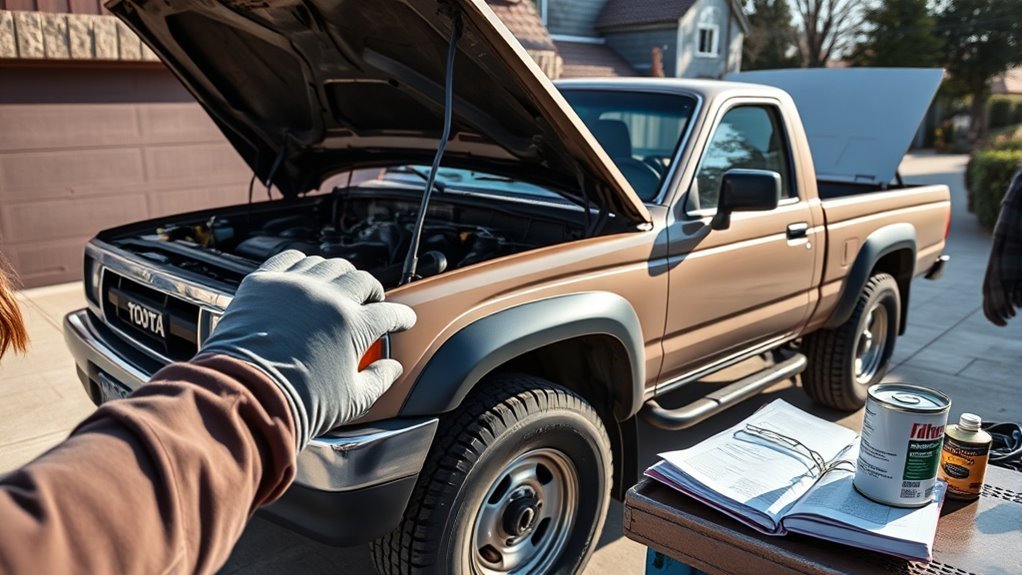
How long will a Toyota Tacoma engine last? You can expect a well-maintained Tacoma engine to run roughly 200,000–400,000 miles; many owners report surpassing 350,000 miles and some claim engines reaching extreme longevity with ideal care. You’ll see that routine oil changes and timely servicing directly improve engine performance and often let the powerplant outlive the truck’s frame. Under 200,000 miles, major failures like head gasket leaks or timing chain faults are uncommon, which speaks to the design’s robustness. If your Tacoma sits around 150,000–200,000 miles and has been properly maintained, plan on at least another 100,000 miles of reliable use. For those seeking freedom from early obsolescence, disciplined maintenance and targeted longevity tips—regular inspections, fluid management, and addressing minor issues promptly—unlock the engine’s potential. With consistent care, some Tacoma engines have been pushed toward extraordinary mileages, even beyond a million, proving long-term resilience.
Key Factors That Affect Tacoma Engine Life
Because routine care directly reduces wear, the single biggest factor in Tacoma engine life is maintenance: regular oil changes, scheduled inspections, and prompt repairs keep clearances, seals, and timing components within spec and routinely push engines past 300,000 miles. You’ll extend service life by treating maintenance as nonnegotiable; many owners reach 400,000+ miles when they do.
Consider four practical levers that determine longevity:
- Driving habits: smooth acceleration, moderate RPMs, and avoiding prolonged lugging reduce thermal and mechanical stress.
- Maintenance discipline: oil, filters, belts, and timely minor repairs prevent cascading failures and preserve tolerances.
- Environmental conditions: salt, humidity, and abrasive dust accelerate corrosion and wear, so inspect and protect vulnerable systems.
- Duty cycle: heavy towing, idling, and extreme loads increase component fatigue; match service intervals to use.
You want freedom from breakdowns; control what you can. Prioritize maintenance and adjust behavior to the truck’s environment and duty to liberate long-term reliability.
Common Tacoma Engine Problems and Warning Signs
When you spot unusual noises, loss of power, or dashboard warnings in a Tacoma, act immediately—these are the clearest signals that the engine or related systems need attention. You’ll want to distinguish engine noise from other sources: timing chain rattle, ticking from a leaking head gasket, or whines linked to transmission faults. Don’t dismiss persistent knocks or rhythmic tapping; they precede costly failure.
Power loss often accompanies clogged intakes, actuator problems from cracked or disconnected hoses, or transmission issues noted in some 2016–2017 models. If you see decreased performance plus a warning light, treat it as an urgent diagnostic cue. Regular inspections reveal early head gasket leaks and timing chain wear, which are uncommon but consequential if ignored. Stay proactive: prioritize repairs that restore clear combustion and secure vacuum lines. That approach frees you from cascading damage and preserves the Tacoma’s capacity to deliver long-term reliability.
Maintenance Checklist to Reach 200k+ Miles
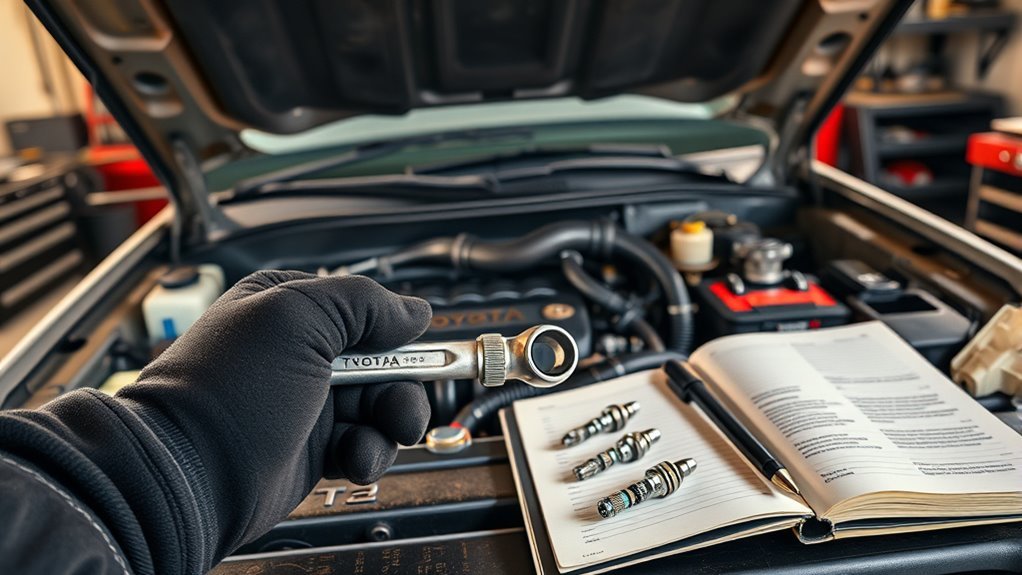
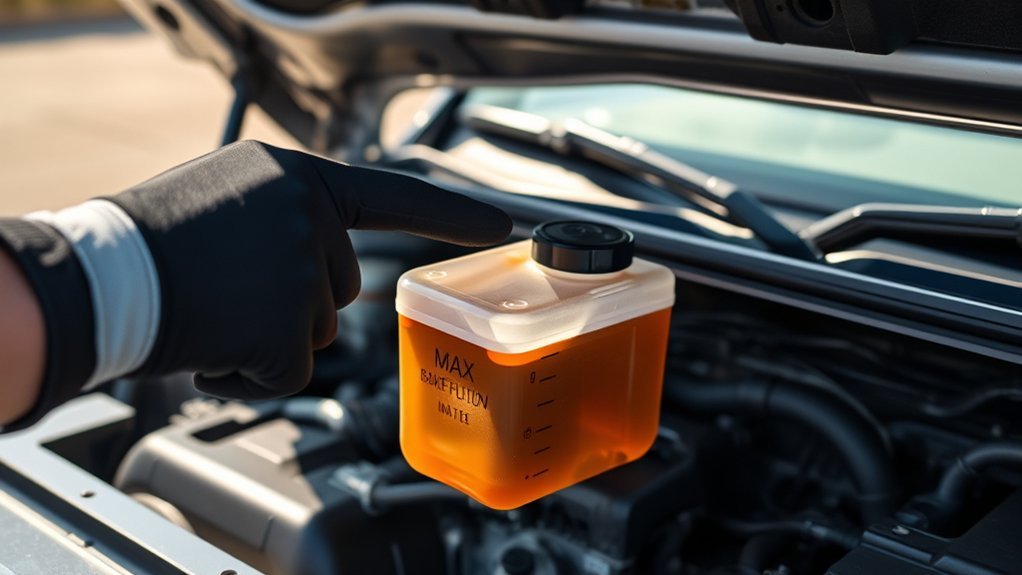
If you want your Tacoma to pass 200k miles, follow a strict maintenance rhythm that prioritizes oil, spark plugs, transmission service, and corrosion control. You’ll protect the engine by treating maintenance as liberation from breakdowns: be methodical, proactive, and relentless. Set reminders for oil change frequency at 5,000–7,500 miles, and inspect seals and hoses each interval. Track spark plug replacement within the 30,000–100,000 mile window based on plug type and symptoms. Service the transmission every 30,000–60,000 miles; fresh fluid and filter work like life support for driveline longevity. Clean and monitor the frame in salt or humid zones to stop corrosion before it spreads. Handle small leaks and cracked hoses immediately to avoid cascading failures.
Treat maintenance as freedom: oil, plugs, transmission, and rust control—be methodical, proactive, and relentless.
- Follow oil change frequency recommendations and use OEM-grade oil.
- Schedule spark plug replacement per mileage and performance cues.
- Service transmission fluid and components on a 30k–60k cycle.
- Inspect and clean the frame; treat rust spots promptly.
How to Evaluate a Used Tacoma’s Engine and Service History
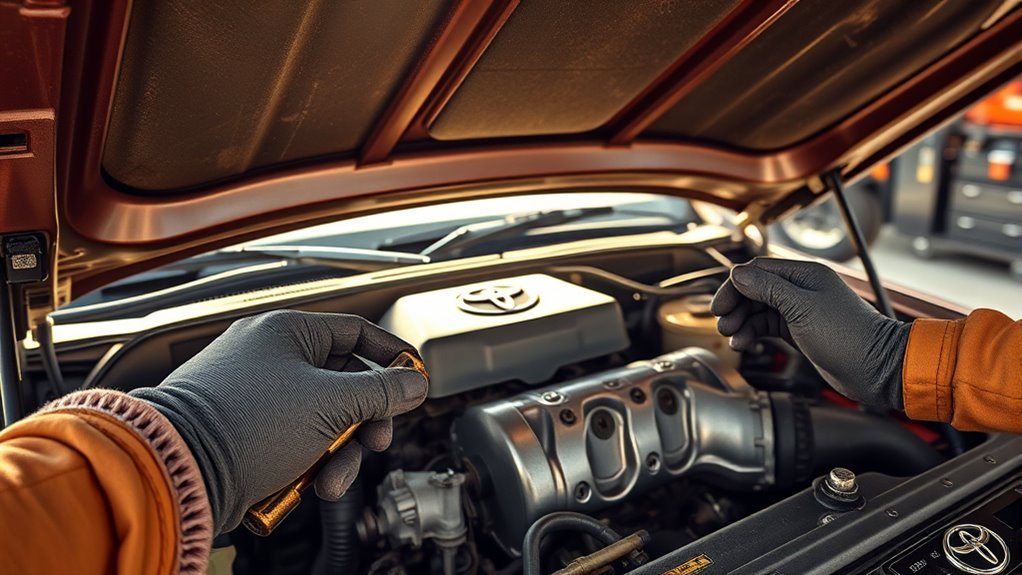
After following a strict maintenance rhythm, you’ll be better positioned to evaluate a used Tacoma’s engine and service history with confidence. You’ll start by requesting service documentation: consistent oil changes and scheduled services are non-negotiable evidence of longevity. Run a thorough engine inspection—look for leaks, timing chain play, and head gasket seepage that often show before 200,000 miles.
Get a vehicle history report to reveal past engine failures or major repairs. Verify mileage: 150,000–200,000 miles can still mean plenty of life if service documentation is solid. Note model-year specific problems (transmission issues, etc.) to contextualize any anomalies.
| Item | What to Check | Acceptable Result |
|---|---|---|
| Oil history | Service documentation present | Regular intervals |
| Visuals | Engine inspection for leaks/wear | Clean, no seepage |
| Records | Vehicle history report | No catastrophic repair |
Trust data over rhetoric; liberation comes from informed, decisive purchase choices.
Frequently Asked Questions
Can a Toyota Tacoma Last 500,000 Miles?
Yes—you can, but it’s rare; with rigorous engine maintenance, disciplined driving habits, climate-aware care and documented repairs you’ll maximize longevity, liberating ownership from premature failure and making 500,000 miles achievable through diligence and restraint.
How Long Does a Toyota Tacoma Motor Last?
You’ll typically see engine longevity around 200,000–400,000 miles; with fierce maintenance tips—oil, inspections, timely fixes—you’ll liberate the motor, extending durable Tacoma performance while observing technical wear patterns and avoiding premature failures.
What Years Had Tacoma Engine Problems?
You’ll see engine problems most often in early 2000s models (notably 2001) and sporadically in 2007; engine reliability varies, and common repairs include timing chain, head gasket fixes, plus associated maintenance to reclaim driving freedom.
Conclusion
If you keep up with basic care and address quirks early, a Tacoma engine won’t retire prematurely — it’ll quietly keep earning miles well past 200k. Regular oil, cooling and timing-system attention, plus prompt repairs for leaks or odd noises, keep wear modest and performance predictable. When shopping used, insist on service records and compression checks. Do that, and you’ll inherit a seasoned, reliable workhorse rather than a ticking liability.