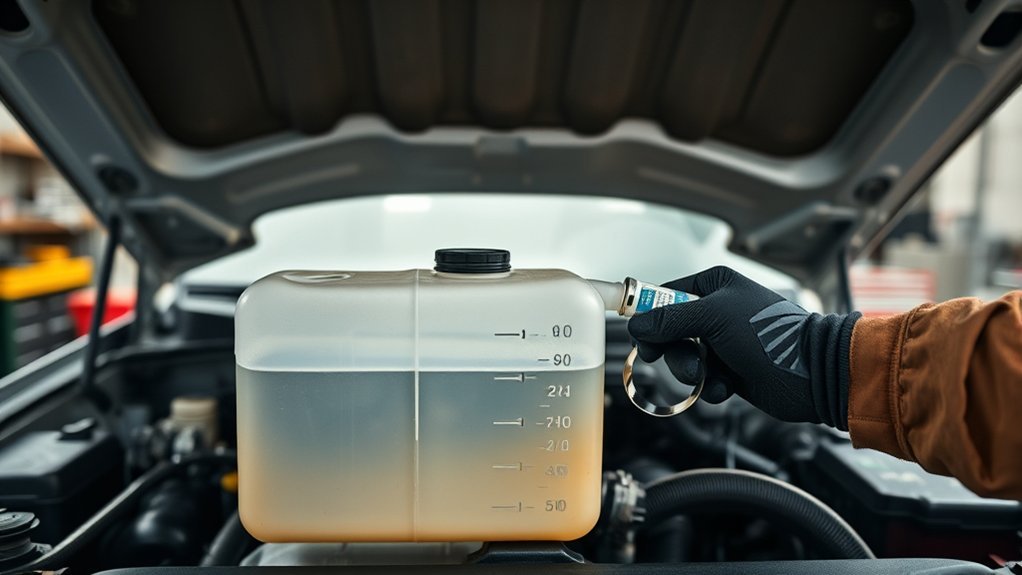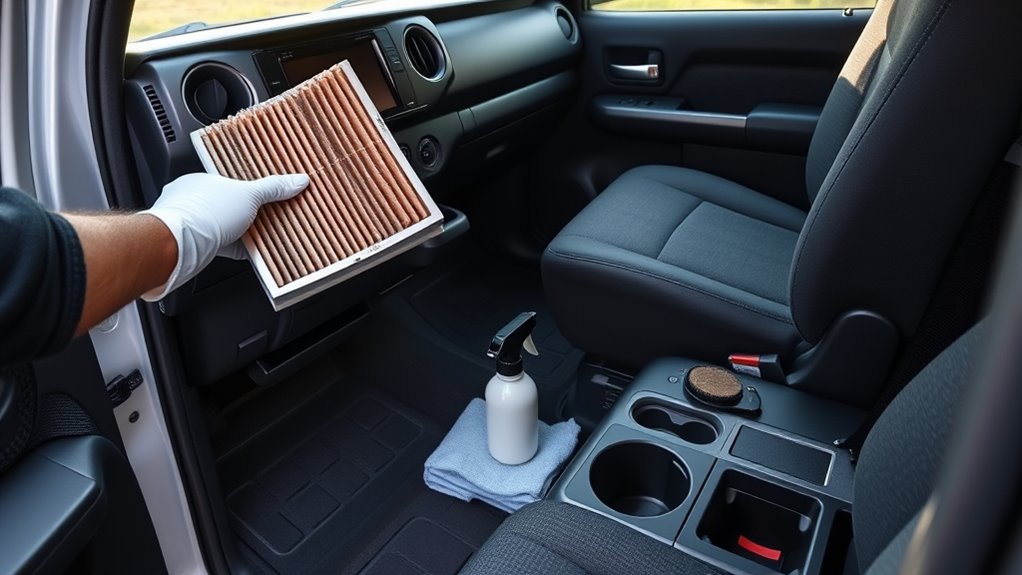
Your Tacoma’s musty odors usually come from trapped moisture, a clogged cabin filter, or bacterial growth on the evaporator and in ducts. Start by airing the system with recirculation off and the fan high, then inspect and replace the glove‑box accessed filter if it’s dark, damp, or moldy. Use an appropriate evaporator cleaner or Toyota kit via the drain hose, run the fan to purge fumes, and consider drain‑tube relocation for persistent pooling — keep going to learn step‑by‑step fixes.
Why Tacoma Cabin Odors Happen and When to Act
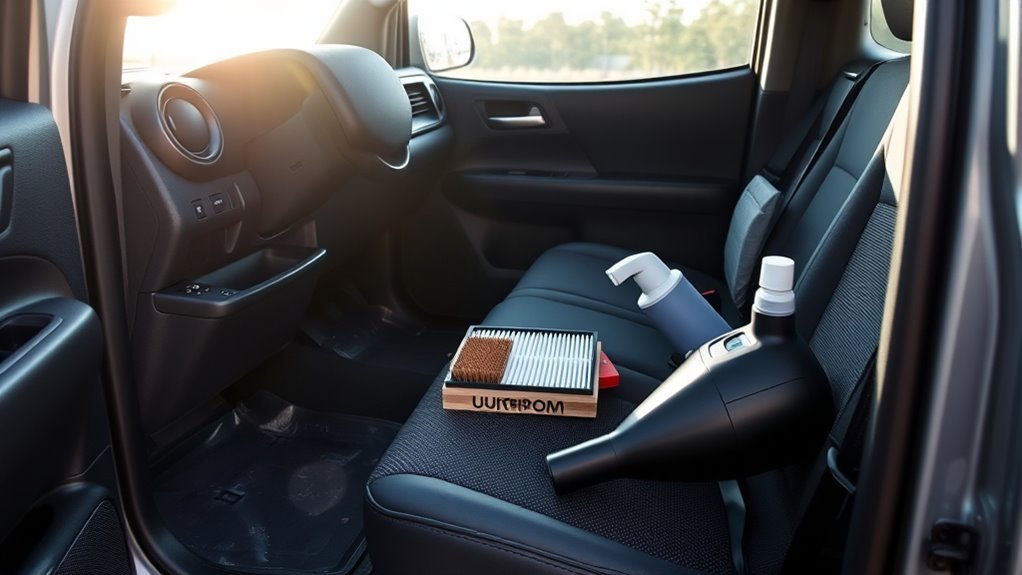
When you notice a musty or sour smell in your Tacoma, it usually means moisture and stagnant air have allowed bacteria or mildew to grow inside the AC system, so act promptly rather than letting it worsen. You should first check for high cabin humidity and poor air circulation: continuous recirculation traps moist air and lets microbes flourish. Change the cabin air filter on schedule; a clogged filter reduces airflow and hides underlying contamination. Use Toyota’s AC cleaning kit to target bacteria and debris on accessible components, and run fresh-air mode briefly after cleaning to purge residues. If the odor returns, inspect for drainage problems—rust or blockage on the OEM drainage tube can let water pool and feed persistent mildew. Take action decisively: address filters, circulation habits, and drainage in order, and you’ll reclaim a clean interior environment that frees you from recurring, oppressive odors.
Major Odor Sources in Your Tacoma HVAC (Evaporator, Ducts, Filter)
You’ve already learned to check humidity, circulation, filters and drainage — now focus on the HVAC components that actually harbor odors: the evaporator, ducts, and cabin air filter. The evaporator traps moisture and organic matter; without routine evaporator cleaning bacteria multiply and you get musty air. Ducts collect dust and debris; periodic duct inspection prevents trapped pollutants from cycling into the cabin. A clogged cabin air filter chokes airflow and holds contaminants, creating stale smells until replaced.
- Evaporator cleaning: perform annually or when smell appears; use Toyota’s AC cleaning kit or a qualified tech to remove biological growth.
- Duct inspection: visually and tactilely check accessible ducts for debris, odors, or moisture; clean or treat contaminated sections.
- Filter maintenance: change the cabin air filter on schedule; avoid persistent recirculation to reduce humidity build-up.
Be methodical: inspect, clean, replace. Liberate your cabin air by routine HVAC care.
How to Inspect the Tacoma Cabin Air Filter (What to Look For)
Start by opening the Tacoma’s glove box, remove the side panel, and unclip the filter cover so you can lift the cabin air filter straight out for inspection. You’ll perform a cabin filter inspection that’s precise and freeing: hold the filter against light, scan for dark streaks, trapped leaves, insects, or thick dust that signal replacement. Check edges and seals for gaps; a loose fit lets unfiltered air bypass protection and undermines air quality improvement. Look closely for moisture stains or fuzzy mold—those mean humidity or AC drainage issues that demand attention. If the filter’s compressed or smells musty, swap it. Replace per the mileage schedule or sooner in dusty conditions to reclaim clean cabin air.
| What to check | What it shows | Action |
|---|---|---|
| Debris | Clogging | Replace |
| Discoloration | Age/soiling | Replace |
| Moisture | Mold risk | Investigate |
| Fit | Leaks | Reseat/replace |
| Odor | Contamination | Replace |
Quick First‑Aid: Air Out the AC Before You Clean It
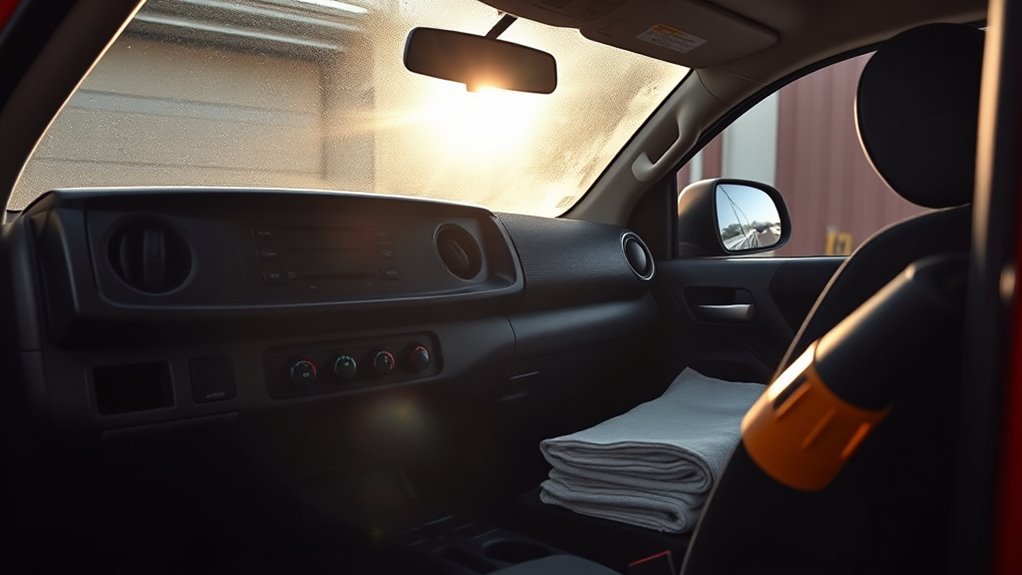
After you’ve checked the cabin filter for debris, moisture, and fit, give the AC a few minutes of airing out before you clean it: shut off the AC and recirculation, set the blower to high, and open the doors to force stale, damp air out of the vents. This short, deliberate step reduces humidity in the system and makes subsequent AC Maintenance more effective. You’ll expel trapped, stagnant air that fuels odors and microbial growth.
- Turn off AC and recirculation.
- Set blower to high; open doors for 3–5 minutes.
- Confirm vents push fresh ambient air through.
Work methodically: follow the sequence, time it, and inspect vents for remaining dampness. This prepares the evaporator area and ducts so cleaners or treatments penetrate rather than just mask smells. It’s a simple, freeing act—take control of your cabin environment to prevent recurring issues. Prioritize this airing step for consistent Odor Prevention and cleaner, more liberated driving.
Choosing an Evaporator Cleaner: Toyota Kit vs. DIY Options
Though both factory kits and off‑the‑shelf sprays aim to neutralize evaporator odors, choosing the right product matters for effectiveness and component safety. You’ll weigh an evaporator comparison between Toyota’s kit and DIY options: the Toyota kit is formulated for your Tacoma, combining an evaporator cleaner, refresher, and deodorizer to meet manufacturer standards. That tailored formulation usually delivers consistent cleaning effectiveness and minimizes risk to plastics, seals, and coatings.
DIY cleaners can work, but you must verify automotive compatibility and ingredient profiles; variable quality means inconsistent results and potential residue. If you want freedom from recurring odors while avoiding unexpected damage, follow a methodical choice: prioritize products labeled for automotive AC use, check reviews for cleaning effectiveness, and prefer manufacturer‑recommended kits when in doubt. Regular application—regardless of option—plus routine maintenance will liberate your cabin air and keep odors from returning.
How to Apply Foam Cleaner Through the AC Drain Hose
Start by locating the AC drain hose under the passenger-side firewall or by accessing it from the cabin with the filter removed. Insert the foam cleaner’s application tube into the drain hose until it fits snugly to prevent leaks. Spray the foam so it coats the evaporator, then run the AC fan on high (no recirculation) and open the doors for about 15 minutes to clear fumes.
Locate AC Drain Hose
1 simple way to treat musty cabin odors is to feed a foam cleaner into the Tacoma’s AC drain hose: locate it under the passenger side near the firewall where condensation exits. You’ll want to address AC Drainage Issues directly and set a Cleaning Frequency that prevents recurrence.
- Remove the cabin air filter for clear access and visual confirmation.
- Find the rubber drain tube beneath the vehicle; it’s usually short and points downward.
- Prepare to insert the cleaner’s nozzle following product directions; guarantee a snug fit.
After treatment, run the AC fan on high with recirculation off to move cleaner through the system. Open doors for about 15 minutes to vent fumes. This methodical approach frees you from lingering odors.
Insert Foam Cleaner
With the cabin air filter removed and the drain tube exposed, fit the foam cleaner’s nozzle into the AC drain hose so it seals snugly and won’t leak while you apply the product. Insert a Toyota-specific AC cleaning kit tube, push until it’s secure, then depress the actuator to discharge foam into the evaporator housing. Run the fan at full speed with recirculation off to pull the cleaner through the system. After treatment, open the doors and air out for at least 15 minutes to free the cabin of fumes and loosened biofilm. Follow a Cleaning Frequency schedule—every 6–12 months—within your AC Maintenance plan to stay free of odors and reclaim control of your vehicle’s air.
| Action | Purpose |
|---|---|
| Insert nozzle | Seal and target evaporator |
| Run fan | Distribute cleaner |
| Air out | Remove fumes and debris |
Post‑Cleaning Ventilation and What to Expect (Timelines)
Although the cleaning removes grime and bacteria, you’ll need to run the fan at full blast with recirculation off for about 15 minutes and crack the doors to ventilate the cabin and push out strong chemical odors. You’re exercising ventilation importance: that forced airflow and open doors expel solvent vapors and reset the air inside. Expect odor expectations to be realistic — the sharp chemical scent can linger.
Run the fan full with recirculation off and crack doors—ventilate 15 minutes to expel strong chemical odors.
- Run fan full, recirculation off, 15 minutes; crack doors to purge fumes.
- Drive with windows open for several days; noticeable odor reduction usually arrives within a few days, not instantly.
- Maintain routine cleanings and ventilation to sustain odor-free performance and freedom from recurring smells.
Follow this methodical timeline and you’ll liberate the cabin atmosphere without guesswork. Don’t expect immediate perfection; plan brief airing drives and repeat ventilation as part of regular maintenance to keep the Tacoma smelling clean.
Fix Persistent Smells: Tacoma Drain Tube Relocation and Rust Prevention
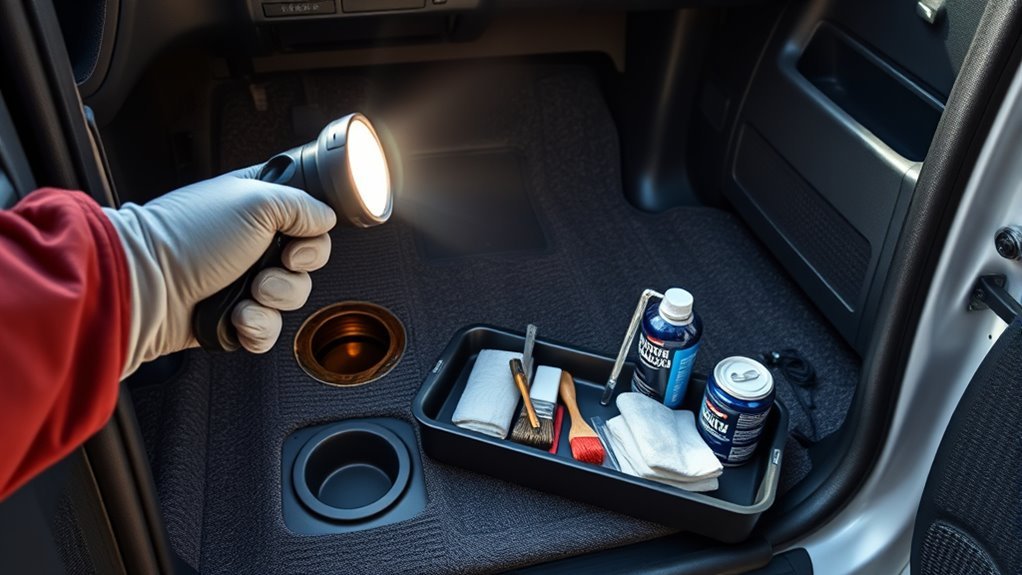
After you’ve aired the cabin and been running the fan to clear lingering solvents, check the Tacoma’s drainage tube next—its factory routing can dump water against the frame and speed rust, which then traps moisture and fuels mold and odors. You’ll want drainage relocation to reroute runoff away from vulnerable metal. Install a relocation kit or alternative tubing to force water outboard, reducing standing water and the bacterial growth that creates persistent smells.
| Step | Action | Result |
|---|---|---|
| 1 | Inspect OEM tube | Identify contact points |
| 2 | Remove clamp | Free the line |
| 3 | Fit relocation kit | Reroute flow outward |
| 4 | Secure new tubing | Prevent sagging |
| 5 | Test drain | Confirm clear flow |
Inspect regularly and address surface rust quickly. This is practical moisture prevention: you eliminate pooled water, protect the frame, and free yourself from recurring cabin odors through decisive, lasting repairs.
Maintenance Schedule: When to Change Filters and Clean the System
Plan on replacing your Tacoma’s cabin air filter every 15,000–20,000 miles (or at least once a year) and schedule an AC system cleaning roughly every six months to keep odors and performance issues at bay. You’ll preserve filter longevity and control cleaning frequency by following a simple, repeatable routine. Inspect the filter during oil changes or tire rotations; replace sooner if you see heavy dirt or debris. Use OEM filters to maintain fit and function.
Replace your Tacoma’s cabin air filter annually (15–20k miles) and clean the AC every six months to prevent odors.
- At 15k–20k miles / annual: replace cabin air filter to sustain airflow and air quality.
- Every 6 months: perform AC system cleaning (evaporator and ducts) to prevent mold and odors.
- As needed: if odors persist after filter change, repeat cleaning or inspect drain and seals.
Stick to Toyota’s schedule, document dates and miles, and you’ll reclaim a fresher cabin. This methodical approach frees you from recurring smells and costly surprises.
Troubleshooting and When to Seek Professional HVAC Service
If odors persist after your own cleaning or you hear unusual noises or notice weak airflow, call a technician to prevent mold or component failure. A professional will methodically inspect the evaporator core, drainage lines, cabin air filter, and HVAC controls to pinpoint odor sources. Regular scheduled service also catches problems early and keeps diagnostic steps straightforward.
When To Call A Technician
When persistent odors, odd noises, or weak cooling persist despite replacing the cabin filter and cleaning accessible components, call a technician to diagnose underlying HVAC issues. You want system diagnostics that pinpoint mold, bacteria, refrigerant leaks, or drainage problems before they limit your freedom to drive comfortably. A pro uses tools and procedures you likely don’t have, preventing recurring odors and improving odor prevention long-term.
- Persistent smell after DIY cleaning — professional mold and evaporator inspection.
- Unusual noises or irregular airflow — mechanical assessment and duct inspection.
- Poor cooling post-maintenance — refrigerant pressure check and leak testing.
Book a qualified technician if any item applies; regular professional inspections free you from surprise repairs and restore confident, clean cabin air.
Diagnostic Steps For HVAC
Though you can handle basic checks yourself, start diagnostics with a methodical sweep: inspect the cabin air filter for clogging, verify the AC drain tube for blockages or leaks, and run the system in both recirculation and fresh-air modes to note where odors or airflow issues appear. Next, replace a soiled filter—filter replacement restores flow and aids odor prevention. Look for moisture in the drain and mold on visible evaporator surfaces; use a targeted HVAC cleaner if odors persist after basic cleaning. If smells remain, or if you detect refrigerant scent, poor cooling, or strange noises, seek professional HVAC service. A technician will test refrigerant, isolate leaks, and clean or repair evaporator and ductwork beyond DIY scope. Stay thorough and assertive.
Frequently Asked Questions
Why Does My Toyota AC Smell Bad?
Your AC smells bad because mold growth and trapped moisture in the system nourish bacteria, and a clogged cabin filter holds debris and odors; you’ll regain fresh air by replacing the filter, cleaning the evaporator, and airing the cabin.
Why Does My Car Have a Horrible Smell Inside?
Because stagnant air, mold growth, and leftover food spills let bacteria flourish, you’re smelling rot and mildew; you’ll reclaim freshness by ventilating, removing debris, replacing the cabin filter, and treating the AC evaporator with a cleaning kit.
What Causes the Tacoma Aroma?
You’re smelling stagnant air: moisture buildup and bacterial growth in the HVAC, clogged cabin filters, recirculation use, and rusted drain tubing cause the Tacoma aroma. Clean filters, dry components, and vent fresh air regularly.
Conclusion
You’ve got the map; now take the trip. Like swapping a fogged lighthouse bulb for a clear beam, replacing the cabin filter, cleaning the evaporator, and checking the drain cuts through most Tacoma odors. Air it out before you spray, use the right cleaner, then ventilate and monitor for a few days. If smells persist or moisture returns, relocate the drain tube or get pro HVAC help. Follow the schedule and you’ll keep fresh air rolling.