What’s in This Article
- Identifying No Sound Issues in Your Camry
- Common Causes of No Sound in 2012–2014 Camry
- How to Check Fuses for Audio Problems
- Why You Should Test Fuses, Not Just Look at Them
- Essential Fuses to Check for Audio Problems
- How to Diagnose Amplifier Issues
- Troubleshooting Wiring for No Sound Issues
- Simple DIY Fixes for Audio Problems
- When to Call a Professional
- Frequently Asked Questions
Your Toyota Camry’s speakers go silent, but the radio still powers on. That usually points to one of a handful of fixable problems, and most don’t require a mechanic. This guide walks you through every step, from checking fuses to testing wiring, so you can diagnose the problem and restore your audio fast.
Quick Answer
If your Toyota Camry has no sound, check fuses 1, 3, 12, and 35 in the interior fuse box and fuse 24 in the under-hood fuse box. Test each one with a multimeter rather than relying on a visual check alone. If the fuses are fine, inspect the wiring connections at the speakers and amplifier for anything loose or corroded.
Key Takeaways
- Check fuses 1, 3, 12, and 35 in the interior fuse box first — these control the audio system directly.
- Fuse 24 in the under-hood fuse box powers the sound amplifier and is a common cause of complete audio loss.
- Always test fuses with a multimeter, since a fuse can look intact and still be blown.
- Inspect all wiring connections at the radio, amplifier, and speakers for corrosion or loose contacts.
- If fuses and wiring check out, the amplifier or a speaker may need professional diagnosis.
Identifying No Sound Issues in Your Camry
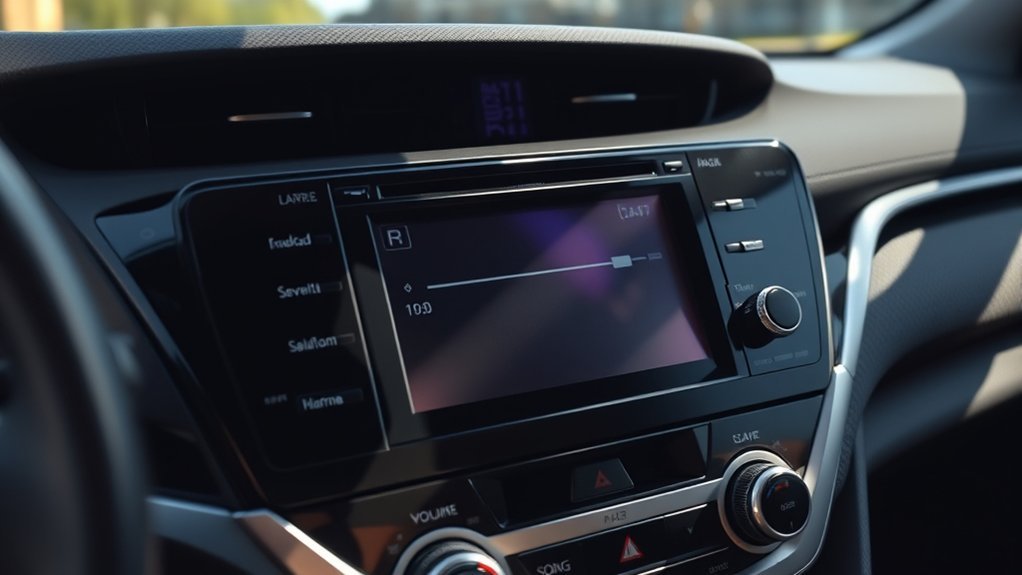
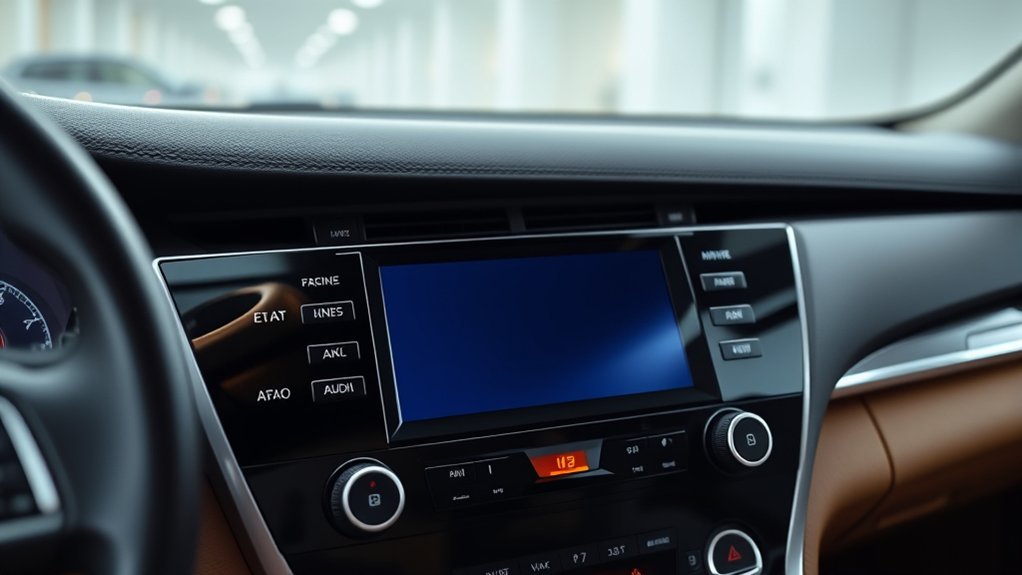
If your Toyota Camry has no sound from the speakers, check the relevant fuses first. Focus on fuse numbers 1, 3, 12, and 35 in the interior fuse box, as these connect directly to the audio system. Also check fuse number 24 in the under-hood fuse box, which connects to the sound amplifier.
Fuses can look intact and still fail to conduct electricity, so testing them is the only reliable way to rule them out. Knowing exactly which fuse boxes to check and which numbers to pull saves time during your audio diagnostics.
Common Causes of No Sound in 2012–2014 Camry
Blown fuses are the most common cause of audio loss in the 2012–2014 Toyota Camry, but they’re not the only one. Faulty wiring and malfunctioning audio components can also cut your sound completely. Check that the connections between the radio and the amplifier are tight, since any break there stops audio delivery.
Even fuses that look fine can be faulty, so testing matters. If you recently installed audio system upgrades or replacement speakers, double-check the wiring and confirm the components are compatible. Damaged factory speakers can also cause complete audio loss and may need replacing.
How to Check Fuses for Audio Problems
Troubleshooting audio problems in your 2012–2014 Toyota Camry starts at the fuse boxes. You have two to check: the interior fuse box under the dash on the driver’s side, and the under-hood fuse box. Test the specific fuses for the audio system rather than assuming they’re fine based on looks alone.
Common Fuse Locations
In the interior fuse box, focus on fuses 1, 3, 12, and 35 — these connect directly to the audio system. In the under-hood fuse box, check fuse 24, which controls the sound amplifier. A fuse can look intact and still fail, so pulling and testing each one is the only reliable check.
Always cross-reference fuse locations with your owner’s manual, since exact positions can vary by trim level and production year within the 2012–2014 range. Check your owner’s manual for the exact fuse diagram for your trim.
Testing Fuse Integrity
Testing fuse integrity is essential for diagnosing audio problems in your 2012–2014 Toyota Camry. Start with a visual check for burn marks or a broken wire inside the fuse, but don’t stop there. Use a multimeter to run a continuity check — a reading of zero ohms means the fuse is good; an infinity reading means it’s blown.
Warning: Disconnect the battery before working inside the fuse box to prevent electrical shock or a short circuit.
Focus on fuses 1, 3, 12, and 35 in the interior box, plus fuse 24 in the under-hood box for the sound amplifier. Replace any blown fuse with one of the exact same amperage rating.
Replacement Fuse Options
Four key fuses in the interior fuse box control your Camry’s audio system: fuses 1, 3, 12, and 35. Fuse 24 in the under-hood fuse box handles the sound amplifier. When replacing a blown fuse, match the amperage rating exactly — the wrong rating can cause further electrical problems or make the new fuse blow immediately.
Your owner’s manual lists the correct amperage for each fuse position. Confirm you choose options with the right fuse compatibility and ratings to avoid further issues. Keep a small assortment of automotive blade fuses on hand so you have replacements available for future checks.
Why You Should Test Fuses, Not Just Look at Them
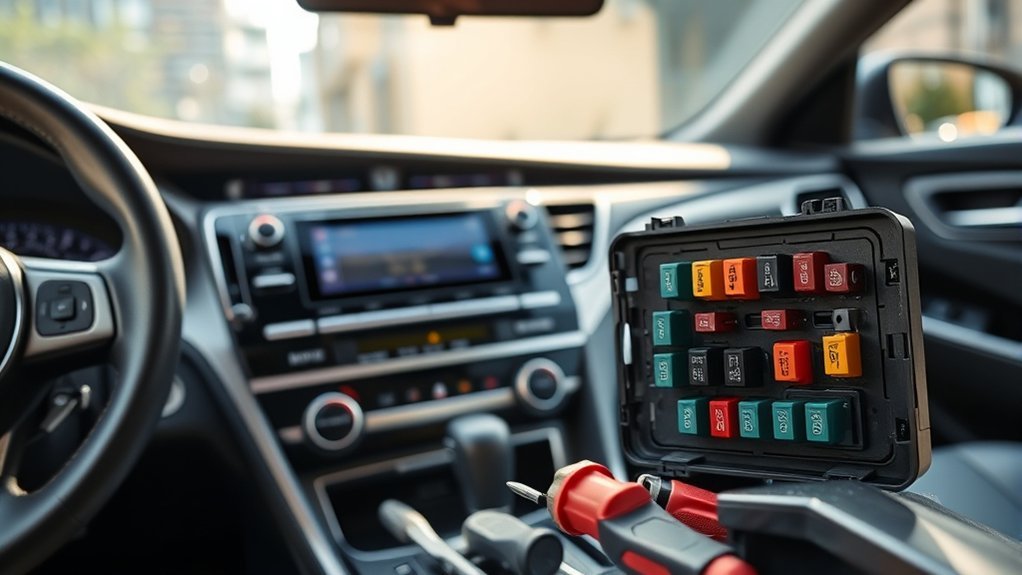
A fuse can look completely normal and still fail to conduct electricity. That’s the most common reason people replace audio components they don’t need to replace. Testing with a multimeter takes two minutes and eliminates guesswork before you spend money on parts.
Common Fuse Issues
Fuses in the 2012–2014 Camry audio system can fail without any visible sign. Three points to keep in mind:
- Specific fuses to check: In 2012–2014 models, fuses 1, 3, 12, and 35 (interior) and fuse 24 (under-hood) cover the audio system directly.
- Each fuse has a job: Different fuses cover different parts of the audio chain. One blown fuse can silence the whole system.
- Testing saves money: Confirming a blown fuse before buying parts keeps repair costs low and avoids replacing components that work fine.
Why Fuse Testing Saves You Money
Fuses can appear intact and still fail, causing a frustrating silence from your speakers. Knowing which fuses to check — numbers 1, 3, 12, and 35 inside the car, and number 24 in the under-hood box — cuts diagnosis time significantly. Proper fuse maintenance also stops you from replacing a working radio or speakers before finding the real cause of your sound issues.
Pro tip: A basic automotive multimeter costs under $20 and is the single most useful tool for diagnosing any electrical problem in your car.
How Testing Prevents Wasted Repairs
Testing fuses before replacing components catches hidden faults that a visual check misses. Here’s why it matters:
- Know which fuses matter: Fuses 1, 3, 12, and 35 connect directly to the audio system. These are your starting point every time.
- Cut repair costs: Testing before buying parts can save you the cost of an unnecessary radio or amplifier replacement.
- Build your skills: Learning to test fuses and relays gives you a reliable first step for any future electrical problem in your Camry.
Essential Fuses to Check for Audio Problems
When troubleshooting audio problems in the 2012–2014 Toyota Camry, these fuses have the most direct impact on sound. Start by inspecting the interior fuse box on the driver’s side, then move to the under-hood box.
- Fuse 1 (interior fuse box)
- Fuse 3 (interior fuse box)
- Fuse 12 (interior fuse box)
- Fuse 35 (interior fuse box)
- Fuse 24 (under-hood fuse box): controls the sound amplifier
Test each one with a multimeter even if it looks fine. Always check your owner’s manual to confirm fuse locations and amperage ratings for your specific trim and model year. This step alone prevents most unnecessary repairs by accurately pinpointing sound problems in your Camry.
How to Diagnose Amplifier Issues
Diagnosing amplifier issues in your 2012–2014 Toyota Camry starts with confirming the amplifier receives power. Use a multimeter to check the voltage at the amplifier terminal. Then inspect the amplifier’s ground connection, since poor grounding causes sound issues or complete audio failure.
Follow these steps for effective amplifier testing:
- Check Fuse 24: Confirm fuse 24 in the under-hood fuse box is intact and conducting. A blown fuse here cuts the amplifier completely.
- Listen for unusual noises: Turn on the audio system and listen for clicking or popping sounds, which can indicate internal amplifier damage.
- Swap with a known working unit: If voltage and grounding check out, test with a known good amplifier to confirm whether yours has failed.
If the amplifier passes every test but you still have no audio, the head unit (the radio itself) may be the source. Connect the head unit directly to a known working speaker before replacing the amplifier.
Troubleshooting Wiring for No Sound Issues
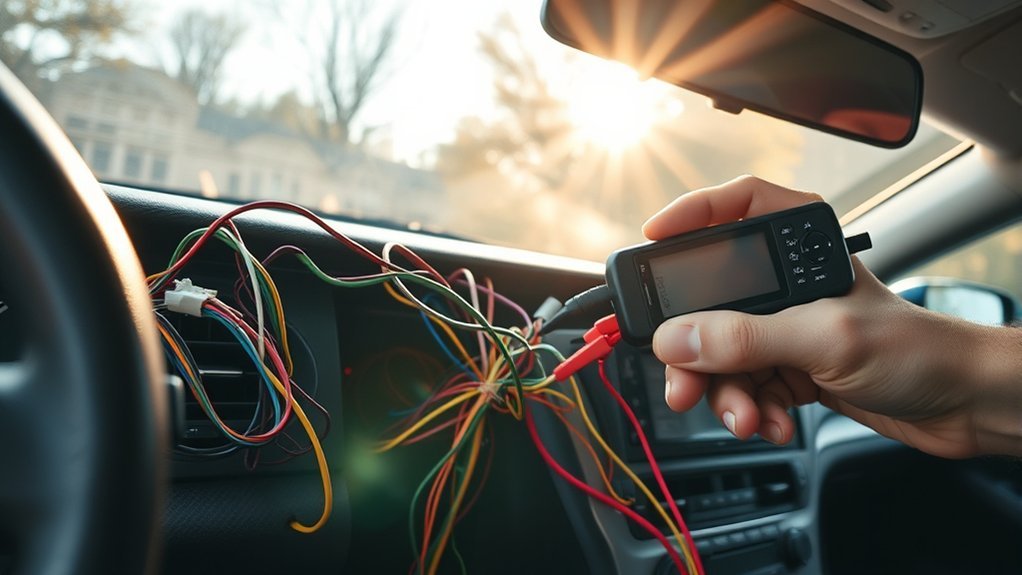
To troubleshoot wiring issues causing no sound in your Toyota Camry, start by checking the wiring connections at the speakers. Make sure they’re tight and free from corrosion or damage, since even minor issues can disrupt audio transmission. Next, inspect the full length of the speaker wires for any fraying or breaks that could interrupt the audio signal.
Check Wiring Connections
Loose or corroded wiring is a common cause of no sound in the Camry’s audio system. Wiring integrity problems are easy to miss, so check these three areas methodically:
- Inspect connections: Check the wiring behind the radio and inside the speaker harness. All connections should be tight and free of corrosion.
- Check for damage: Look for visible fraying in the speaker wires — even a partial break can cut the audio signal entirely.
- Test the ground: Confirm the ground connection is tight. A weak ground produces low or no sound output.
Use a multimeter to test continuity along each wire and identify any break or short in the circuit. Addressing these areas can restore sound and improve your listening experience.
Inspect Speaker Integrity
Start by checking the speaker wires for visible damage, frays, or loose connections that could disrupt audio quality. Use a multimeter to test wire continuity and confirm no breaks exist in the circuit. Also measure speaker impedance — a reading well outside the 4–8 ohm range can indicate a faulty speaker.
Check that your speakers are properly secured to their mounts. Loose speakers cause intermittent sound from vibration. Test each speaker individually by connecting it directly to a known working audio source to confirm it functions and that speaker placement is correct.
Simple DIY Fixes for Audio Problems
When your Toyota Camry’s audio system goes silent, several straightforward DIY fixes can often restore sound without a mechanic visit. Work through these steps in order before moving to more complex diagnosis:
- Check the fuses: Inspect fuse numbers 1, 3, 12, and 35 in the interior fuse box, along with fuse 24 in the under-hood box. Use a multimeter — even intact-looking fuses can fail.
- Check audio settings: Confirm the volume isn’t muted and that the balance and fade settings haven’t shifted off-center. An unbalanced fade or balance setting can silence one or more speakers entirely.
- Inspect wiring: Look for loose or damaged wires connecting to your speakers. Faulty connections are a common cause of sudden audio loss.
- Reset the system: Disconnect the battery for 30 seconds, then reconnect it. This clears software glitches in the head unit that can cause unexpected silence.
When to Call a Professional
If sound issues persist after working through every DIY step, bring in a professional technician for a deeper examination. You’ve checked fuses, wiring, and the amplifier — but problems like a failed amplifier board or a faulty head unit need specialized tools to diagnose accurately.
If your Toyota Camry has aftermarket audio components, a professional can confirm they’re wired and configured correctly. Persistent audio failure can also point to underlying damage that an untrained check will miss. A technician’s diagnosis upfront often costs less than replacing parts through trial and error.
Frequently Asked Questions
Why does my radio turn on but produce no sound in my Toyota?
A radio that powers on without producing sound usually points to a blown amplifier fuse, a misconfigured audio setting, or a wiring fault between the radio and speakers. Check fuse 24 in the under-hood fuse box first, then confirm the balance, fade, and volume settings on the head unit are correct.
Why does my car radio suddenly have no sound?
Sudden audio loss most often comes from a blown fuse, a disconnected speaker wire, or a software glitch in the head unit. Start by checking the relevant fuses with a multimeter, then inspect wiring connections for any faults. A quick battery disconnect and reconnect resets the head unit if a settings issue caused the problem.
Why did my radio stop working in my Toyota Camry?
A radio that stops working completely often has a blown radio fuse or incorrect audio settings. Check fuses 1, 3, 12, and 35 in the interior fuse box and confirm your audio settings are correct. If the fuses and settings are fine, the head unit itself may have failed and need replacement.
What if only some of my speakers have no sound?
Partial audio loss — where only certain speakers go silent — usually points to a wiring fault or a damaged speaker rather than a blown fuse. Check the balance and fade settings first, since an off-center setting silences one side or one end completely. Then inspect the wiring at each silent speaker and test its impedance with a multimeter.
Conclusion
Most Toyota Camry audio failures trace back to a blown fuse or a loose connection. Start with the fuse check, move to the wiring, and test the amplifier before assuming you need new hardware. If the problem persists after working through these steps, a qualified technician can pinpoint the issue faster and prevent you from replacing parts that don’t need replacing. Get your audio back, and get back on the road.