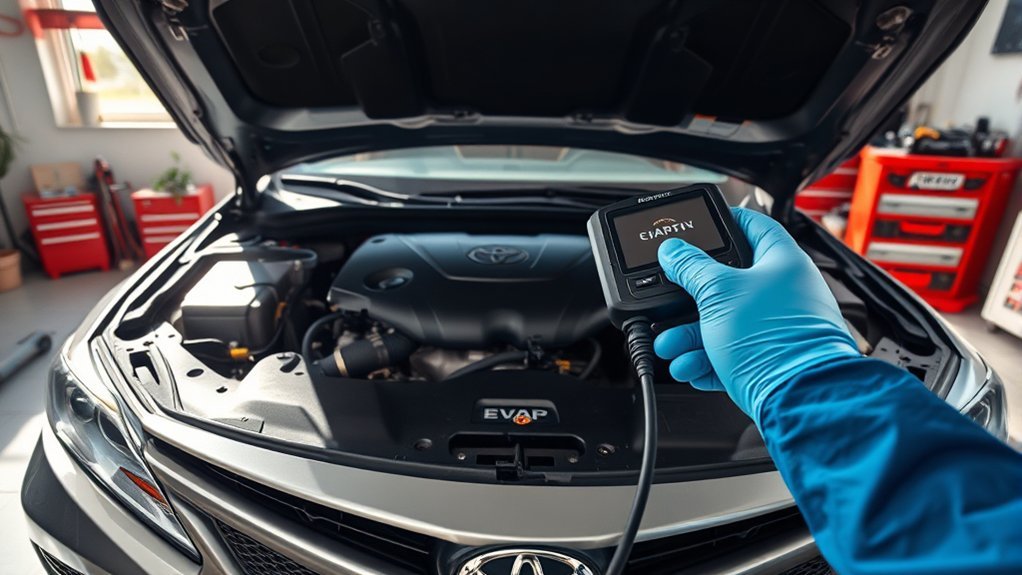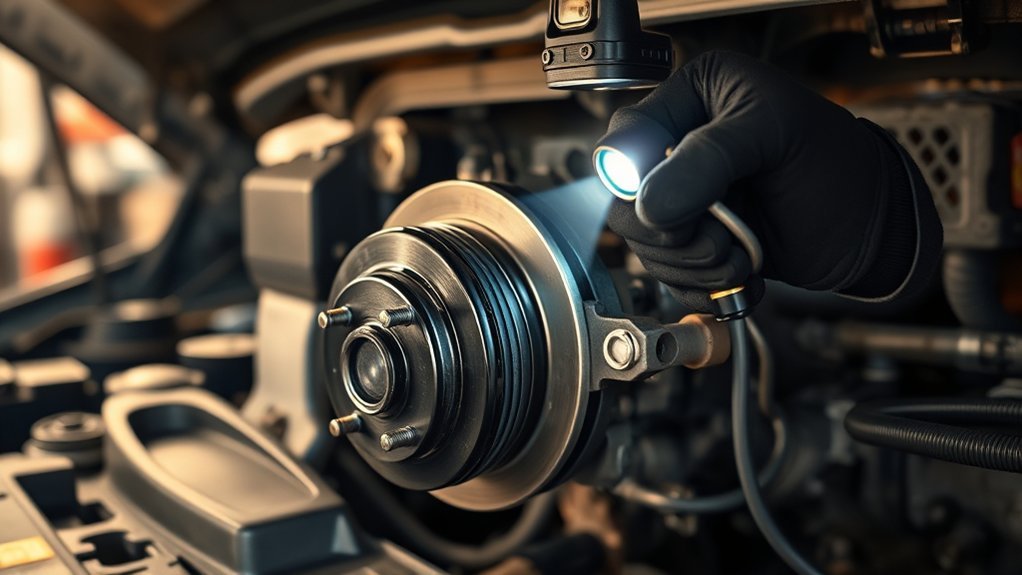
Your Camry’s brake booster is the part that makes the brake pedal feel manageable instead of rock-hard. On many gasoline Toyota Camry models, that assist comes from engine or vacuum-pump vacuum acting through a booster diaphragm and a one-way check valve. If the pedal suddenly feels hard, the car takes more effort to stop, or you hear a hiss near the pedal or booster, treat it as a safety issue and test the system before driving farther.
Quick Answer
To check a gasoline Camry vacuum brake booster, pump the brake pedal several times with the engine off, hold light pressure on the pedal, then start the engine. A healthy vacuum booster usually lets the pedal drop slightly. If it stays hard, hisses, or loses assist suddenly, stop driving and inspect the vacuum hose, check valve, booster, and recalls.
Key Takeaways
- A slight pedal drop when the engine starts is the fastest basic sign that a vacuum booster is receiving assist.
- A hard pedal can be caused by a leaking vacuum hose, failed check valve, weak vacuum pump, damaged booster diaphragm, or a non-booster hydraulic problem.
- Do not rely on a single vacuum number for every Camry; compare readings with the correct Toyota service information for your model year and engine.
- Hybrid and some newer Camry brake systems may use electronically controlled braking, so vacuum-booster tests may not apply.
- Certain 2018–2019 Camry vehicles had power brake assist recalls, so check your VIN if you have hard-pedal symptoms.
At a Glance
| Time Required | 10–30 minutes for basic checks |
| Difficulty | Easy for pedal checks; moderate for gauge and hose checks |
| Tools Needed | Flashlight, gloves, vacuum gauge or hand vacuum pump, pliers, scan tool for hybrid/ECB faults |
| Cost | Often $0 for pedal checks; about $20–$60 for a basic vacuum gauge |
Warning: If the brake pedal suddenly becomes very hard, sinks toward the floor, triggers a brake warning message, leaks fluid, or requires much more distance to stop, do not keep driving. Park safely and have the brake system inspected before the vehicle goes back on the road.
Before You Test: Confirm Your Camry’s Brake Assist System
Not every Camry uses the exact same brake-assist layout. Many gasoline Camry models use a vacuum brake booster. Some engines use an engine-driven vacuum pump to supply that vacuum. Camry Hybrid models and newer electronically controlled brake systems can use brake actuators, pumps, accumulators, and control modules instead of a simple vacuum-only setup.
That distinction matters because a vacuum gauge test is useful only when your Camry actually has a vacuum-assisted booster circuit. If your car is a Camry Hybrid, shows ABS/VSC/ECB warning lights, displays a brake warning message, or stores brake-control trouble codes, scan-tool diagnosis and Toyota service information are the right path.
You can access Toyota owner manuals through Toyota Owners Manuals and Warranties, and professional repair procedures through Toyota Technical Information System.
How the Camry Vacuum Brake Booster Multiplies Pedal Force
On a vacuum-assisted Camry, the booster sits between the brake pedal linkage and the master cylinder. When the engine is running, vacuum is stored on one side of a diaphragm. When you press the brake pedal, a valve lets atmospheric pressure act on the other side. That pressure difference helps push the master cylinder so your leg does not have to supply all the braking force by itself.
The one-way check valve helps hold vacuum in the booster after the engine is turned off or if vacuum supply drops briefly. That stored assist is limited, so after a few pedal pumps with the engine off, the pedal should become firm because the reserve vacuum has been used up.
| Part | What it does | Common failure sign |
|---|---|---|
| Booster diaphragm | Uses pressure difference to add braking assist | Hard pedal, hissing, poor assist |
| Check valve | Lets vacuum flow one way and helps hold reserve vacuum | Assist disappears quickly after shutdown |
| Vacuum hose | Carries vacuum from the engine or vacuum pump to the booster | Cracks, loose fit, hiss, low vacuum |
| Master cylinder | Turns booster push into hydraulic brake pressure | Low pedal, internal leak, fluid leak |
Camry Booster Parts You Need to Know: Diaphragm, Check Valve, Master Cylinder
The diaphragm is the sealed moving membrane inside the booster. If it tears or the internal seal leaks, assist can drop and the pedal can feel unusually hard. A leaking booster may also create a hiss near the firewall or under the dashboard when the pedal is pressed.
The check valve is usually installed in the booster vacuum hose or at the booster grommet. It should allow flow in the correct direction only. If it flows both ways, blocks both ways, or fits loosely in the grommet, the booster may not hold reserve vacuum.
The master cylinder bolts to the front of the booster and creates hydraulic pressure for the brake calipers and wheel cylinders. A bad master cylinder can mimic some booster complaints, especially if the pedal slowly sinks or brake fluid is leaking. Do not replace the booster until you have separated vacuum-assist symptoms from hydraulic brake symptoms.
[Products Worth Considering]

This universal brake bleeding kit lets you flush brake, clutch, and other hydraulic systems by yourself with fast, efficient vacuum-assisted operation. Built with a durable aluminum alloy pump, silicone tubing, and secure fittings, it helps maintain a tight seal for cleaner, easier service. The included blow-molded case keeps every part organized for convenient storage and transport between jobs.

This brake bleeder hose kit helps remove old brake fluid and air from motorcycle brake and clutch systems quickly and efficiently. Its one-way check valve prevents air from being drawn back into the system, while the easy-to-connect clips make bleeding simple for routine maintenance. Built for reliable use, it is a practical tool for keeping motorcycle braking performance responsive.

This brake bleeder bottle is designed to make fluid bleeding easier for one-person use with a built-in check valve and magnetic mount. The flexible hose fits most bleeder valves and helps reduce the chance of air entering the system during service. With a practical fluid capacity and universal fit, it is a handy tool for brake maintenance and repair.
Locate the Camry Vacuum Source and Check Valve
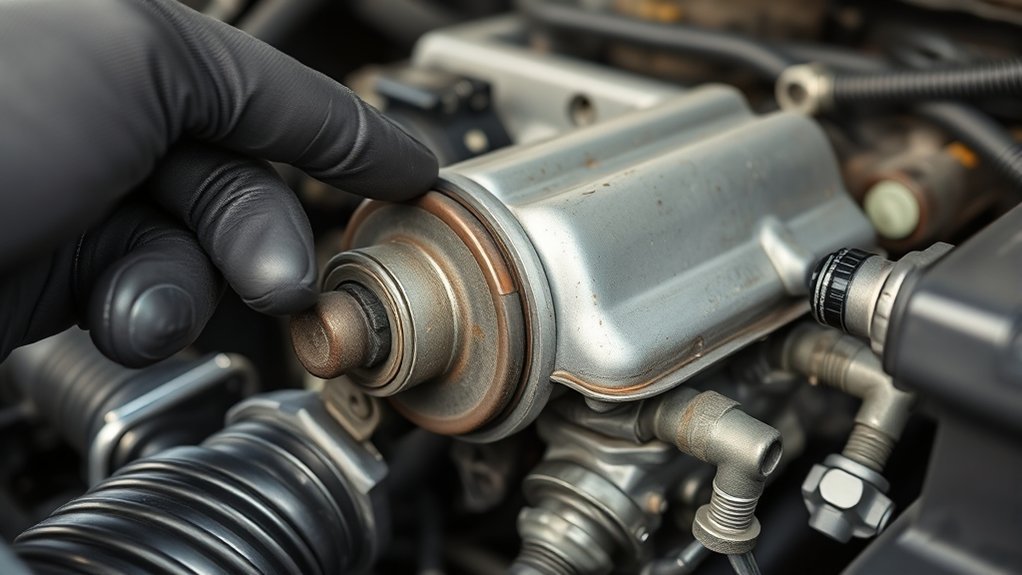
Open the hood and find the round brake booster on the driver-side firewall, directly behind the master cylinder. Follow the large vacuum hose from the booster toward the intake manifold or vacuum pump. The check valve is usually in that hose path or inserted into the booster grommet.
Look for obvious problems first. A cracked hose, oil-softened rubber, loose clamp, split grommet, or disconnected line can create the same hard-pedal complaint as a failed booster.
| Item inspected | What to look for | What to do |
|---|---|---|
| Vacuum hose | Cracks, collapse, kinks, oil damage | Replace damaged hose with the correct vacuum-rated part |
| Check valve | Loose fit, broken nipple, flow both ways | Replace if it fails the one-way flow test |
| Booster grommet | Hard, split, or leaking rubber | Replace the grommet if it cannot seal tightly |
| Master cylinder area | Brake fluid leakage at the rear seal | Diagnose hydraulic leaks before condemning the booster |
Pro Tip: Take a phone photo before removing hoses or valves. It gives you a quick reference for hose routing and clamp position during reassembly.
Camry Brake Booster Vacuum Range and Why It Matters
A vacuum gauge helps you separate a booster problem from a vacuum-supply problem. Many healthy gasoline engines show strong, steady idle vacuum, often in the high-teens to low-20s inHg range at sea level, but the correct pass/fail value depends on engine, altitude, condition, and Toyota service data for the exact vehicle.
Use the gauge as a clue, not as the only verdict. Low or unstable vacuum can point to a leaking hose, a weak vacuum pump, engine running problems, or a faulty check valve. Normal vacuum with a hard pedal points more strongly toward the booster, check valve, pedal linkage, or hydraulic system.
Note: Altitude lowers gauge readings. A Camry tested in Denver will not show the same absolute vacuum reading as the same car tested near sea level. Compare your reading with service information and local conditions.
Pedal Check: In-Car Test and Expected Results
Use this simple test only while parked on level ground with the transmission in Park and the parking brake set.
- Engine off: Press the brake pedal several times. The pedal should become firmer as stored vacuum assist is depleted.
- Hold light pressure: Keep your foot on the brake pedal. Do not stomp on it.
- Start the engine: On a working vacuum booster, the pedal should drop slightly as vacuum assist returns.
- Watch the result: If the pedal does not drop and stays unusually hard, inspect vacuum supply, the check valve, and the booster.
This test does not prove every part of the brake system is healthy. It only tells you whether vacuum assist appears to come in when the engine starts.
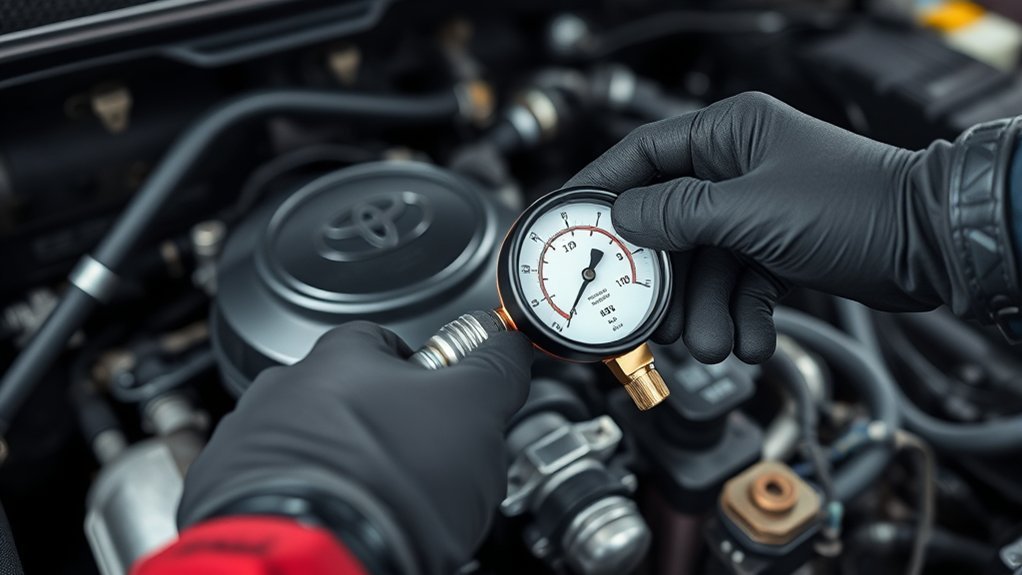
Test Camry Vacuum With a Gauge: Step-by-Step
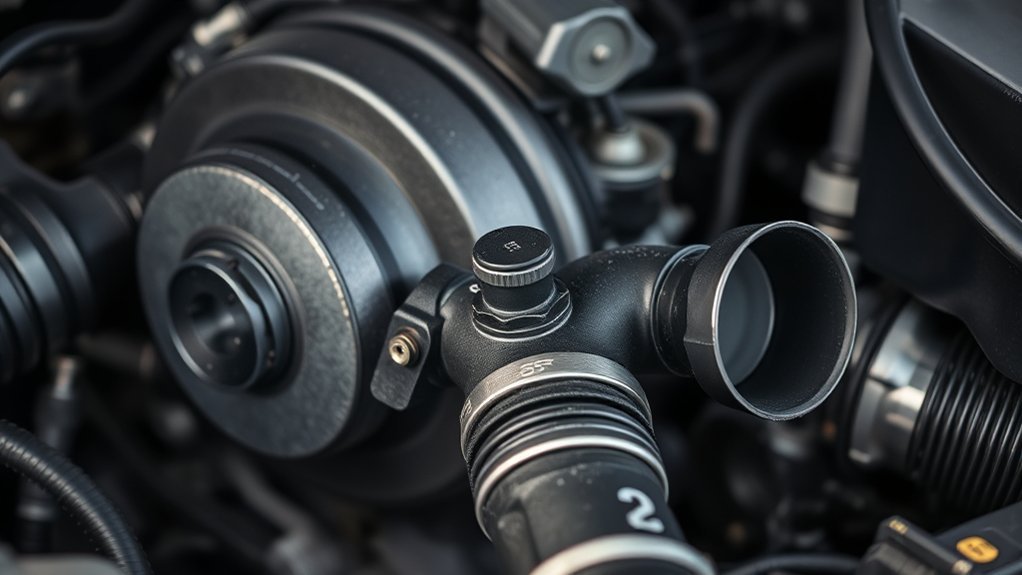
A gauge test is helpful on vacuum-assisted gasoline Camry models. Skip this test and use scan-tool diagnostics if your Camry has an electronically controlled brake system, hybrid brake actuator warnings, or no conventional vacuum booster hose.
- Park safely: Set the parking brake, keep the car in Park, and work in a ventilated area.
- Find the booster vacuum hose: Trace it from the booster toward the vacuum source.
- Connect the gauge: Use the correct adapter so you do not damage the hose or create a new leak.
- Start the engine: Let it idle and watch whether the vacuum reading is steady.
- Compare the reading: Use Toyota service information for your model year and engine. A very low, unstable, or rapidly dropping reading needs further diagnosis.
- Shut the engine off: Watch how quickly vacuum bleeds down. A rapid loss can point to a leaking hose, check valve, grommet, or booster.
A hard brake pedal is not automatically a bad booster. Confirm vacuum supply, check-valve operation, hose condition, and hydraulic brake condition before replacing parts.
How to Test the Camry Brake Booster Check Valve
The check valve is small, but it can cause a big change in pedal feel. Remove it carefully from the hose or booster grommet, then check airflow direction.
- Mark orientation: Note which side faces the booster and which side faces the engine or vacuum pump.
- Check one-way flow: Air should pass in the specified direction and block in the opposite direction.
- Inspect the valve body: Replace it if the plastic is cracked, oil-soaked, loose, or swollen.
- Inspect the grommet: A good valve can still leak if the grommet no longer seals.
- Reinstall securely: Make sure hoses and clamps seat fully before retesting pedal feel.
[Products Worth Considering]
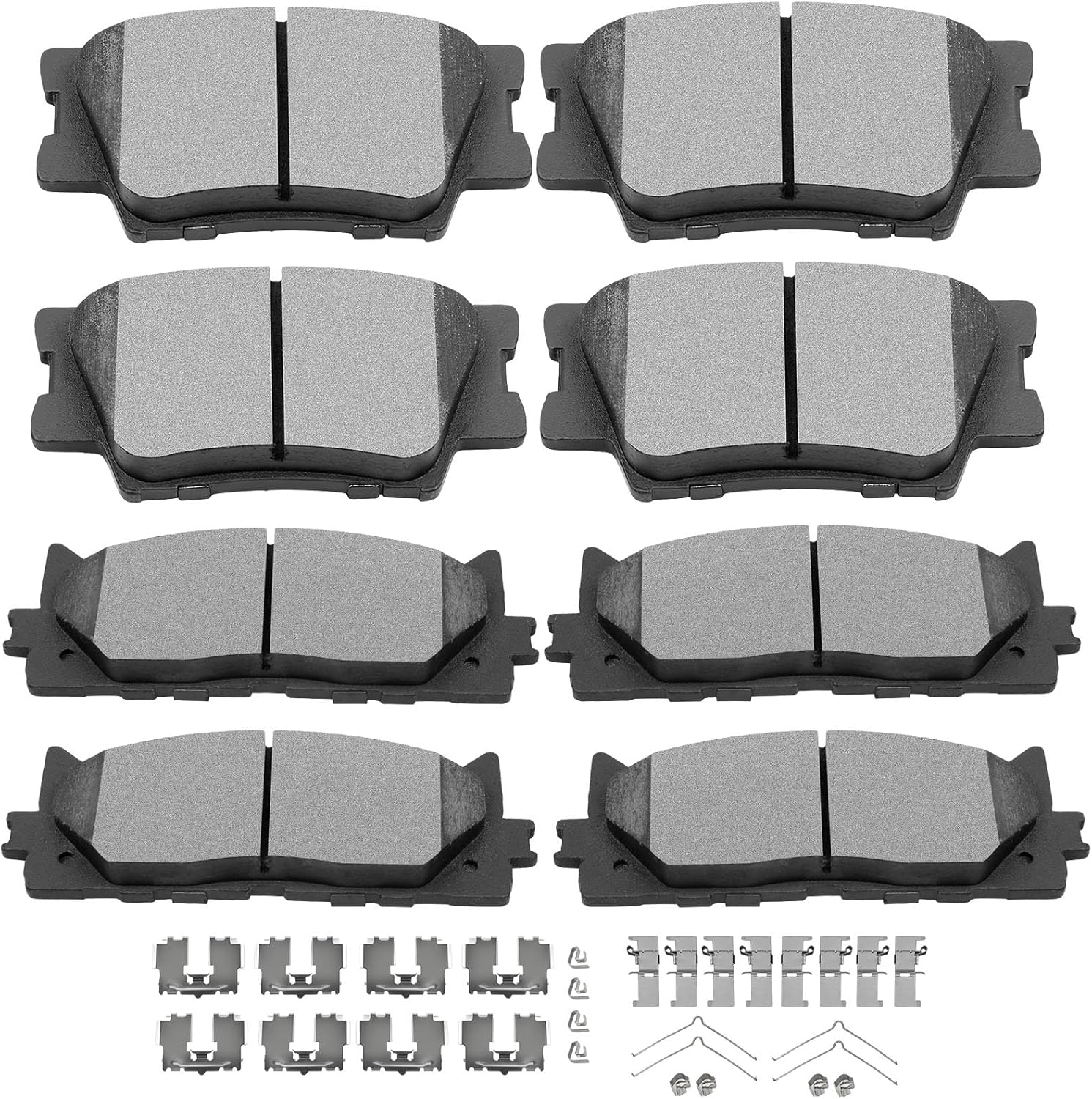
This ceramic front and rear brake pad set is designed as a direct replacement for select Lexus and Toyota models, helping restore reliable stopping performance. The pads feature a scorch-treated friction surface for quicker break-in and consistent wear, while the included gasket design helps reduce vibration and noise for quieter braking. Built for easy installation, this kit comes ready to fit compatible vehicles without modification.
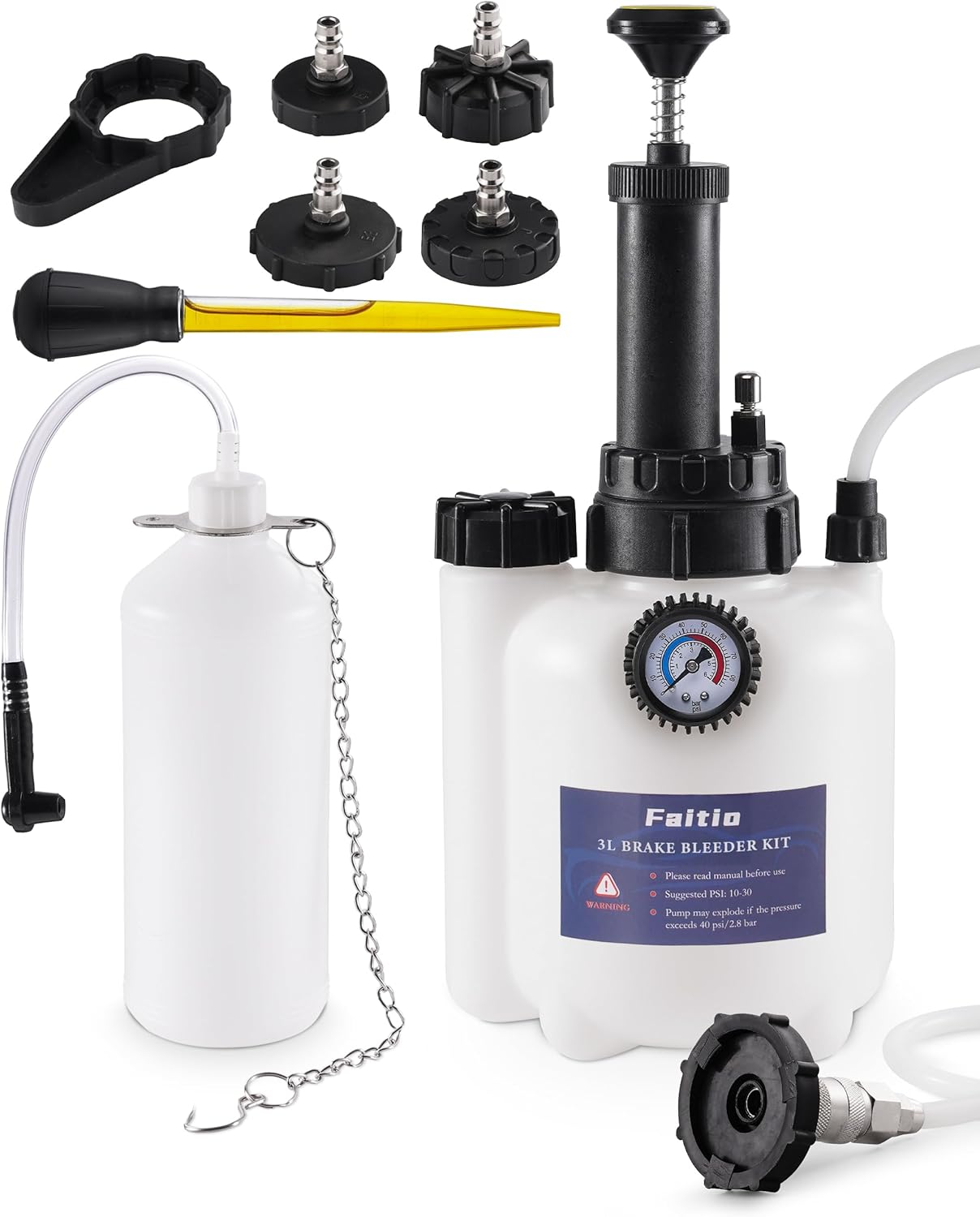
This one-man brake bleeding kit helps flush old brake fluid and remove trapped air for firmer, more responsive braking without the hassle of a second person. Its improved sealing and translucent catch bottle help prevent leaks while making fluid level checks easy during use. With multiple adapter sizes for many vehicle makes, it is a practical tool for clean, efficient brake system maintenance.

This universal brake bleeder kit makes one-person brake and clutch line bleeding simple by using compressed air to create stable vacuum-assisted fluid flow. Its extra-large 3L tank helps complete full-system flushes with fewer interruptions, while the included refill bottle, flexible hose, and universal adapter support clean, efficient use on standard and ABS brake systems.
Symptoms That Point to Vacuum Loss vs. Diaphragm Failure
Brake booster symptoms overlap, so use patterns instead of guessing from one sign. The table below gives you a safer starting point.
| Symptom | Likely area | Next check |
|---|---|---|
| Pedal is hard and does not drop when engine starts | Vacuum supply, check valve, booster | Inspect hose, test vacuum, test check valve |
| Hissing near firewall or brake pedal | Booster seal, hose, grommet, valve leak | Listen while pressing pedal; inspect for vacuum leaks |
| Pedal slowly sinks while held | Hydraulic leak or master cylinder issue | Check brake fluid, leaks, and master cylinder |
| Brake warning lights or hybrid brake messages | ABS/ECB/brake actuator system | Scan for brake-control codes; do not rely on vacuum tests |
| Assist is available once, then disappears quickly after shutdown | Check valve, booster leak, hose leak | Perform reserve-vacuum and check-valve tests |
Hard Pedal on Startup
A hard pedal before the engine starts can be normal if the car has been sitting and reserve vacuum has bled off. The concern is a pedal that remains very hard after the engine starts or requires excessive force to stop the car.
If the pedal does not drop slightly at startup, first inspect the vacuum hose and check valve. If vacuum supply is good and the pedal remains hard, the booster itself becomes more suspect.
Hissing or Vacuum Leak
A hiss near the booster, firewall, or pedal area usually means air is entering somewhere it should not. The leak may be external, such as a cracked hose or loose grommet, or internal, such as a booster seal leak.
Do not diagnose by sound alone. Confirm with a visual inspection, a vacuum gauge or hand pump, and a check-valve test.
Uneven Brake Response
If the pedal feel changes from stop to stop, the booster may not be the only suspect. Worn pads, contaminated rotors, sticking calipers, ABS faults, low fluid, air in the hydraulic system, or a failing master cylinder can all change brake feel.
When the pedal is low or spongy rather than hard, start with hydraulic brake inspection before focusing on the booster.
When the Problem Is Not the Brake Booster
A brake booster usually creates a hard pedal when assist is lost. Other brake problems feel different:
- Soft or spongy pedal: often air in the brake lines, old fluid, hose expansion, or hydraulic leakage.
- Pedal sinks slowly: possible master cylinder internal leak or external brake-fluid leak.
- Pulling to one side: possible caliper, pad, rotor, tire, or suspension problem.
- Grinding noise: worn pads or rotor damage, not a booster symptom.
- ABS/traction lights: scan the brake-control system before replacing mechanical parts.
DIY Fixes, Temporary Workarounds, and When to Replace the Booster
Safe DIY work is mostly inspection and simple external part replacement. You can replace a damaged vacuum hose or failed check valve if you can access it safely and use the correct parts. Booster replacement is more involved because it connects to the pedal linkage and master cylinder, and some repairs require brake bleeding, pushrod checks, or calibration steps.
Temporary Brake Assist Tricks
Do not treat any “trick” as a repair. Pumping the pedal with the engine off does not build vacuum; it uses up stored vacuum. If assist is failing while driving, press the brake pedal firmly and steadily, increase following distance only if you can do so safely, and get the vehicle stopped in a safe place.
For diagnosis in your driveway, pumping the pedal with the engine off is useful because it removes stored assist before the startup pedal-drop test. On the road, a sudden loss of assist is a stop-and-repair situation.
When to Replace
Replace the brake booster only after testing points to the booster rather than the hose, check valve, vacuum pump, master cylinder, or brake actuator. Booster replacement is likely when vacuum supply is confirmed good, the check valve works, the hoses seal, and the pedal still remains very hard or the booster leaks internally.
Replace related seals, grommets, and damaged hoses at the same time. After repair, verify pedal feel, brake warning lights, and stopping performance before normal driving.
Important Recall Check for 2018–2019 Camry Brake Assist Complaints
If you own a 2018 or 2019 Camry and notice a hard pedal, brake warning lights, warning messages, or sudden loss of assist, check recalls before paying for repairs. Toyota Safety Recall 21TA09 / NHTSA Recall No. 21V-890 covered certain 2018–2019 Camry vehicles for a condition that could cause sudden loss of power braking assist. Toyota’s notice states that non-power-assisted braking remains functional, but sudden assist loss can increase crash risk.
Use the official Toyota Safety Recall and Service Campaign lookup or the NHTSA recall lookup with your VIN. Recall eligibility is VIN-specific, so model year alone is not enough.
[Products Worth Considering]

This tire inflator attachment combines accurate pressure reading and easy inflation in one heavy-duty tool for maintaining tire pressure with less hassle. A longer hose and 360-degree swivel air chuck help create a secure seal while giving you better control during use. Designed for universal compressor compatibility, it measures, inflates, and deflates without batteries.
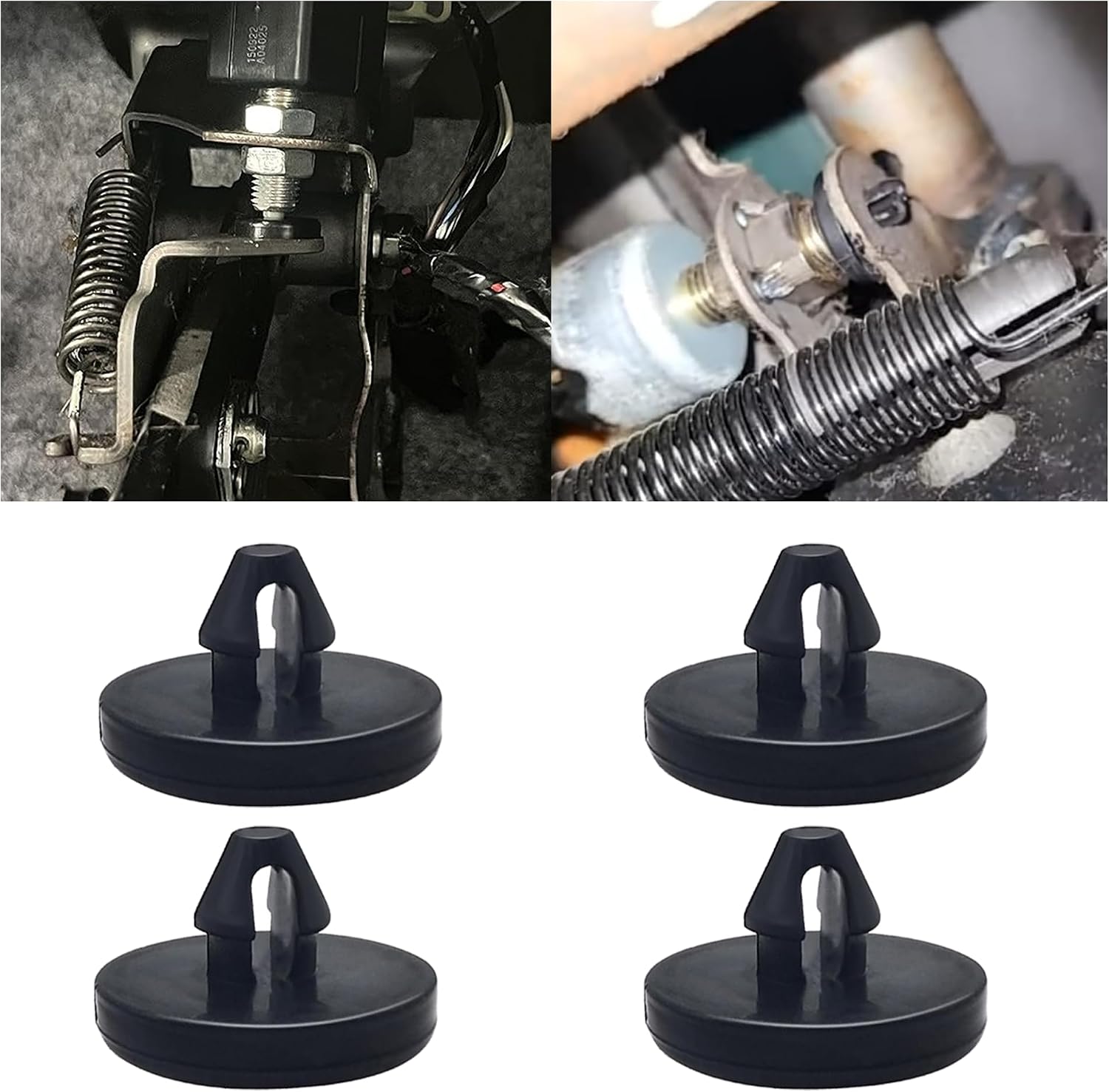
This brake pedal stop pad set is designed as an OEM replacement for compatible Toyota, Lexus, and Scion models, helping restore proper brake light switch function when the brake light stays on. Made from durable nylon, these compact stoppers are built for reliable long-term use and quick, tool-free installation. The set includes multiple pieces for convenient replacement and sharing.

This brake bleeder bottle helps simplify brake fluid replacement by draining old fluid while reducing air in the line. Its rubber connector fits most bleed screws, and the included hose and chain help keep the bottle securely in place during use. Built from durable, corrosion-resistant plastic, it is suitable for a wide range of vehicles including cars, motorcycles, ATVs, dirt bikes, and scooters.
Safety Checks and When to Get Professional Service Before Driving
Before driving after any brake-assist complaint, confirm that the pedal feels consistent, the vehicle stops straight, warning lights are off, and there are no brake-fluid or vacuum leaks. Test only in a safe, open area at low speed after repairs are complete.
Get professional service before driving if you notice any of these signs:
- Pedal suddenly becomes very hard while driving
- Brake warning light, ABS light, VSC light, or “Braking Power Low” type message appears
- Brake pedal sinks toward the floor
- Brake fluid is low or leaking
- Booster or vacuum pump makes abnormal noise
- Hybrid or electronically controlled brake system stores brake-control codes
Frequently Asked Questions
How do I check if a Camry brake booster is working?
With the engine off, press the brake pedal several times until it becomes firm. Hold light pressure on the pedal, then start the engine. On a working vacuum booster, the pedal should drop slightly as assist returns. If it stays hard, inspect vacuum supply, the check valve, hoses, and the booster.
Does a brake booster have anything to do with power steering?
A typical vacuum brake booster does not use power steering pressure. Some vehicles use hydro-boost systems that rely on power steering hydraulic pressure, but many Camry vacuum booster systems are separate from power steering. Always verify the system fitted to your exact year and engine.
Can I drive with a bad brake booster?
You should not keep driving with a suspected brake booster failure. The brakes may still work mechanically, but they can require much more pedal force and longer stopping distance. Park safely and have the vehicle inspected.
What does a bad Camry brake booster sound like?
A leaking booster or vacuum connection may make a hiss near the firewall, under the dashboard, or at the booster hose. Sound alone is not enough for diagnosis because cracked hoses, loose grommets, and check valves can also hiss.
Is a hard brake pedal always the booster?
No. A hard pedal can come from a failed booster, low vacuum supply, a bad check valve, a cracked hose, a vacuum pump issue, pedal linkage problems, or brake-control faults. A soft or sinking pedal usually points more toward hydraulic brake issues.
Conclusion
A tired Camry vacuum brake booster usually shows up as a hard pedal, reduced assist, hissing, or no slight pedal drop when the engine starts. Start with the safe checks: confirm your Camry actually uses a vacuum-assisted booster, inspect the hose and check valve, run the pedal-drop test, and use a vacuum gauge only where that test applies. If your Camry is a hybrid, has brake warning messages, or falls under a possible recall, use VIN lookup and professional diagnosis before replacing parts.
Sources
- Toyota Owners Manuals and Warranties — official owner manual access by Toyota model and year
- Toyota Technical Information System — official Toyota service information source for repair manuals, service bulletins, wiring diagrams, and diagnostics
- Toyota Safety Recall and Service Campaign Lookup — VIN-based Toyota recall and service campaign lookup
- NHTSA Recalls Lookup — official U.S. safety recall lookup and recall process information
- Toyota Safety Recall 21TA09 / NHTSA 21V-890 — certain 2018–2019 Camry vehicles and sudden loss of power braking assist
- Toyota Safety Recall J0K / NHTSA 18V-211 technical instructions — vacuum pump assembly defect information and braking assist risk