What’s in This Article
- Before You Start: Safety Checks
- What Causes a Soft Brake Pedal in Toyota Camrys?
- How to Fix a Soft Brake Pedal
- How Can You Identify Air in the Brake System?
- Signs of Fluid Leaks in Your Brake System
- Why Contaminated Brake Fluid Can Be a Big Problem
- The Importance of the Brake Booster Pin Gap
- How to Diagnose Master Cylinder Issues
- Checking for Problems With Brake Hoses and Calipers
- Steps to Bleed Your Brake System Correctly
- When to Get Professional Brake Help
- Frequently Asked Questions
A soft brake pedal in your Toyota Camry can turn a normal stop into a real safety concern. The pedal may feel spongy, travel farther than normal, or sink slowly while you hold pressure. Most cases point to air in the brake lines, low or contaminated brake fluid, a leak, worn calipers, or a weak master cylinder. This guide shows you how to check the common causes in a safe order before you decide whether to bleed the brakes or call a mechanic.
Quick Answer
A Toyota Camry usually gets a soft brake pedal when air enters the hydraulic system, brake fluid drops too low, fluid becomes contaminated, or a hydraulic part loses pressure. Start by checking the brake fluid level and looking for leaks. Do not drive if the pedal sinks to the floor, the brake warning light stays on, or the car takes longer to stop.
Key Takeaways
- Check brake fluid level and leaks first because both can quickly reduce braking power.
- Air in the brake lines often creates a spongy pedal that firms up after pumping.
- Use only the brake fluid type listed for your Camry and avoid mixing unknown fluid.
- Bleeding the brakes can restore pedal feel when air causes the problem.
- Get professional help if the pedal sinks, fluid keeps dropping, or the anti-lock braking system needs service.
Before You Start: Safety Checks
Park your Camry on level ground, set the parking brake, and let the engine cool before you inspect the brake system. Wear gloves and eye protection because brake fluid can harm paint and irritate your skin or eyes.
Warning: Do not drive your Camry if the brake pedal sinks to the floor, the red brake warning light stays on, or you see active brake fluid leaking.
Toyota owner information for Camry models lists brake fluid that meets Federal Motor Vehicle Safety Standard (FMVSS) No. 116 DOT 3 or SAE J1703 requirements for many model years. Check your owner’s manual or reservoir cap for your exact model year before you add fluid.
What Causes a Soft Brake Pedal in Toyota Camrys?
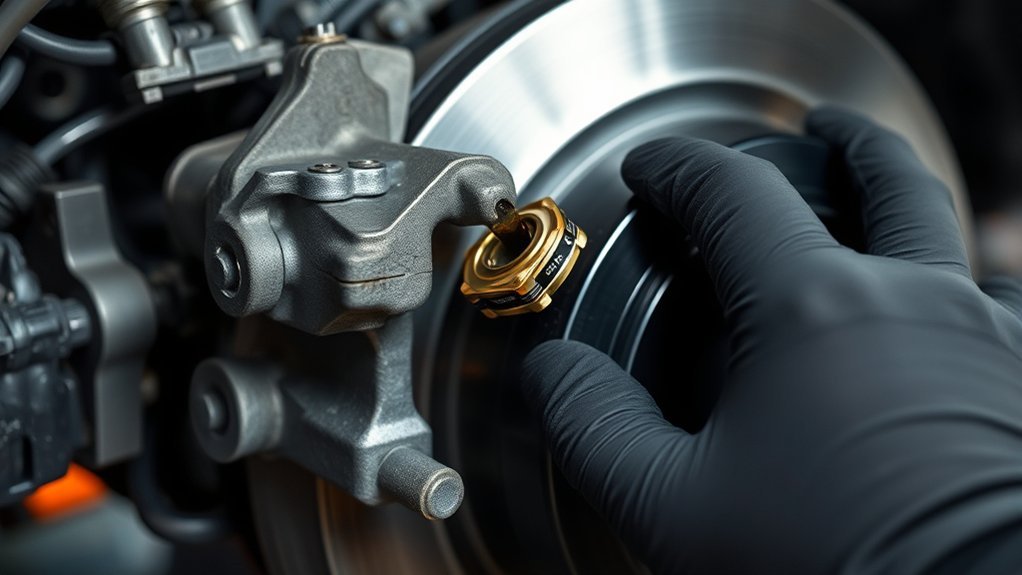
A soft brake pedal in a Toyota Camry usually means the hydraulic system cannot hold firm pressure. Air in the brake lines causes one common problem. Air compresses more than brake fluid, so your pedal can feel spongy and travel farther before the brakes bite.
Brake fluid leaks can also create a soft pedal. A damaged brake line, loose bleeder valve, worn caliper seal, or leaking wheel cylinder can let fluid out and air in. The National Highway Traffic Safety Administration (NHTSA) has warned in brake leak recall documents that brake fluid loss can increase pedal travel and reduce deceleration.
Old or contaminated brake fluid can make the problem worse. Brake fluid can absorb moisture from the air after you open the system or leave old fluid in service too long. Federal brake-fluid rules test both dry and wet boiling points because moisture changes how brake fluid performs under heat.
A failing master cylinder can create a similar feel. Its internal seals may let pressure bypass inside the cylinder, even when you see no outside leak. Worn calipers, damaged brake hoses, poor rear brake adjustment on older drum setups, or an incorrect booster pushrod setting can also change pedal travel.
How to Fix a Soft Brake Pedal
Start with the safest and easiest checks before you replace parts. Check the reservoir level, inspect for leaks, confirm the fluid looks clean, and test pedal feel with the engine off and on. If the pedal feels spongy after you open the hydraulic system, bleed the brakes to remove trapped air.
[Products Worth Considering]


Package Contains: 5pcs brake bleeding rubber couplings total length: 1.91 inch, oil inlet I.D.: 0.18 inch / 4.56 mm, O.D.: 0.42 inch / 10.89 mm, 5pcs connectors total length: 1.64 inch, O.D.: 0.30 inch / 7.83 mm. fully meet your daily replacement use
Common Diagnostic Steps
check the brake fluid level in the reservoir first. Low fluid often points to worn brake pads or a leak, so do not just top it off and ignore the cause. Use only clean fluid from a sealed container that matches your Camry’s stated specification.
Look for wet spots around the master cylinder, brake lines, calipers, wheel cylinders, and bleeder screws. Also check the ground under each wheel after the car sits for a while. Any wet brake-fluid mark needs repair before you bleed the brakes.
Press and hold the brake pedal with steady force. A pedal that slowly sinks may point to a master cylinder issue or a hydraulic leak. If pumping the pedal makes it firmer for a short time, air in the system remains a likely cause.
Effective Repair Techniques
Fix leaks before you bleed the system. Bleeding a leaking system may improve pedal feel for a short time, but air can enter again. Replace cracked hoses, damaged brake lines, leaking calipers, or faulty wheel cylinders before you move to final bleeding.
Inspect the master cylinder if the pedal keeps sinking and you see no external leak. A shop can pressure-test the system and confirm whether the master cylinder holds pressure. If your Camry has anti-lock braking system (ABS) air trapped in the hydraulic control unit, a scan tool may need to run the ABS bleed process.
| Action | Why It Matters | What It Helps You Confirm |
|---|---|---|
| Bleed the system | Restores hydraulic pressure | Air caused the spongy feel |
| Check for leaks | Protects braking power | Fluid loss caused the low pedal |
| Replace worn parts | Helps restore reliable braking | A component failed or seized |
| Check rear brake adjustment | Reduces excess pedal travel | Brake contact needed correction |
How Can You Identify Air in the Brake System?
You can often identify air in the brake system by how the pedal feels. A spongy pedal, a pedal that firms up after pumping, or a pedal that travels farther than normal can point to air in the lines. Air can enter after a brake repair, a fluid leak, or a reservoir that ran too low during service.
[Products Worth Considering]

YOUR TRIP COMPANION: With Orion Motor Tech's brake bleeder kit, say goodbye to the old days when it takes two or more to bleed brakes and pump out fluids; thanks to the well-designed handheld vacuum pump and clear instructions, brake bleeding of each wheel only takes one less than 5 minutes with great ease

Complete Kit: The brake system bleeding tools contain 2*6.02" long inlet hose, 2*13.77" long outlet hose, 2*check valve, 4*0.24" ID small clamps, 2*0.31" ID large clamps, 6*bleeder screw caps. Fit for hydraulic brakes on most motorcycles, cars, and bikes

Can Be Changed Several Times: 2 x 60ml Bottles mineral oil brake fluid
Symptoms of Air Presence
Air in the brake system often creates a soft or springy pedal. You may need more pedal travel before the brakes respond. The pedal may also feel better for a moment after you pump it several times.
Watch for poor stopping power, longer stops, or a brake warning light. A hissing sound can also point to a booster or vacuum issue, not just air in the brake lines. Treat any weak brake response as a safety issue.
Bleeding Techniques Overview
Bleeding removes air from the hydraulic system. Use the correct fluid, keep the reservoir filled, and work slowly so you do not pull new air into the lines.
- Attach a clear hose to the bleeder screw so you can see bubbles leaving the system.
- Keep the brake fluid reservoir above the minimum level through the full job.
- Use clean fluid from a sealed container and avoid dirt around the reservoir cap.
- Repeat each wheel until clean fluid flows with no visible bubbles.
Pro tip: If your Camry has ABS and the pedal stays soft after normal bleeding, ask a shop to run the ABS bleed function with a scan tool.
Check the pedal after bleeding and inspect each bleeder valve for leaks. A firm pedal should hold steady pressure. If the pedal still sinks, stop and diagnose the master cylinder and hydraulic lines.
Signs of Fluid Leaks in Your Brake System
Fluid leaks around brake parts can quickly lead to a soft brake pedal. Look near the calipers, wheel cylinders, brake hoses, steel brake lines, master cylinder, and ABS hydraulic unit. Brake fluid often feels slick and may look clear, amber, or dark brown.
A falling brake fluid level in the reservoir points to worn pads or a leak. If the level drops again after you refill it, do not keep driving. Find and repair the source before the system loses more pressure.
Use simple leak checks before you take the wheels off. Inspect the ground under the car, the inside of each tire, and the back side of each wheel. Brake fluid can damage paint, so rinse spills from painted surfaces right away with plenty of water.
[Products Worth Considering]
FIX IT FAST: Our multi-purpose solution works in minutes to quickly seal leaks in the radiator, head gasket, freeze plugs, block, heater matrix & water pump. Fixes most leaks in water-cooled engines

[Permanently Stop Leaks] Solves fluid leaks between the unit and master cylinder, restoring a firm brake pedal and reliable power braking performance

Use to seal lines from leaking while repairing or replacing them
Why Contaminated Brake Fluid Can Be a Big Problem
Contaminated brake fluid can reduce brake performance because moisture lowers the fluid’s boiling point. Under heavy braking, overheated fluid can form vapor pockets. Those pockets compress and can make the pedal feel soft.
Contaminated brake fluid can weaken brake performance because moisture, dirt, and mixed fluid types can change how the hydraulic system works.
- Moisture can lower the boiling point and raise the risk of brake fade.
- Dirt can harm seals, valves, and small passages inside the brake system.
- Mixed or unknown fluid can change how rubber seals and internal parts react.
- Old fluid can speed corrosion inside calipers, lines, and the master cylinder.
Use the fluid type listed for your Camry and avoid mixing fluid from unknown bottles. If the fluid looks dark, cloudy, or dirty, plan a proper brake-fluid service instead of only topping off the reservoir.
The Importance of the Brake Booster Pin Gap
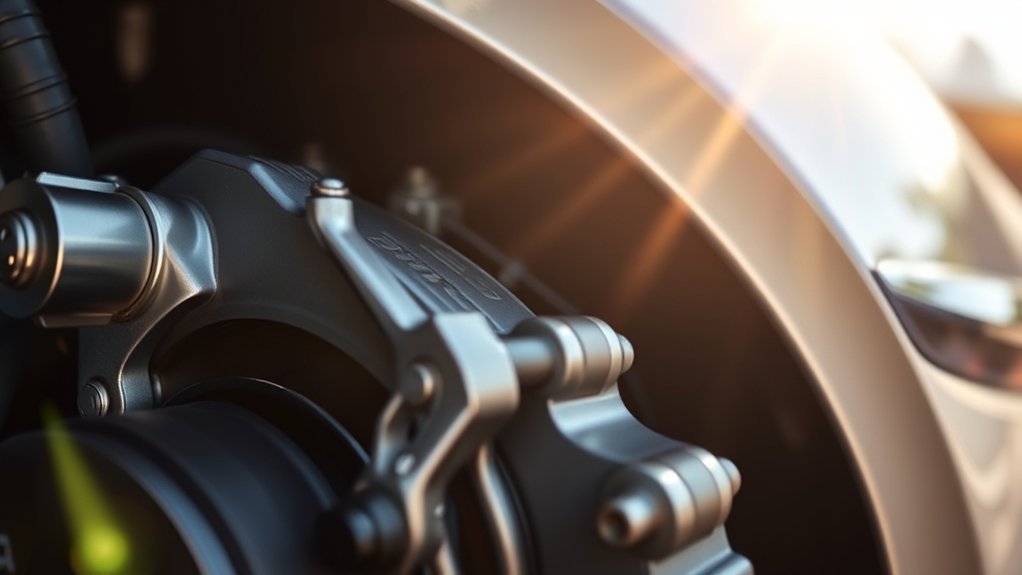
The brake booster pushrod gap affects how the booster and master cylinder meet. Too much clearance can delay master cylinder movement and add pedal travel. Too little clearance can keep pressure applied and cause brake drag.
Do not adjust the pushrod by guesswork. Toyota service information for your exact model year should guide the correct measurement and adjustment method. If you replaced the booster or master cylinder, confirm the gap before you blame the pedal feel on air alone.
| Pushrod Condition | Effect on Brake Performance |
|---|---|
| Within service specification | Supports normal brake engagement and pedal feel |
| Too much clearance | Can cause extra pedal travel and delayed response |
| Too little clearance | Can cause brake drag and overheating |
Let a qualified technician handle this adjustment if you do not have the factory procedure. A small change at the pushrod can affect every stop you make.
How to Diagnose Master Cylinder Issues
The master cylinder creates and holds hydraulic pressure. When its internal seals fail, your brake pedal may sink even without a visible fluid leak. A soft pedal after correct bleeding often points back to this part.
- Inspect the master cylinder and booster area for wet brake fluid or corrosion.
- Hold steady pressure on the pedal and watch for slow sinking.
- Check whether the brake fluid level keeps dropping after you refill it.
- Confirm the booster pushrod gap if you replaced related parts.
If you replace the master cylinder, bench-bleed it before installation when the service procedure calls for it. Bleed the full brake system after the repair so trapped air leaves the lines. Test the pedal before you drive on public roads.
Checking for Problems With Brake Hoses and Calipers
Check brake hoses and calipers for wear, damage, and movement problems. Cracked, swollen, or bulging hoses can expand under pressure and make the pedal feel soft. A seized caliper slide pin can reduce braking force and cause uneven pad wear.
| Inspection Area | Key Issues | Solutions |
|---|---|---|
| Brake Hoses | Cracks, bulges, swelling | Replace damaged hoses |
| Calipers | Seized pins, stuck piston | Clean, lubricate, rebuild, or replace |
| Flexible Lines | Expansion under pressure | Replace if the hose expands |
| Fluid Leaks | Wet spots near fittings | Repair leaks before bleeding |
Spin each wheel by hand after brake service if you can safely lift the car. A wheel that drags heavily may point to a stuck caliper, tight parking brake, or incorrect adjustment.
Steps to Bleed Your Brake System Correctly
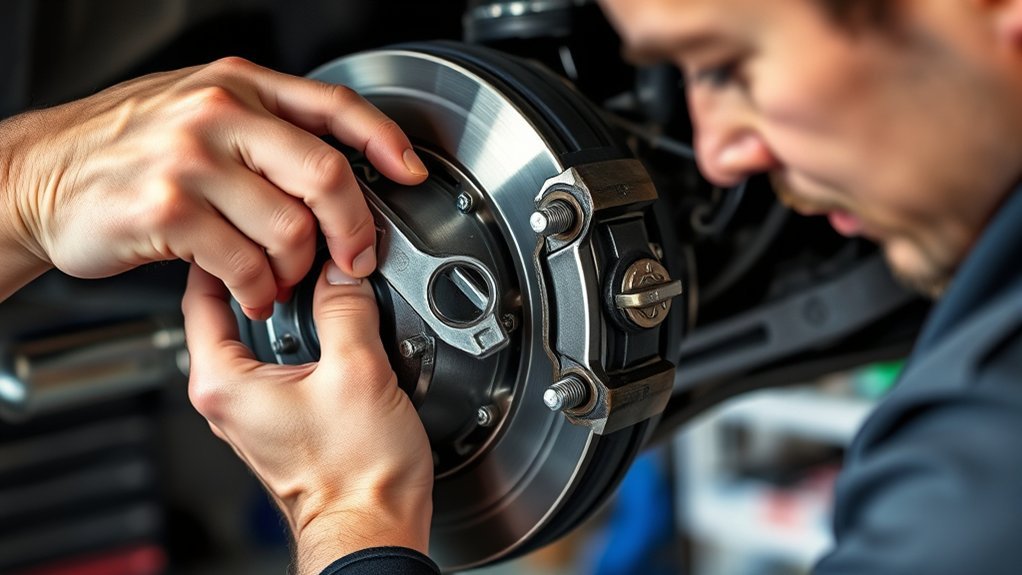
Bleed the brakes only after you repair leaks and confirm the reservoir holds the correct fluid. Keep the reservoir filled during the full process. If it runs dry, air can enter again and force you to restart.
- Fill the brake fluid reservoir to the correct level with the specified fluid.
- Start with the bleed sequence listed in the service manual for your Camry.
- Attach a clear hose to the bleeder screw and place the hose end in a clean container.
- Have an assistant press and hold the brake pedal while you open the bleeder screw.
- Close the bleeder screw before the assistant releases the pedal.
- Repeat until clean fluid flows with no bubbles, then move to the next wheel.
- Top off the reservoir after each wheel so the level never drops too low.
- Check for leaks and confirm the brake pedal feels firm before driving.
Many technicians start with the wheel farthest from the master cylinder, but Toyota service information should guide the exact order for your model year. Hybrid Camry models and ABS-equipped systems may need extra steps, so do not force a basic bleeding method if the pedal will not firm up.
When to Get Professional Brake Help
Get professional brake help if the pedal sinks, the brake warning light stays on, or you need to refill brake fluid more than once. Also call a shop if you see active leaking, hear grinding, or feel the car pull hard during braking.
A shop should also handle ABS bleeding, master cylinder replacement, brake line replacement, and booster pushrod adjustment if you lack the tools or service data. Brakes leave little room for trial and error. A proper diagnosis protects you, your passengers, and other drivers.
Frequently Asked Questions
What Are the Most Common Causes and Fixes for Spongy Brake Pedal Feel?
A spongy brake pedal often comes from air in the brake lines, low brake fluid, contaminated fluid, worn calipers, or a weak master cylinder. Fix leaks first, then bleed the system with the correct fluid. If the pedal still sinks, inspect the master cylinder and ABS hydraulic unit.
How Do You Troubleshoot a Soft Brake Pedal?
Start by checking the brake fluid level and looking for leaks near the master cylinder, brake lines, hoses, and calipers. Next, test whether the pedal firms up after pumping. If it does, air in the system likely needs bleeding.
Can You Drive a Camry With a Soft Brake Pedal?
You should not drive if the pedal sinks to the floor, the car takes longer to stop, or brake fluid keeps dropping. These signs can point to a serious hydraulic fault. Have the car towed if braking feels unsafe.
Why Is My Brake Pedal Still Soft After Bleeding?
A pedal can stay soft if air remains trapped in the ABS unit, the master cylinder was not bled correctly, or a leak still lets air enter. A failing master cylinder can also bypass pressure inside. Recheck the system before you replace more parts.
What Brake Fluid Should a Toyota Camry Use?
Many Toyota Camry owner manuals specify brake fluid that meets FMVSS No. 116 DOT 3 or SAE J1703. Your exact model year may vary, so check the owner’s manual and reservoir cap before adding fluid. Use fluid from a sealed container only.
Automotive Safety Disclaimer: This article is for informational purposes only and does not replace professional brake inspection or repair. Brakes affect vehicle safety, so consult a qualified mechanic before driving if your pedal feels unsafe or the system loses fluid.
Conclusion
A soft brake pedal in your Toyota Camry usually means the brake system needs immediate attention. Start with fluid level, leaks, pedal feel, and recent brake work because those checks point you toward the most likely cause. If bleeding does not restore a firm pedal, have a qualified technician inspect the master cylinder, ABS system, hoses, and calipers. Fix the issue before you return to normal driving so every stop feels firm and predictable.
References
- Toyota Manuals and Warranties, Toyota, accessed May 2026
- Toyota Owner’s Manual, Brake Fluid Specification, Toyota, accessed May 2026
- 49 CFR 571.116, Standard No. 116, Motor Vehicle Brake Fluids, Electronic Code of Federal Regulations, accessed May 2026
- Part 573 Safety Recall Report 25V-314, National Highway Traffic Safety Administration, 2025
- Toyota Genuine Brake Fluid, Toyota Genuine Parts, accessed May 2026