Need to find the fuse box in your Toyota Camry? Start with the interior fuse panel under the driver’s side instrument panel, then check the engine-compartment fuse box if the circuit is not listed inside the cabin. Exact fuse names, amperage ratings, and box layouts vary by model year, engine, trim, and hybrid/gas version, so always confirm the diagram on the fuse box lid or in your owner’s manual.
Quick Answer
Most Toyota Camry models have an interior fuse box under the driver’s side dashboard, behind a small cover. Many models also have one or more fuse/relay boxes in the engine compartment. Turn the vehicle off, open the correct cover, and match the fuse label and amperage to the diagram before replacing anything.
Key Takeaways
- The interior Camry fuse box is usually under the driver’s side instrument panel, behind a removable lid.
- The engine compartment fuse box protects many higher-load systems and is opened by pressing the cover tabs and lifting the lid.
- Always replace a blown fuse with the same amperage rating; never use foil, wire, or a higher-rated fuse.
- If the new fuse blows again, stop replacing it and have the vehicle inspected because there may be a short or overloaded circuit.
At a Glance
| Time Required | 5–15 minutes for a simple fuse check or replacement |
| Difficulty | Easy, if the fuse is a standard low-voltage blade fuse |
| Tools Needed | Owner’s manual, flashlight, fuse puller or needle-nose pliers, matching replacement fuse, optional multimeter |
| Cost | Usually a few dollars for a small fuse assortment; more if diagnosis is needed |
Where to Find the Fuse Box in Your Toyota Camry
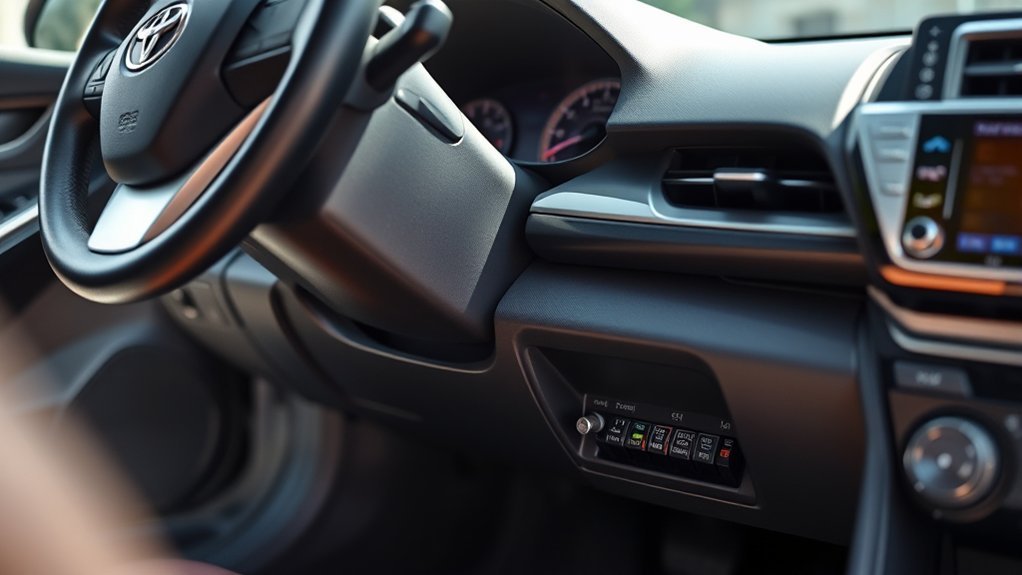
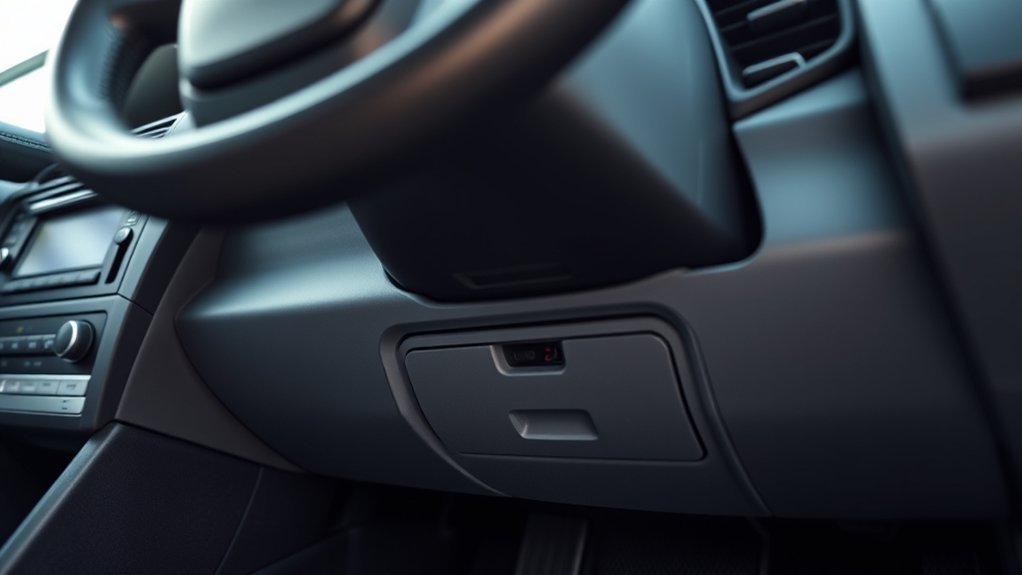
In most Toyota Camry models, the interior fuse box is under the driver’s side of the dashboard or instrument panel. Look low on the driver’s side, near the left kick panel or lower dash area, for a small removable lid. The lid usually has a diagram or fuse label guide printed on the inside.
Your Camry may also have a fuse box in the engine compartment. Toyota’s current owner-manual procedure for checking fuses lists both the engine compartment fuse box and the fuse box under the driver’s side instrument panel, so do not assume every fuse is inside the cabin. For the exact layout, use the diagram on your fuse box cover or look up your vehicle in the official Toyota owner’s manual library.
Note: Fuse box locations and fuse labels can change between Camry years, engines, trims, and hybrid models. Treat online diagrams as a starting point only; the fuse box lid and your owner’s manual are the final reference for your specific car.
| Fuse Box Area | Typical Location | Often Used For |
|---|---|---|
| Interior fuse box | Under the driver’s side instrument panel, behind a small lid | Cabin lights, power outlet, audio, gauges, power windows, and other interior circuits |
| Engine compartment fuse box | Under the hood, usually near the battery or main relay/fuse block | Headlights, cooling fans, charging, engine-control, ABS, and other higher-load circuits |
How to Access the Fuse Box Cover
Accessing the fuse box cover is usually simple, but use light pressure so you do not crack the plastic tabs or lid. Toyota’s fuse-check procedure says to turn the engine switch or power switch off before opening the fuse box cover. On many Camry models, the engine-compartment cover releases by pressing the tabs and lifting the lid, while the interior cover is removed from under the driver’s side instrument panel.
- Park safely. Put the vehicle in Park, set the parking brake, and turn the engine or power switch off.
- Find the correct fuse box. Start with the interior panel for cabin electrical issues; check the engine compartment if the diagram points there.
- Remove the cover gently. Press any tabs or claws shown on the cover. Do not force the lid if it feels stuck.
- Read the diagram. Match the failed component to the fuse label and amperage rating printed on the lid or in the manual.
- Use the fuse puller. Some Camry models include a fuse puller; Toyota notes that the pullout tool is used for certain type A fuses.
Pro Tip: Take a clear phone photo of the fuse box before removing anything. It helps you confirm the original fuse position if you get interrupted.
Key Fuses and Their Functions in a Toyota Camry
Your Toyota Camry uses fuses to protect wiring and electrical components from overload. The exact fuse names vary, but the labels below are common examples you may see on a fuse box lid or in a Camry fuse diagram. Do not rely on the label alone; always match the fuse number, position, and amperage for your exact model year.
| Common Label Type | What It May Protect | What to Check First |
|---|---|---|
| H-LP / HEAD / Headlight-related | Headlamp circuits, depending on year and trim | Bulb or LED assembly, headlight switch, relay, and matching fuse |
| RADIO / AMP / AUDIO | Radio, amplifier, navigation, or multimedia system | Audio fuse, display fuse, battery reset history, and blown fuse signs |
| DOME / PANEL / GAUGE | Interior lights, dash lighting, gauges, clock, or related cabin circuits | Dimmer setting, bulbs, door switches, and the listed fuse |
| P/OUTLET / CIG | 12V power outlet or accessory socket | Charger plug, debris in the socket, and the same-amp replacement fuse |
| EFI / ECU / IGN | Engine-control, ignition, or fuel-injection related circuits | Owner’s manual diagram and professional diagnosis if the issue affects starting or drivability |
Each fuse is rated for a specific amperage. Toyota’s fuse replacement guidance says to replace a blown fuse with a new fuse of an appropriate amperage rating, and the rating can be found on the fuse box lid. Using the correct rating is essential because the fuse is designed to fail before the wiring harness is damaged.
[Products Worth Considering]

This 6-way fuse block helps organize and protect low-voltage wiring in vehicles, boats, and RVs while making blown fuses easy to spot with red LED indicators. It is built from fire-resistant PBT material for dependable insulation, heat resistance, and added safety. With included blade fuses, labels, and mounting hardware, it offers a clean, convenient solution for electrical repairs and upgrades.
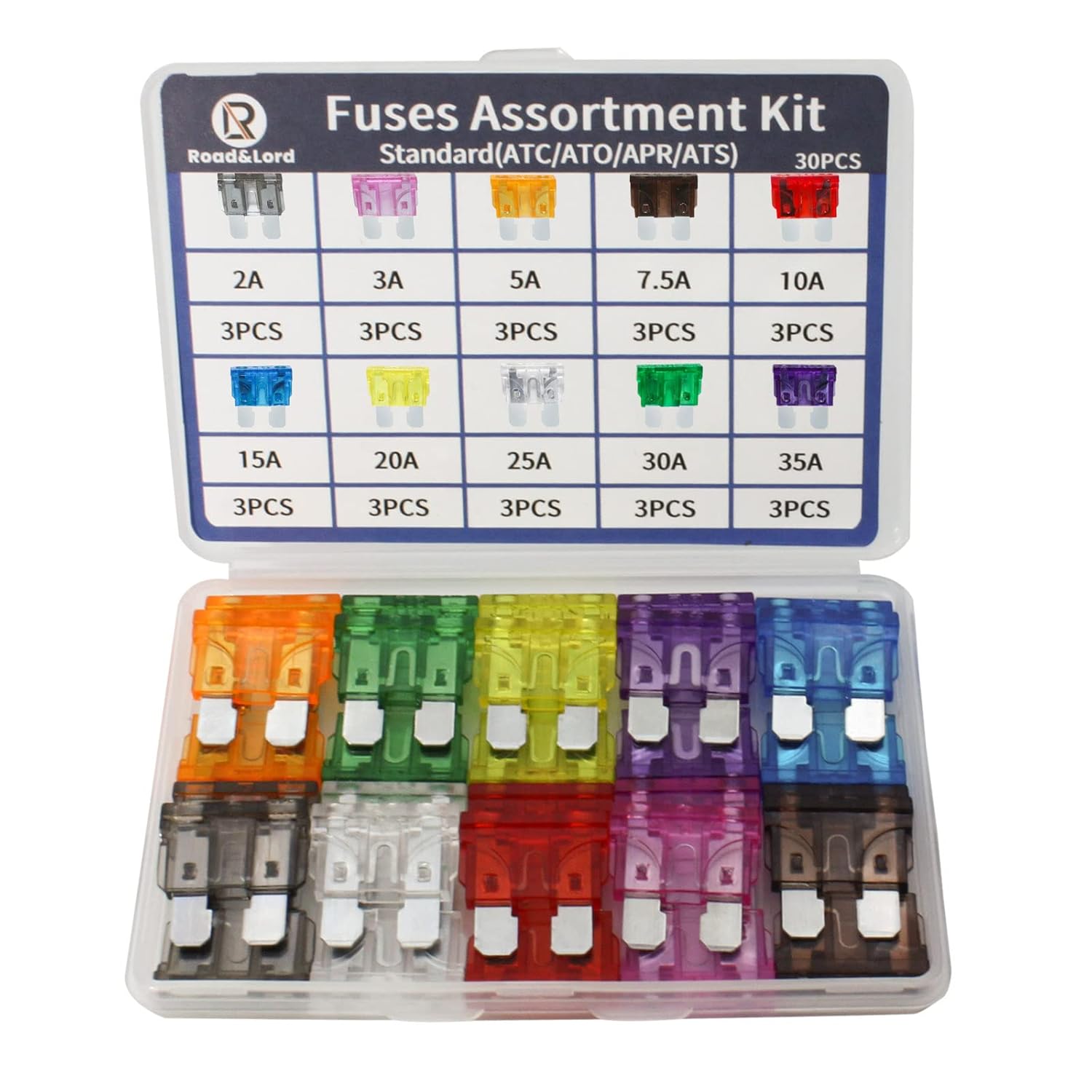
This standard blade fuse assortment kit provides a convenient selection of common amp ratings to help protect vehicle electrical systems from overloads, short circuits, and wiring damage. With transparent, color-coded housings and clearly marked ratings, it makes blown fuse replacement fast and easy for cars, trucks, boats, RVs, and other DC applications. The durable compact case keeps the fuses organized for reliable storage and quick access when needed.

This car fuse assortment kit provides a handy mix of micro, mini, and standard blade fuses to help replace blown fuses across a wide range of vehicles and equipment. With multiple current ratings, color-coded identification, and an included puller, it is designed to make emergency repairs and routine maintenance faster and easier. It is a practical backup solution for cars, RVs, trucks, boats, motorcycles, and more.
Replace Blown Fuses Safely

Replacing blown fuses in a Toyota Camry is usually a quick DIY job when the problem is a standard low-voltage blade fuse. It is not a good DIY job if the fuse box is melted, the replacement fuse blows immediately, the circuit smells burnt, or the issue involves hybrid high-voltage components.
Warning: Never install a higher-amperage fuse, wrap a fuse in foil, insert wire, or use any object as a temporary substitute. That can overheat wiring, damage control modules, or create a fire risk.
[Products Worth Considering]

This 6-way marine fuse block helps protect branch circuits from short circuits and overloads while keeping automotive and marine wiring organized. It includes LED blown-fuse indicators, a transparent cover, and label stickers for easier circuit identification. Designed for 12V to 36V systems, it supports dependable use in boats, cars, trucks, and other electrical setups.

This 12-way blade fuse block provides organized, reliable circuit protection for automotive, marine, RV, and other 12V or 24V electrical systems. The built-in LED indicator helps quickly identify blown fuses, while the protective cover and included terminals support a clean, secure installation. With multiple fuse ratings included, it offers a convenient all-in-one solution for managing and protecting your wiring.

This 12V relay box provides six organized relay slots and six fuse positions, helping you build cleaner, safer electrical setups for vehicles and marine systems. Pre-wired, color-coded 12 AWG wiring simplifies installation while the sealed cover and gasket help protect against dust and splashing water in demanding environments. It is a versatile solution for controlling lights, pumps, motors, and other accessories in automotive, truck, RV, or boat applications.
Before You Start
- Turn the engine or power switch off.
- Keep the key fob away from the start button so the vehicle is not accidentally powered on.
- Use dry hands and avoid touching exposed metal terminals.
- Use the fuse box lid or owner’s manual to confirm the exact fuse location and amperage.
- Use only a genuine Toyota fuse or equivalent fuse with the same amperage rating.
How to Tell If a Fuse Is Blown
Many blade fuses have a clear plastic window. A good fuse usually has an unbroken metal strip inside. A blown fuse may show a broken strip, a dark mark, or melted plastic. If the fuse looks normal but the circuit still does not work, test it with a multimeter or ask a technician to test the circuit under load.
Step-by-Step Fuse Replacement
- Identify the failed component. For example, note whether the radio, power outlet, dome light, or headlight is not working.
- Find the matching fuse on the diagram. Use the fuse box lid first, then the owner’s manual if the label is unclear.
- Pull the fuse straight out. Use a fuse puller or needle-nose pliers and avoid twisting the fuse.
- Inspect or test the fuse. Replace it only if it is blown or tests open.
- Install the same amperage rating. If the removed fuse is 10A, install a 10A fuse; if it is 15A, install a 15A fuse.
- Reinstall the cover securely. Make sure tabs or claws seat properly so the lid protects the fuse box.
- Test the component. Turn the vehicle on only after the fuse is seated and the cover is back in place.
Common Electrical Issues and How to Fix Them
When an electrical component stops working in your Toyota Camry, a blown fuse is one possible cause, but it is not the only one. Use the symptom to narrow the problem before replacing fuses randomly.
| Symptom | Likely Checks | DIY Limit |
|---|---|---|
| One power outlet is dead | Check the outlet for debris, test another charger, then check the P/OUTLET or CIG fuse. | Stop if the new fuse blows again. |
| Radio or screen will not power on | Check RADIO, AMP, AUDIO, ECU-B, or related fuse labels in your exact diagram. | Seek diagnosis if the fuse is good but the unit stays dead. |
| Interior lights do not work | Check dimmer settings, door switches, bulbs, then DOME or PANEL-related fuses. | Stop if there is a burning smell or repeated fuse failure. |
| Headlight is out | Check the bulb or LED assembly, related relay, and the correct headlight fuse. | Use a technician if both sides fail or the issue returns. |
| Car will not start or warning lights appear | Check the owner’s manual, battery condition, and related fuses only if you are confident. | Do not guess with ECU, EFI, hybrid, or high-current fuses. |
After replacing a fuse, write down the date, fuse label, amperage, and symptom. If the same fuse blows again, Toyota’s owner guidance says to have the vehicle inspected by a Toyota dealer. Repeated fuse failure usually means the fuse did its job and there is still an overload, short, failing motor, damaged socket, or wiring problem to find.
[Products Worth Considering]

This automotive fuse assortment kit provides a convenient way to replace blown fuses across a wide range of vehicles and equipment. With multiple common amperage ratings, clear color-coded identification, and included fuse pullers, it helps make electrical maintenance quicker and easier for cars, trucks, RVs, marine applications, and more.
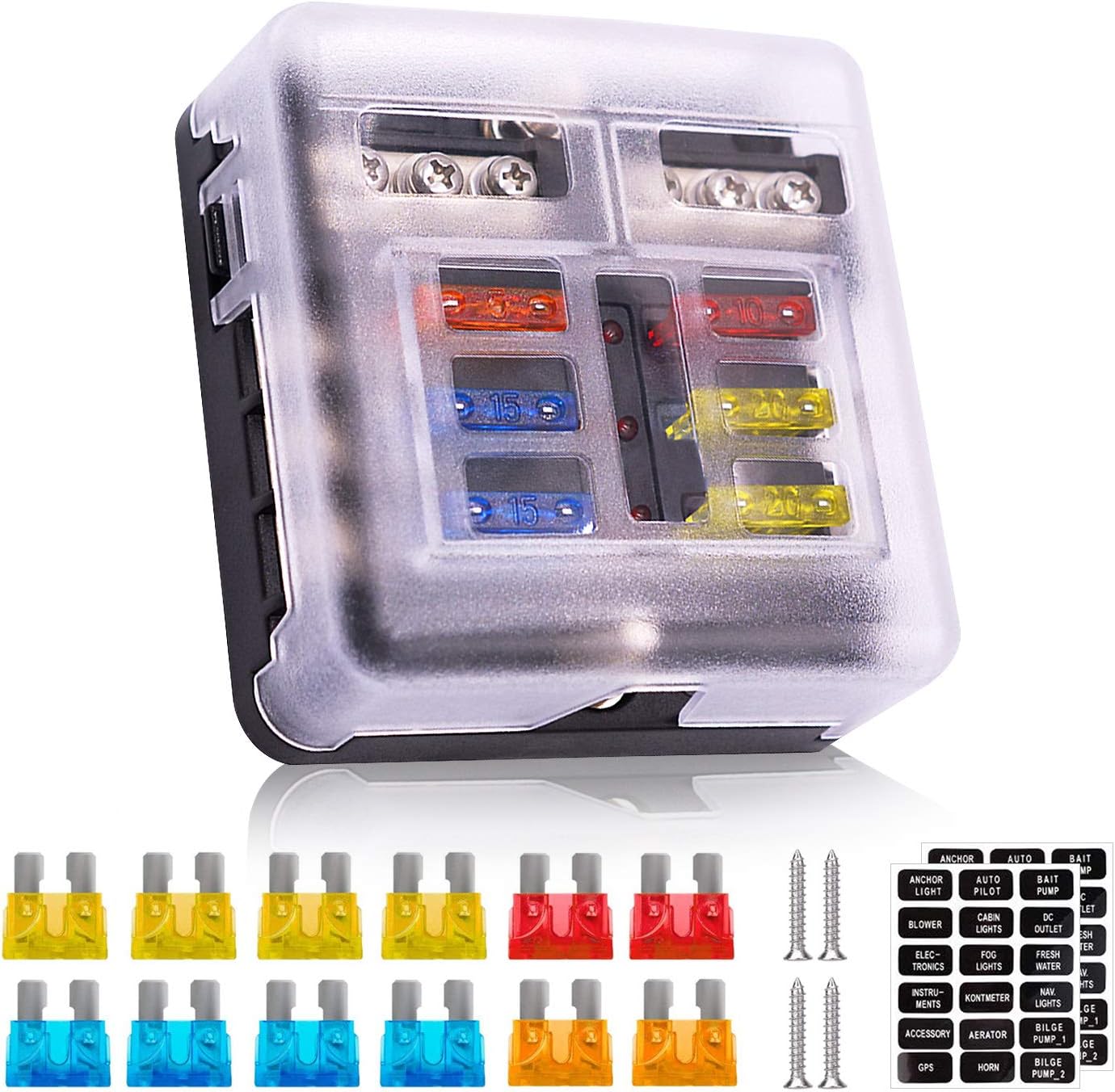
This 6-way fuse block provides organized circuit protection for marine, automotive, boat, truck, and other 12V or 24V electrical systems. Built with a fire-resistant housing and a ground bus, it helps keep wiring neat while the LED indicators quickly show when a fuse has blown for fast troubleshooting. It includes assorted blade fuses, labels, and mounting screws for an easier installation.

This waterproof 6-circuit fuse block helps keep automotive and marine wiring neat, protected, and easy to troubleshoot. Built for 12V-32V DC systems, it includes a negative bus, LED blown-fuse indicators, and corrosion-resistant busbars for dependable performance in cars, boats, RVs, and trucks. The flame-retardant base and damp-proof cover add an extra layer of safety for demanding electrical installations.
When to Call a Technician
A simple blade fuse is fine for many DIY owners, but some electrical issues should not be handled by trial and error. Call a qualified technician or Toyota dealer if:
- The replacement fuse blows immediately or repeatedly.
- The fuse box, fuse, or connector looks melted, corroded, or burnt.
- You smell burning plastic or see smoke.
- The issue affects starting, braking, steering, airbags, ABS, or hybrid operation.
- The fuse is a large cartridge, fusible link, or high-current fuse that does not pull out easily.
- You are not sure which fuse rating belongs in the slot.
Frequently Asked Questions
Are there multiple fuse boxes in a Toyota Camry?
Yes. Most Toyota Camry models have an interior fuse box under the driver’s side instrument panel and an engine-compartment fuse box under the hood. Some years and trims may have additional fuse or relay locations, so check the fuse box lid and your owner’s manual.
How often should I check the fuses in my car?
You do not need to pull fuses on a strict schedule. Check them when an electrical component stops working, during related troubleshooting, or when your owner’s manual tells you to. Repeatedly removing good fuses can loosen terminals or create confusion.
What tools do I need to replace a Toyota Camry fuse?
For a basic fuse replacement, you need your owner’s manual or fuse box lid diagram, a flashlight, a fuse puller or needle-nose pliers, and a replacement fuse with the same amperage rating. A multimeter is helpful if the fuse looks good but the circuit still does not work.
Can I use a different amperage fuse?
No. Use the same amperage rating shown on the fuse box lid or in the owner’s manual. A higher-rated fuse may allow too much current through the wiring, while a lower-rated fuse may blow even when the circuit is working normally.
Where can I find a fuse diagram for my Camry?
Start with the diagram printed on the fuse box lid. If it is missing or hard to read, use the owner’s manual for your exact model year or search your vehicle in Toyota’s official Manuals and Warranties page.
Why does the same fuse keep blowing?
A fuse that blows again usually means the circuit still has a fault, such as a short, damaged wiring, a failing motor, a bad accessory plug, or an overloaded component. Do not keep replacing the fuse. Have the circuit diagnosed.
Do I need to disconnect the battery before replacing a fuse?
For a simple low-voltage blade fuse check, Toyota’s basic procedure is to turn the engine or power switch off first. Disconnecting the 12V battery may be appropriate for some electrical work, but it can reset vehicle settings and is not a substitute for following the owner’s manual.
Conclusion
The Toyota Camry fuse box is easy to find once you know where to look: start under the driver’s side instrument panel, then check the engine-compartment fuse box when the diagram points there. The safest repair is simple but strict: turn the vehicle off, use the correct diagram, remove the fuse carefully, and replace a blown fuse only with the same amperage rating. If a fuse blows again, stop guessing and get the circuit inspected.
Sources
- Toyota Owners — 2025 Camry Hybrid checking and replacing fuses — supports fuse box locations, power-off step, cover removal, fuse puller use, amperage rating, and repeated-blown-fuse guidance.
- Toyota Owners — Manuals and Warranties — official source for vehicle-specific Toyota owner manuals and warranty information.
- Toyota Owners — Genuine Toyota Parts — supports using vehicle-matched genuine Toyota parts or equivalent replacement parts.
- Toyota Autoparts — Genuine Toyota Fuse Puller — supports the recommended tool for secure fuse removal and installation.