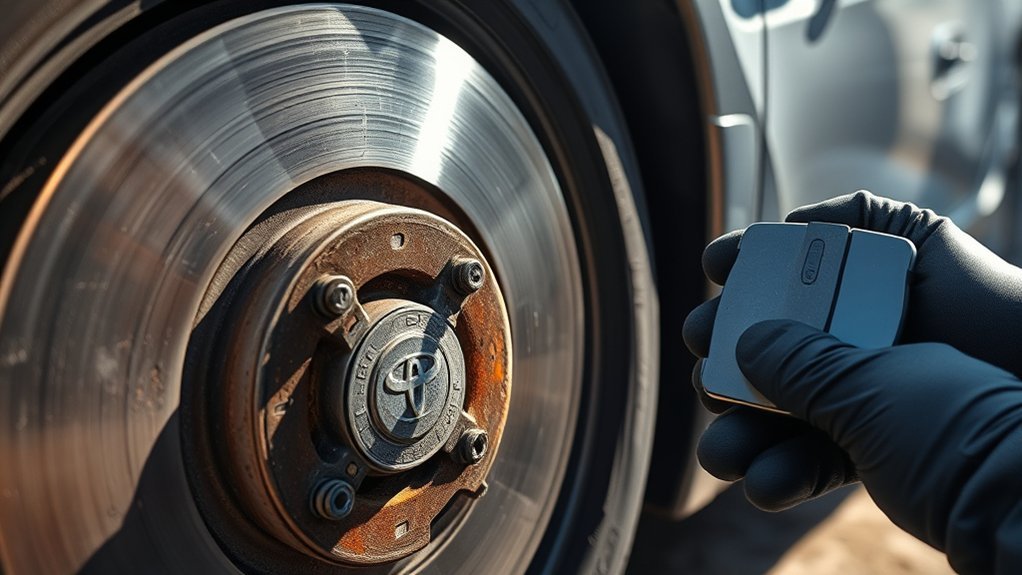
What’s in This Article
- Why Are Your Camry Brakes Squealing?
- How to Tell Normal Brake Noise From a Safety Problem
- Choosing Brake Pads for Less Noise
- Key Installation Techniques to Prevent Brake Squeaking
- Ongoing Maintenance to Prevent Brake Noise
- Proven Solutions for Eliminating Brake Noise
- When to Consult a Professional for Brake Issues
- Frequently Asked Questions
That sharp, high-pitched squeal when you touch the brakes can make every stop feel stressful. Your Camry may only have light surface rust on the rotors, but it may also have worn pads, dry caliper slide pins, or poor pad contact. This guide shows you how to spot the cause, choose quieter parts, and know when brake noise needs a mechanic.
Quick Answer
Toyota Camry brakes squeal most often because of worn pads, dry caliper slide pins, missing shims, rough rotor surfaces, or pad compounds that make more noise. Ceramic pads, clean hardware, proper brake lubricant, and correct pad bedding fix many squeal complaints. If the sound turns into a metal-on-metal screech or you feel weaker braking, stop driving and have the brakes inspected.
Key Takeaways
- Brake squeal often comes from vibration between the pad, rotor, shim, and caliper hardware.
- Ceramic pads usually run quieter than semi-metallic pads during normal daily driving.
- Clean caliper slide pins, good shims, and the right brake lubricant help stop friction noise.
- Bedding new pads with controlled stops helps create an even transfer layer on the rotor.
- Persistent squealing with reduced braking performance is a safety warning, so get a professional inspection before driving further.
Why Are Your Camry Brakes Squealing?
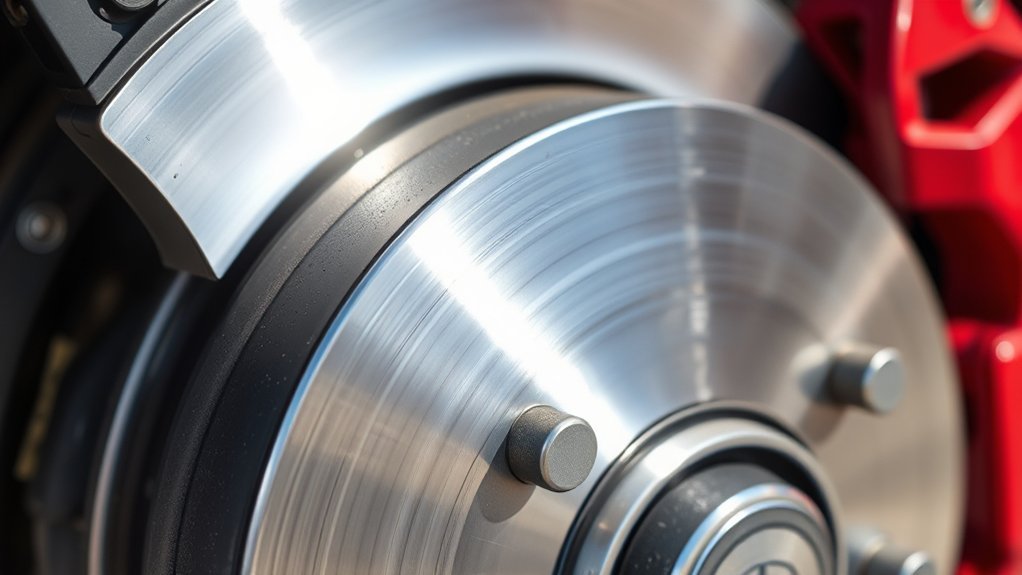
Your Camry brakes squeal when brake parts vibrate at high speed during a stop. The sound can come from the pad material, worn shims, dry slide pins, uneven rotor faces, or pad wear indicators.
Low-grade pads can make more noise because they may use harder friction compounds and weaker noise-control hardware. Some pads also lack strong shims or anti-squeal features that help dampen vibration.
Dry or stuck caliper slide pins can also cause squealing. When the pins don’t move freely, the pads may contact the rotor unevenly and create drag, heat, and noise.
Morning squealing can come from moisture. Thin surface rust may form on rotors overnight, then clear after the first few brake applications. If the squeal stops after one or two stops, moisture may be the cause.
Warning: A high-pitched metal-on-metal screech can mean the brake pad wear indicator has touched the rotor. Toyota lists squealing or squeaking as a common worn-pad warning, so inspect the pads before you drive further.
How to Tell Normal Brake Noise From a Safety Problem
Brief squeal during the first stop of the day often points to moisture on the rotors. That sound should fade fast once the pads clean the rotor surface.
A repeating squeal, grinding sound, burning smell, or spongy pedal needs more attention. Those signs can point to worn pads, stuck calipers, rotor damage, or brake fluid problems.
Pay close attention to any change in stopping distance. Noise alone may annoy you, but weaker braking can put you and other drivers at risk.
Choosing Brake Pads for Less Noise
Ceramic pads usually suit quiet daily driving better than semi-metallic pads. Brake supplier ADVICS notes that ceramic pads run very quiet compared with semi-metallic pads and create less dust during wear.
Semi-metallic pads can still make sense for some drivers. They may handle heat well during heavy braking, mountain driving, or high-load use, but they often make more noise than ceramic pads.
The Raybestos EHT (Enhanced Hybrid Technology) line is one example of a hybrid pad option. Confirm the exact part number for your Camry year, trim, and front or rear axle before you buy any pad set.
Note: Choose pads by fitment, driving style, and noise goals, not brand name alone.
Key Installation Techniques to Prevent Brake Squeaking
Proper installation matters as much as pad quality. Clean the bracket, clips, shims, and slide pins before you install new pads.
Grease the caliper slide pins with brake lubricant that works with rubber boots. Replace torn rubber boots at the same time because damaged boots let water reach the pins and cause rust or sticking.
Check the rotor surfaces before you bolt everything back on. A rough or grooved rotor can make even a quality ceramic pad squeal. If the rotor meets thickness specs, a shop may resurface it. If it measures too thin, replace it.
Apply a thin layer of the correct brake lubricant only to metal contact points and the pad backing plate where the manufacturer allows it. Never put grease on the pad friction surface or rotor face.
Ongoing Maintenance to Prevent Brake Noise
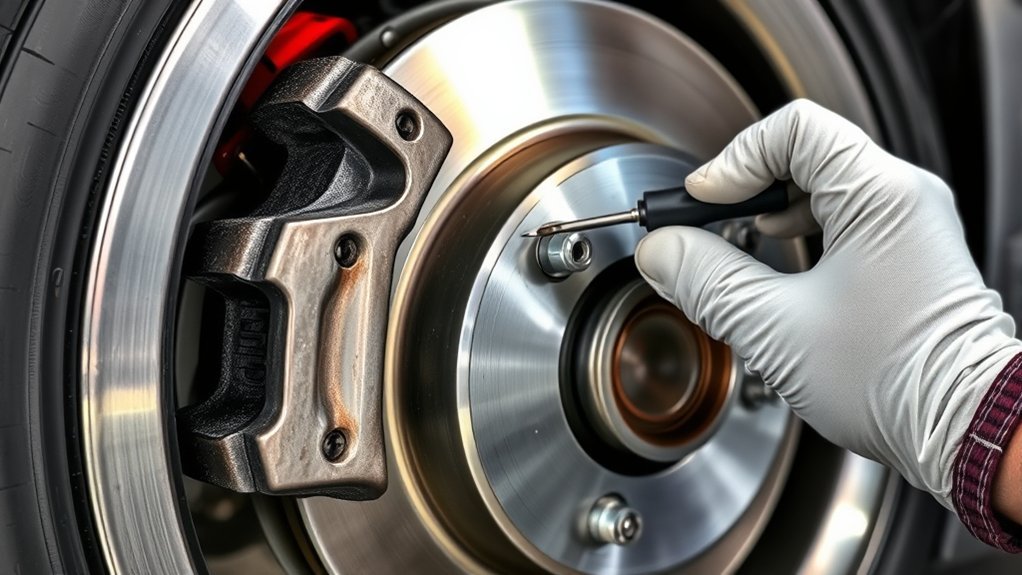
Quiet brakes need clean parts, free-moving hardware, and proper bedding after each pad change. Inspect the brake system during routine service, especially if the noise returns after a recent repair.
Regular Inspection Practices
Routine checks help you catch problems before they turn into louder noise. Focus on these four areas at each brake inspection:
- Brake pad wear: Check pad thickness. Thin pads raise the risk of metal-on-metal contact and rotor damage.
- Shim condition: Confirm shims sit flat and remain intact. Replace worn or missing shims because they help absorb vibration.
- Caliper slide pins: Keep pins clean, greased, and moving freely. Stuck pins cause uneven pad contact, noise, and early wear.
- Brake cleaning: Use brake cleaner to remove dust and debris from pads, clips, brackets, and rotors during service.
Proper Lubrication Techniques
Lubrication helps control brake noise when you place it in the right areas. Apply high-temperature brake lubricant to the slide pins and approved metal contact points.
Use the correct product for each spot. Pin grease belongs on the slide pins, and anti-squeal compound belongs only where the pad maker allows it.
| Brake Lubricant Type | Where to Use It | When to Check It |
|---|---|---|
| High-temperature brake grease | Approved pad backing and metal contact points | At brake service |
| Anti-squeal compound | Pad backing plate only, if allowed | With new pad installation |
| Caliper pin grease | Slide pins and pin bores | At each brake inspection or service |
| Rubber boot replacement | Torn or loose pin boots | As needed |
Pad Bedding Procedures
Bedding new brake pads creates an even transfer layer between the pad and rotor. That layer can reduce vibration, improve pedal feel, and limit squeaks from fresh pads.
Brake pad makers use different bedding steps, so follow the instructions that come with your pad set. Many street pad procedures use several moderate stops from about 40 mph down to about 10 mph, followed by a cooling period.
- Choose a safe road or empty area with no close traffic.
- Make controlled stops without coming to a full stop unless traffic requires it.
- Let the brakes cool after the bedding sequence.
- Avoid hard panic stops on fresh pads unless you must stop for safety.
Proven Solutions for Eliminating Brake Noise
Start with the easiest fixes first. Clean the brake hardware, inspect the shims, lubricate the slide pins, and check the rotor surface.
If the pads still squeal, move to a quality ceramic or original equipment style pad that fits your Camry correctly. Pair the pads with clean hardware, smooth rotors, and correct bedding for the best result.
| Brake Material | Noise Reduction Technique | Best Use |
|---|---|---|
| Ceramic | Clean hardware, smooth rotors, and proper bedding | Quiet daily driving |
| Semi-Metallic | Careful lubrication and good shims | Heavy braking or higher heat use |
| OEM Style | Regular maintenance and correct fitment | Factory-like feel and reliability |
When to Consult a Professional for Brake Issues
DIY fixes can solve many brake noise problems, but some symptoms need a mechanic. Seek professional help if any of these apply:
- Brake noise continues after you replace pads and rotors.
- Noise comes with reduced braking power or a spongy pedal.
- You feel pulsation or vibration through the pedal or steering wheel while braking.
- You hear grinding, scraping, or metal-on-metal noise.
- You don’t feel sure about the pad condition, rotor thickness, or caliper movement.
If your Camry still has warranty coverage, ask a Toyota dealer before you spend money on parts. A brake noise concern tied to a covered defect may qualify for dealer inspection or repair.
Safety Disclaimer: This article is for informational purposes only and does not replace professional automotive repair advice. Brake systems affect stopping distance and vehicle control. If you’re unsure about any repair step, consult a qualified mechanic before you drive the vehicle.
Frequently Asked Questions
Why do Camry brakes squeak?
Camry brakes often squeak because the pads, shims, rotors, or caliper hardware vibrate during braking. Dry slide pins, worn pads, rough rotors, and noisy pad compounds can all cause the sound.
How do you fix squeaky brakes on a Toyota?
Start by checking pad thickness, rotor condition, shims, and caliper slide pins. Clean the hardware, use the right brake lubricant, install quality pads, and bed the pads according to the pad maker’s instructions.
Why are my brakes squealing if the pads look fine?
Good-looking pads can still squeal if the shims are loose, the slide pins are dry, or the rotor surface has grooves. Check the hardware and rotor face before you assume the pads caused the noise.
Is morning brake squeal on a Camry normal?
Brief morning squeal can happen when moisture leaves light surface rust on the rotors. The sound should clear after one or two stops. If it continues, inspect the pads, rotors, and caliper hardware.
Can you drive with squealing brakes?
You can drive briefly if the noise is light and braking feels normal, but you should inspect the brakes soon. Don’t keep driving if the sound becomes grinding or your Camry takes longer to stop.
Conclusion
Squealing brakes on your Toyota Camry usually trace back to pad material, dry hardware, worn shims, or a rough rotor surface. Start with a careful inspection, clean the hardware, lubricate the correct contact points, and bed new pads the right way. If the noise stays or braking feels weaker, get a professional inspection before the issue grows. Quiet brakes matter, but safe stopping matters more.
References
- Signs You May Need New Brake Pads — Toyota
- Noises and Vibrations — Brembo
- Ceramic vs Semi-Metallic Brake Pads — ADVICS Aftermarket
- Brake Pad Break-In Procedure — PowerStop
- Why Are My Brakes Squeaking? — CRC Industries, 2025