
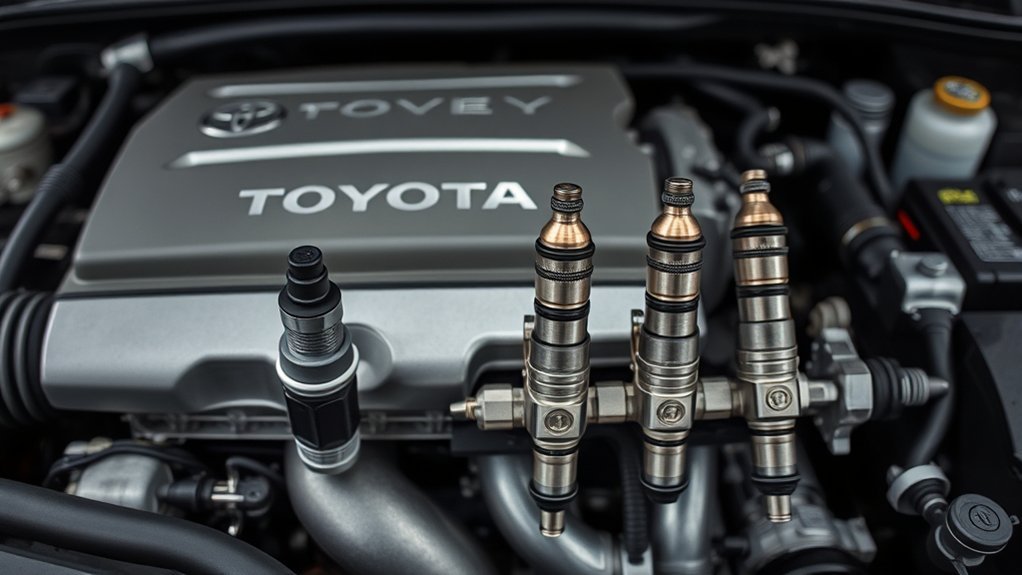
Many recent Toyota Camry engines use Toyota’s D-4S dual-injection system, which combines high-pressure direct injection with traditional port injection. The goal is simple: use the best fuel-delivery method for the driving condition, whether you are idling in traffic, cruising lightly, accelerating hard, or trying to keep long-term intake-valve deposits under control.
Quick Answer
Toyota Camry D-4S dual injection uses both port injection and direct injection. Port injection helps with smooth low-load running and intake-valve cleaning, while direct injection helps with high-load power, charge cooling, and knock resistance. The ECU can use either system or blend both depending on load, temperature, and engine speed.
Key Takeaways
- D-4S means the engine has both port injectors and direct injectors, not just one fuel-delivery system.
- Port injection helps smooth idle and can reduce intake-valve deposits by spraying fuel near the intake valves.
- Direct injection helps under higher load by spraying fuel directly into the cylinder for charge cooling and knock resistance.
- Dual injection reduces common direct-injection tradeoffs, but it does not make the engine maintenance-free.
- Not every Camry ever sold uses the same fuel system, so confirm by model year, engine, and service information.
What the Camry’s Dual-Injection System Is
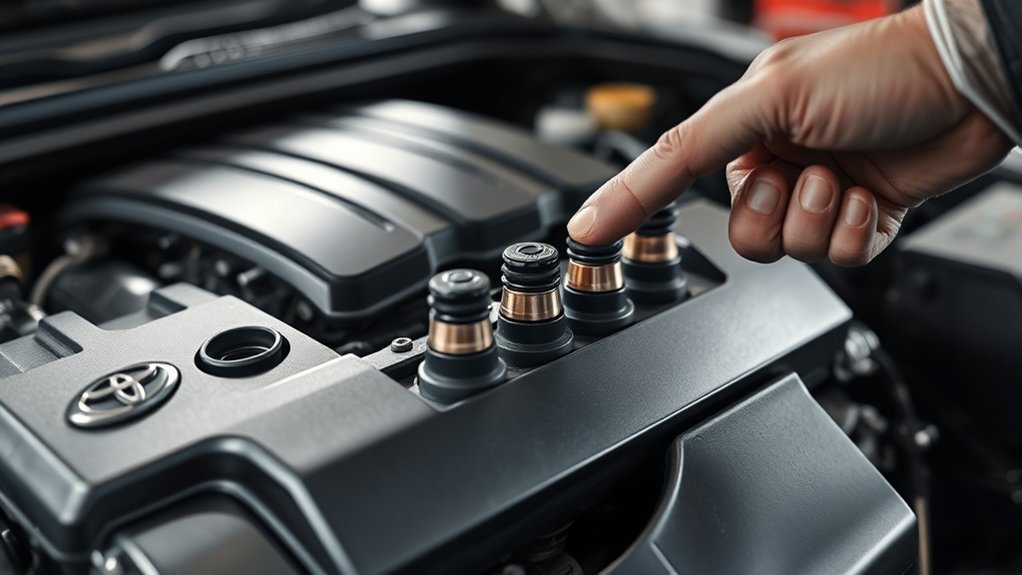
The Camry’s dual-injection system is Toyota’s D-4S fuel system. In simple terms, it gives each cylinder two fuel-delivery paths: a port injector that sprays fuel into the intake port and a direct injector that sprays fuel into the combustion chamber.
Toyota lists D-4S as the injection system for its 2.5-liter Dynamic Force engine family, including both conventional and hybrid versions. Toyota also states that the 2024 Camry four-cylinder uses a 13:1 compression ratio and D-4S fuel injection with both direct injection and additional port injectors. Toyota Global’s Dynamic Force engine details and Toyota’s 2024 Camry release back up those core facts.
The benefit is flexibility. Instead of forcing one injection style to work in every situation, the engine computer can choose port injection, direct injection, or a blend of both. That helps balance drivability, fuel economy, emissions control, power, and intake-valve cleanliness.
Note: “Camry dual injection” usually refers to recent D-4S-equipped engines. Older Camry model years and some non-U.S. applications may use different fuel systems, so always confirm the exact model year and engine.
Which Camry Engines Have D-4S Dual Injection?
The most important owner question is not just “direct injection or port injection?” It is “which Camry engine do I have?” Toyota has sold Camrys across many years, markets, and engine choices, so the answer depends on the model year and powertrain.
| Camry Context | What to Know |
|---|---|
| 2018–2024 U.S. Camry 2.5L Dynamic Force | Common D-4S dual-injection application. Toyota confirms the 2024 four-cylinder uses both direct injection and additional port injectors. |
| 2025 and newer U.S. Camry | Toyota made the U.S. Camry hybrid-only for 2025, pairing the fifth-generation Toyota Hybrid System with a 2.5-liter four-cylinder engine. |
| Older Camry generations | Do not assume dual injection. Check the owner documents, engine code, emissions label, or repair information for the specific vehicle. |
| Non-U.S. Camry models | Fuel-system details can vary by market, emissions rules, and engine code. Verify locally before buying parts or scheduling fuel-system service. |
Why Toyota Uses Both DI and PI on Camry Engines
Toyota uses both direct injection and port injection because each system solves a different problem.
Port injection sprays fuel into the intake port before the air-fuel mixture enters the cylinder. This gives the fuel more time to vaporize, supports smooth low-load operation, and lets fuel pass over the back of the intake valves. That valve-washing effect is one reason dual-injection engines tend to have fewer intake-valve deposit problems than direct-injection-only engines.
Direct injection sprays fuel directly into the combustion chamber. This gives the ECU very precise control over fuel timing and mixture formation. It also cools the in-cylinder charge as fuel vaporizes, which helps the engine resist knock under higher load and supports Toyota’s high-compression Dynamic Force strategy.
Put together, the two systems help Toyota pursue strong power, high fuel efficiency, and cleaner operation without relying on one injector type for every condition. Toyota’s 2.5-liter Dynamic Force engine was designed around high-speed combustion, high thermal efficiency, and D-4S injection, with Toyota listing maximum thermal efficiency of 40% for the conventional version and 41% for the hybrid version at its 2016 launch.
How Direct Injection Works in the Camry
Direct injection, often shortened to DI or GDI, sends fuel straight into the combustion chamber instead of into the intake port. It uses a high-pressure fuel pump and special injectors that can deliver fuel at much higher pressure than a normal port-injection system.
In Camry D-4S operation, direct injection is especially useful when the engine needs stronger charge cooling, better knock resistance, and precise fuel control. That matters during higher-load driving, such as merging, climbing a grade, or accelerating from highway speed.
- Fuel is sprayed directly into the cylinder.
- The ECU can time injection events very precisely.
- Fuel vaporization inside the cylinder helps cool the charge.
- Charge cooling helps support high compression and knock resistance.
- Direct injection can improve power delivery under demanding conditions.
Direct injection is best understood as a precision and charge-cooling tool, not as a guaranteed fuel-economy boost in every driving situation.
[Products Worth Considering]

NGK Iridium IX spark plugs are designed to deliver a stable spark, reliable ignition, and long-lasting performance for compatible Toyota Camry 2.5L engines. The fine-wire iridium center electrode helps improve durability and efficient combustion, making these plugs a smart replacement choice for maintaining smooth engine operation. Sold in a convenient four-pack, they are built for consistent performance and dependable fitment.

This coolant electric water pump is designed as a replacement for select Toyota vehicles, helping maintain proper engine cooling performance and reliable temperature control. Built to OE specifications, it offers fitment support for compatible Avalon, Camry, and RAV4 models with 2.5L L4 engines. It also includes cross-reference part numbers for easier matching and comes with after-sales support for covered defects.

This professional compression tester kit helps diagnose engine health quickly and accurately in gasoline-powered cars, trucks, ATVs, and small engines. The fluorescent triple-scale gauge improves readability in low light, while the built-in Schrader valve, safety release, and included adapters make testing simple, stable, and reliable.
How Port Injection Works in the Camry
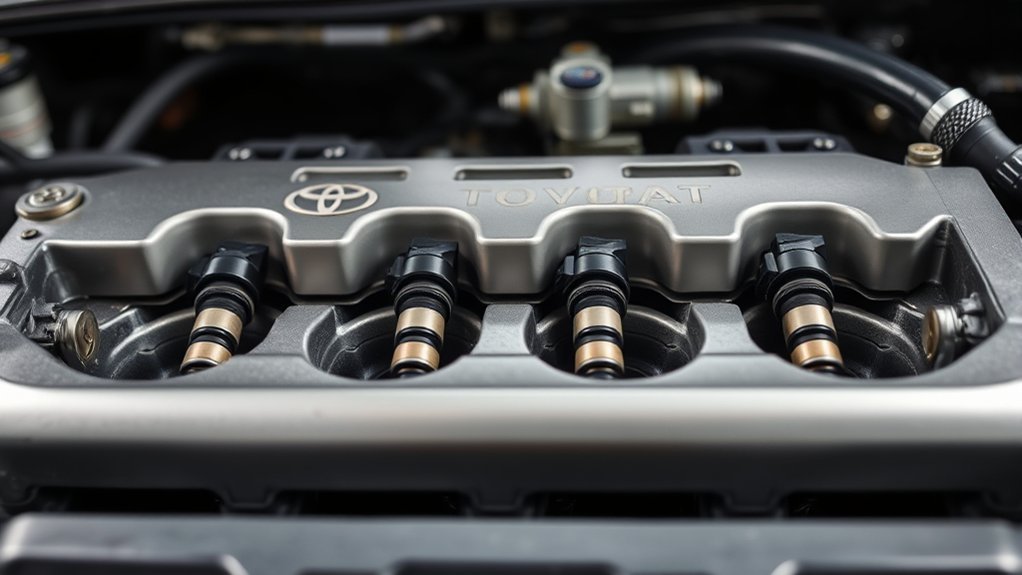
Port injection, often shortened to PI or PFI, sprays fuel into the intake port near the intake valve. The fuel mixes with incoming air before entering the combustion chamber. This older-style system is still valuable because it gives fuel more time to vaporize and can support smooth idle, light-throttle driving, and low-to-medium load operation.
Port injection also helps keep the intake valves cleaner. In a direct-injection-only engine, gasoline does not regularly wash over the intake valves, so oil vapor from the PCV system and other deposits can bake onto the valve backs over time. In a dual-injection engine, port injectors can reduce that risk by periodically spraying fuel near the intake valves.
| Injector Location | Main Benefit | Owner-Relevant Result |
|---|---|---|
| Port near intake valve | Fuel mixes before entering the cylinder | Smooth low-load operation |
| Fuel passes near valve backs | Helps wash light deposits | Lower intake-valve deposit risk than DI-only designs |
| Timed port-injector pulses | Stable fuel vaporization | Cleaner idle and predictable throttle response |
When the Camry Switches Between DI and PI: And Why It Matters
The Camry’s D-4S system is more nuanced than a simple “port injection at low speed, direct injection at high speed” switch. Depending on temperature, load, rpm, emissions needs, and catalyst warm-up strategy, the ECU can use port injection only, direct injection only, or both together.
In general, port injection is helpful during low-load and steady driving because it supports smooth mixture formation and helps keep intake valves cleaner. Direct injection becomes more useful as engine load rises because in-cylinder fuel delivery improves charge cooling and knock resistance. In some operating areas, both injector types can work together for stable combustion.
- Idle and light load: Port injection may be favored for smoothness and valve washing.
- Cold start and warm-up: Injection timing may be adjusted to help combustion stability and emissions control.
- Moderate driving: The ECU may blend port and direct injection.
- Higher load: Direct injection becomes more important for charge cooling and knock resistance.
- Hybrid operation: In hybrid Camrys, engine stop-start and electric assist also affect when the gasoline engine runs and how hard it works.
This matters because many common owner questions come from misunderstanding the system. Dual injection does not mean the engine always uses both injectors at the same time. It means the engine has both tools available and can choose the best strategy for the moment.
Real-World Performance, Fuel Economy, and Emissions: DI vs PI
Direct injection and port injection affect performance, fuel economy, and emissions in different ways. Direct injection can support higher compression, better knock resistance, and precise fuel control. Port injection can support smoother low-load running and cleaner intake valves. D-4S gives the Camry a way to use both strengths.
| System | Strength | Tradeoff |
|---|---|---|
| Direct injection | Precise in-cylinder fueling, charge cooling, knock resistance, strong high-load response | Can produce more particulate emissions than PFI in some conditions and does not wash intake valves |
| Port injection | Good vaporization time, smooth idle, intake-valve washing | Less direct control over in-cylinder mixture and charge cooling |
| Toyota D-4S dual injection | Lets the ECU use port, direct, or blended injection as conditions change | More parts and more complexity than a single-injection system |
Emissions are not as simple as “DI is cleaner” or “PI is cleaner.” Gasoline direct injection can improve efficiency and fuel control, but particulate matter is a known challenge. A 2022 laboratory comparison published in Aerosol and Air Quality Research found that the tested GDI vehicle had higher elemental carbon and organic carbon emissions than the tested PFI vehicle under cold-start cycles, while aggressive-cycle behavior was more complex. A 2019 SAE technical paper also notes that GDI engines can have significantly higher particulate mass and particle number than equivalent PFI engines.
For fuel economy, use official ratings rather than a generic DI-vs-PI percentage. FuelEconomy.gov lists 2025 Toyota Camry HEV combined ratings from 44 mpg to 51 mpg depending on trim and drivetrain.
Maintenance, Carbon Buildup, and Long-Term Reliability
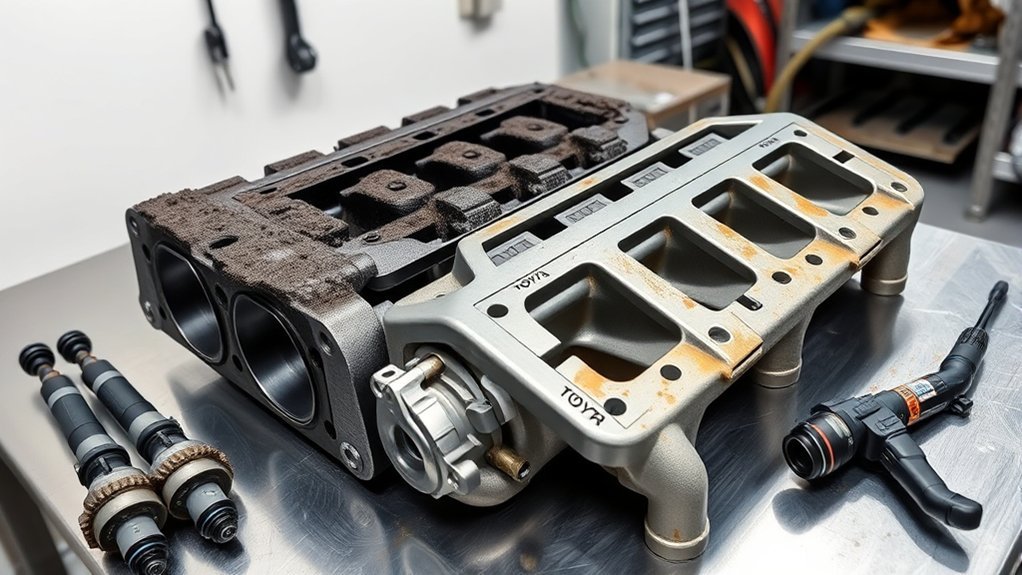
Dual injection is a major advantage for long-term cleanliness, but it does not eliminate every possible fuel-system or intake-deposit problem. The port injectors can help wash the intake valves, which reduces one of the main weaknesses of direct-injection-only engines. Still, oil vapor, short trips, poor maintenance, and high mileage can contribute to deposits over time.
Owners should watch for symptoms rather than buying unnecessary fuel-system services on a schedule that Toyota does not specify for every vehicle. Possible symptoms of intake or fuel-system issues include rough idle, hesitation, misfires, reduced throttle response, poor fuel economy, hard starting, or fuel-pressure trouble codes.
Warning: Do not modify the fuel or emissions system, install a catch can, or approve walnut blasting just because the engine has direct injection. Confirm the symptom, scan for codes, inspect the intake if needed, and consider warranty and emissions-law implications first.
Good maintenance habits are simple:
- Follow the Toyota maintenance guide for your exact model year.
- Use the correct oil grade and change it on time.
- Use quality gasoline from reputable stations.
- Fix misfires, PCV problems, fuel-pressure codes, or rough-running issues promptly.
- Ask for evidence before approving intake cleaning, such as borescope photos or clear diagnostic results.
Pro Tip: When buying a used Camry, ask for maintenance records and scan for stored or pending codes. A clean test drive matters, but records and diagnostics reveal more than a quick look under the hood.
[Products Worth Considering]

This ignition coil pack and spark plug set is designed to restore strong spark, smoother starts, and reliable engine performance for a wide range of Toyota, Lexus, Pontiac, and Scion vehicles. Built with durable materials and engineered to meet or exceed OE standards, it helps improve combustion efficiency and long-term dependability. The kit includes four ignition coils and four spark plugs for a convenient all-in-one replacement solution.

This flexible oil funnel is designed to make fluid changes cleaner and easier by guiding oil around obstacles like skid plates and crossmembers. Its shape-retaining core and silicone body can be molded for custom positioning, while the heat-resistant, leak-proof design helps prevent spills during draining and filter removal. Reusable and easy to clean, it works well for cars, trucks, motorcycles, and other hard-to-reach fluid fill or drain applications.

KAX CA10171 premium engine air filter is designed as a direct replacement for select Toyota Camry and Venza models, helping maintain clean airflow to protect critical engine components. Its high-performance filter media delivers strong filtration efficiency and long service life for dependable everyday driving. With a precise rectangular fit and easy replacement design, it supports better acceleration, consistent performance, and improved fuel economy.
How to Tell If Your Camry Has Direct and Port Injection
The easiest way to confirm dual injection is to check official information for your exact vehicle. The model year, engine code, market, and trim all matter.
- Check the owner documents: Look for the engine and fuel-system description in the owner’s manual, warranty guide, or Toyota service information.
- Look up the VIN: A Toyota dealer or service database can identify the engine and related fuel-system parts.
- Inspect the engine layout: D-4S engines have a high-pressure fuel pump for direct injection and port-injection hardware near the intake side.
- Check the emissions label: The under-hood emissions label can provide clues about the engine family and emissions certification.
- Do not rely only on online forums: Forum posts can be useful, but parts catalogs and official service data are safer for ordering parts or approving repairs.
[Products Worth Considering]

FOXWELL NT201 is an easy-to-use OBD2 scanner designed to help drivers quickly read and clear check engine codes, view live engine data, and check emissions readiness. Its color screen, one-key I/M readiness test, and broad compatibility with most gasoline vehicles since 1996 make it a practical tool for everyday diagnostics and maintenance. With plug-and-play operation and lifetime free updates, it offers a simple way to understand vehicle issues without expensive shop visits.

The ANCEL AD310 is a compact, easy-to-use OBD II code reader designed to help drivers quickly identify check engine light causes, read and clear fault codes, and review key vehicle data. It supports major OBD2 protocols and works with many 1996-and-newer cars, light trucks, SUVs, and other OBD2 vehicles. Built for fast diagnostics at home or on the go, it runs directly from the vehicle and provides clear results on a large screen.

The BLCKTEC 440 Bluetooth OBD2 scanner helps drivers and DIY mechanics quickly read and clear trouble codes, monitor live data, and check emissions readiness with confidence. Its color display, graphing capabilities, and battery and charging system testing make it a versatile diagnostic tool for OBD-compliant vehicles. Designed for plug-and-play convenience, it runs directly from your vehicle and includes support for report sharing and ongoing updates.
Should You Worry When Buying or Servicing a Camry With Dual Injection?
You should not be afraid of a Camry with D-4S dual injection. The system exists because it solves real tradeoffs between power, economy, emissions, and intake cleanliness. For most owners, it is a benefit, not a red flag.
What you should avoid is assuming the system is maintenance-free. Dual injection reduces the chance of severe intake-valve deposits compared with many direct-injection-only designs, but any engine can develop problems if maintenance is ignored or symptoms are misdiagnosed.
| Checkpoint | What to Do | Why It Matters |
|---|---|---|
| Model year and engine | Confirm the exact engine and fuel system before buying parts or services. | Not every Camry uses the same injection setup. |
| Service history | Look for regular oil changes, spark plug service when due, and documented repairs. | Good records lower the risk of hidden neglect. |
| Idle and acceleration | During a test drive, check for rough idle, hesitation, misfires, or warning lights. | These symptoms can point to ignition, fuel, air, or deposit issues. |
| Cleaning recommendation | Ask why cleaning is needed and request diagnostic evidence. | Prevents paying for unnecessary service. |
If the Camry runs smoothly, has good records, and shows no fuel-system codes or drivability symptoms, D-4S should be viewed as a smart engineering feature rather than a reason to walk away.
Frequently Asked Questions
What are the advantages of port injection?
Port injection helps fuel mix with air before it enters the cylinder, which can improve smoothness during idle and light-load driving. It also sprays fuel near the intake valves, helping wash away light deposits that can build up more easily on direct-injection-only engines.
Does Toyota D-4S always use both injectors at the same time?
No. D-4S gives the ECU the option to use port injection, direct injection, or a blend of both. The exact strategy changes with engine load, rpm, temperature, warm-up needs, and emissions-control strategy.
Does dual injection prevent carbon buildup completely?
No. Port injection helps reduce intake-valve deposit risk because fuel can wash over the valve area, but it does not make the engine immune to deposits. Oil vapor, short trips, poor maintenance, and high mileage can still contribute to buildup.
Is direct injection better than port injection?
Direct injection is better for precise in-cylinder fuel control, charge cooling, and high-load knock resistance. Port injection is better for simple mixture preparation at low load and intake-valve washing. Toyota uses both because neither system is best in every condition.
How do I know if my Camry has D-4S?
Check the model year, engine code, owner documents, emissions label, or Toyota service information. A D-4S engine will have both port-injection hardware and high-pressure direct-injection hardware, but the safest confirmation is VIN-based service data.
Conclusion
Toyota Camry dual injection is designed to combine the best parts of direct injection and port injection. Direct injection helps with high-load power, charge cooling, and knock resistance, while port injection supports smooth low-load operation and helps keep intake valves cleaner. For many recent Camrys, especially Dynamic Force 2.5L applications, D-4S is a key reason the engine can balance efficiency, drivability, and durability.
The main takeaway is to avoid extremes. Do not assume every Camry has dual injection, and do not assume a D-4S Camry can never develop intake or fuel-system issues. Confirm the exact engine, follow the maintenance guide, diagnose symptoms before paying for cleaning, and treat Toyota’s dual-injection system as a useful reliability and performance feature—not a maintenance shortcut.
Sources
- Toyota Global — New 2.5-liter Direct-injection, Inline 4-cylinder Gasoline Engine — D-4S injection system, Dynamic Force engine specs, compression ratios, and thermal-efficiency context.
- Toyota USA Newsroom — 2024 Toyota Camry — Camry four-cylinder D-4S description and use of direct plus port injectors.
- Toyota USA Newsroom — 2025 Toyota Camry Hybrid — 2025 U.S. Camry hybrid-only powertrain context.
- FuelEconomy.gov — 2025 Toyota Camry MPG Ratings — official EPA fuel-economy ratings by configuration.
- Aerosol and Air Quality Research — GDI vs PFI Emissions Study — laboratory comparison of GDI and PFI carbonaceous emissions.
- SAE International — The Impact of Gasoline Direct Injection System Design on PM Emissions — technical background on GDI particulate-emissions challenges.




[…] when the engine designation is unclear. For a deeper system-only comparison, see the dedicated Camry direct-injection vs. port-injection guide; this page stays focused on symptoms, diagnosis, and safe next […]