If your Camry’s windshield fogs, run the engine, set defog with A/C on and draw fresh air to dehumidify, and point vents at the glass; crack a window if needed. Check for trapped moisture in mats, carpets, trunk liners, seals and heated seats, and replace the cabin filter. Inspect drains and HVAC for weak cold air or compressor noise that suggests leaks. Follow these steps now—and keep going to get specific checks and long‑term fixes.
Quick Fix: Clear a Fogged Camry Windshield Now

Start the engine, crank the fan to max, and aim the vents at the windshield to push warm, dry air where it’s needed. You’ll also activate the A/C to dehumidify the cabin—don’t skip it; cooled air removes moisture fast. If fog lingers, open a window slightly to equalize interior and exterior temperature and speed clearing. Check that your windshield is clean: dirt and grease attract moisture and undermine fog prevention, so wipe it with a proper glass cleaner. For lasting relief, replace the cabin air filter on schedule and swap fabric mats for rubber ones to limit trapped moisture. These steps are practical actions you can take now to reclaim clear sightlines and control your environment. Windshield maintenance isn’t optional; it’s liberation from intermittent hazards. Follow this checklist and you’ll cut fog episodes, restore visibility, and keep driving with confidence.
Why New Camrys Fog in Garages (Humidity, Temperature, Trapped Moisture)
You’ll notice fog when garage humidity is higher or lower than your cabin because the glass hits its dew point and condensation forms. Rapid temperature changes — like a warm interior meeting a cool garage or vice versa — make that condensation worse. Check for trapped moisture from wet mats, heated seats, or cleaners and remove it so humidity can escape.
Garage Versus Cabin Humidity
When you pull a new Camry out of a warm garage into cooler air, the cabin’s higher humidity and any trapped moisture can condense on the colder windshield and fog it almost immediately; tight seals, heated seats, or residual cleaning products only raise the interior moisture load, so temperature differences between garage air and glass determine how quickly and severely fogging appears. Check garage conditions and indoor humidity levels before driving: a closed, warm garage traps moisture that loads the cabin overnight. You can liberate yourself from repeated defogging by airing the car briefly with the door open, running the fan on fresh air to purge humid interior, or wiping away obvious dampness from seats and carpets. Regularly monitor humidity and address sources of trapped moisture.
Temperature Change Condensation
Although the car’s interior might feel dry, rapid temperature shifts between a warm garage and cooler glass will dump moisture onto your Camry’s windshield as condensation, because warm air holds more water vapor than cold glass can support. You’ll notice fog when temperature variations force vapor to condense on colder surfaces; that’s basic condensation mechanics. Diagnose by comparing garage and cabin temps, then act: vent the car briefly before sealing it, run the defogger with A/C to dry air, and use fresh-air mode to purge humid air. Regular HVAC checks and drying cycles free trapped humidity and cut recurrence. You deserve clear sightlines — control temperature variations, understand condensation mechanics, and reclaim confidence behind the wheel.
Trapped Moisture Sources
After checking temperature swings and HVAC settings, look for moisture trapped inside the new Camry from manufacturing and delivery — leftover humidity in upholstery, adhesives, or insulation can keep cabin air damp and fog the windshield in a cool garage. Diagnose by feeling carpets, seat bases, and trunk liners; press mats and sniff for mustiness. Tight seals and cold garage air lock that humidity inside, and heated seats can release more moisture, so don’t assume fresh equals dry. For moisture management, replace the cabin air filter, dry floor mats, and run the fan periodically to force exchange with garage air or vent briefly outside. Aim for active humidity control: remove sources, increase airflow, and let the car breathe so you reclaim a clear, liberated cabin.
How Your Camry’s HVAC and A/C Help Defogging
Because interior humidity is the main cause of windshield fog, your Camry’s HVAC and A/C are key tools for clearing it quickly: engage the defrost setting, turn on the A/C while using heat to dry the air, and switch off recirculation so fresh, drier outside air replaces moist cabin air. You’ll free yourself from impaired visibility by using systems correctly and keeping HVAC efficiency high through basic upkeep. A/C maintenance and cabin filter checks cut drying time and prevent recurring fog.
| Action | Effect |
|---|---|
| Defrost + Heat | Directs warm, dry air to glass |
| A/C On | Removes moisture from incoming air |
| Recirc Off | Brings in drier outside air |
| Maintain A/C | Sustains dehumidifying power |
Diagnose fogging: if clearing is slow, suspect reduced A/C performance or clogged filter. Prioritize simple fixes—inspect A/C refrigerant level and replace the cabin filter—to restore control and reclaim safe, clear driving.
Fast Checks: Seals, Carpets, Drains, Heated Seats, Cabin Filter
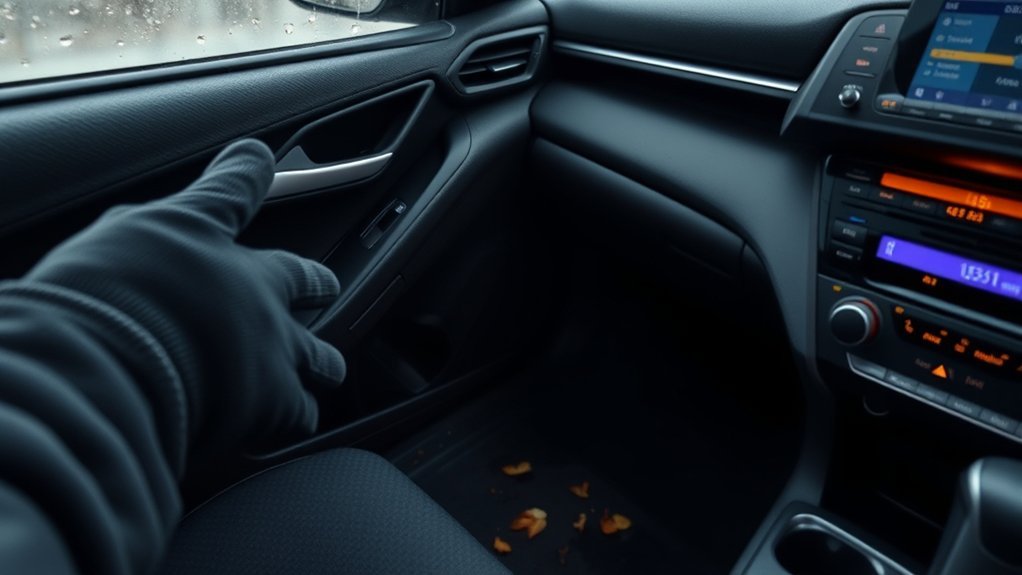
Alongside using your Camry’s HVAC and A/C correctly, you should run a quick physical inspection to find moisture sources that undermines defogging. You want freedom from sticky fog—start by targeting obvious, fixable wet spots so the system can do its job. Do concise checks that reveal where humidity enters or accumulates.
- Check door and window seals for cracks or gaps during seal inspections; press and look for light or feel gaps.
- Do carpet checks by lifting mats and feeling for dampness; dry or remove wet items immediately.
- Verify drain maintenance: pour a little water through sunroof or door drains and watch it exit clear and fast.
- Practice seat monitoring when using heated seats; notice condensation after use and test for lingering damp under upholstery.
Finally, schedule timely filter replacements for the cabin air filter to restore steady airflow and lower interior humidity. These fast checks give you control over fog before it starts.
Preventive Fixes: Settings, Mats, Dehumidifiers, Regular Maintenance
Start by setting your Camry’s climate controls to draw in outside air (turn recirculation off) and run the A/C or defog mode as needed—this lowers cabin humidity and gives the heater a chance to clear the windshield quickly. Use these preventive settings every drive to keep moisture levels down; the A/C removes humidity even in cool weather. Replace the cabin air filter on schedule to sustain airflow and prevent moisture buildup that fuels fogging. Swap fabric mats for rubber ones so floors won’t trap dampness; rubber mats simplify cleaning and cut interior humidity. Keep a silica-based dehumidifier in the car during wet seasons for active moisture management—empty or recharge it per instructions. Finally, practice regular maintenance: inspect door and trunk seals, check for damp carpets, and verify drains stay clear. These focused, practical actions free you from repeated fogging and reduce dependence on emergency wipes or risky visibility fixes.
When Fogging Signals an A/C or Leak Problem (What to Tell the Dealer)
If your Camry’s AC light blinks, the air isn’t cold, or the compressor sounds labored, tell the dealer you suspect an AC compressor issue. Mention any wet carpets, damp upholstery, or trunk moisture so they’ll check for interior leaks and clogged drains. Ask them to test refrigerant levels, run a heater-core pressure check, and inspect drainage paths and seals.
AC Compressor Warning Signs
When your Camry’s AC light starts blinking or the system stops blowing cold air, you’ve likely got a compressor problem or a refrigerant leak that’ll make windshield fogging worse; act fast to keep control of your cabin climate. A compressor malfunction or low refrigerant levels reduces dehumidifying power, so fog stays or returns. Don’t wait—note symptoms and tell the dealer:
- AC light blinking intermittently or staying on.
- Air is warm or weak when set to cold/defog.
- Hissing or clutch noise from the compressor area.
- Persistent fogging despite using defogger/AC.
These signs point to a failing compressor or leak. Say you suspect a refrigerant leak and compressor malfunction, request pressure tests and a leak dye scan, and insist on a clear repair timeline so you regain freedom from fog.
Interior Moisture Sources
Alongside compressor faults, moisture trapped inside the cabin is a common cause of persistent windshield fogging and tells the dealer where to look next. You’ll want to point out likely moisture sources: trunk or passenger-compartment leaks, damp carpets, or a failing heater core. Describe when fogging happens—after rain, in cold mornings, or continuously—to highlight high humidity conditions and trapped air from tight seals. Note any A/C oddities: weak cooling, A/C light behavior, or a non-engaging clutch that suggests dehumidification failure. Say what you’ve checked—carpets, drain tubes, and recent maintenance—so the dealer can focus on leaks or A/C refrigerant levels. Clear, specific observations speed repairs and restore your humidity control and driving freedom.
Dealer Diagnostic Requests
Since persistent windshield fogging often points to an A/C or cabin leak issue, tell the dealer exactly what you’re seeing: timing (after rain, during cold starts, or continuously), any wet spots or musty smells, and whether the A/C light blinks or the compressor clutch fails to engage. Be direct in dealer communication and demand a moisture inspection so they can confirm leaks or A/C faults. Note recent weather or driving changes that match the symptom onset. Ask for these checks and reportables:
- Cabin air filter condition and airflow test results.
- Evidence of heater core or evaporator leaks and odor source testing.
- A/C compressor operation, clutch engagement, and electrical diagnostics.
- Interior moisture mapping and drain/vent blockage inspection.
Stay firm—liberate yourself from vague fixes.
Simple Daily Habits to Avoid Fogging (Warm-Up, Ventilation, Cleaning)

If your Camry’s windshield starts fogging, take three daily habits that reliably prevent it: warm the cabin briefly before driving, run the defrost with AC on to dehumidify and direct airflow to the glass, and keep your windows clean to remove grease that attracts moisture. Establish daily routines for fogging prevention: idle for a few minutes to raise cabin temp and discourage condensation, then switch to defrost with A/C engaged—this removes moisture and targets the windshield. Turn off air recirculation so fresh, drier air replaces humid interior air. Swap fabric mats for rubber and inspect carpets or seats for dampness; remove moisture sources promptly. Clean glass inside and out with a quality cleaner to eliminate oils that seed fog. These steps are quick, empower you to regain control of your cabin environment, and minimize need for emergency wipe-downs while driving. You’ll drive clearer, safer, and freer.
Frequently Asked Questions
How to Fix a Windshield That Keeps Fogging Up?
Start by using defogging techniques: run A/C on windshield, turn off recirculate, and blow warm air while managing moisture with clean windows, fresh cabin filter, and anti-fog treatment; you’ll reclaim clear visibility and control.
Conclusion
Keep your Camry clear by thinking like a detective: check seals, drains, carpets and the cabin filter, then run A/C or heater with fresh air to chase moisture out. Use rubber mats, a small dehumidifier for garage storage, and wipe glass with a good cleaner to cut fog stickiness. If fogging persists or you smell coolant, tell the dealer about A/C performance, leaks, and damp carpets — those clues point to bigger fixes.